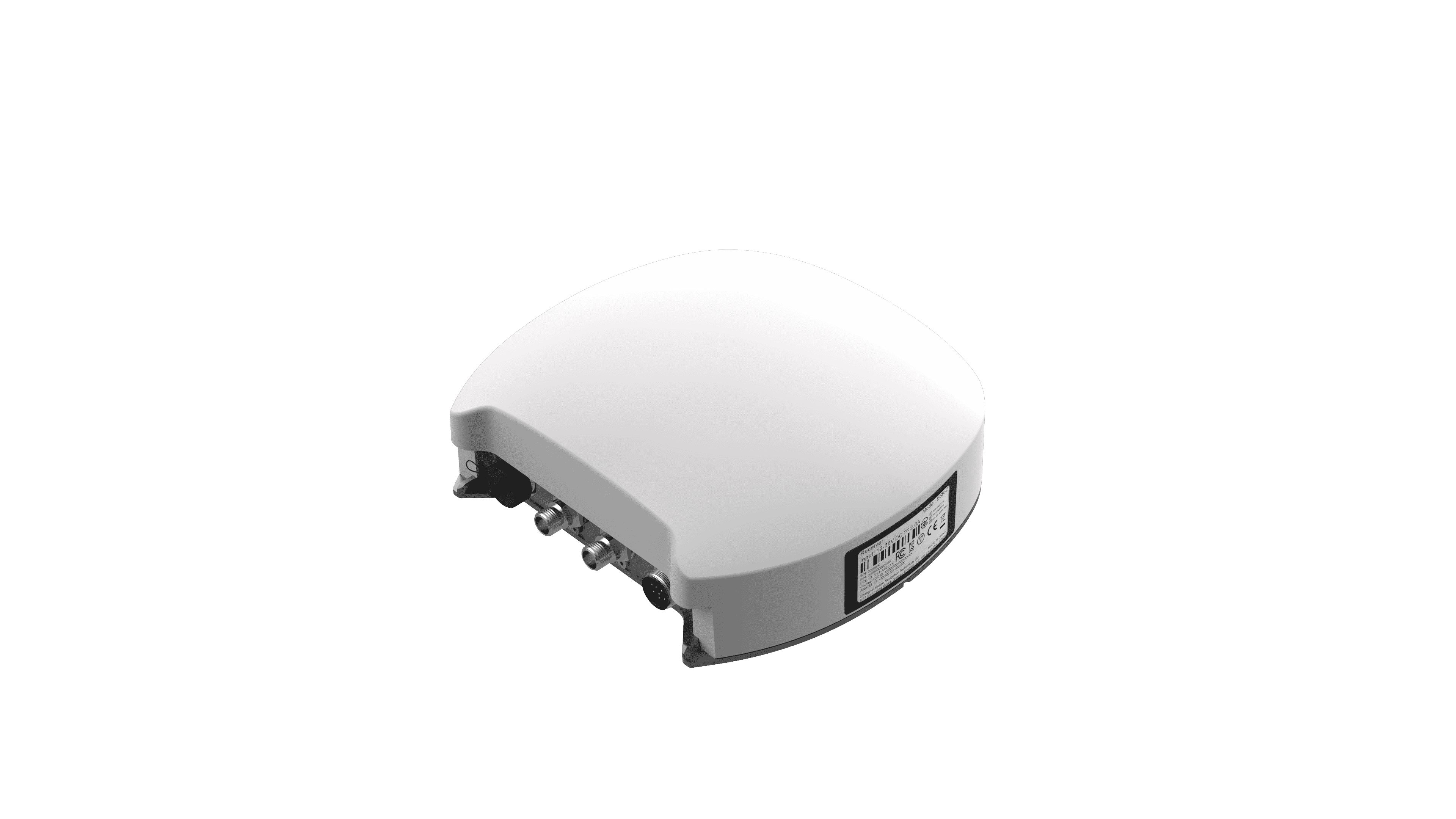
Consider the modern agricultural operation. It is a complex system where decisions carry significant weight, impacting everything from financial viability to environmental stewardship. In this context, one approach has moved from being an innovative advantage to a core component of responsible management. We see precision farming technology as this essential foundation. It provides the clarity and control needed to navigate the variables of soil, weather, and crop health, transforming raw data into actionable insight for every acre.
Moving Beyond Uniform Field Management
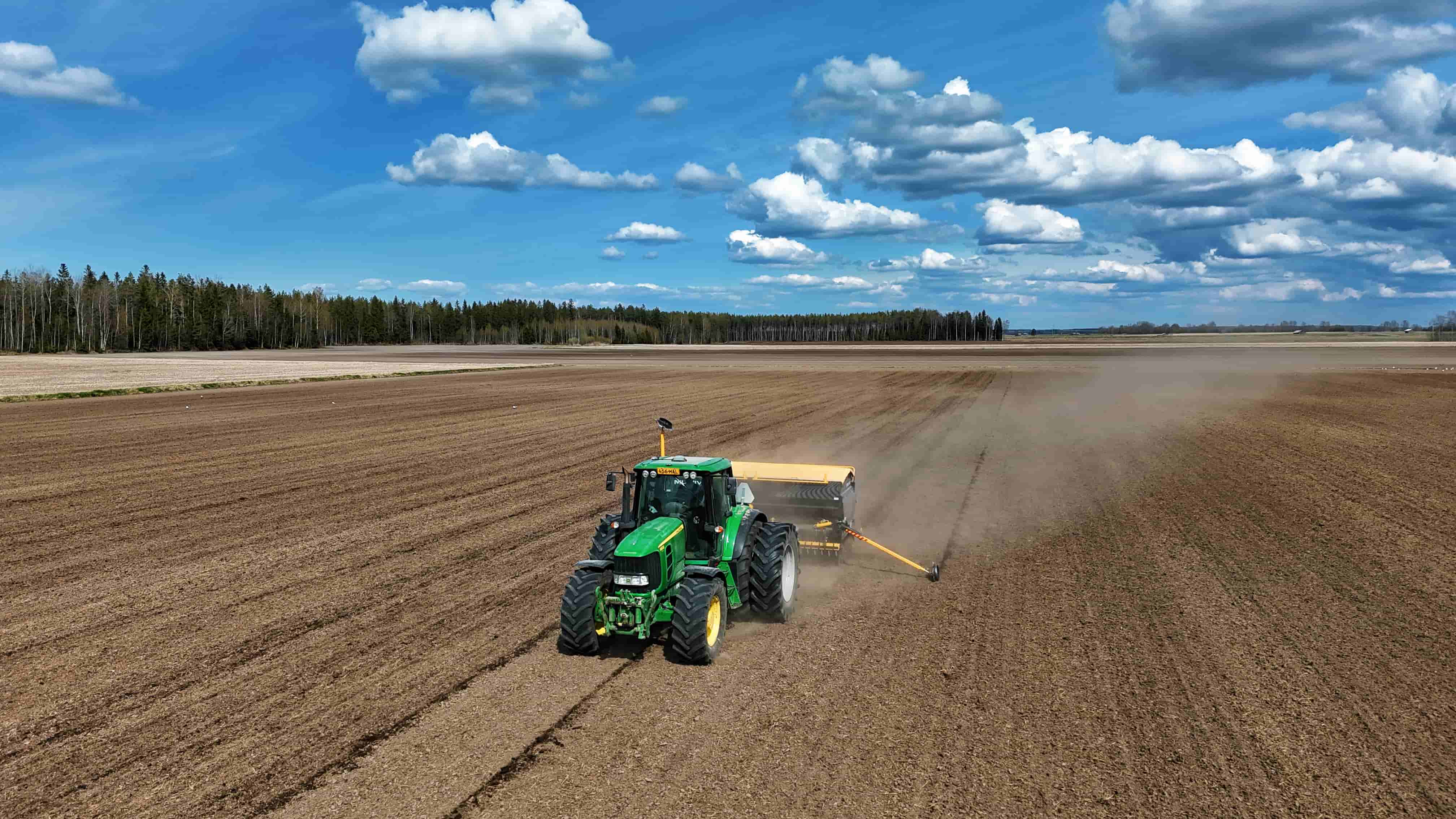
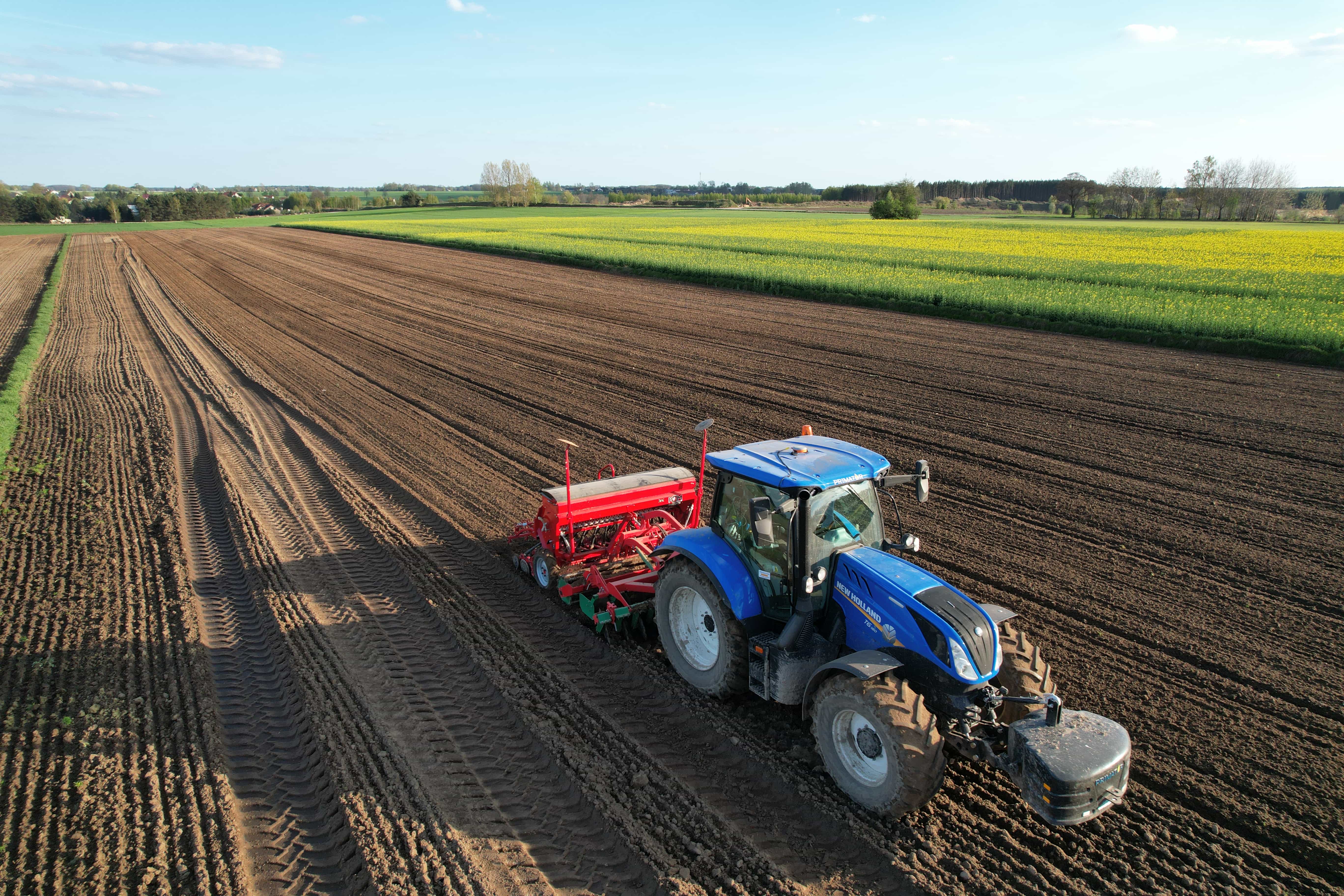
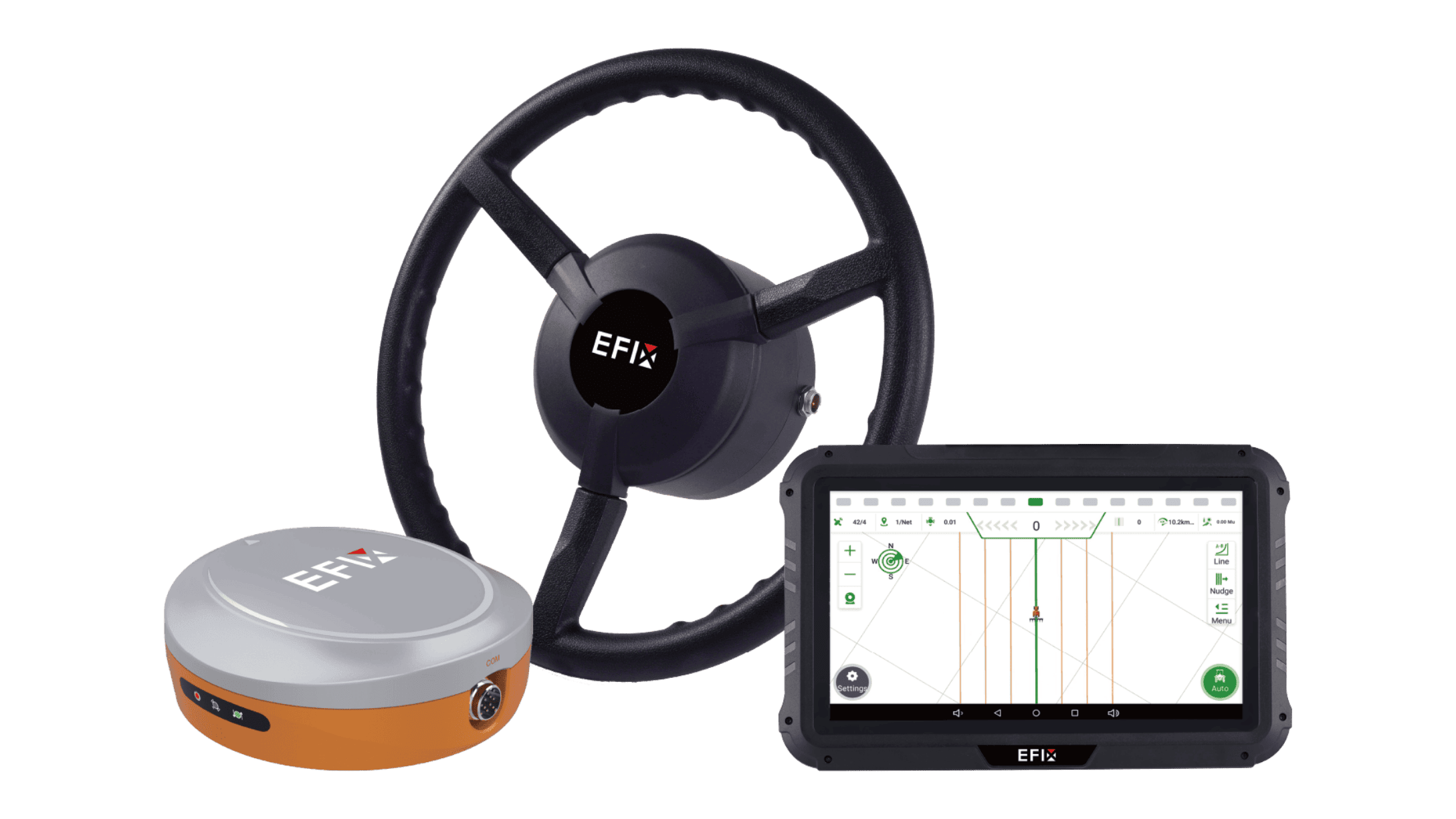
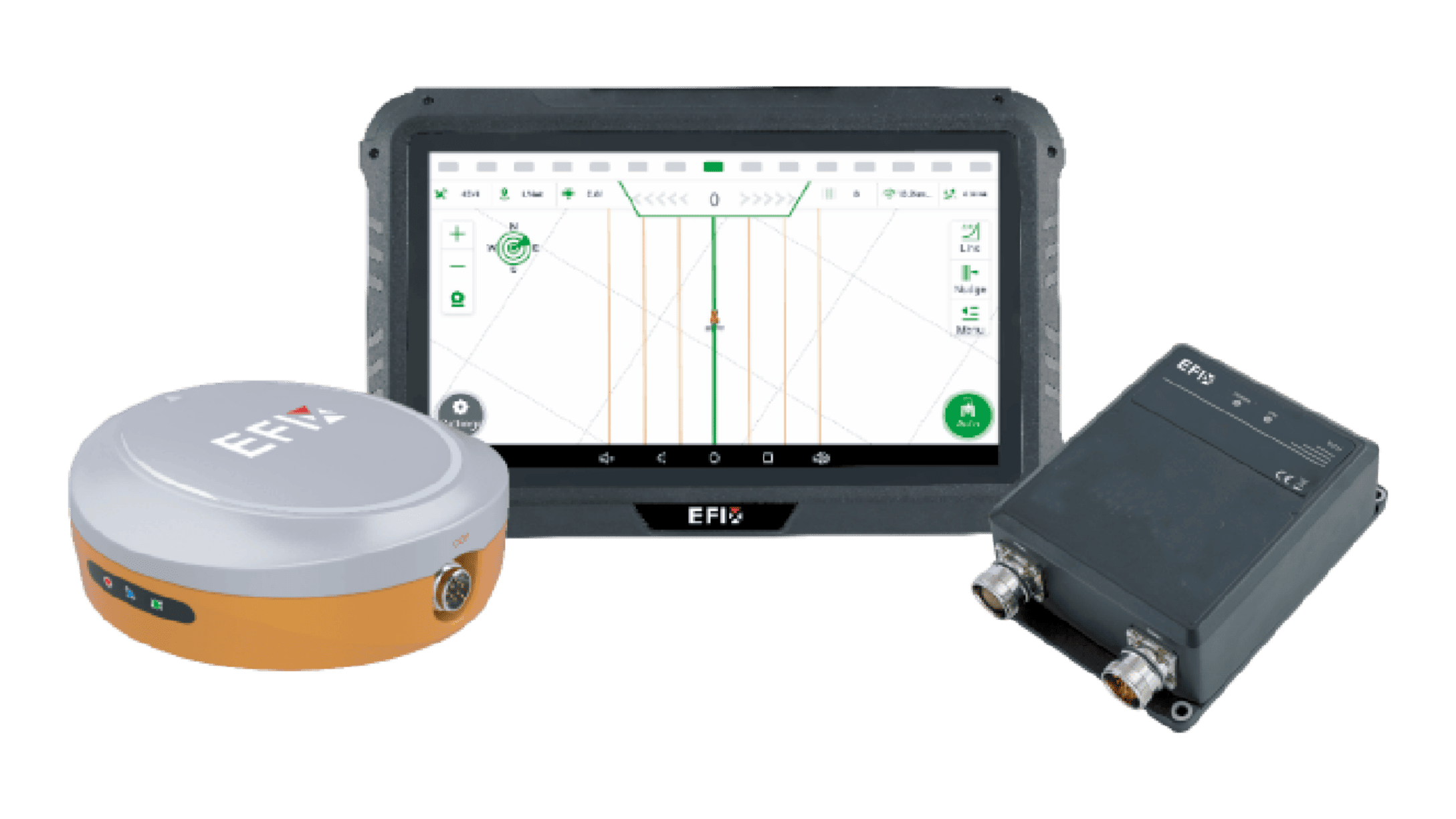
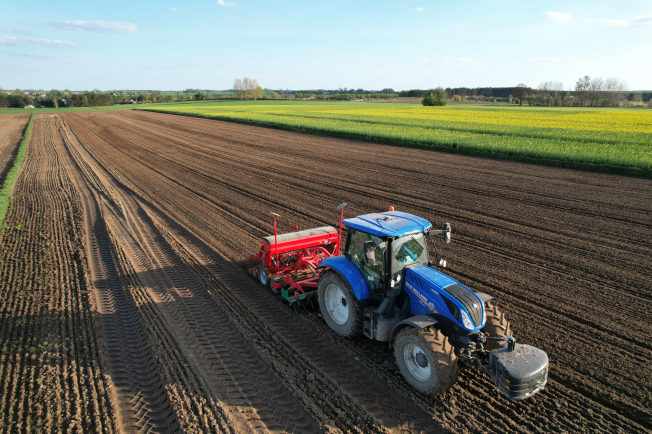
For generations, fields were managed as uniform blocks, receiving equal amounts of inputs regardless of internal variation. This method often led to inefficiency. Precision farming technology directly addresses this by acknowledging that conditions within a single field can differ. Through tools like GPS-guided equipment and soil sensors, we can now observe variations in nutrient levels, moisture content, and soil composition. This allows for the creation of detailed application maps, ensuring that inputs like fertilizer and water are placed only where they are needed and in the correct amounts. This targeted approach is a fundamental shift from blanket coverage.
Enhancing Crop Health and Yield Predictability
The benefits extend beyond resource application to direct crop oversight. Aerial imagery from drones or satellites offers a frequent, macro-view of plant health, revealing issues like pest infiltration or water stress long before they are visible from the ground. This capability for early intervention is crucial. By identifying a developing problem in a specific zone, a farmer can take swift, localized action, protecting the overall health of the crop. This consistent monitoring supports more stable yield outcomes by mitigating small issues before they escalate into field-wide challenges, making the entire production cycle more predictable and secure.
Supporting Environmental and Economic Sustainability
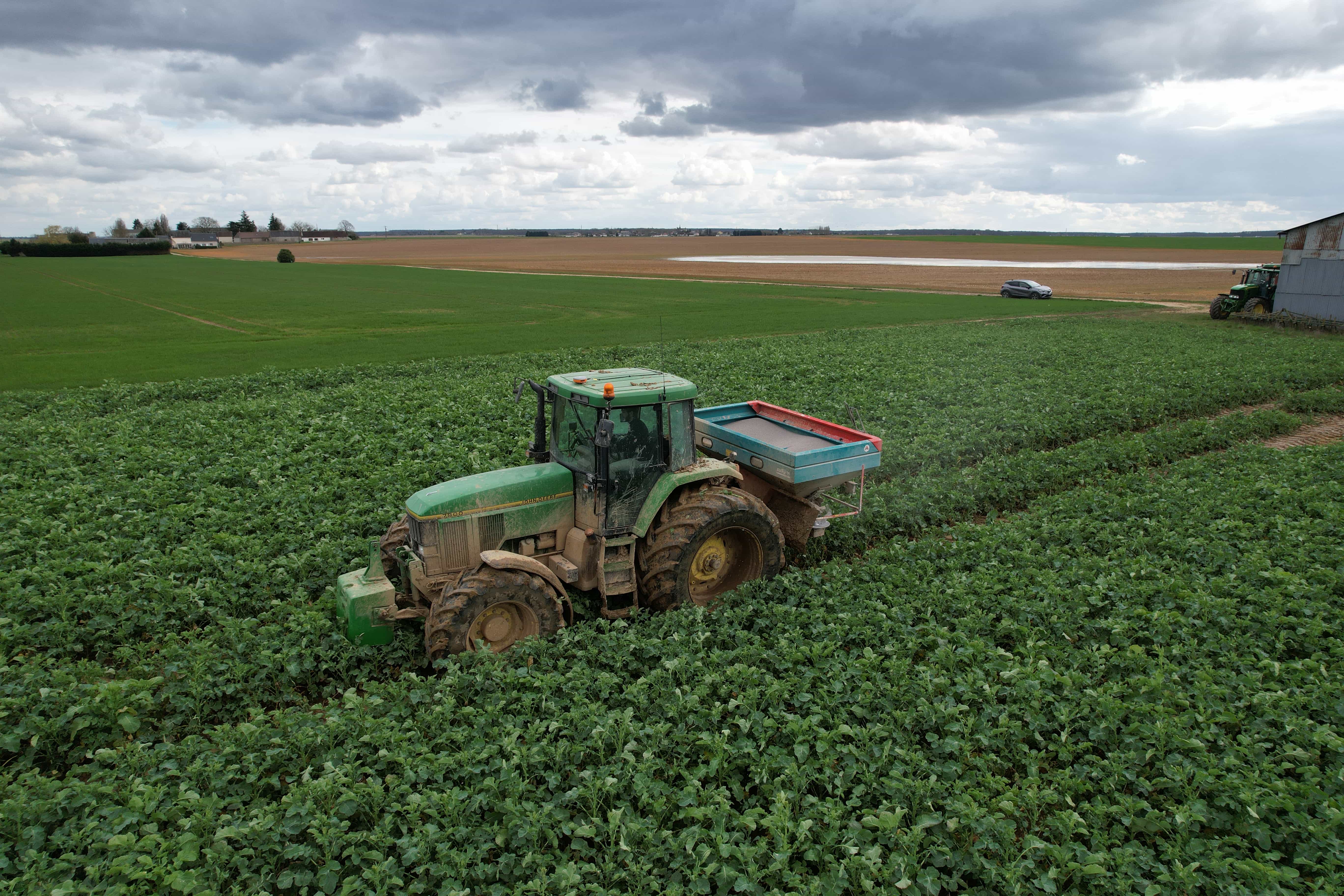
The application of precision farming technology creates a powerful synergy between ecological and economic goals. When inputs are applied with accuracy, excess use is minimized. This precision reduces the potential for nutrient runoff into waterways and lowers the overall chemical load on the land. Concurrently, operating costs associated with these inputs are better controlled. The financial savings from reduced waste, combined with the yield protection offered by constant monitoring, directly supports the farm’s economic resilience. This creates a sustainable model where responsible environmental practices align with strengthened economic viability.
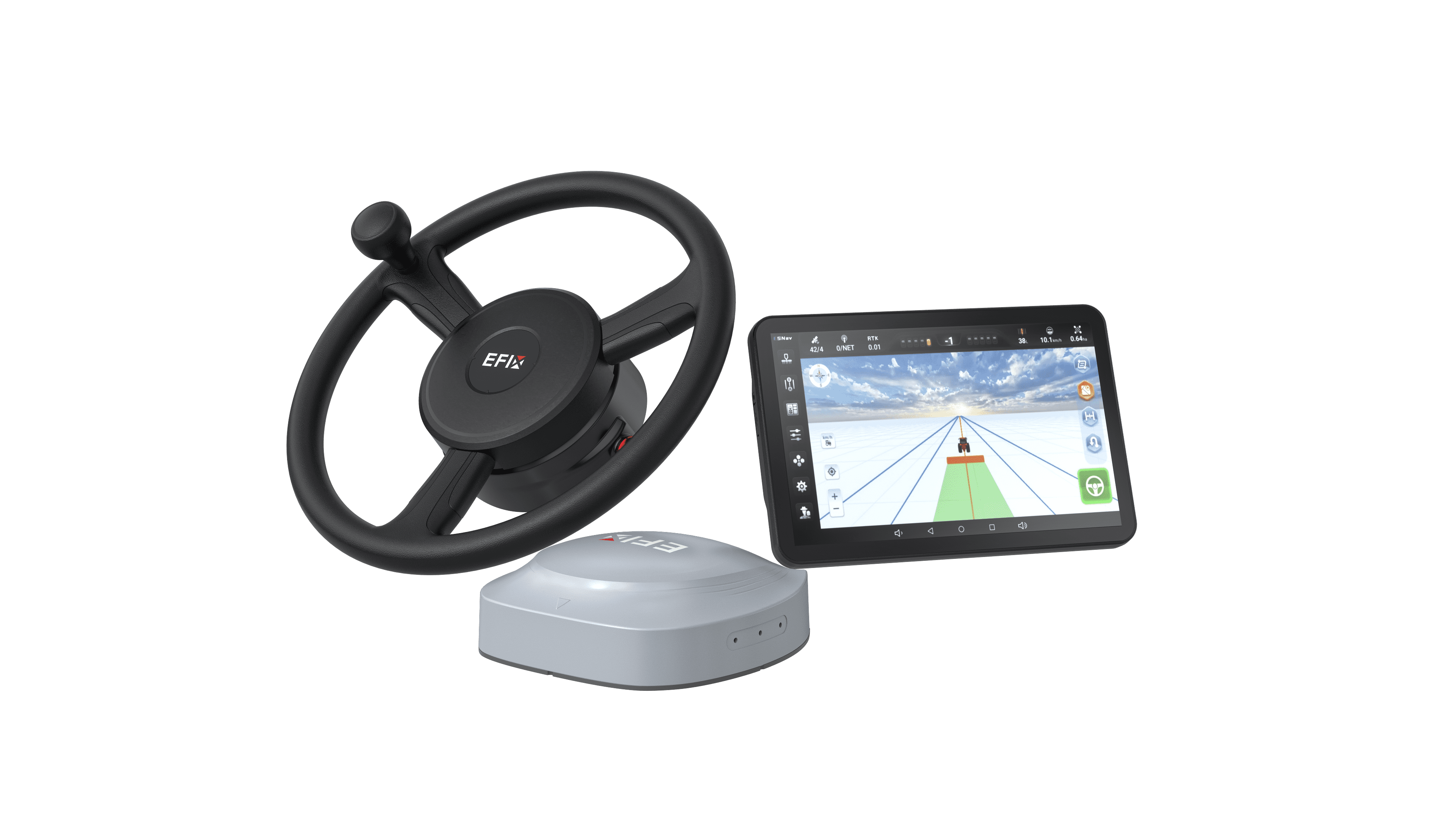
The integration of detailed data into daily farm operations is no longer a speculative vision of the future; it is a practical requirement for a productive and sustainable present. The move from generalized practice to measured, site-specific action defines contemporary agricultural progress. At Efix, we develop tools that make this detailed approach accessible and actionable. Our focus is on providing reliable systems that translate data into clear steps, helping operations of various scales implement the principles of precision effectively to meet their specific goals.