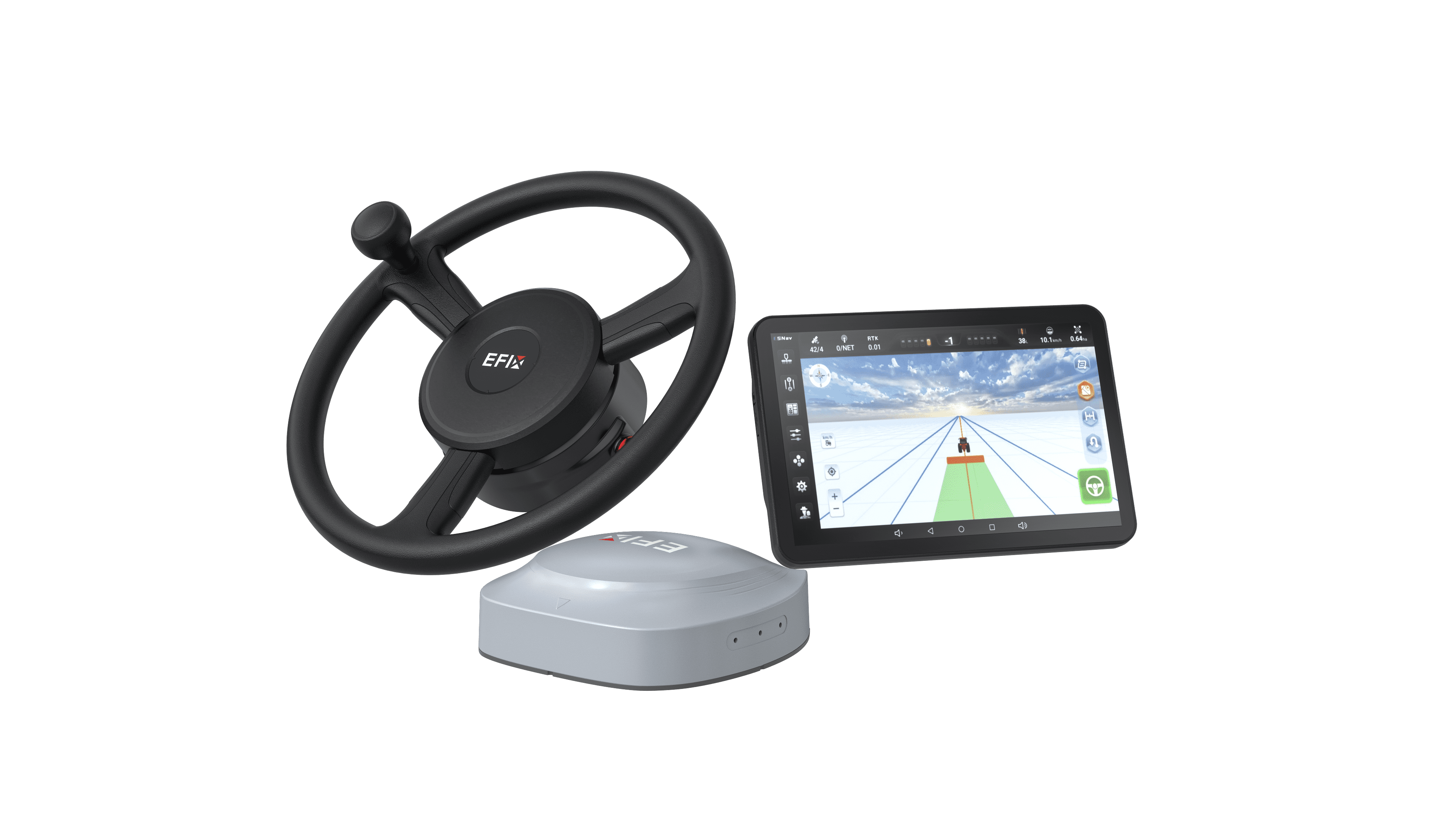
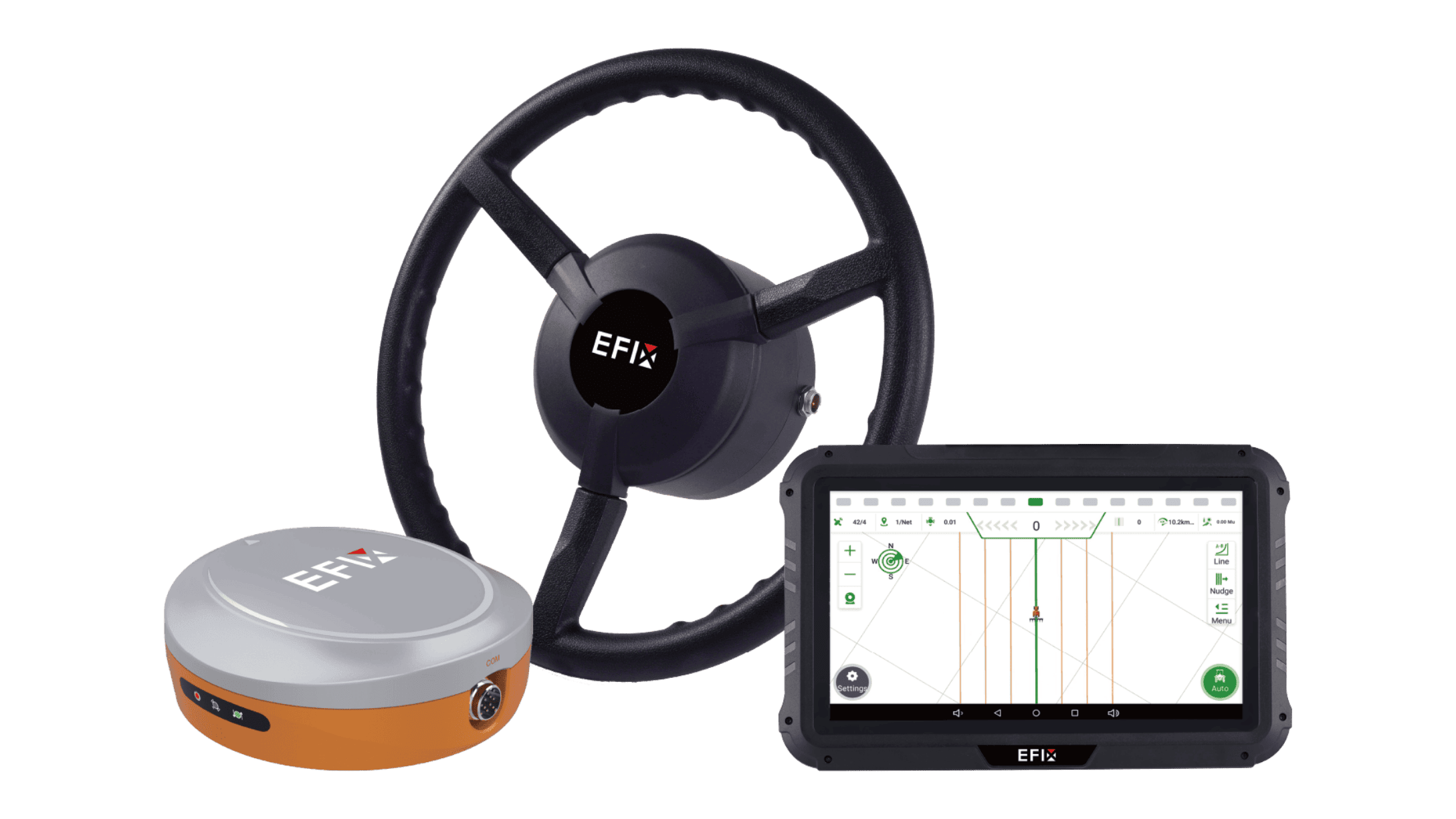
Adopting automated steering represents a substantial step in operational methodology, moving beyond the purchase of a single tool to integrating a complex technological subsystem. The entity behind this technology, the gnss auto steer system manufacturer, influences outcomes long after installation. Their design priorities, support framework, and vision for the product’s evolution become embedded in daily workflows. We find that examining these elements provides a clearer picture of how a manufacturer’s philosophy translates to performance and reliability in the field.
Core Design Principles and Hardware Reliability
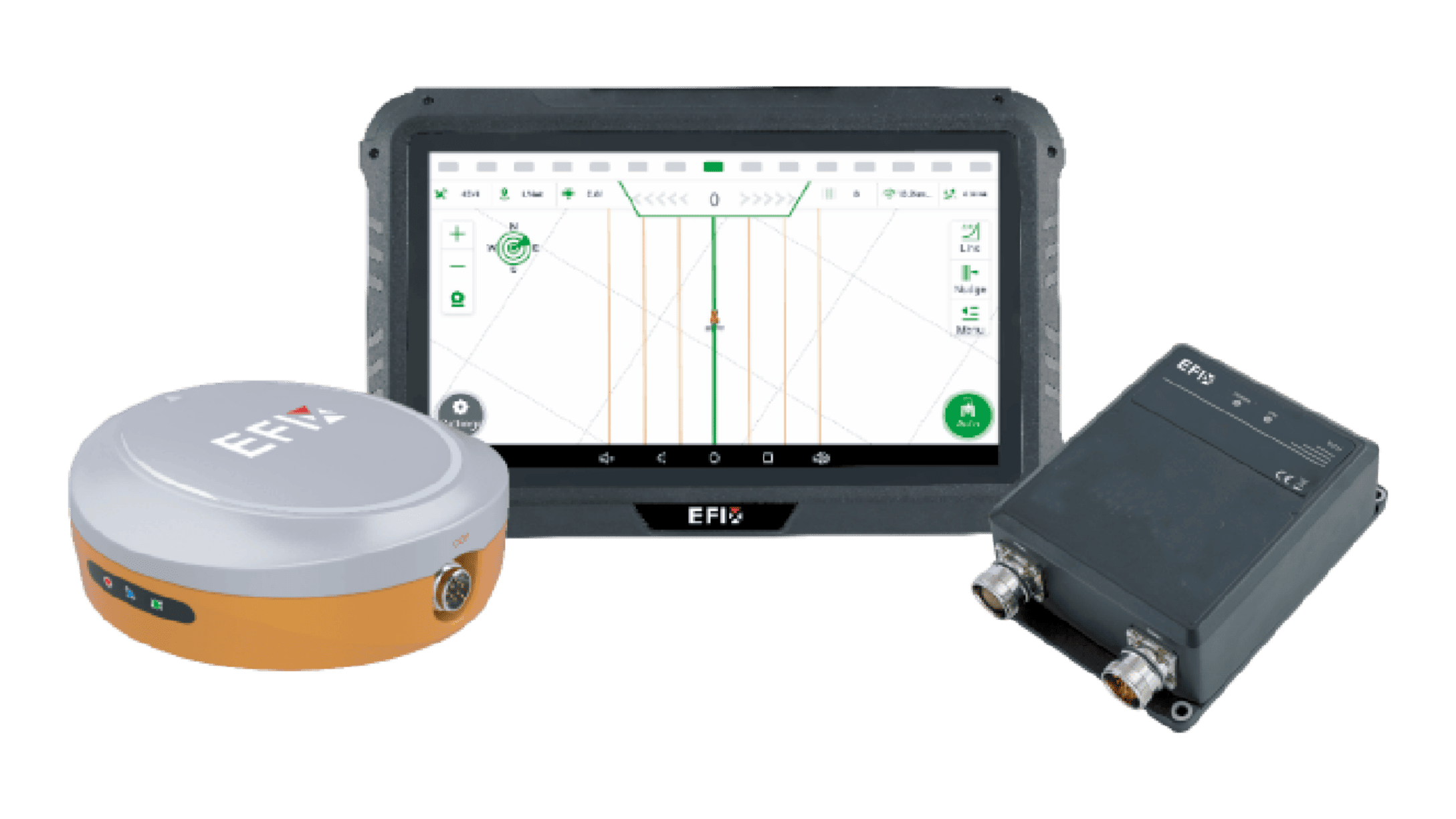
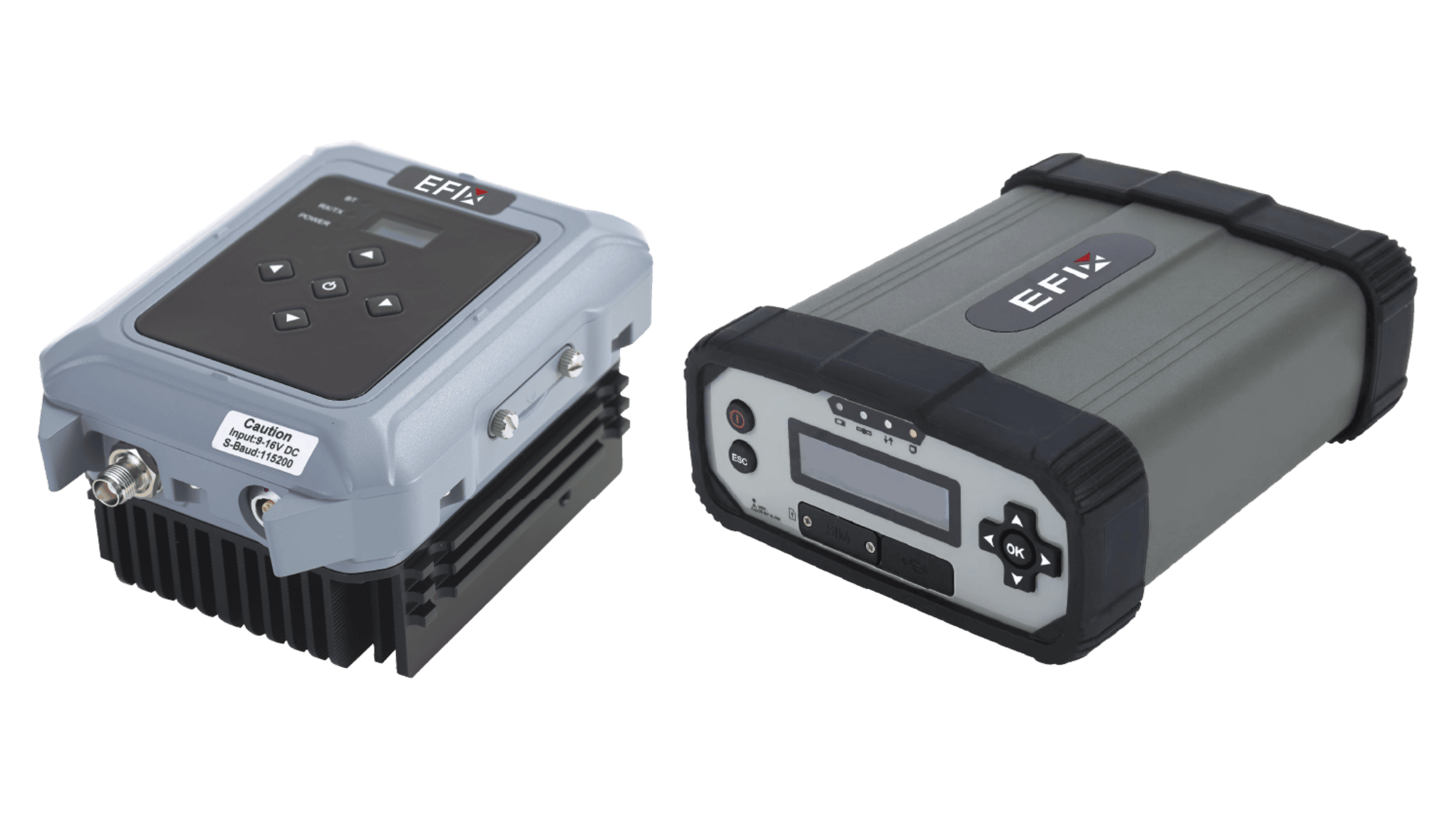
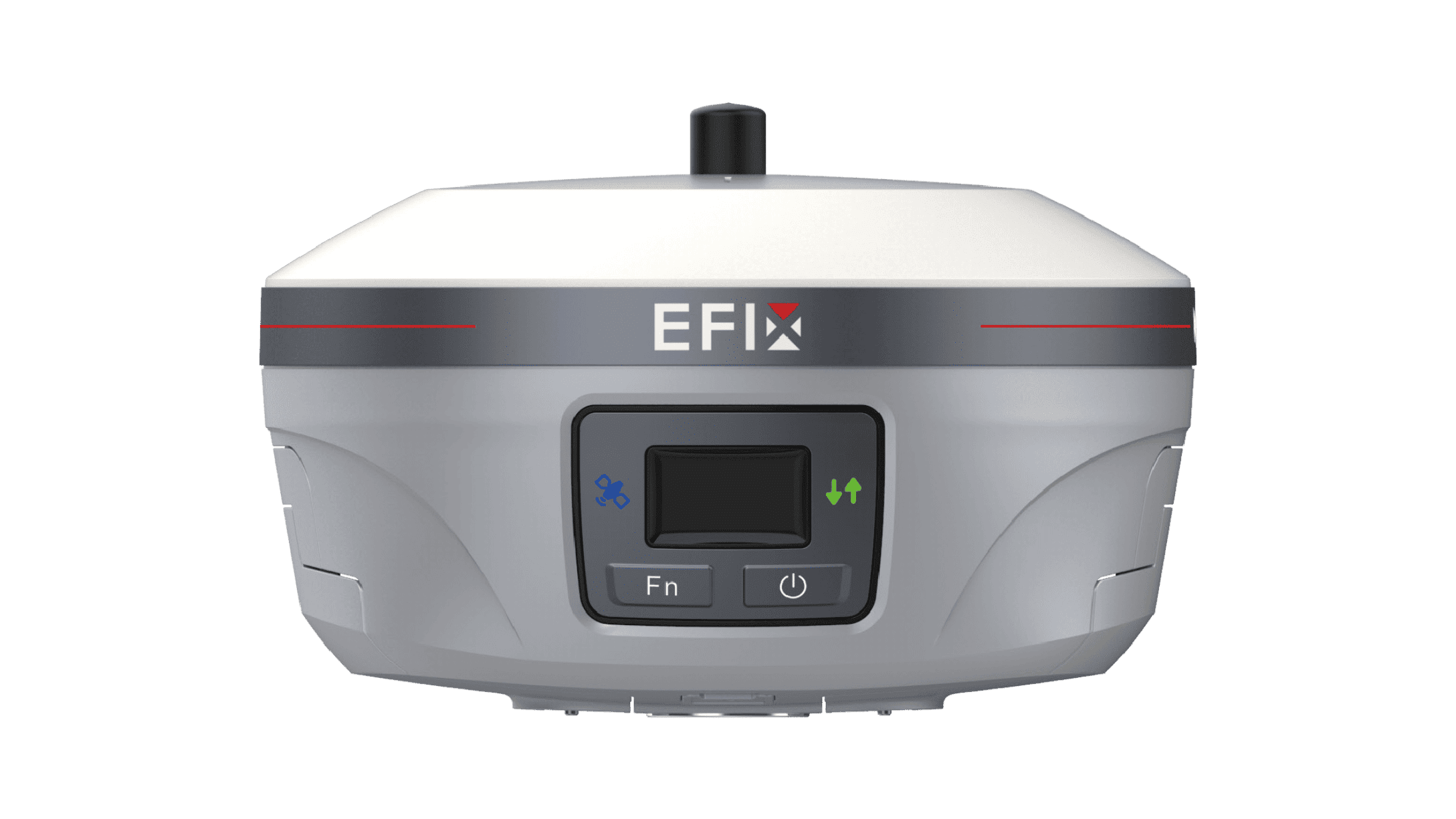
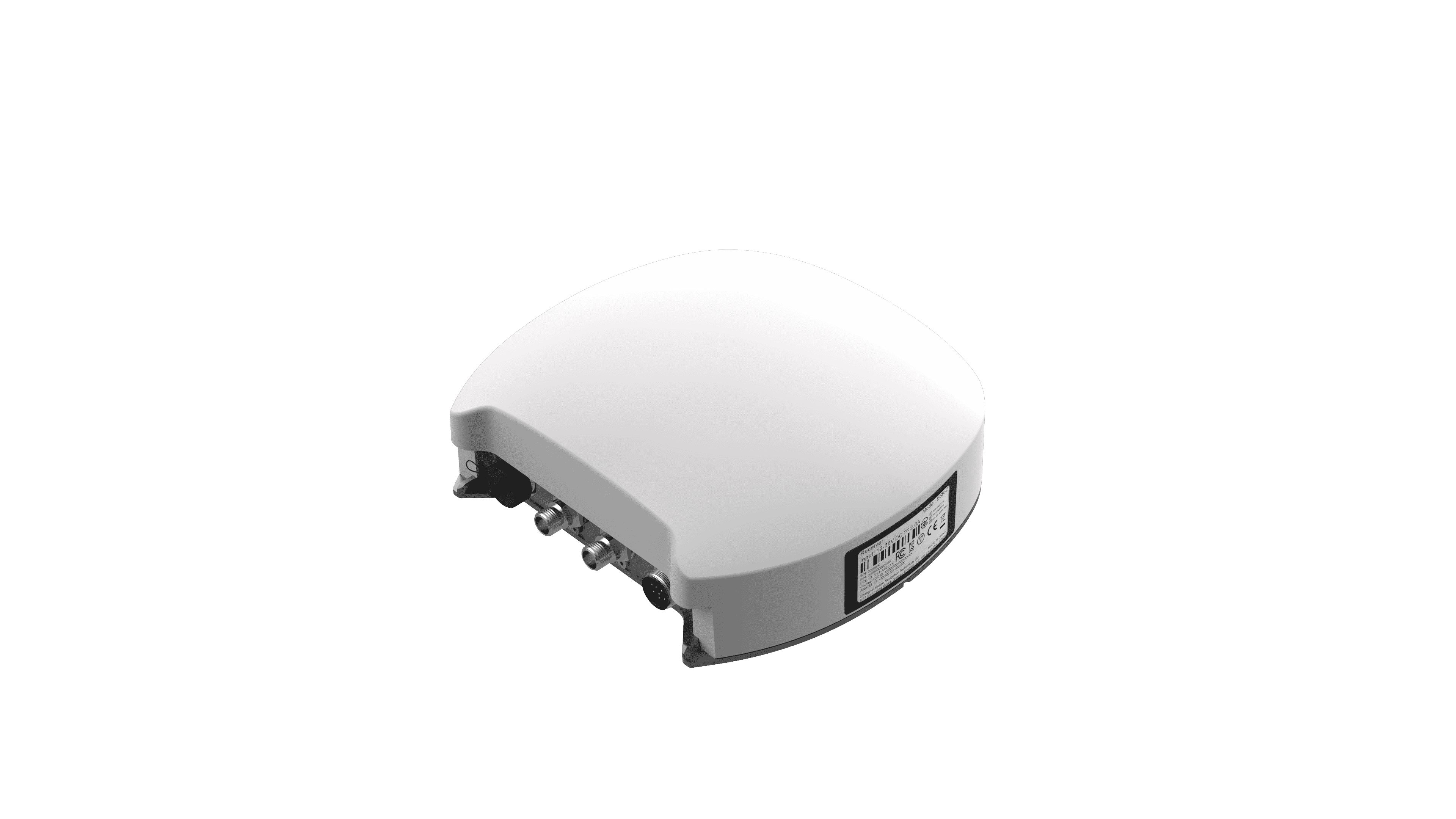
The physical components of an auto-steer system operate in a demanding environment characterized by vibration, dust, moisture, and temperature extremes. The manufacturer’s commitment to durability is reflected in component specifications, sealing standards, and the quality of connectors and wiring. Furthermore, design principles dictate the system’s architecture. Some prioritize a centralized, proprietary system where all parts communicate on a dedicated network, while others may adopt more open, modular designs that allow for interoperability with displays or monitors from different brands. The choice made by the gnss auto steer system manufacturer in this regard affects installation complexity, future expansion possibilities, and the ease of integrating with implements that have their own control requirements.
Software Ecosystem and Functional Updates
The intelligence of an auto-steer system resides in its software. This software controls the steering logic, manages the user interface, and processes correction data. A manufacturer’s dedication to continuous software development is critical. This includes not only refining core steering algorithms for smoother operation but also providing functional updates that expand capabilities, such as supporting new implement types or adding data management features. The update process itself—its frequency, cost, and ease of installation—is a practical consideration. A stagnant software platform can limit the system’s utility over time, whereas a proactive development cycle from the gnss auto steer system manufacturer helps protect the long-term value of the investment.
Technical Support Pathways and Knowledge Accessibility
When a system requires calibration, encounters a fault, or needs reconfiguration for a new implement, accessible expertise is non-negotiable. The support structure established by the manufacturer defines this experience. This structure includes the training and technical depth of authorized dealerships or installers, the availability and clarity of service manuals, and the responsiveness of direct technical support lines. Some manufacturers foster strong, certified dealer networks for local service, while others may centralize support. The effectiveness of this network directly impacts machine availability during critical work windows. Evaluating this support pathway, including parts availability and standard repair protocols, is as important as assessing the hardware specifications.
The relationship with a technology provider extends throughout the ownership period. It is shaped by the robustness of their hardware, the evolution of their software, and the competence of their support network. These factors collectively determine system uptime, adaptability, and total operational cost. Our focus at Efix is grounded in these enduring principles. We concentrate on engineering systems for clarity and resilience, supporting them with structured technical resources, aiming to ensure that the technology functions as a consistent and dependable element within the broader scope of agricultural production.