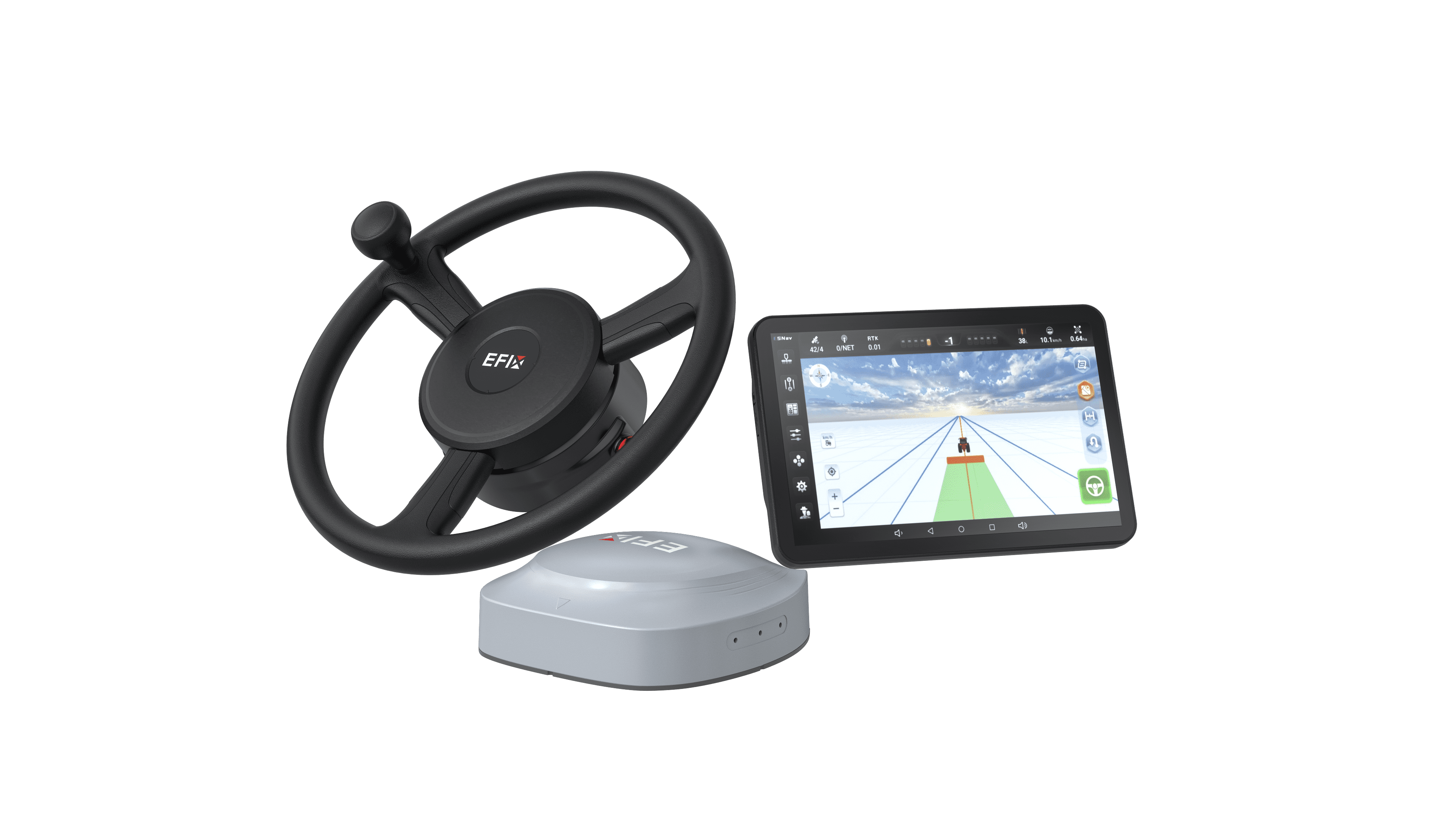
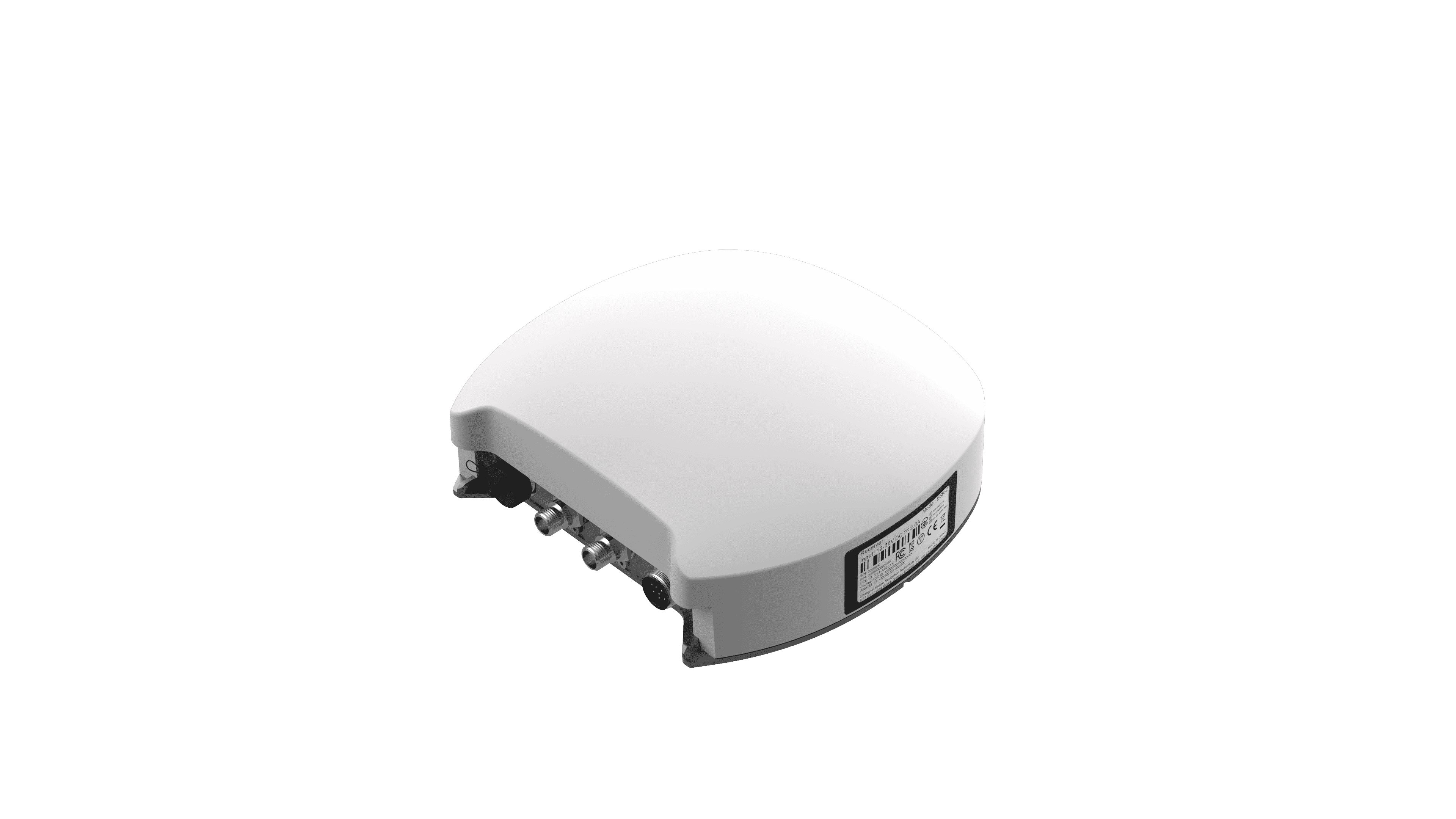
Securing equipment that meets high-performance standards involves careful vetting of the source. For managers looking to integrate automation, the question of how to identify a dependable ag auto steer system supplier requires a methodical approach. We believe a reliable partnership is built on evaluating three concrete areas: product integrity, service depth, and adaptive capacity.

Verifying Product Integrity and System Transparency
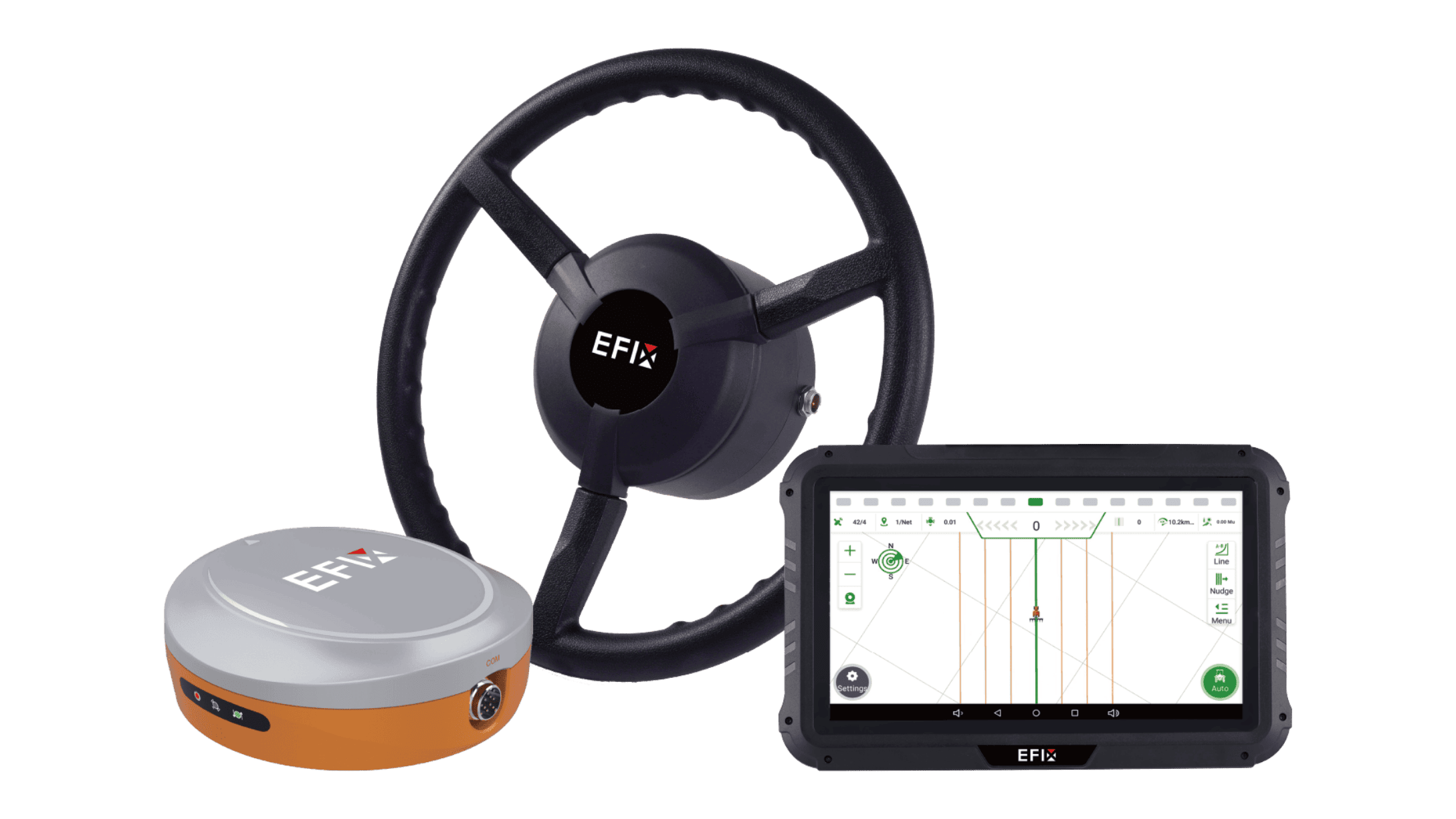
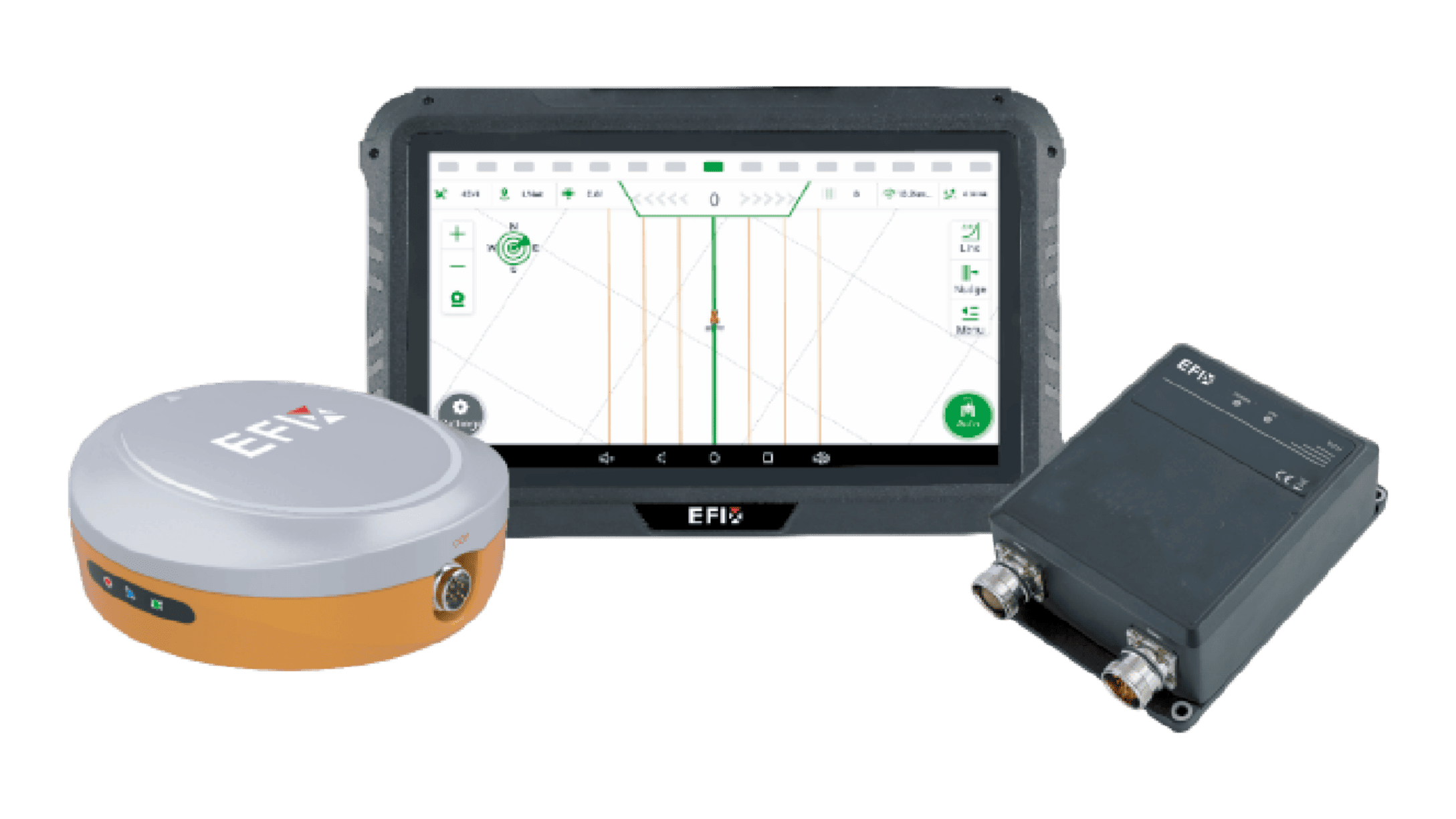
A primary step involves examining the product itself beyond surface specifications. A credible ag auto steer system supplier should offer complete transparency regarding hardware components, software architecture, and the sources of correction signals. Scrutinize the system's stated accuracy not just in ideal conditions, but its documented performance over varied terrain and through full operating seasons. Request information on the system's resilience to environmental factors like dust, moisture, and vibration, which are common in agricultural settings. Understanding the technology's design philosophy—whether it prioritizes open compatibility or operates within a closed ecosystem—is crucial. This level of product integrity ensures the core technology is robust and aligns with your operational environment and data management preferences.
Assessing the Depth of Service and Technical Proficiency
The second area focuses on the human and logistical support behind the product. Investigate the supplier's technical service framework. Determine if they employ specialists trained specifically on their guidance systems, rather than general equipment technicians. Inquire about their diagnostic capabilities, such as remote support access for software issues or the availability of advanced calibration tools for field service visits. A proficient ag auto steer system supplier will have a structured protocol for support, including clear escalation paths for complex problems and guaranteed response timeframes, especially during critical planting or harvest periods. The ability to provide competent, timely service directly influences overall equipment uptime and return on investment.
Evaluating Adaptive Capacity and Forward Compatibility
Technology in agriculture continues to evolve. Therefore, assessing a supplier's capacity for adaptation is essential. Examine their record of providing regular, value-adding software updates and their policy for integrating new features. Discuss how their system architecture accommodates future advancements, such as compatibility with emerging implement control protocols or enhanced data exchange formats. A forward-looking ag auto steer system supplier will have a documented roadmap for their technology platform, demonstrating a commitment to iterative improvement rather than selling static products. This adaptive capacity protects your investment by allowing your system to incorporate relevant innovations, ensuring its utility extends across many seasons.
Selecting a source for advanced guidance technology is a strategic decision with long-term implications. A process that rigorously verifies product integrity, meticulously assesses the depth of technical service, and critically evaluates the supplier's adaptive roadmap will highlight partners capable of supporting sustained operational goals. This approach shifts the focus from a simple transaction to establishing a foundational technology relationship. At Efix, we structure our operations around these principles. Our focus is on delivering transparent system specifications, maintaining a dedicated and expert support channel, and developing our technology with a clear view toward sensible, compatible future advancements.