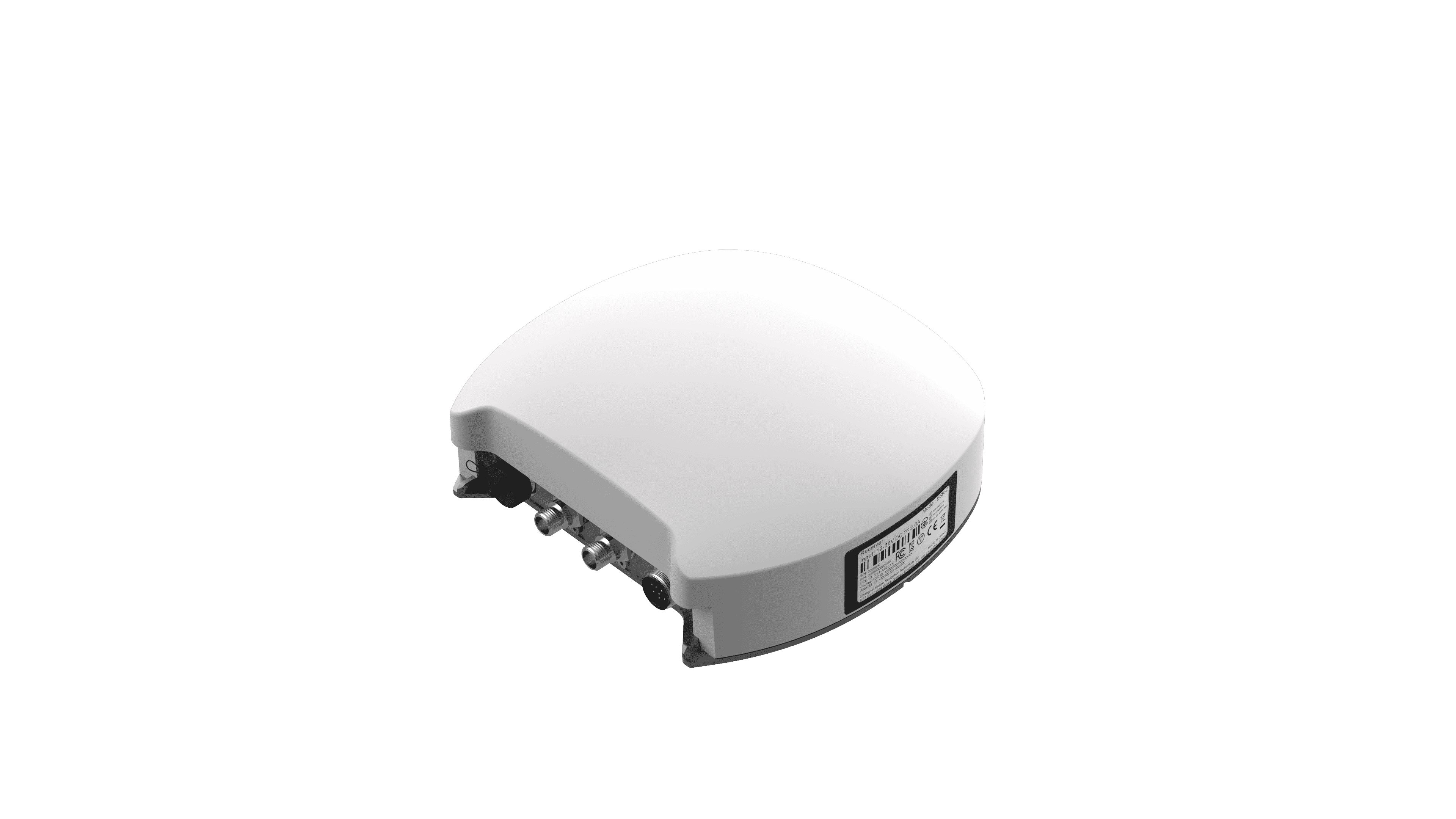
Farmers and agronomists seeking to establish a reliable positioning framework must evaluate several core specifications. The selected RTK GNSS receiver acts as the cornerstone for all precise guidance and mapping tasks, making its capabilities a primary influence on data integrity. We examine functional attributes that determine real-world performance, focusing on aspects that impact daily use and long-term utility.
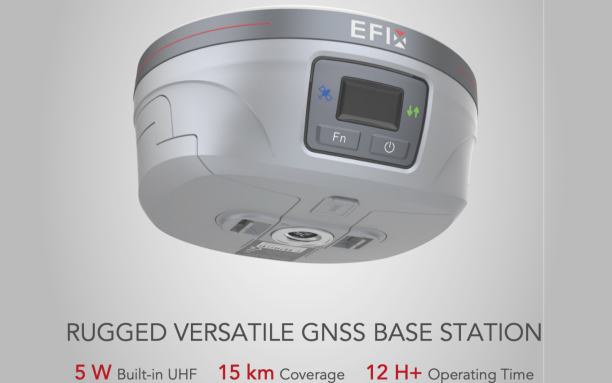
Signal Acquisition and Stability in Diverse Field Conditions
The primary function of the unit is to deliver a continuous, high-fidelity position signal. A critical factor is its performance during signal challenges, such as near tree lines, under mild canopy cover, or in terrain with rolling hills. This depends on internal components like the number of concurrent satellite signals processed and the use of multi-frequency technology to mitigate atmospheric interference. A receiver that frequently drops its fixed RTK solution to a lower-accuracy float mode introduces operational inconsistency. The robustness of its internal survey-grade antenna module is also significant. Therefore, assessing a potential RTK GNSS receiver involves understanding its documented performance in maintaining signal lock in less-than-ideal environments, which directly affects the uniformity of field work.
Hardware Resilience and Environmental Protection Rating
The operational environment for farm equipment is demanding. The receiver and its antenna are subjected to constant vibration, temperature swings, dust, and moisture. A key consideration is the Ingress Protection (IP) rating of the housing, which certifies its resistance to dust and water ingress. A rating like IP67 or higher indicates a design that can withstand temporary immersion and dusty conditions. Furthermore, the mounting hardware and cabling must be designed for durability. Connectors should be robust and sealed, and cables should be resistant to oils, chemicals, and physical crushing. The physical construction of the RTK GNSS receiver is not a secondary concern; it is a direct determinant of system longevity and reduced maintenance needs over multiple seasons.
Interoperability with Display Consoles and Data Management
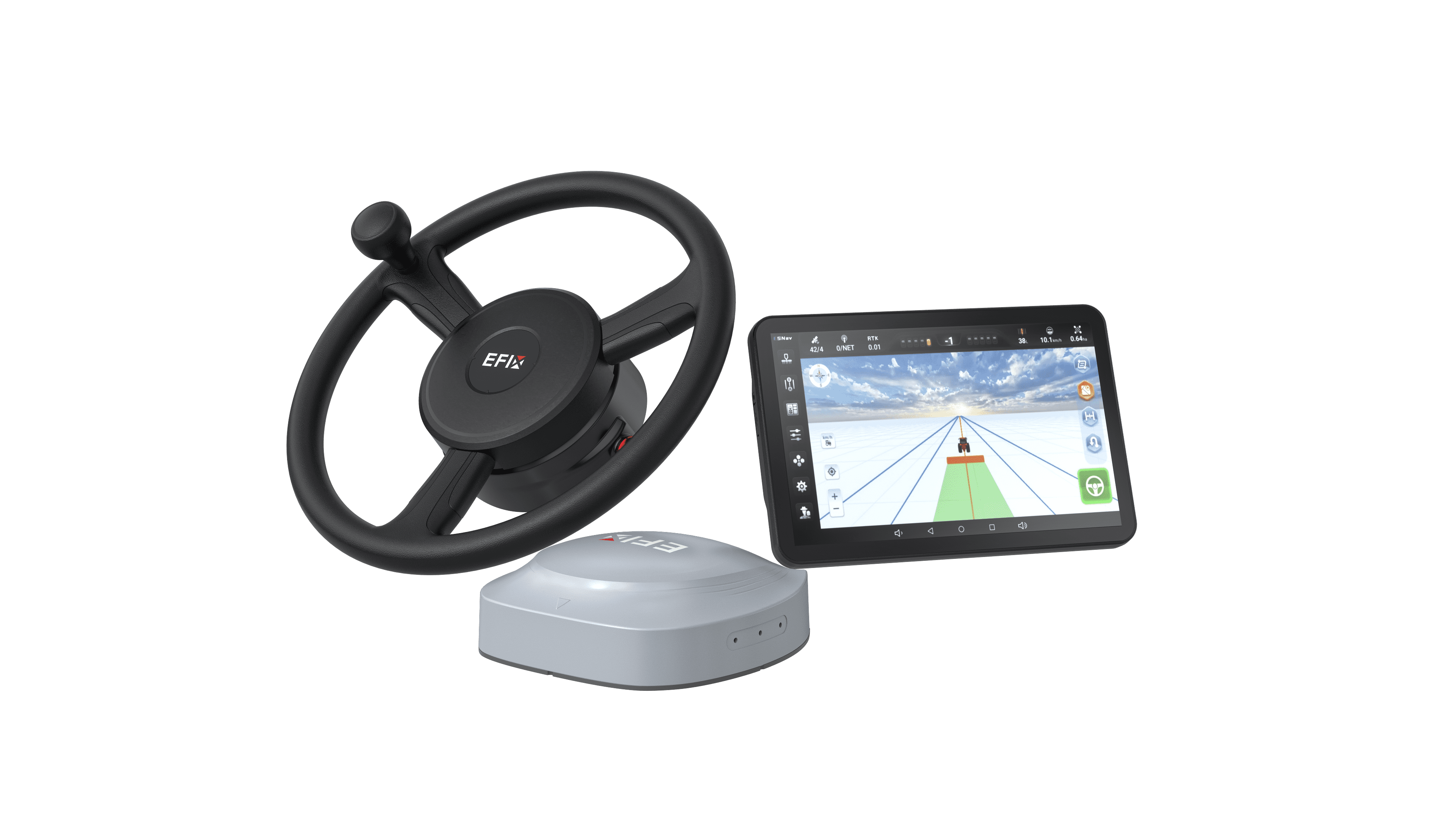
The receiver generates vital positional data, but this data must be communicated effectively to an in-cab display and potentially to farm management software. A crucial factor is the range of industry-standard communication protocols the receiver supports, such as NMEA or proprietary formats. This determines compatibility with various display brands and models, offering flexibility in choosing or retaining a user interface. Additionally, the ease with which collected spatial data from the receiver can be exported and integrated into other agricultural software platforms affects overall workflow efficiency. The device should function as a seamless component within a larger data ecosystem, not as an isolated technical instrument.
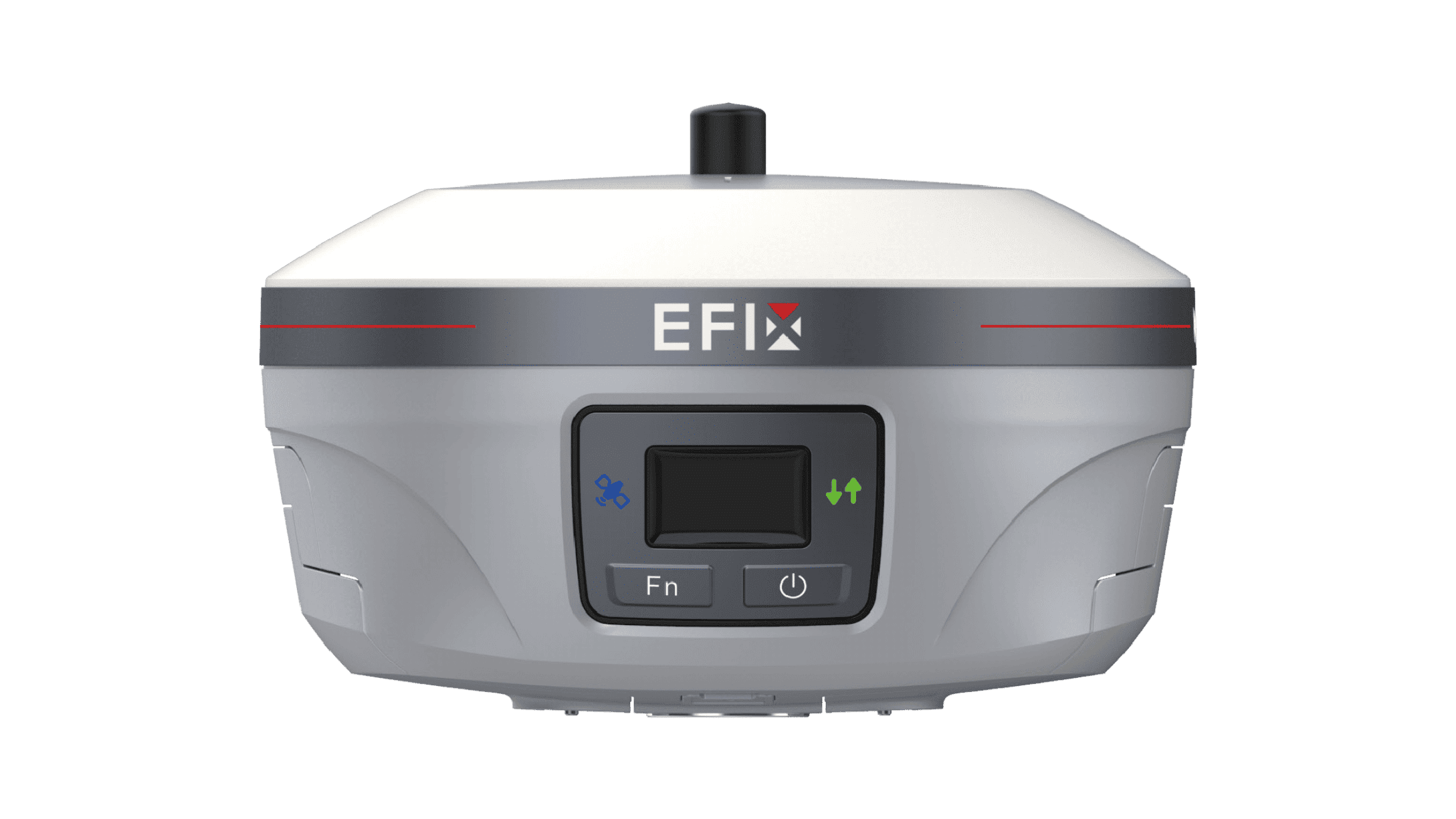
Informed selection centers on tangible performance metrics, physical durability, and integration capacity. These factors collectively ensure the receiver provides a stable, accurate foundation for automated passes and generates reliable data for analytical purposes. The goal is to secure a component that functions consistently as the reliable source of truth for field position. At Efix, our engineering process for an RTK GNSS receiver prioritizes these exact criteria. We concentrate on developing units that deliver resilient signal performance, are built for the harsh farm environment, and are designed to integrate smoothly into existing machinery and data systems, providing a dependable core for precision agriculture activities.