Consider a farm field not as a uniform plot of land, but as an intricate, living map. Each section possesses its own unique characteristics—variations in soil composition, moisture levels, and nutrient content. Precision farming operates on this fundamental principle, moving away from blanket treatments to a tailored, site-specific approach. For us at Efix, this represents a shift towards more informed and responsible agriculture. The core of this method lies in using technology to observe, measure, and respond to inter-field variability, ensuring that crops receive exactly what they need, precisely where and when they need it. This is the operational heartbeat of modern precision farming.
The Foundation of Data Collection and Analysis
The entire process begins with comprehensive data gathering. We utilize various tools to create a detailed digital portrait of a field. Satellite imagery and drones provide a macro view, capturing data on plant health, often through NDVI (Normalized Difference Vegetation Index) sensors that highlight areas of stress invisible to the naked eye. Soil sampling is conducted in a georeferenced grid, with each sample's location recorded by GPS. This data, alongside yield maps from previous harvests, is fed into a specialized Geographic Information System (GIS). This software acts as the brain, layering all the information to generate actionable insights. It identifies clear patterns and zones within the field, forming the evidence-based blueprint for all subsequent actions.
The Application of Variable Rate Technology
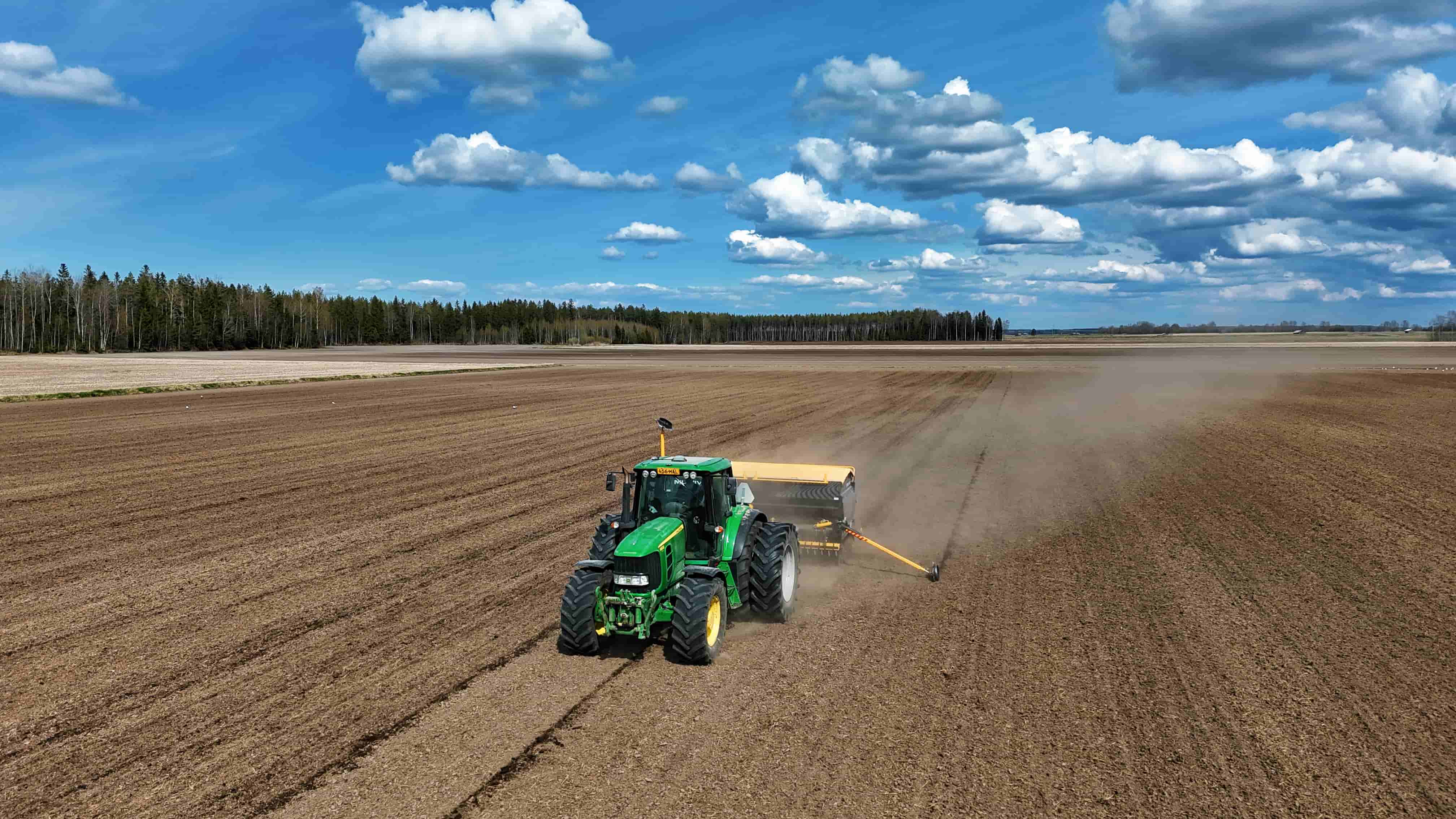
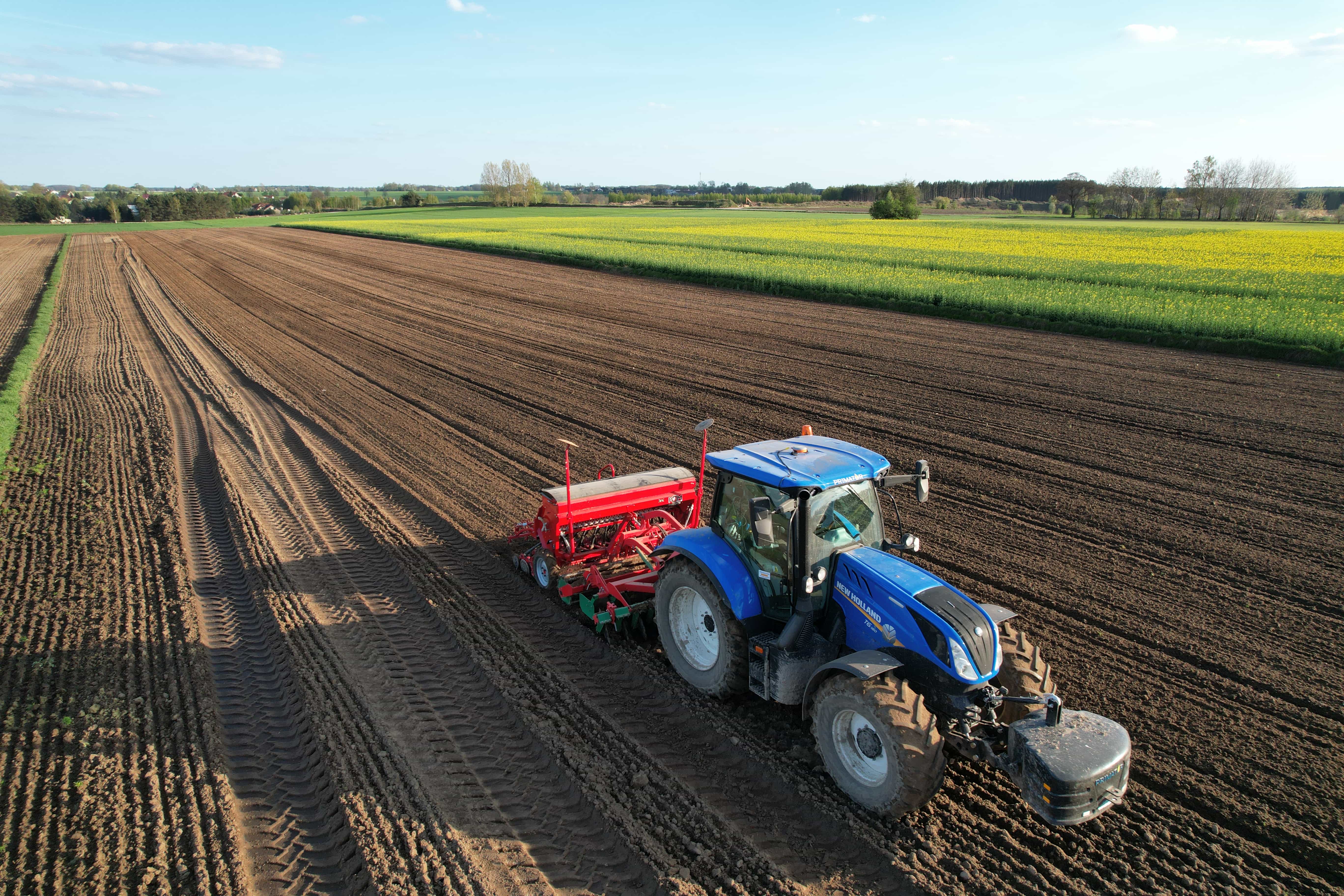
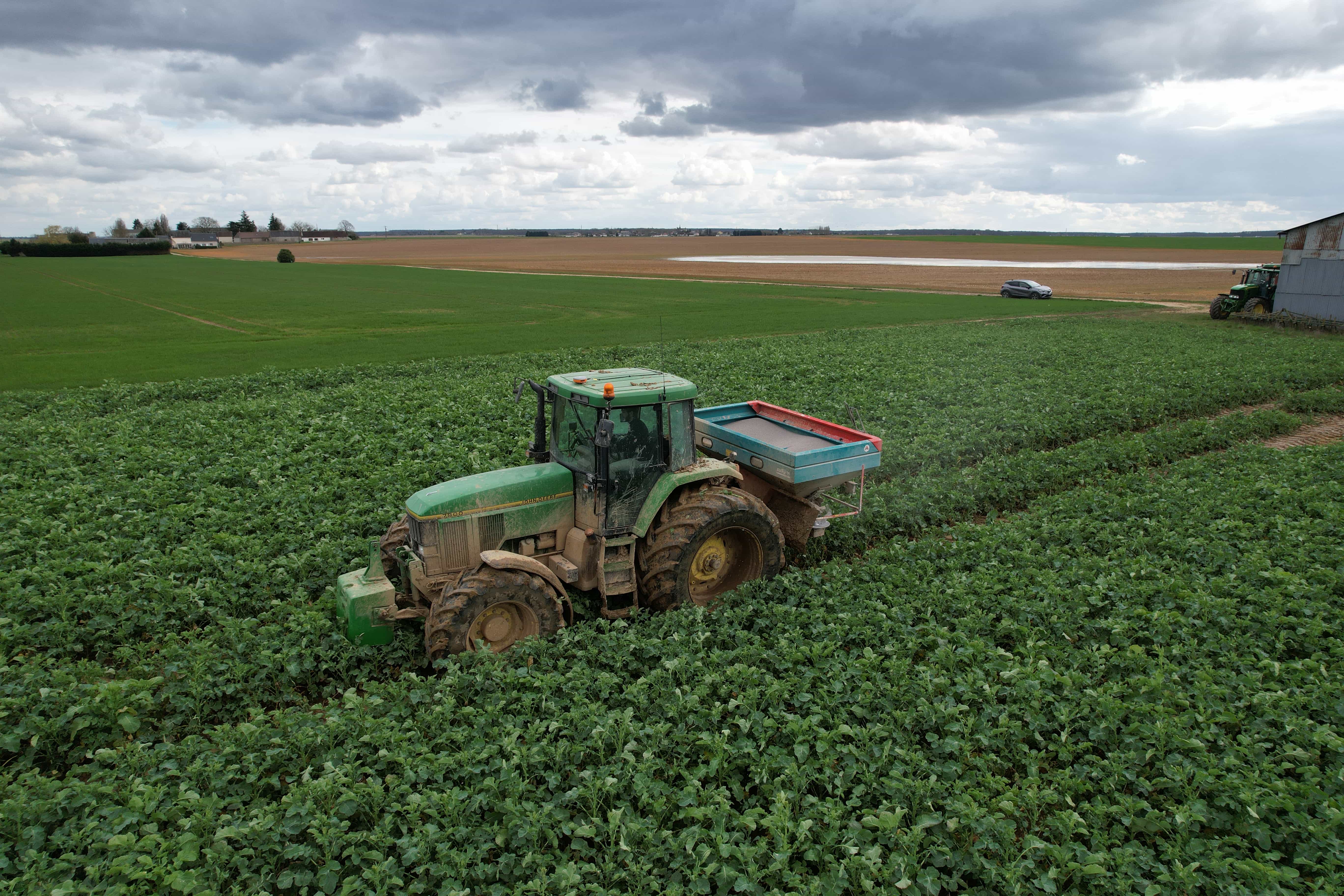
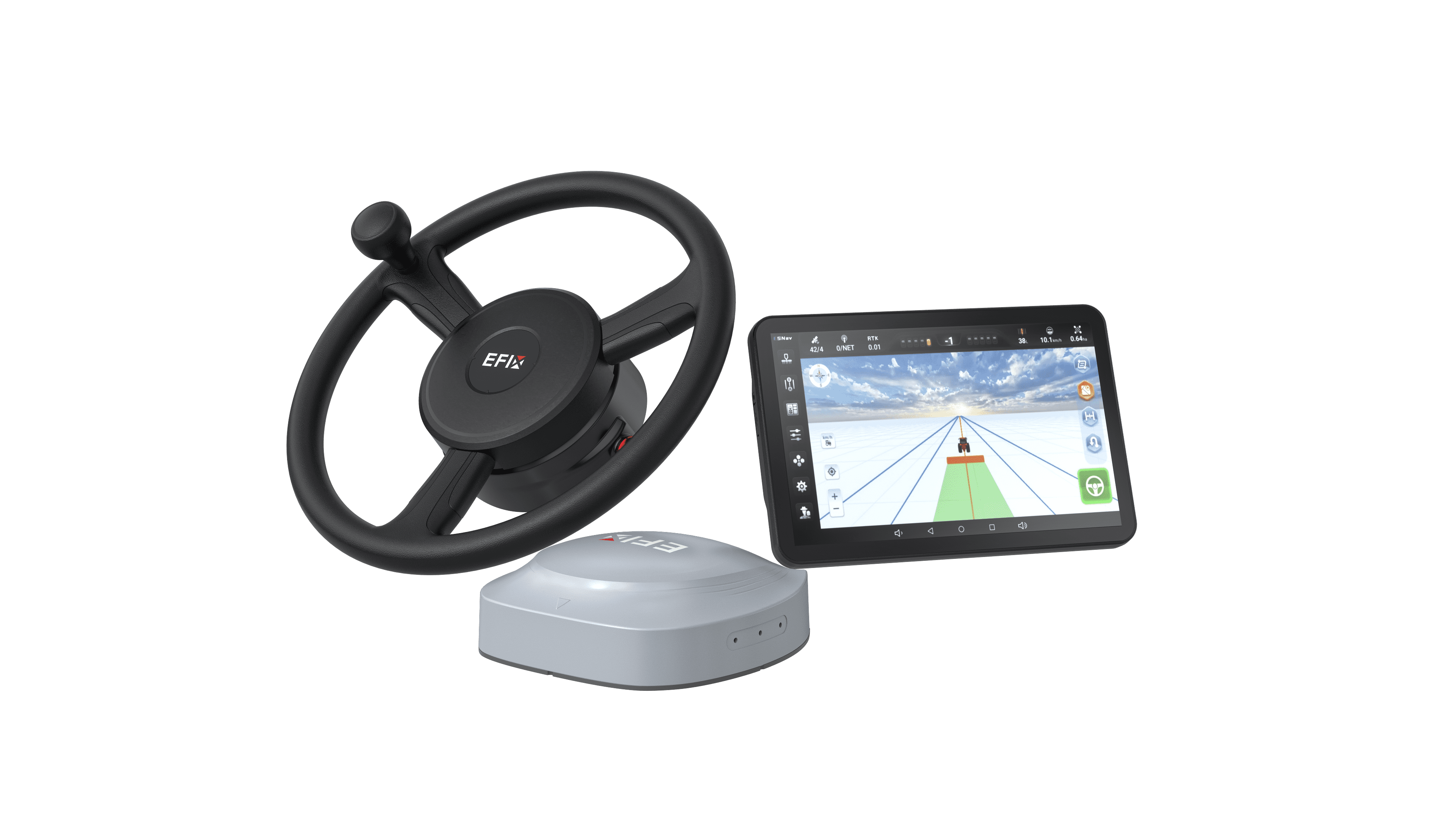
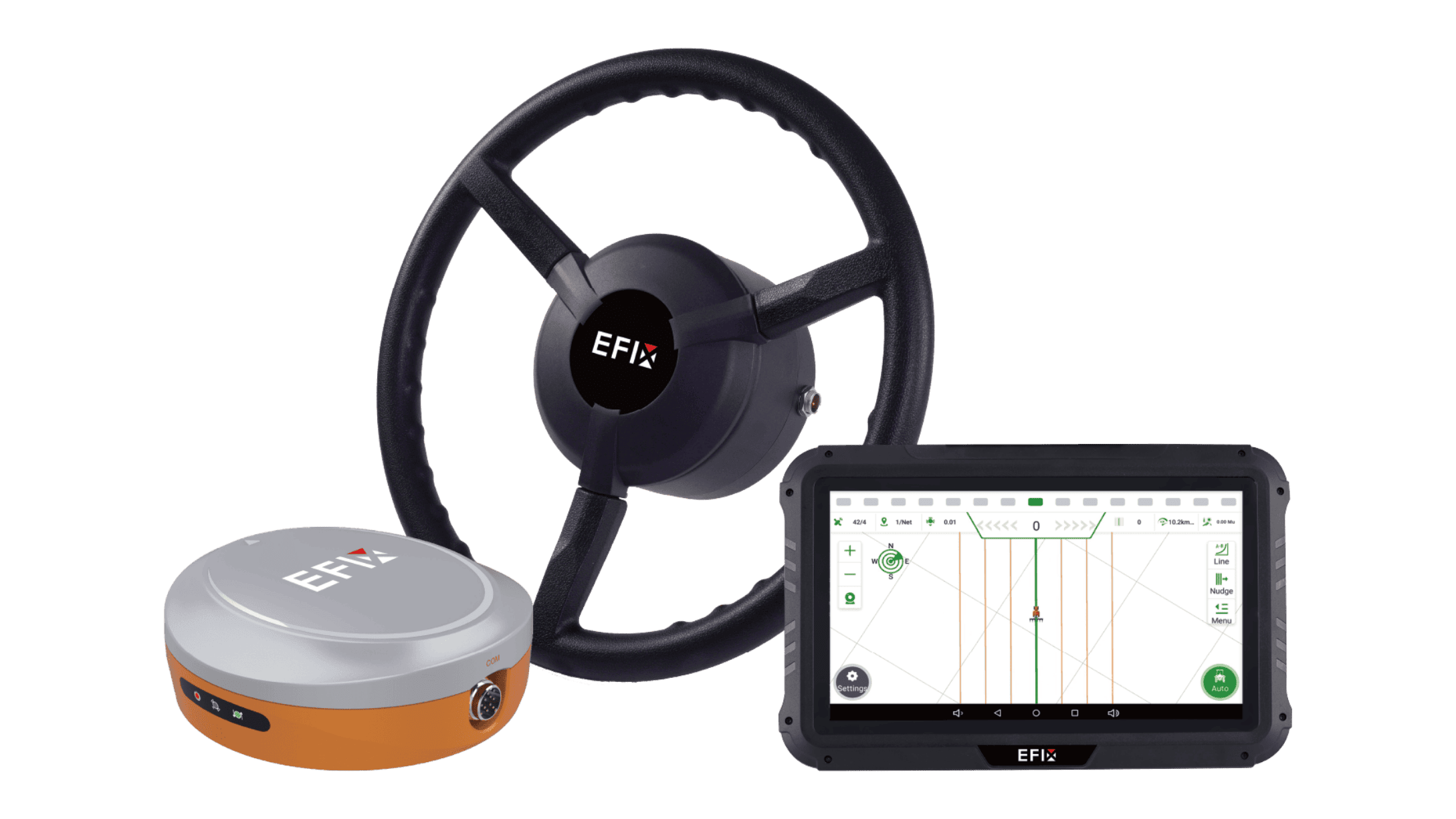
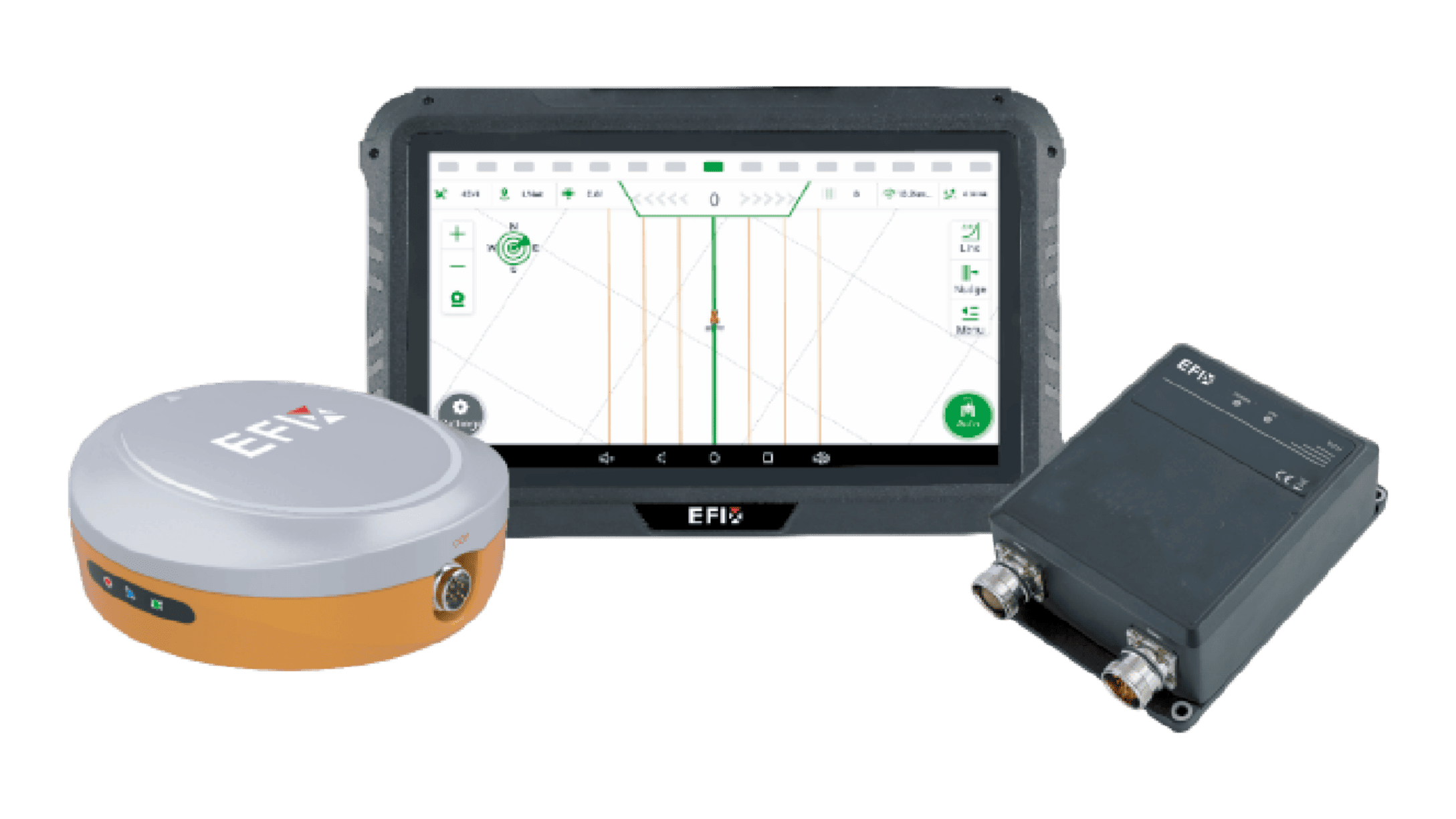
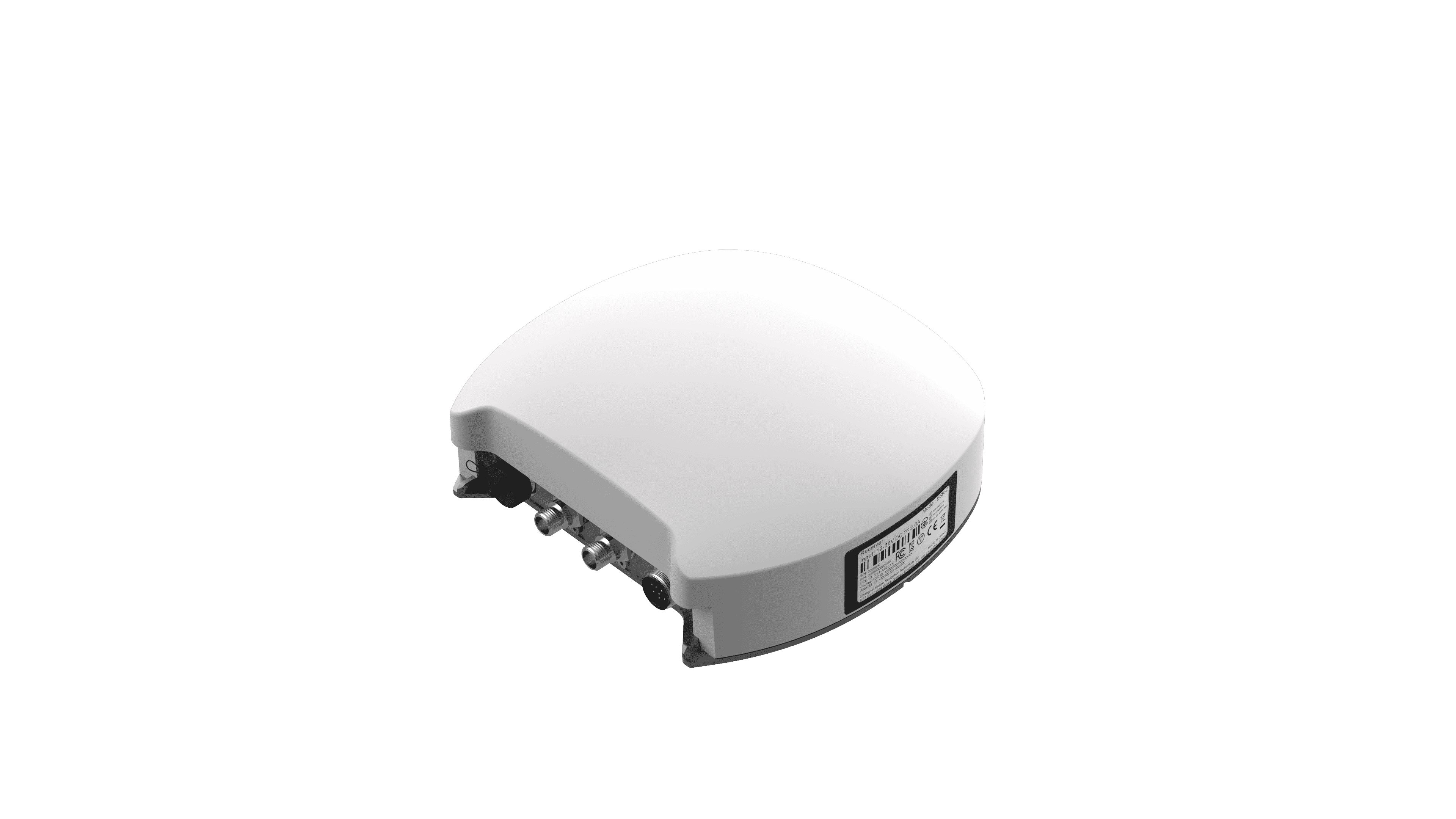
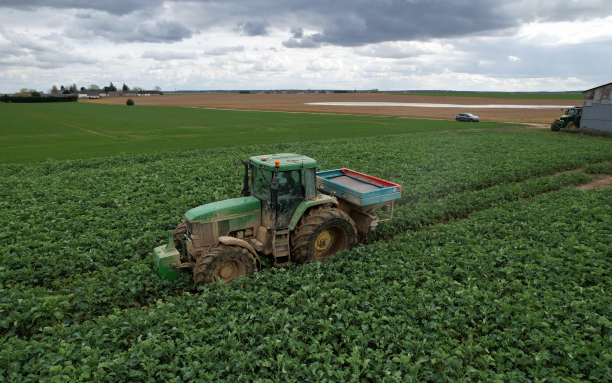
With a detailed zone map as a guide, the next phase is precise application. This is where Variable Rate Technology (VRT) becomes crucial. Agricultural equipment—like seeders, sprayers, and spreaders—is fitted with controllers and GPS receivers. These systems are connected to the prescription maps generated by the GIS software. As the machinery traverses the field, the controller automatically adjusts the application rate of inputs in real-time. For example, it can increase seed population in a high-potential zone, decrease nitrogen application in an already rich area, or apply a fungicide only to a section showing early signs of disease is targeted approach is a direct, physical manifestation of precision farming principles, optimizing input use and minimizing waste.
Closing the Loop with Data-Driven Decisions
A critical, often overlooked component is the feedback loop. The cycle does not end with the application. During harvest, modern combines equipped with yield monitors continuously record output, correlating it with precise geographic positions. This yield data becomes another vital layer of information for the next season's analysis. It allows for the assessment of previous decisions, answering questions about what worked and what did not. This iterative process of planning, executing, measuring, and learning refines the approach each year. The scientific method becomes embedded in the farming cycle, steadily enhancing the accuracy and efficiency of the entire system over time.
In essence, the workflow of precision farming is a continuous cycle of measurement, analysis, and targeted action. It replaces estimation with evidence and uniformity with customization. The outcome is a more efficient production model that carefully manages resources. At Efix, our focus is on providing the tools and insights that make this sophisticated approach accessible and manageable, supporting a method of agriculture that is as precise as it is productive.