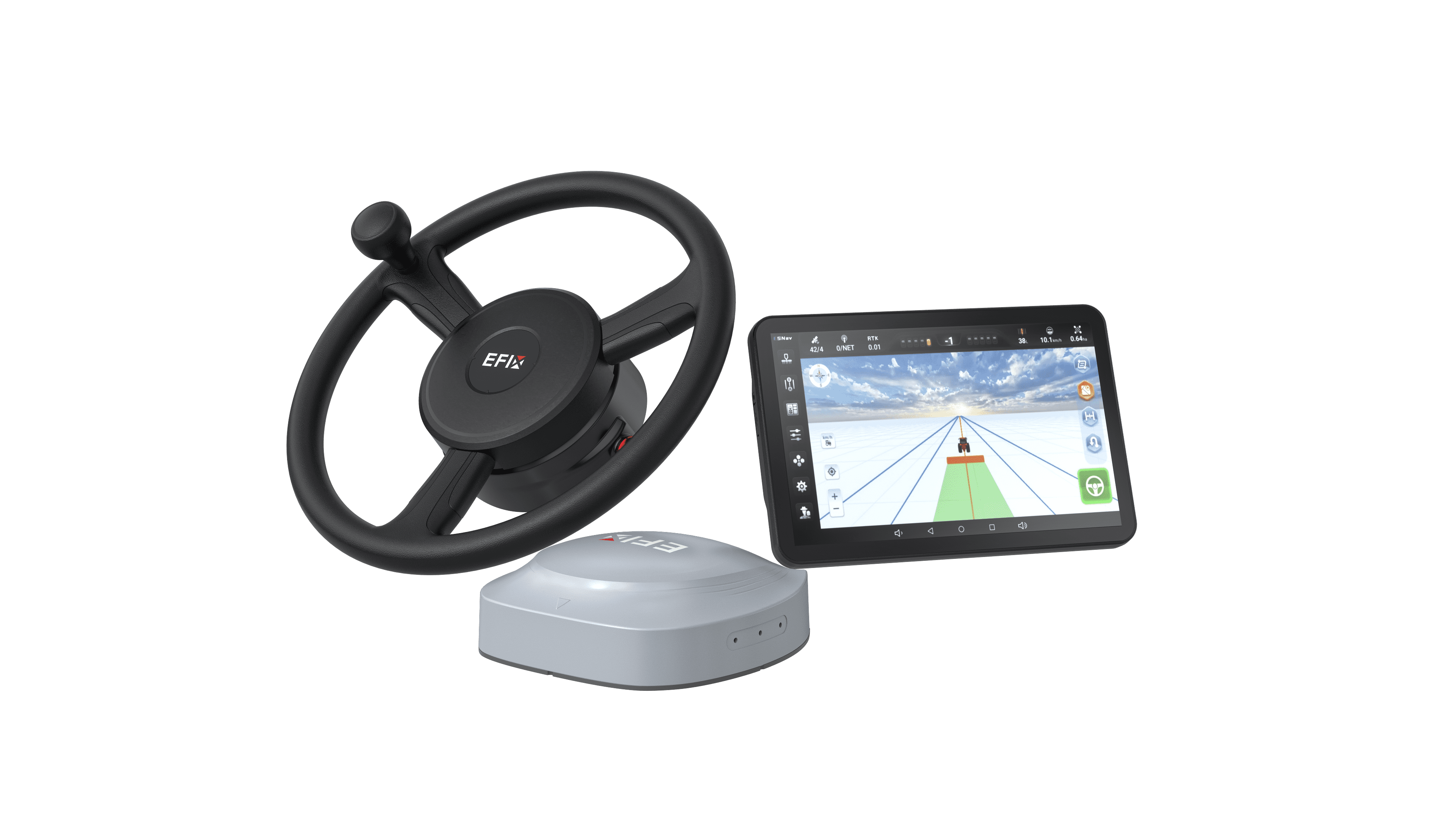
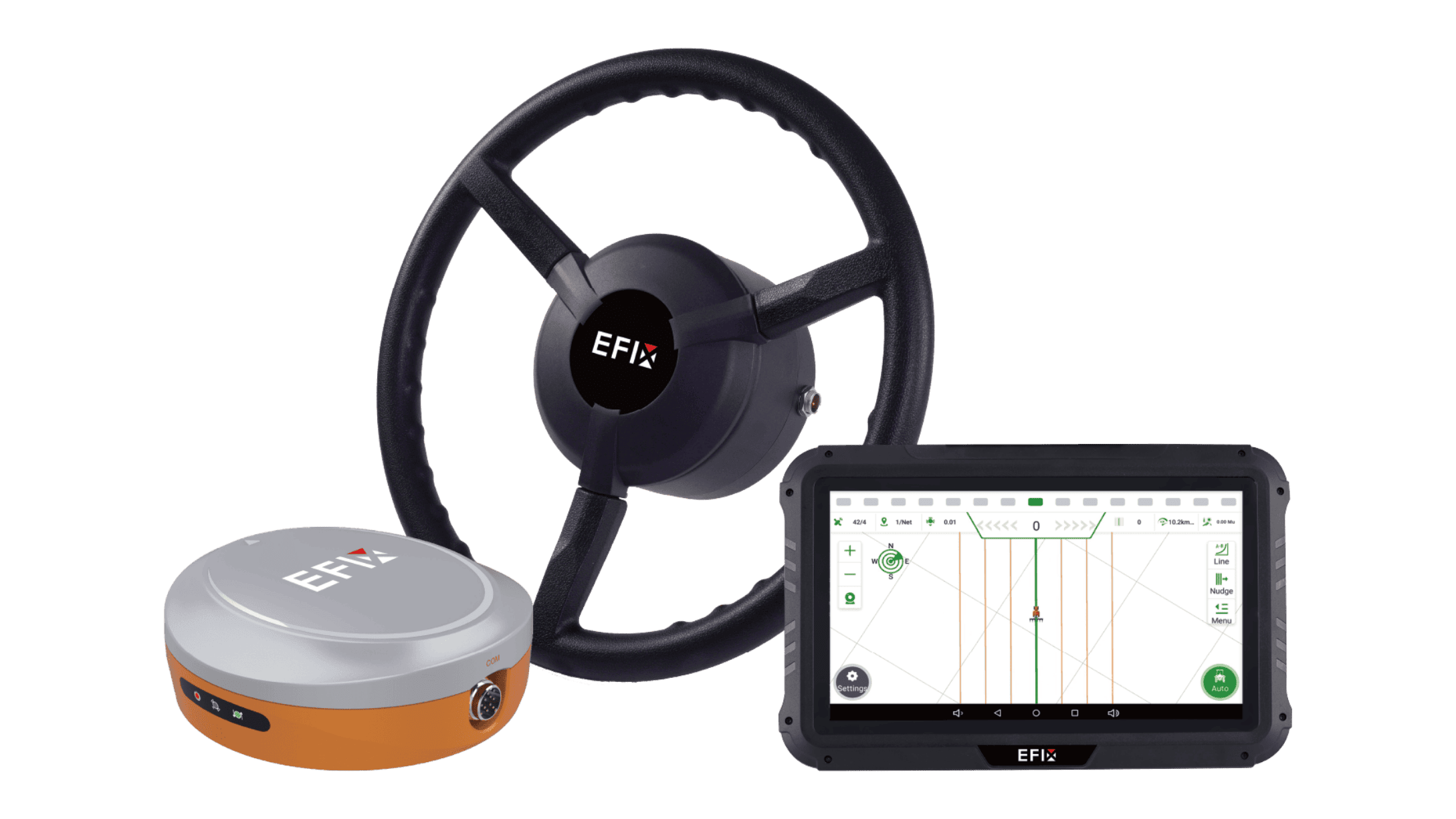
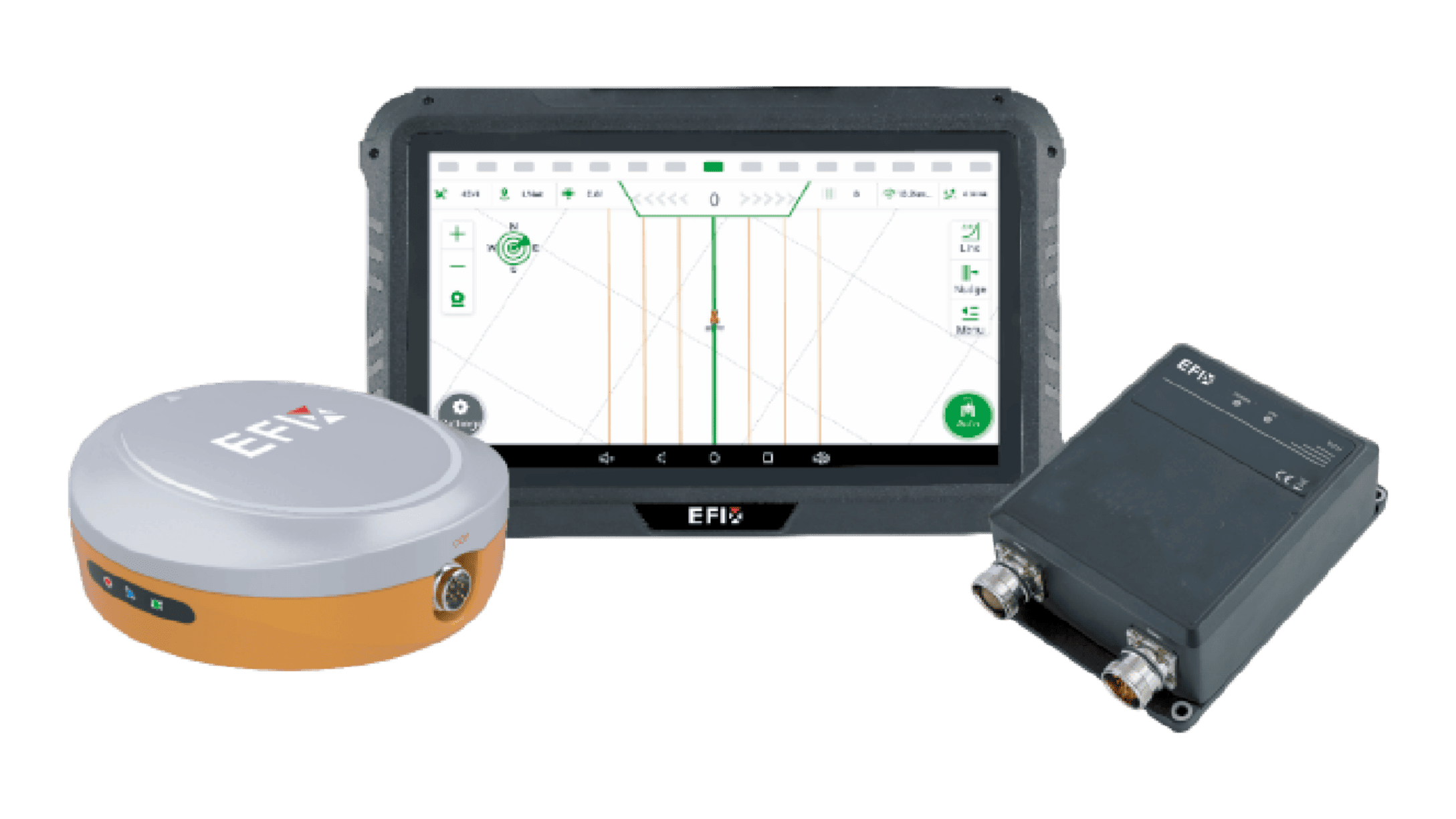
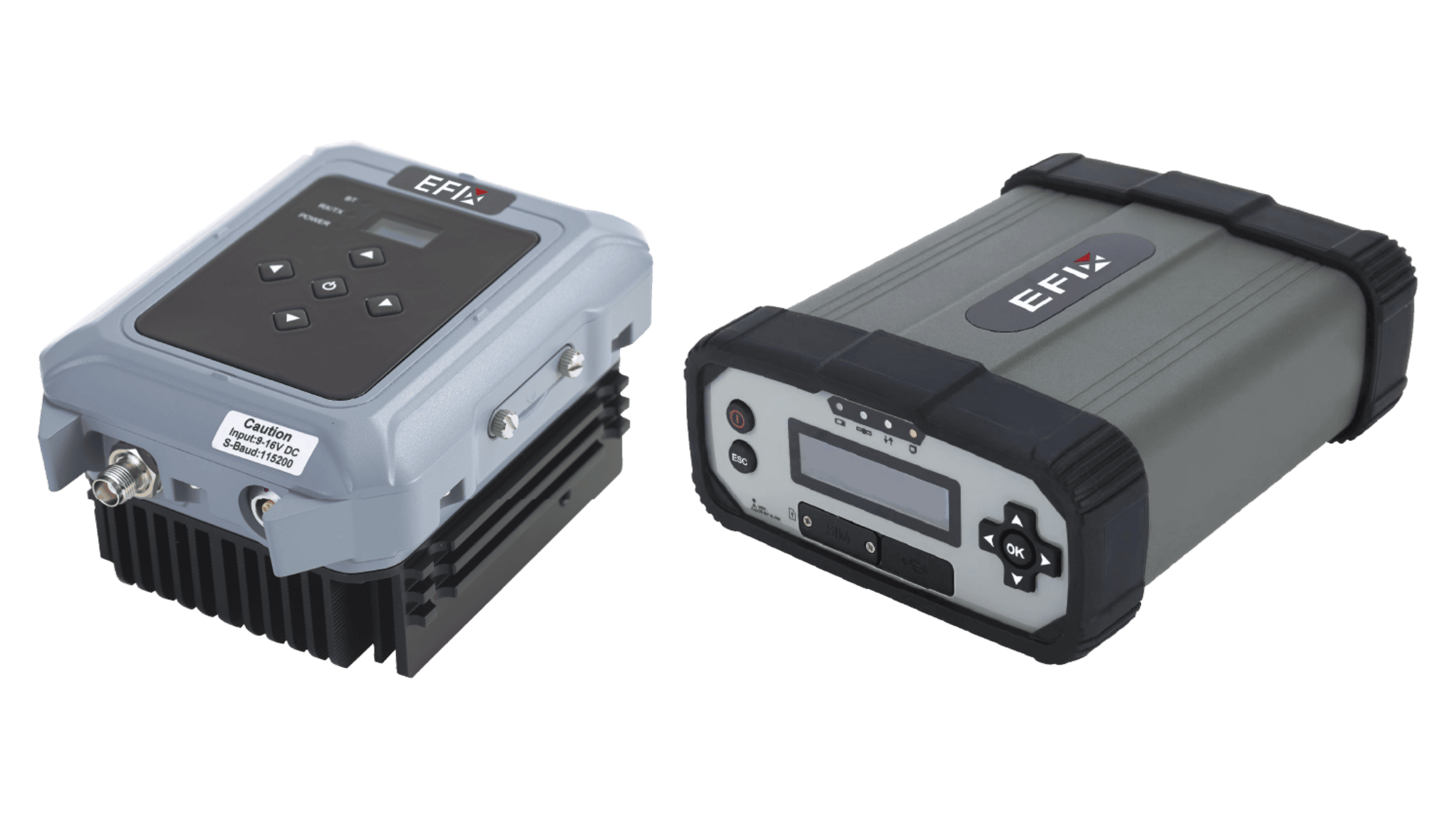
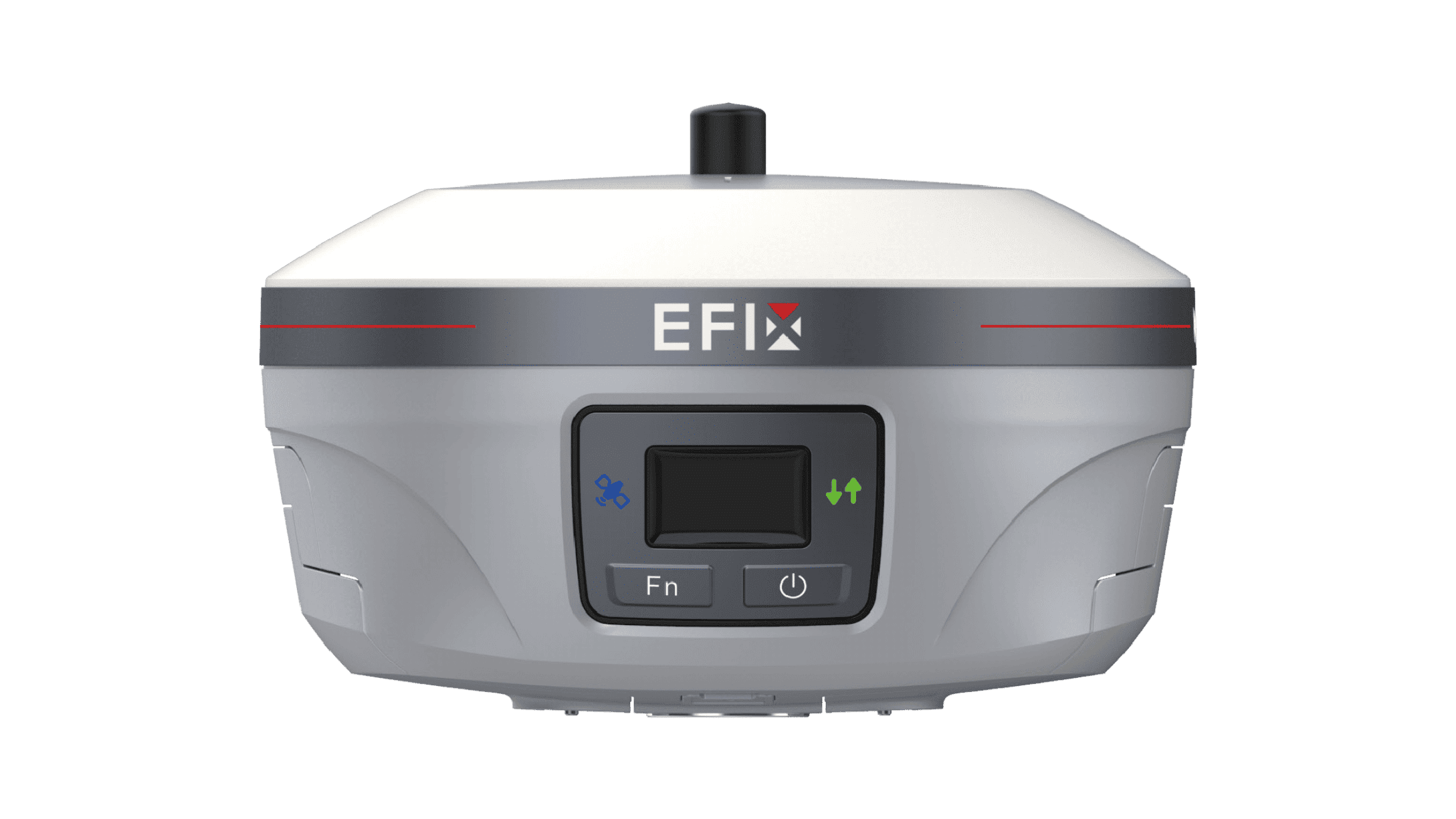
Implementing a farm guidance system alters the approach to field tasks. We understand this change is most effective when supported by specific, consistent practices. From practical observation, we can outline seven actionable steps that help operators achieve more dependable results and greater value from their farm guidance system.
First, Verify Physical Antenna Placement
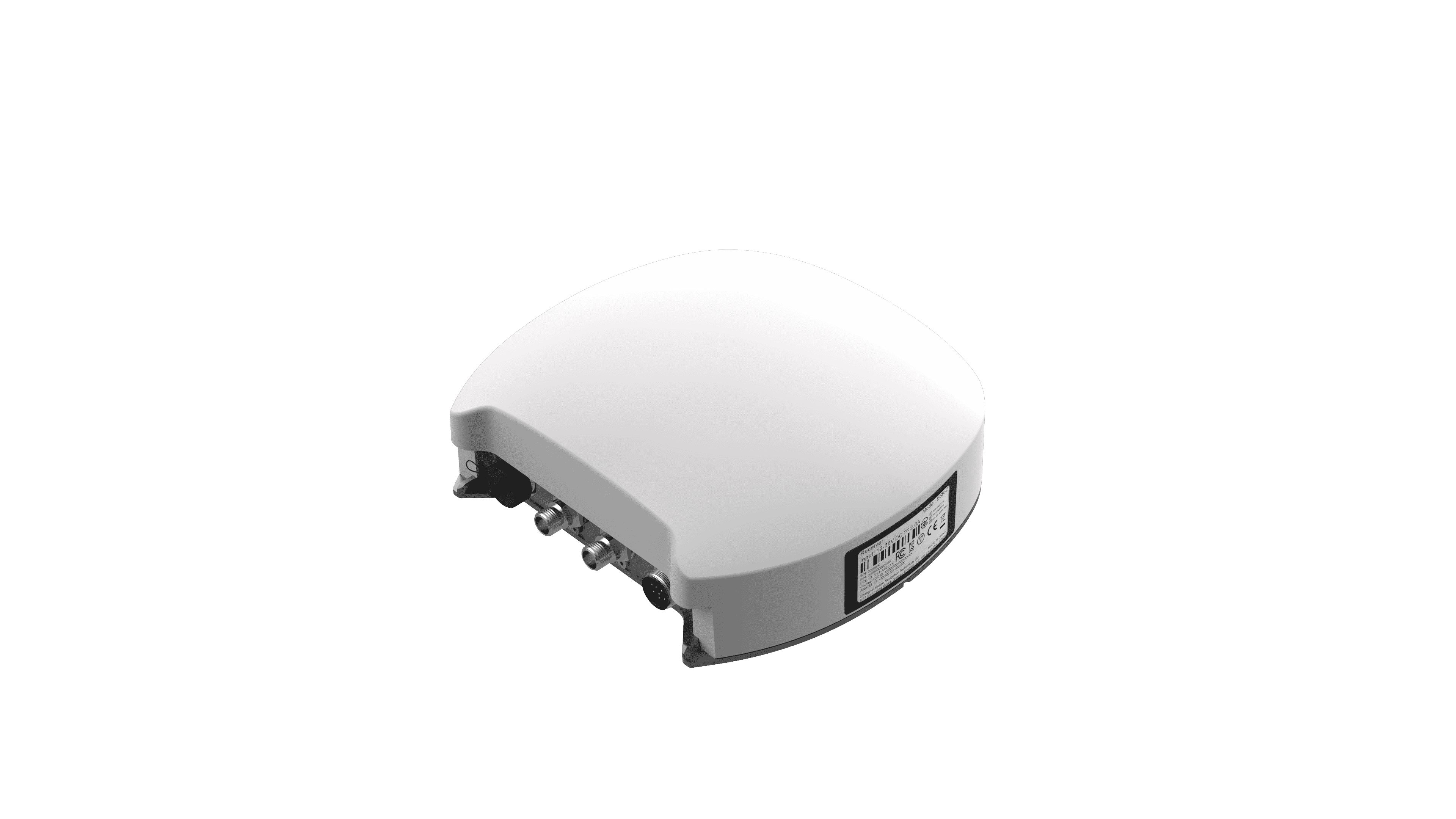
System accuracy begins with the antenna. The GNSS receiver antenna should be mounted on a stable point of the vehicle, away from potential signal interference from metal structures or electronics. A clear, unobstructed view of the sky is critical for maintaining a fixed solution. Periodically checking the antenna mount for tightness prevents minute shifts from vibration that can introduce error.
Second, Establish a Calibration Routine
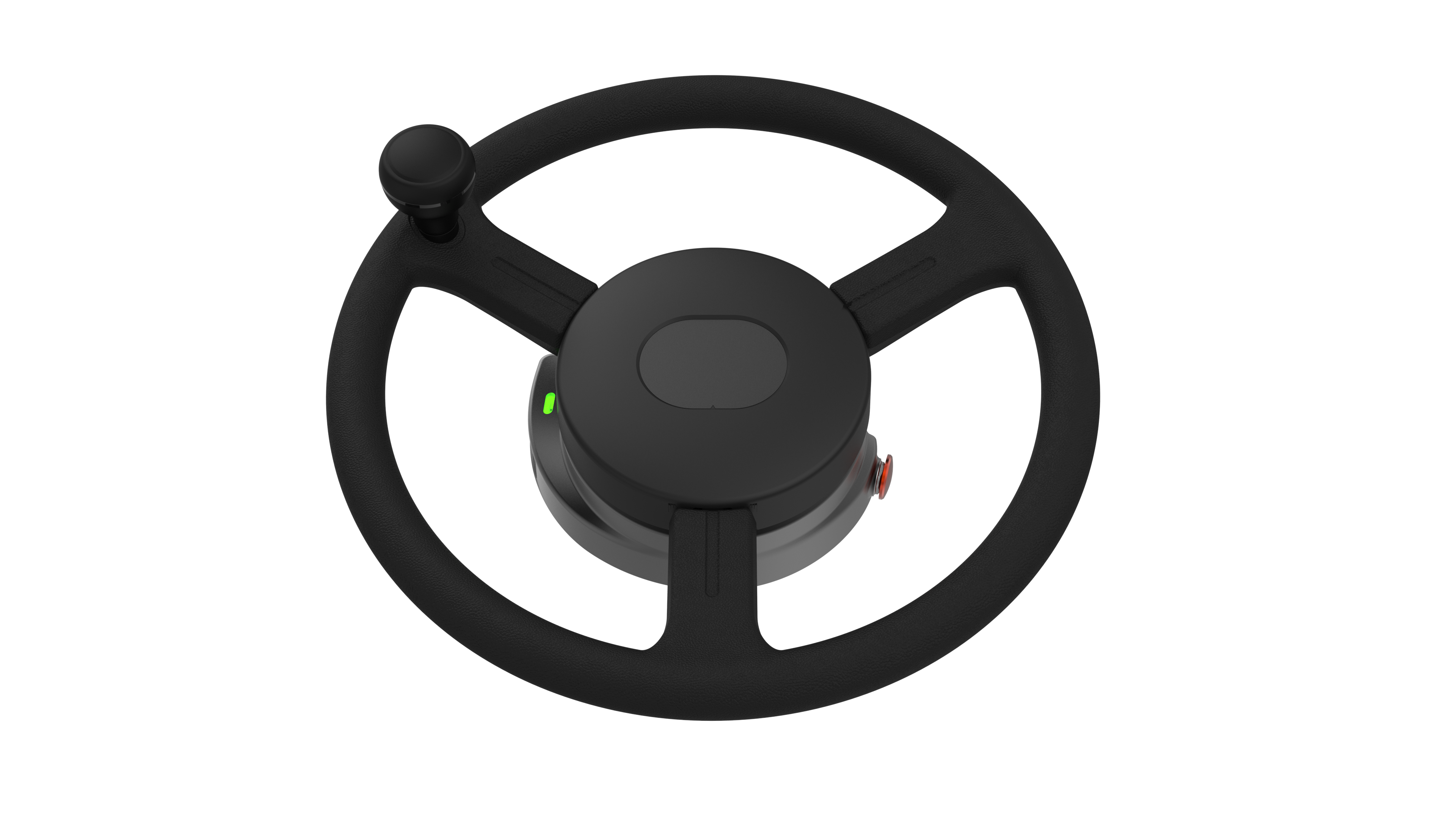
Calibration is not a single event. Creating a standard procedure to calibrate the steering components—checking the alignment between the receiver's calculated position and the actual physical pivot point of the vehicle—is essential. Performing this calibration at the start of a season and after any major mechanical work ensures the farm guidance system provides a true reference for implement guidance.
Third, Manage Guidance Line Data Actively
The lines created for steering are valuable data. Instead of creating new lines each season, actively save and name guidance lines and field boundaries in your display. These saved patterns can be reused for subsequent operations like spraying or planting, ensuring consistency across field events. This practice turns a one-time task into a permanent asset that improves repeatability.
Fourth, Monitor and Understand Correction Source Health
The quality of guidance is directly tied to the correction signal. Whether using a network RTK service or a private base station, develop the habit of checking the signal status and accuracy reading on your display before and during work. Recognizing the signs of a weak or degraded signal allows for proactive decisions, preventing work with compromised accuracy.
Fifth, Implement Regular Implement Checks
The guidance system steers the tractor, but the implement must follow accurately. Regularly inspect the mechanical connection and alignment of towed or mounted equipment. A worn hitch pin or a slightly skewed implement can cause the tool to run off-line, even with perfect tractor guidance. This mechanical check is a vital complement to electronic accuracy.
Sixth, Document Performance and Anomalies
Keep a simple log noting the date, field, and any performance observations for the farm guidance system. Recording incidents like signal dropouts in specific areas or unusual steering behavior creates a valuable history. This documentation aids in troubleshooting recurring issues and provides concrete information if technical support is needed.
Seventh, Commit to Operator Familiarization
Technology performs best when the operator understands its functions and indicators. Dedicate time for operators to review system settings, interpret on-screen diagnostics, and practice basic troubleshooting procedures without the pressure of a looming fieldwork deadline. This familiarity reduces hesitation and promotes confident, efficient use of the technology.
These practices form a framework for operational consistency, focusing on preparation and awareness rather than reaction. They are grounded in the practical mechanics of making a system work reliably day after day. At Efix, we design our supported farm guidance system solutions for straightforward operation and durability. Our aim is to provide technology that integrates cleanly into these sensible routines, helping you achieve a dependable foundation for precise field operations.