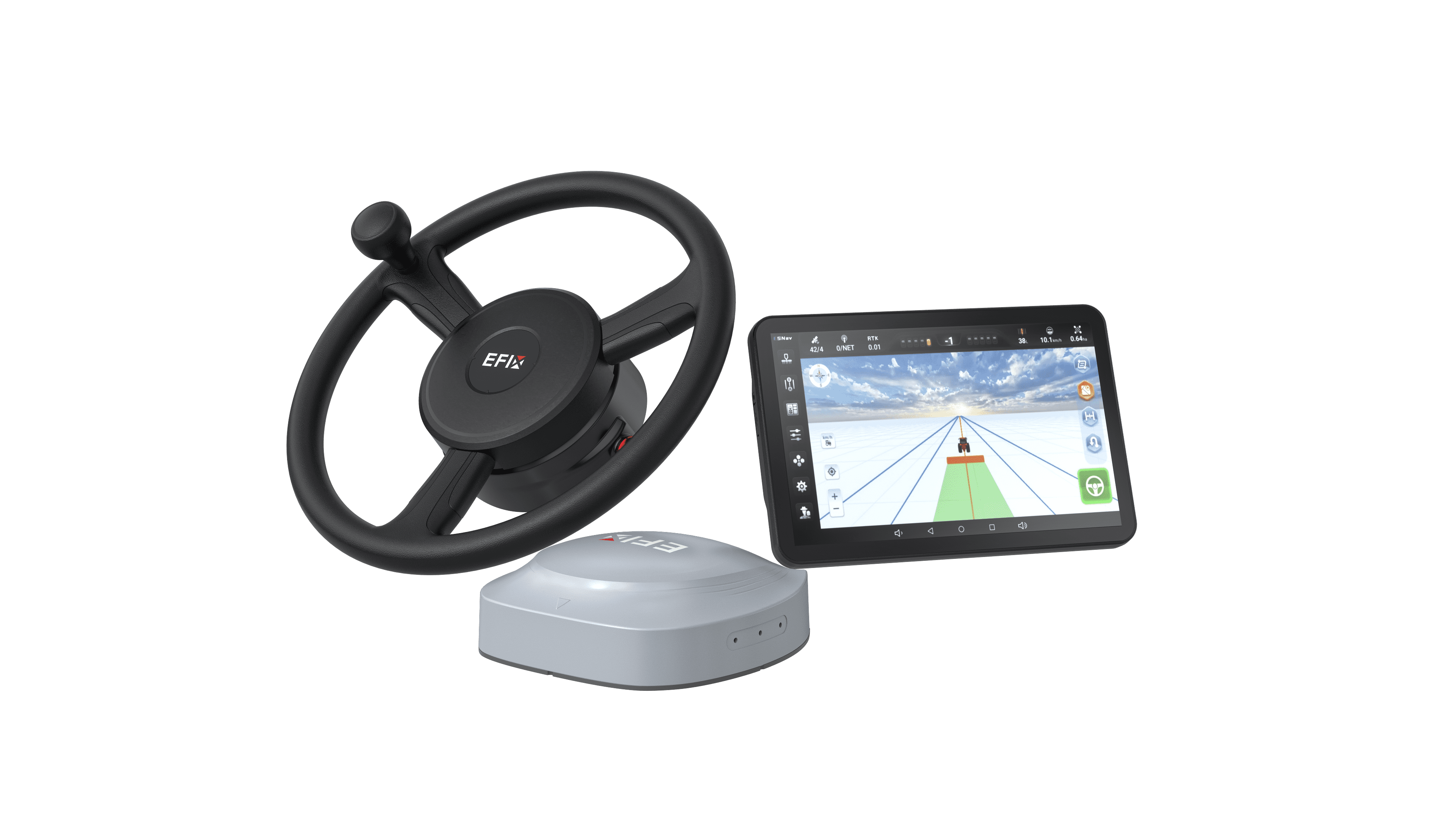
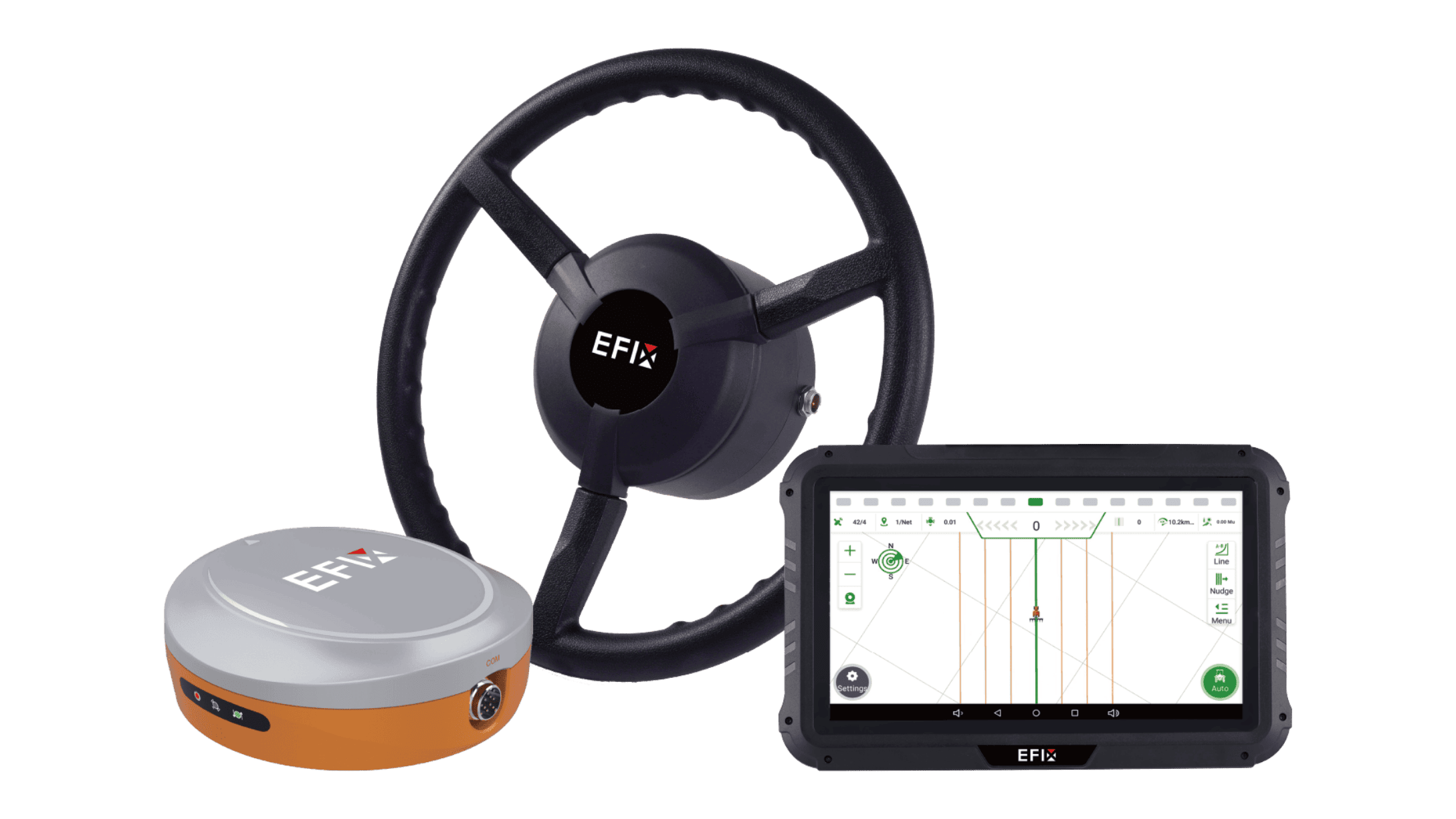
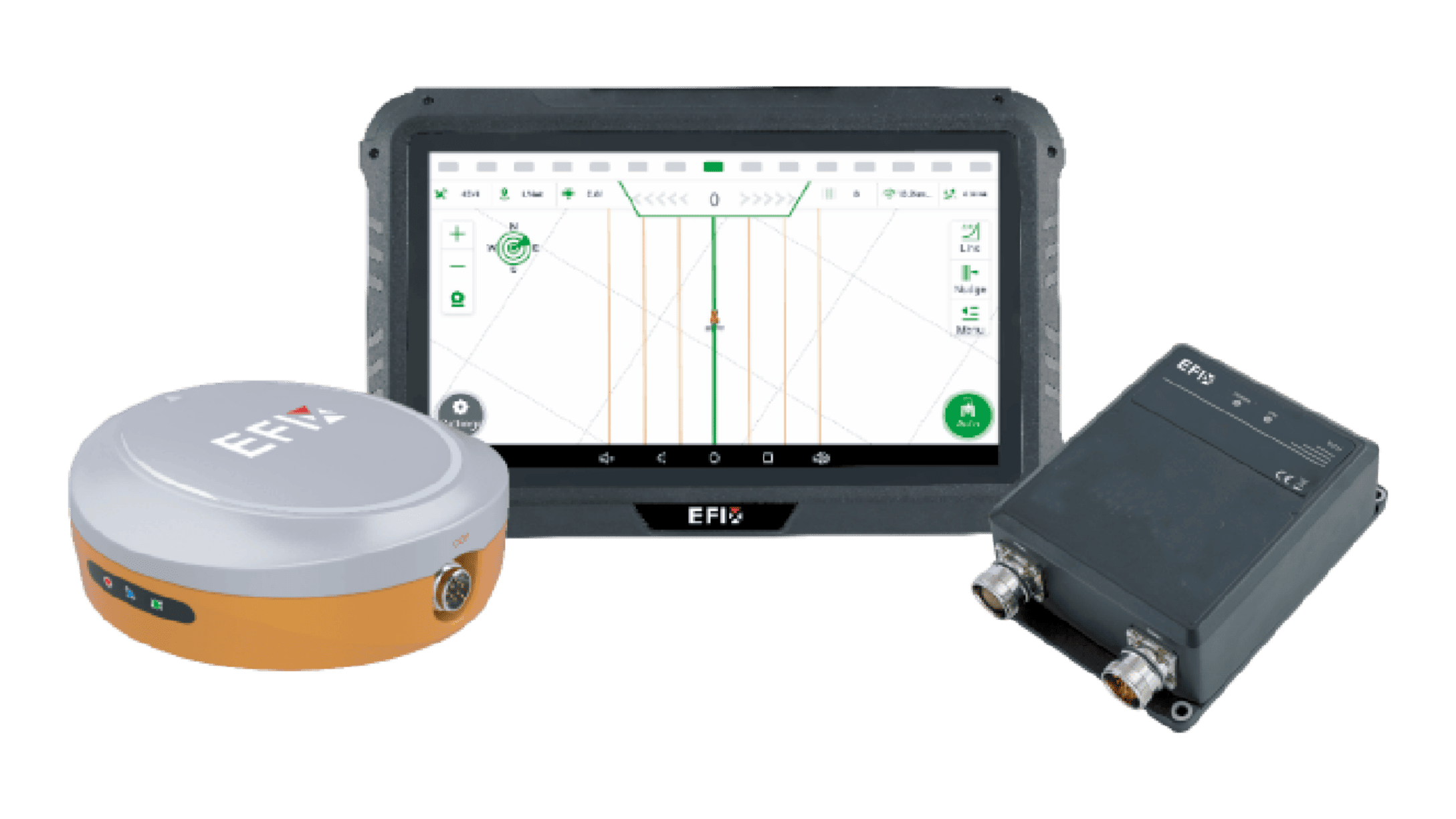
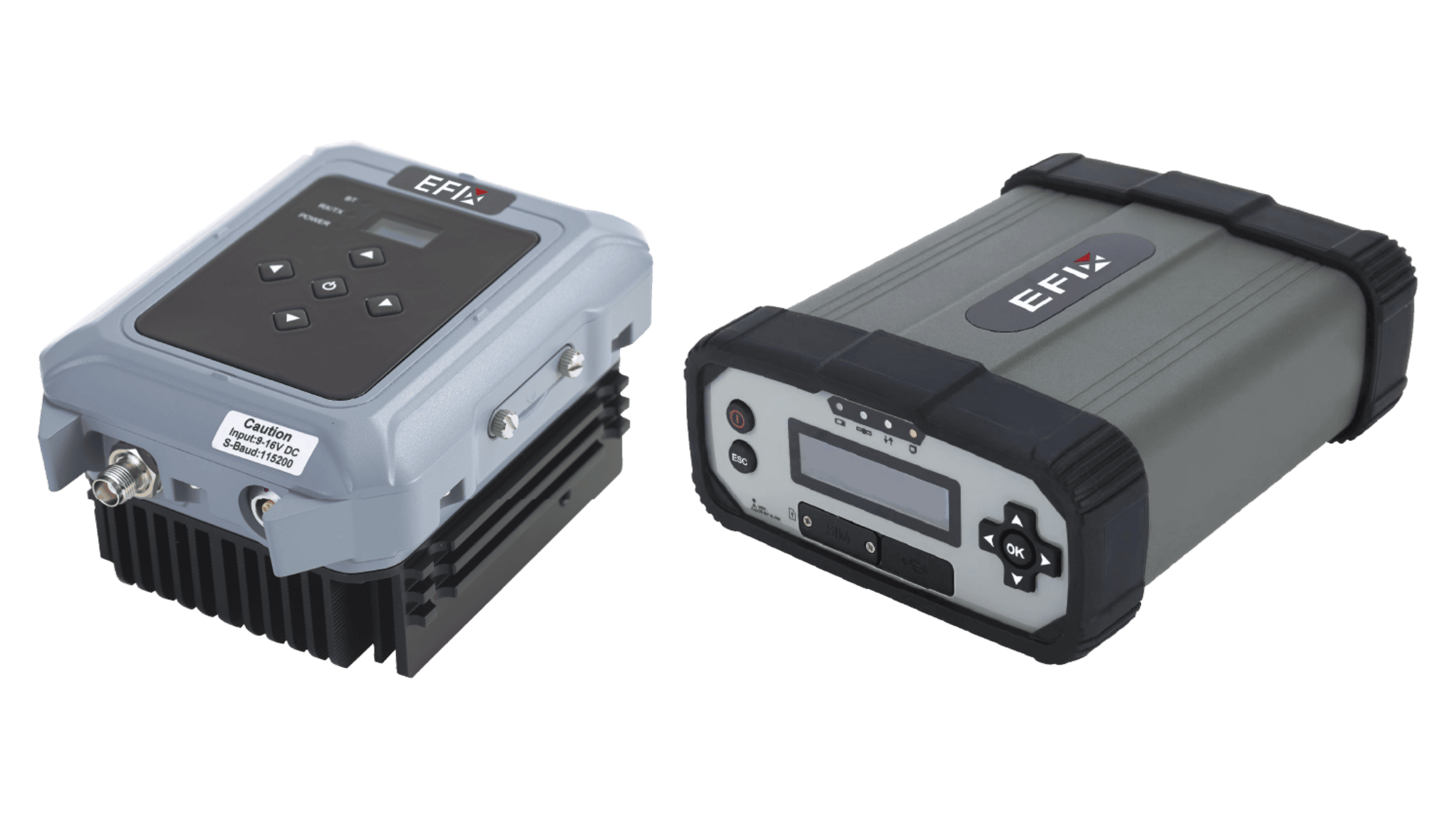
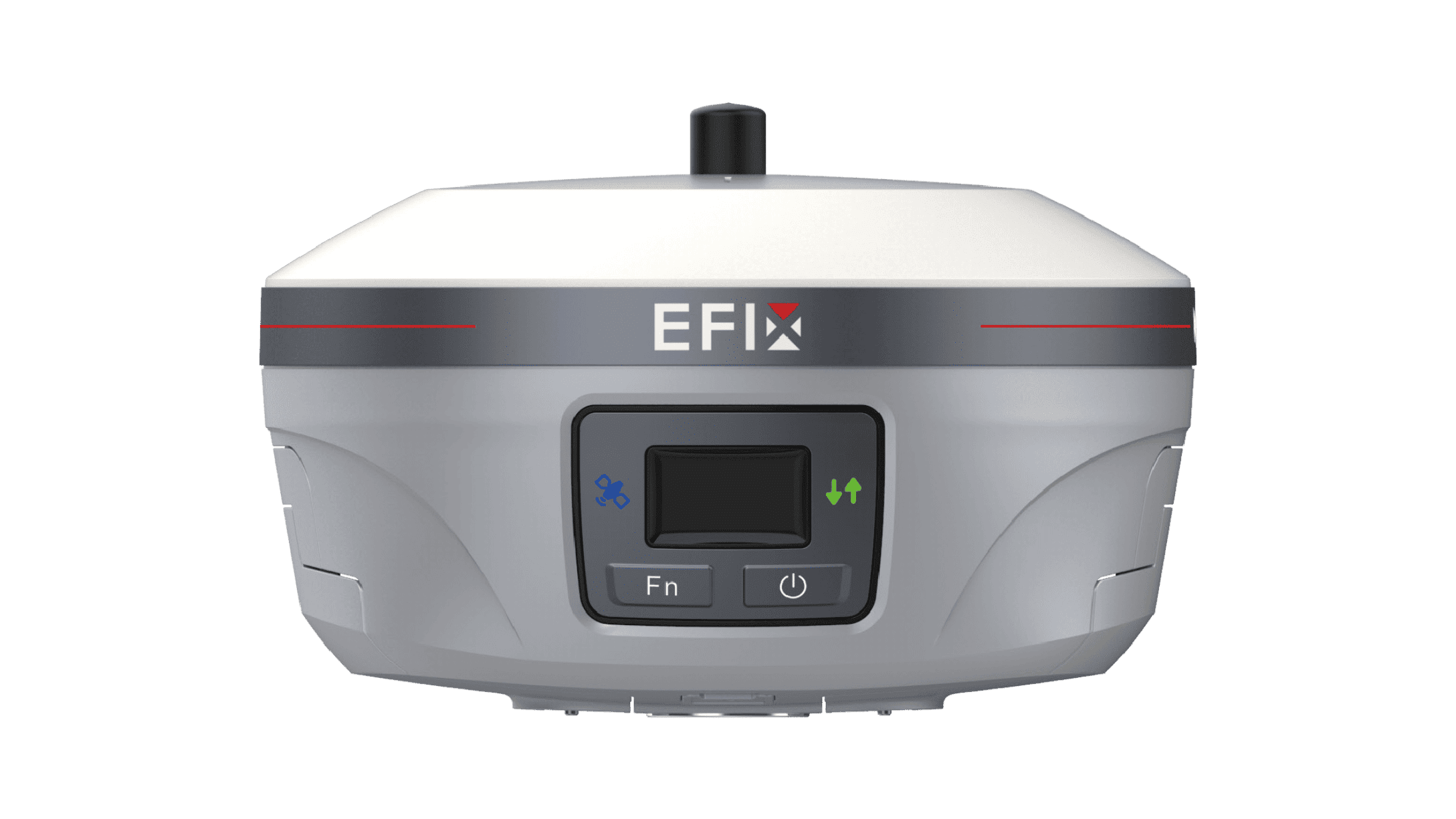
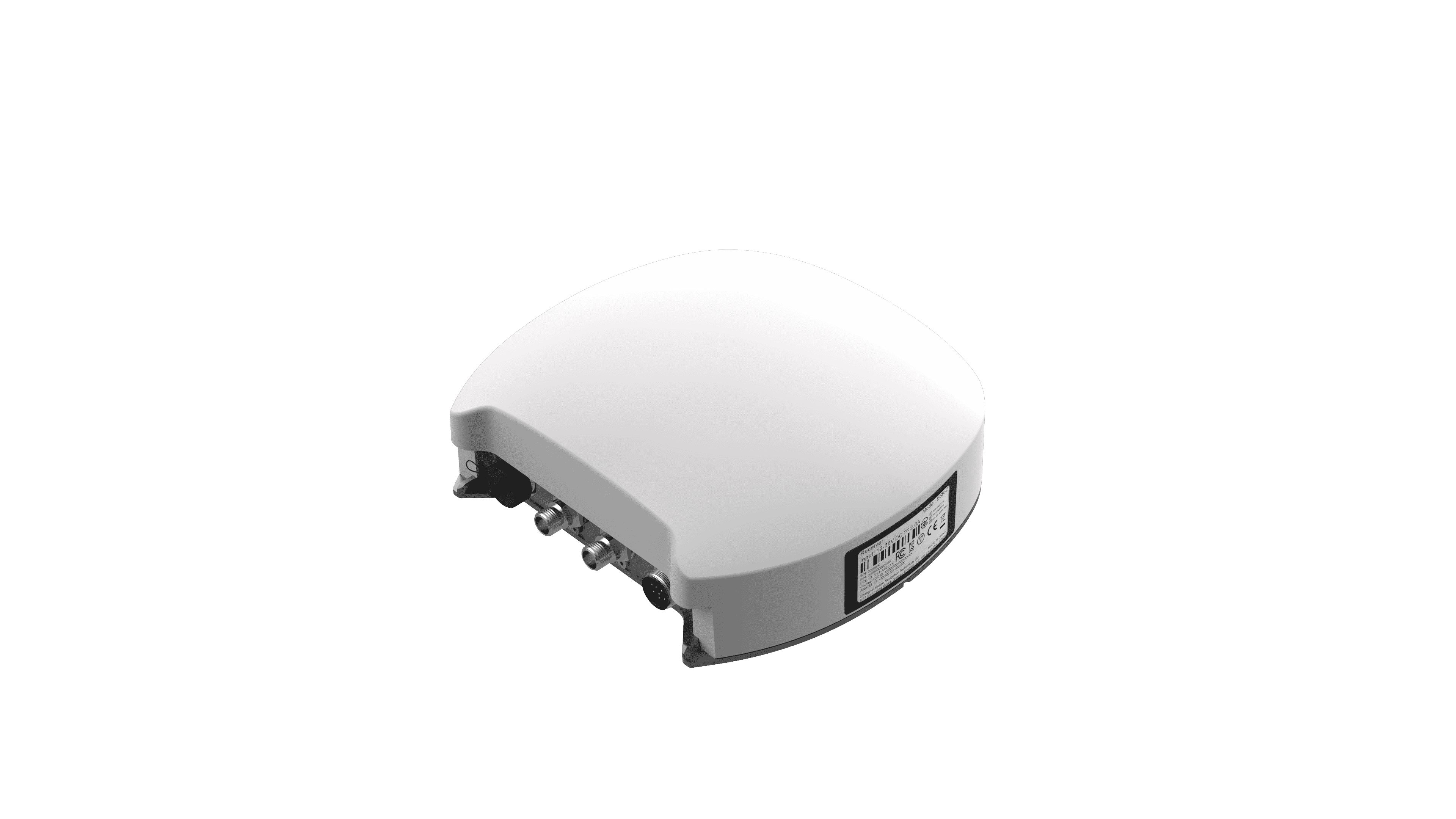
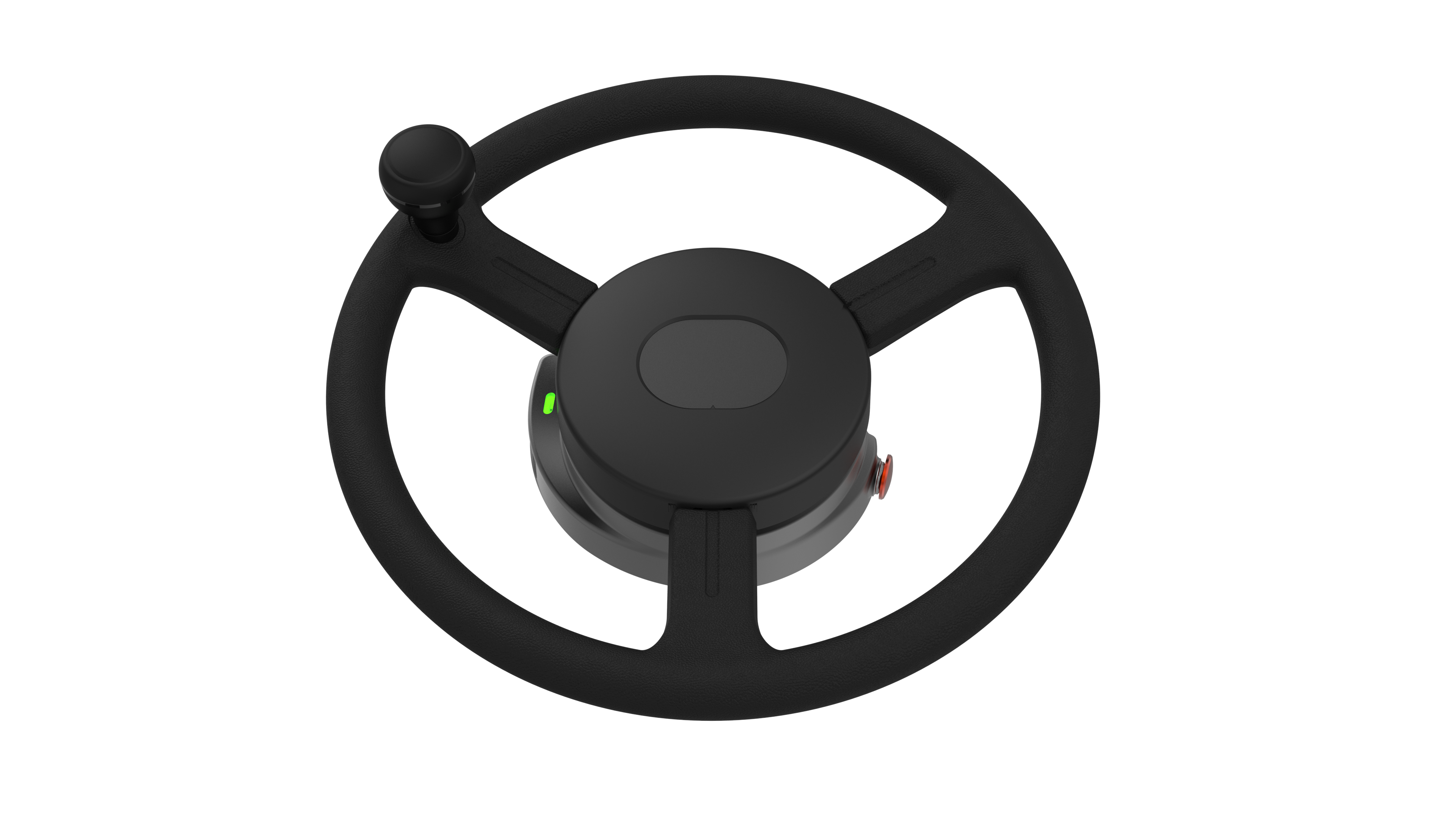
There comes a point in the lifecycle of farm equipment where continued reliance on aging technology may hold back potential. This is particularly true for the digital and mechanical systems that guide input application and monitor crop health. We at Efix analyze the performance of precision agriculture tools regularly. Specific, observable signals from your equipment often point to a necessary transition, suggesting that an upgrade could improve both agronomic outcomes and operational workflow.
Consistent Data Inconsistencies and Calibration Drifts
The primary function of these systems is to deliver accurate, actionable data. A definitive signal is the emergence of unreliable information. This can appear as yield maps that contradict your field knowledge, or sensor readings that fluctuate without environmental cause. If manual verification and recalibration become frequent weekly tasks, the tools are introducing doubt rather than providing clarity. When the foundational data for variable-rate prescriptions or irrigation schedules cannot be fully trusted, the value proposition of the technology itself is compromised, indicating a review of your precision agriculture tools is necessary.
Increased Operational Delays and Integration Failures
Observe the rhythm of your field operations. Are you experiencing repeated delays because a monitor fails to boot, a signal is lost, or files cannot be transferred? Older hardware often struggles with new software, creating isolated data points that don't form a complete picture. This lack of seamless integration between scouting software, machine consoles, and farm management platforms forces manual workarounds. Such interruptions during narrow planting or harvest windows translate directly into lost opportunity. When technology impedes workflow instead of enabling it, the system requires evaluation.
Escalating Repair Frequency and Obsolete Support
Consider the maintenance log. If service calls for electrical faults, sensor failures, or display issues are becoming routine, the total cost of ownership rises sharply. A related signal is the growing difficulty in obtaining replacement parts or manufacturer support for older models. This scarcity leads to extended downtime. Operating on the verge of obsolescence means missing out on the improved durability, connectivity, and efficiency engineered into newer generations of precision agriculture tools, which are designed for greater reliability.
Inability to Utilize Advanced Functions and Analytics
Agricultural technology evolves, offering new methods to manage inputs and monitor crop stress. If your current equipment cannot support features like high-resolution soil electrical conductivity mapping, multispectral imagery integration, or advanced machine-sectional control, you are operating with a partial view. This limitation restricts your ability to make the most nuanced management decisions. The tools become data collectors rather than insight generators. This functional gap is a clear signal that an upgrade could unlock a more detailed understanding of your land.
These operational signals—unreliable data, workflow interruptions, costly maintenance, and functional limitations—collectively indicate a technological transition point. Addressing them involves considering an update to your suite of precision agriculture tools. At Efix, our approach is grounded in practical assessment. We focus on aligning technological capabilities with operational goals, ensuring that the solutions in place actively support informed management and contribute to the sustained productivity of your farming operation.