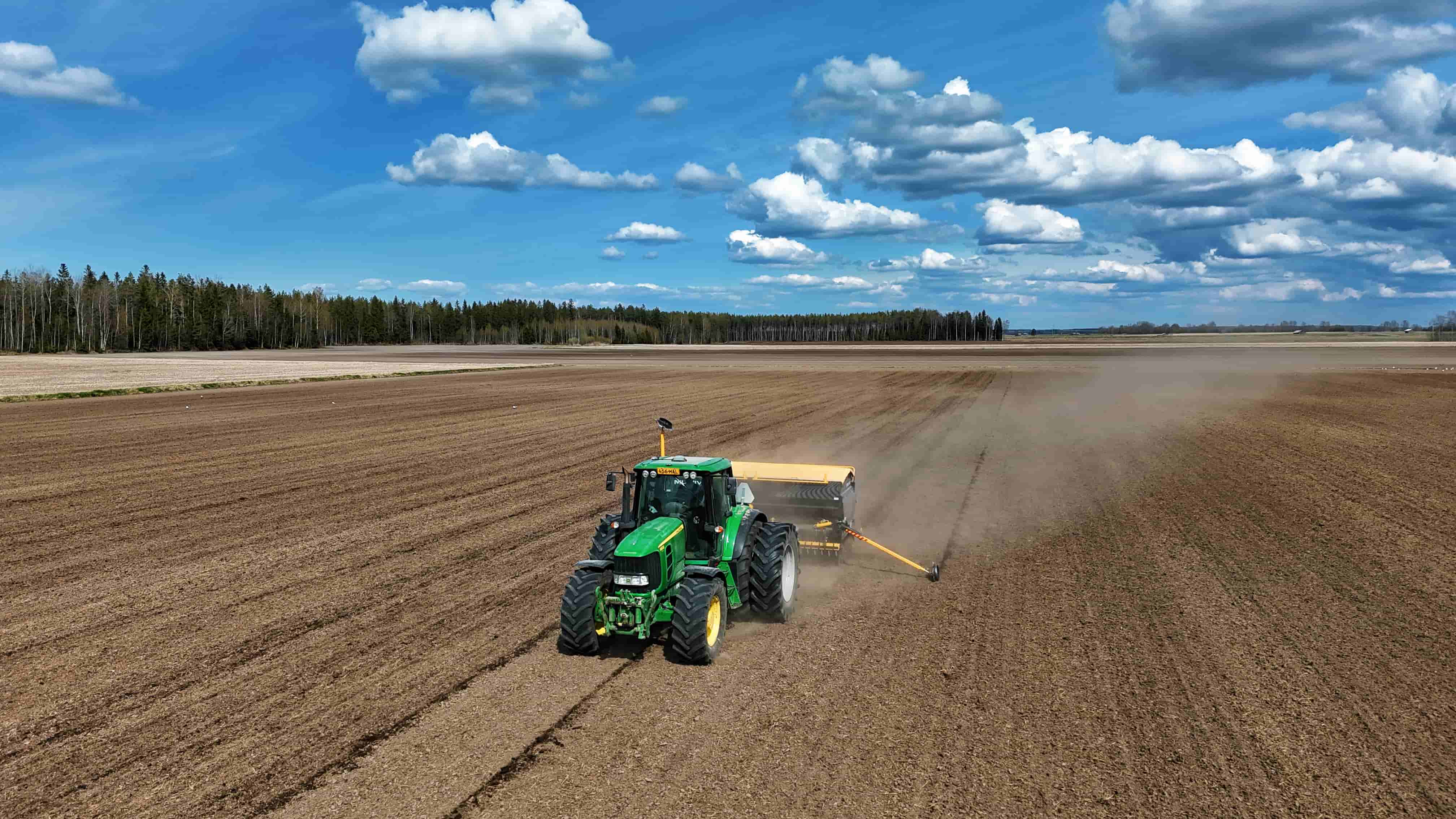
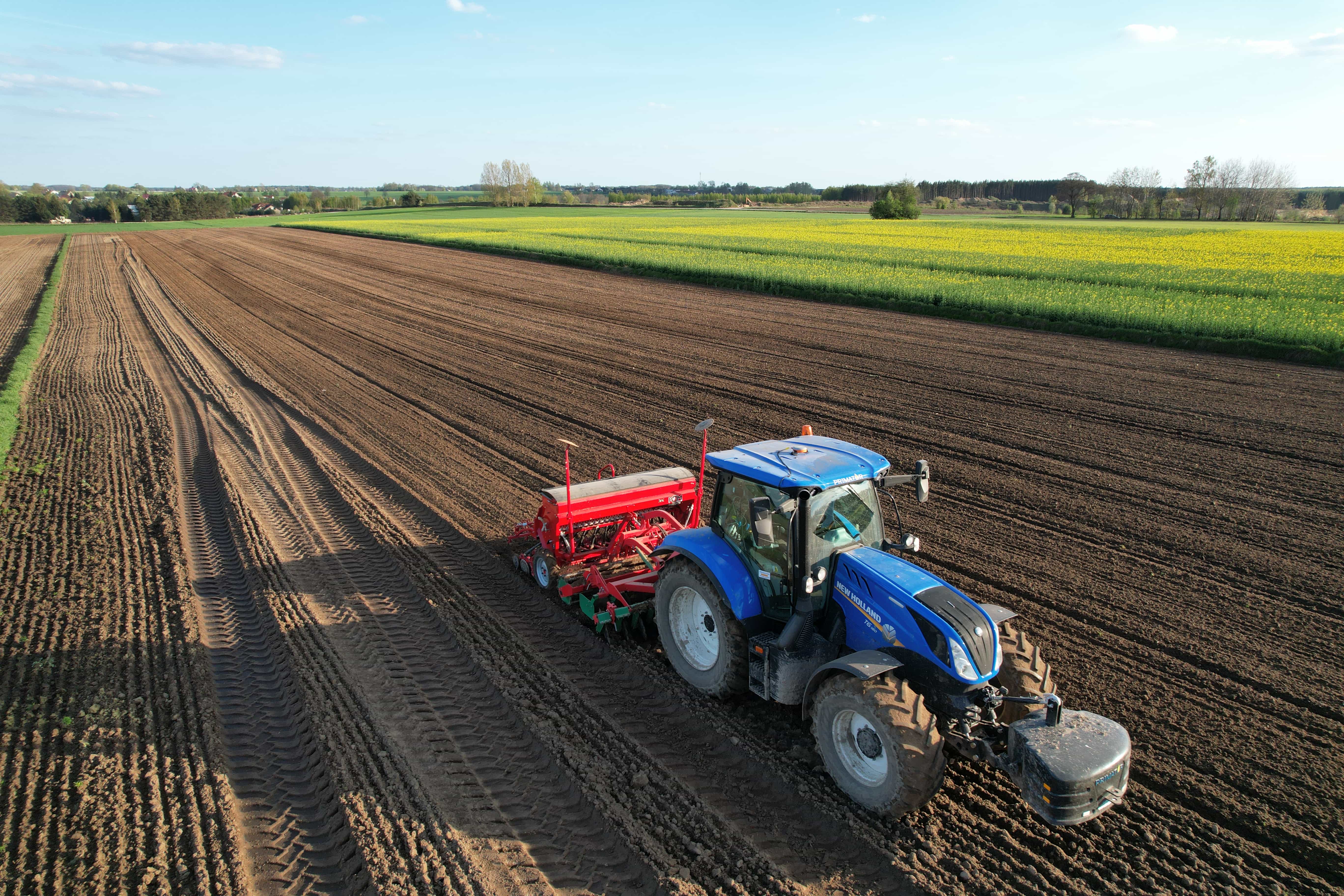
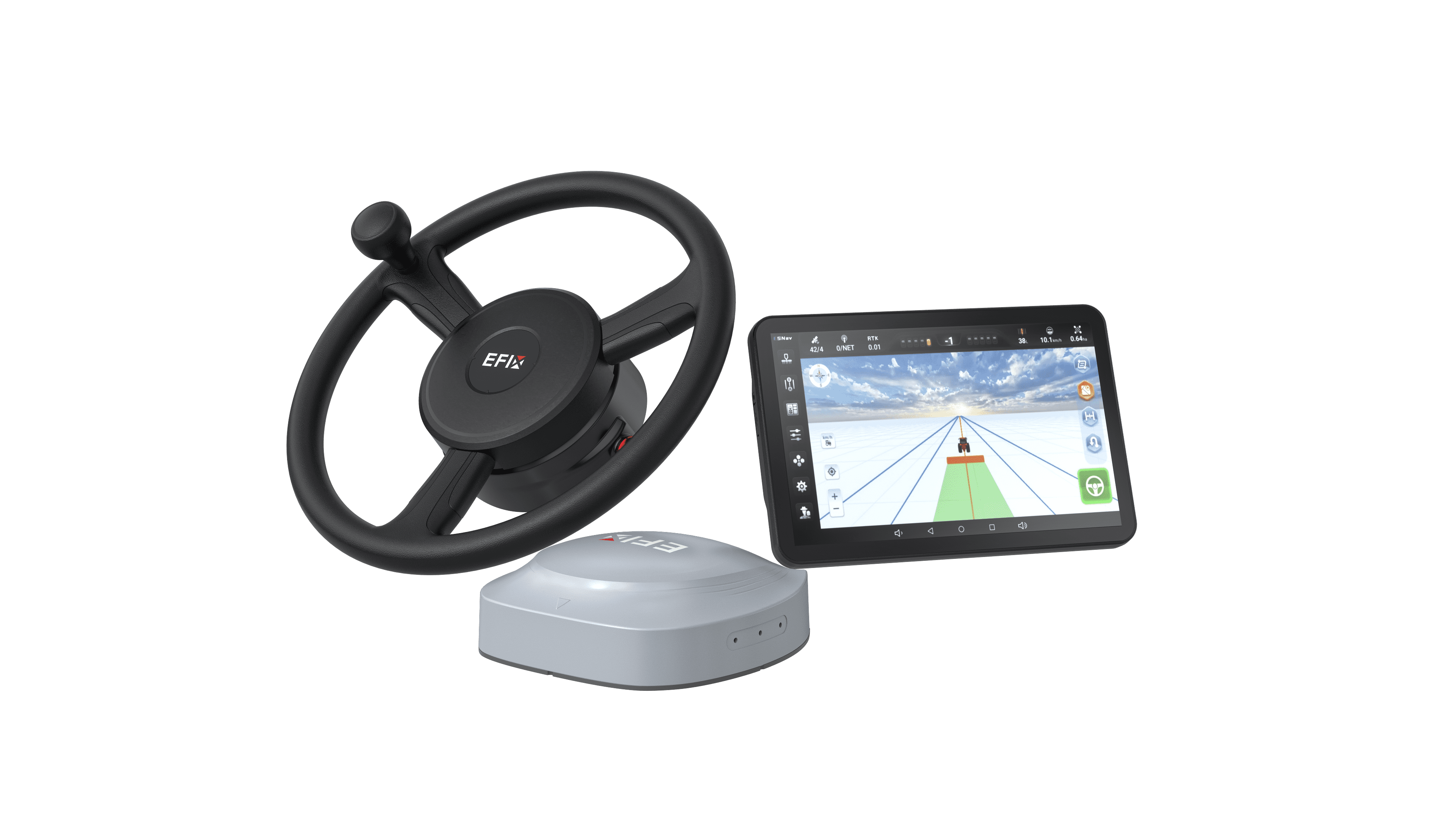
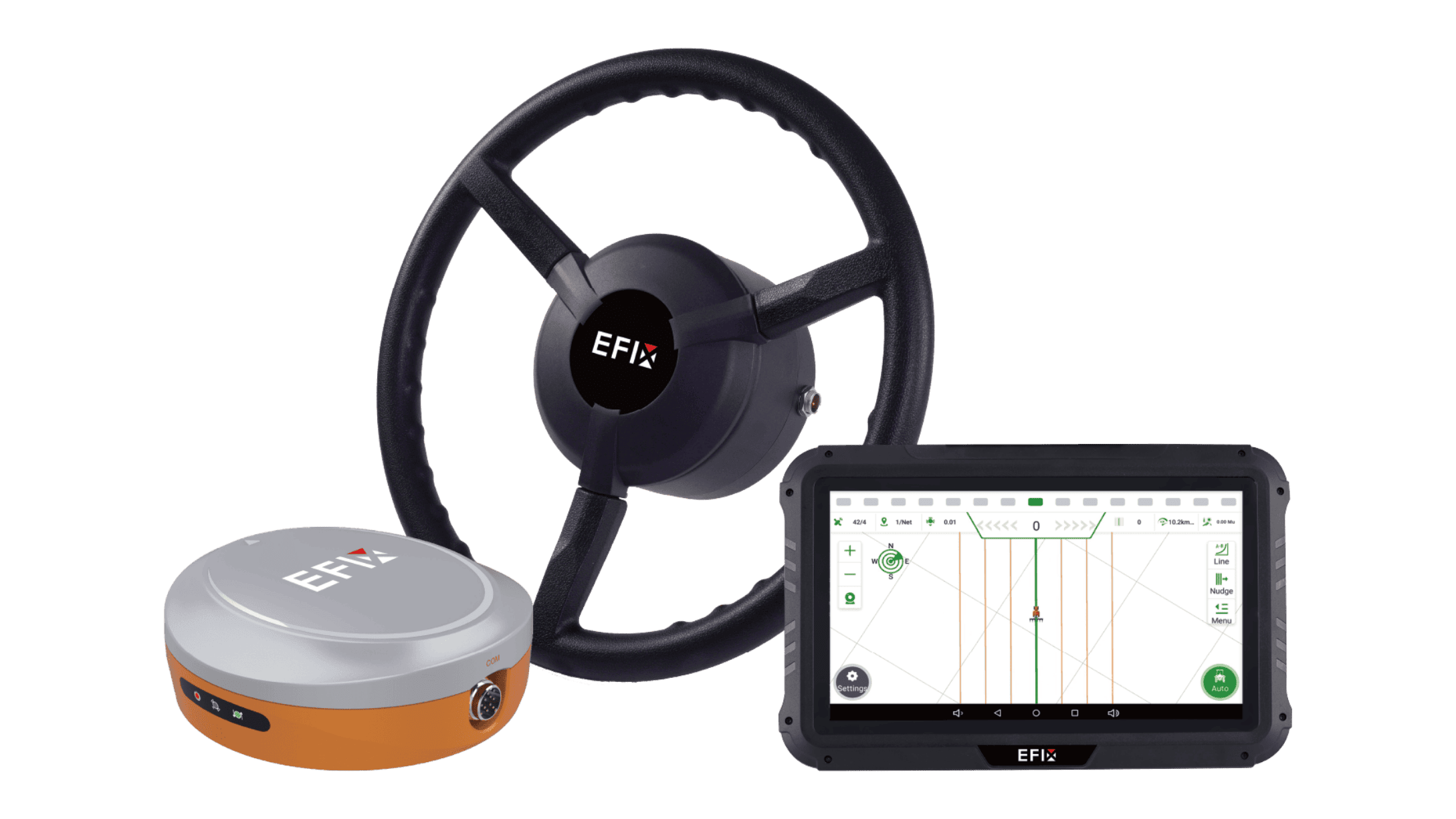
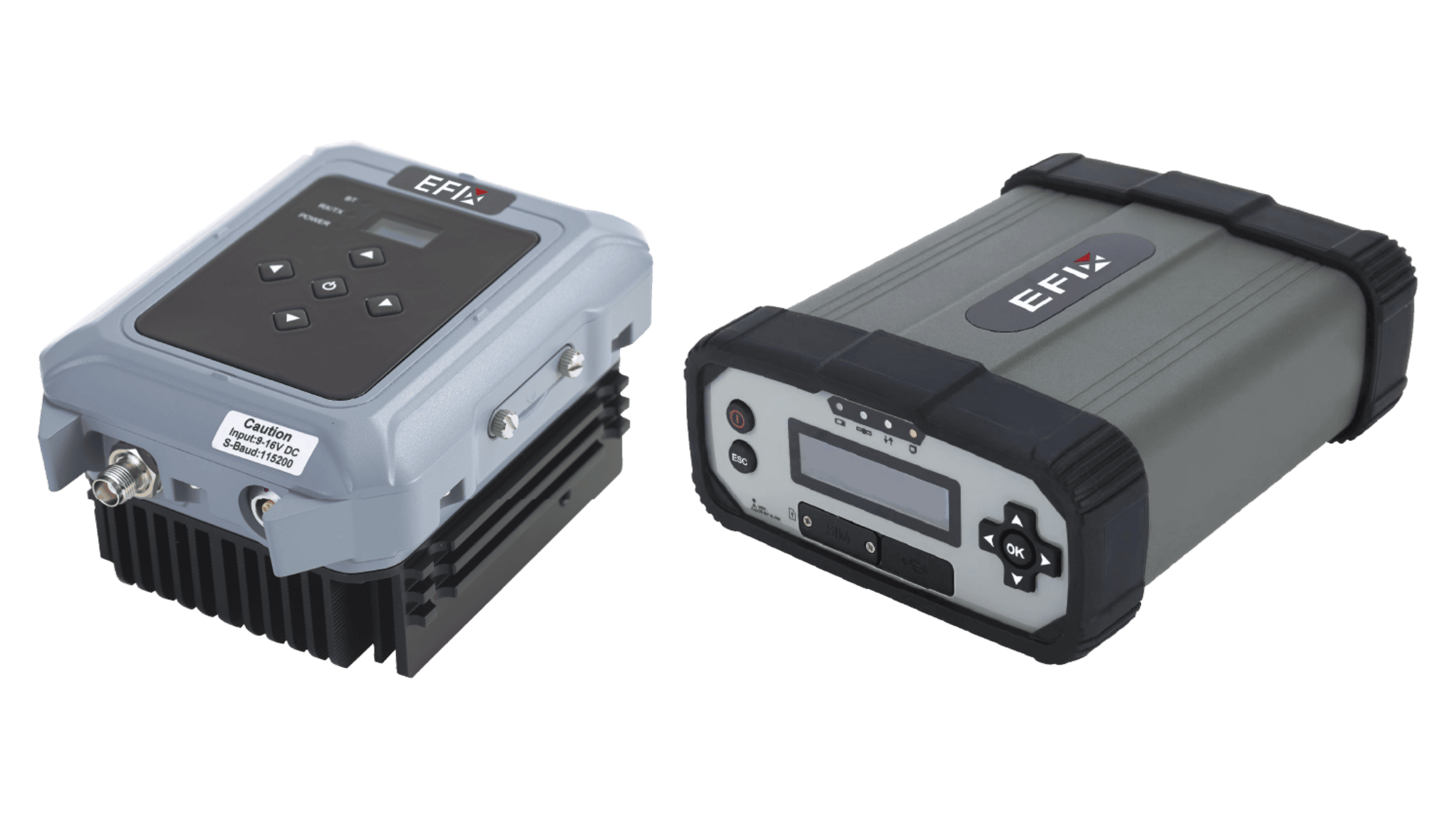
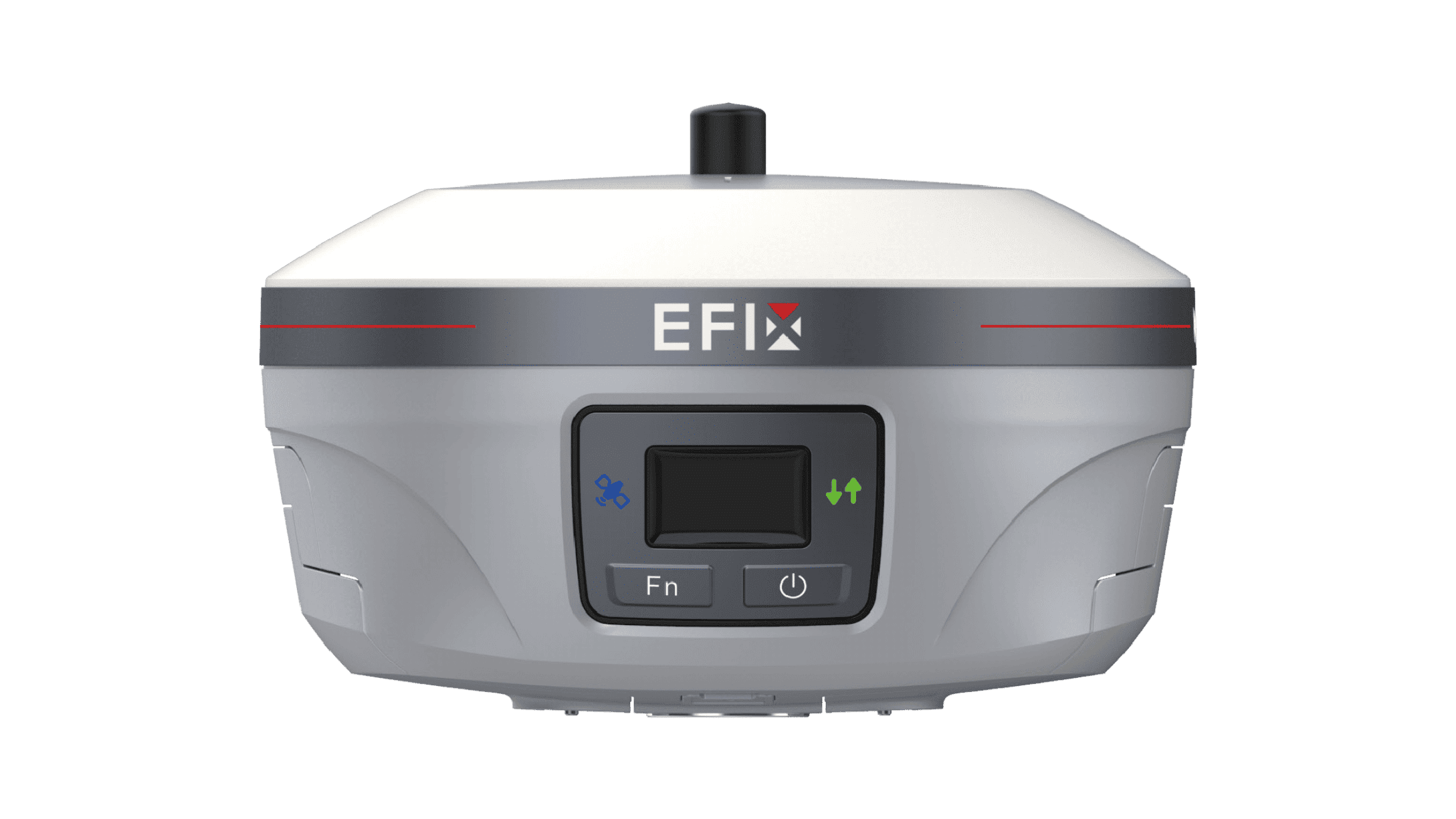
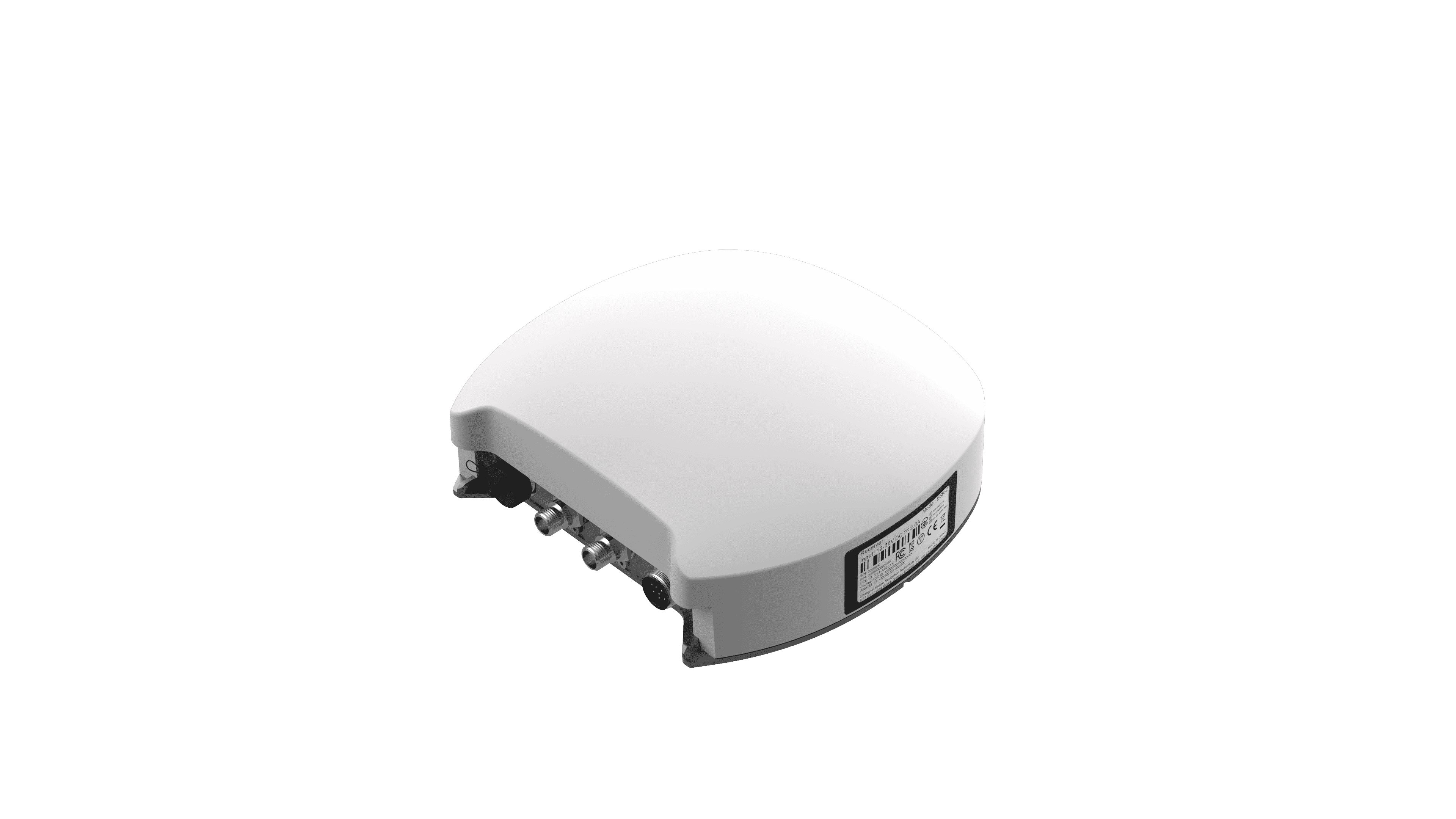
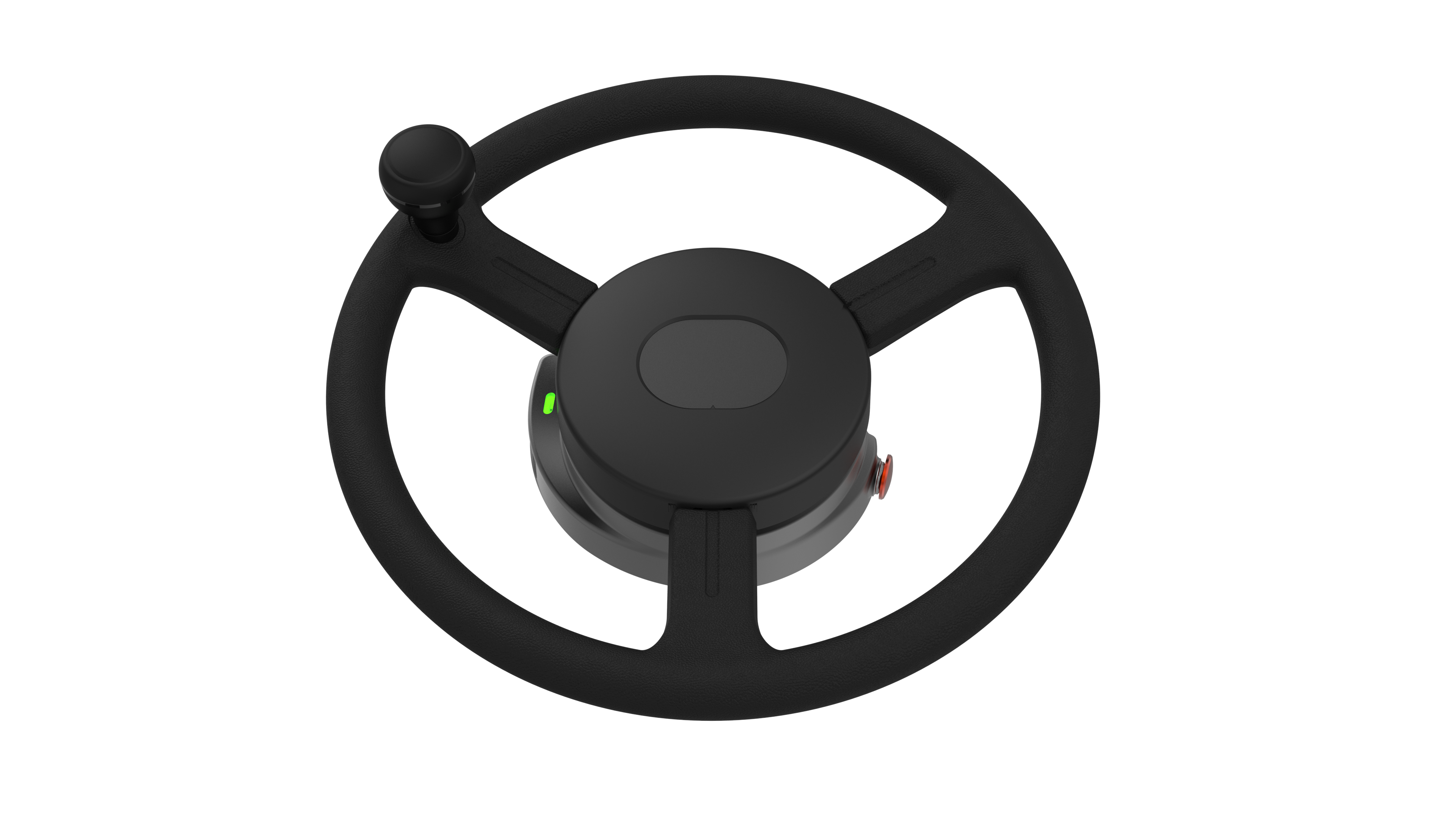
Achieving the correct balance between operational speed and agronomic precision is a central concern in modern crop establishment. The pressure to cover large acreages quickly during ideal soil moisture windows is substantial, yet the fundamental requirements for uniform seed placement remain unchanged. This operational tension highlights the importance of a dedicated precision agriculture guidance system. Such technology provides the stability needed to translate high-speed travel into consistent, high-quality seeding outcomes. We see its function as creating a reliable foundation, allowing speed to become an asset rather than a compromise to the seeding plan.

The Direct Impact on Seed Environment Consistency
The core agronomic principle of seeding is to place each seed into a consistent microenvironment. Variations in depth or spacing can lead to staggered germination, uneven plant competition, and reduced yield potential. At elevated speeds, manual steering inconsistencies are magnified, directly affecting the implement's ability to maintain uniform trench depth and seed drop timing. A precision agriculture guidance system mitigates this by providing steadfast directional control. This automated steering consistency allows the seeding implement's components—the opener, gauge wheels, and press wheels—to operate as designed. The result is a more predictable seed-vee, consistent soil coverage, and reliable moisture contact, which are all critical factors for achieving an even emergence stand.
Reducing Operational Overlaps and Input Waste
Efficiency in seeding is not solely about velocity across the field; it is also about the accuracy of each pass. Inaccurate passes, especially at higher speeds, result in unintentional overlaps or gaps. Overlaps directly waste expensive seed and can create areas of over-population, while gaps represent missed yield potential. The systematic accuracy provided by guidance technology directly addresses this. By following pre-defined, parallel lines with minimal deviation, the system ensures each pass is exactly where it is intended to be. This precise application eliminates the costly waste of inputs and ensures the planted population matches the agronomic prescription across the entire field, making the entire operation more economically efficient.
Supporting Integrated System Synchronization
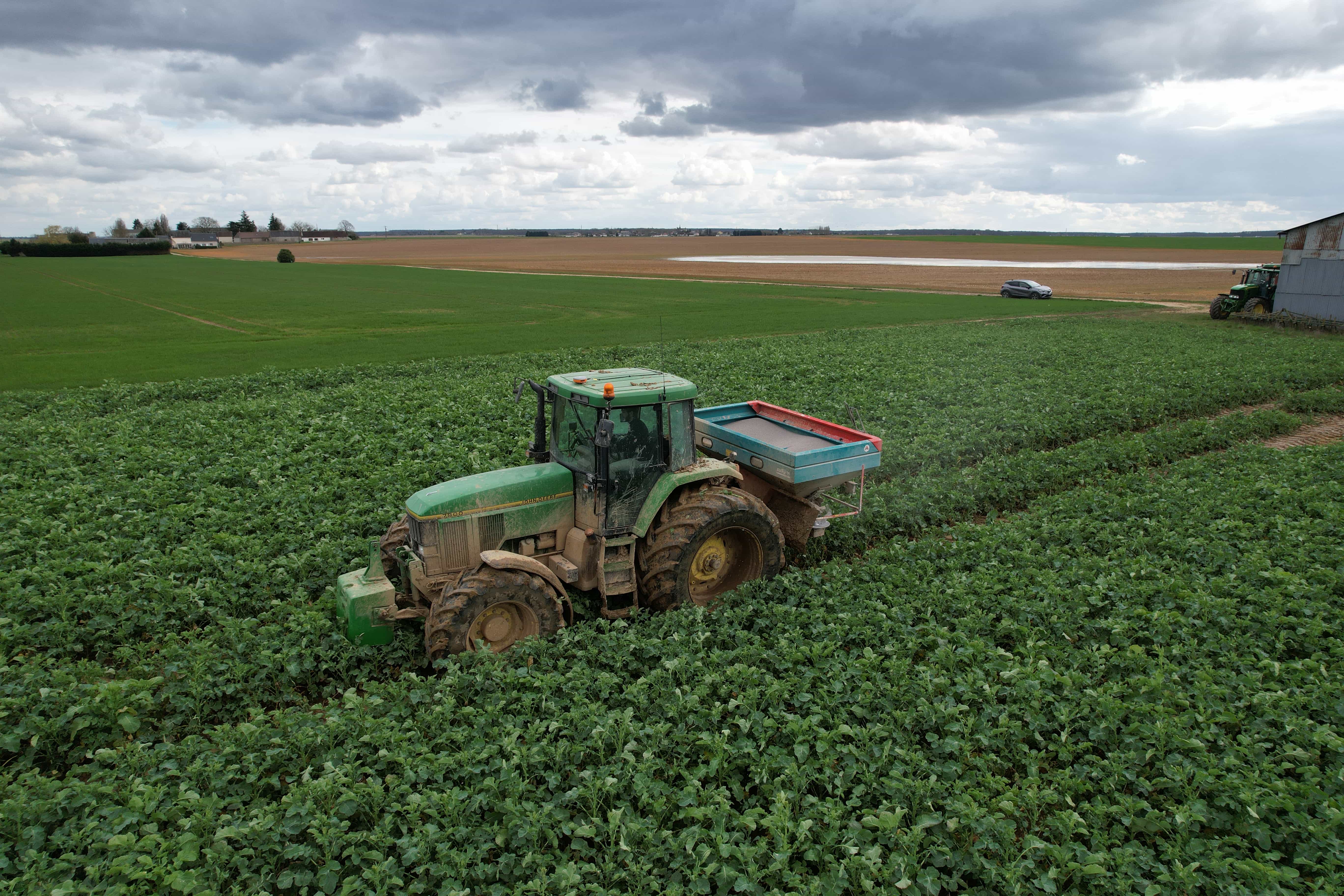
Modern seeding often involves the simultaneous application of fertilizer alongside the seed. This practice requires precise coordination between the tool's different sections to prevent seed damage and ensure nutrient placement is optimally located relative to the seed row. High-speed operations can disrupt this synchronization if the tractor's path is not perfectly steady. Guidance technology contributes here by delivering a smooth, predictable platform. This stability allows the integrated systems for seed and fertilizer delivery to function in harmony, maintaining the intended spatial separation and application rates regardless of travel speed. It ensures that the complex agronomy planned for the field is executed correctly in a single pass.
The pursuit of faster planting must be grounded in the principles of accurate seed placement and input efficiency. A robust precision agriculture guidance system is the enabling technology that makes this possible, turning the goal of speed into a result of accuracy. It is a tool that protects the agronomic integrity of the seeding operation by ensuring consistency, eliminating waste, and allowing sophisticated integrated systems to perform as intended. At Efix, our objective is to provide guidance solutions that deliver this essential stability, giving farmers the confidence to operate productively while faithfully executing their detailed agronomic strategies.