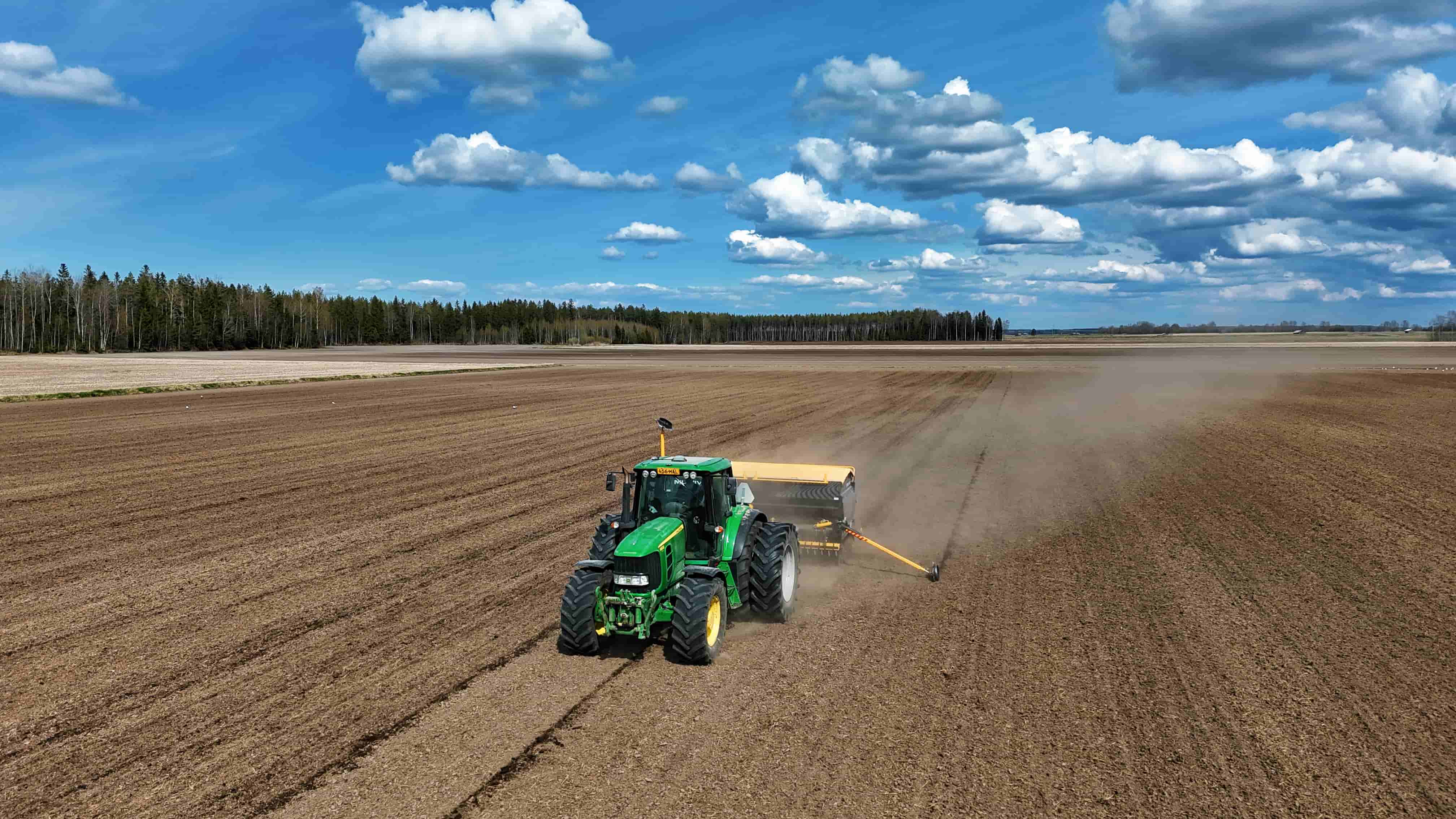
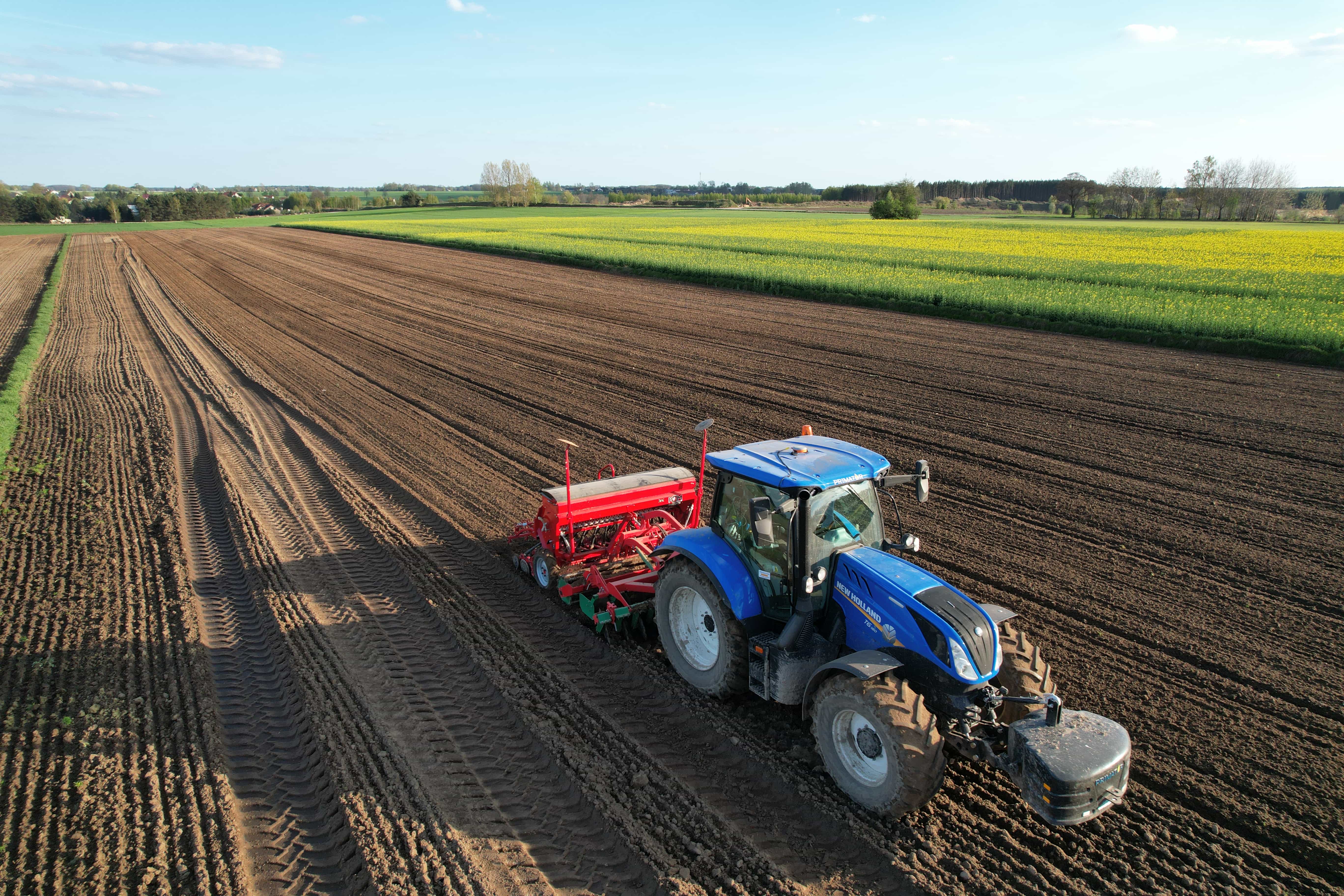
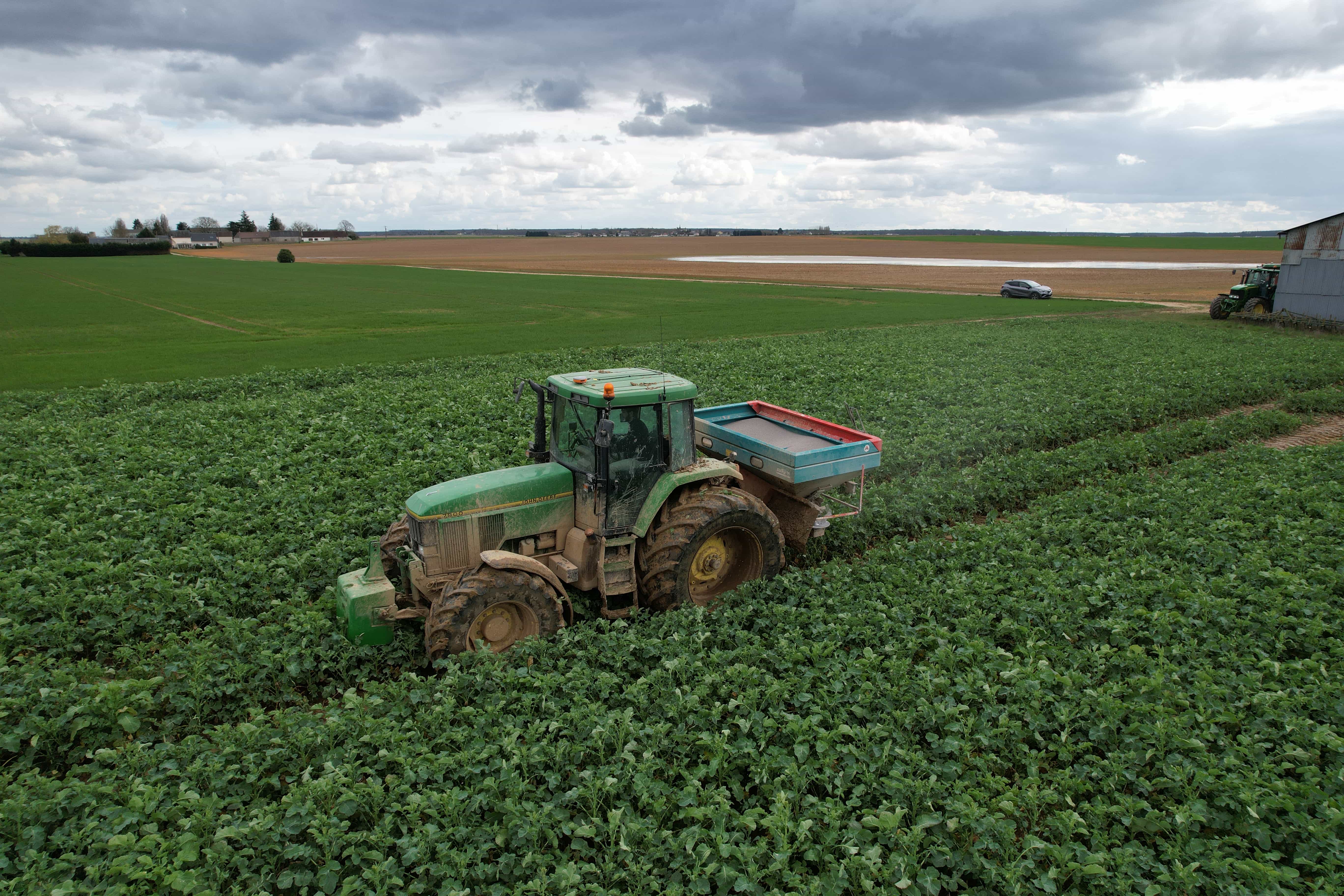
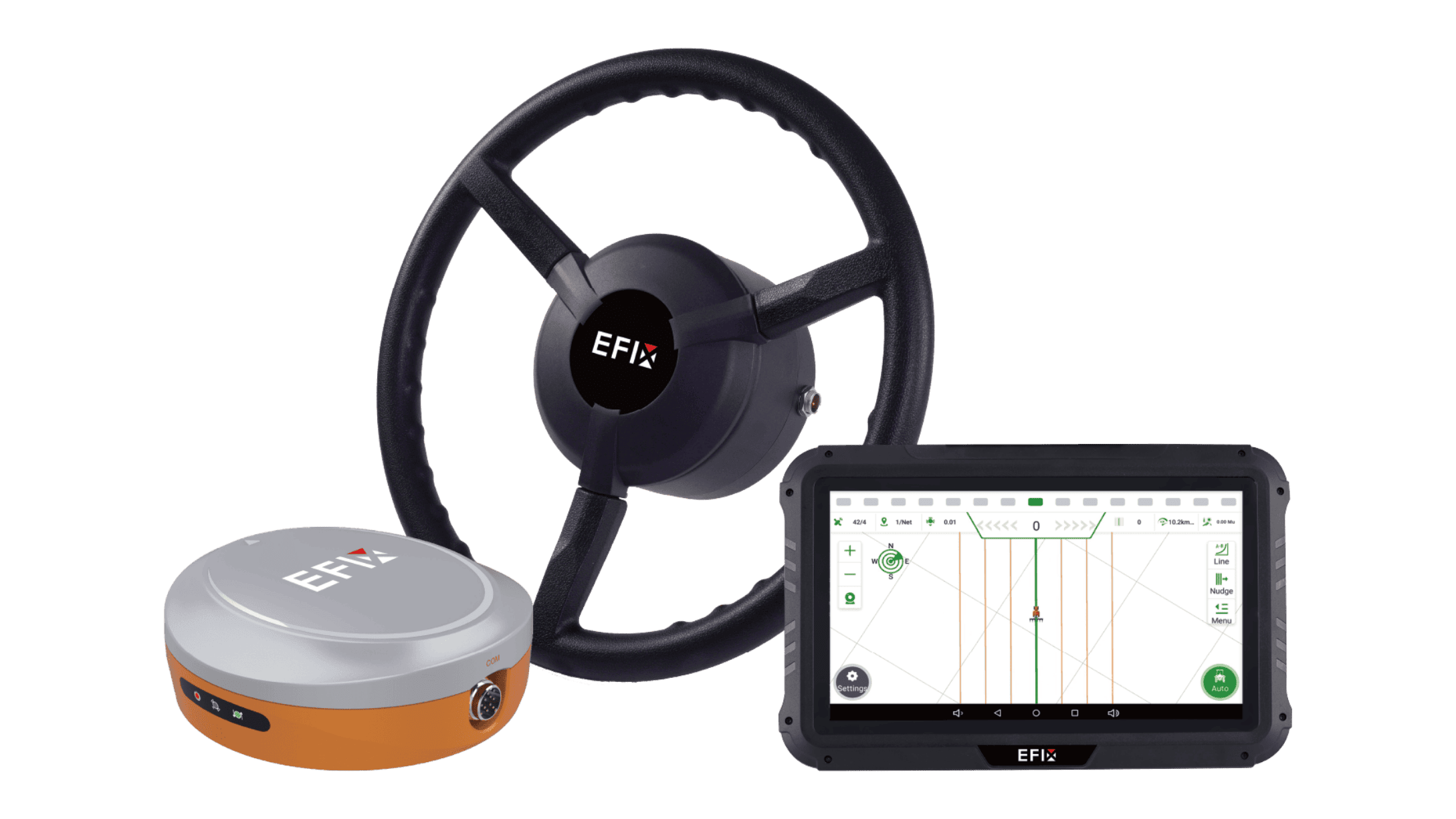
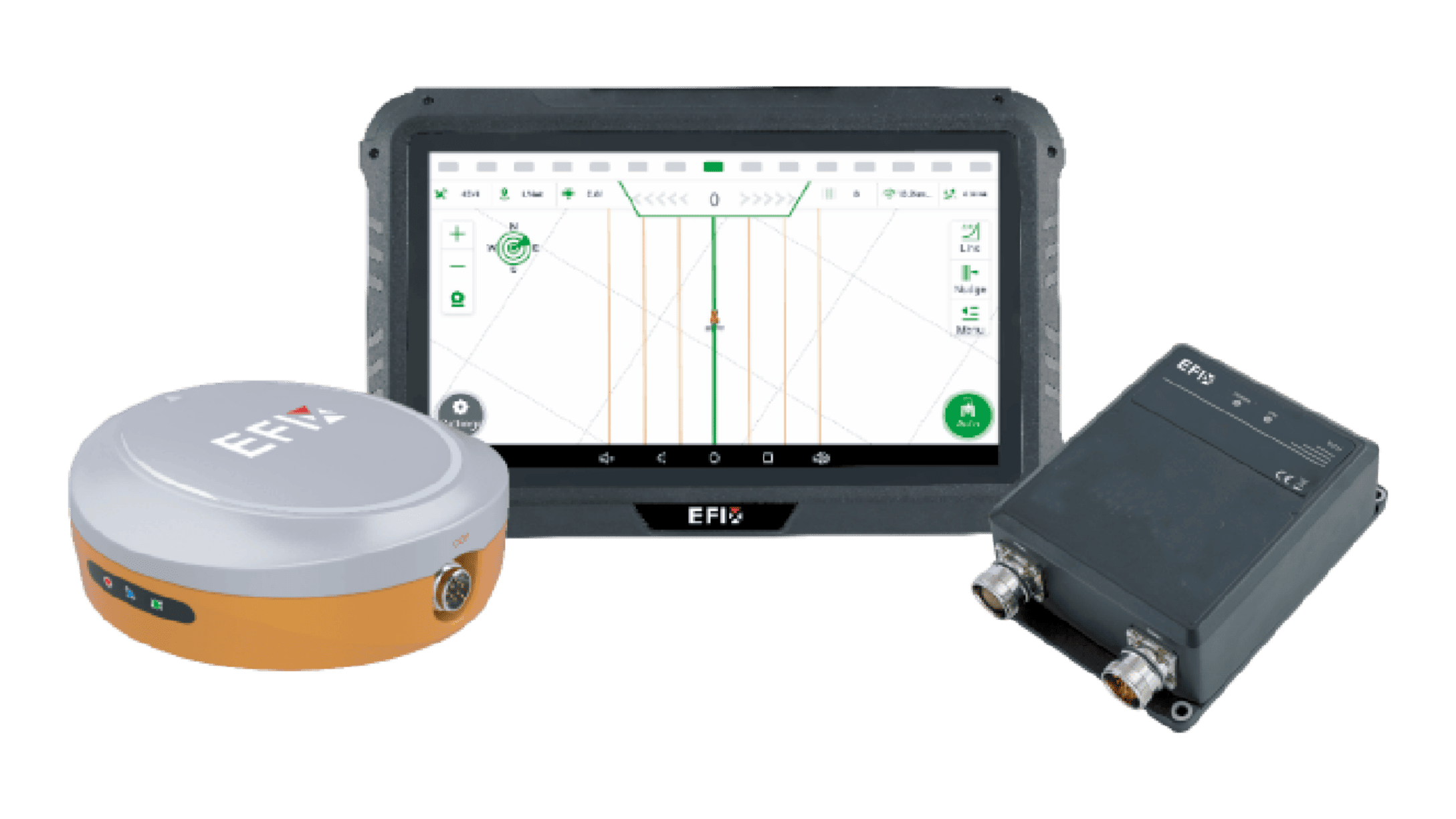
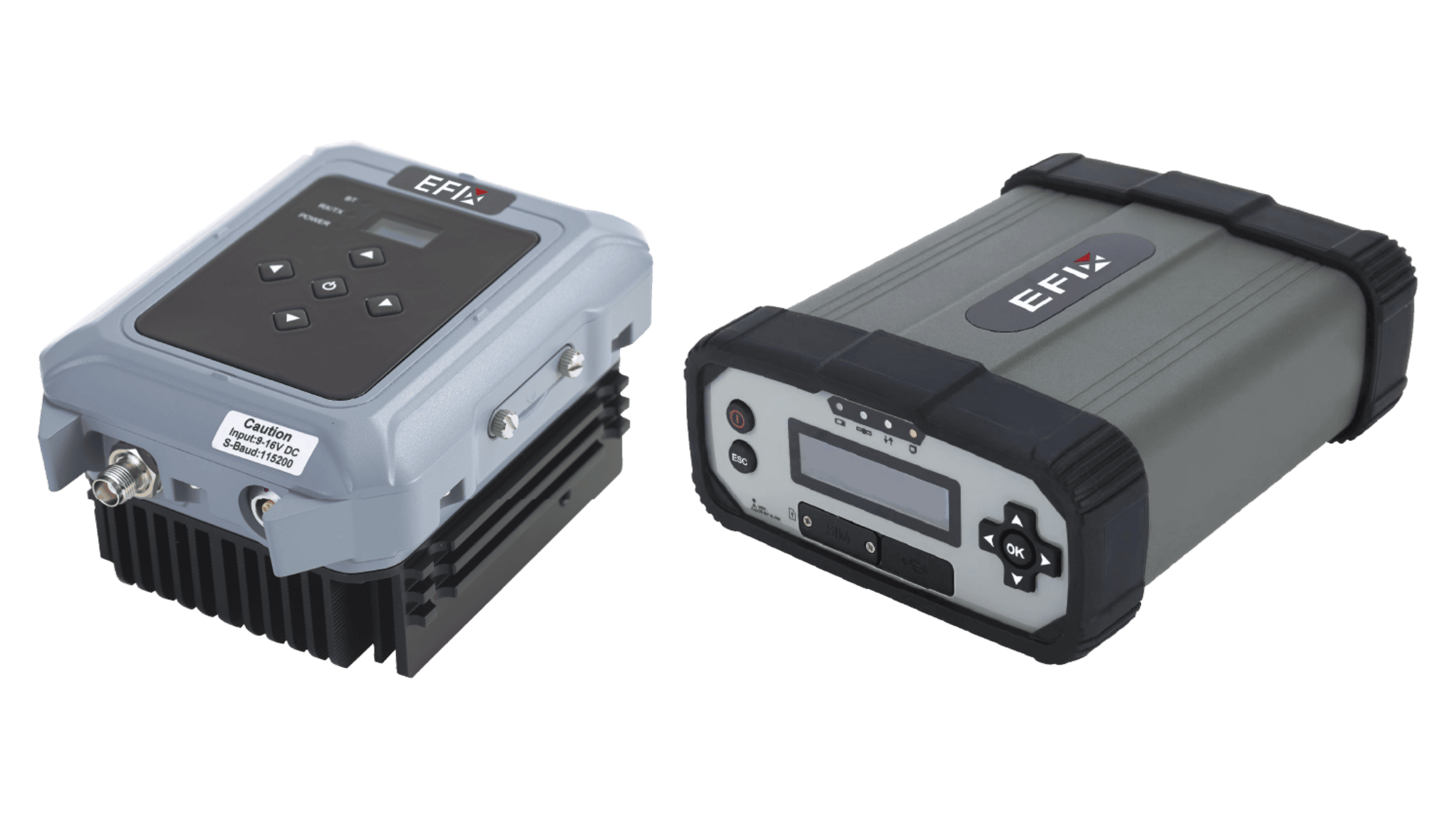
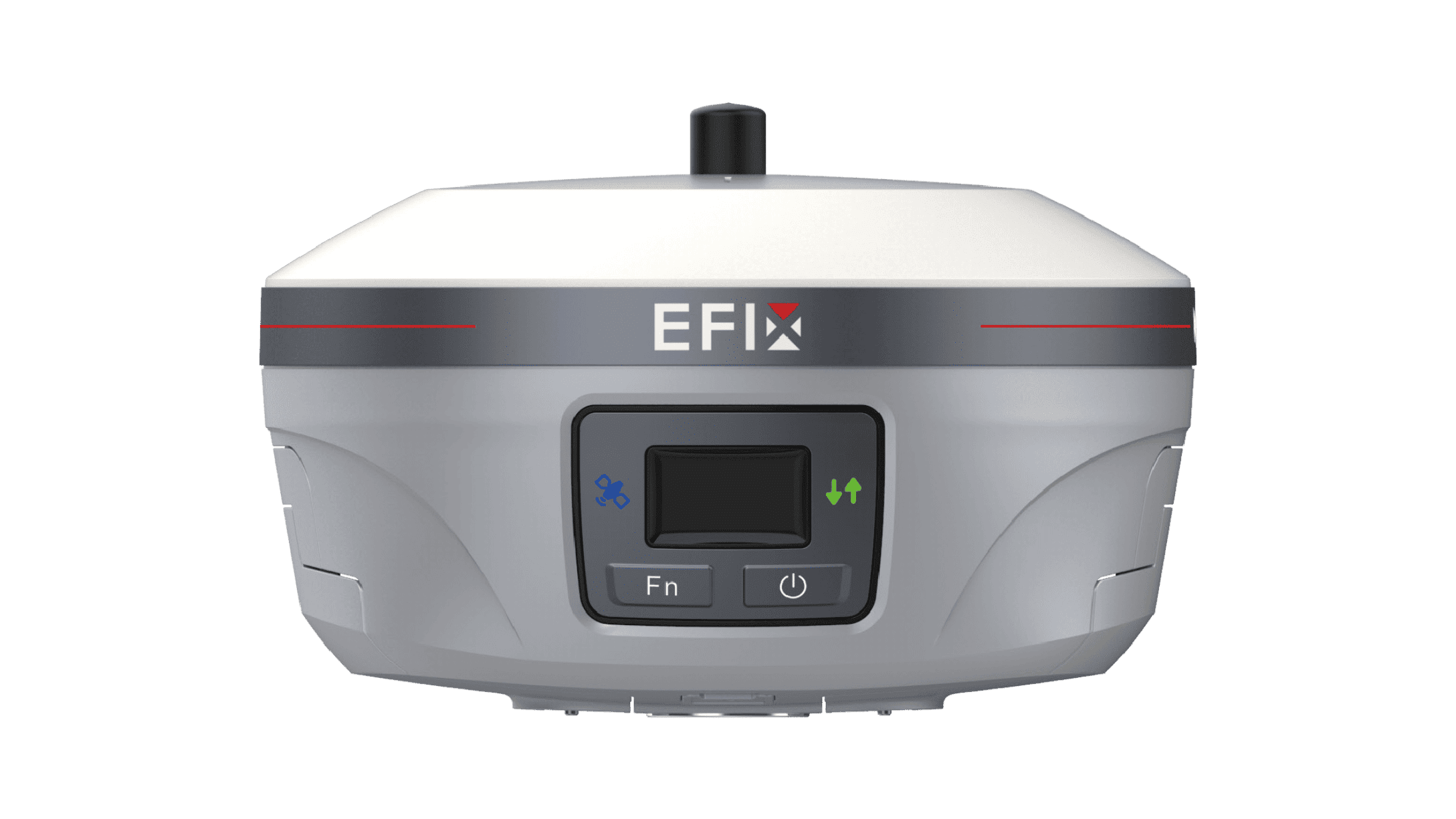
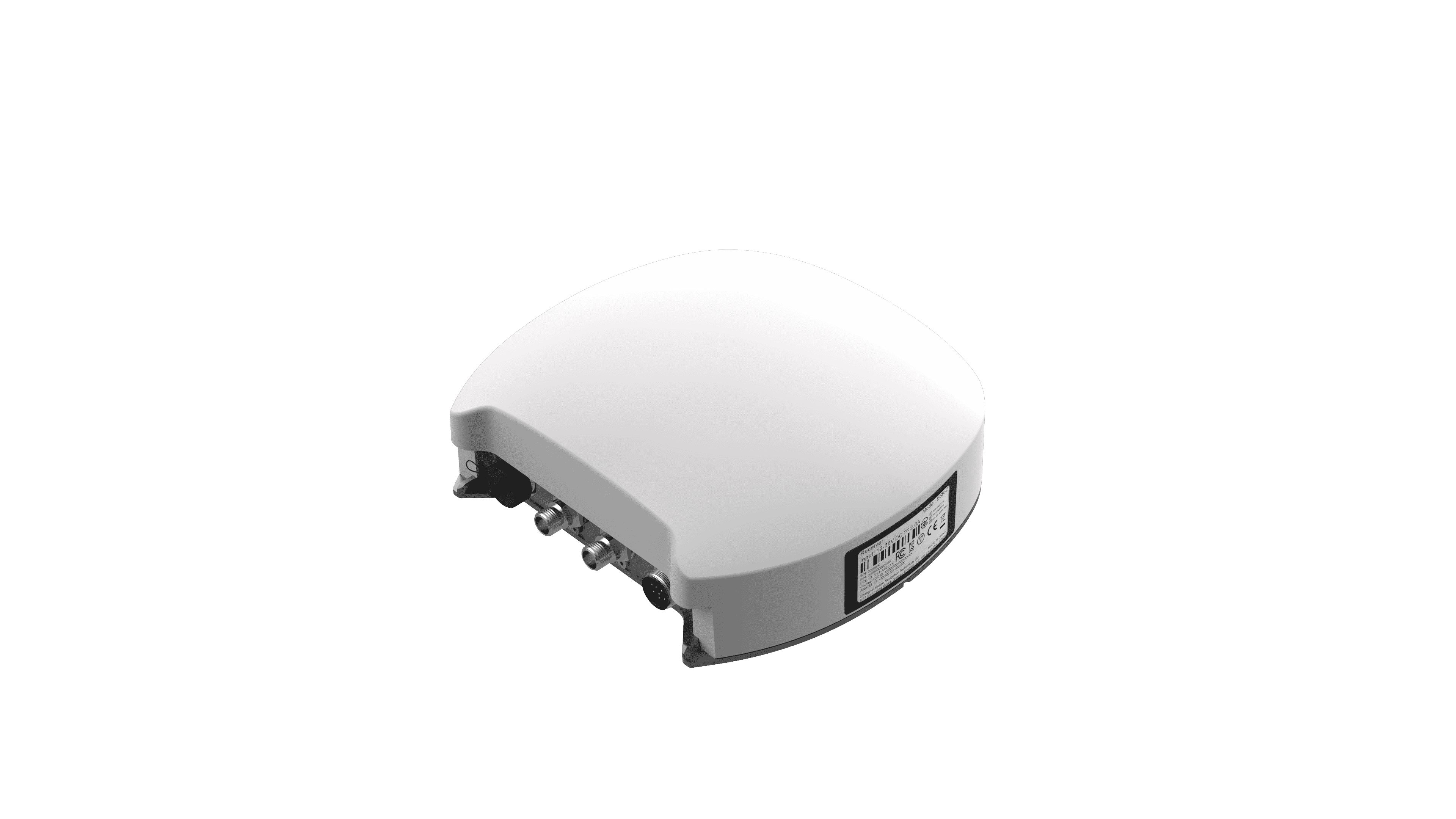
Looking ahead to the next few years, the agricultural sector prepares for a period of significant evolution. The global outlook for tools and systems that enhance crop management points toward broader adoption and more sophisticated integration. This movement is driven by a need for greater resource efficiency and consistent output. At its core, precision farming technology provides the framework for this progress, enabling decisions based on specific field data rather than general observation. The trajectory leading into 2026 suggests these systems will become more accessible and interconnected, fundamentally altering routine farm management. We see this not as a distant future, but as an ongoing transition that is already reshaping agricultural practices.

The Integration of Data Streams and Machine Function
A primary development involves the seamless merging of different information sources. The scope of precision farming technology extends beyond isolated tools; it encompasses a network where sensors, imaging devices, and equipment communicate. This integration allows for a unified view of soil conditions, moisture levels, and plant health. The practical outcome is machinery that can adjust its operation in real-time across variable field conditions. This approach moves past uniform application, facilitating targeted actions that conserve inputs and support plant growth where it is needed most.
Economic Drivers and Accessibility Considerations
Wider implementation is influenced by several tangible factors. The economic proposition of precision farming technology continues to be evaluated against initial investment and long-term value. A key trend toward 2026 is the development of modular and scalable solutions, which allows operations of different sizes to adopt relevant components gradually. Furthermore, the growing clarity on the return from inputs like water, fertilizers, and pesticides makes the case for monitored application stronger. As the knowledge base around these systems expands, their perceived necessity in maintaining operational and economic resilience is likely to increase.
Sustainability and Regulatory Influences on Adoption
Environmental objectives and policy frameworks are becoming more pronounced in shaping agricultural methods. The capabilities of precision farming technology directly support goals of reducing environmental impact through careful input management. This alignment means adoption is increasingly viewed through the lens of regulatory compliance and resource stewardship. The ability to document and verify practices, such as precise application rates or optimized water use, addresses both ecological concerns and emerging reporting requirements. This dual benefit adds a compelling layer to the decision-making process for agricultural producers globally.
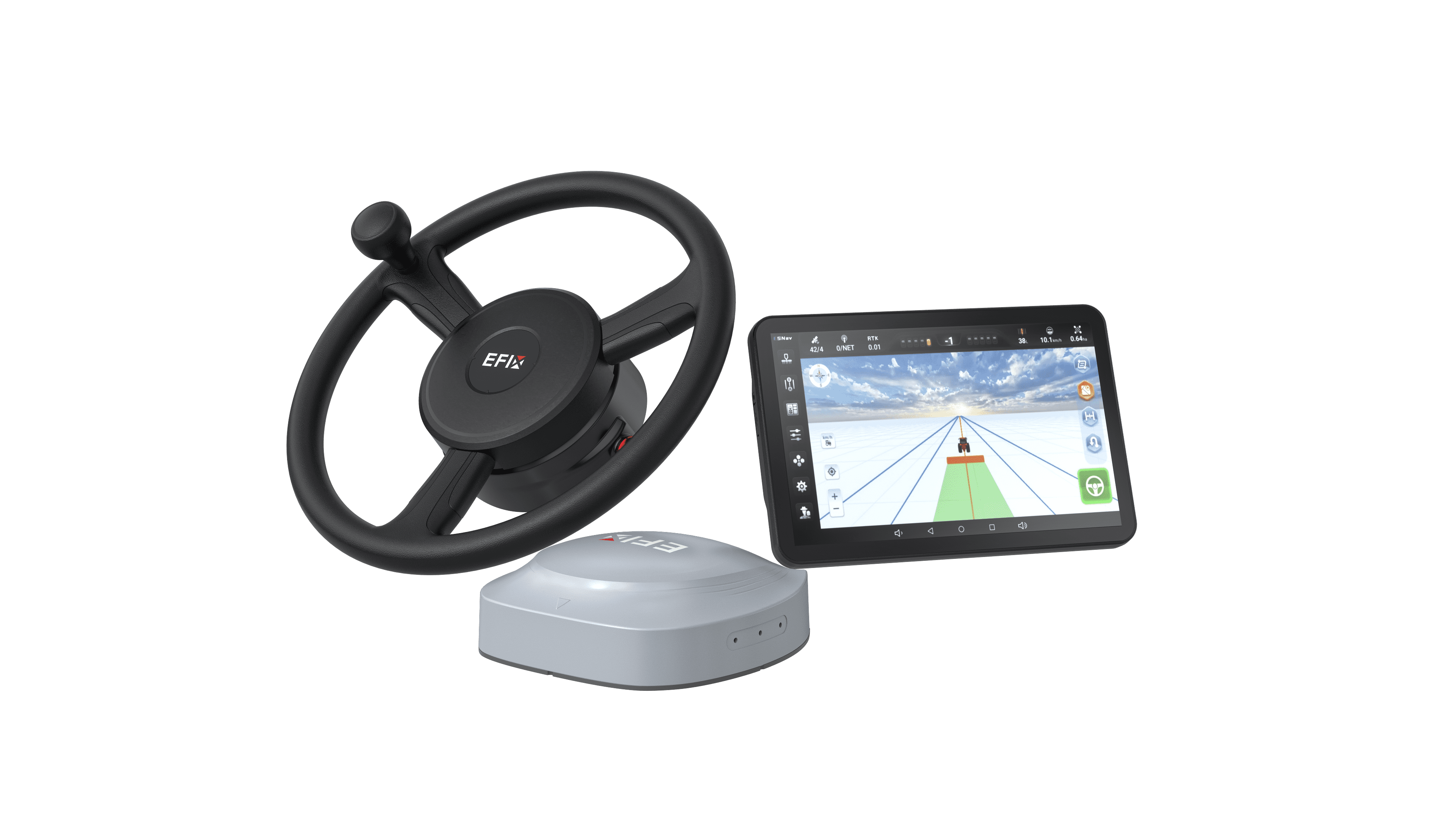
The path toward 2026 indicates a consolidation phase for advanced agricultural systems. The conversation is shifting from introductory potential to practical implementation and measurable outcomes. The continued refinement of these tools will focus on user experience, interoperability, and delivering clear agronomic and economic insights. The integration of precision farming technology is set to become a standard criterion for efficient and responsive agricultural management. For our part, Efix is focused on creating reliable and intuitive systems that fit into this evolving landscape, providing farmers with the practical tools to navigate this informed approach to cultivation.