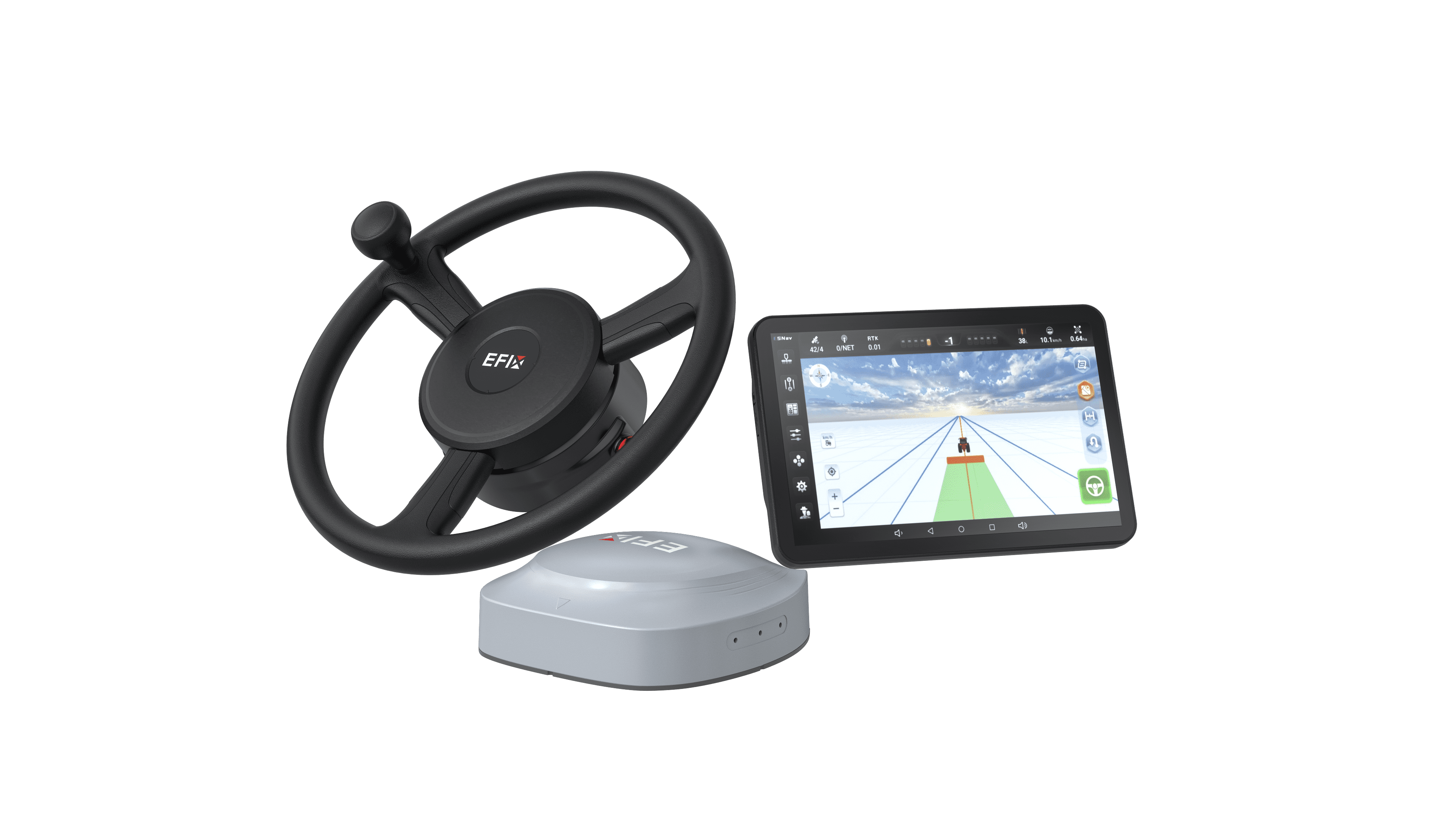
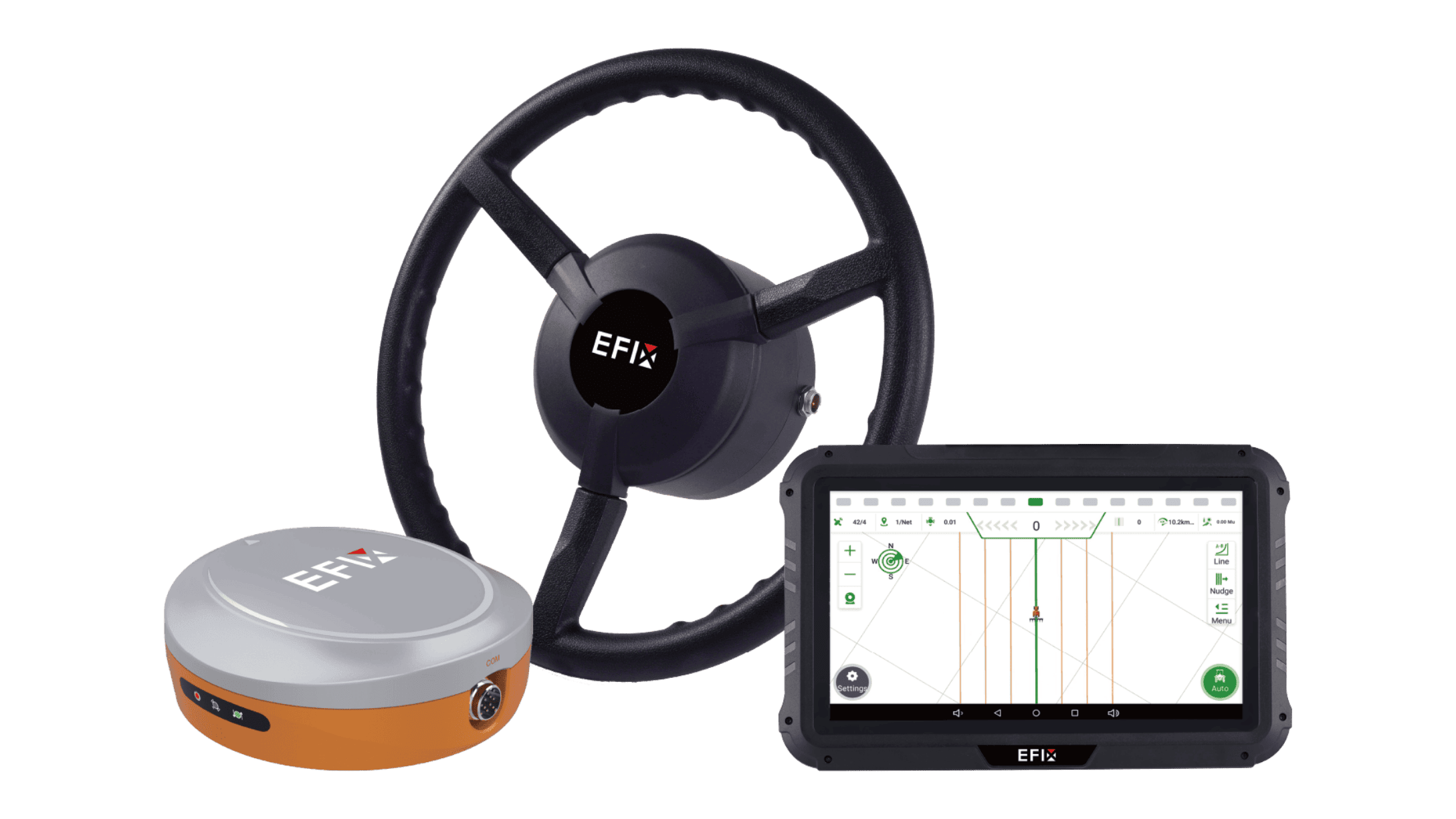
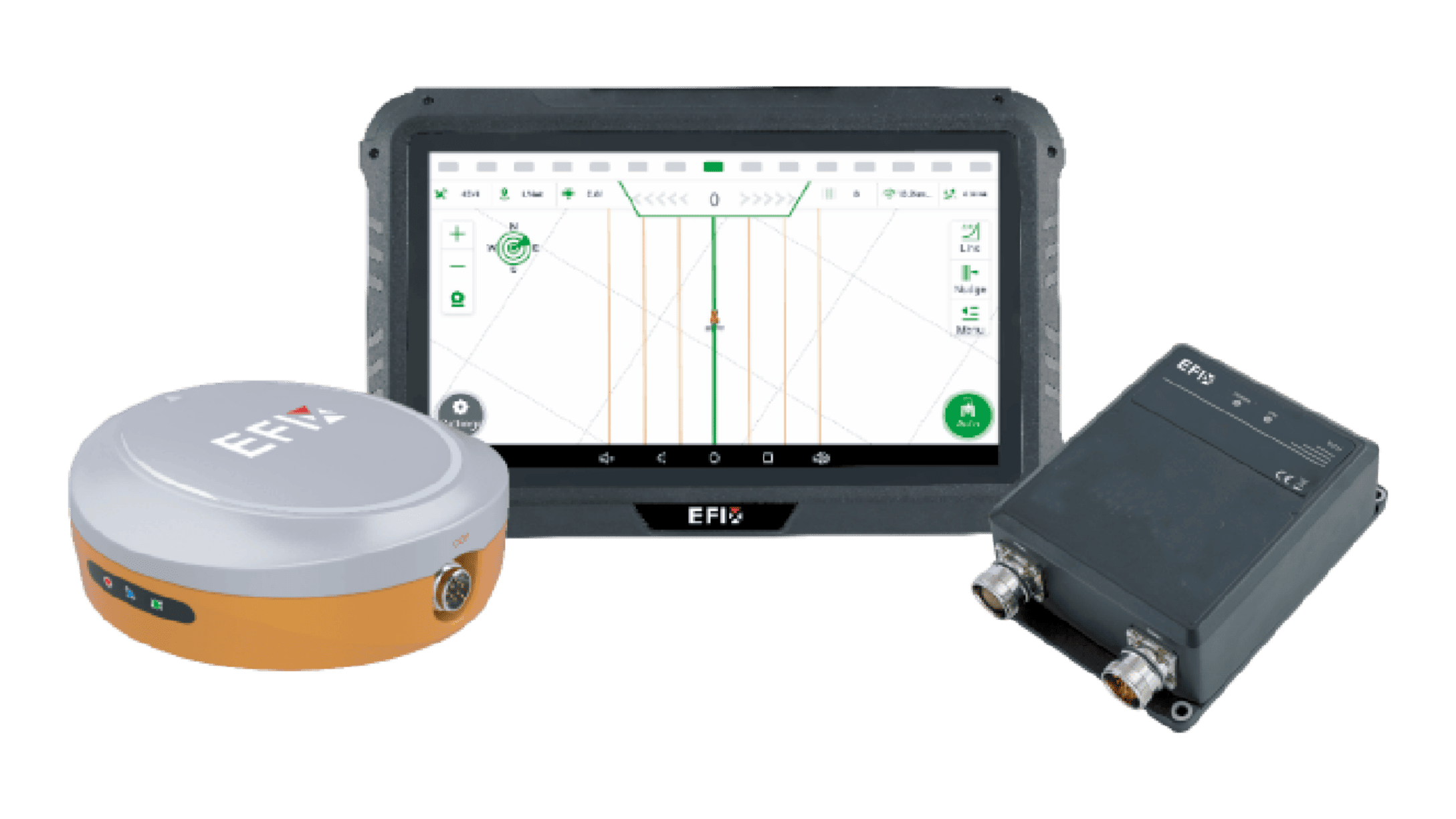
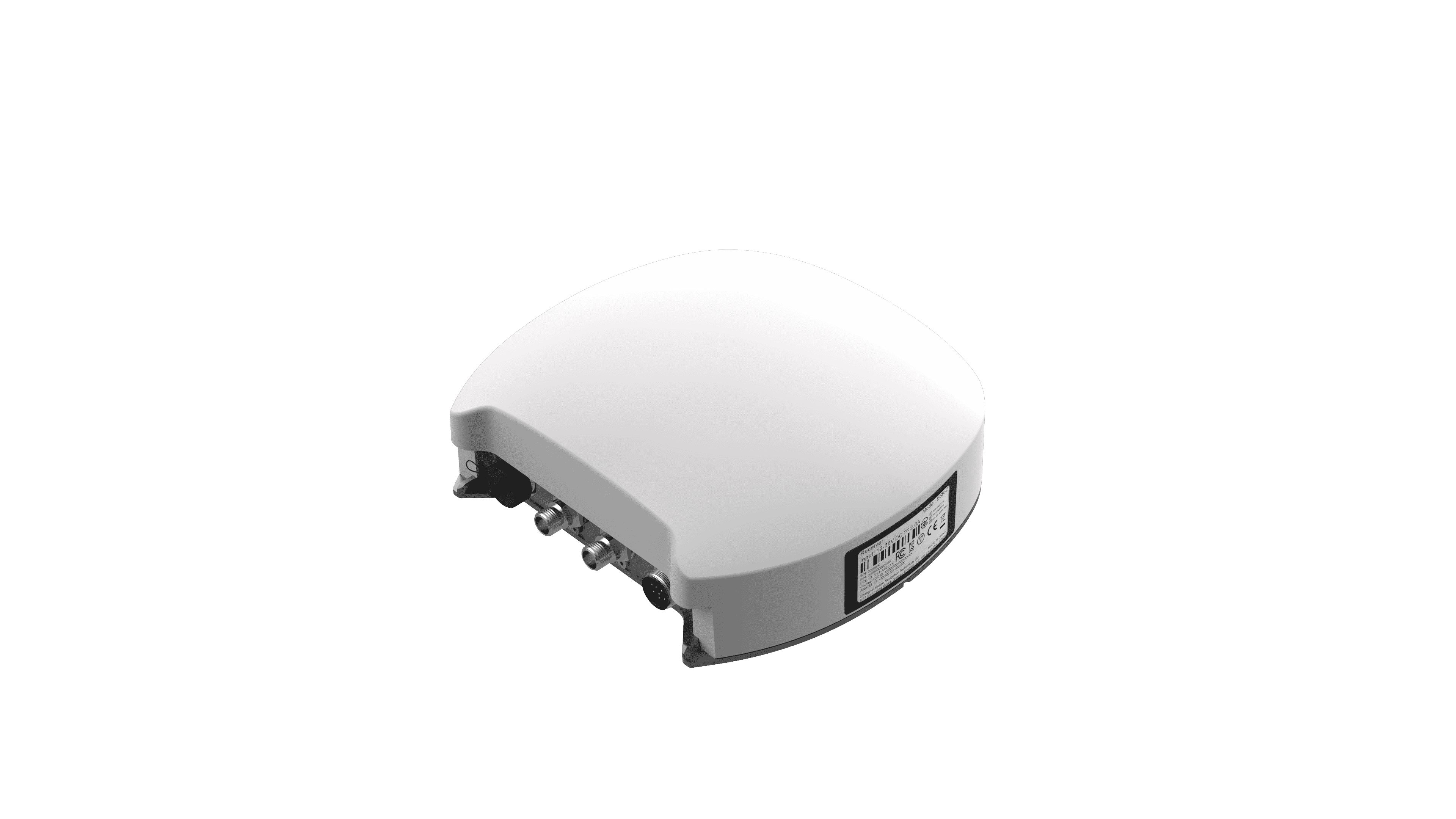
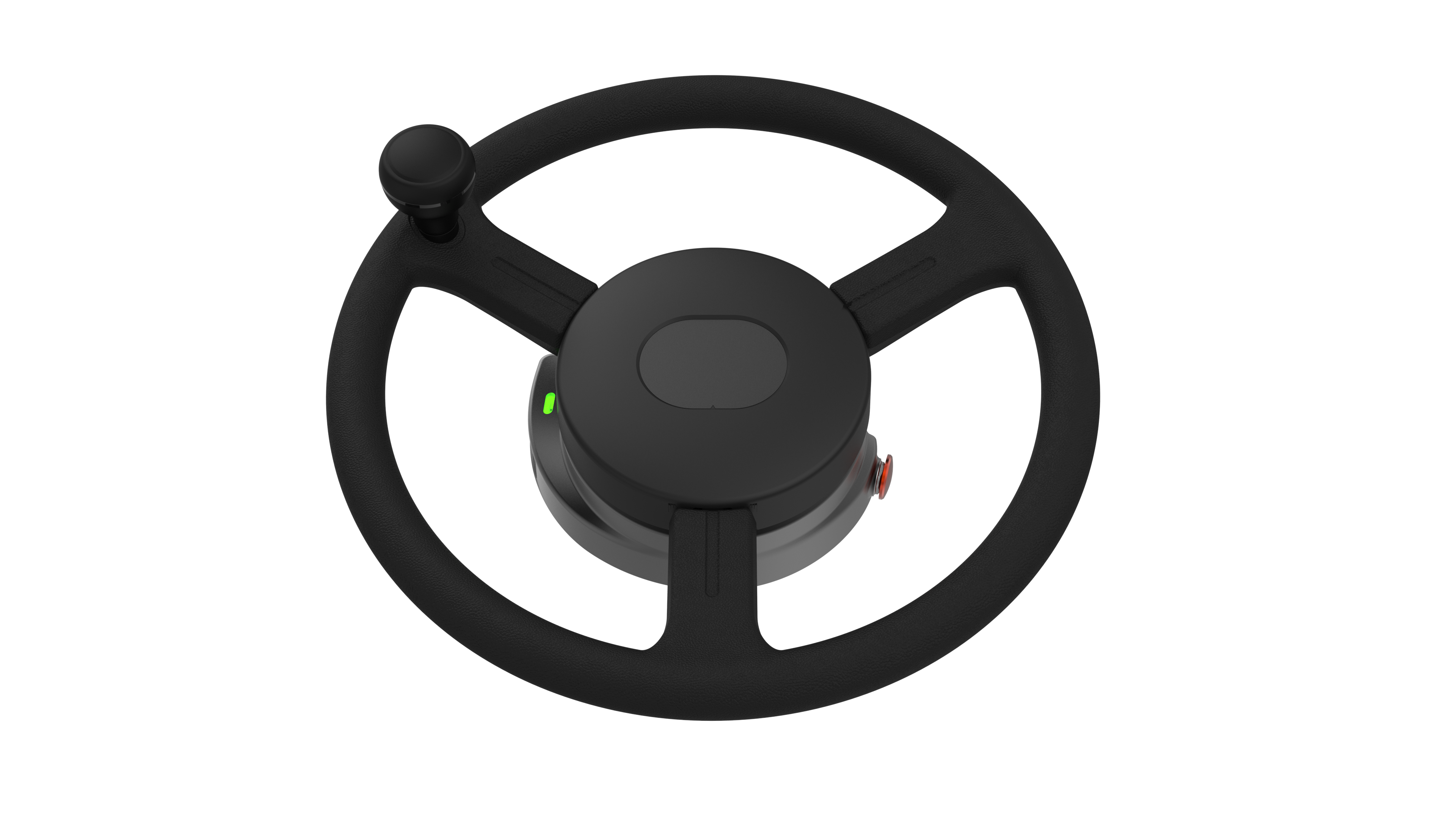
Evaluating capital investments in farm requires a clear look at both upfront costs and long-term gains. A common consideration is the adoption of an automated steering system. This technology, which guides equipment along precise paths, represents a notable investment. We will examine the functional benefits that contribute to its value, helping to determine if the investment aligns with operational goals.

The Direct Impact on Operational Efficiency
The immediate effect of an automated steering system is measured in time and effort. By managing steering, the technology allows the operator to focus attention on implement performance and monitor surroundings. This reduces fatigue during long working hours and can extend the window for field work, as operations can continue with consistency even in low-visibility conditions like dust or nightfall. The gain in operational smoothness and the potential for more efficient use of available time are tangible returns that begin from the first use.
Improving Input Accuracy and Soil Management
Financial efficiency is closely tied to resource application. A primary advantage of this technology is the drastic reduction in pass-to-pass overlap and the elimination of gaps. This precise application means seeds, fertilizers, and chemicals are placed exactly where intended without wasteful duplication. Over a season and across hundreds of acres, the savings on these inputs can be substantial. Furthermore, consistent traffic patterns facilitated by an automated steering system can help manage soil compaction by confining wheel tracks to specific lanes, promoting better soil structure in planting zones.
Assessing Long-Term Agronomic and Economic Value
The value of precision extends beyond a single season. The accurate data collected from guided passes contributes to reliable field records and consistent year-over-year operation placement. This builds a foundation for more informed agronomic decisions. When evaluating cost, it is practical to consider the investment against the annual savings in inputs, the potential yield protection from accurate placement, and the extended life of equipment that undergoes less stress from corrected steering. For many operations, these factors combine to define a favorable period for return on investment.
The question of value is answered by a cumulative view of incremental gains: hours reclaimed, inputs optimized, and data integrity strengthened. This technology functions as a force multiplier for both the operator and the equipment. At Efix, our approach to guidance technology focuses on reliability and seamless integration. We provide systems designed to deliver these layers of operational and agronomic benefit, supporting a calculation of investment that considers sustained performance and controlled costs.