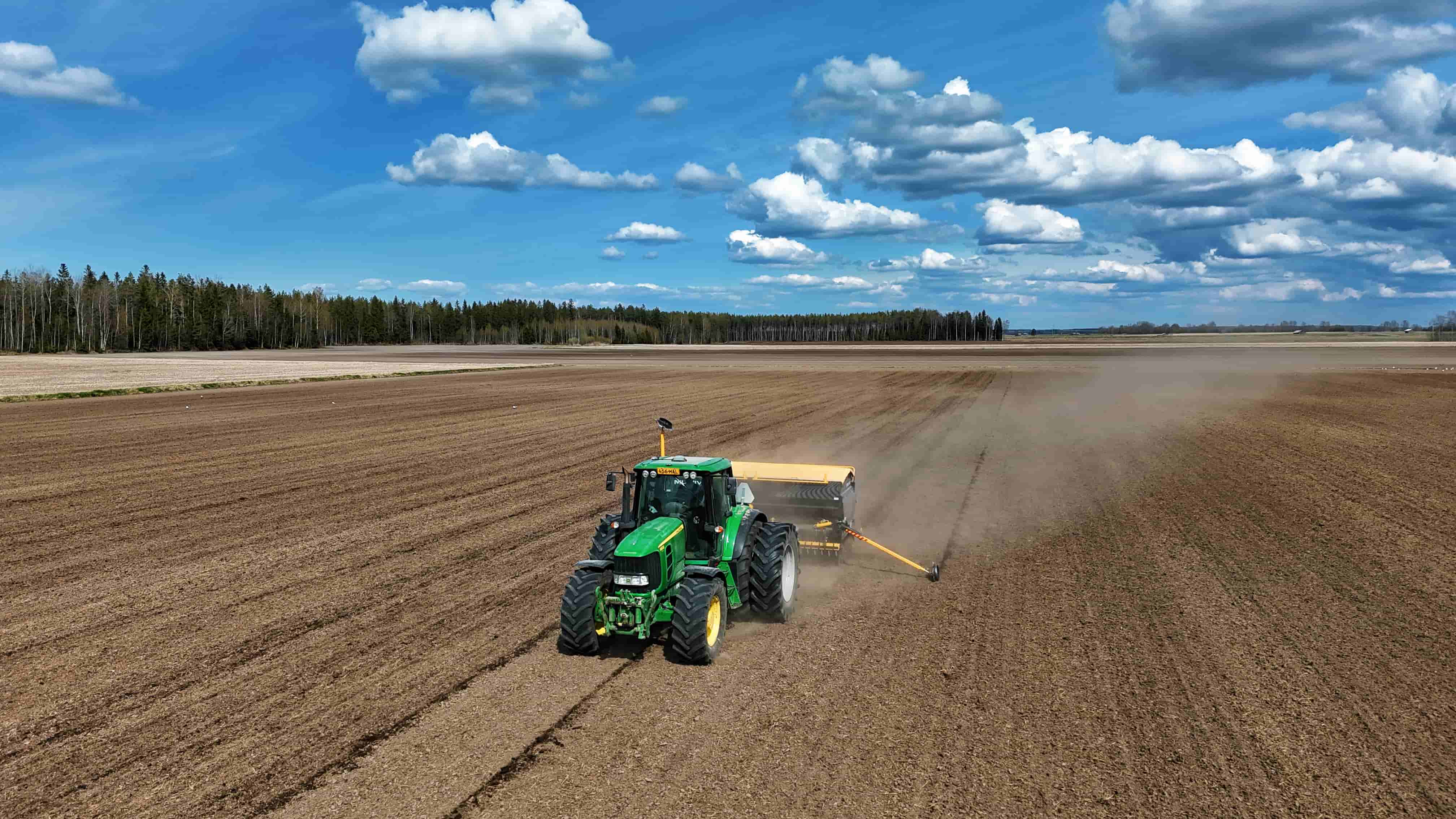
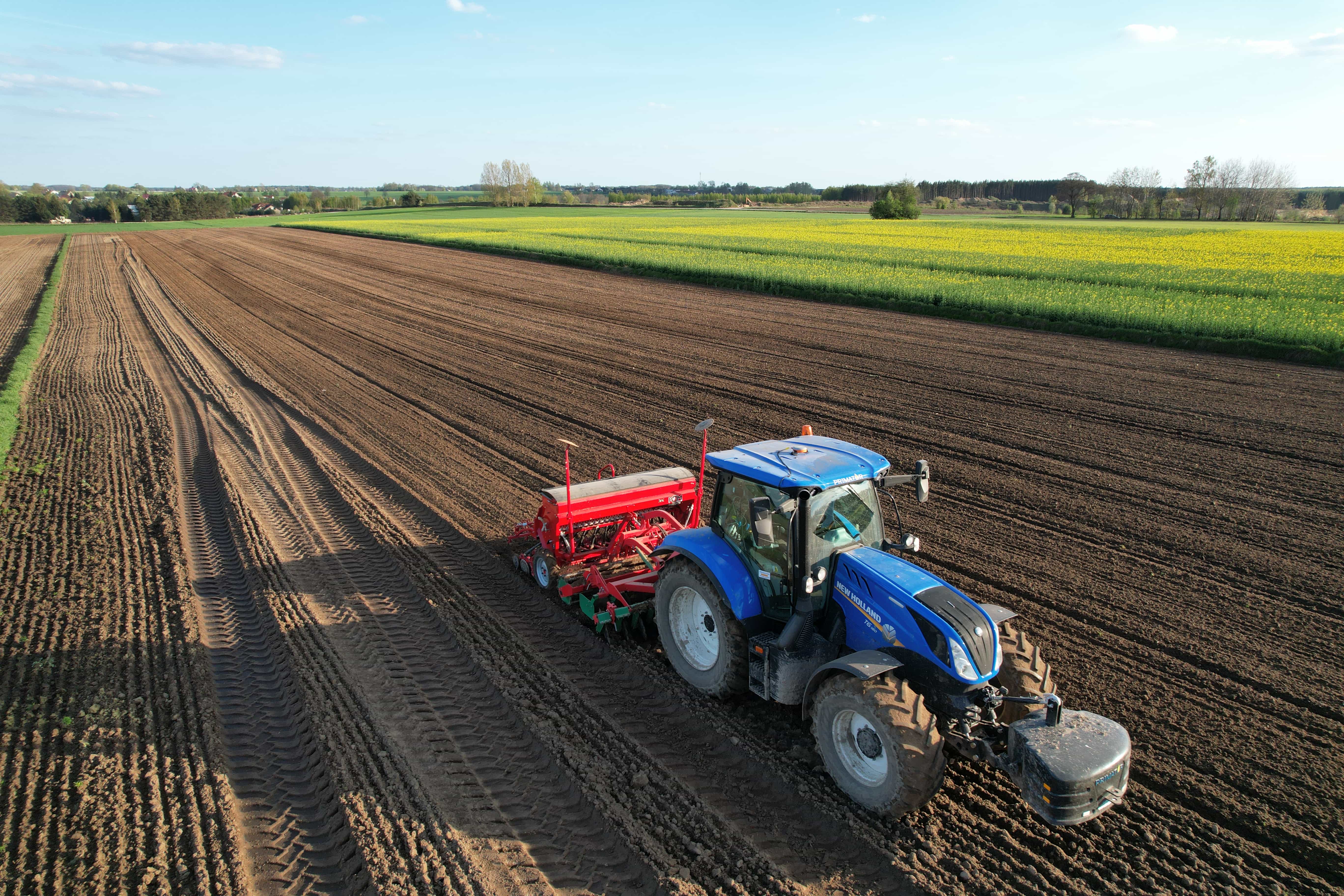
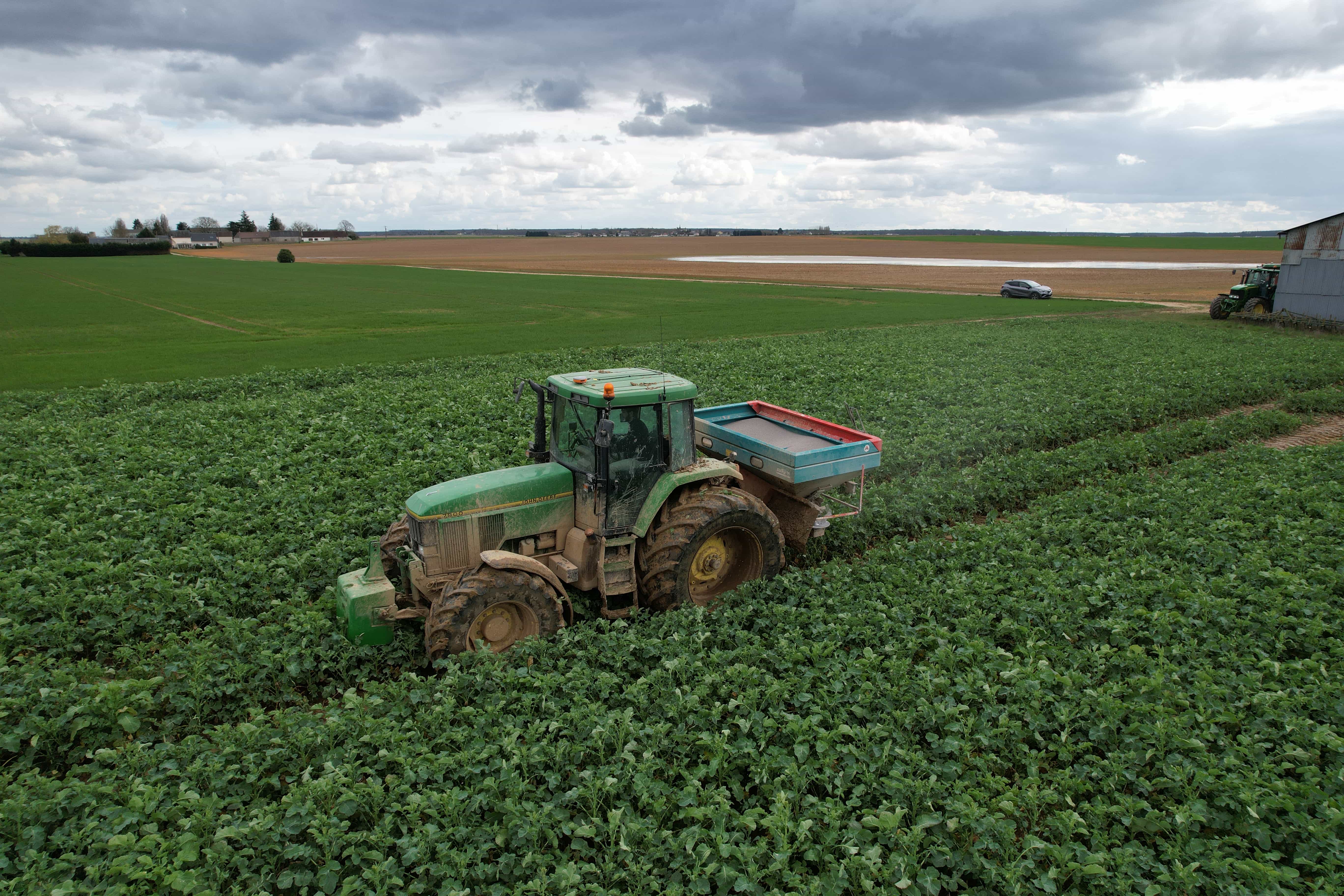
Picture a tractor moving across a field with a consistency that seems beyond human capability, its path straight and overlapping with minimal waste. This is the result of automated steering, a core technology in modern equipment. We see it as a fundamental tool that enhances operational accuracy. At its heart, automated steering functions by using satellite signals and onboard electronics to guide a vehicle along a pre-defined route, reducing operator fatigue and improving input placement. This technology transforms how fields are traversed, turning the complex task of manual guidance into a managed, digital process.

Core Components: The Hardware Foundation
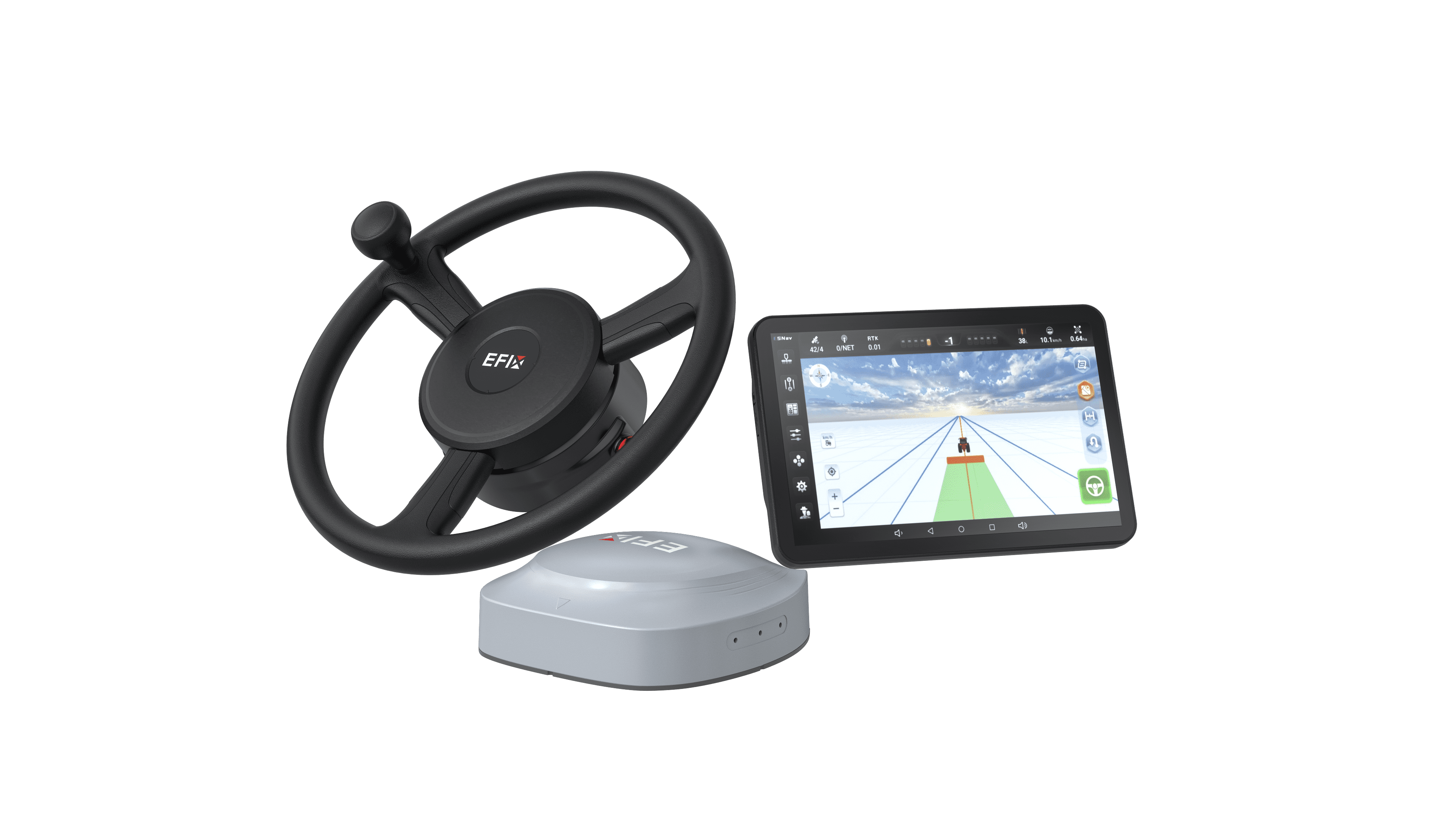
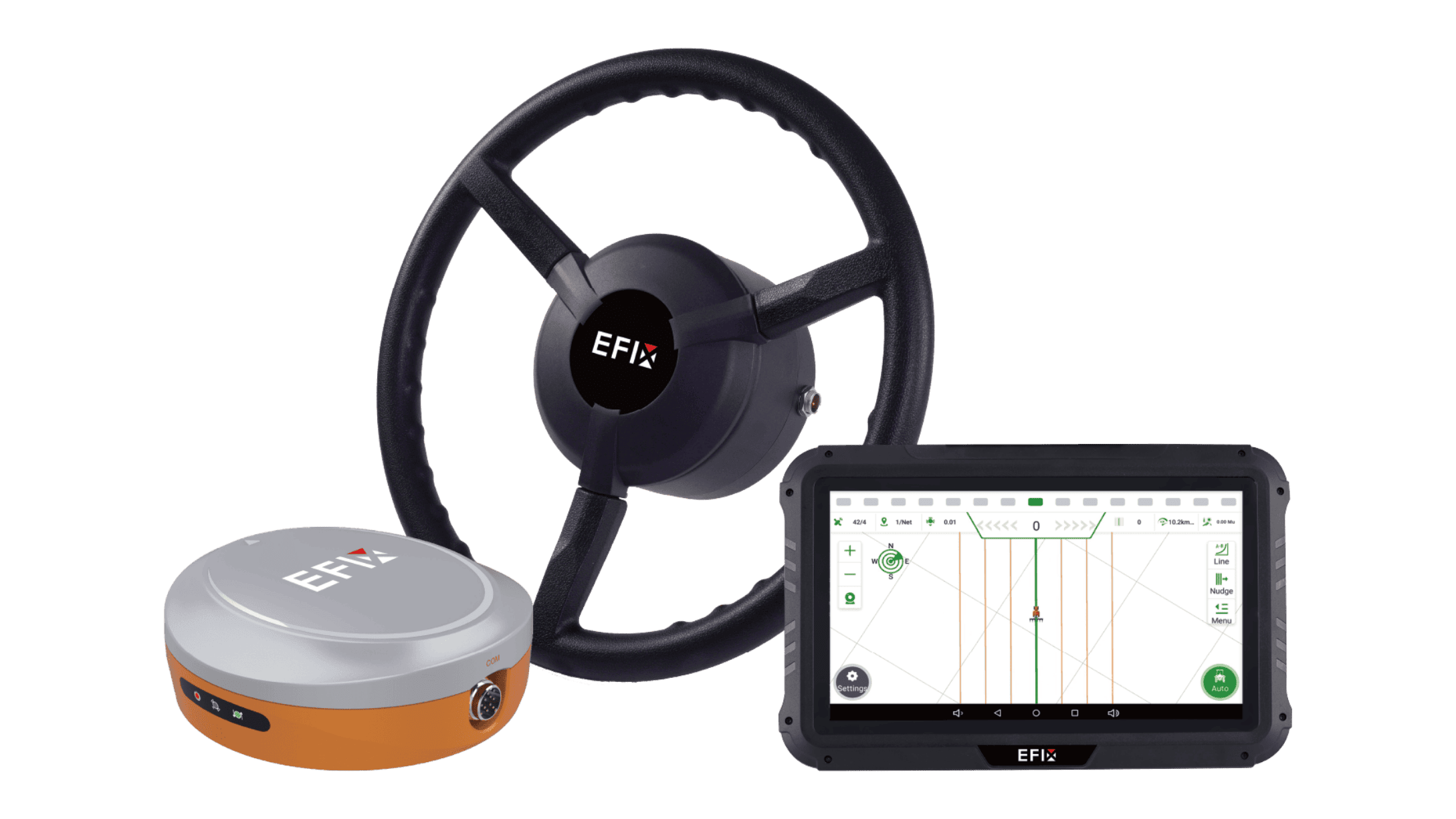
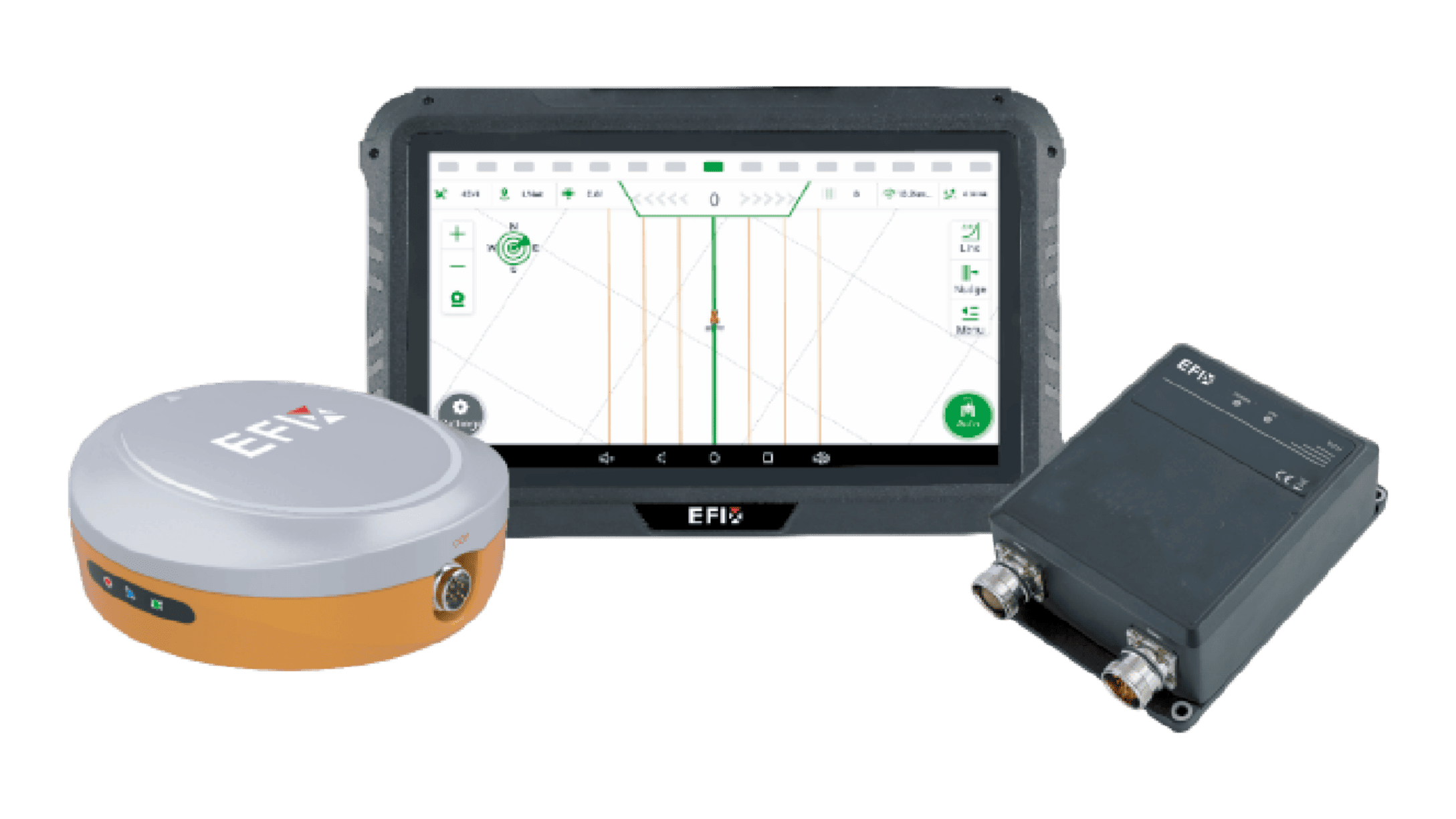
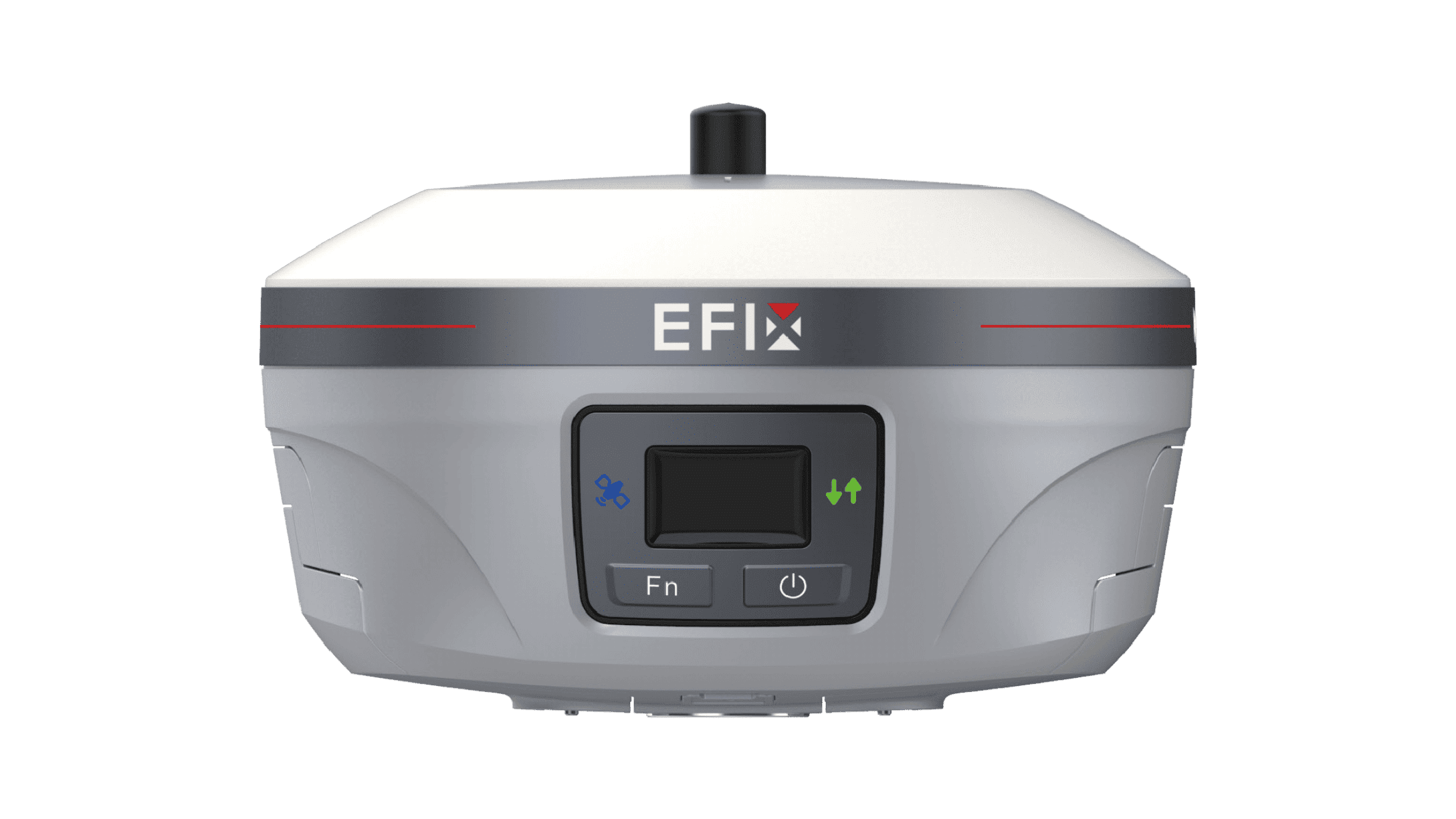
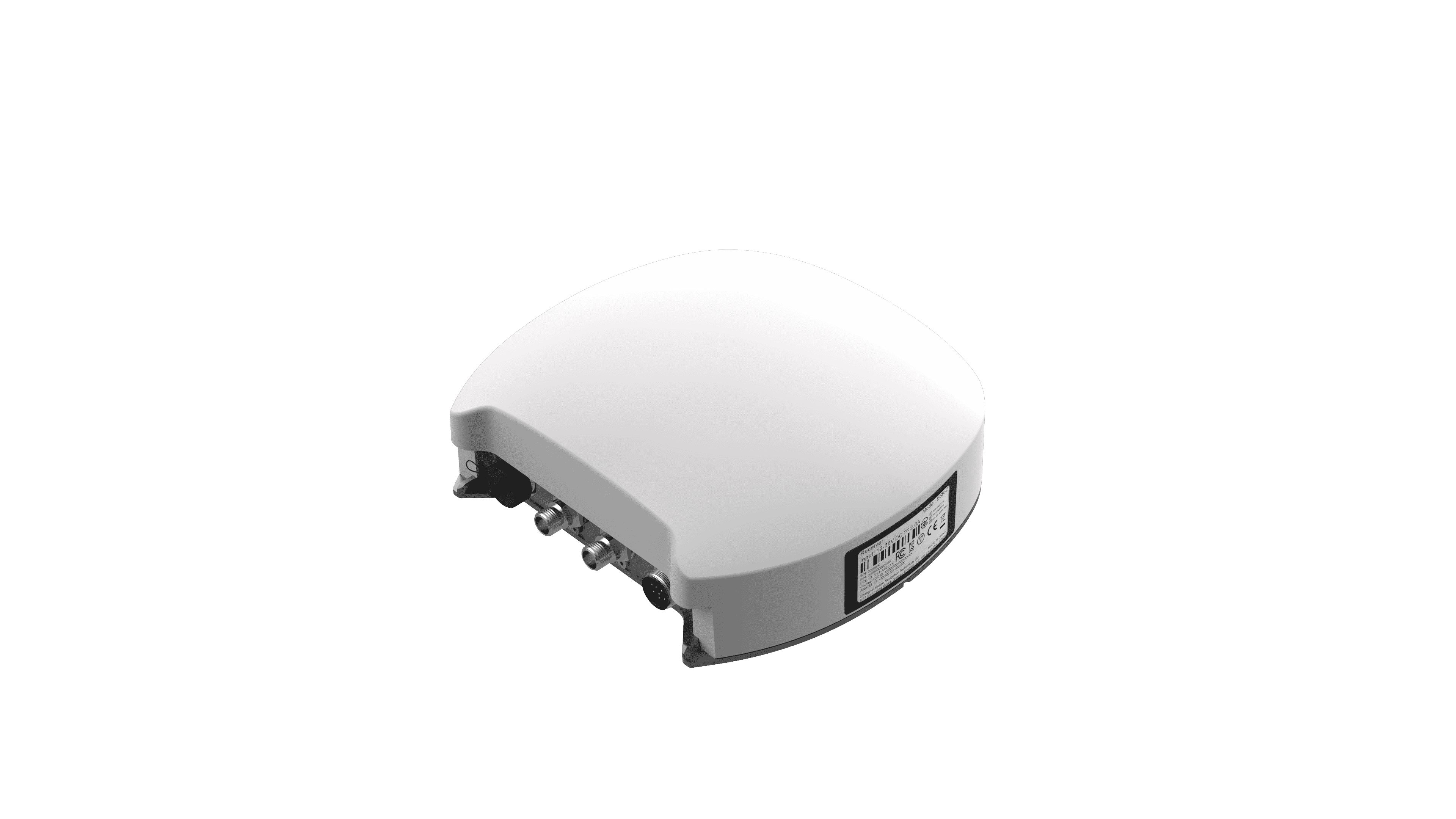
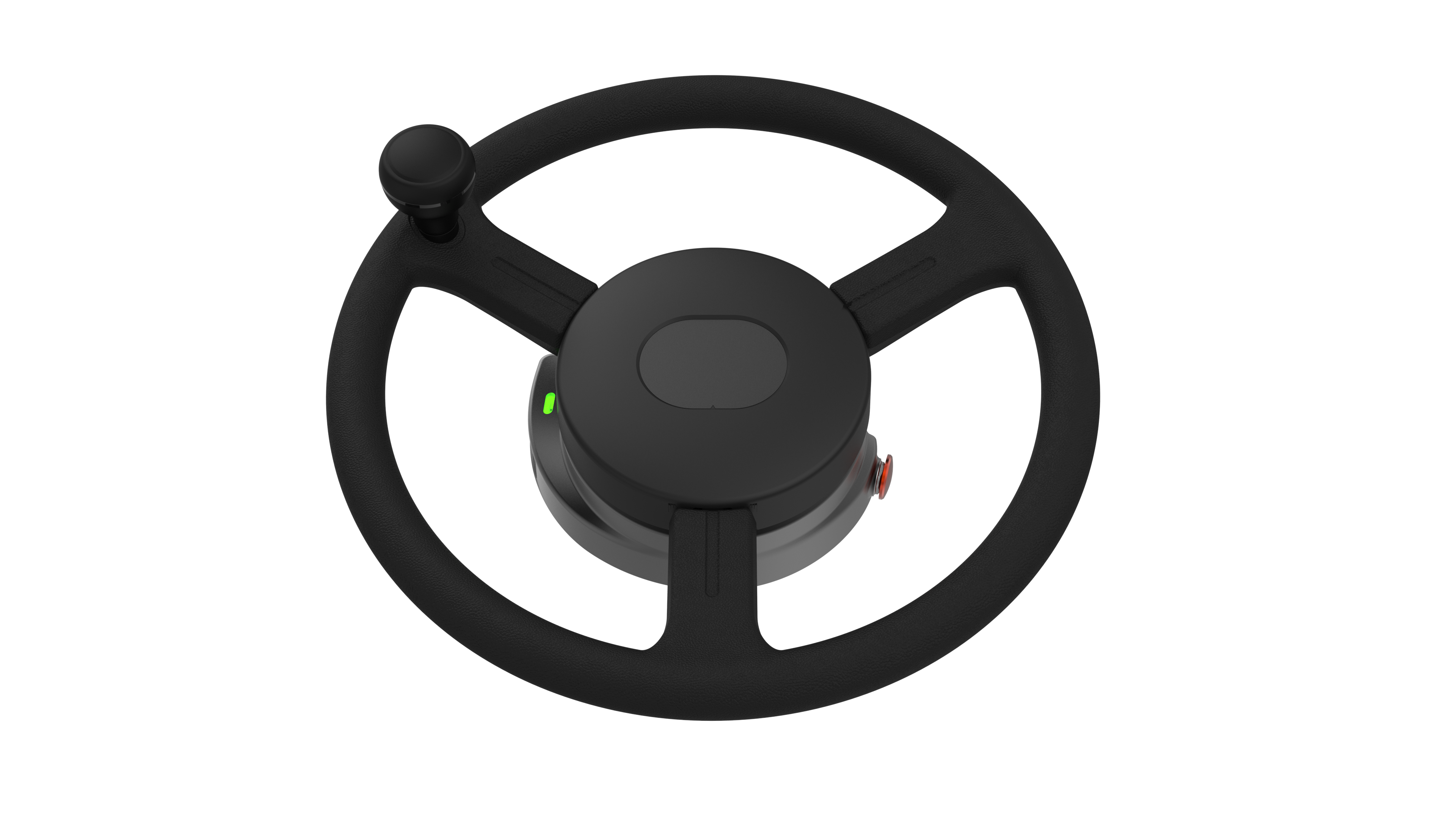
The system relies on several physical parts working in concert. A high-accuracy GNSS (Global Navigation Satellite System) receiver is mounted on the vehicle's roof, pinpointing its exact position on Earth. This receiver connects to a central computer or control unit inside the cab. The final physical component is the hydraulic valve block or electric motor attached to the vehicle's steering mechanism. This actuator is the physical hand that turns the wheel, receiving electronic instructions from the control unit. These components form the tangible framework that makes automated steering possible, with each part playing a specific role in the guidance chain.
The Guiding Process: From Signal to Steering
The operation follows a continuous loop of information and adjustment. First, the GNSS receiver calculates the vehicle's real-time position, often correcting signals using a ground-based or satellite-based correction service for centimeter-level accuracy. This position data is sent to the control unit, which compares it to the desired path or AB line the operator has set. If a discrepancy is detected—for instance, the vehicle drifting two inches to the left—the control unit instantly calculates the necessary correction. It then sends an electrical signal to the hydraulic valve, which directs fluid to move the steering cylinder and guide the vehicle back on course. This happens hundreds of times per minute, creating smooth, precise navigation.
Practical Outcomes and Field Efficiency
The direct results of this technology are measurable in field operations. It enables consistent, straight rows with minimal skipped areas or wasteful overlaps, which is crucial during seeding, spraying, and fertilizing. This precision leads to more efficient use of inputs and better overall crop conditions. Furthermore, it allows operators to focus attention on monitoring implement performance and machine functions rather than solely on steering. The reduction in mental and physical strain can also contribute to productivity over long working hours. The value lies in these tangible improvements to the execution of field tasks.
Automated steering systems, therefore, operate through a seamless integration of positioning technology, processing software, and mechanical actuation. They create a closed-loop system where the machine constantly corrects its own course. This delivers a level of repeatable accuracy that supports broader goals of resource efficiency and operational management. For us at Efix, integrating these systems into a cohesive package is part of our commitment to providing practical, reliable technology for contemporary operations.