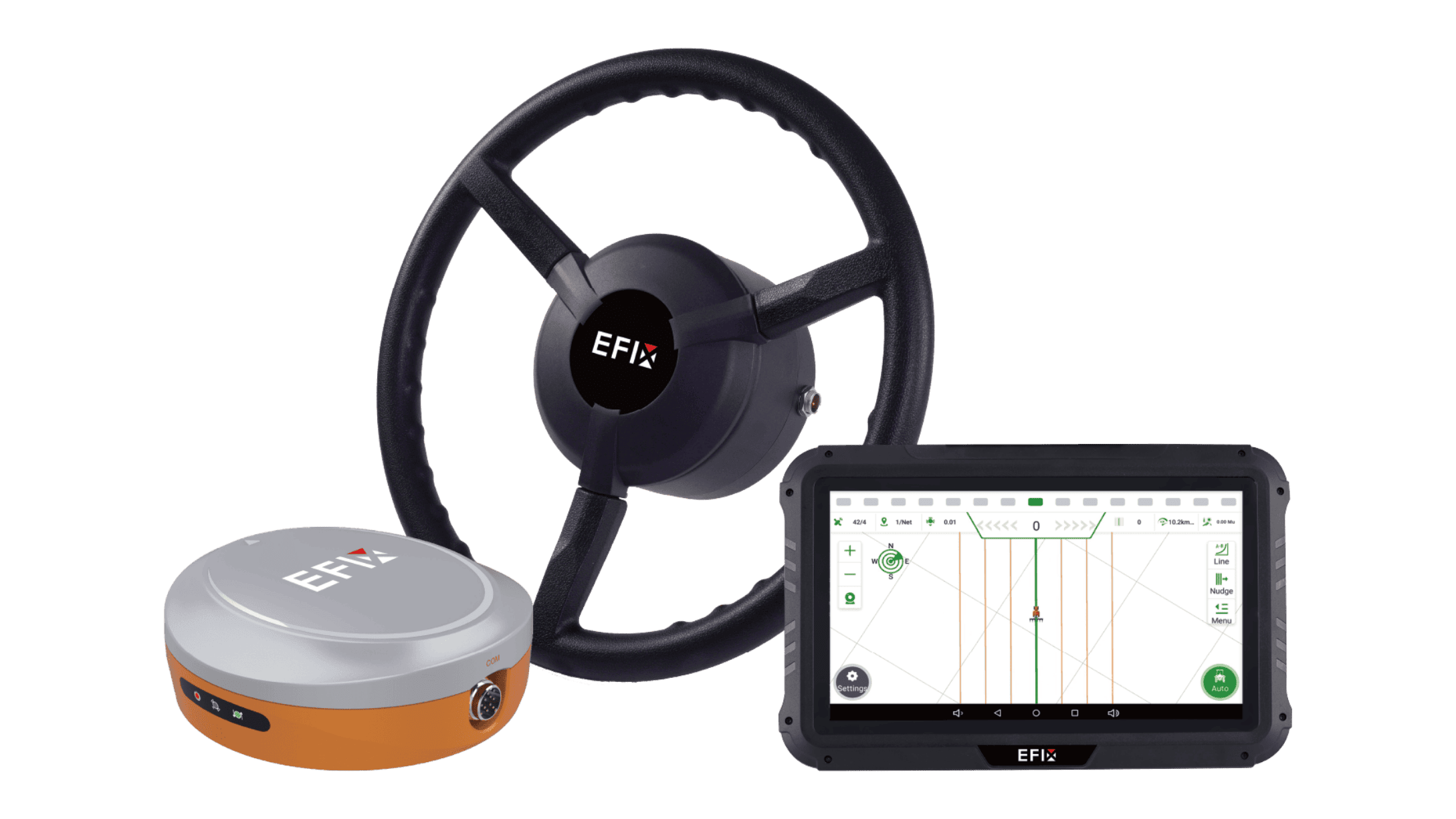
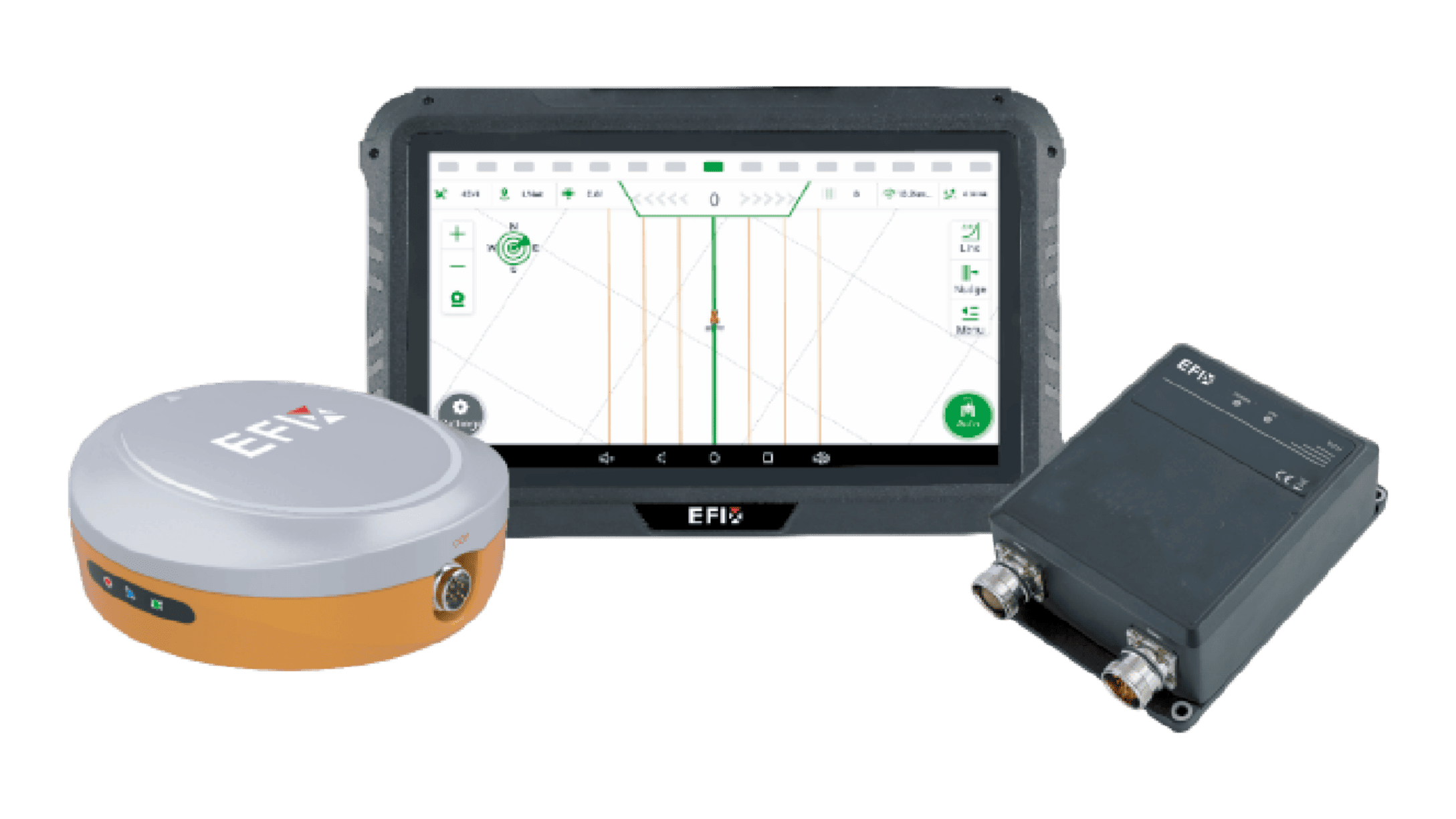
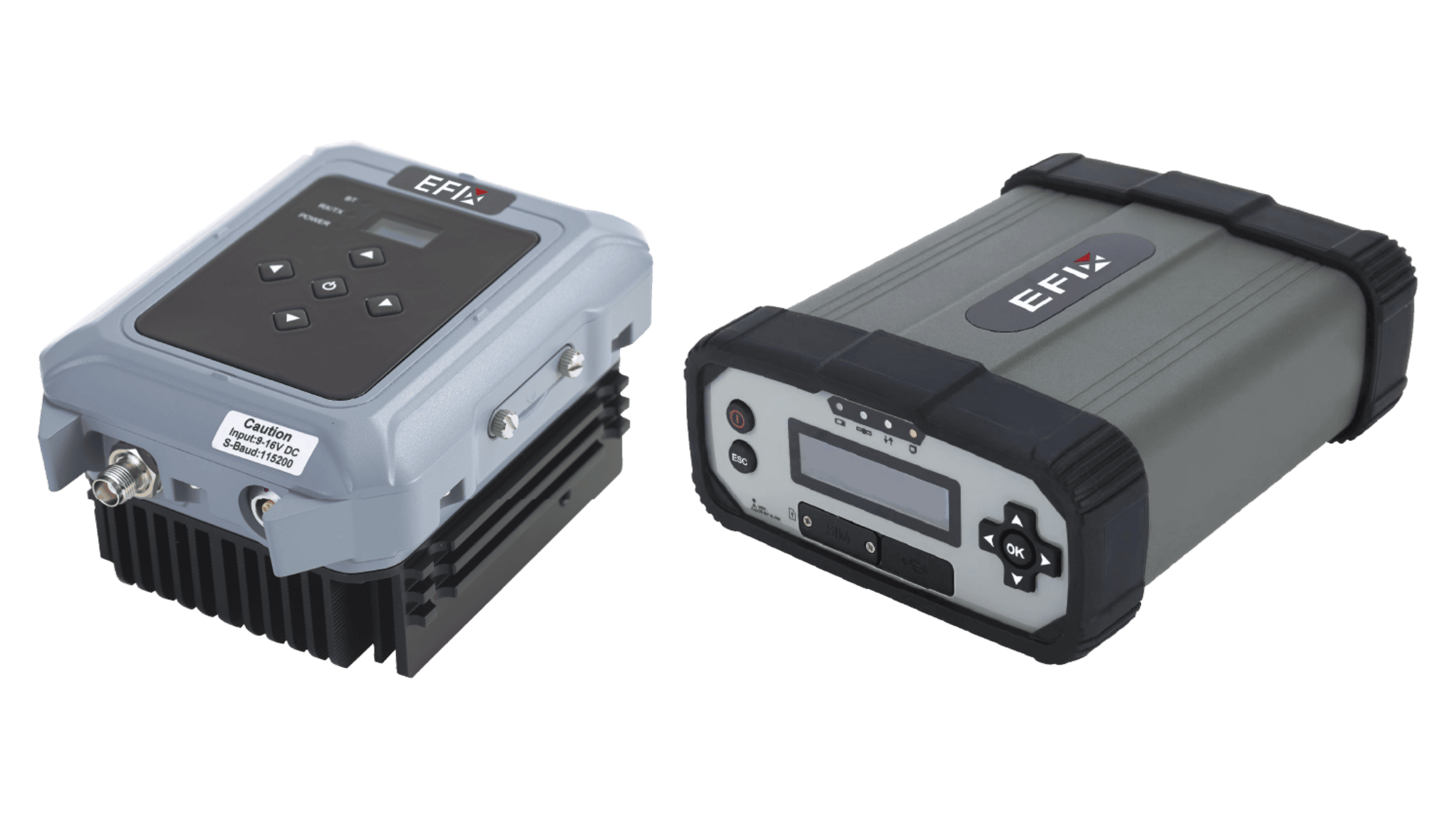
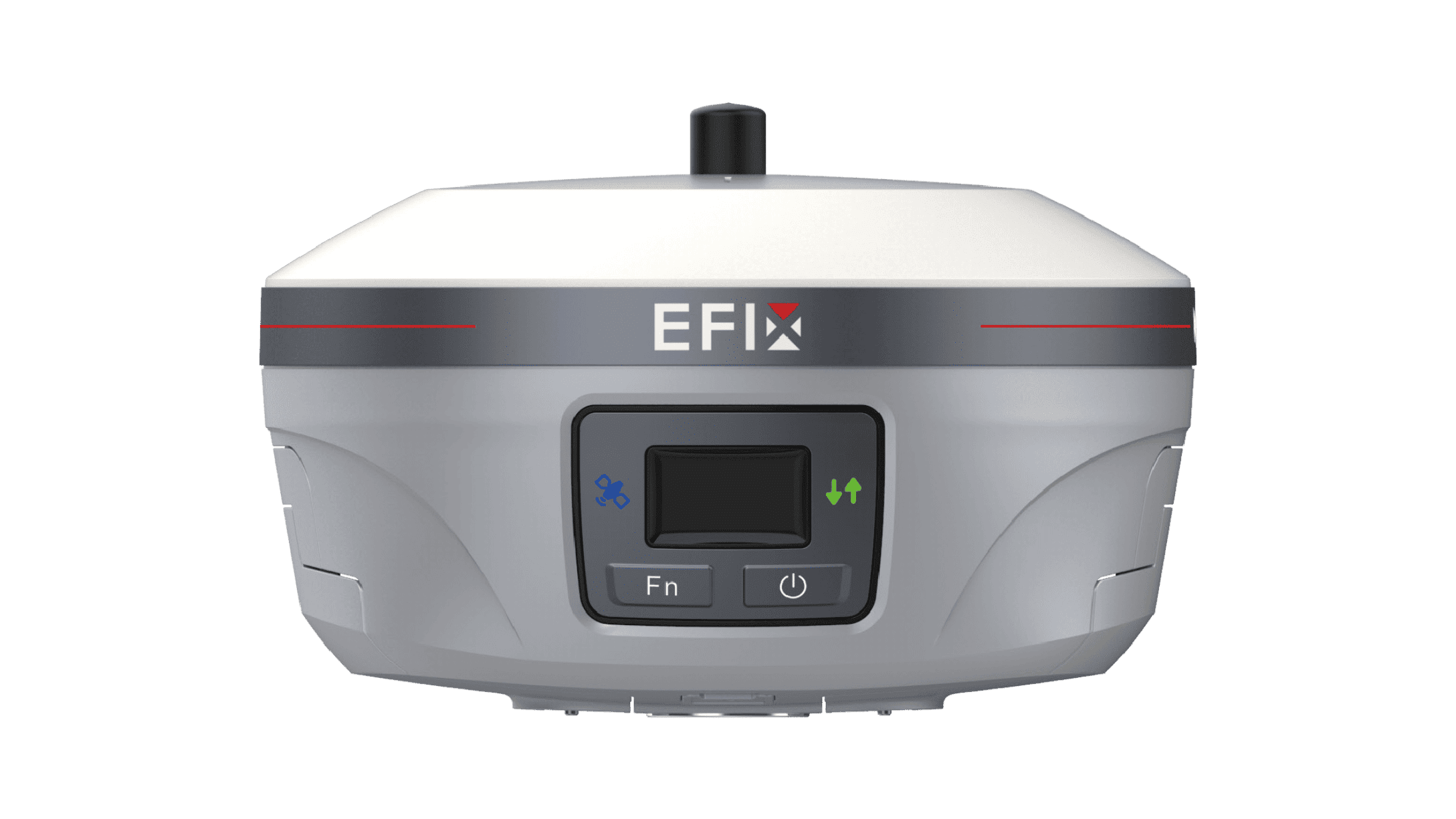
Adopting an automatic steering system represents a fundamental shift in field machinery management. This technology alters the traditional tasks of the operator, introducing new protocols for safe integration into daily work. Success and security depend on establishing clear procedures that address this changed dynamic. We present a structured approach focused on the distinct phases of interaction with an automatic steering system, aiming to foster a secure and predictable operating environment.

Pre-Operational Verification and Setup
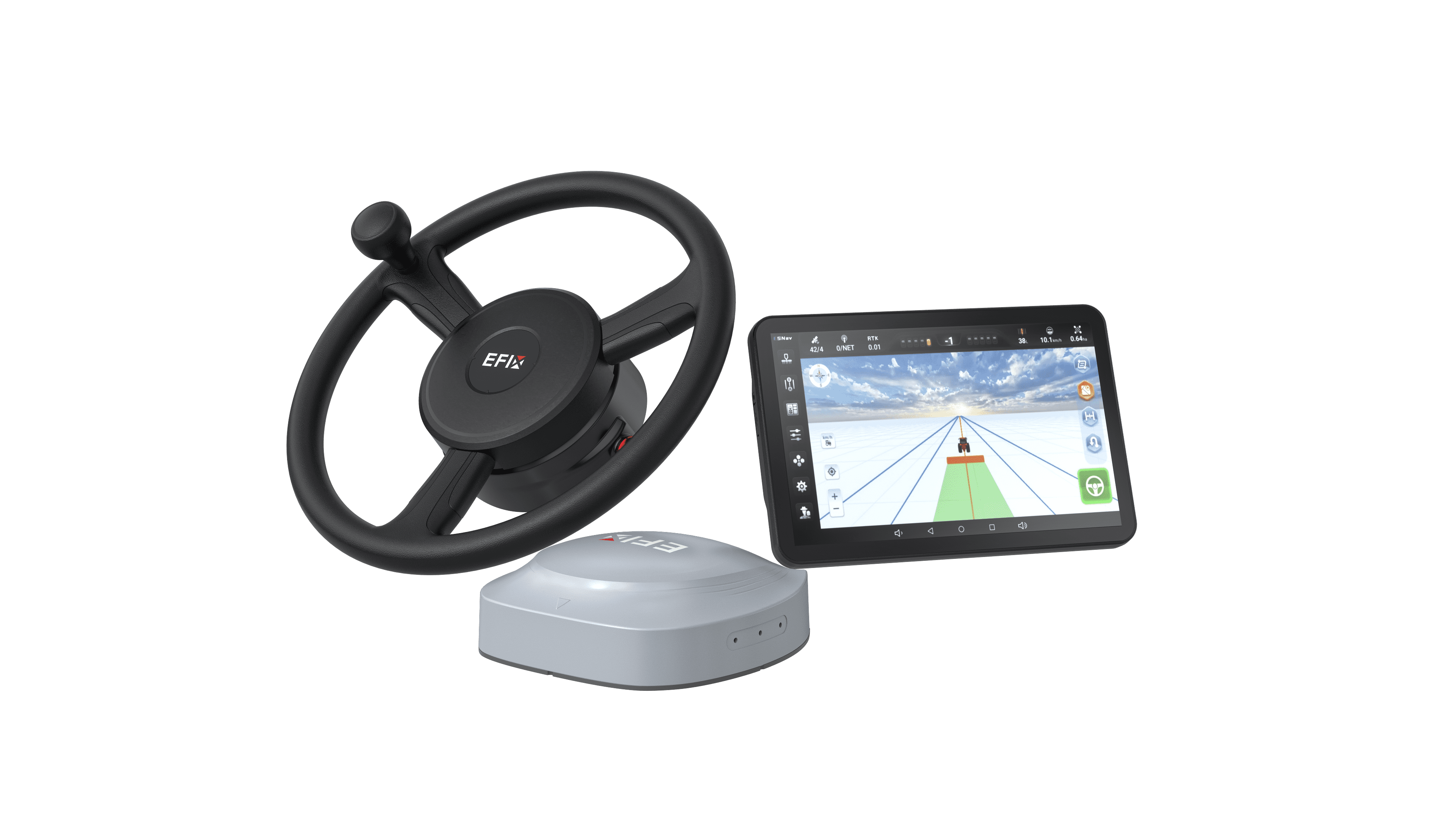
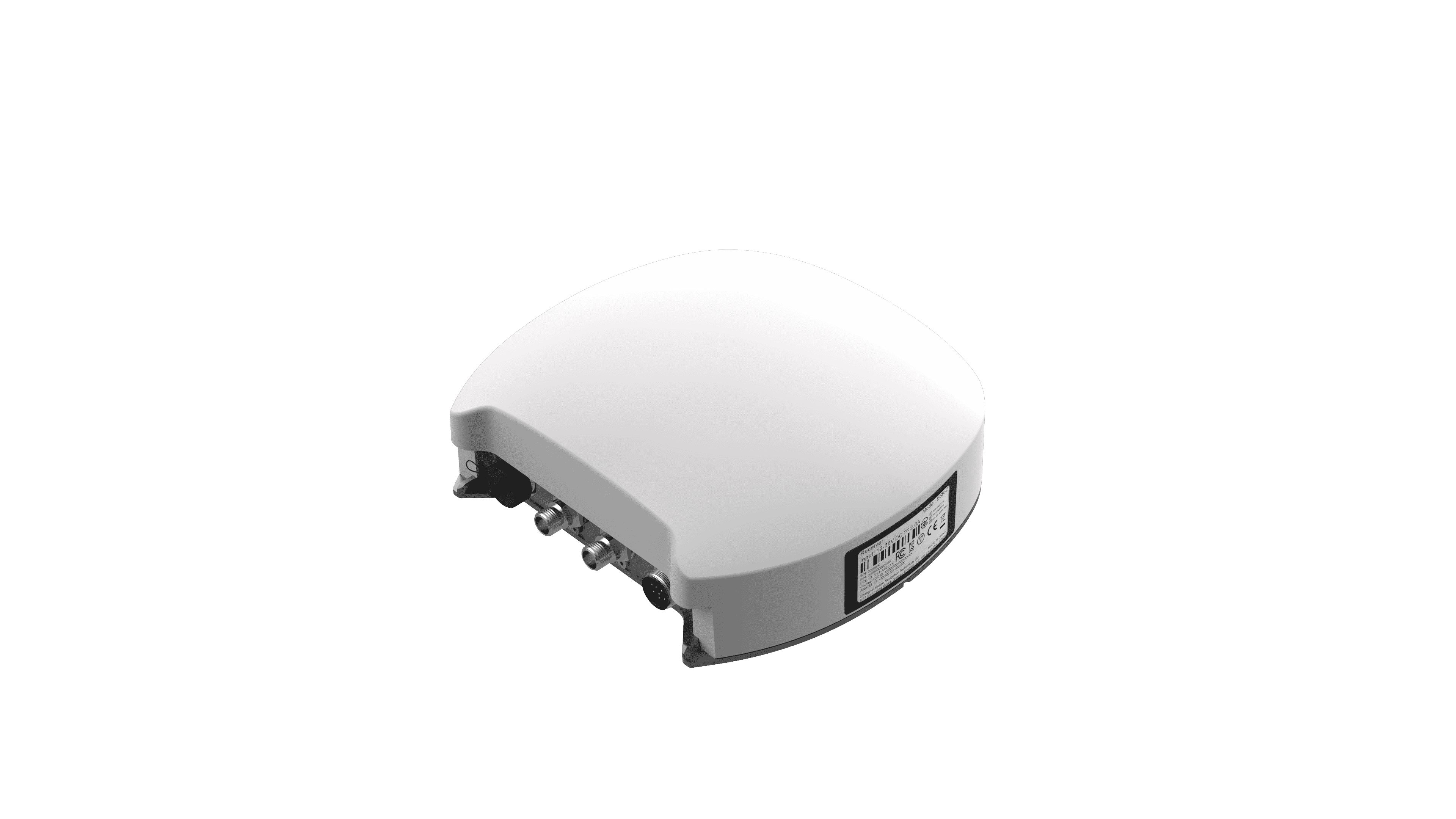
A secure workflow begins with systematic verification before reaching the field. This process is twofold. First, conduct a physical inspection of the vehicle’s steering components and the system’s hardware, checking for secure mounting and intact wiring. Second, perform a digital check. Confirm the automatic steering system software is updated and the correct field plan is loaded. Validate the system’s alignment by driving a short test path to ensure the displayed guidance lines match the machine's actual position. This combined mechanical and digital check establishes a verified starting point, reducing the chance of faults during operation.
Engaged Supervision and Situational Awareness
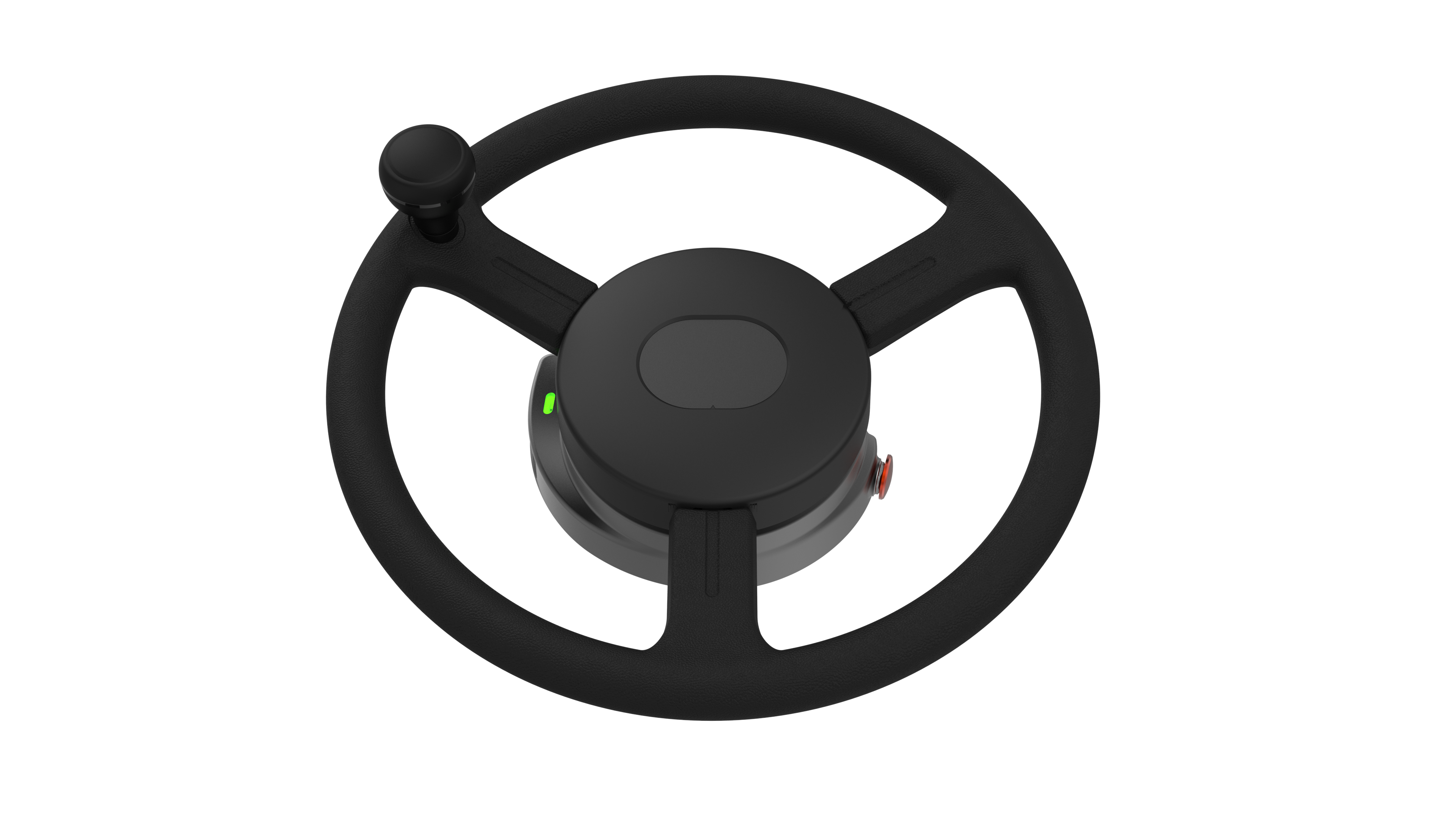
With the system activated, the operator’s primary duty transitions to active supervision. This requires maintaining constant awareness of both the machine’s path and the surrounding environment. Keep hands on or near the steering wheel, visually scanning ahead for personnel, animals, or terrain changes. It is critical to understand that the automatic steering system controls direction but does not interpret dynamic obstacles. The operator must continuously assess the situation and be prepared to disengage automation immediately using the manual override. This level of engaged supervision ensures that human judgment remains the final authority for all safety decisions.
Deliberate Disengagement and Post-Work Review
Concluding an automated session safely requires as much intention as starting one. Avoid disengaging the system during a turn or on uneven ground. Instead, choose a stable, straight section to manually resume control, steering for several meters to regain full tactile feedback. After shutting down the equipment, complete two final steps. Save and document the field data logged by the system, and perform a brief visual inspection of the vehicle and implement. This deliberate closing procedure ensures a clear transition out of automated mode and captures information for maintenance and planning cycles.
Implementing these phased protocols creates a repeatable structure for safe interaction with automated technology. The goal is to integrate the system into a disciplined operational routine where its capabilities are harnessed without compromising safety standards. At Efix, we consider the safety framework surrounding our technology to be as important as its performance. Our design process for an automatic steering system prioritizes intuitive interfaces and reliable manual overrides, supporting the operator’s crucial supervisory role. We aim to provide tools that fit securely into established and responsible field practices.