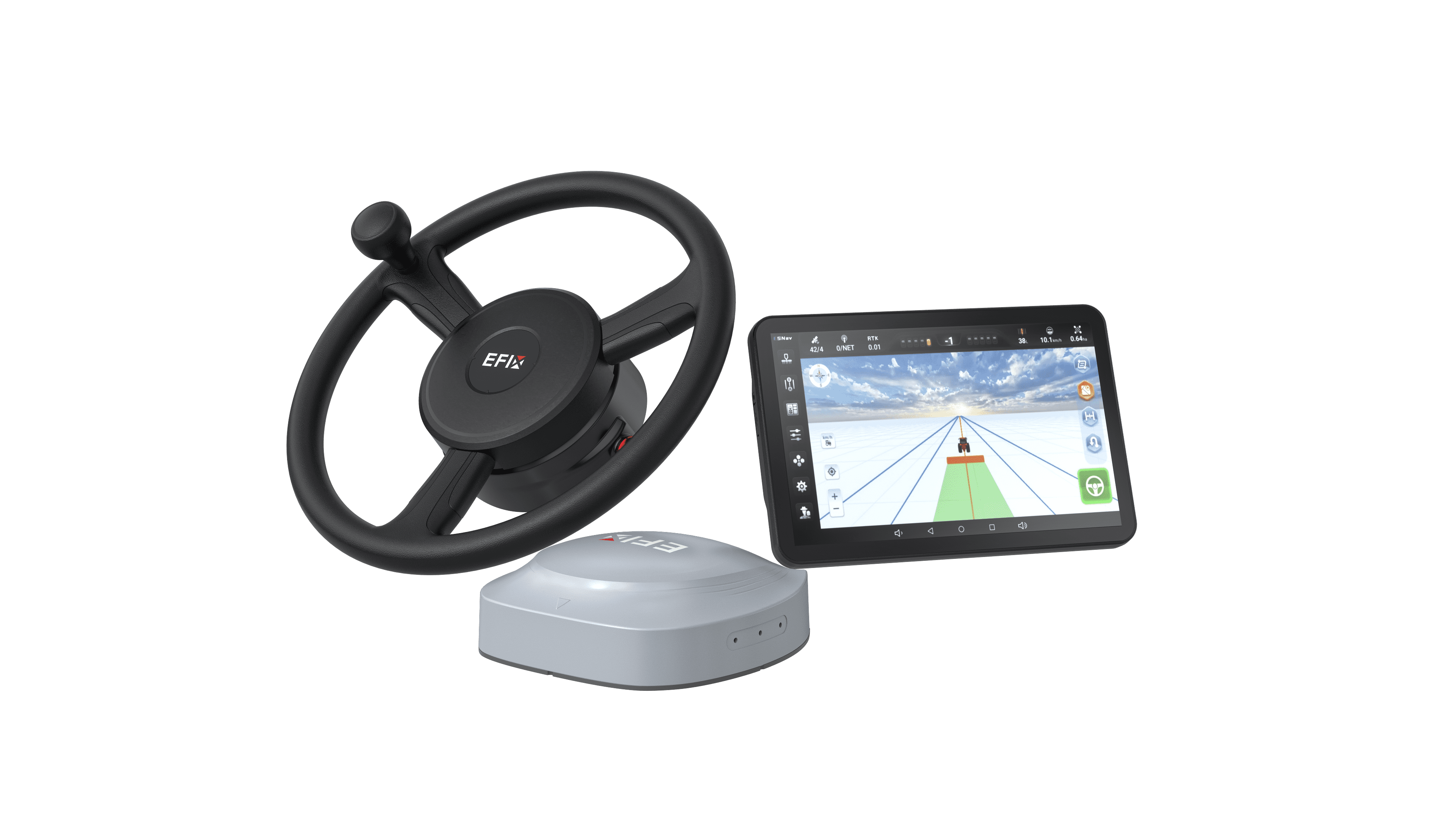
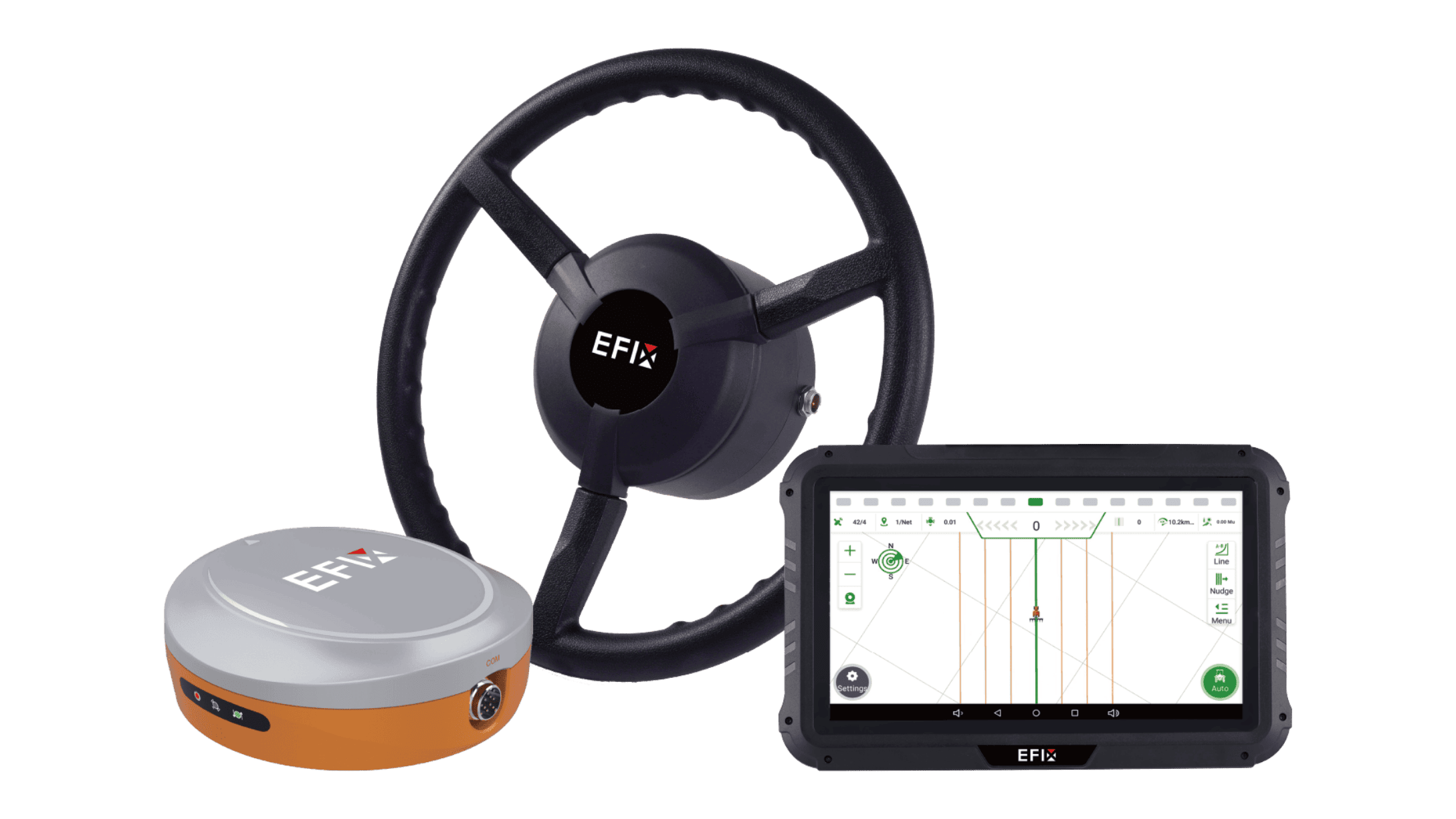
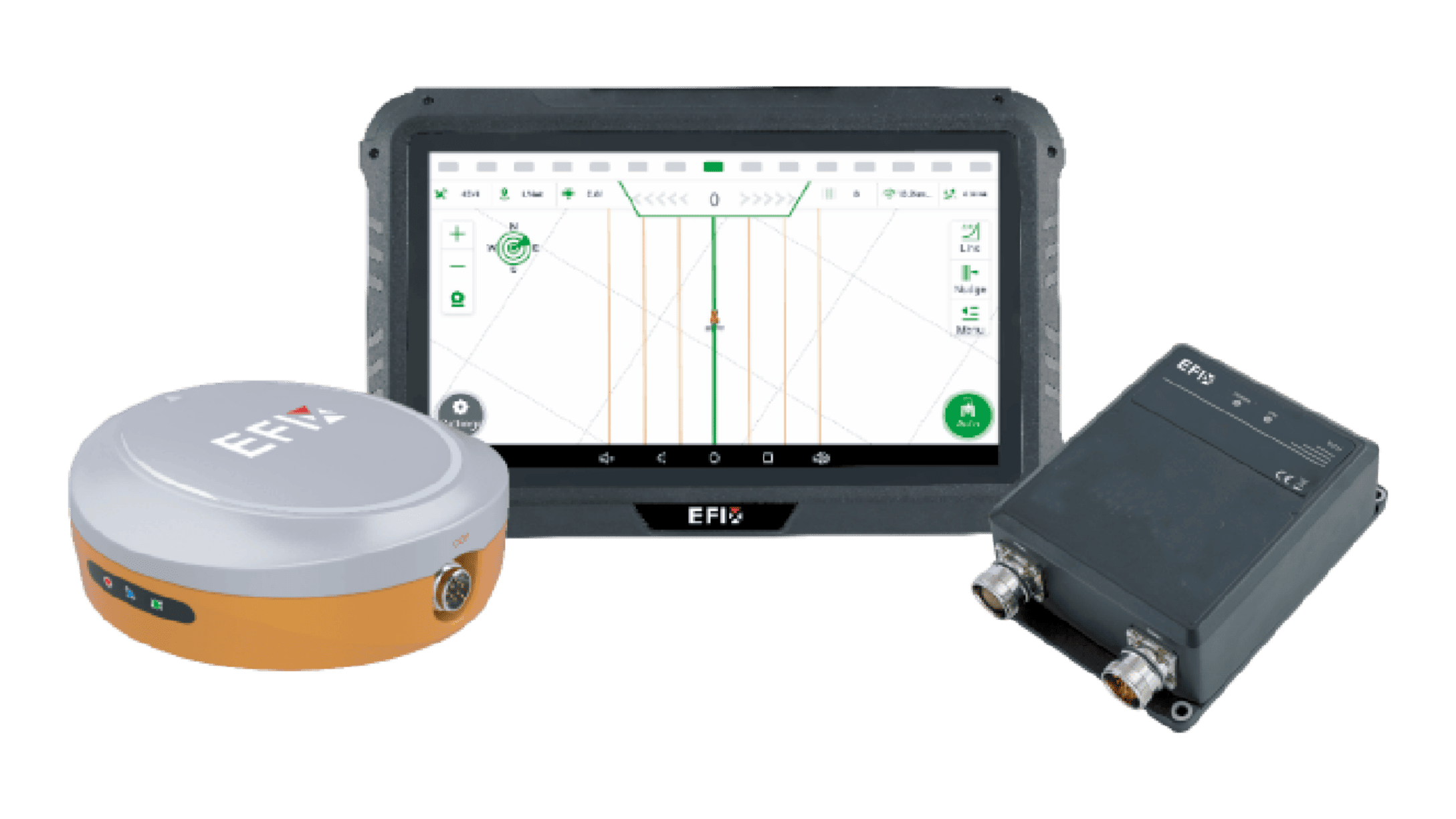
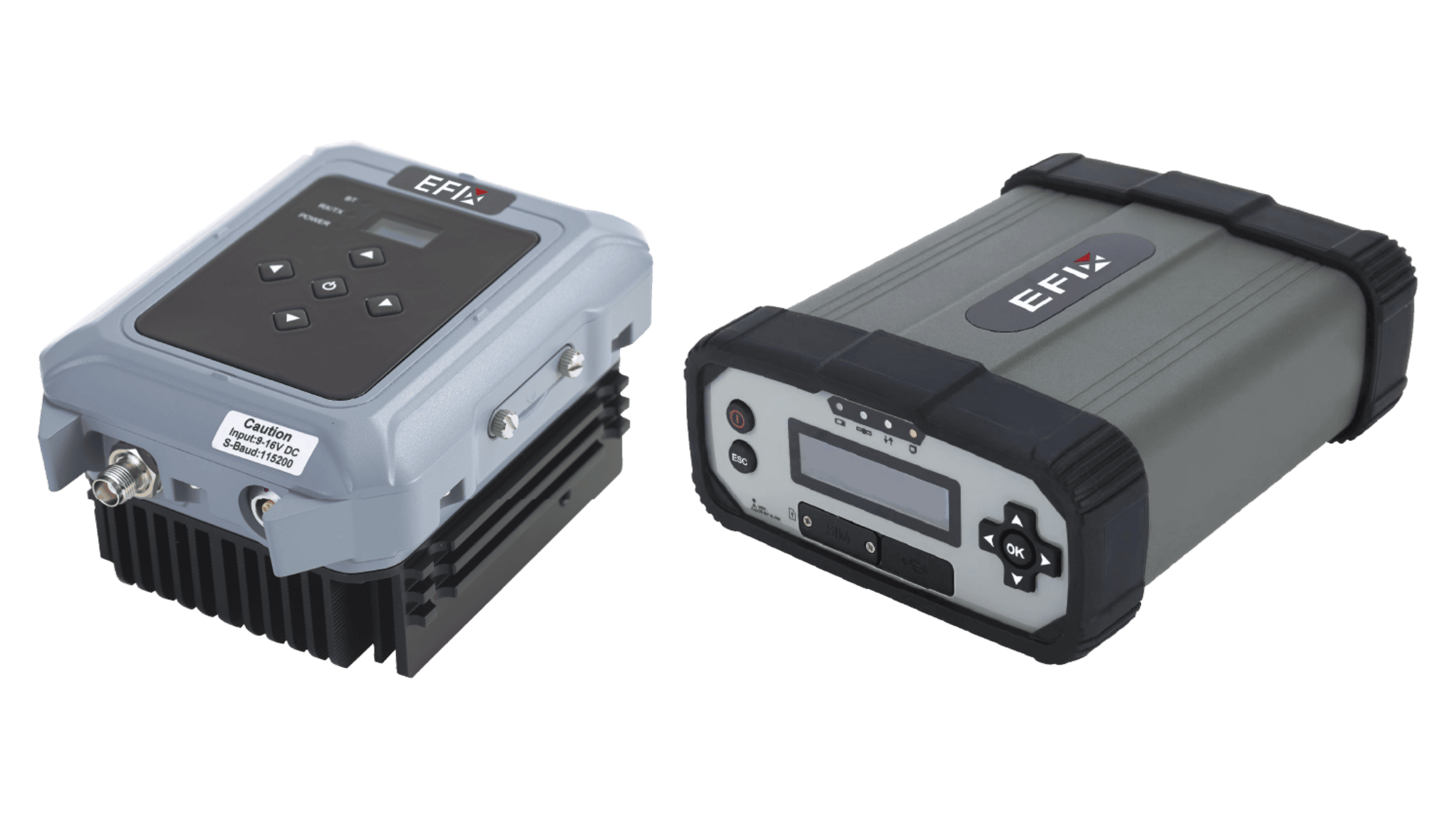
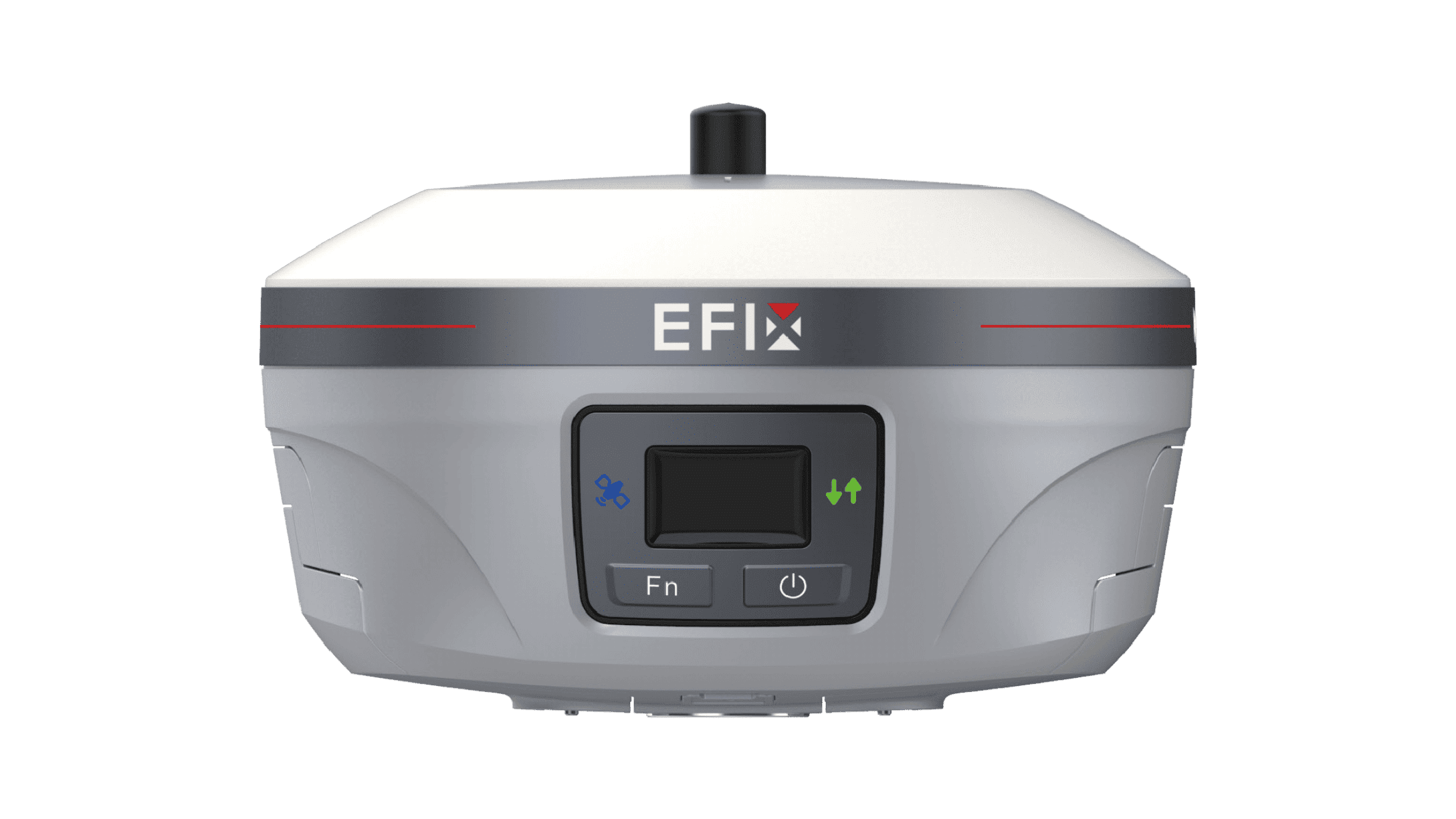
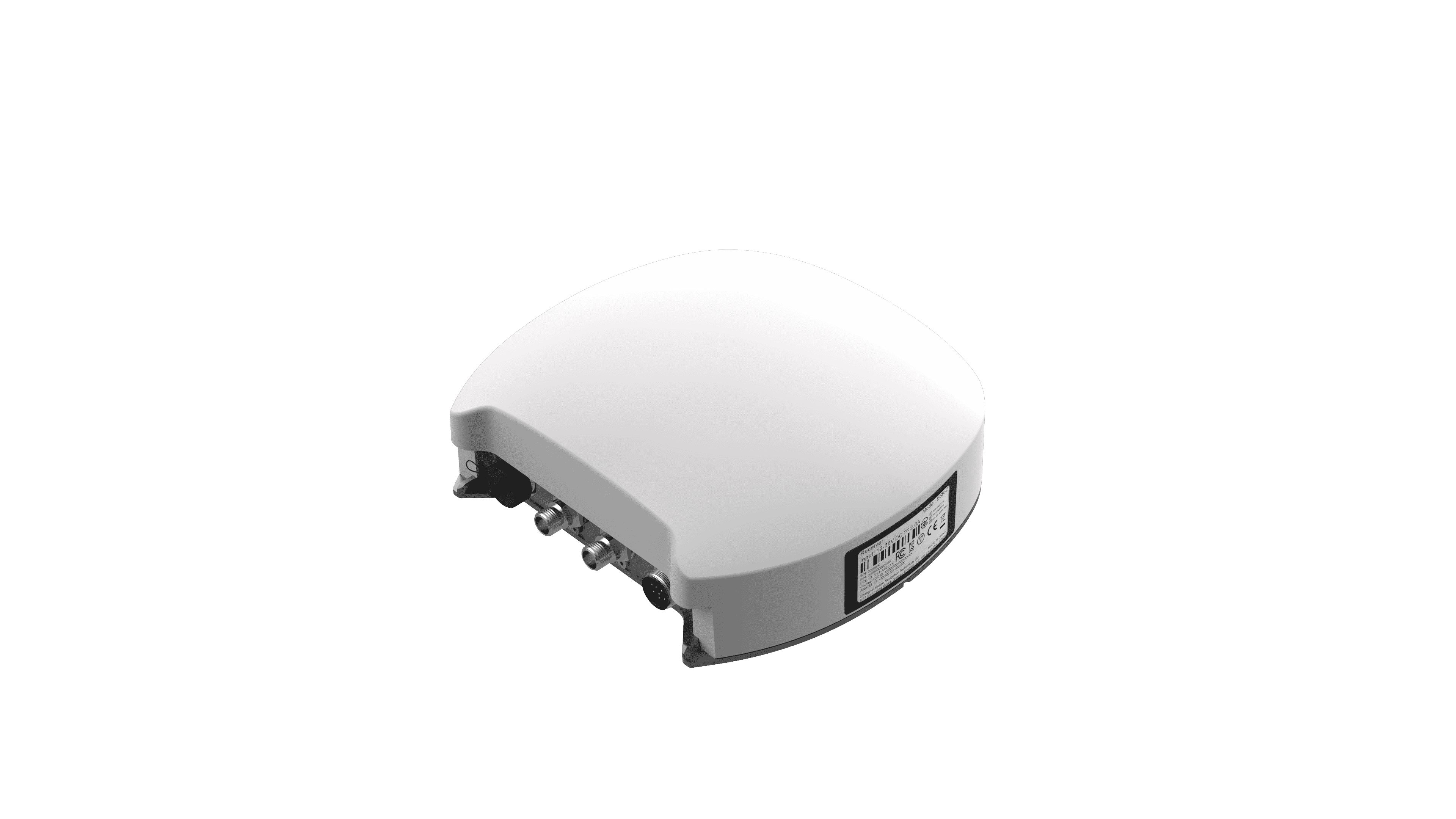
Managing orchards and vineyards presents a distinct series of operational challenges, where precision is not merely beneficial but essential for protecting valuable, long-term plantings. The implementation of specialized tractor autosteer systems addresses several of these unique demands. At Efix, we analyze how this technology functions within the confined spaces and multi-year cycles of permanent crops, offering a method to enhance accuracy, protect plant health, and build detailed spatial records.
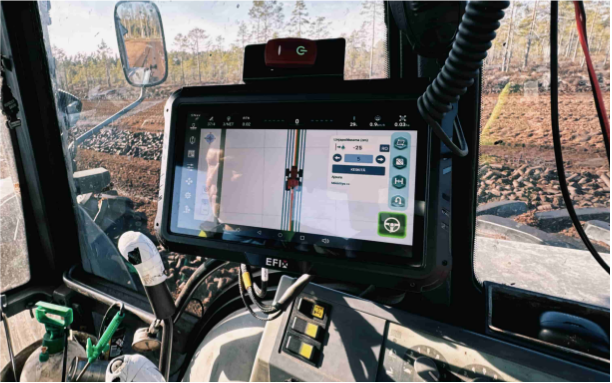
Addressing the Challenges of Narrow Rows and Complex Layouts
Permanent crop environments are defined by tight spacing, varied trellising, and uneven terrain. Manual steering in these conditions increases the risk of damaging trunks, vines, or irrigation infrastructure. A well-configured tractor autosteer system mitigates this by maintaining a consistent, pre-defined path. This is particularly valuable during repetitive tasks like spraying, mowing, or hedging, where operator fatigue can lead to costly errors. The system’s ability to follow curved rows and navigate slopes with steady accuracy ensures that equipment stays on its intended course, reducing physical stress on both the plants and the machinery. This precise navigation becomes a fundamental tool for operational care in sensitive growing environments.
Enhancing Application Accuracy and Operational Consistency
The value of precision in these settings extends directly to input efficiency and plant response. During spraying, accurate overlap is critical for effective pest and disease control without causing chemical burn from excessive application. For fertilizer spreaders or side-dressers, precise placement ensures nutrients are delivered to the root zone without waste. A reliable tractor autosteer system provides the repeatability needed for this accuracy, pass after pass, season after season. This consistency also supports better canopy management by ensuring pruning or hedging implements interact with the plant structure uniformly. The result is a more controlled growing environment where cultural practices are applied with a high degree of uniformity.
Facilitating Detailed Mapping and Data-Led Management
Beyond the immediate task, these systems generate precise geospatial data that is invaluable for permanent crop management. Every operation—pruning, spraying, harvesting—can be logged against specific rows or even individual plant blocks. This creates a chronological record of interventions, which can be correlated with yield data or soil moisture readings. Identifying underperforming zones within a vineyard or orchard becomes more systematic when guided by exact application and harvest maps. This data-centric approach allows for targeted investigations into soil health, irrigation needs, or varietal performance, turning routine operations into a source of actionable agronomic insight.
The use of tailored tractor autosteer systems in orchards and vineyards supports a method of cultivation that prioritizes precision, plant safety, and informed management. The technology addresses the practical difficulties of narrow-row navigation while enabling a higher standard of application accuracy and data collection. At Efix, our focus is on the correct implementation of these systems within the specific context of permanent crops. We work to ensure the technology is calibrated and integrated to meet the distinct spatial and agronomic requirements of the operation, providing a tool that supports both the immediate task and the long-term health of the planting.