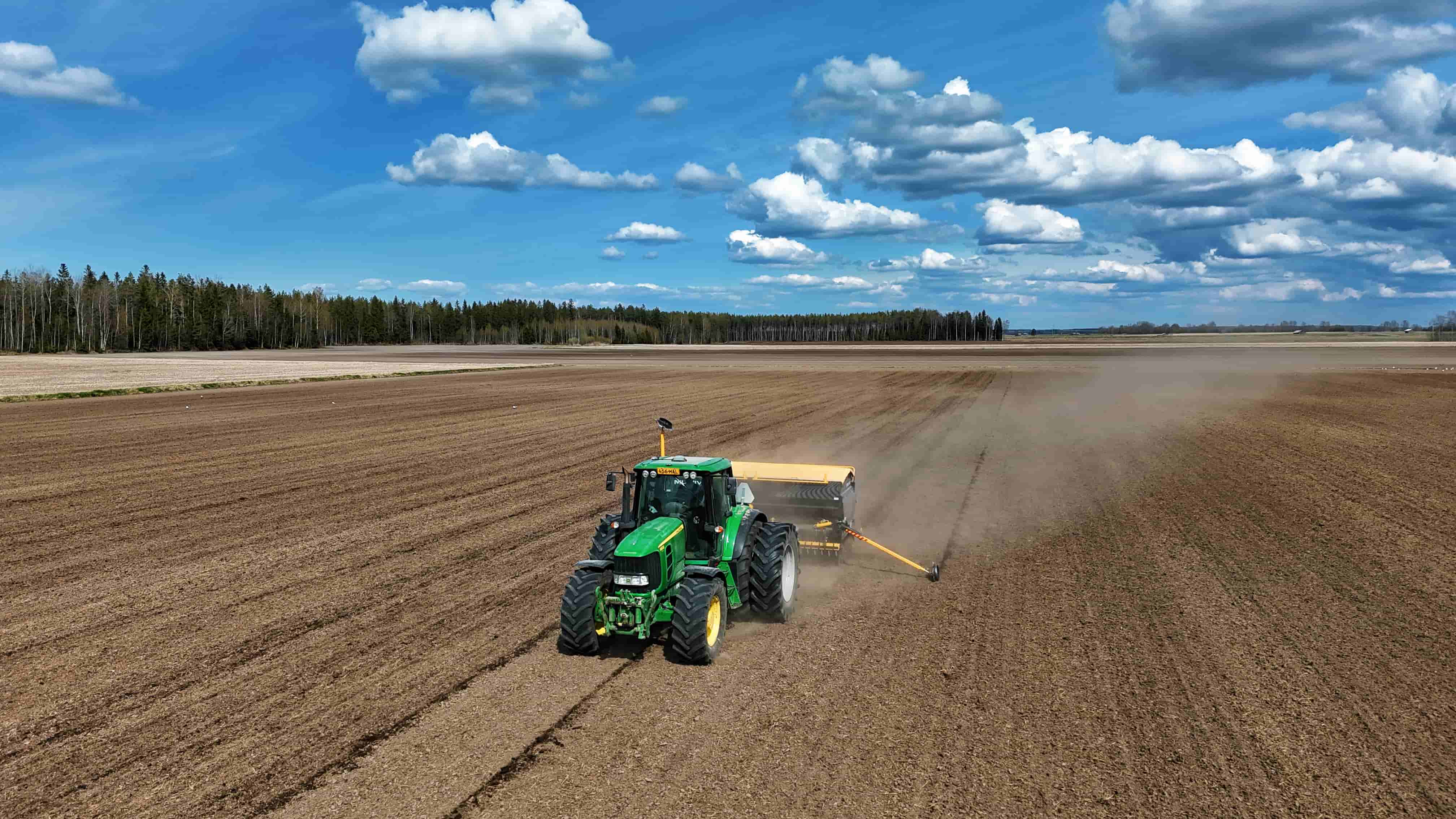
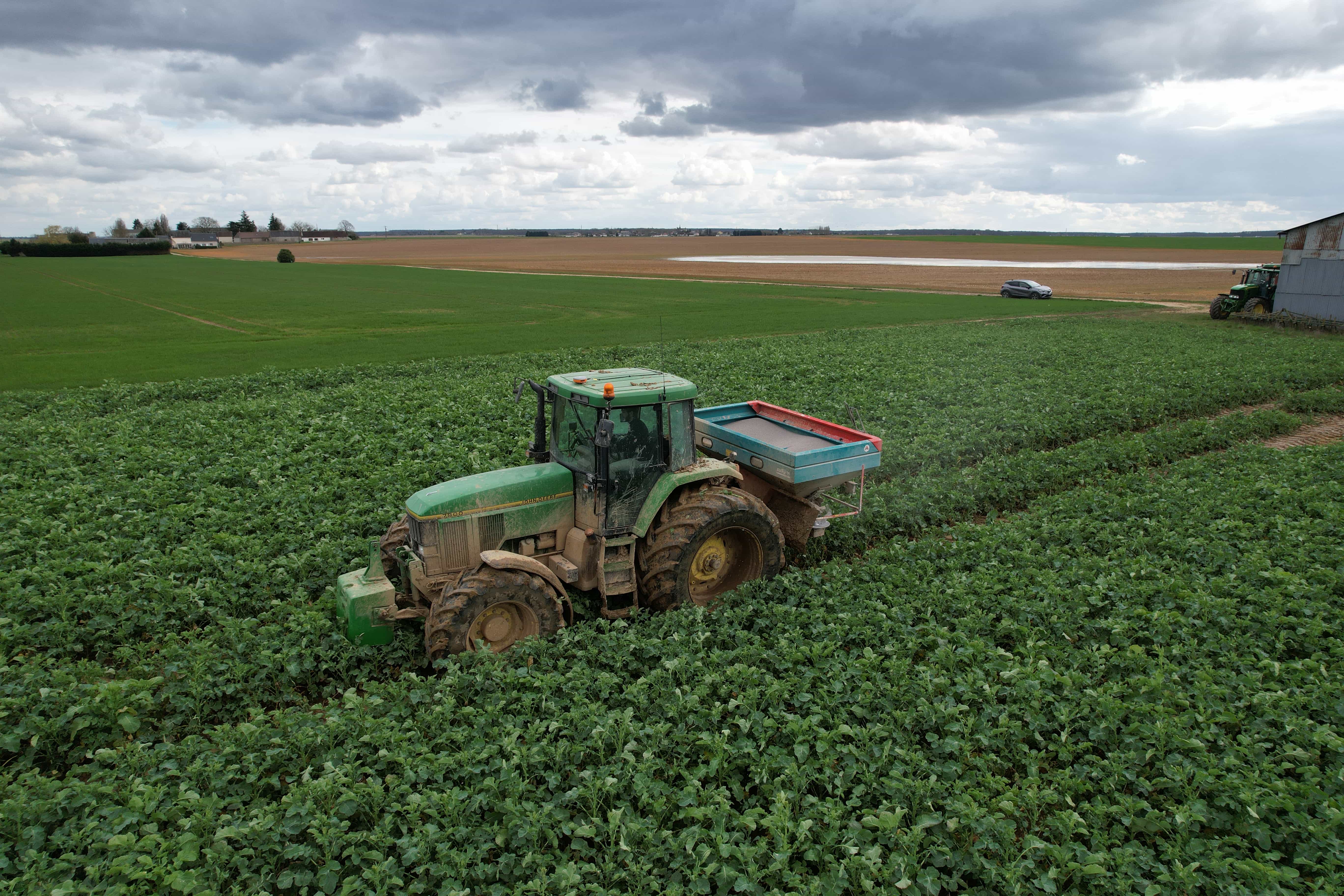
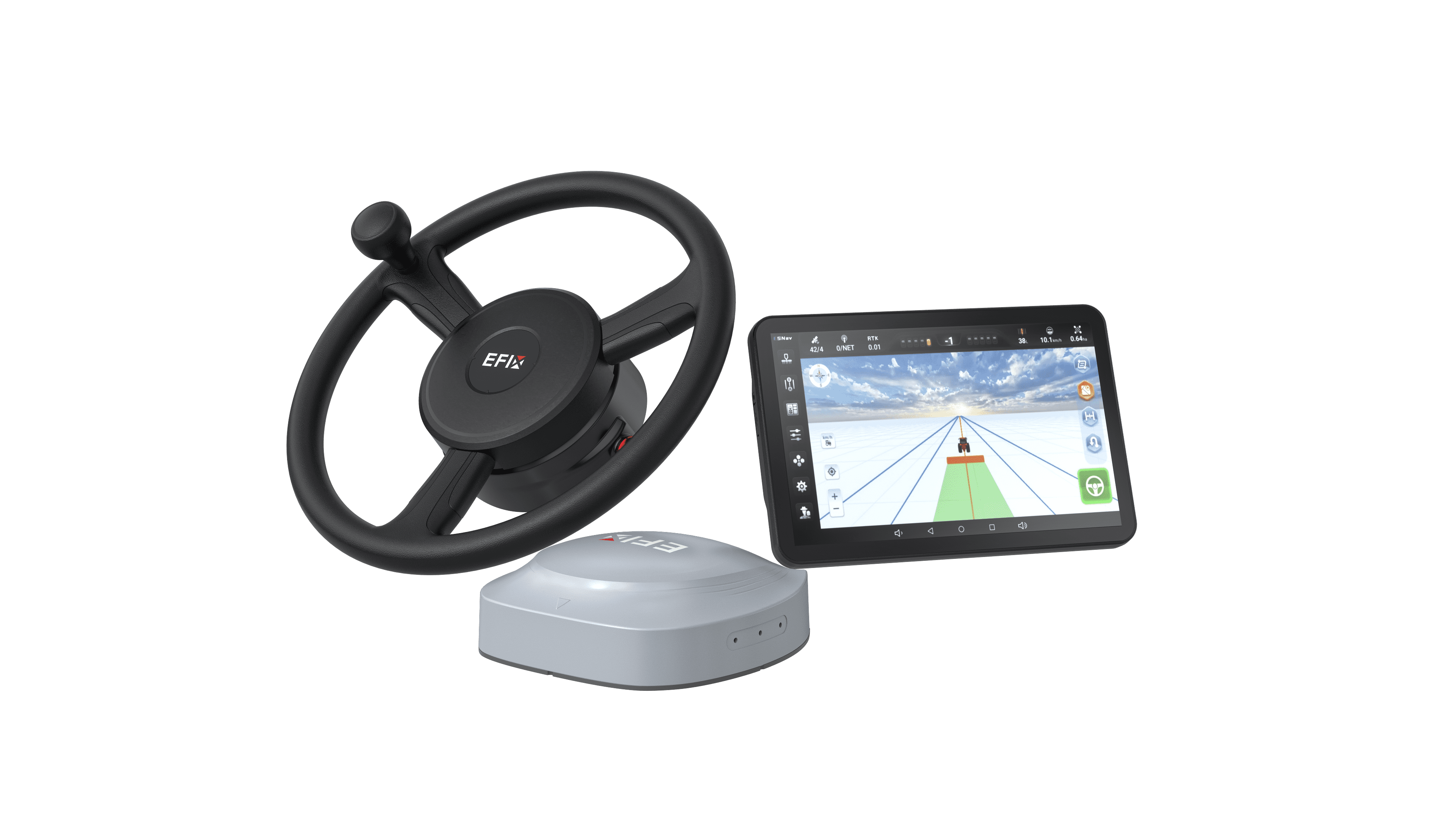
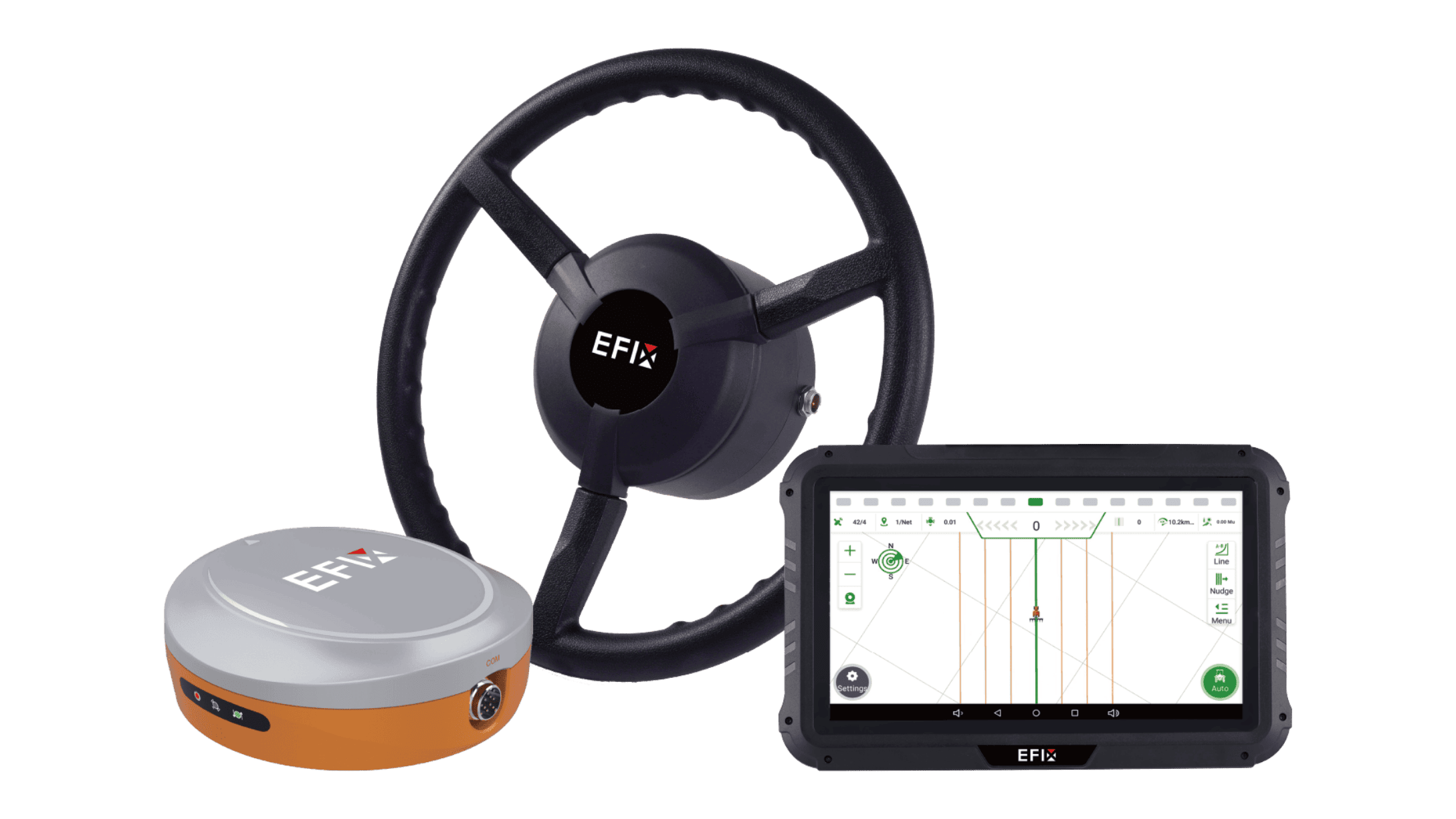
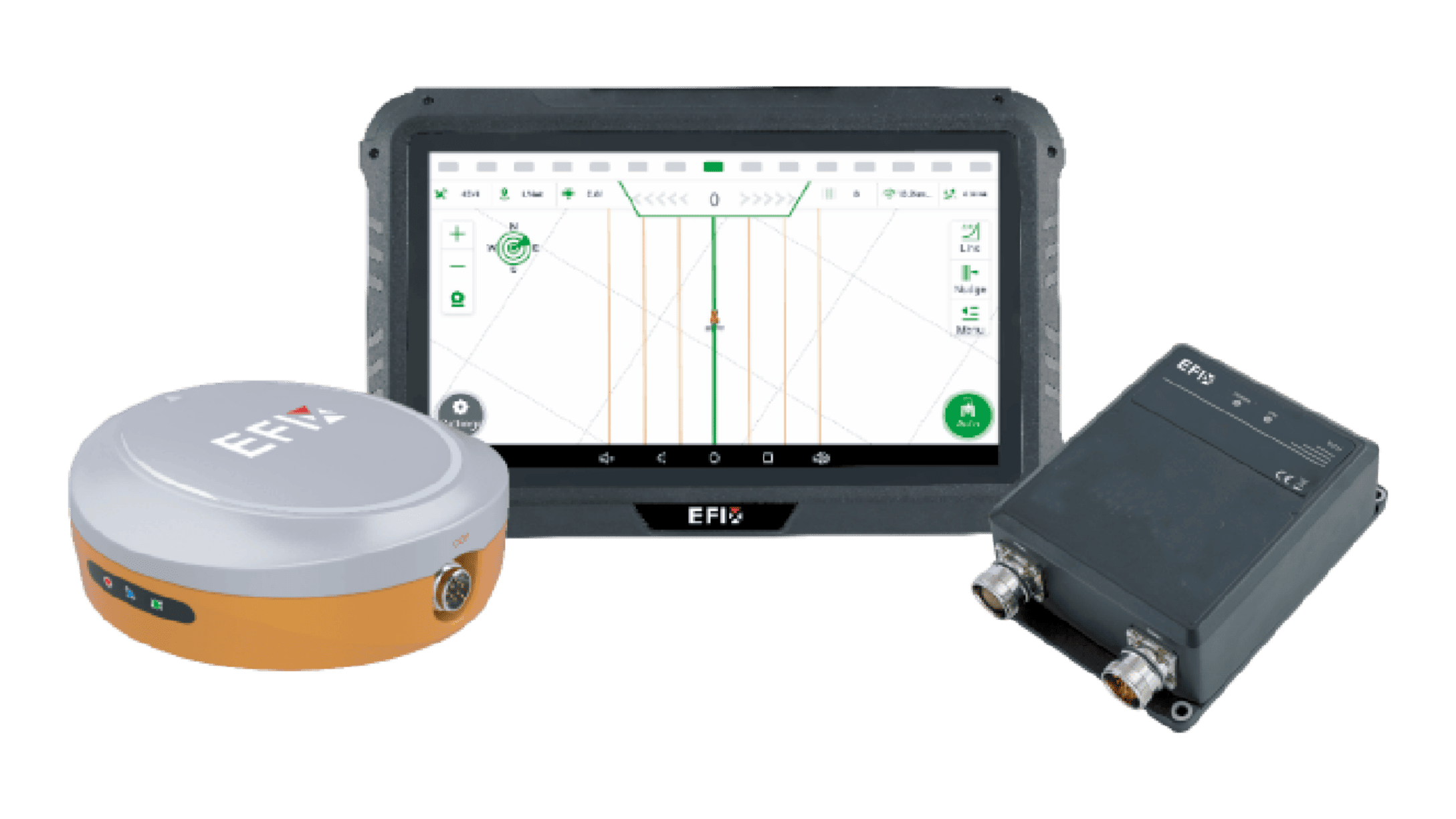
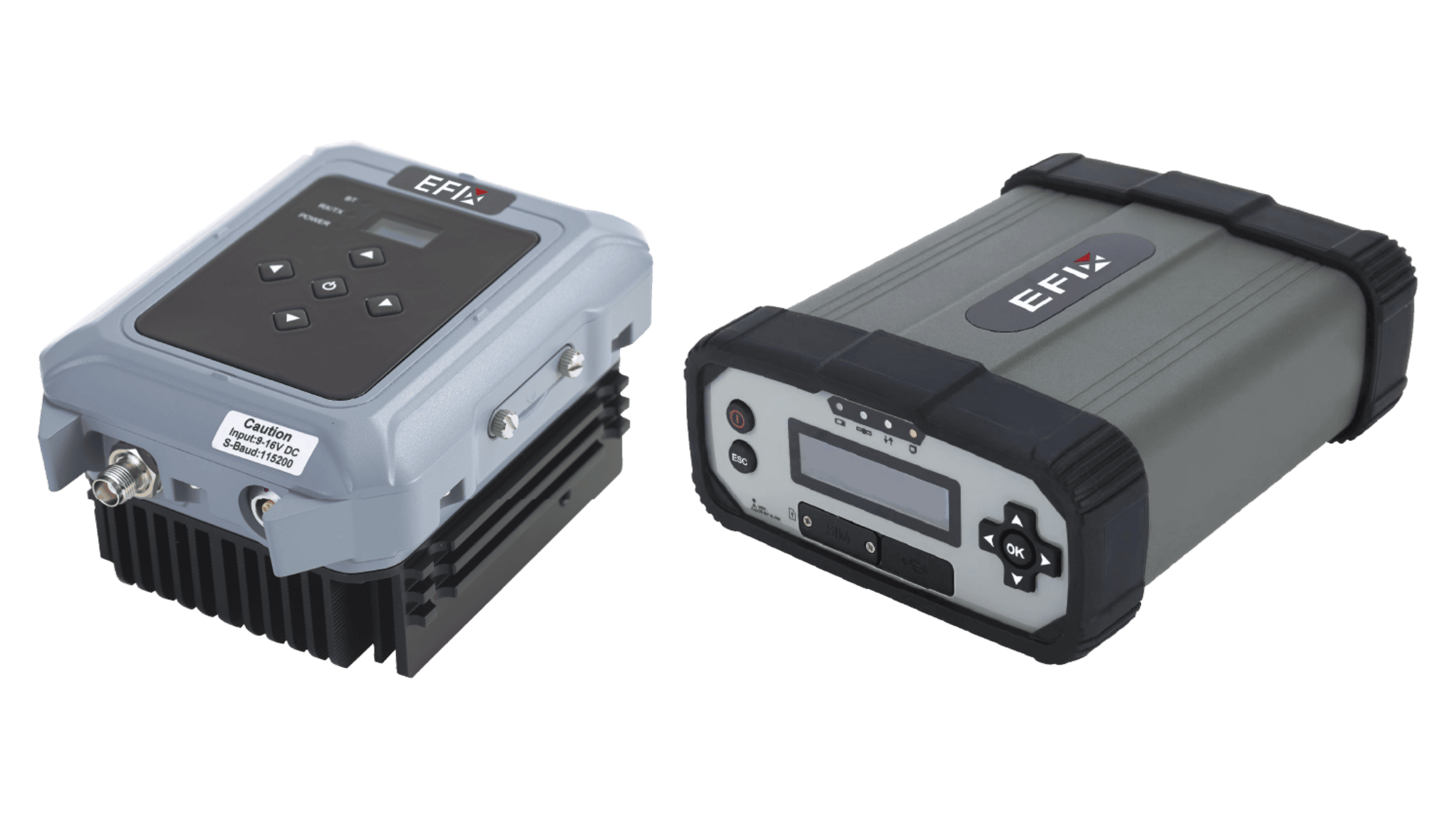
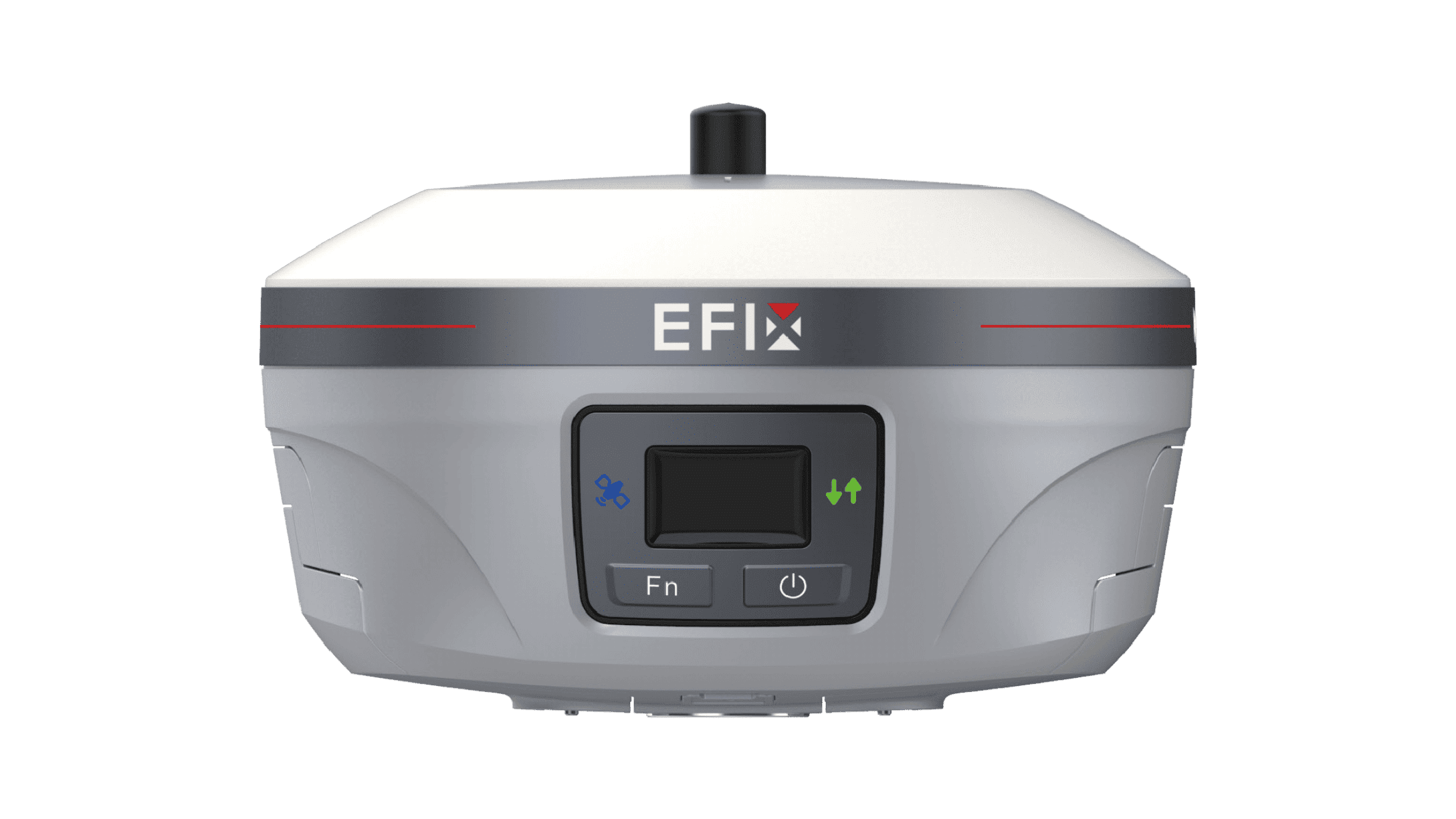
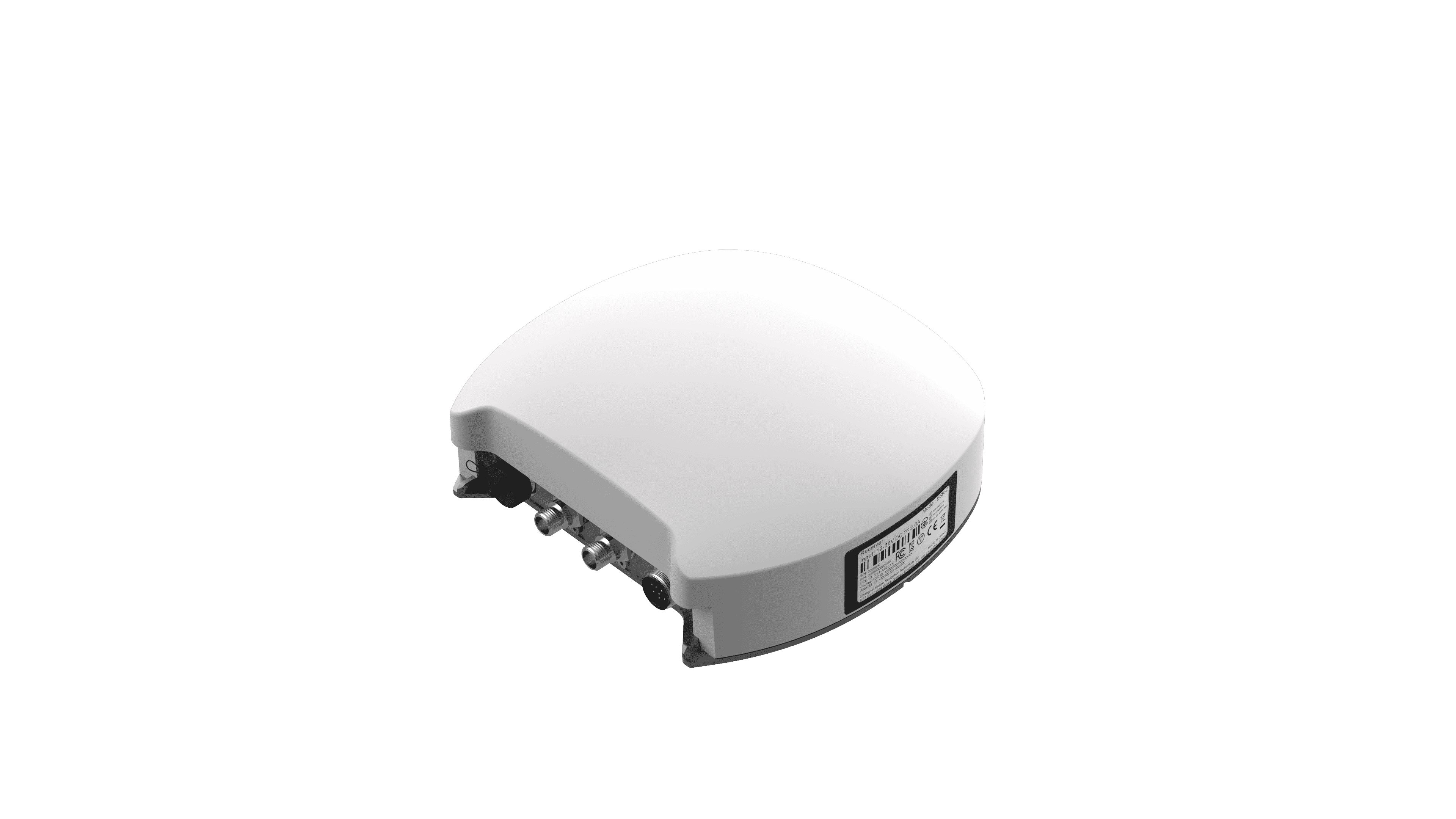
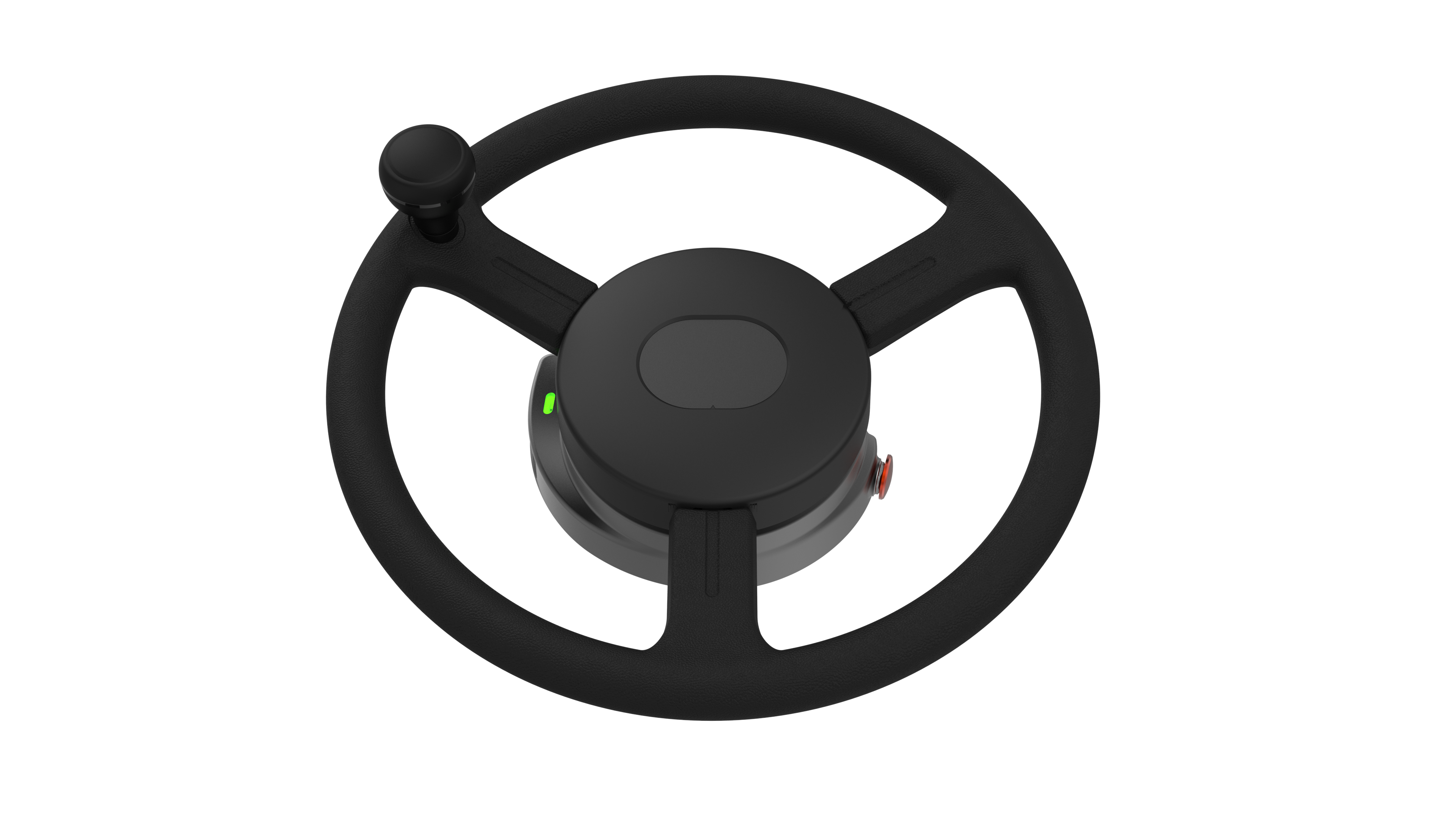
When operators consider adding automated guidance to their machinery, a central decision involves the type of actuation system. The choice between hydraulic and electric motor kits for autosteer for tractors shapes installation, performance, and long-term use. Each method has distinct operational principles and practical implications for the field. We will examine the functional characteristics of both, focusing on their mechanisms and typical use scenarios. This comparison aims to clarify how each system integrates with a tractor's existing framework to guide implements accurately.

The Mechanical Action of Hydraulic-Based Systems
Hydraulic kits operate by interfacing directly with a tractor's existing hydraulic steering circuit. They use a control valve to divert pressurized fluid, which then moves the steering cylinder to direct the wheels. This approach often leverages the inherent power of the tractor's hydraulics, making it suitable for larger models where significant force is required to turn heavy front axles. The integration is physical, requiring professional installation into the hydraulic lines. The performance of this autosteer for tractors is closely tied to the health and consistency of the tractor's own hydraulic system, with responsiveness being a key factor in its accuracy.
The Electronic Control of Electric Motor Kits
In contrast, electric motor kits function by attaching a servo motor directly to the steering column or wheel. This motor receives electronic signals from the guidance computer and physically turns the steering mechanism. This method represents a more self-contained form of autosteer for tractors, as it does not tap into hydraulic lines. It can offer very precise incremental adjustments due to direct electronic control. Installation often focuses on mounting the motor and connecting control wires, which can be a consideration for tractors where accessing the hydraulic system is complex. Its operation is generally independent of the tractor's hydraulic pressure fluctuations.
Factors Influencing the Selection Process
Selecting between these technologies involves weighing several physical and operational parameters. Hydraulic systems are frequently matched with high-horsepower tractors that have robust hydraulic flow, commonly found in heavy tillage or large-acreage row-crop operations. Electric motor kits may align well with utility tractors, lower-horsepower models, or situations where a less invasive installation is preferred. Considerations also include the desired level of steering torque, the compatibility with the tractor's architecture, and the typical implements used. Evaluating the specific tractor model and its primary tasks is a necessary step before choosing an autosteer for tractors solution.
The decision between hydraulic and electric guidance kits is not a matter of universal superiority, but of appropriate application. Each system provides a pathway to reduced operator fatigue and more consistent field patterns, yet through different mechanical means. Understanding the core operation of each—one as an extension of the hydraulic system and the other as a direct electronic actuator—provides a foundation for a sound investment. At Efix, we provide clarity on these options, ensuring our clients can access a system for autosteer for tractors that aligns with their machinery's design and their operational requirements.