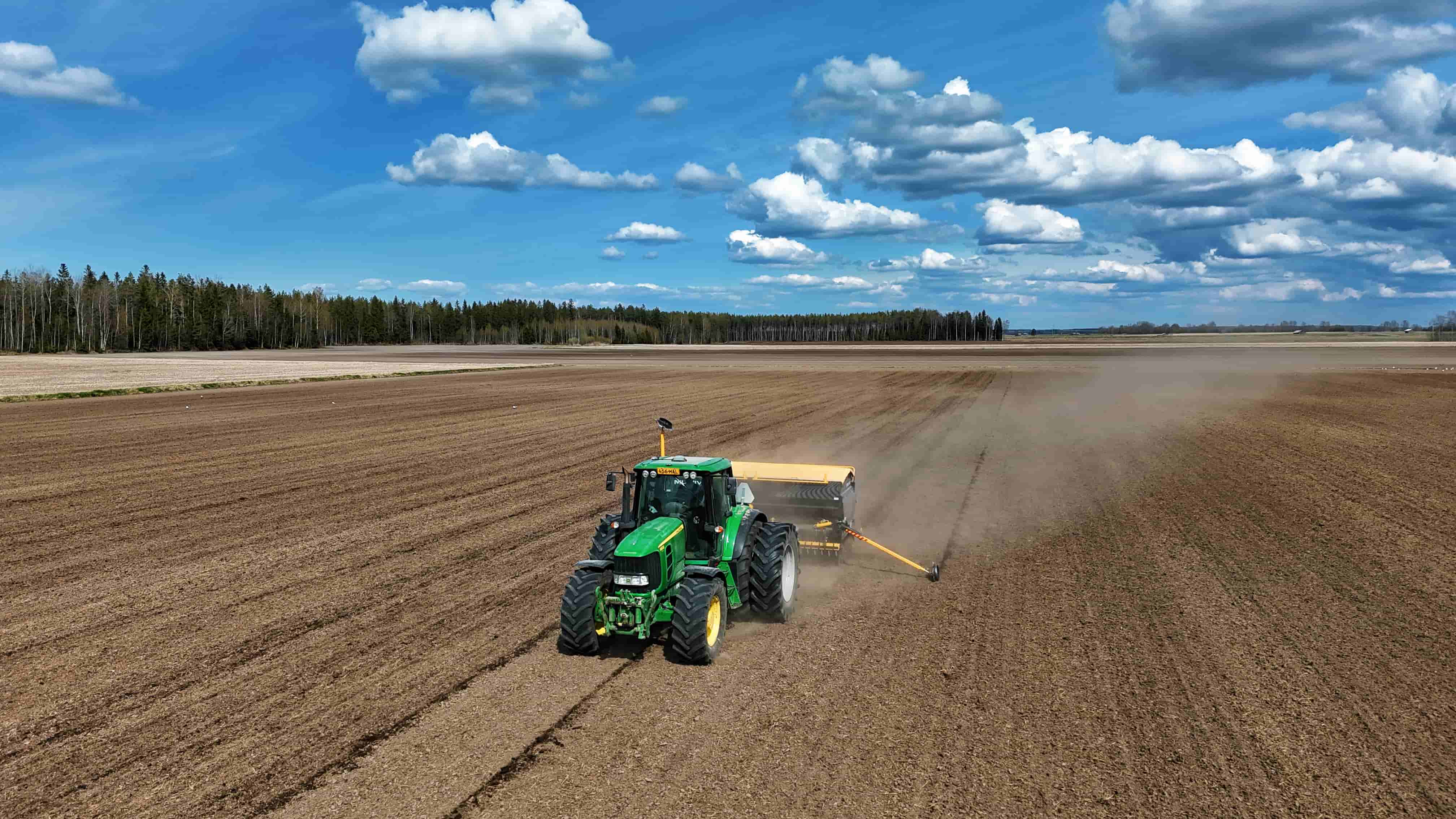
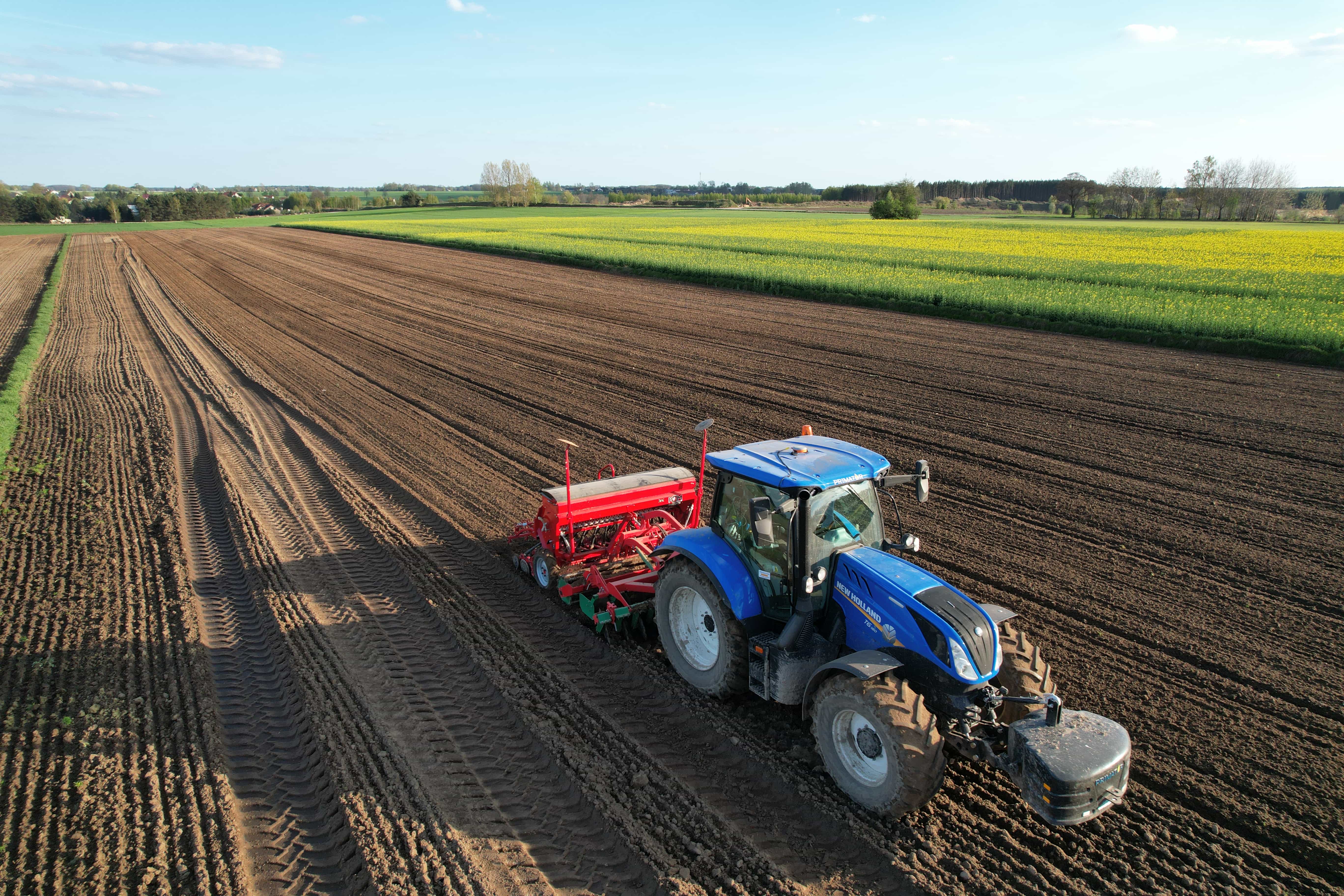
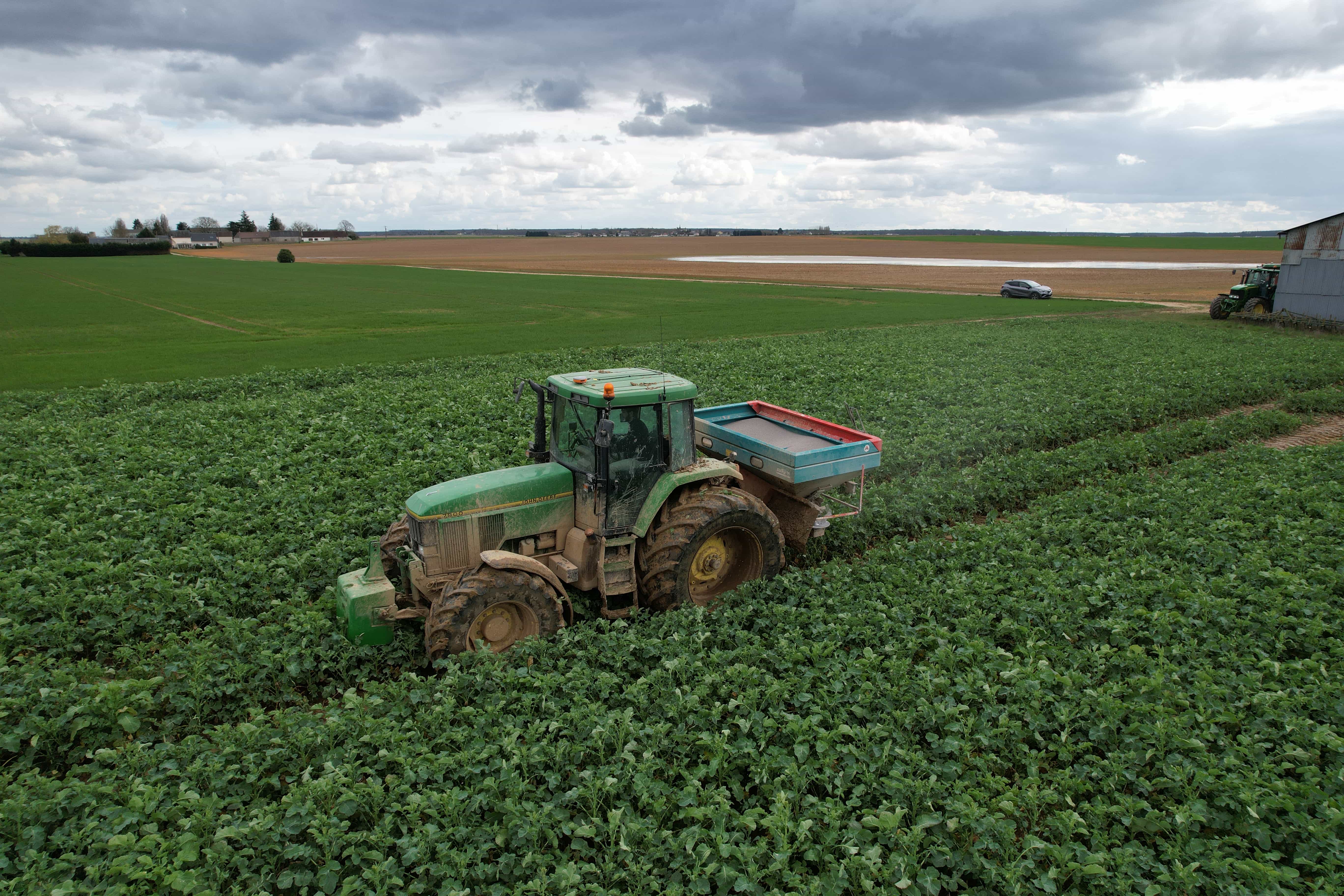
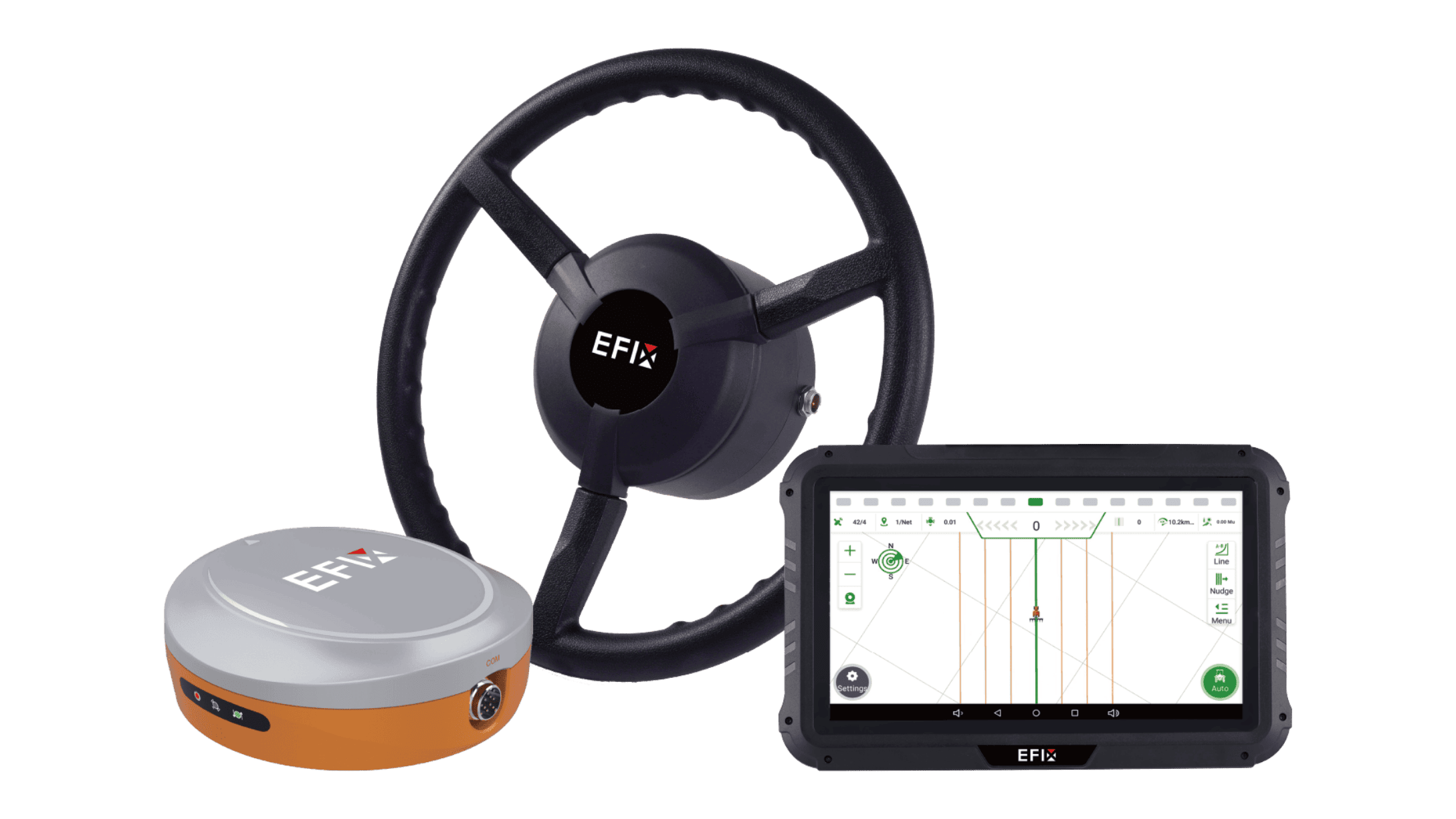
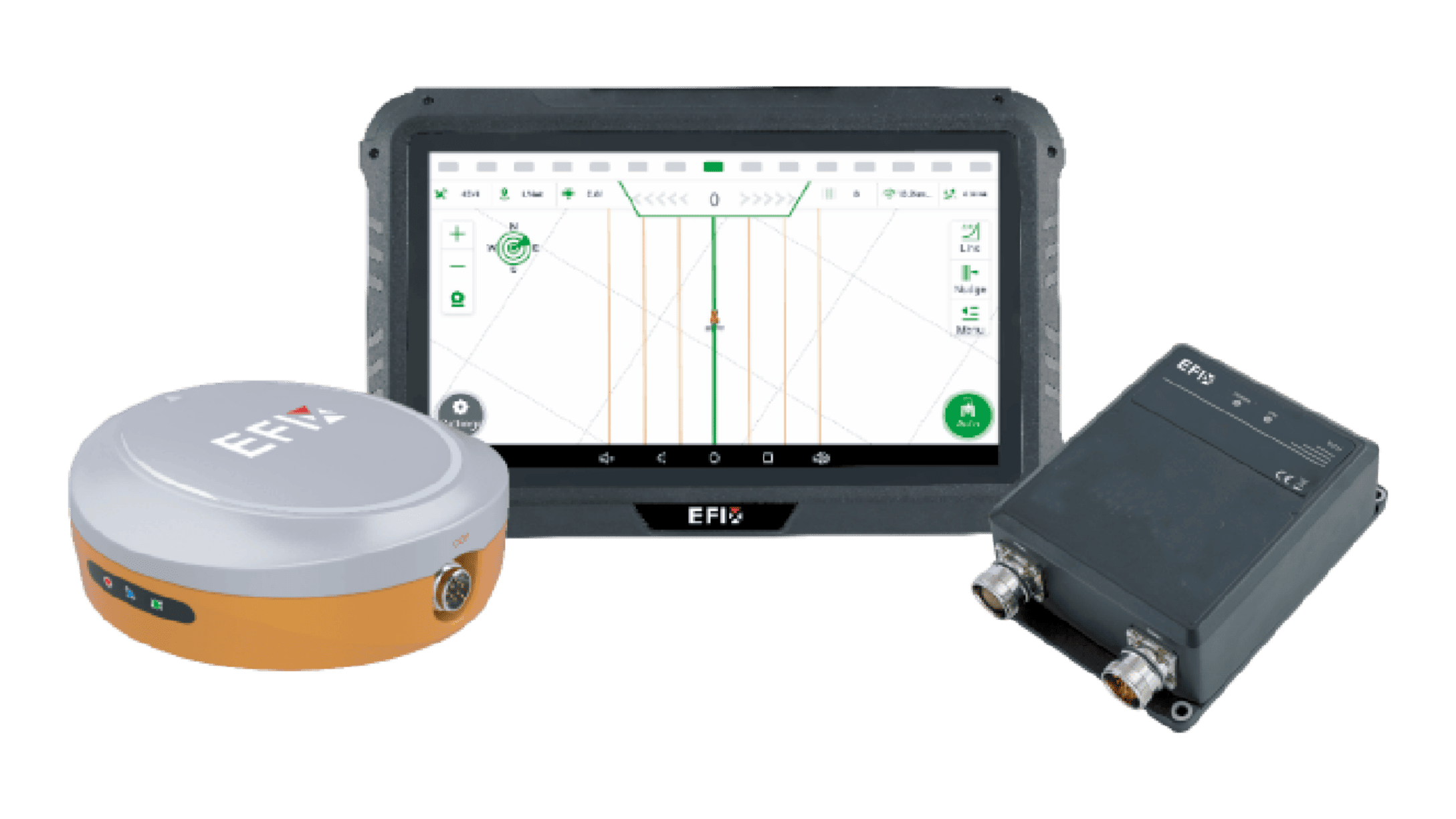
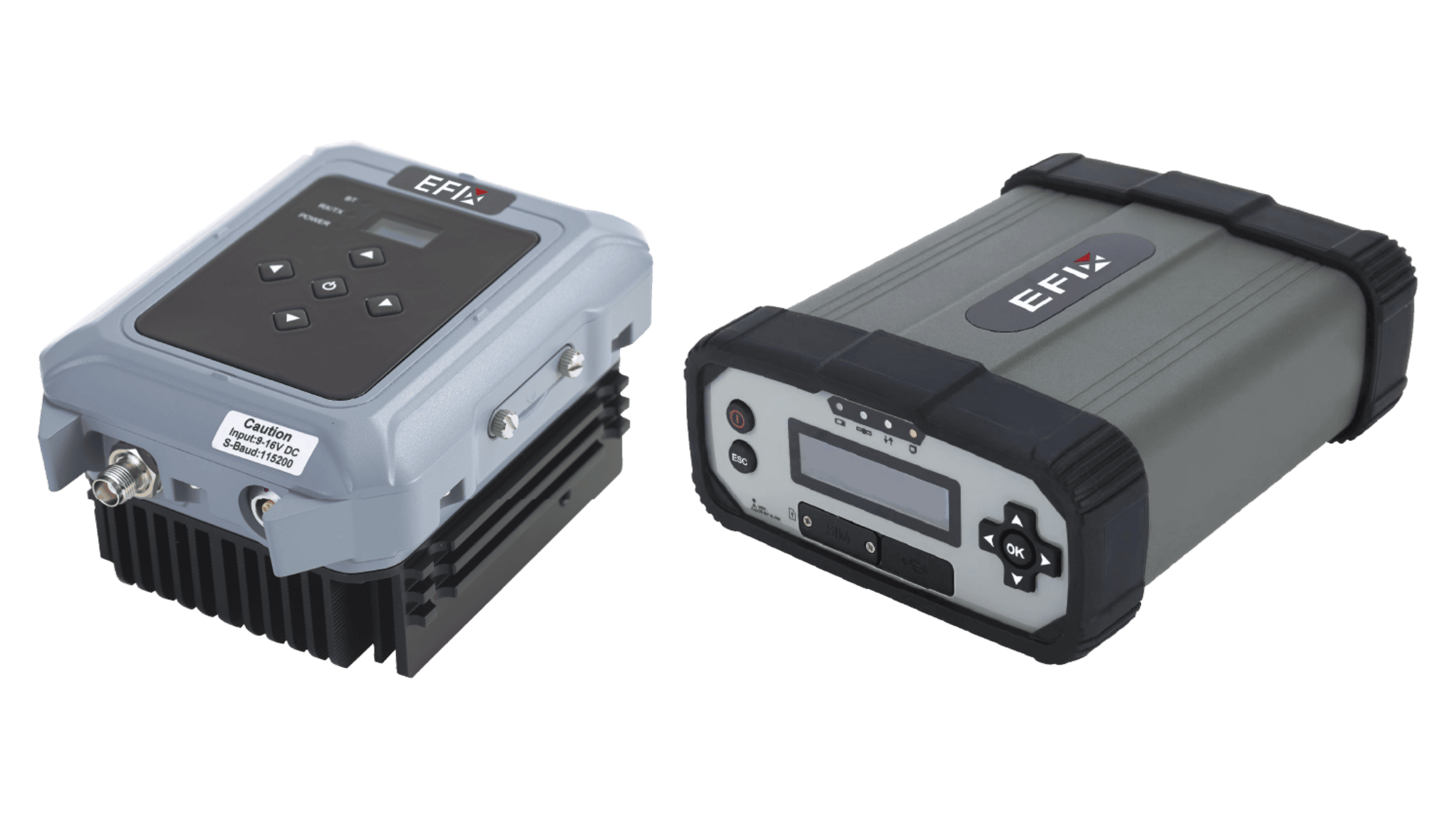
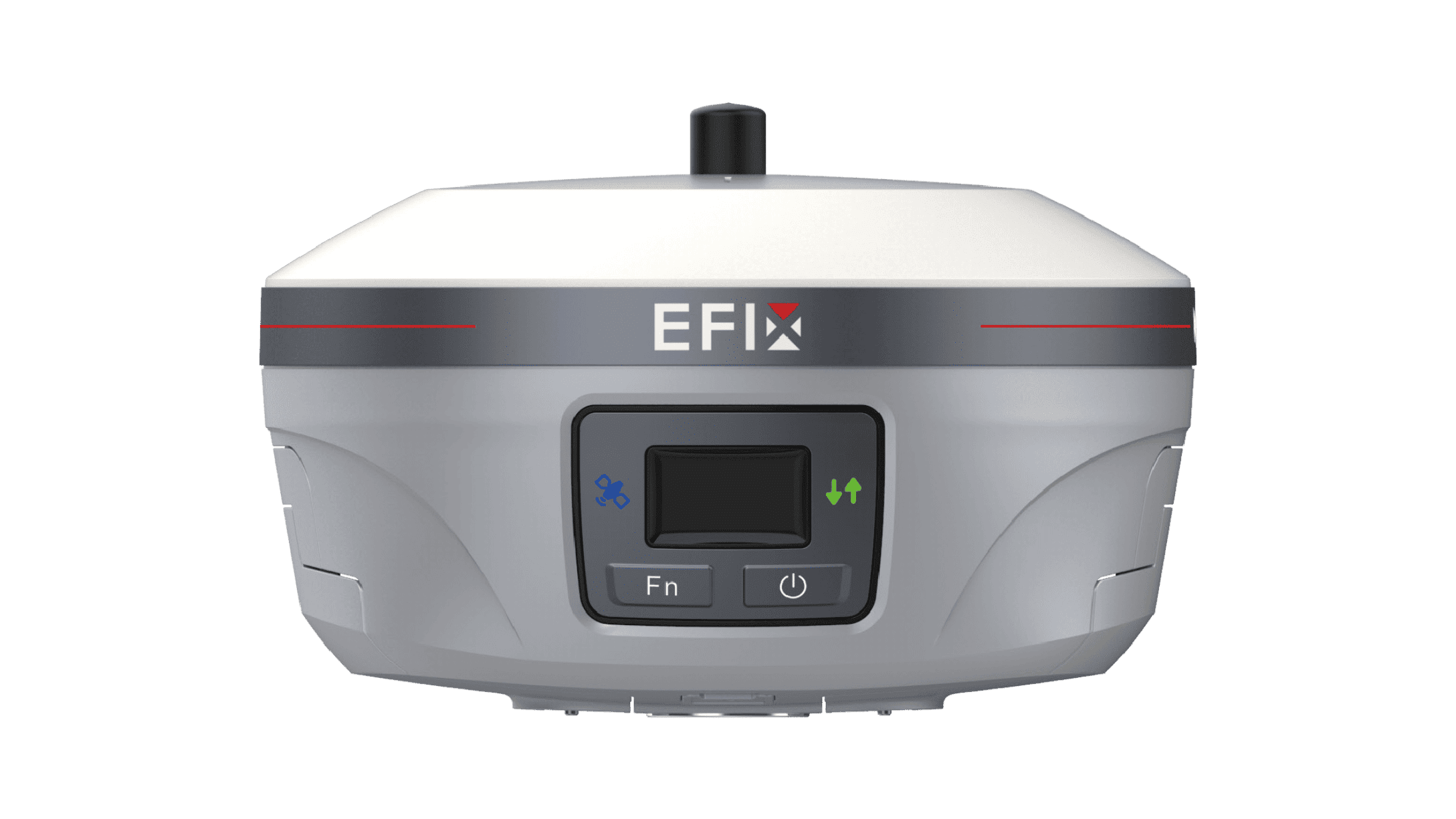
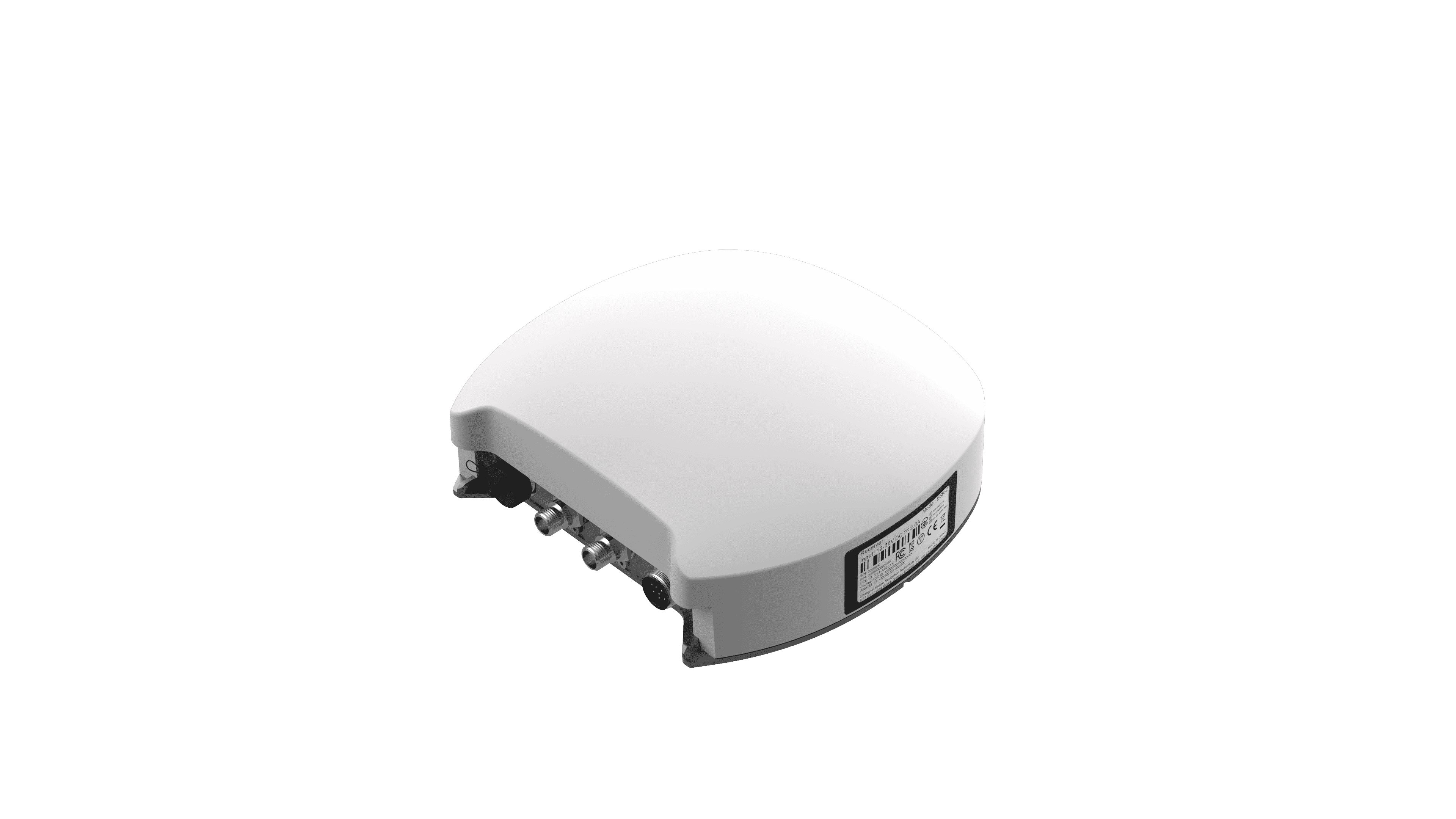
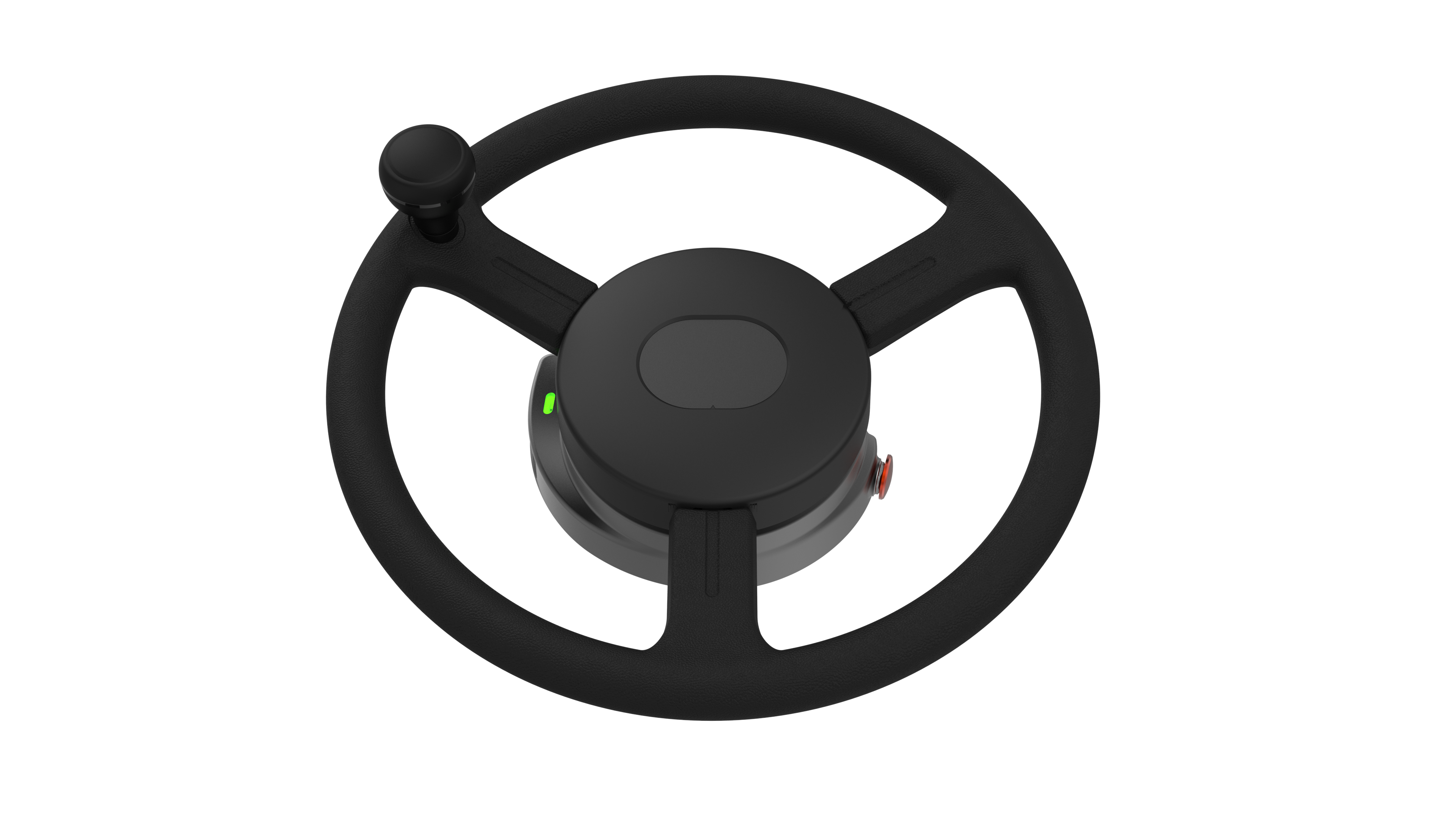
In modern tillage operations, consistency forms the basis for both immediate results and future crop performance. The method of preparing a field influences everything from seedbed quality to long-term soil management. Integrating a steer ready auto steer system into this process represents a significant operational shift. We will look at how this specific technology affects the tillage phase, moving it from a general field activity to a precisely mapped procedure.
Simplifying the Transition to Automated Guidance
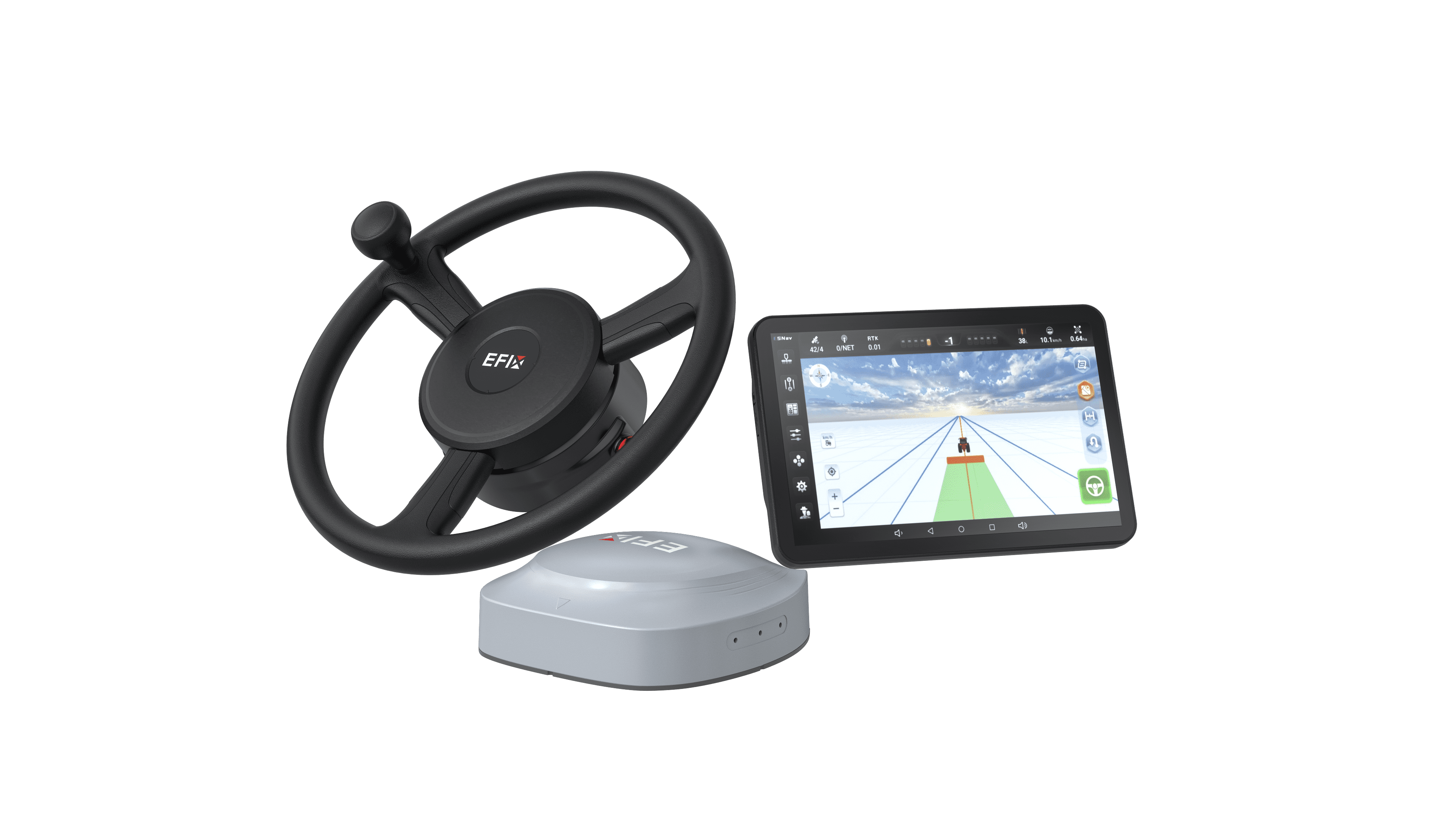
The term "steer ready" indicates a design philosophy focused on integration. For tillage equipment, this means the guidance technology is built to work with the machine's existing hydraulics and controls, avoiding complex retrofits. This approach allows an operation to implement a steer ready auto steer system with a focus on functionality rather than extensive mechanical modification. The transition becomes about activating a capability rather than rebuilding the equipment, making the adoption of precise guidance a more streamlined decision for the tillage process.
Achieving Uniform Depth and Consistent Overlap
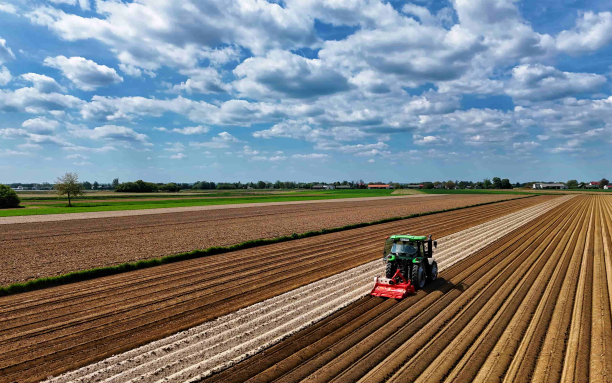
The primary agronomic goal of tillage is to create a uniform seedbed. Manual steering, especially over long hours and varied terrain, can lead to inconsistencies in implement depth and pass-to-pass overlap. A steer ready auto steer system addresses this by maintaining a predetermined path with minimal deviation. This allows for even soil penetration across the entire field, which promotes uniform moisture retention and residue management. Furthermore, by virtually eliminating guess rows and skips, the system ensures complete and consistent field coverage, leaving no area under-worked or over-worked.
Building a Foundation for Future Field Operations
The impact of precise tillage extends beyond the current season. The accurate tracks created by the system become a reliable reference for all subsequent passes, including planting, spraying, and harvesting. This layering of precise applications supports integrated field management. Additionally, controlled traffic patterns, where machinery wheels follow the same compacted lanes, become easier to establish and maintain. This practice helps preserve the structure of the soil in the planting zones, which can benefit root development and water infiltration.
The integration of guidance into tillage refines a fundamental task. It changes the focus from simply covering ground to executing a repeatable, measured pattern that supports the entire crop cycle. At Efix, we recognize the importance of this foundational step. Our solutions in this area are designed for cohesive operation, providing the reliability needed to turn a steer ready auto steer system into a practical asset for building a more predictable and managed field environment from the ground up.