Assessing the financial implications of adopting a steer ready autosteering system involves looking beyond the initial price tag. A clear analysis separates the upfront capital expenditure from the ongoing operational costs, providing a complete picture of the investment. We believe understanding this distinction allows for more accurate budgeting and long-term planning. This review outlines the common components found in both categories, offering a framework to evaluate the total financial commitment of a steer ready autosteering system.

Initial Capital Expenditure: Hardware and Integration
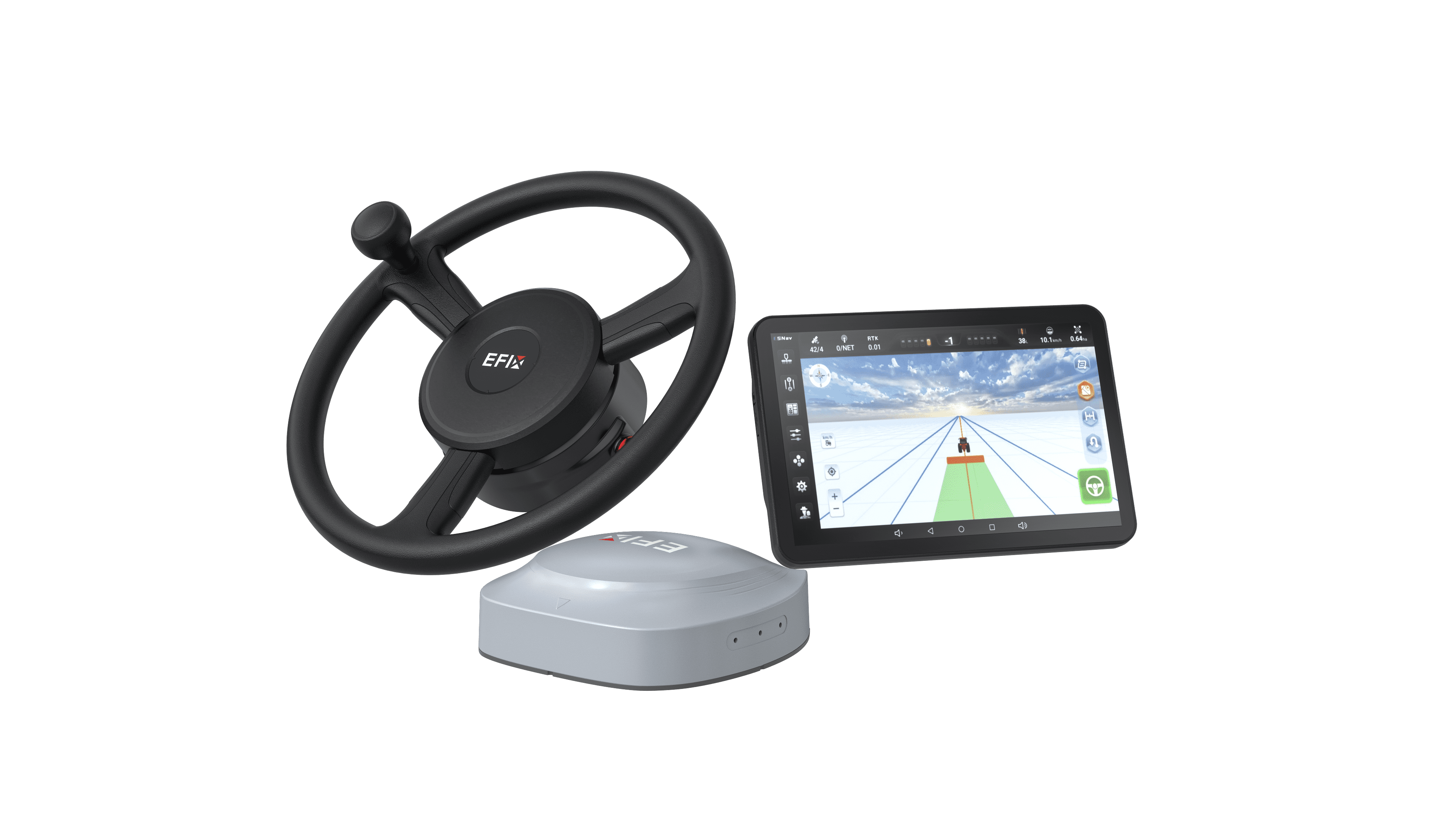
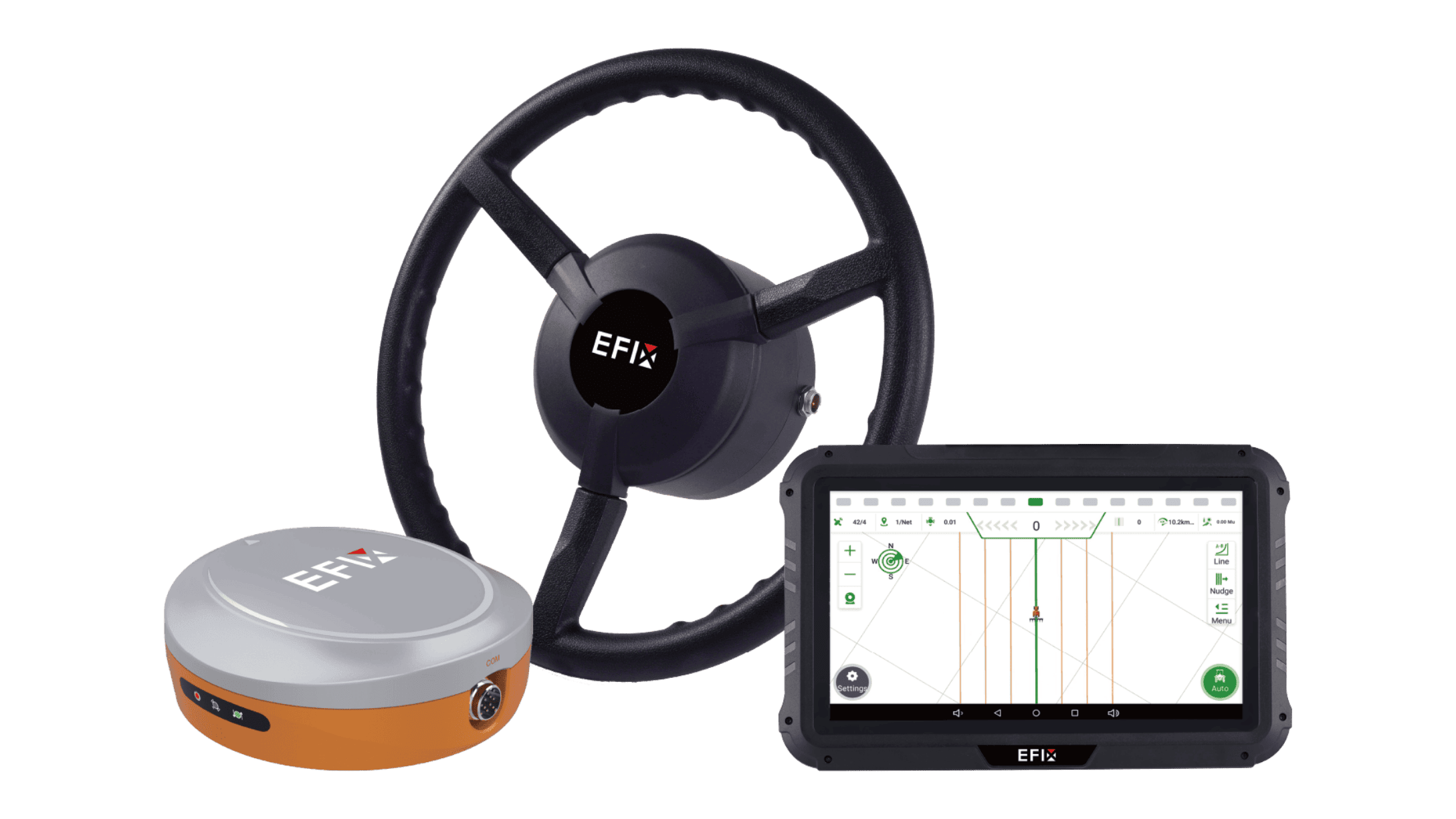
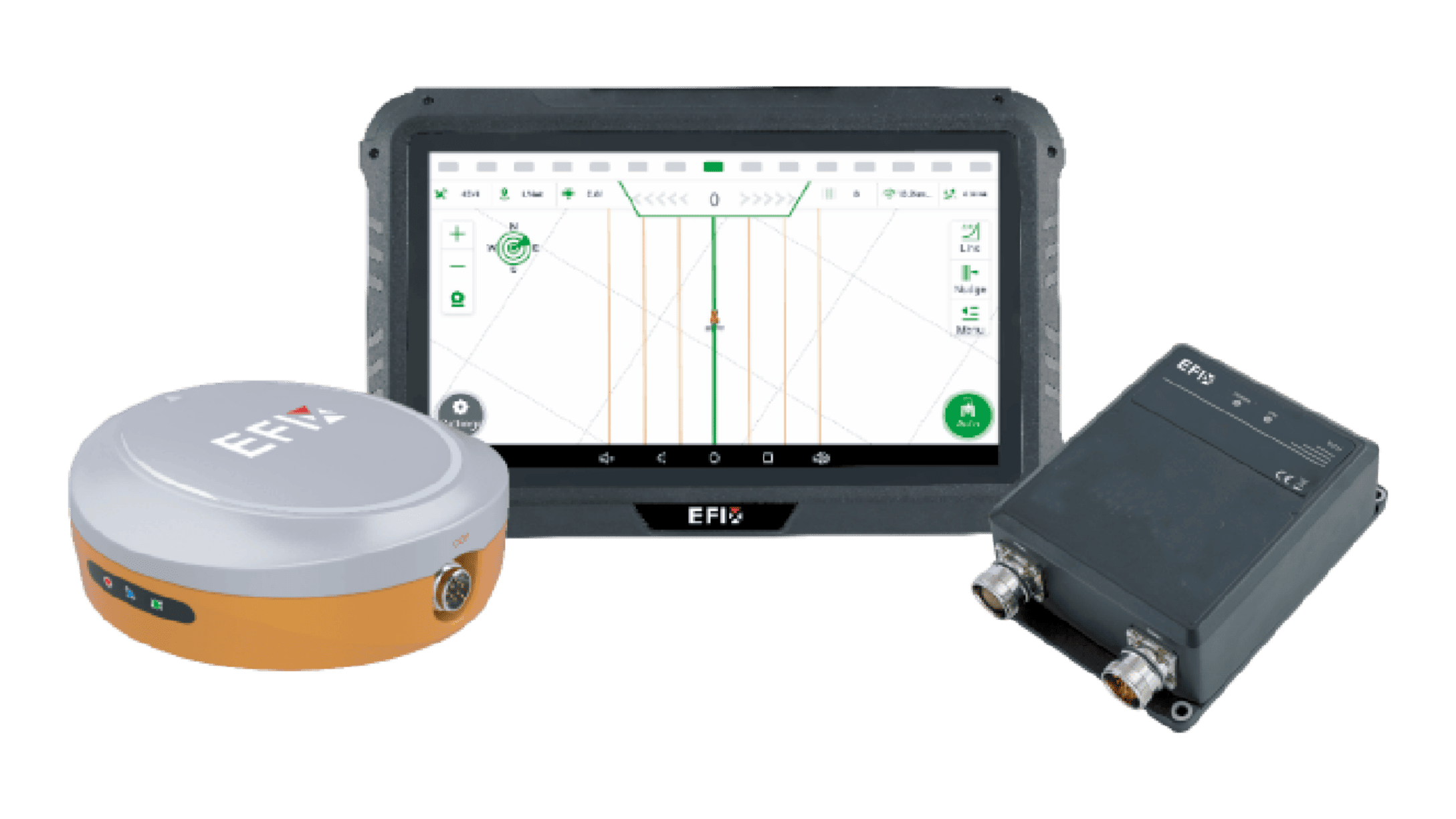
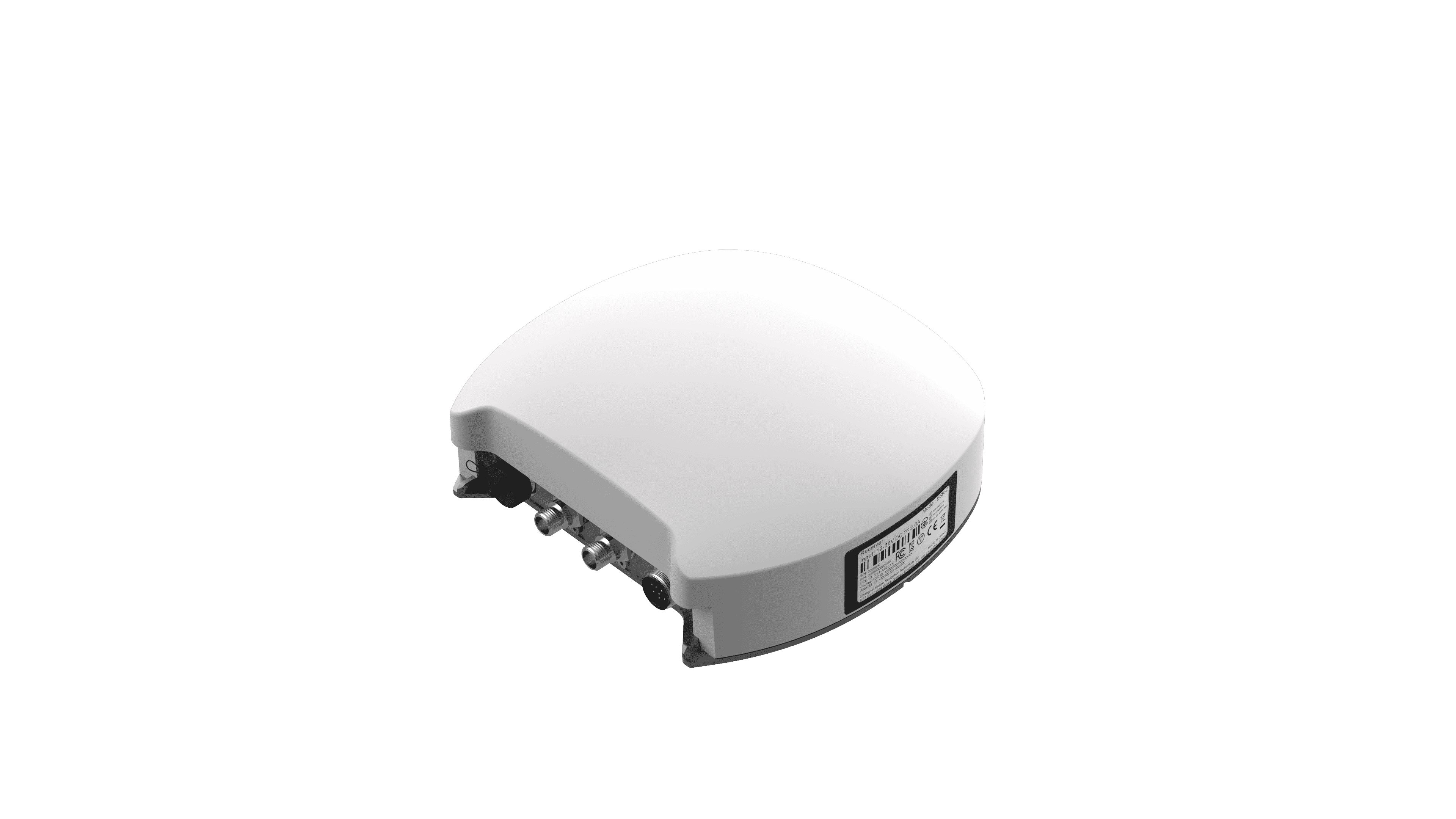
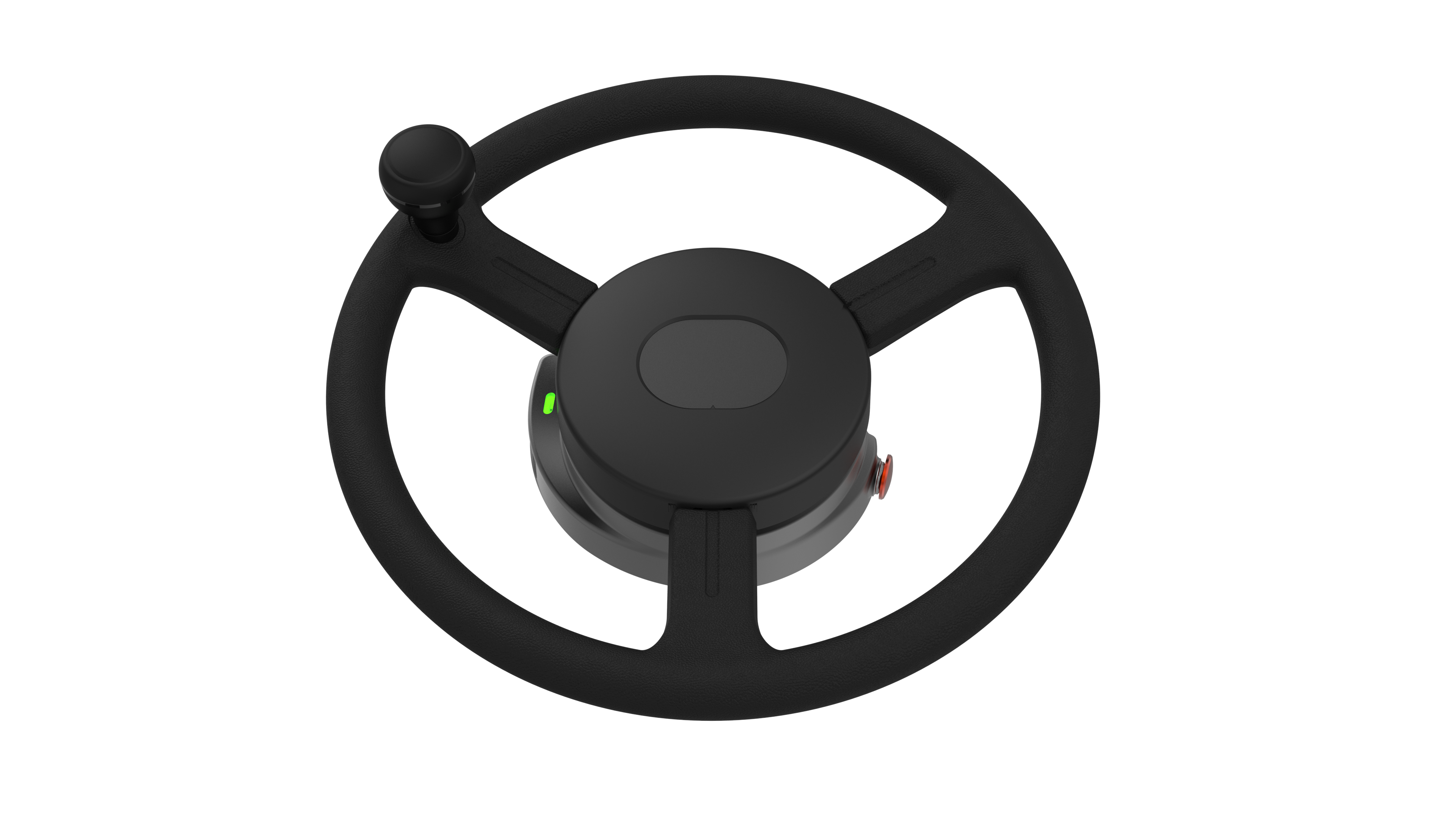
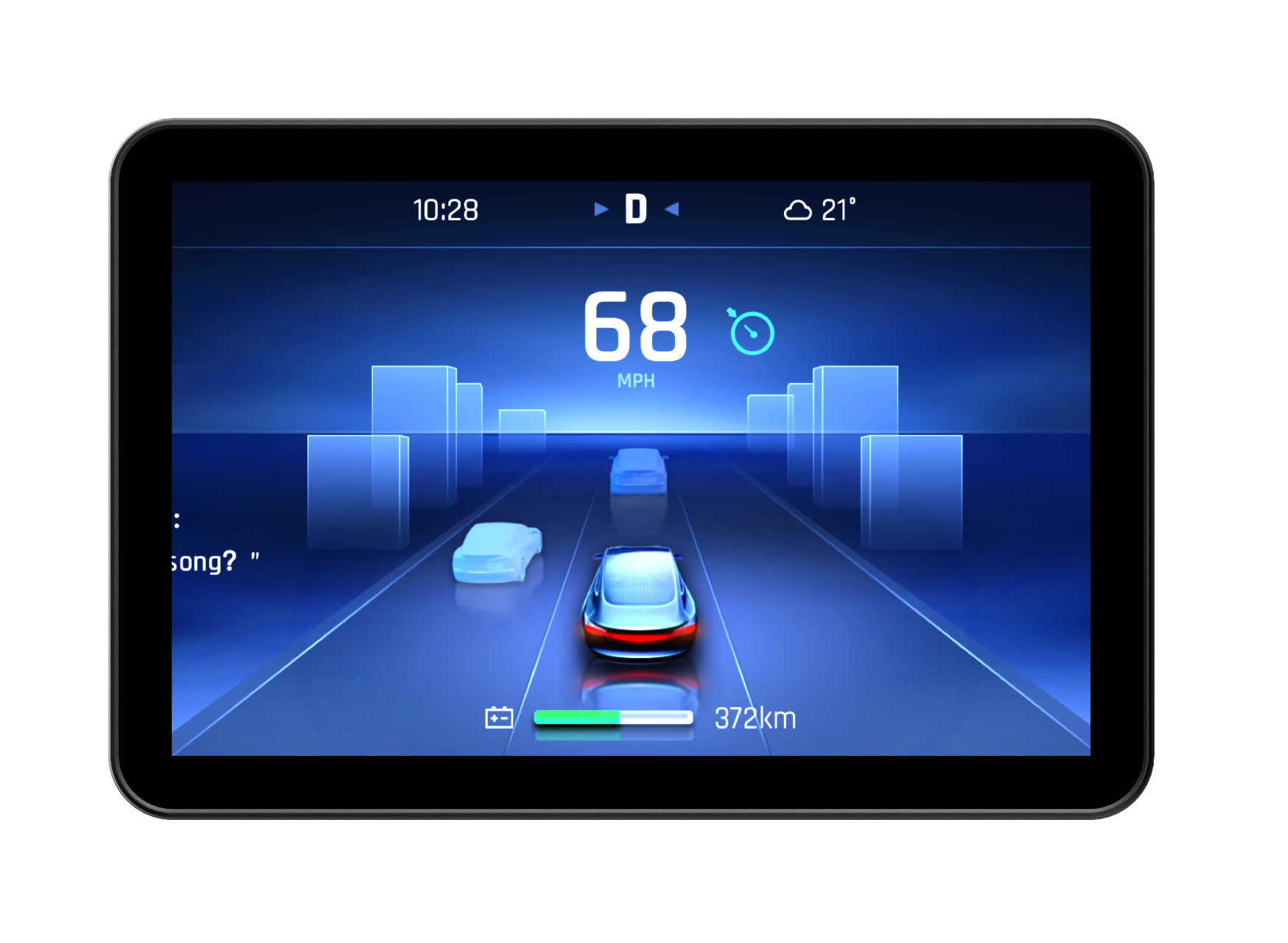
The capital expenditure, or CAPEX, encompasses all one-time costs to acquire and install the system. This primarily includes the physical hardware: the in-cab display, the GNSS receiver and antenna, the hydraulic valve or motor kit, and the necessary wiring harnesses. For a steer ready autosteering system, a significant portion of this cost is also tied to integration labor. This covers the time required to mechanically install components onto the tractor and properly configure the software. Depending on the machine's complexity and existing electronics, this integration process can influence the total upfront investment. Viewing these elements together as a consolidated initial outlay is the first step in financial planning.
Recurring Operational Expenditure: Sustaining Performance
Operational expenditures, or OPEX, are the recurring costs required to keep the system functional and accurate over its lifespan. A primary OPEX component is the subscription fee for GNSS correction services, which is essential for achieving consistent sub-inch or pass-to-pass accuracy. Additional ongoing costs include regular system calibration, software updates provided by the manufacturer, and potential module repairs not covered by warranty. Power consumption and incremental wear on steering components, though often minor, also contribute to operational costs. Planning for these periodic expenses ensures the steer ready autosteering system maintains its performance without unexpected financial interruptions.
Analyzing the Total Cost of Ownership Trajectory
The most informative financial perspective comes from analyzing the total cost of ownership, which combines CAPEX and OPEX over time. A higher initial capital investment in a robust, well-integrated system often correlates with greater long-term reliability, potentially reducing unforeseen repair costs and downtime—key factors in OPEX. Conversely, a lower upfront cost might lead to increased operational expenses through more frequent service needs or shorter component life. The objective is to evaluate how the initial quality and integration of the equipment influences its ongoing financial demands, creating a realistic multi-year projection of value.
This structured view of costs shifts the decision from a simple purchase price comparison to a long-term value assessment. The balance between initial investment and sustained operational outlay defines the true economic footprint of the technology. At Efix, our approach to developing a steer ready autosteering system considers this entire financial lifecycle. We focus on engineering for durability and straightforward integration, aiming to create a favorable ratio between capital expenditure and predictable operational costs. Our intent is to provide a solution where the initial investment establishes a foundation for consistent performance, supporting a transparent and manageable total cost of ownership for your operation.