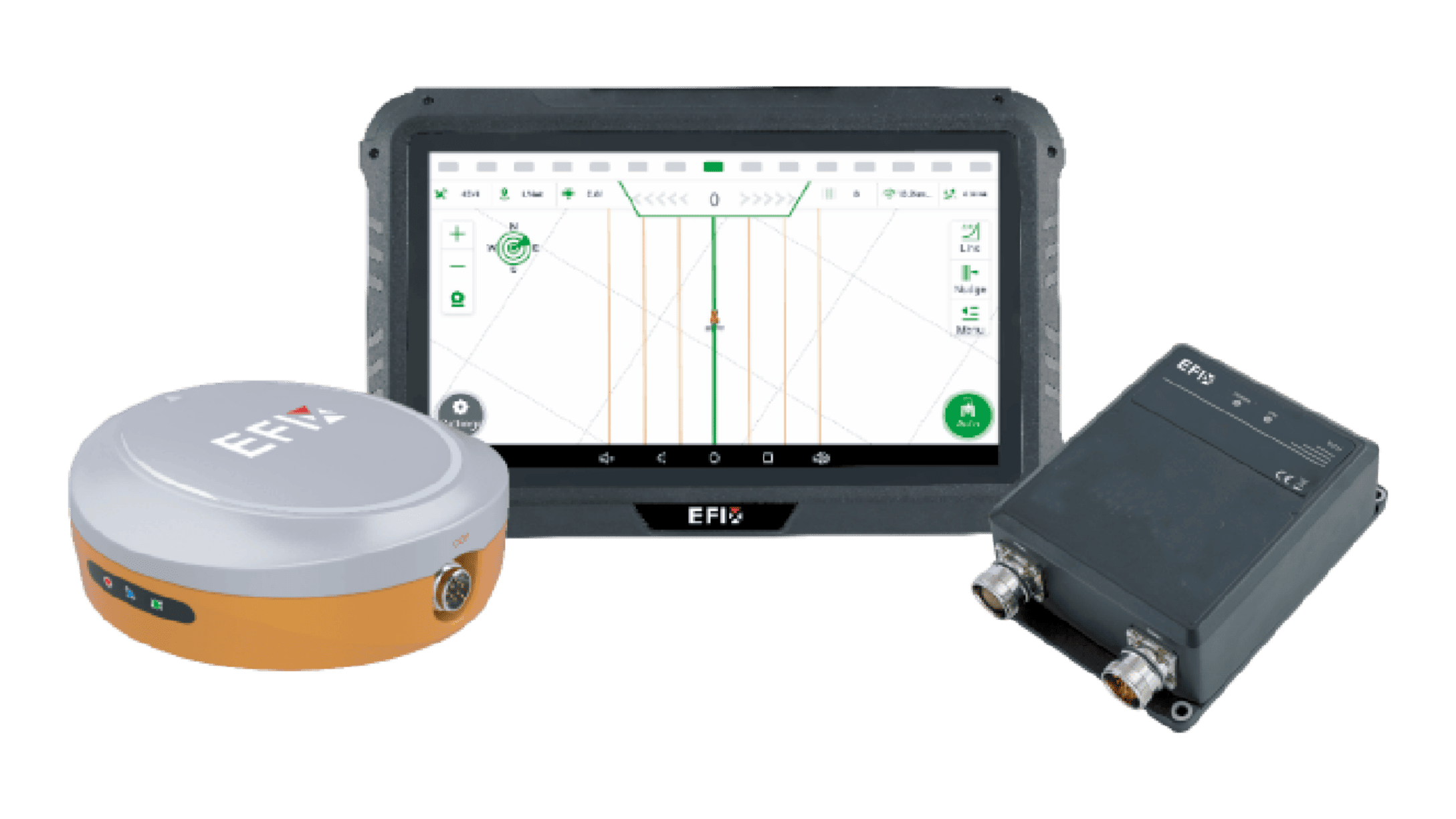
A common operational question involves the scalability of precision correction equipment. Farm managers and contractors often ask if a single, fixed RTK base station can provide correction signals to several moving machines simultaneously. This consideration is practical, relating directly to equipment investment and field logistics. The functionality centers on how correction data is broadcast and received, rather than a simple paired connection.
The Broadcast Nature of RTK Correction Signals
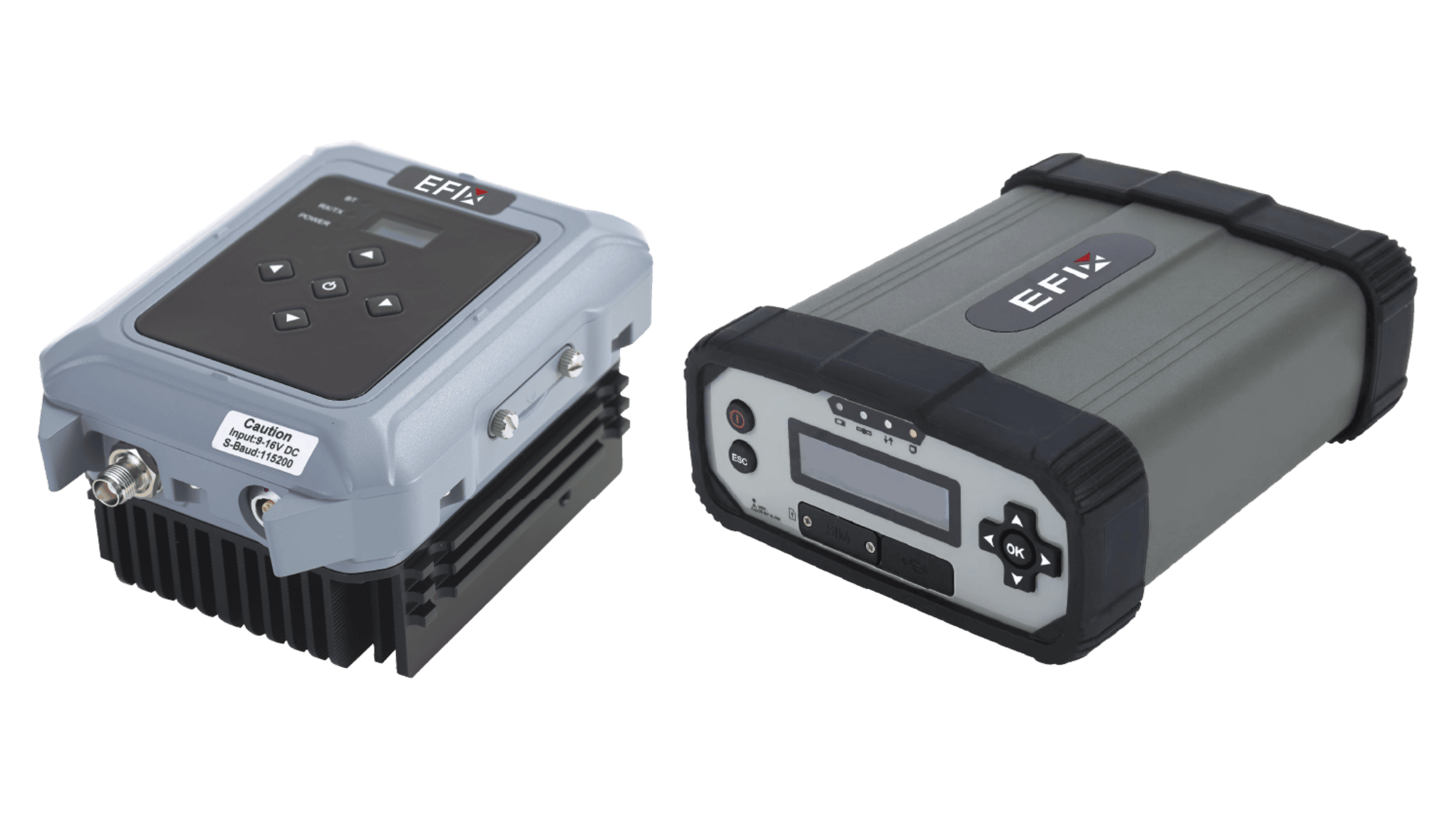
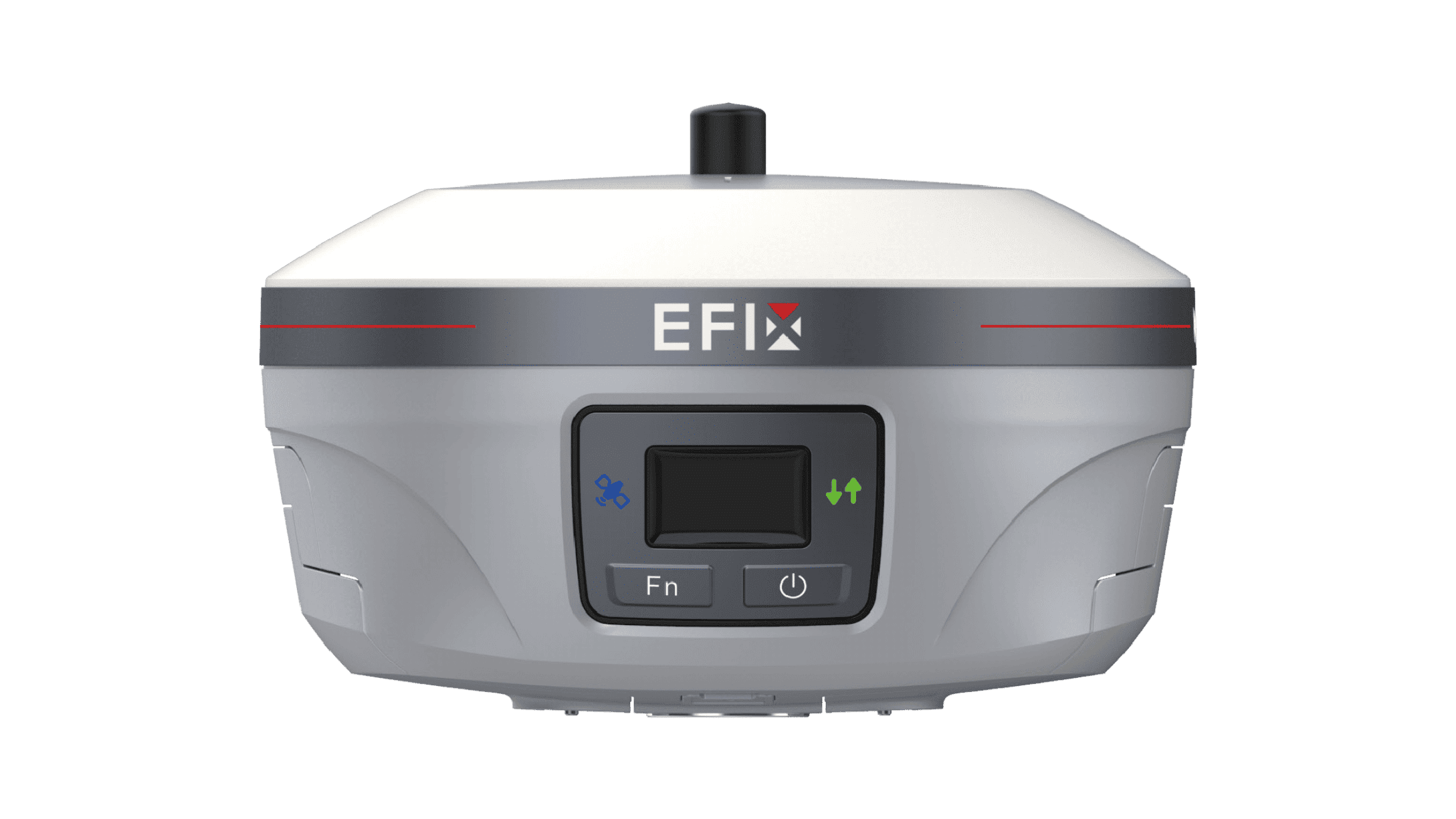
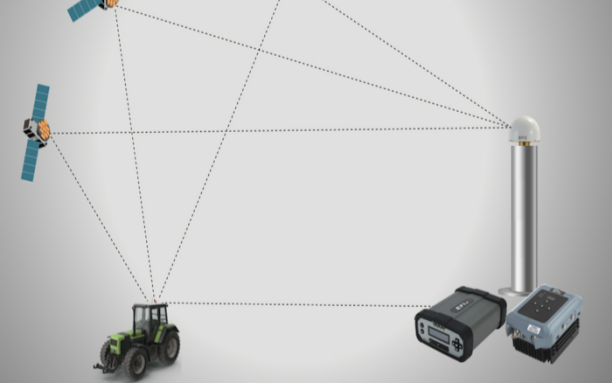
An RTK base station operates by calculating positional errors from satellite signals at its known, fixed location. It then generates a stream of correction data. This data stream is broadcast via radio or cellular network protocols. Importantly, this broadcast is not inherently limited to a single receiver. Any compatible rover unit(the receiver on the vehicle) within range, whether a tractor, sprayer, or combine, can receive and apply this same data stream. The RTK base station functions as a centralized reference point, emitting a signal that multiple rovers can utilize independently to achieve high accuracy, provided they share the same coordinate system and correction format.
Technical Considerations for Stable Multi-Rover Operation
While the architecture supports multiple users, stable operation requires attention to several factors. The effective range of the radio signal is a primary physical constraint; all rovers must operate within this reliable communication radius. System capacity should also be verified, as some base station models or data plans may have a recommended limit on concurrent connections to maintain data integrity. Additionally, network latency must remain low and consistent for all connected rovers to ensure real-time correction. Proper setup involves configuring all rover systems to listen to the same broadcast signal from the single RTK base station, ensuring uniformity and preventing conflicts.
Operational Implications and Configuration Scenarios
Utilizing one base station for multiple machines offers notable advantages in consistency and cost. All equipment operates from an identical correction source, which promotes uniform accuracy across different field operations like planting and spraying. This can be particularly efficient for operations with several machines working in the same vicinity. However, if machinery operates across distances that exceed reliable radio range, or on fields separated by obstructions, the signal may degrade. In such layouts, a network RTK service or additional base stations might be evaluated to maintain continuous coverage. The choice depends on the geographical spread of the work and the need for uninterrupted signal integrity for every vehicle.
The capability for multiple rovers to operate from one RTK base station is a standard feature of the technology, designed to support efficient fleet management. Successful implementation depends on managing broadcast range, ensuring compatible equipment settings, and verifying system capacity. At Efix, we focus on the practical assessment of these variables. Our process involves analyzing the physical layout of your operations and your equipment mix to determine if a single base station configuration is viable or if an alternative correction network setup would provide more robust and reliable coverage for all your machinery.