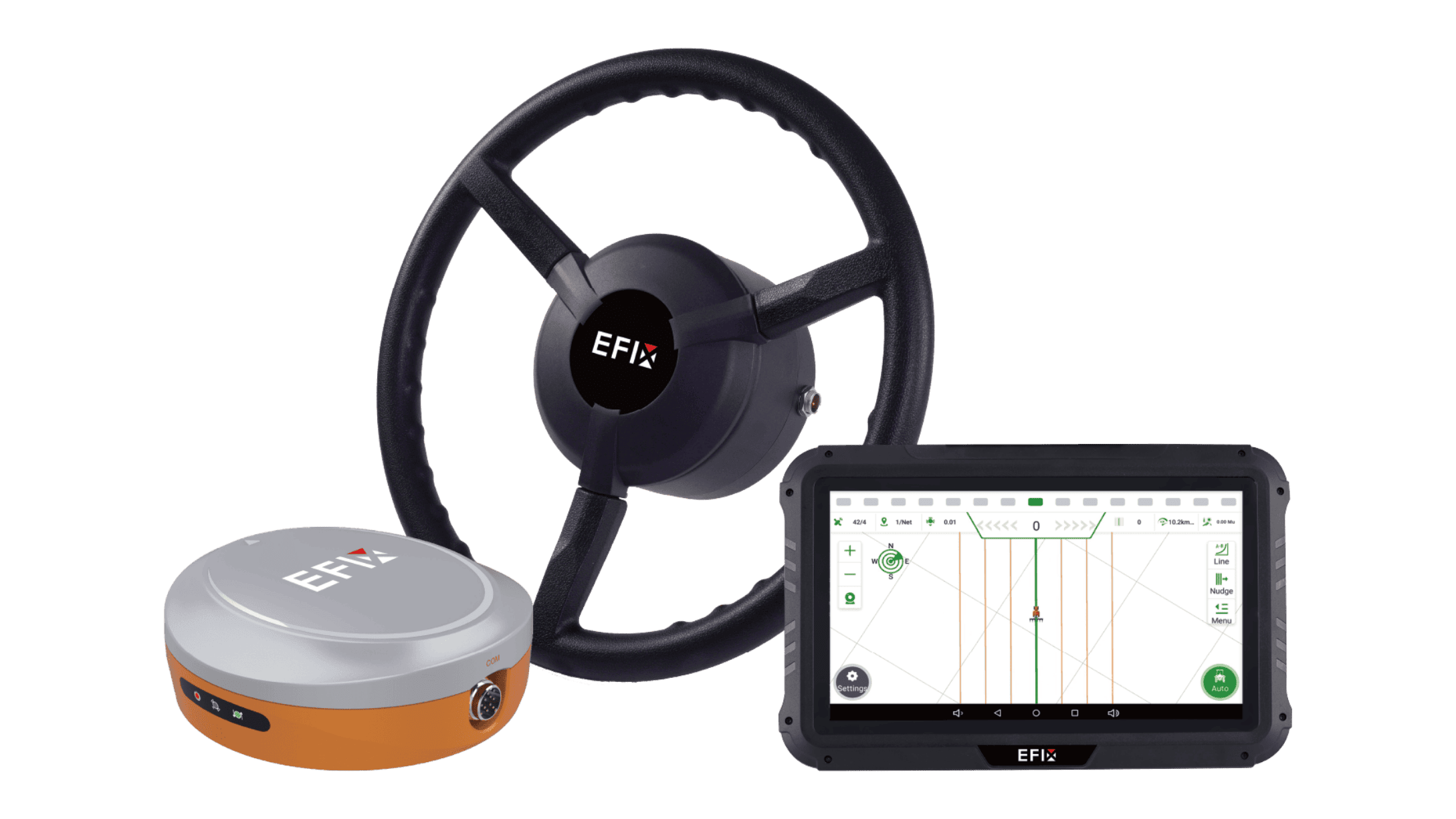
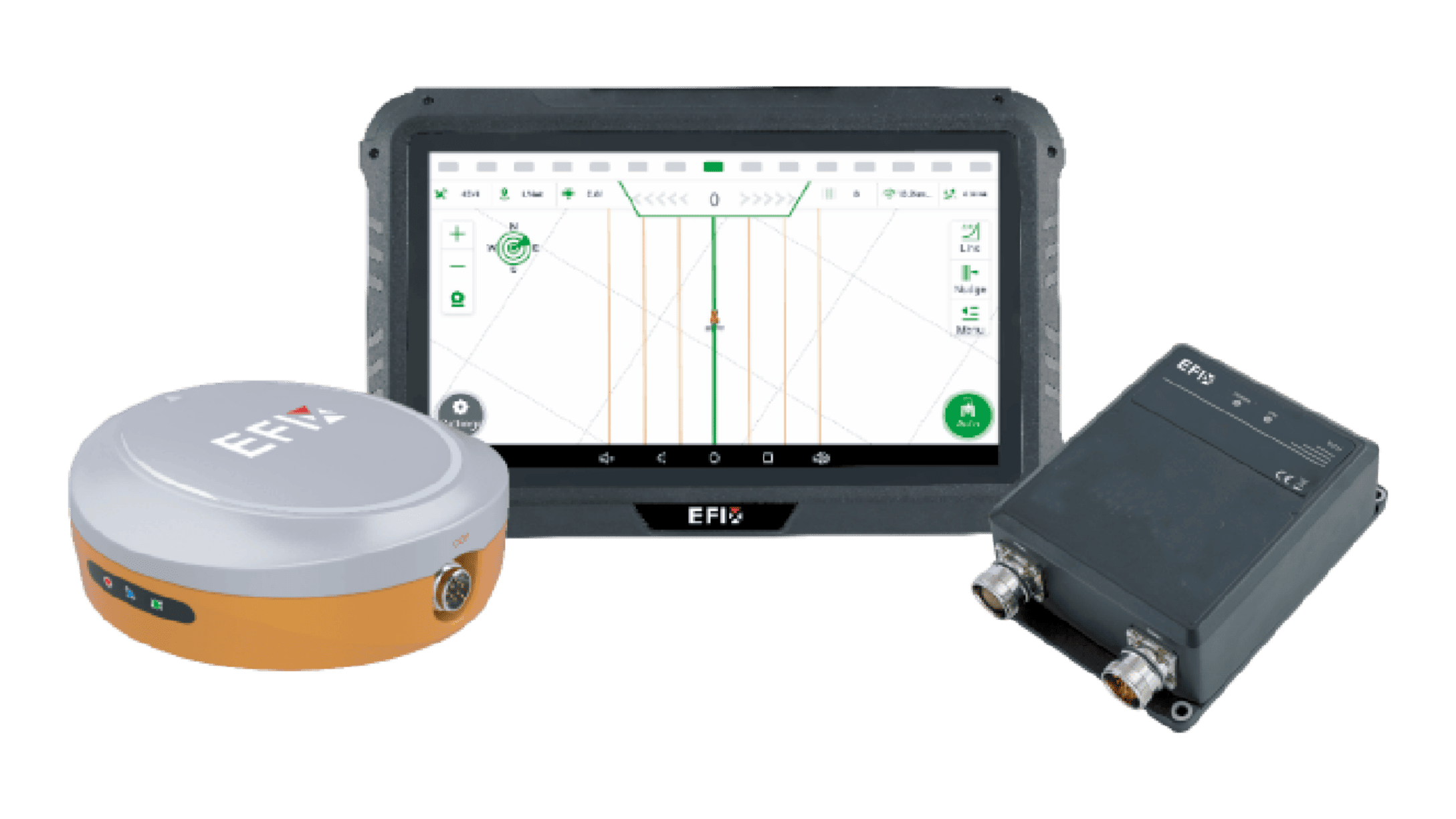
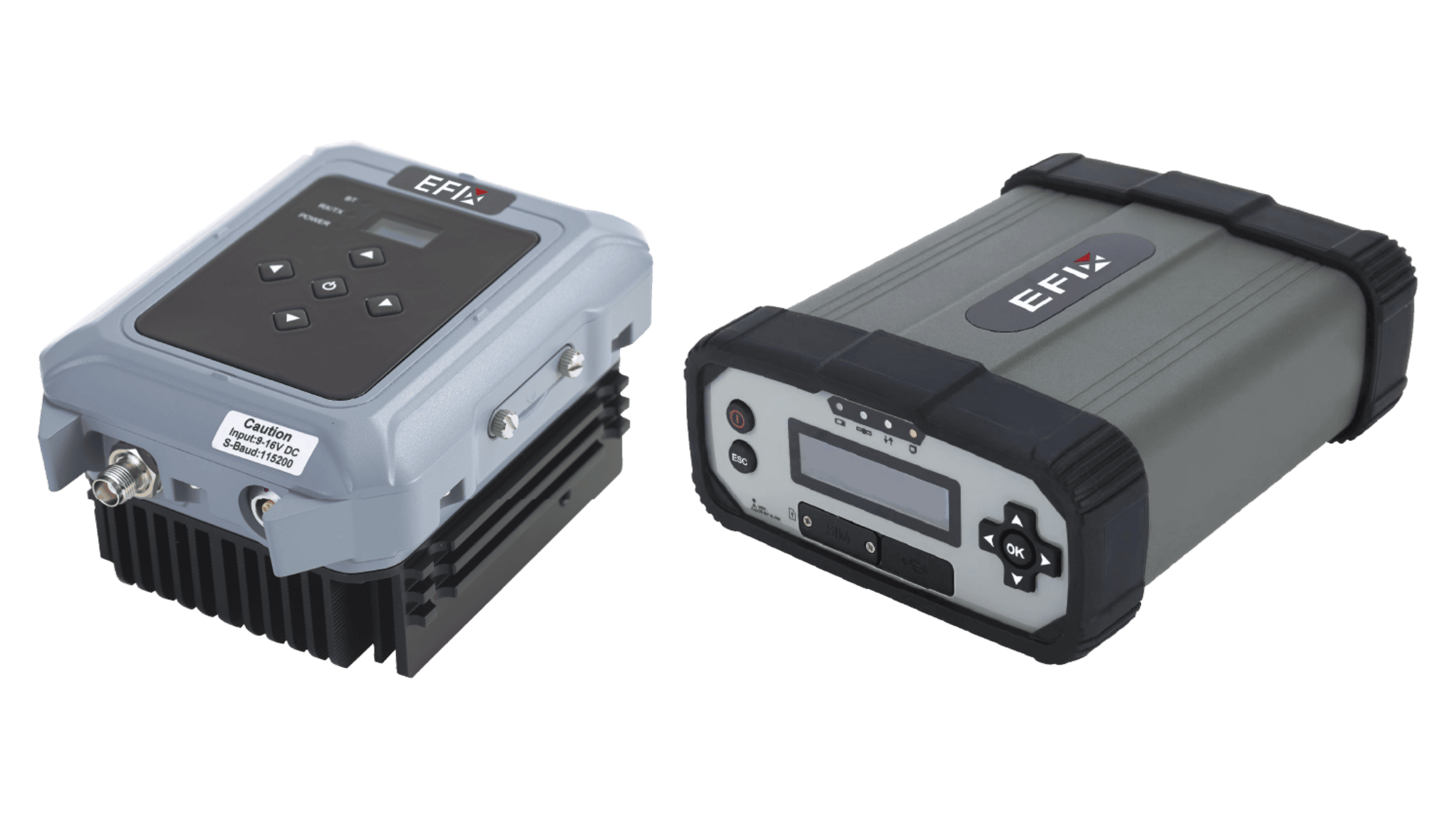
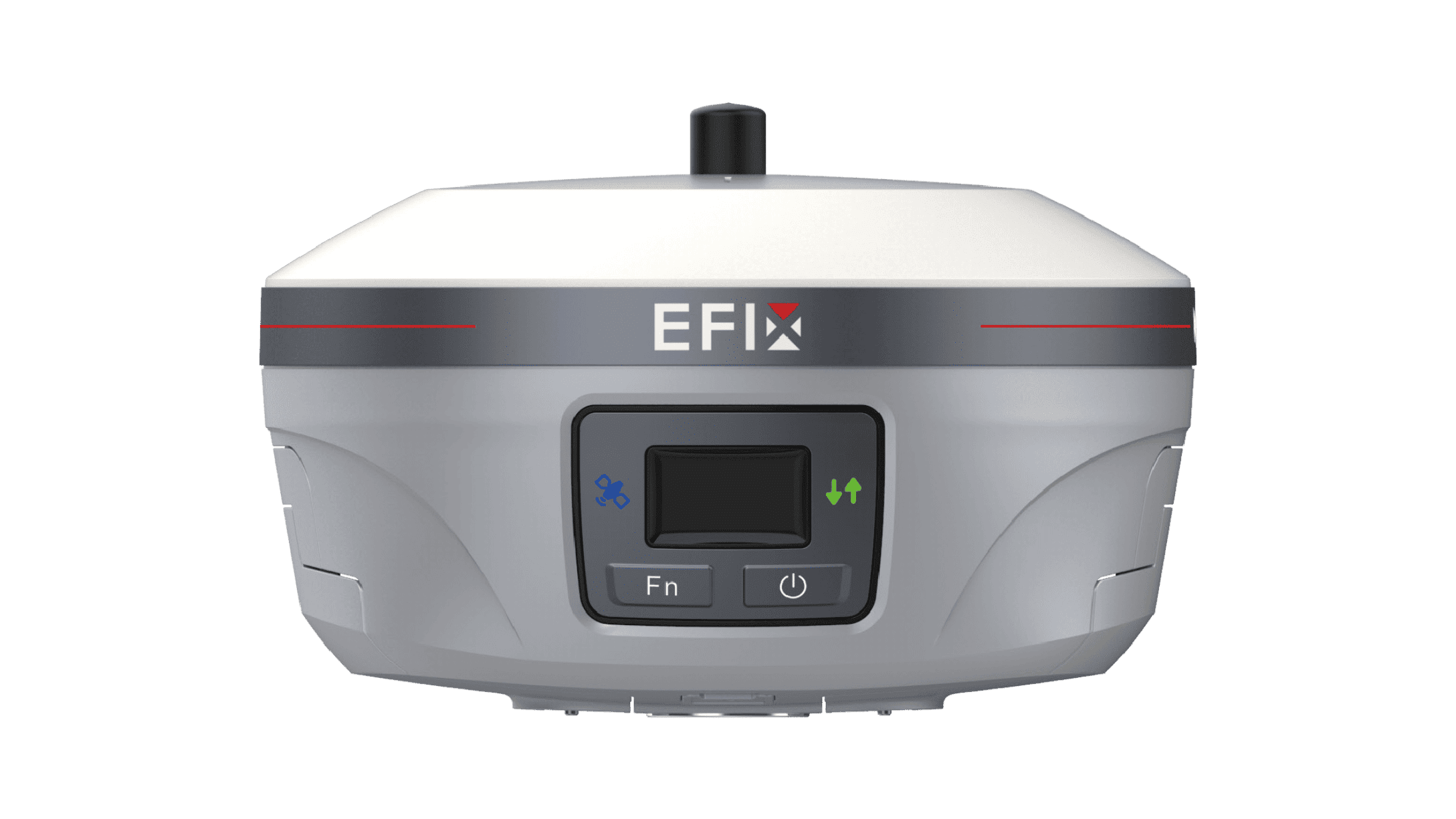
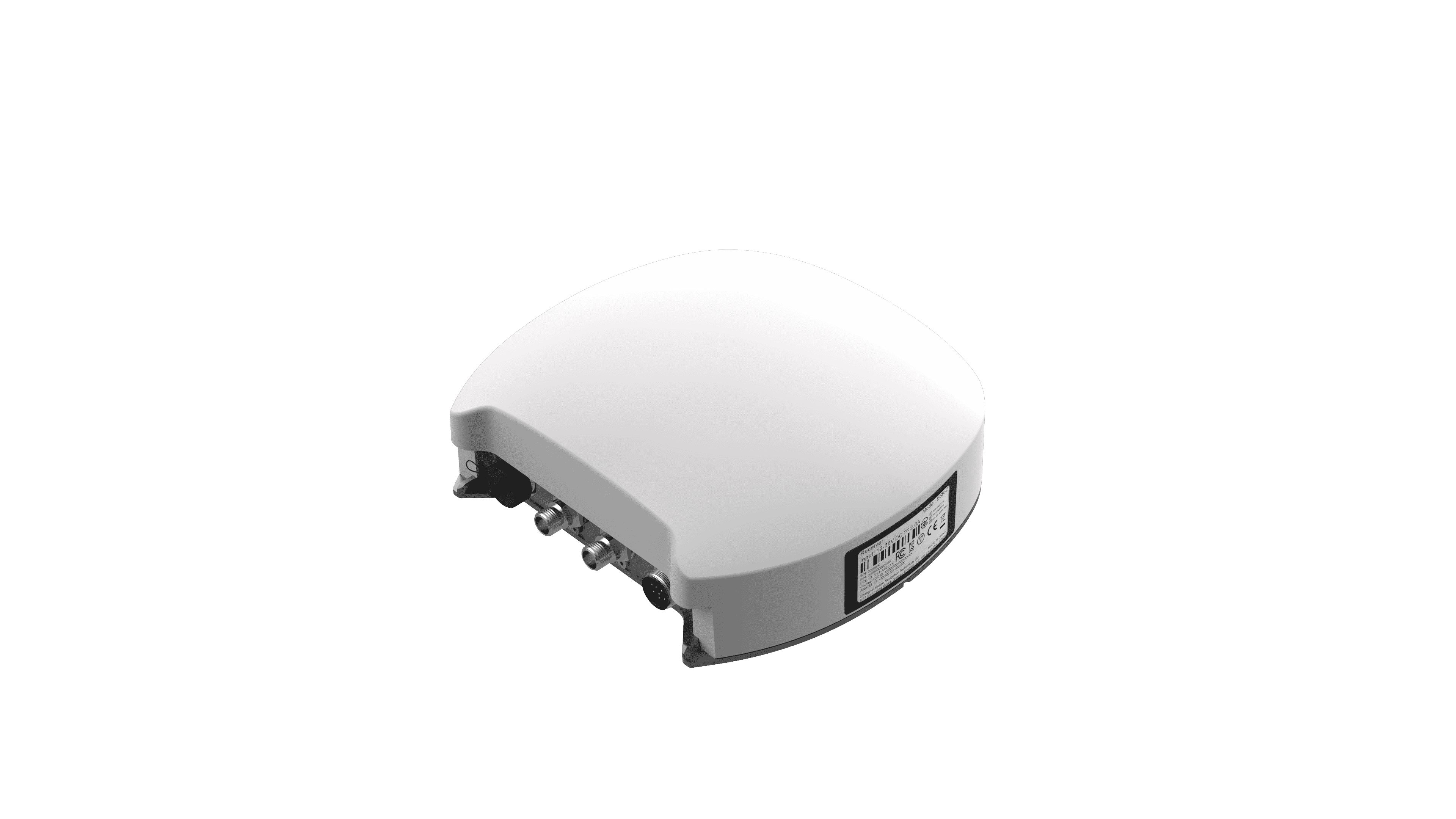
Operators seeking high-accuracy guidance for fieldwork must select a source for correction data. This decision often involves comparing a dedicated portable GNSS base station to a subscription-based Network RTK service. Each option presents a distinct set of operational and logistical characteristics. We will examine the functional advantages and limitations of both to clarify their respective roles in a precision operation.

Evaluating Control against Convenience
A primary distinction lies in the operational independence. A portable GNSS base station is a physical asset you establish on a known point, typically near the worksite. It generates its own correction signal, offering complete independence from cellular networks or subscription fees. This provides direct control over the system's availability. In contrast, Network RTK offers convenience, delivering corrections via a cellular modem from a remotely managed network of reference stations. This eliminates the need to set up your own base but requires a reliable cellular data connection throughout the working area.
Assessing Cost Structure and Operational Complexity
The financial and operational models differ significantly. A portable GNSS base station involves a higher initial capital investment for the hardware and requires personnel to perform the setup and calibration process. The ongoing cost is minimal, primarily limited to routine maintenance. Network RTK, however, typically operates on a recurring subscription fee. It simplifies daily workflow by removing the setup task but creates a continuous operational expense. The choice here balances upfront capital against annual fees, and manual procedure against automated service access.
Considering Reliability and Coverage Factors
The reliability of each system is tied to different factors. The performance of a privately operated portable GNSS base station is constrained by its effective broadcast range, often requiring repositioning to cover distant fields. Its uptime is entirely under your management. Network RTK coverage depends on the service provider's infrastructure and the density of their reference station network. While coverage can be extensive in supported regions, operation ceases in areas with poor cellular signal, creating a potential vulnerability for farms in remote locations.
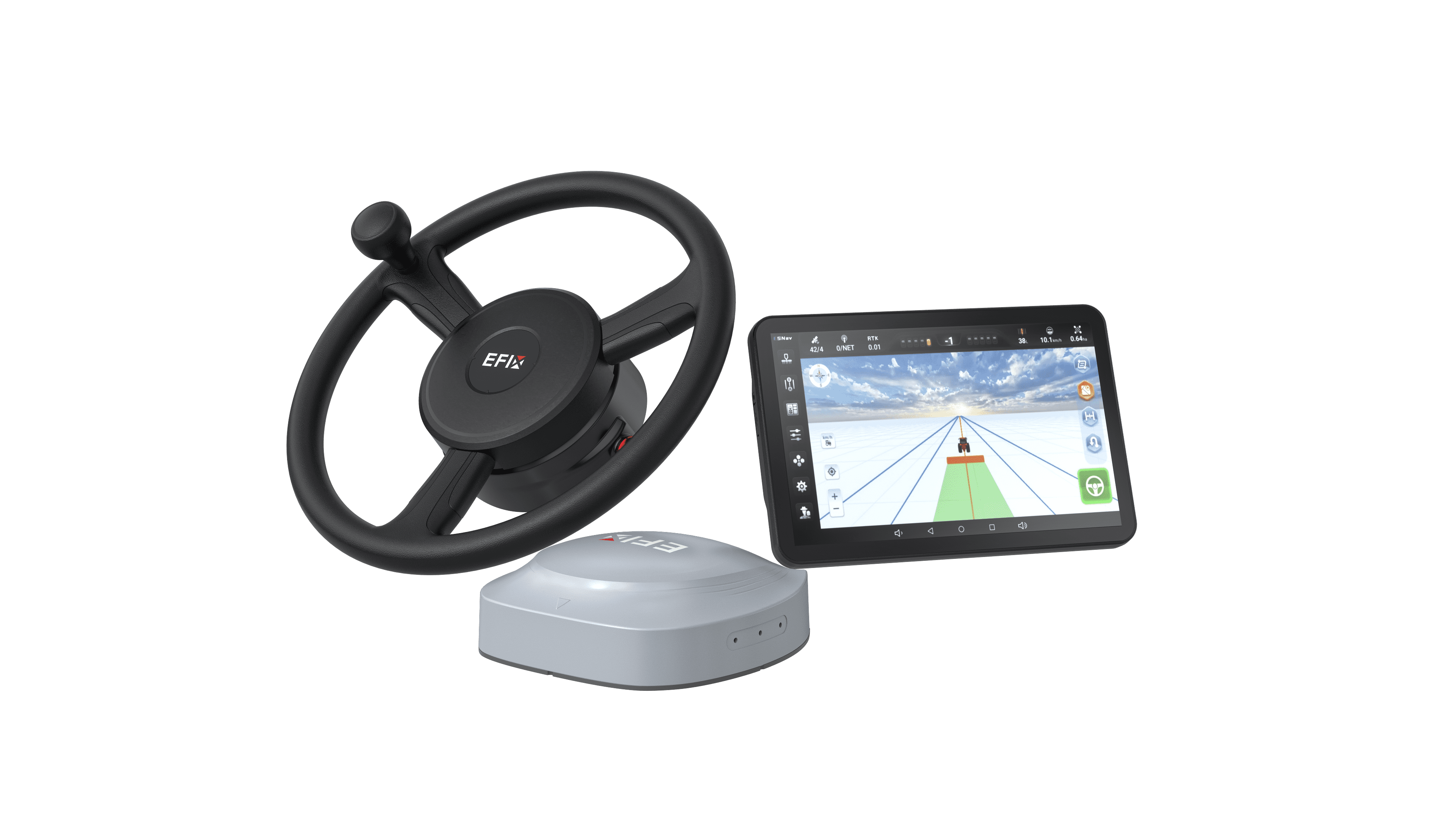
The selection between these correction sources is not a matter of universal superiority, but of alignment with specific operational conditions and preferences. Factors like farm geography, cellular coverage, capital availability, and technical capacity all inform this practical decision. At Efix, we support both approaches with compatible hardware and clear guidance. Our focus is on ensuring your chosen method—whether a self-contained portable GNSS base station or a networked service—integrates reliably with your equipment to deliver the positional accuracy required for precise field operations.