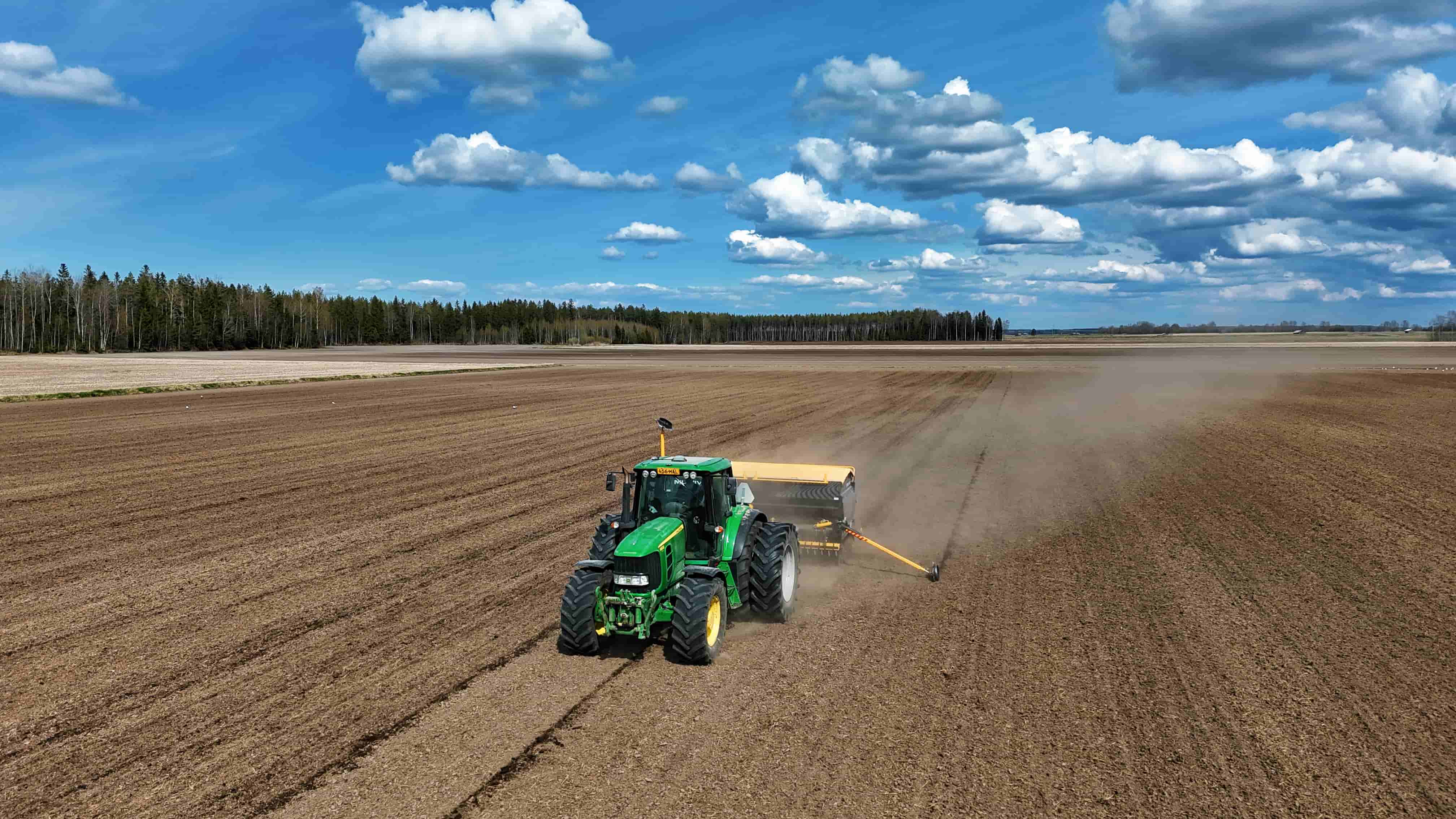
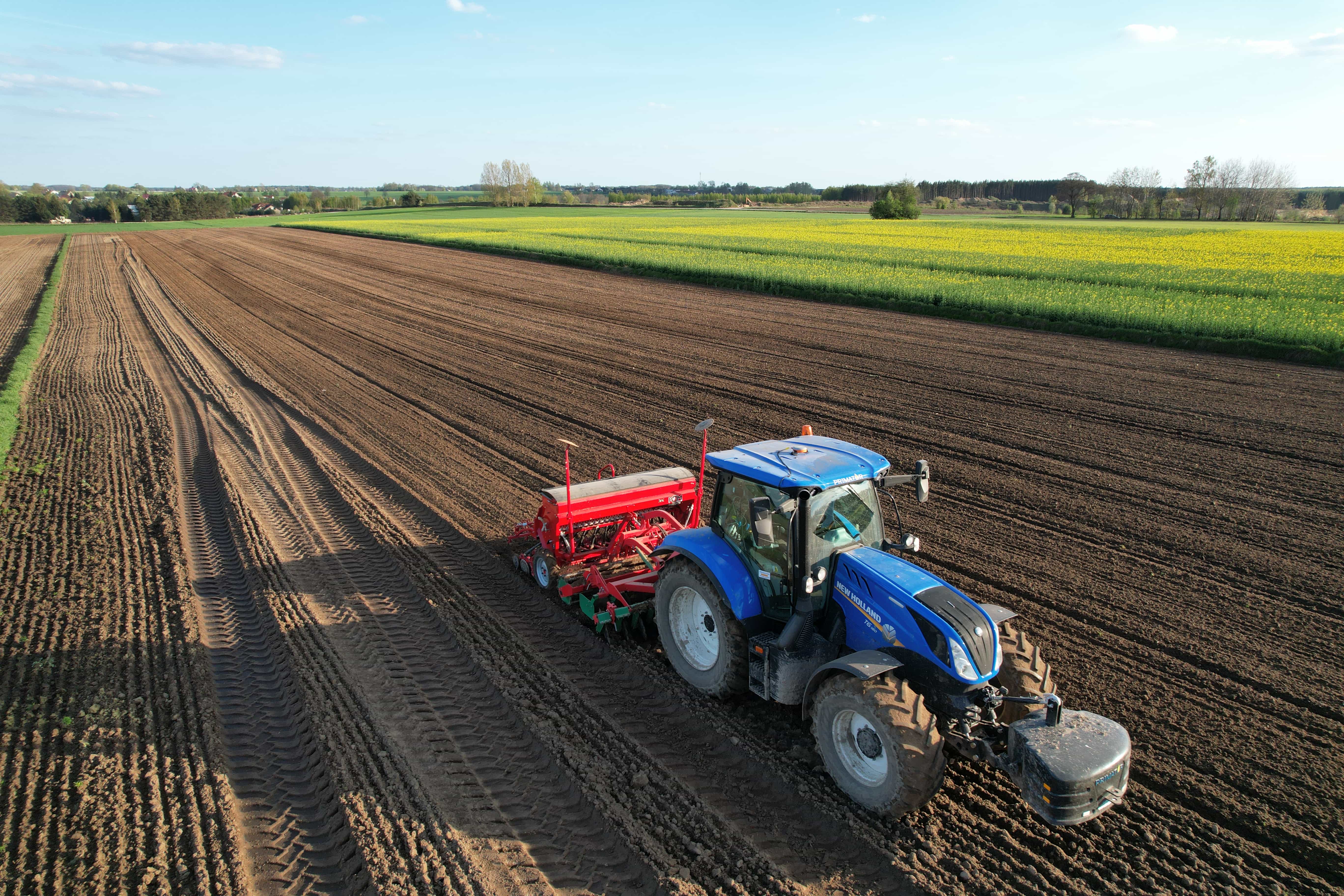
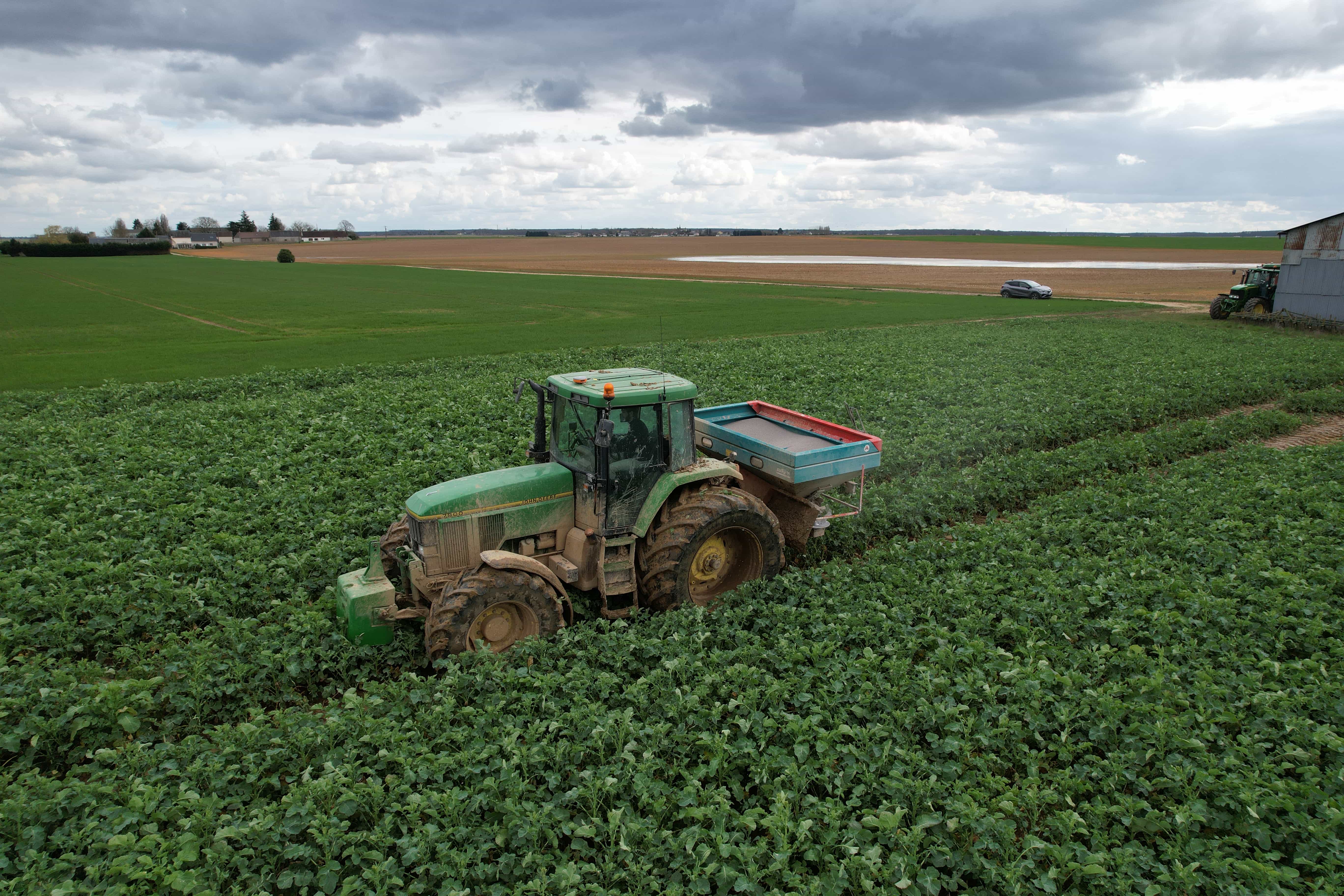
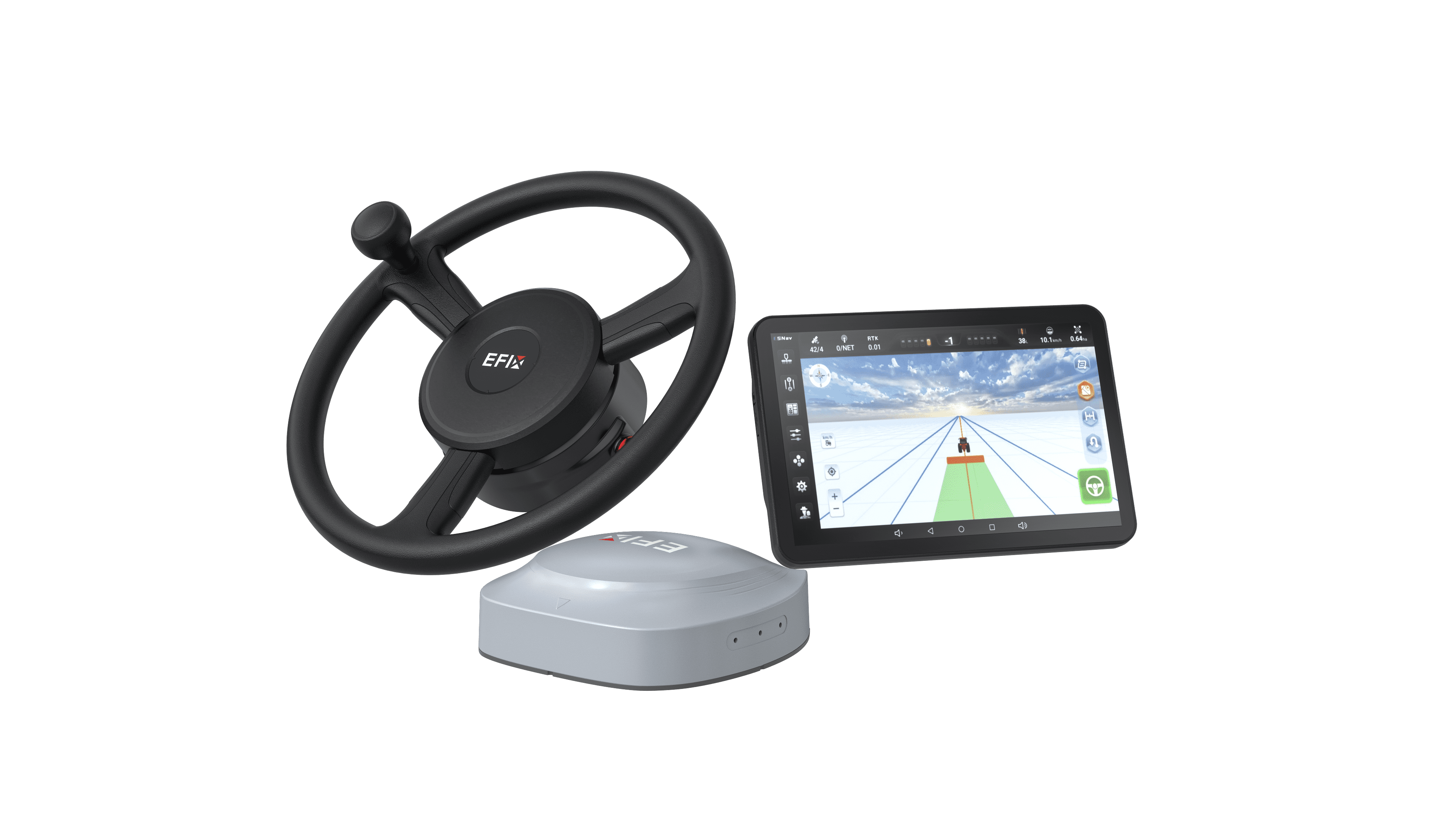
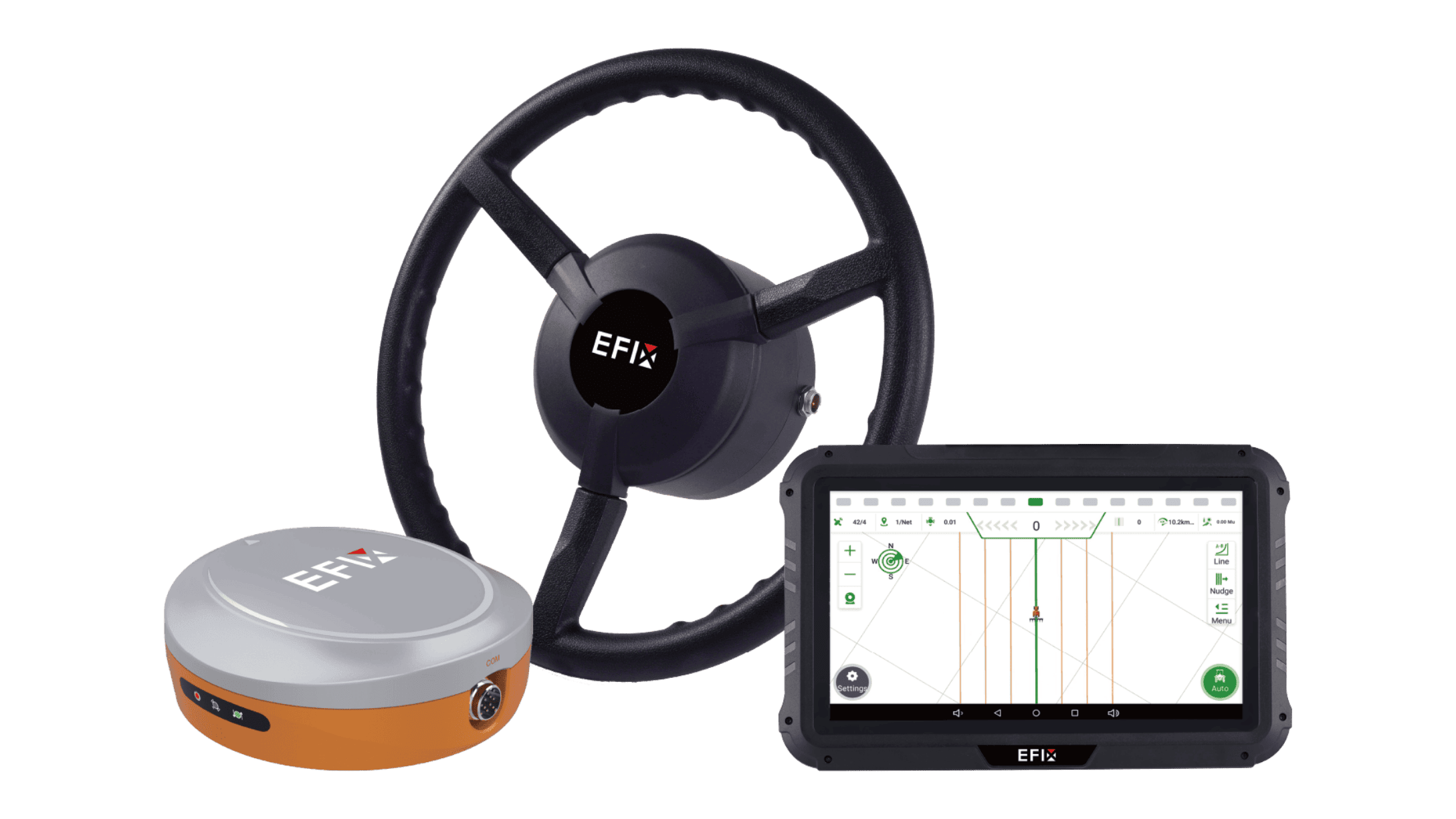
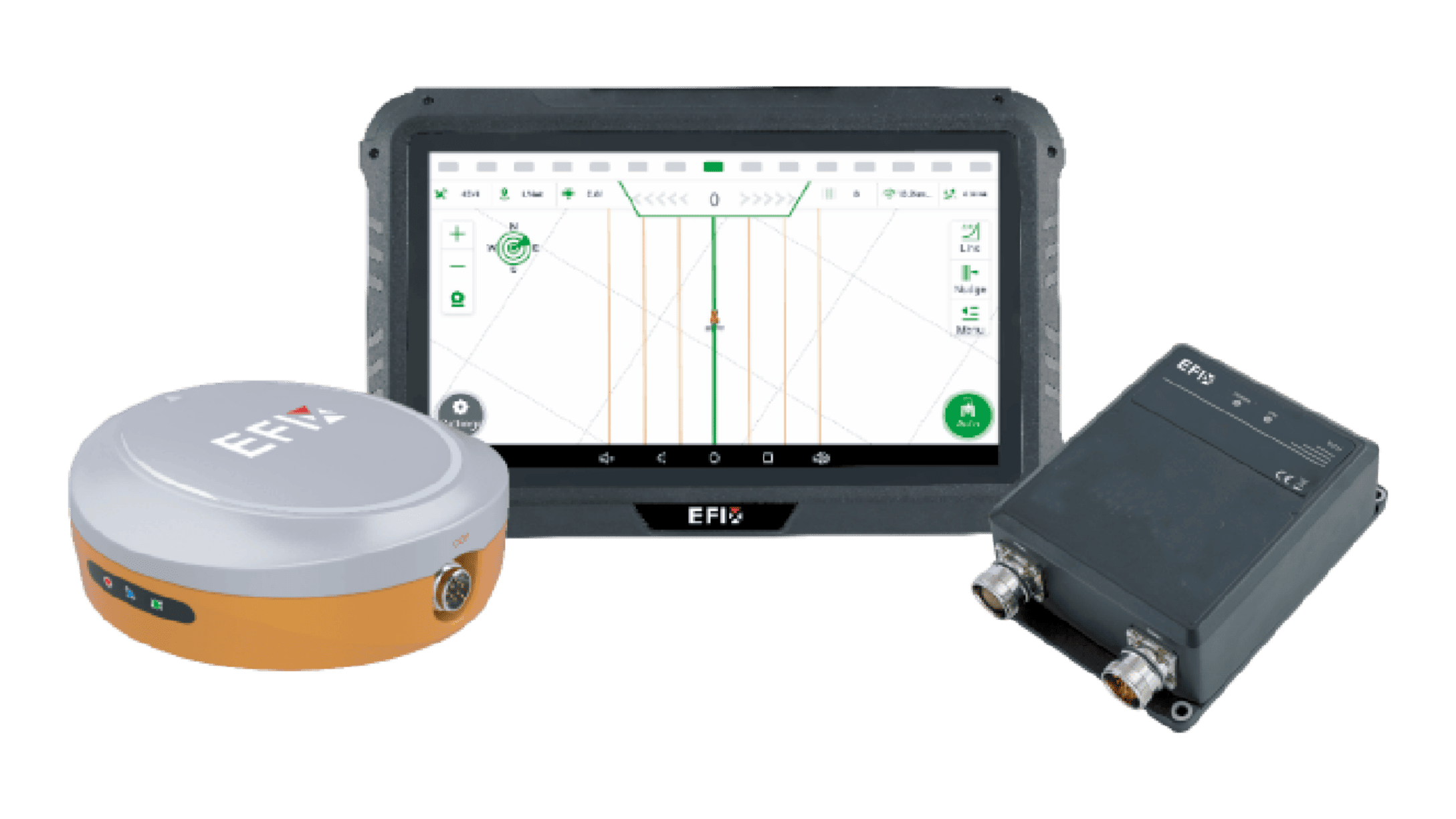
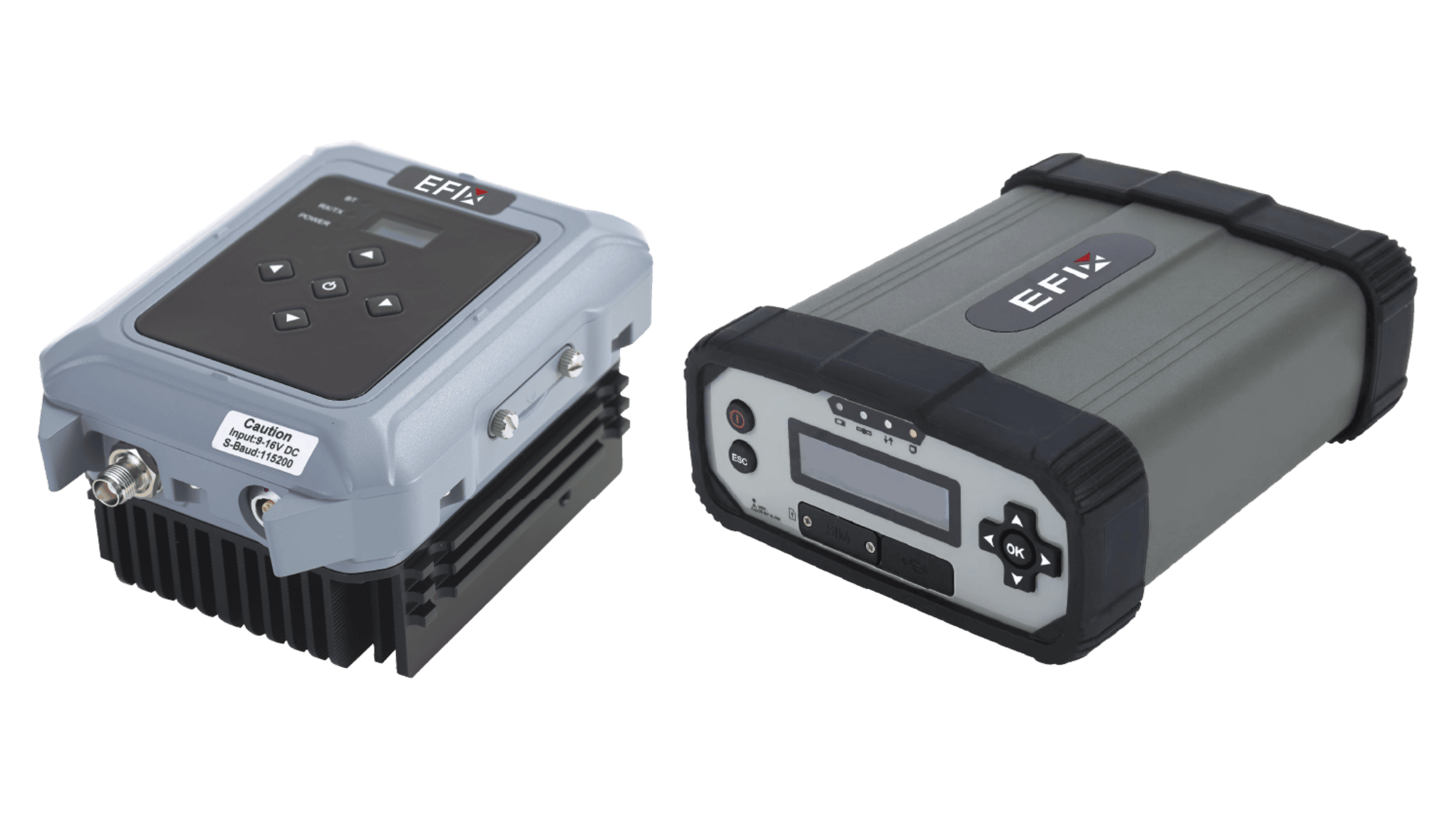
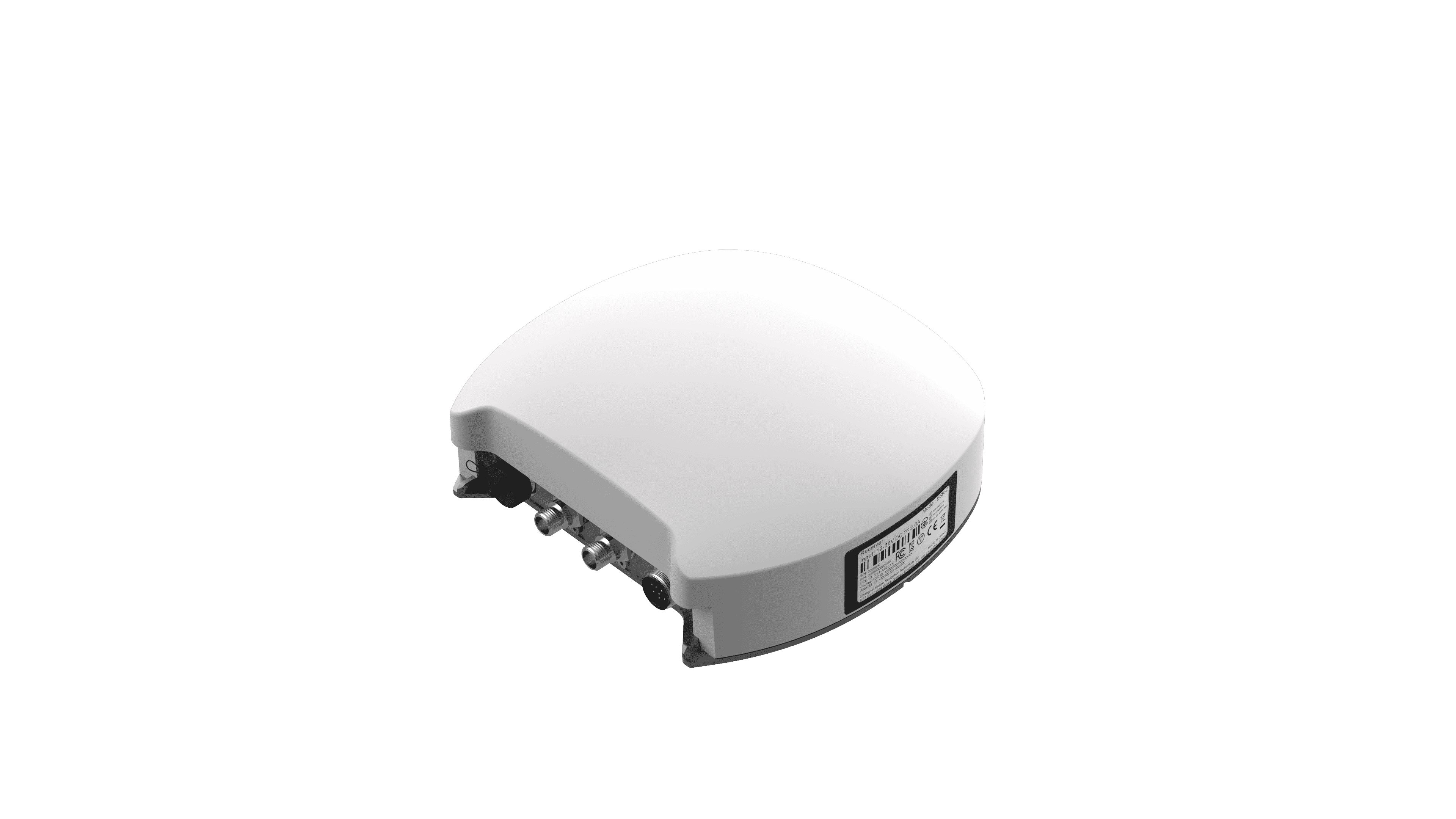
When integrating satellite-based guidance into agricultural equipment, the core component interpreting signal and position is the GNSS receiver. This device calculates location by processing data from constellations of satellites. We can categorize these units by their design approach and the level of accuracy they provide, which directly relates to their function in field operations.
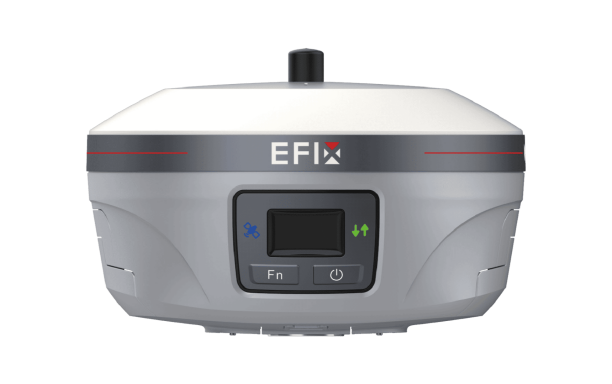
Single-Frequency Receivers for Standard Positioning
The most accessible category operates on a single satellite signal frequency. These receivers are effective for applications where meter-level accuracy is functional. Common uses include asset tracking, basic guidance for light applications, and creating general field boundary maps. While subject to certain atmospheric delays that affect precision, a single-frequency GNSS receiver offers a reliable entry point for establishing geospatial data points and performing operations where extreme precision is not the primary requirement.
Dual-Frequency Receivers and Corrected Accuracy
For tasks demanding higher precision, such as row-crop cultivation or variable-rate application, a more advanced category is necessary. Dual-frequency receivers process two separate satellite signals. This allows the unit to internally calculate and mitigate a significant portion of atmospheric interference that degrades accuracy. When paired with a correction signal from a satellite or ground-based source, this type of GNSS receiver can achieve consistent sub-inch or centimeter-level performance. This high level of reliability supports intricate guidance patterns and accurate data collection for detailed field analysis.
Multi-Constellation and Ruggedized Design Considerations
Beyond signal frequency, hardware design impacts performance and durability. Modern receivers are often multi-constellation, capable of connecting to several satellite networks simultaneously. This increases the number of available satellites in view, improving signal reliability in challenging environments like near tree lines or structures. Furthermore, agricultural receivers are built with rugged housing to withstand vibration, moisture, and dust. This ensures the sensitive electronics within a GNSS receiver can maintain operation in the demanding conditions of a working farm.
Selecting the appropriate category depends on the specific accuracy demands of the intended agricultural tasks. The progression from general positioning to high-accuracy guidance reflects a move toward more data-intensive management. At Efix, our engineering focuses on providing robust hardware options that match these distinct operational tiers. We ensure our supported GNSS receiver solutions deliver the stated performance reliably, forming a trustworthy foundation for precision agriculture systems.