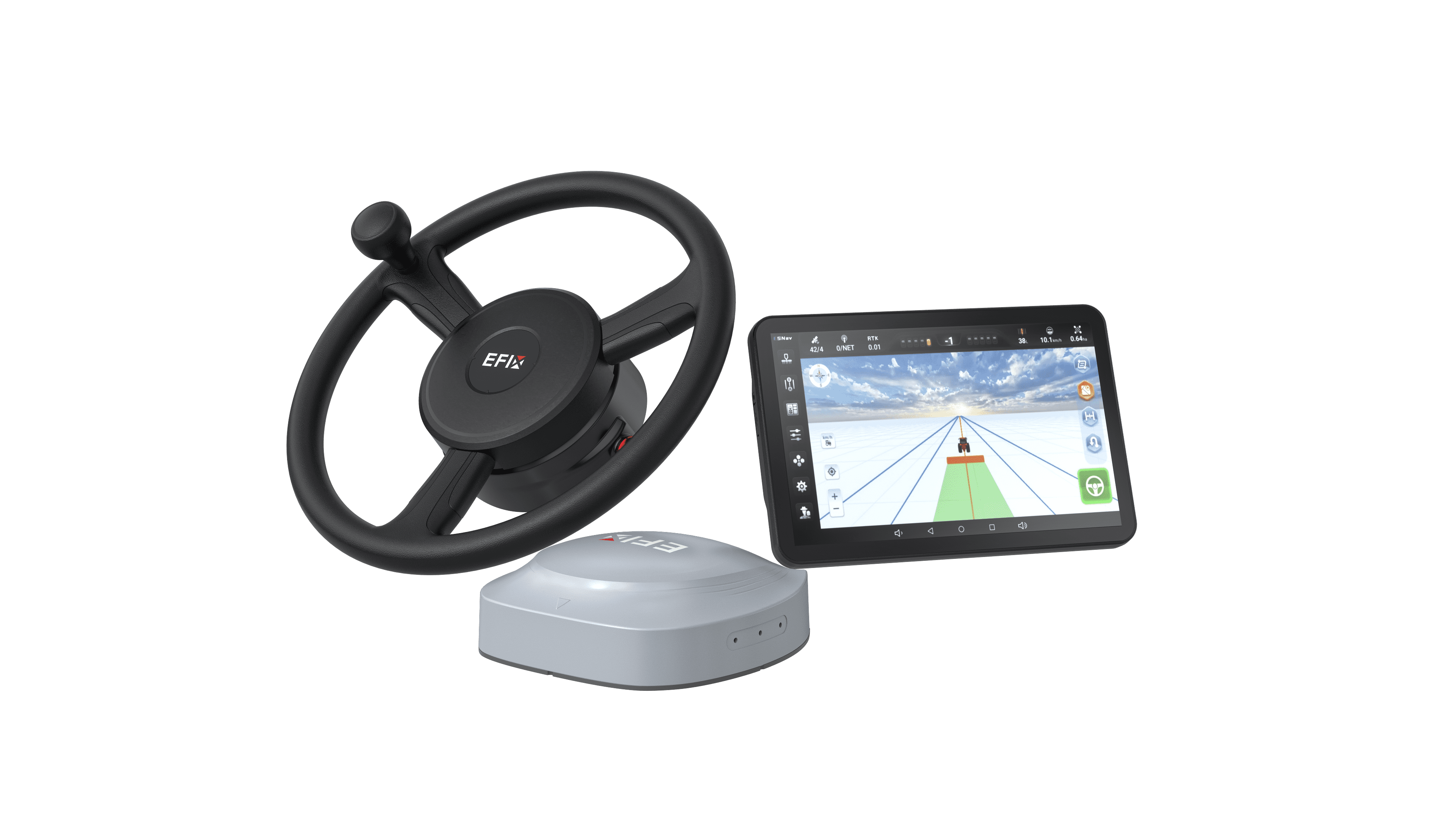
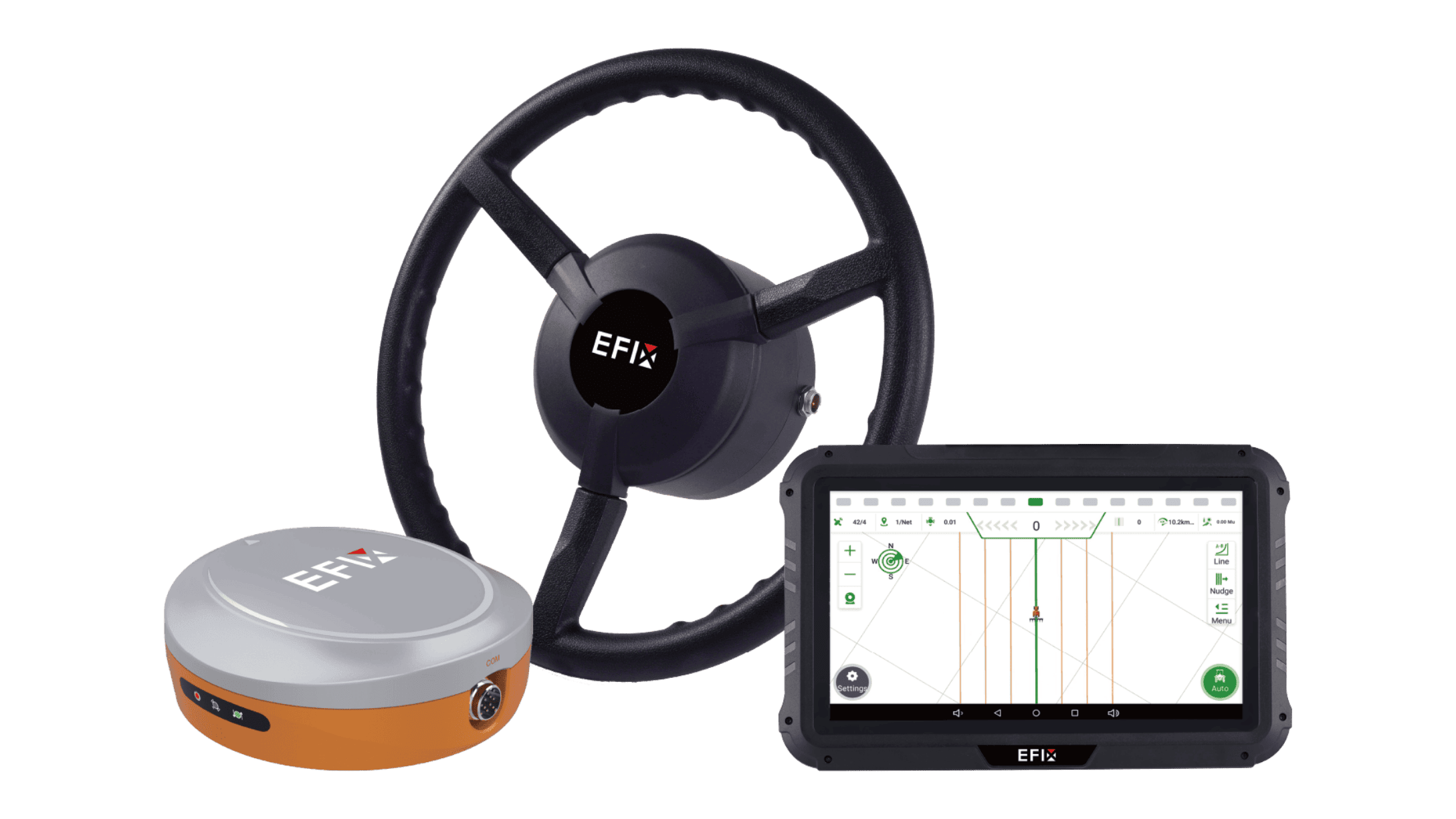
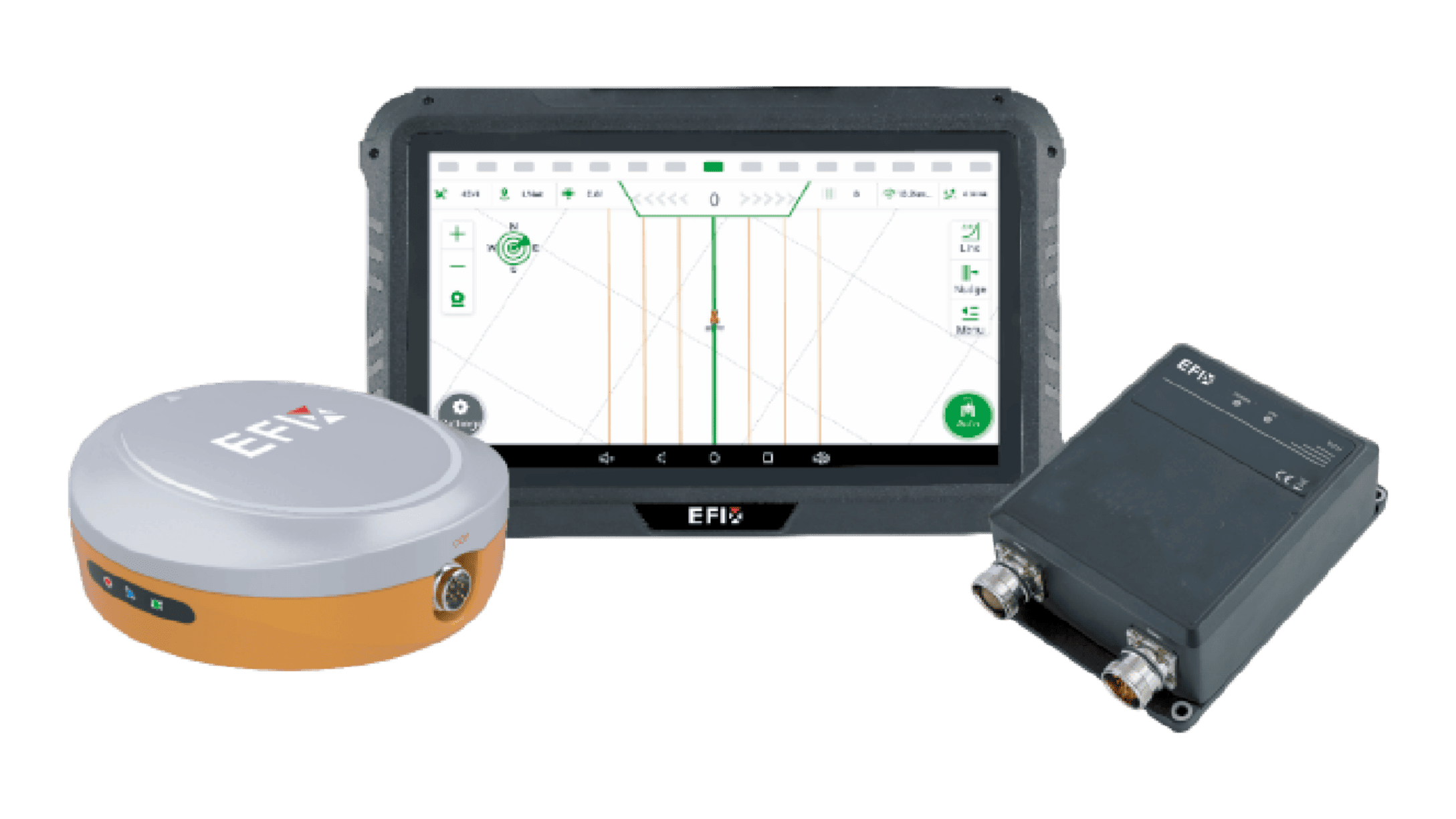
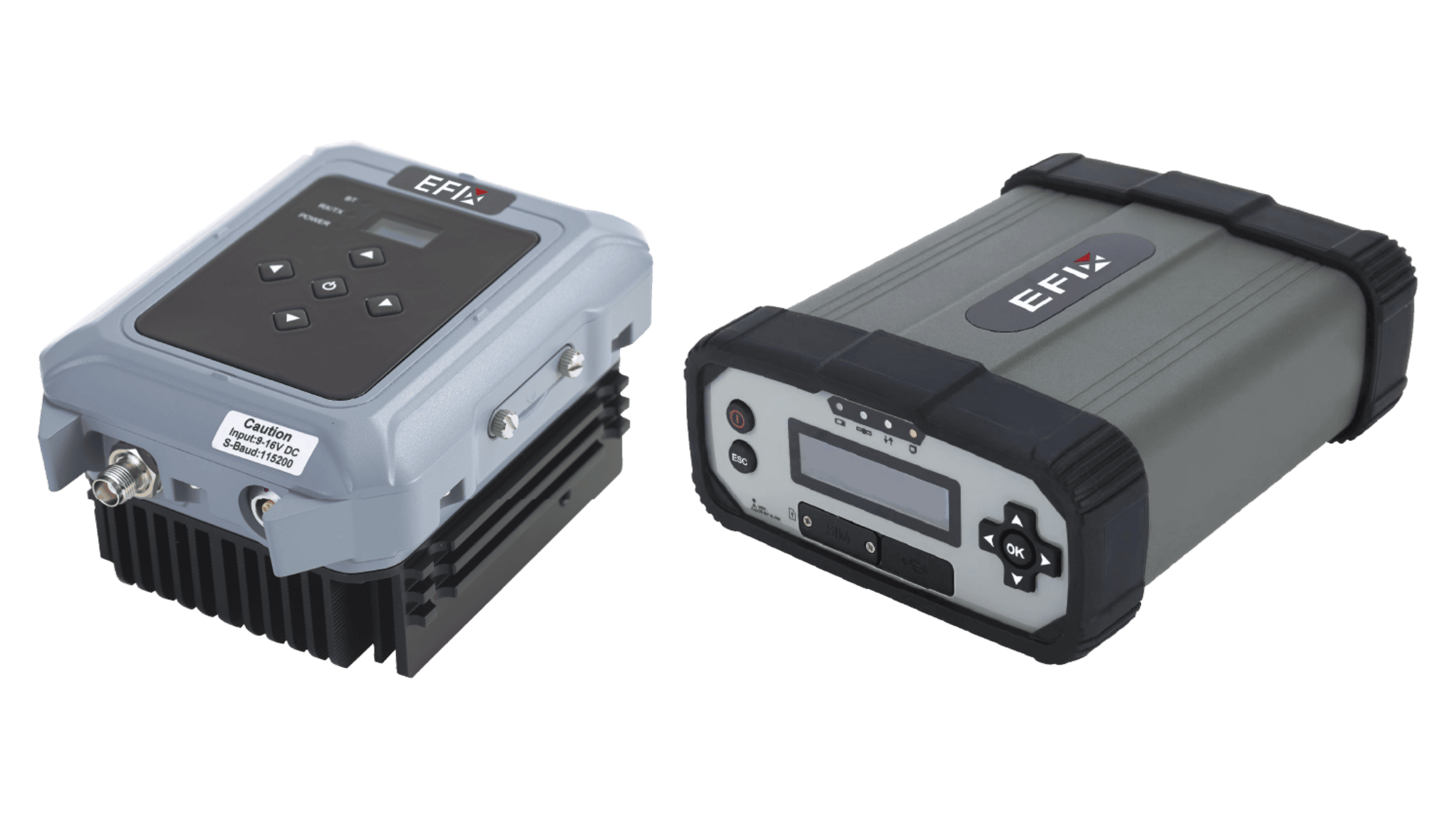
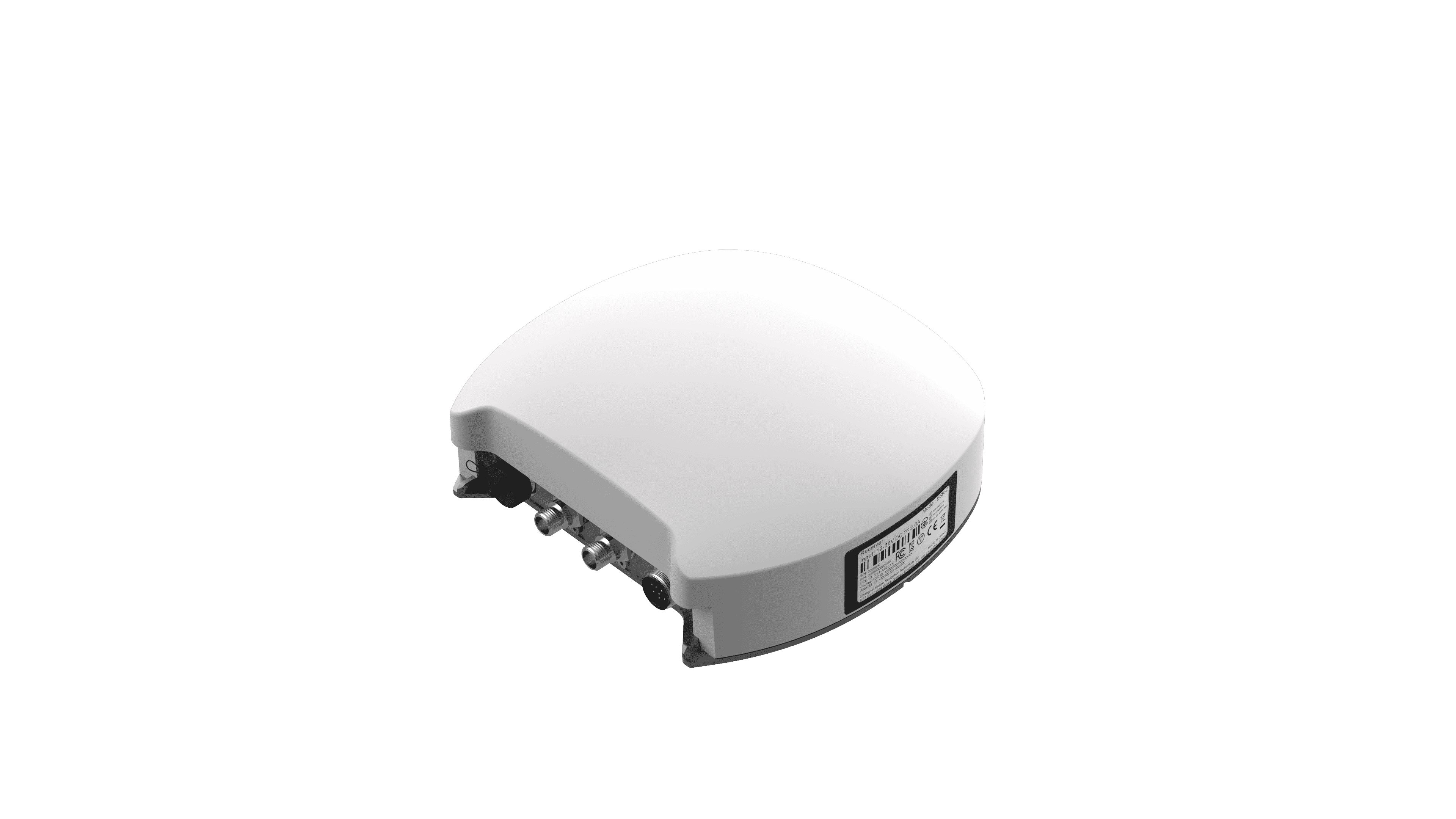
Evaluating components for a positioning system requires attention to specific technical attributes that directly influence performance. For operations dependent on exact positioning, the choice of a high precision gnss receiver involves several key considerations. We examine three primary feature categories that determine the capability and reliability of these devices in demanding field conditions.

Signal Tracking and Multi-Frequency Capability
The foundational role of any receiver is to track satellite signals consistently. A primary feature to assess is the number of satellite constellations—such as GPS, GLONASS, Galileo, and BeiDou—the device can access simultaneously. More significantly, a high precision gnss receiver should utilize multiple frequency bands from these satellites. Dual or triple-frequency reception allows the device to correct for signal delays caused by the ionosphere, a major source of error. This capability is fundamental for achieving and maintaining centimeter-level accuracy, especially over large areas or during periods of atmospheric disturbance. The robustness of signal tracking in obstructed environments, like near tree lines or structures, is also a direct function of advanced chipset design and antenna quality.
Correction Service Compatibility and Data Integrity
Raw satellite signals alone are insufficient for high-precision work. The receiver must be compatible with reliable correction data streams to refine its position. Key features here include support for multiple correction sources, such as public SBAS, subscription-based RTK networks, and private base stations. A quality high precision gnss receiver will offer flexible input options for these signals via cellular modem, radio, or internet connection. Furthermore, internal data integrity checks are vital. Look for features like advanced fault detection and algorithm stability that ensure the receiver provides a consistent, reliable position and will alert the operator rather than deliver misleading data during signal interruptions.
Physical Endurance and System Integration
The operational environment for agricultural technology is harsh. Therefore, the receiver's physical construction is a critical feature. This includes a high ingress protection (IP) rating against dust and moisture, wide operational temperature ranges, and durable connector designs. Beyond standalone durability, consider integration features. The receiver should offer standard communication protocols, such as NMEA or CAN bus, for seamless data exchange with displays, controllers, and implement systems. Ease of mounting and a streamlined cable design also contribute to long-term reliability by reducing installation complexity and potential points of failure.
Selecting a receiver based on these attribute categories—signal sophistication, correction flexibility, and rugged integration—provides a framework for informed comparison. The interaction of these features determines real-world performance more than any single specification. At Efix, our engineering process for a high precision gnss receiver focuses on harmonizing these elements. We prioritize multi-frequency tracking, versatile correction compatibility, and industrial-grade durability, aiming to deliver a component that serves as a dependable cornerstone for larger precision systems. Our goal is to supply a receiver that provides the consistent positional foundation required for effective automated guidance and data collection.