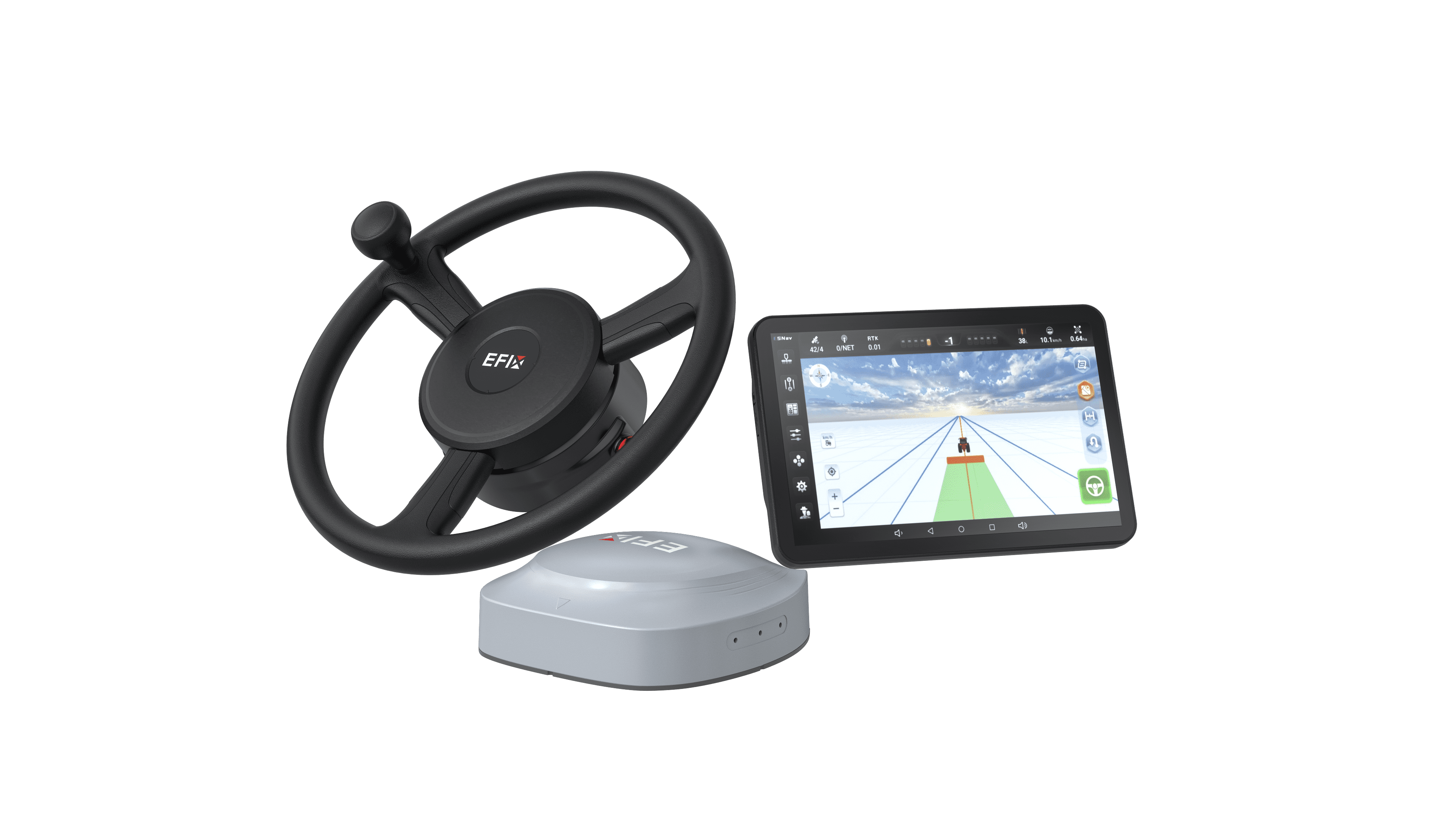
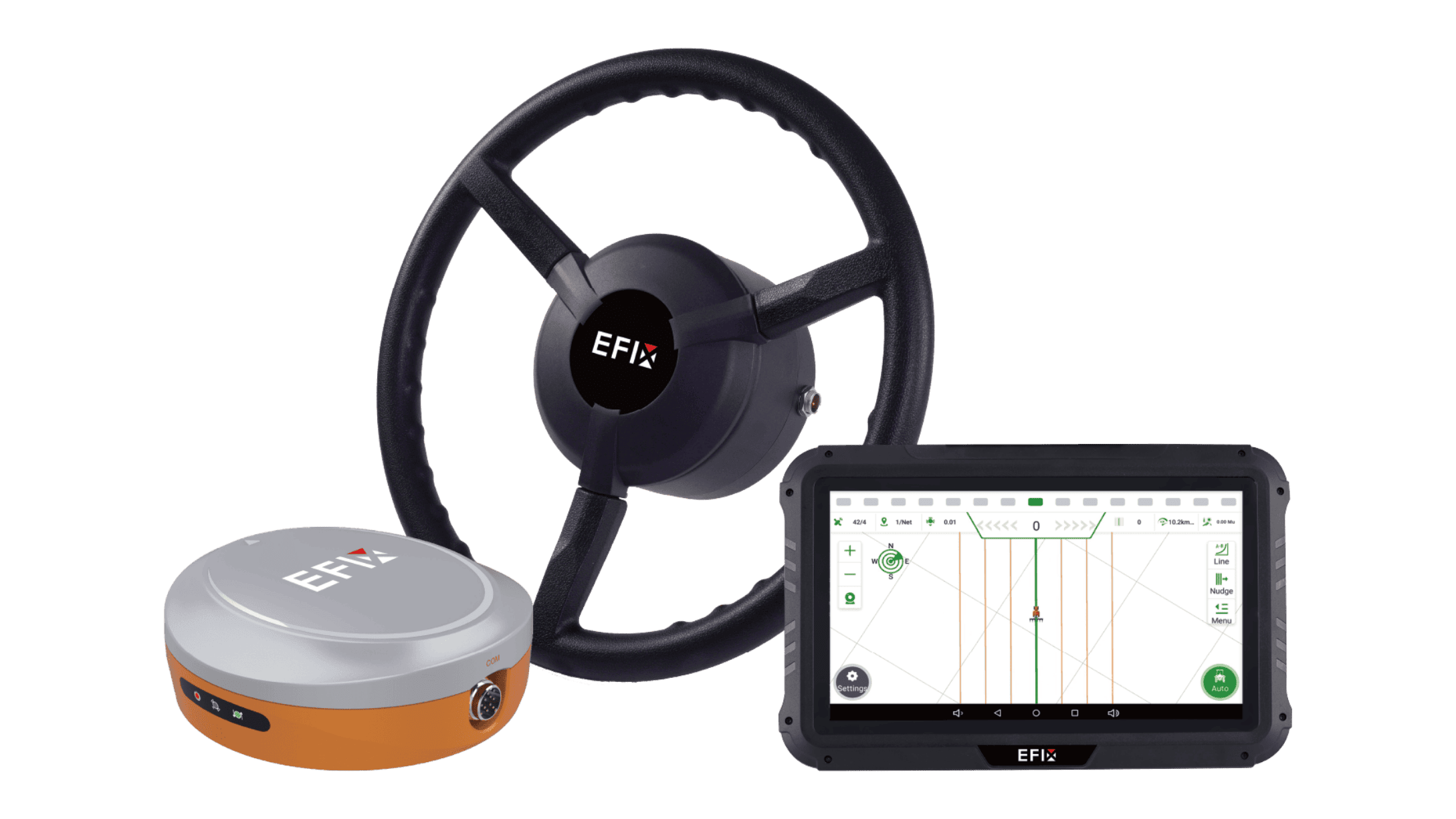
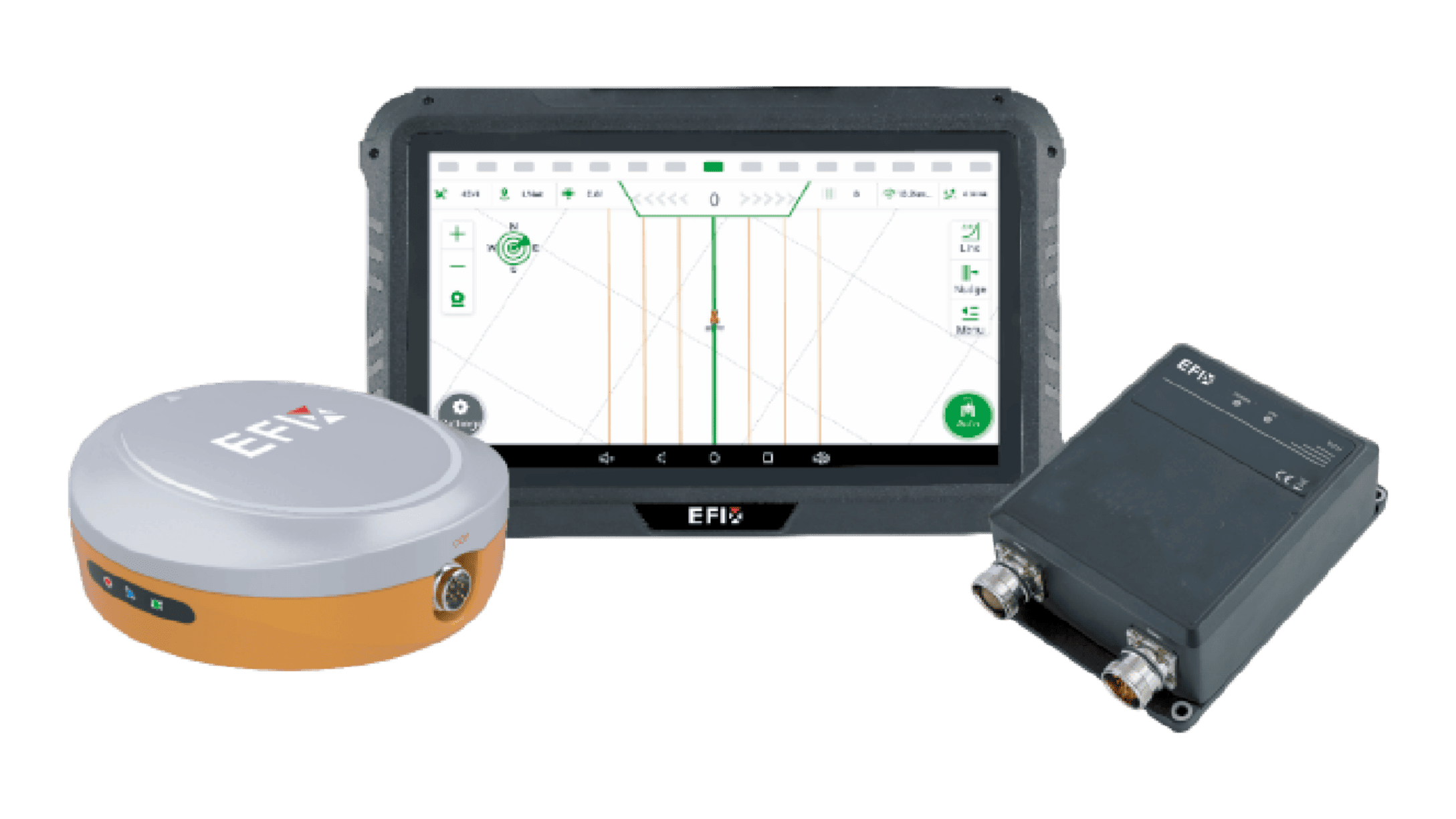
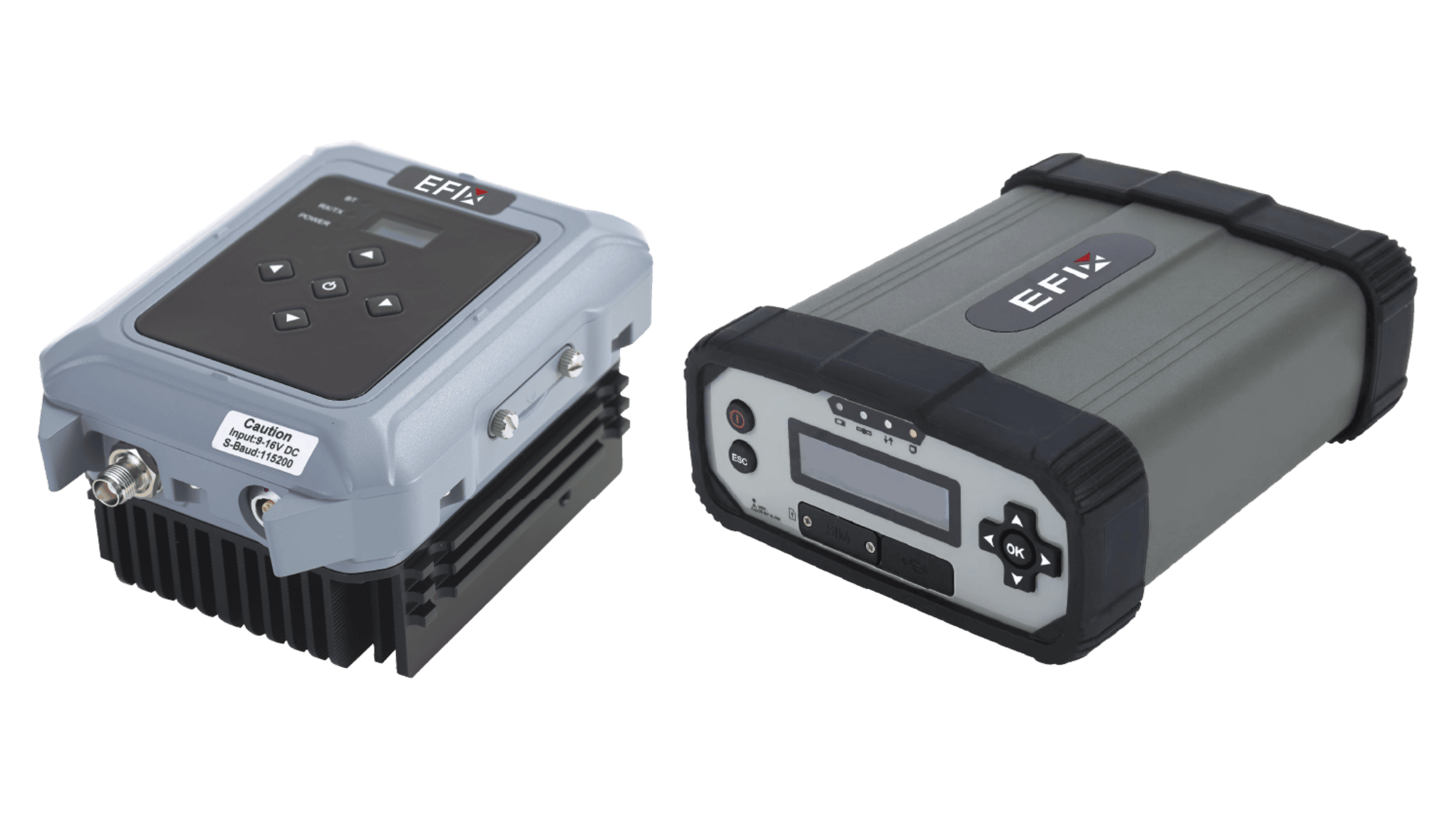
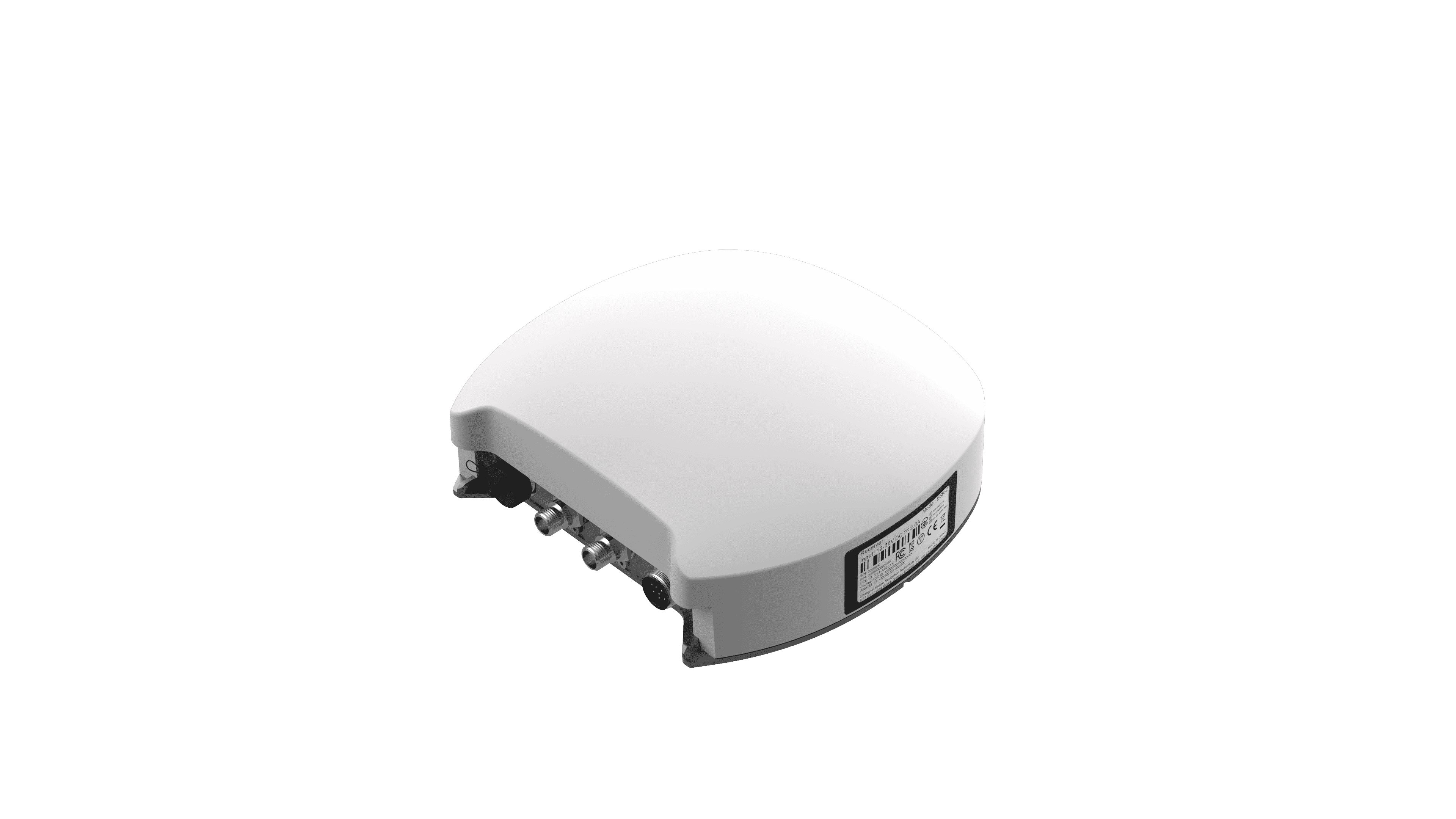
Regular attention to equipment forms the basis of reliable field performance. For technologies like a GNSS auto steer system, a structured maintenance approach supports both its immediate function and its operational lifespan. We at Efix see maintenance as a series of planned actions, not just reactive repairs. A consistent care routine addresses software, hardware, and environmental factors that influence accuracy and reliability, helping to sustain the system's contribution to field operations.

Implementing Routine Physical Inspections and Connections
A practical starting point involves the physical components. Periodic visual checks of the antenna, its mount, and cabling for signs of wear, corrosion, or loose connections are necessary. Vibration during field use can gradually loosen connectors, potentially interrupting signal or power. The hydraulic valve or motor that interfaces with the steering mechanism should be examined for leaks or unusual operation. Ensuring the display and controller are clean, securely mounted, and free from moisture intrusion also falls within this scope. These physical inspections form a first layer of defense against failures that could take a GNSS auto steer system offline during critical work periods.
Managing Software Updates and Performance Calibration
The digital component requires equal attention. Manufacturers release firmware and software updates that can improve stability, add functionality, or enhance compatibility. Scheduling these updates during off-season periods prevents interruptions. Equally important is the regular calibration of system components. This includes checking and updating the steering calibration to account for any mechanical wear, verifying the accuracy of the system's internal measurement units, and confirming the configuration settings for different implements. This process ensures the electronic guidance commands correctly translate into precise mechanical movements in the field, maintaining the intended performance level of your GNSS auto steer system.
Protecting System Integrity from Environmental and Data Issues
Long-term care also involves mitigating external factors. Using protective covers for antennas and displays when not in use guards against UV degradation and weather. Planning for proper storage conditions, considering temperature and humidity, helps preserve electronics. Furthermore, maintaining the quality of foundational data is a related aspect. This includes verifying that the correct coordinate system and datums are applied for your location and ensuring field boundaries or guidance lines are accurately defined. Inaccurate reference data will compromise the output of even a perfectly maintained physical and software system.
Sustained performance from a GNSS auto steer system arises from a holistic view of care that combines physical checks, software management, and environmental protection. This integrated approach helps prevent unplanned downtime and preserves accuracy. At Efix, our support extends into this operational philosophy. We provide guidance on establishing these maintenance routines and are focused on ensuring the system remains a dependable component within your broader equipment lineup, supporting precise and efficient fieldwork season after season.