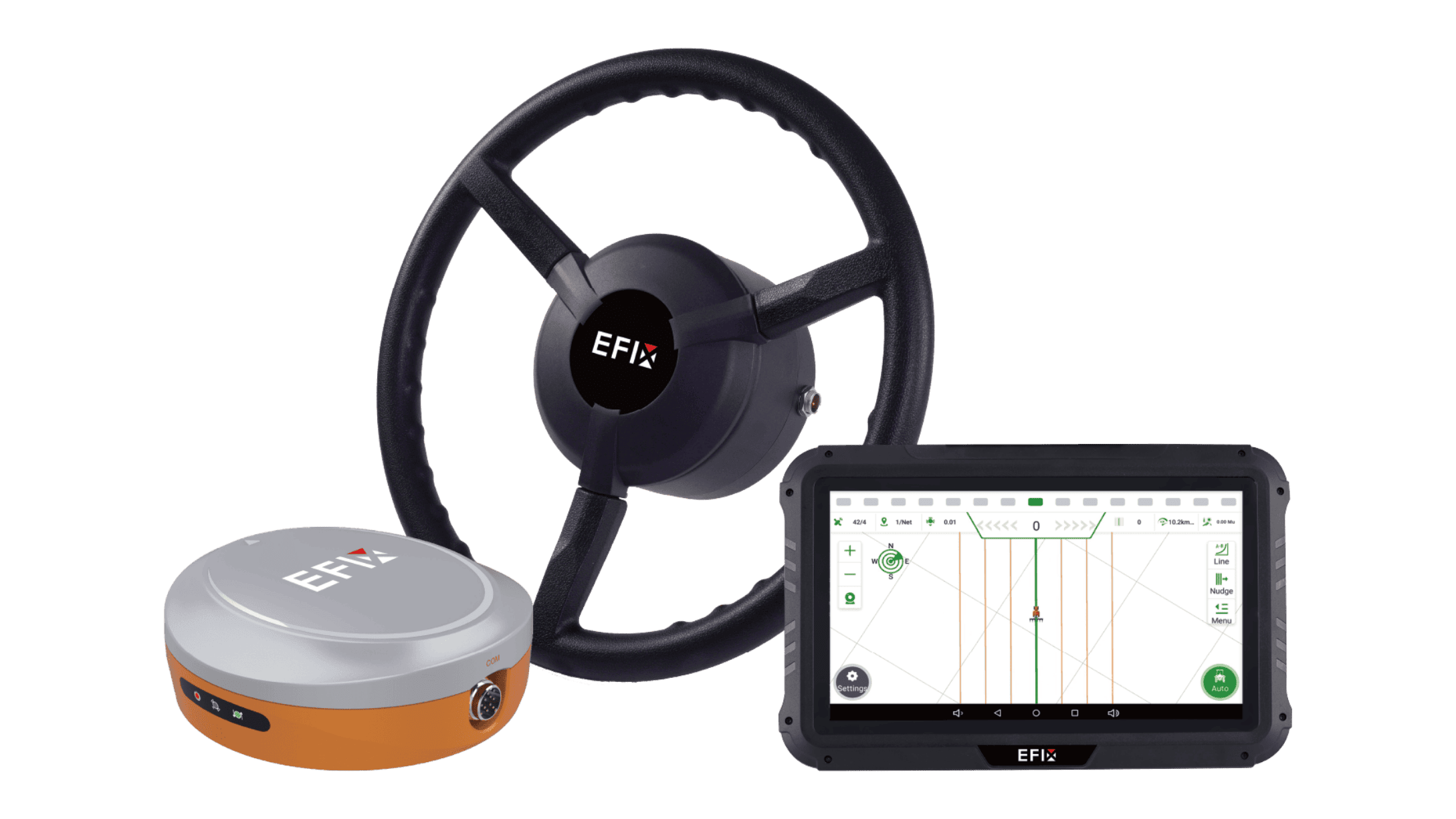
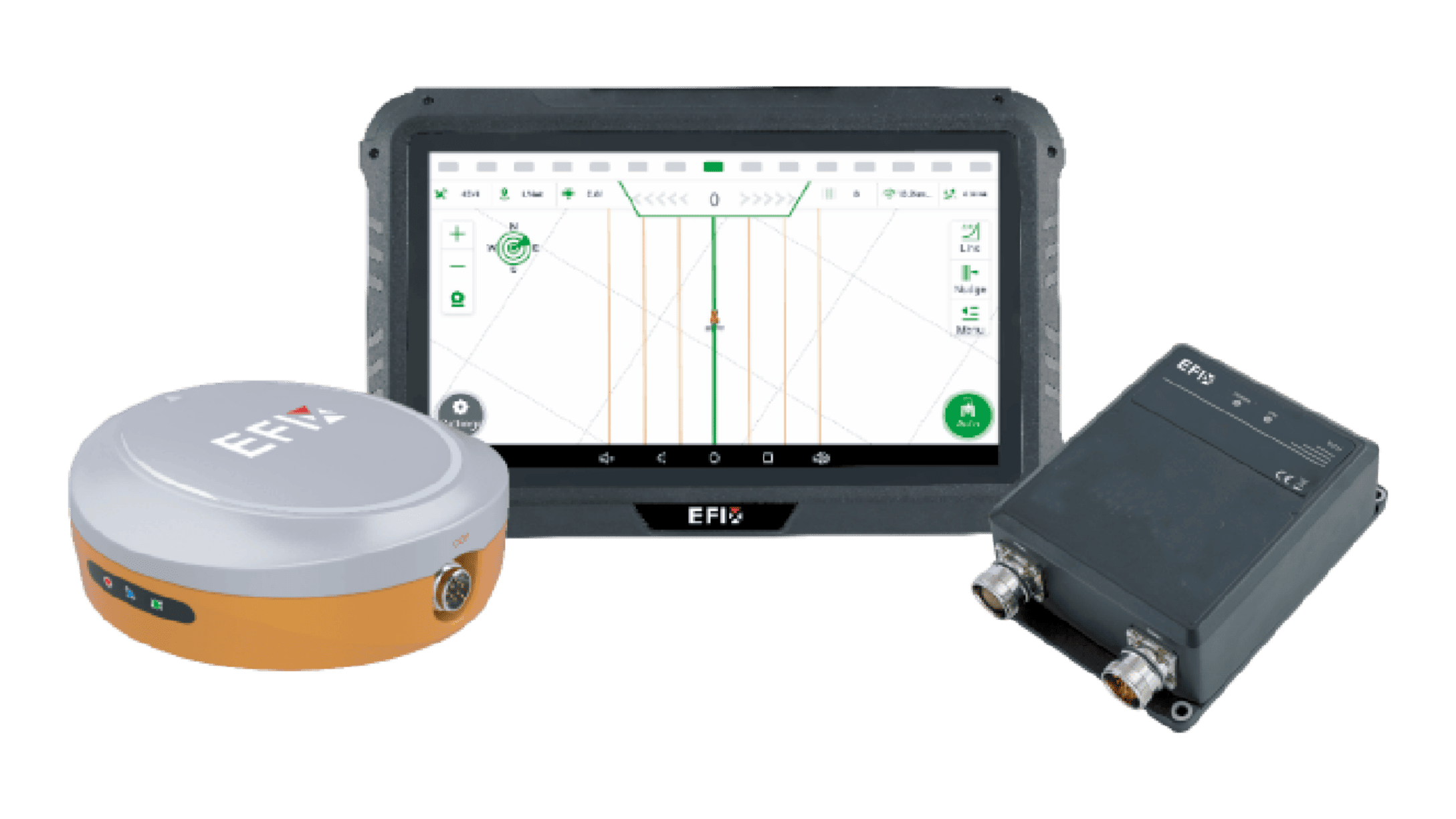
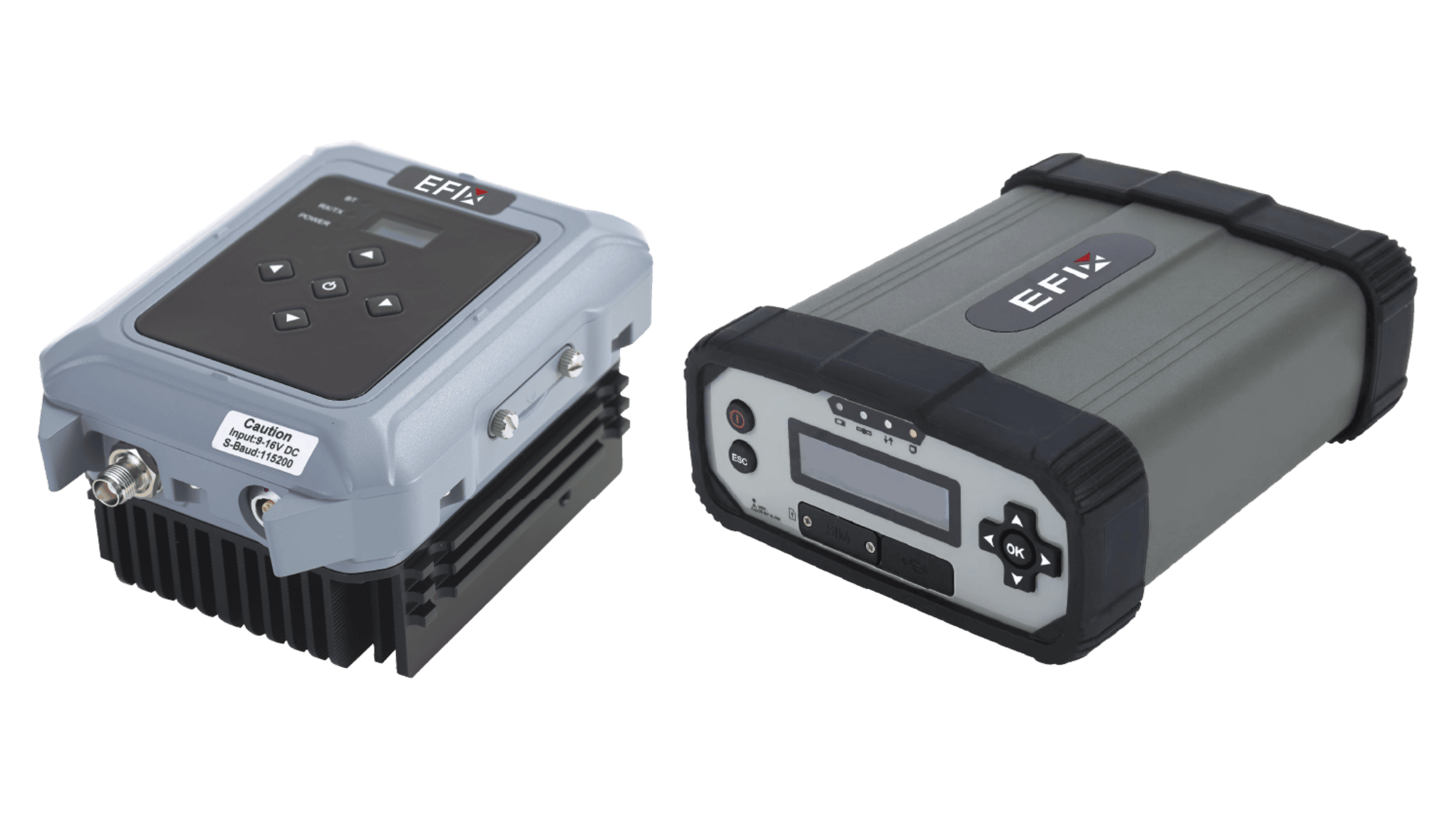
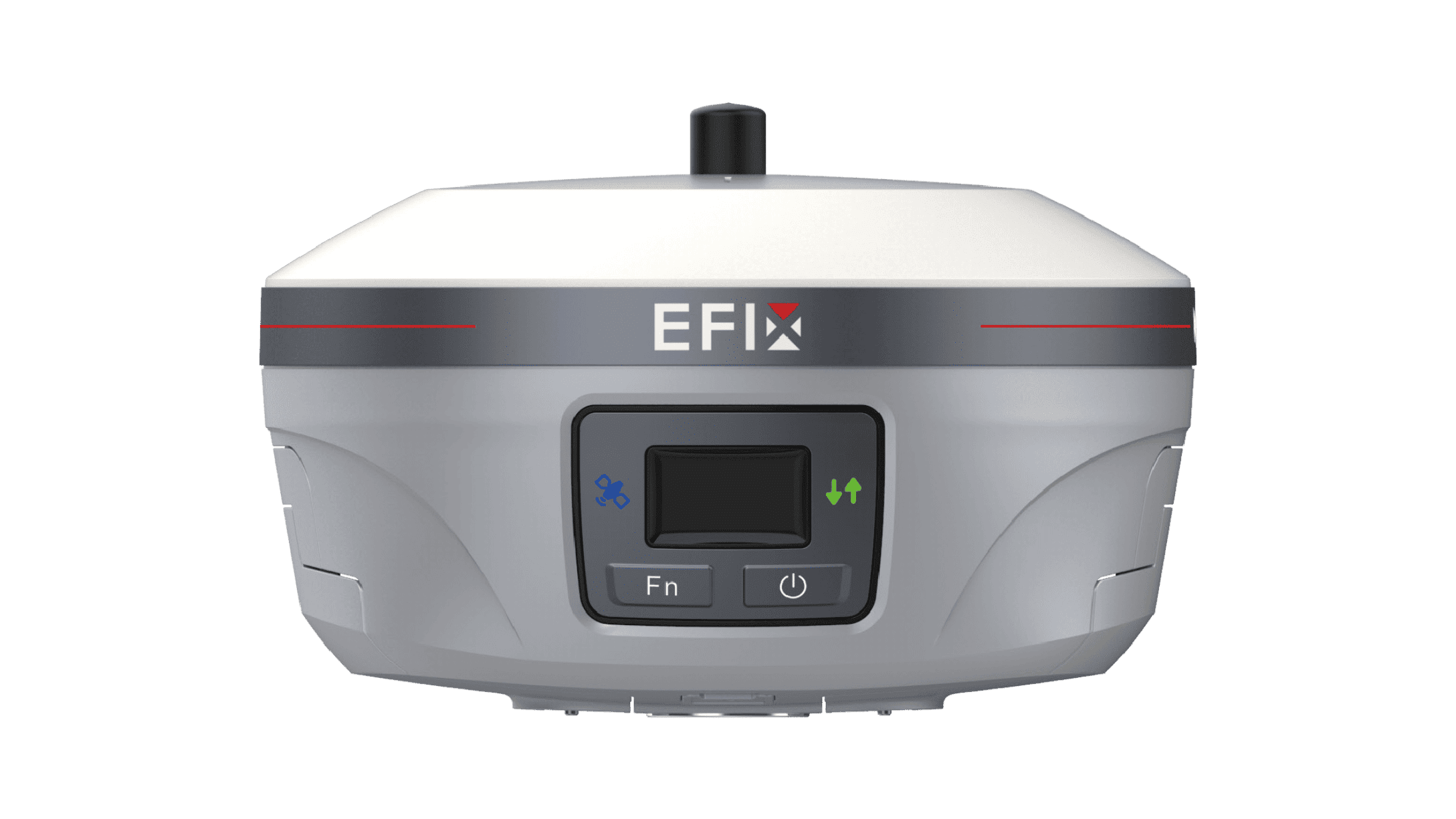
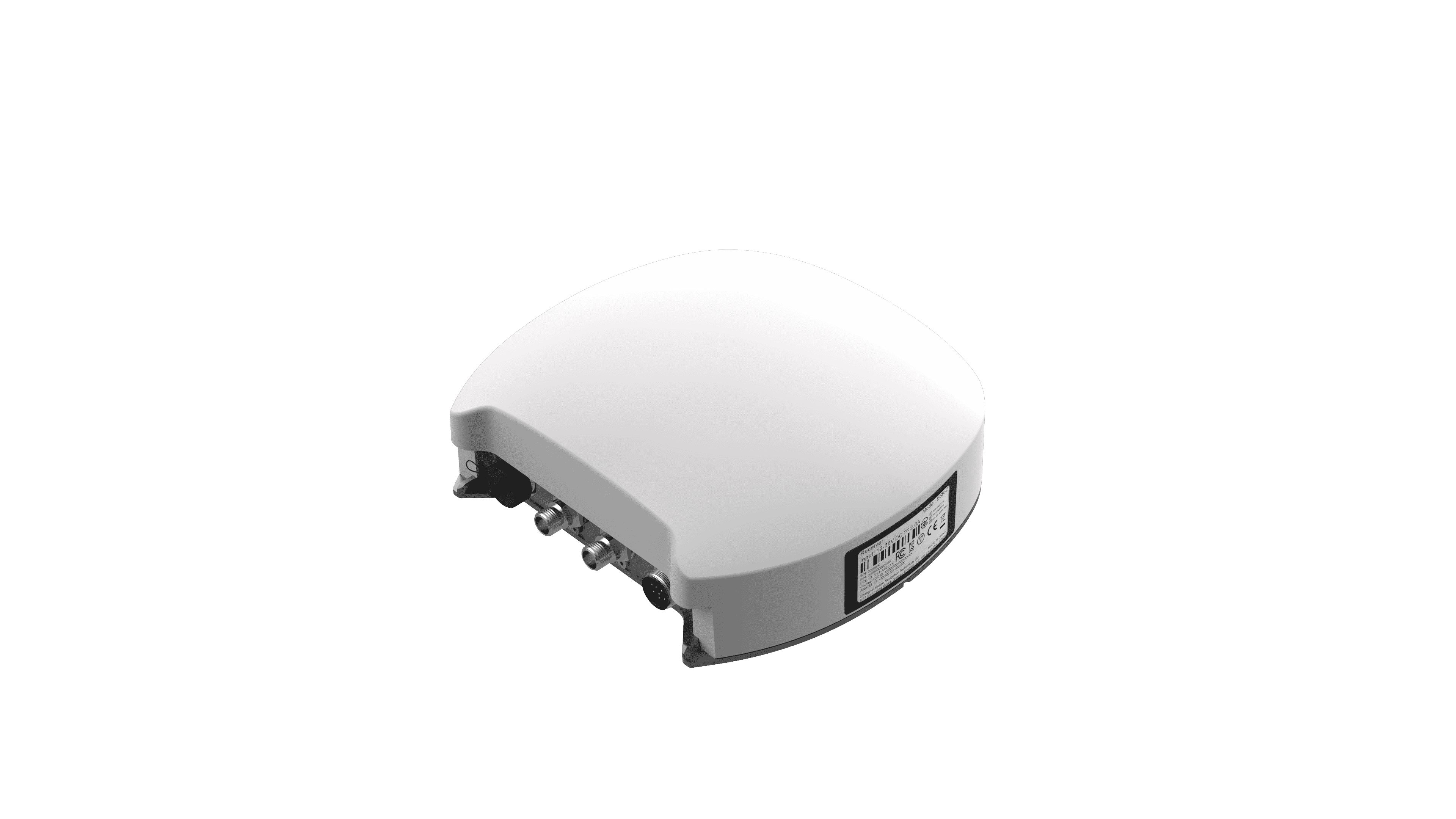
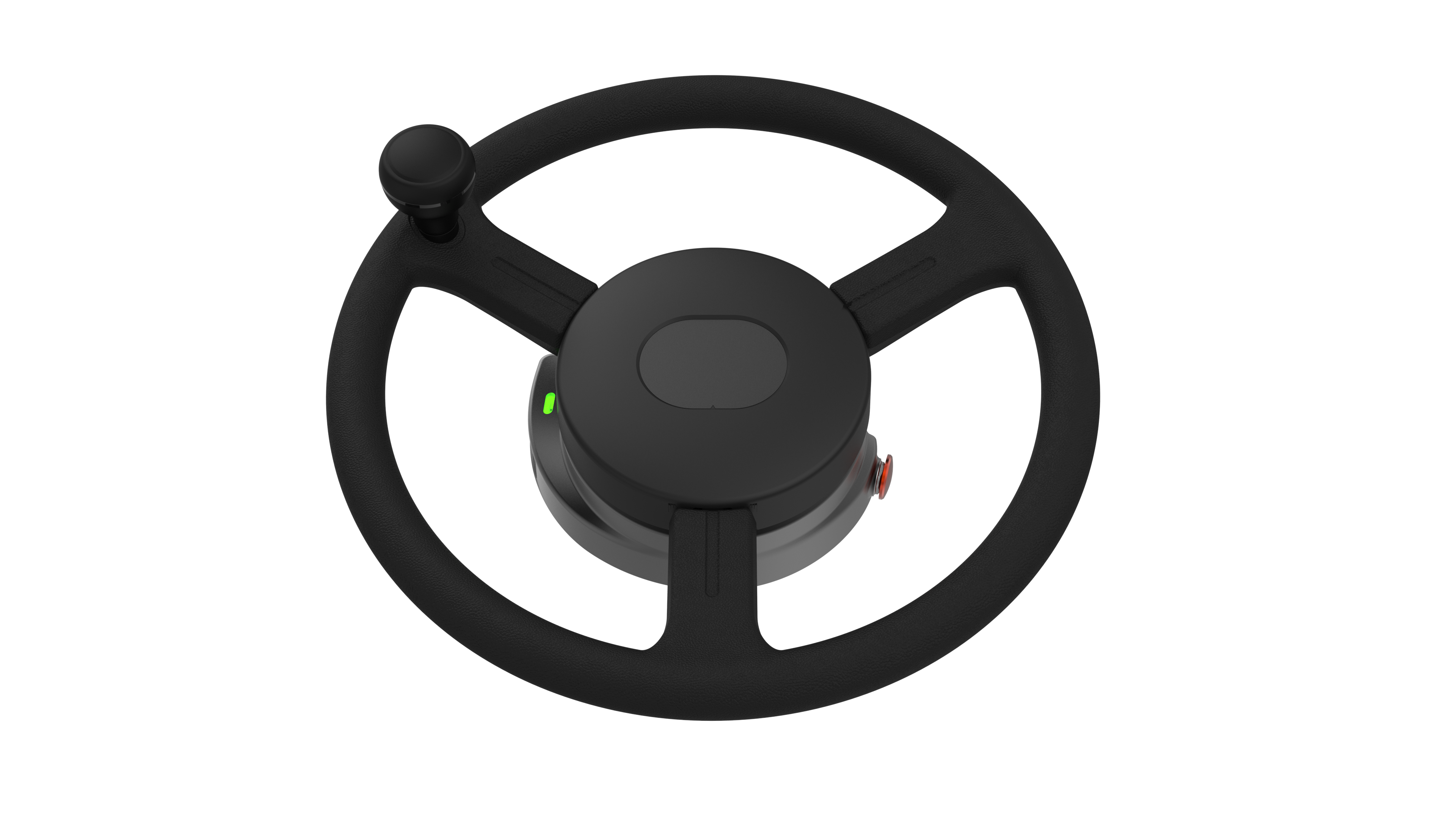
Managing agricultural inputs efficiently remains a persistent focus for modern farming operations. One approach that directly addresses this involves the implementation of satellite-based guidance tools. A well-calibrated GNSS auto steer system contributes significantly to this goal by enhancing the precision of field passes. This technology helps manage the placement of fertilizers and other amendments, aiming to apply them only where intended. We will explore the functional relationship between automated steering, reduced overlap in the field, and the subsequent effect on input utilization.
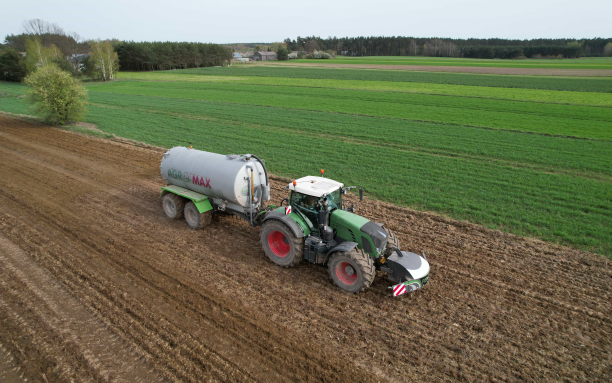
The Direct Link Between Steering Precision and Application Overlap
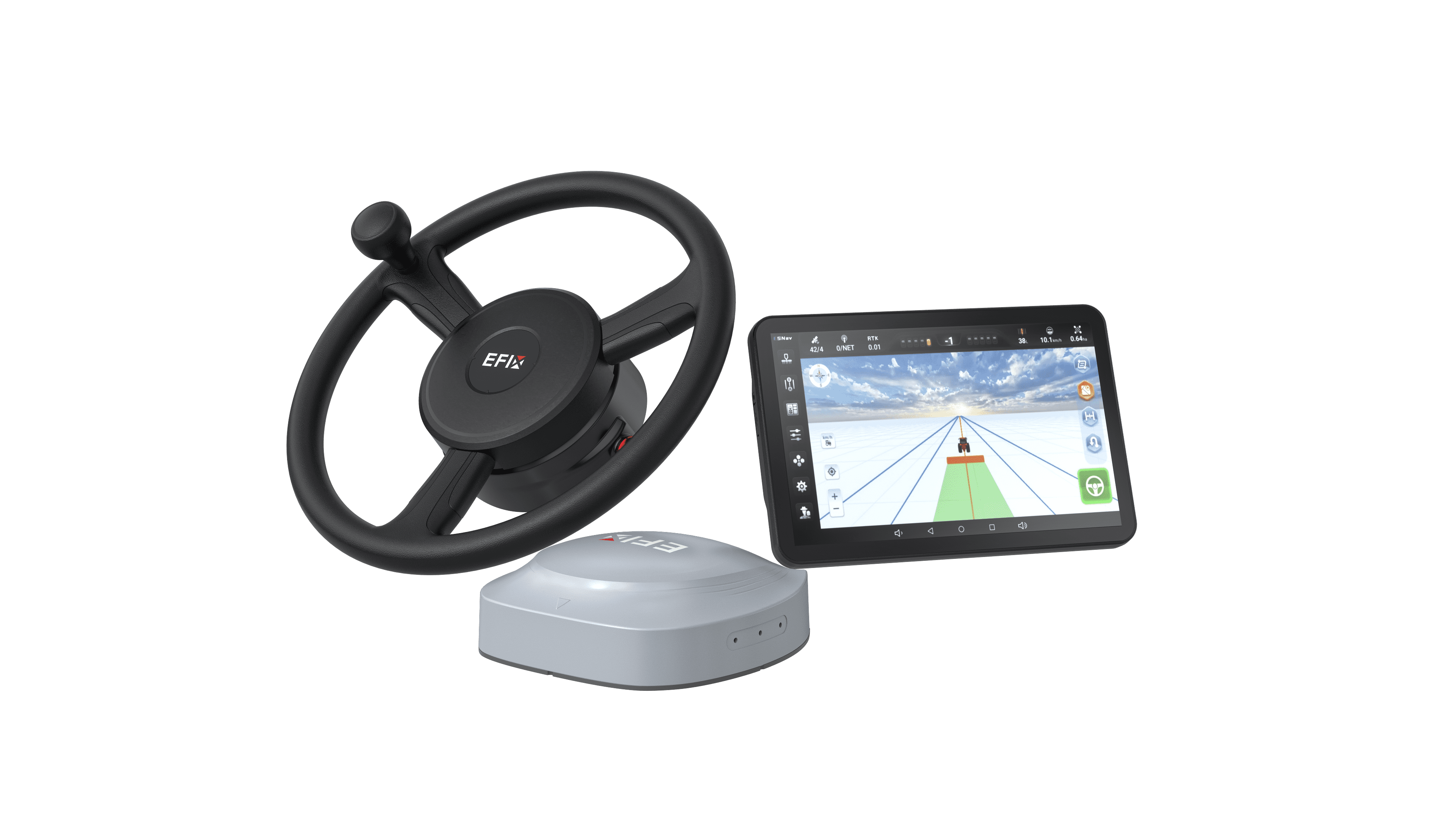
Overlap occurs when equipment passes over the same ground area more than once during an operation, leading to a double application of inputs. Manual steering, even by experienced operators, naturally results in small deviations and swath overlaps, especially during long hours or in low-visibility conditions. A GNSS auto steer system addresses this by following a digitally defined path with consistent accuracy. By maintaining a steady guidance line along the entire field length, the equipment's effective working width is used optimally. This precise path repetition from one pass to the next is a primary method for minimizing unnecessary overlap across the field.
How Precise Guidance Influences Fertilizer Placement
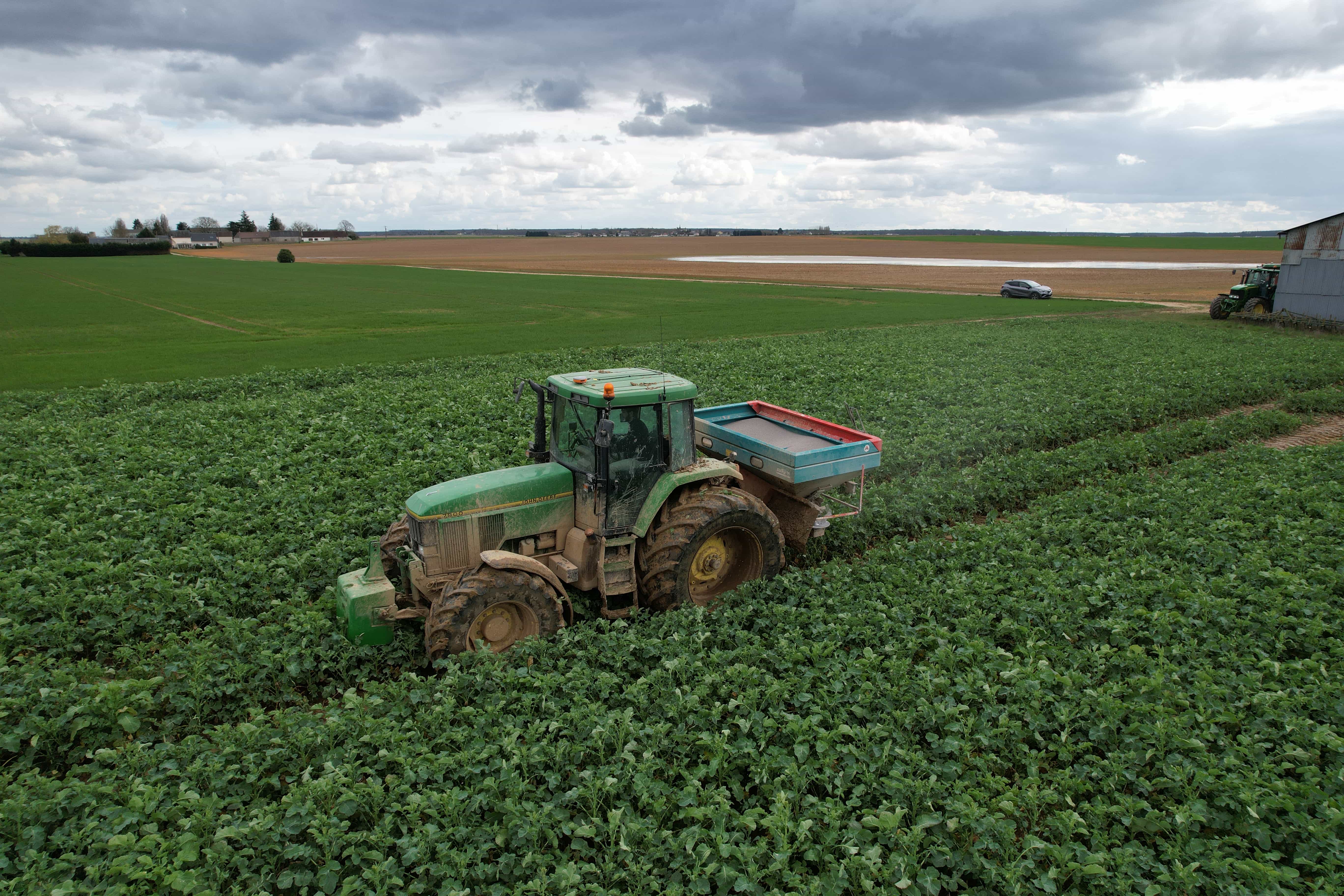
The implications for fertilizer application are particularly relevant. Variable-rate technology controls the amount of product released, but its effectiveness depends on the machine being in the correct location. When a GNSS auto steer system manages the tractor's path, the application implements stay aligned with the pre-mapped zones. This ensures that areas requiring fertilizer receive the planned amount, while zones marked for less or no application are avoided. The reduction in unintended overlap directly prevents the placing of excess fertilizer on already-treated strips, which aligns with both economic and agronomic objectives for nutrient management.
Systematic Benefits for Operational Efficiency and Input Stewardship
Beyond the immediate reduction in overlap, the consistent accuracy provided by a GNSS auto steer system supports broader input stewardship. Less wasted fertilizer means a lower financial cost per acre for the same agronomic result. It also implies a reduced environmental footprint, as minimizing excess application helps protect nearby water and soil resources. Furthermore, the saved product represents a tangible gain in operational efficiency, allowing inputs to cover more acreage as intended. This systematic approach turns guidance precision into a practical tool for resource conservation.
The connection between steering accuracy and input use is clear and mechanistically direct. Implementing a GNSS auto steer system establishes a foundation for more deliberate and controlled field operations. The outcome is a measurable decrease in material overlap and a more efficient use of valuable inputs like fertilizer. For operations focused on refining their input strategy, this technology provides a reliable method for execution. At Efix, our focus is on delivering robust and accessible guidance systems that help operators achieve this level of controlled application in their daily work.