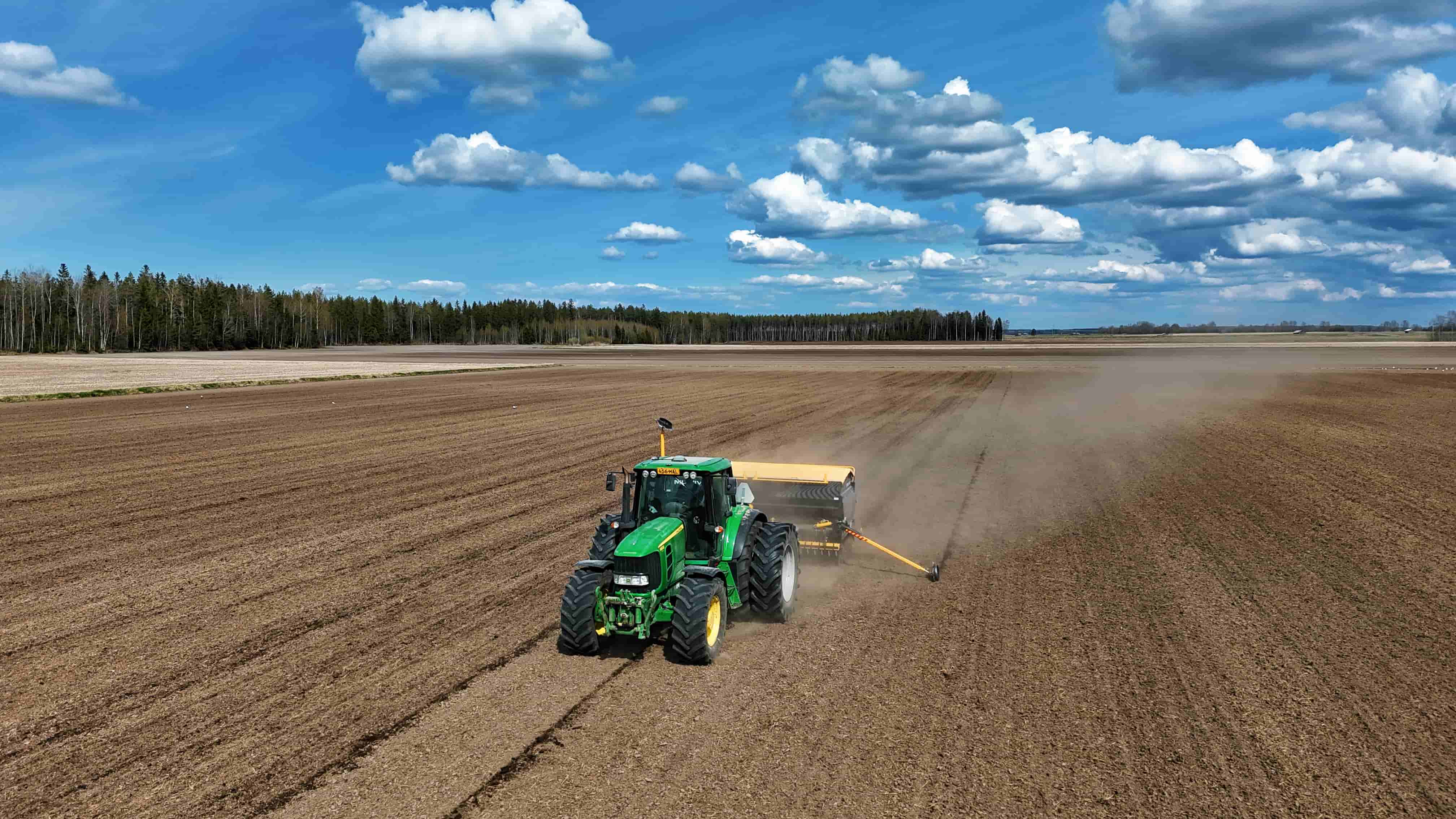
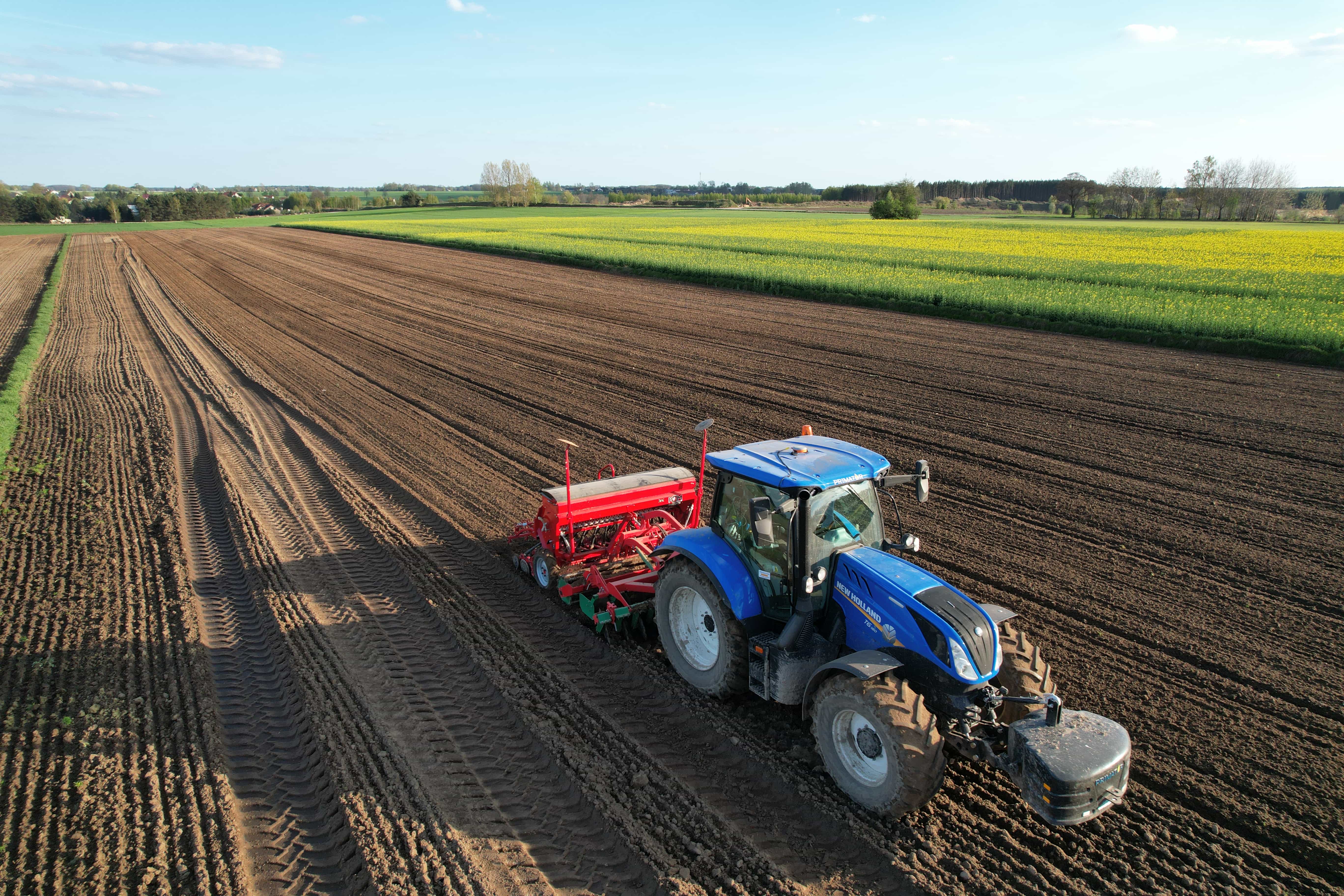
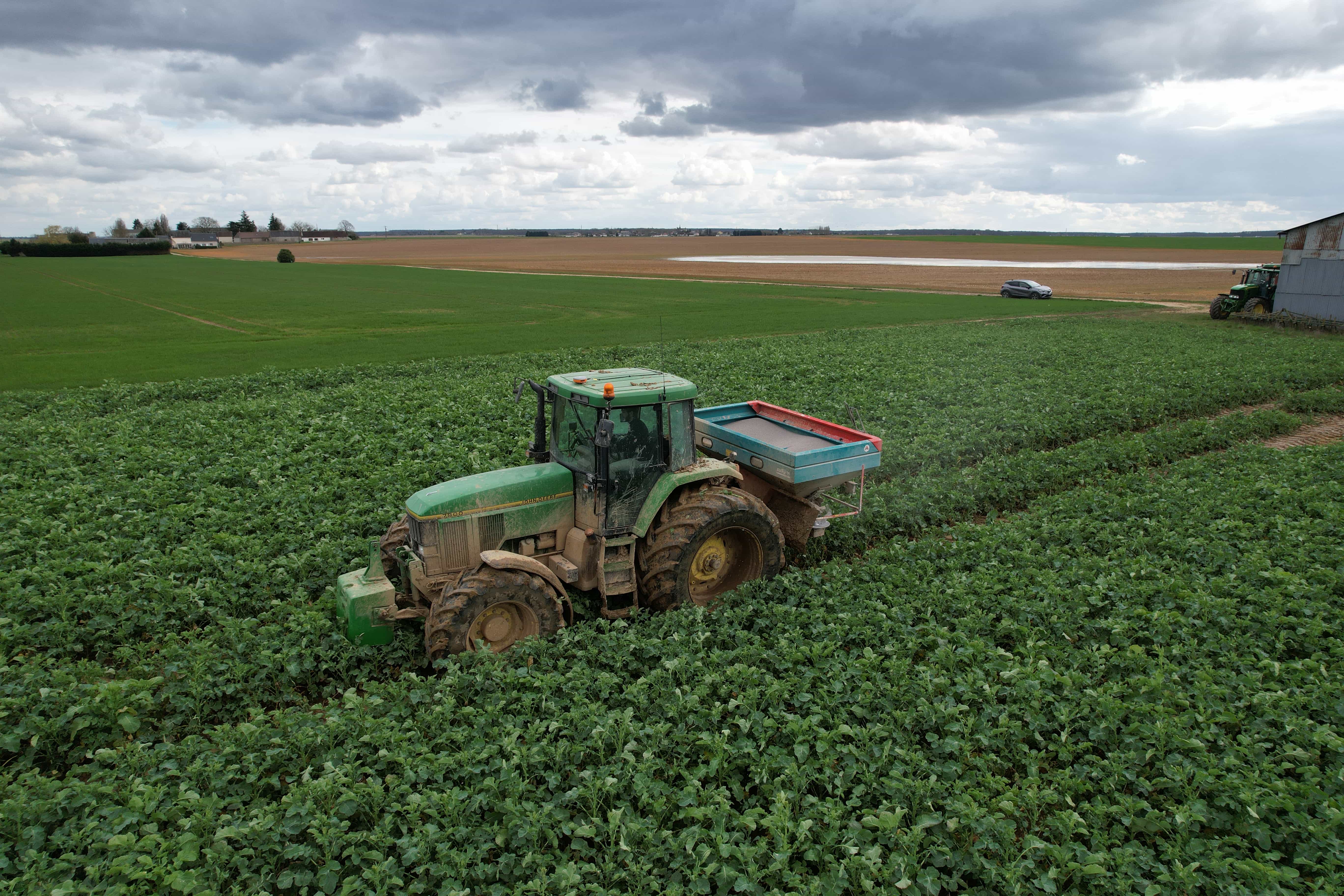
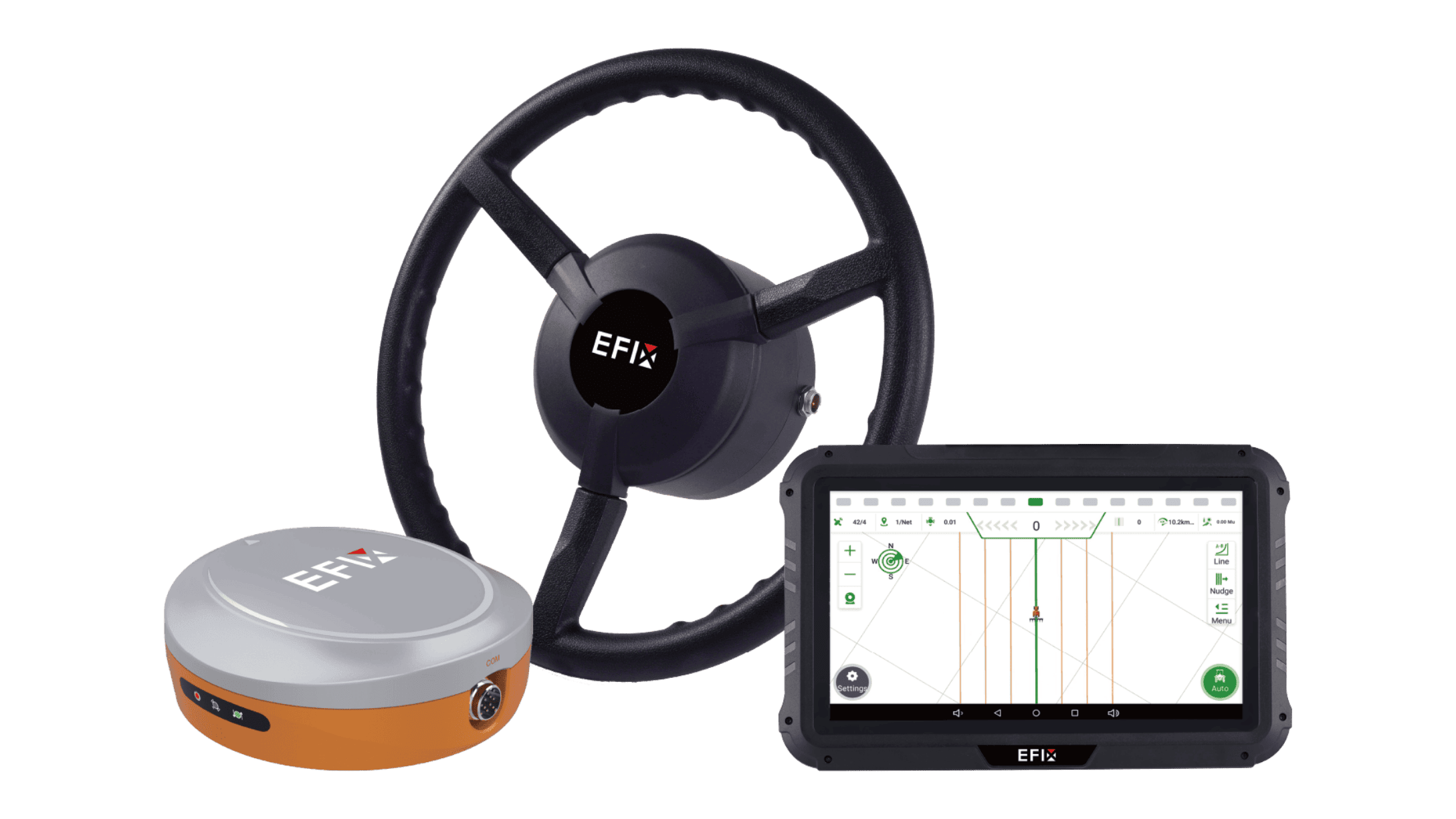
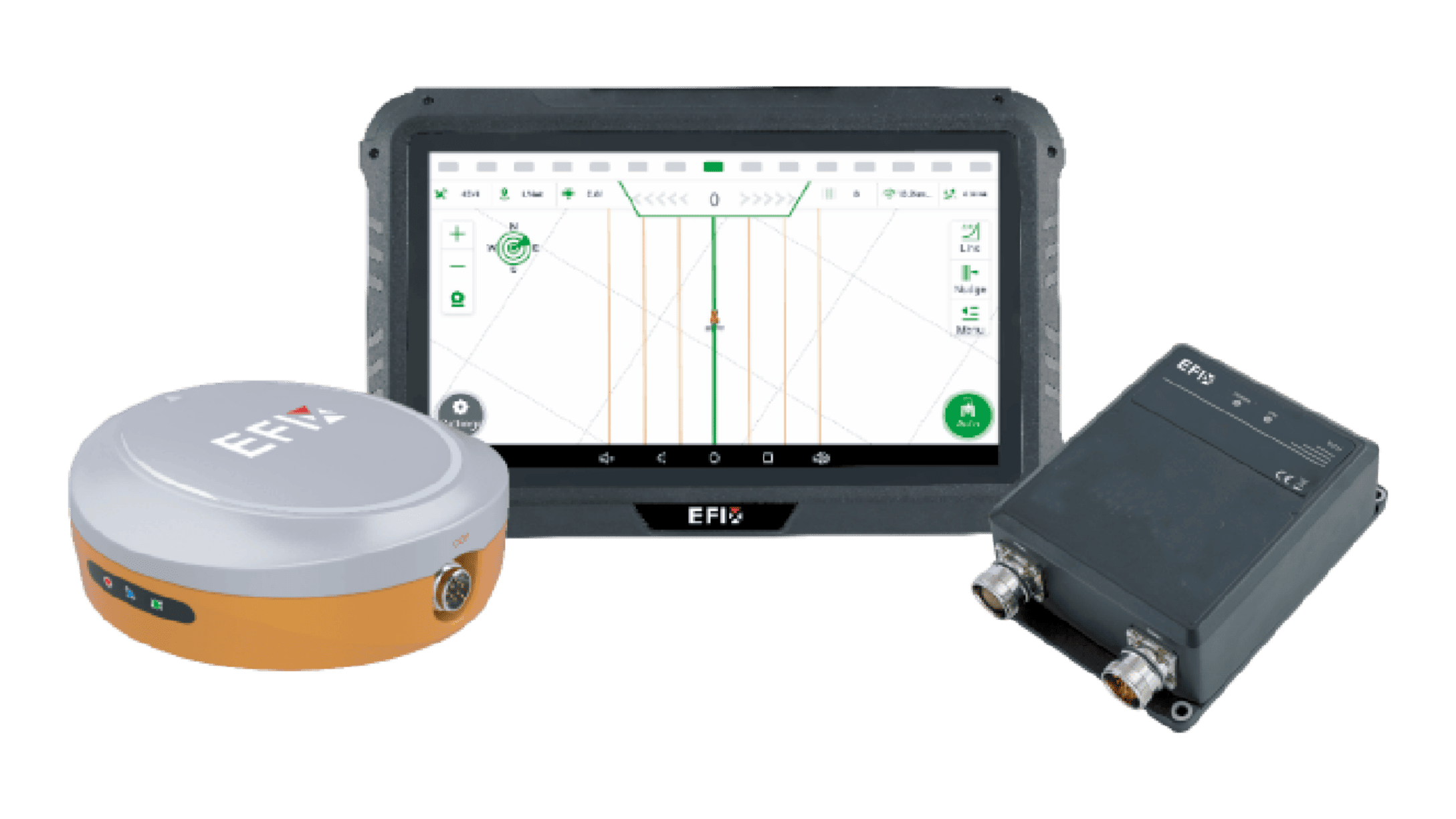
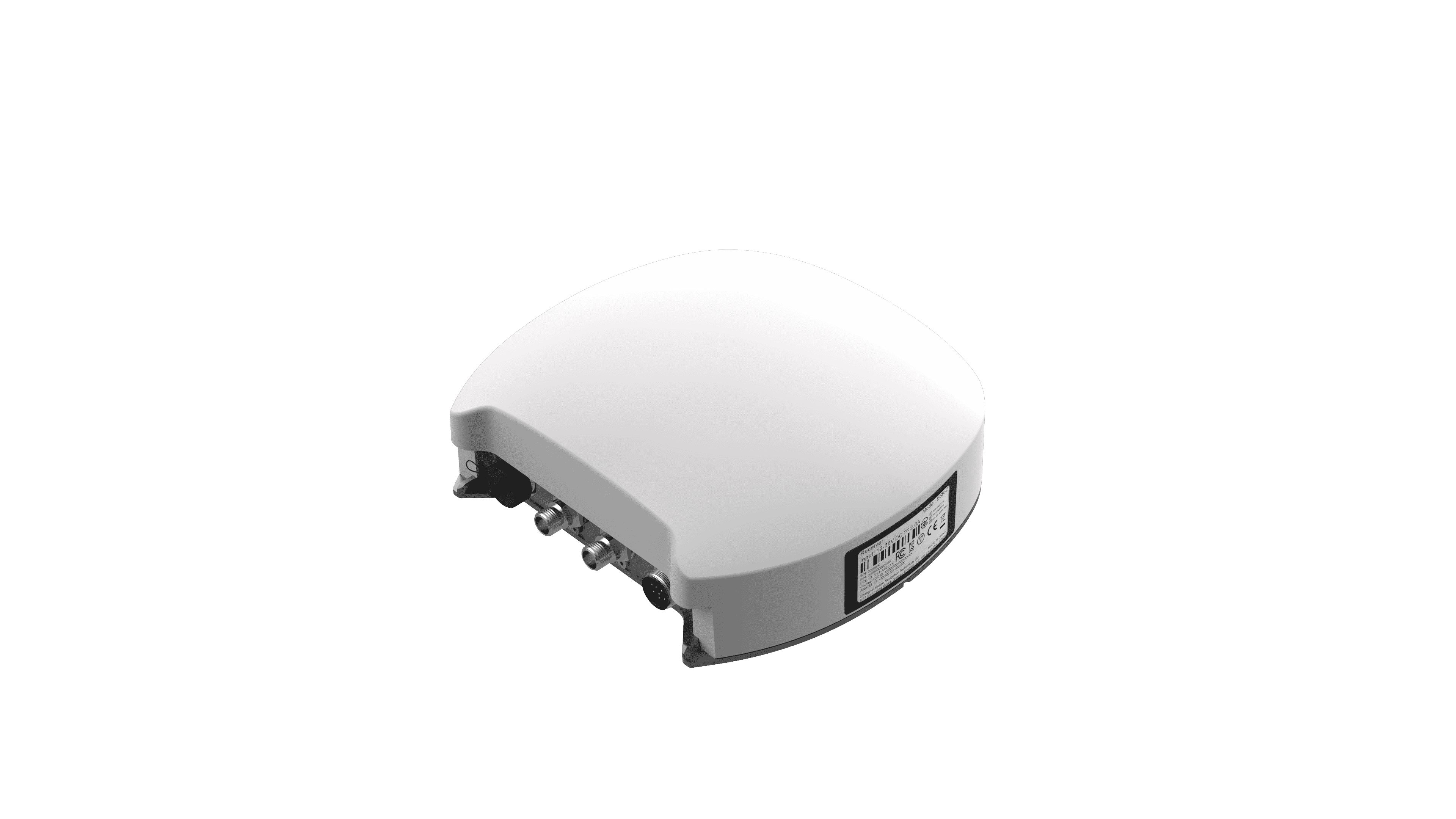
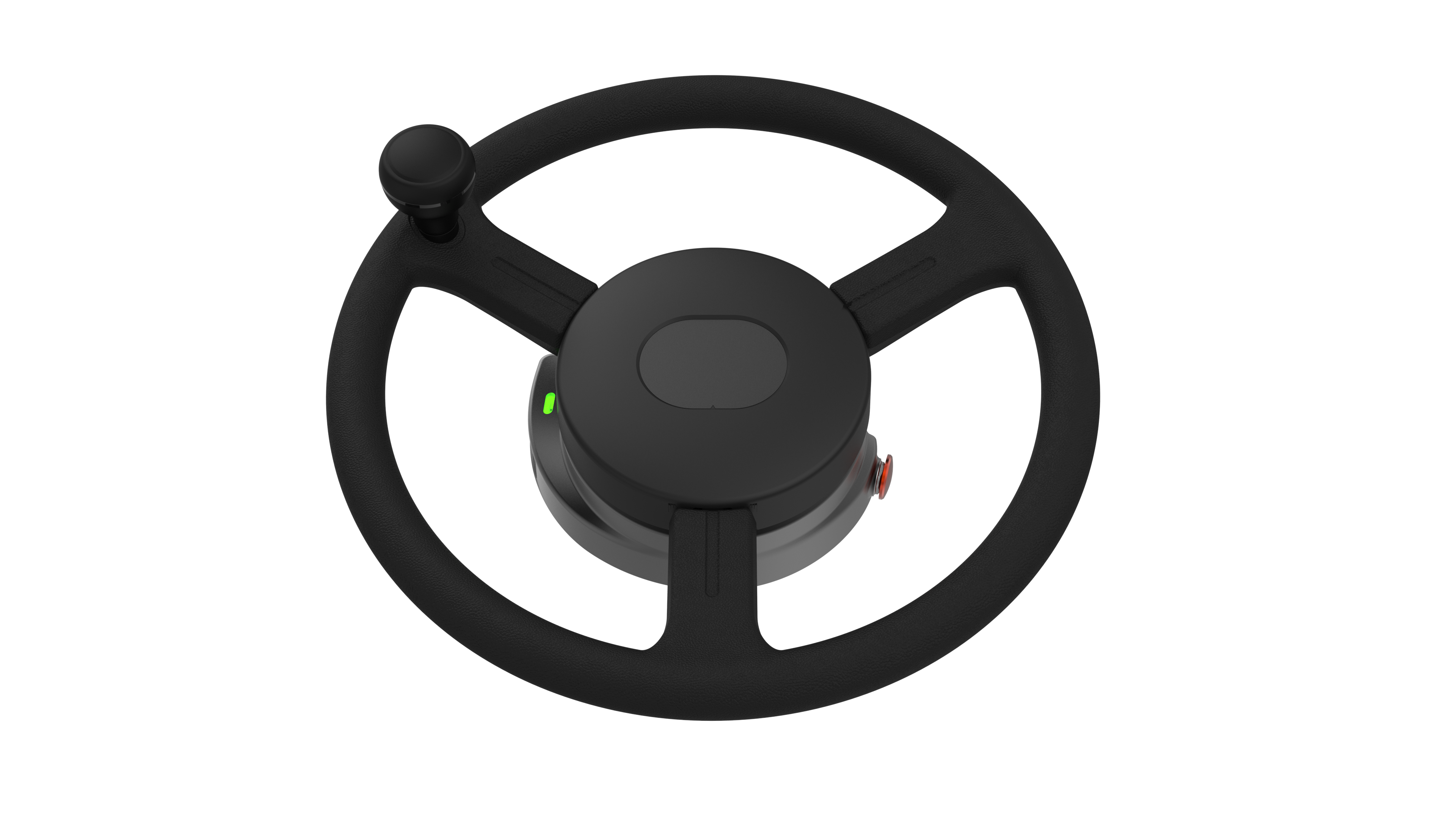
Modern agriculture is moving toward efficiency and precision, and one key driver is the automated steering system. At EFIX, we see how this technology helps farmers reduce manual workload while improving field consistency. By allowing machines to follow predefined paths automatically, an automated steering system supports smoother operations during planting, spraying, and harvesting. As farms scale and labor becomes more limited, the ability to rely on an automated steering system is becoming increasingly practical for everyday fieldwork.

Understanding the Role of Automated Guidance in Field Accuracy
An automated steering system works by combining GNSS positioning, onboard sensors, and control algorithms to guide machinery with high repeatability. Instead of relying on manual driving, operators can focus on monitoring equipment performance and field conditions. This approach reduces overlap and missed areas, which can directly affect input usage such as seeds or fertilizers. From our perspective, the value of this technology lies not only in convenience but also in maintaining consistent line spacing and operational accuracy across large fields.
From Assisted Driving to Fully Hands-Free Operations
As the technology evolves, the transition from assisted steering to hands-free operation becomes more seamless. With proper setup, an automated steering system can handle straight lines, curves, and even complex field boundaries. This reduces operator fatigue and allows longer working hours during critical farming seasons. We have observed that integrating steering automation with other systems, such as implement control, creates a more coordinated workflow where machinery responds dynamically to field conditions rather than relying solely on human input.
Practical Enhancements for Diverse Farming Conditions
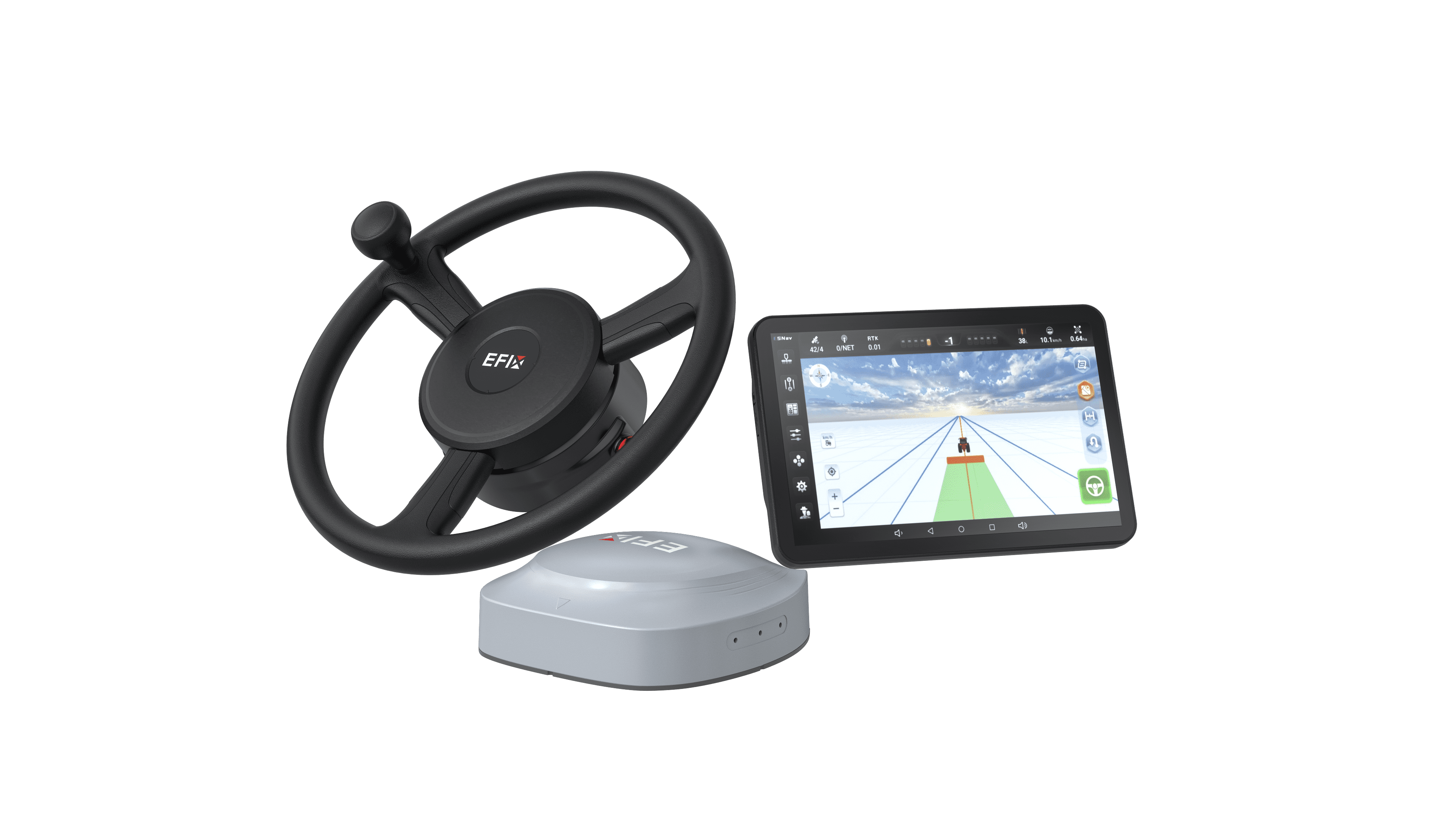
Different crops and terrains require adaptable solutions. That is why we designed systems like the eSteer20 Max, which supports extended functions tailored for more specific working environments. With upgraded hardware, it enables visual guidance, implement guidance, and row guidance, helping machines maintain alignment even under challenging conditions. These features complement the automated steering system by adding layers of precision that go beyond simple path following. In our daily work with users, we find that flexibility in functionality is essential for meeting varied agricultural needs without overcomplicating operations.
Conclusion: Building Reliable and Efficient Farming Workflows
Hands-free farming is not about removing the operator entirely but about improving how work is done. The automated steering system plays a central role in enabling this shift by reducing manual intervention while maintaining accuracy. At EFIX, we approach this technology as part of a broader effort to make farming operations more predictable and manageable. By combining steering automation with adaptable features like those in eSteer20 Max, we support a more balanced workflow where efficiency and control can coexist in real-world agricultural environments.