Farming efficiency has become a central concern as operations grow in scale and precision requirements increase. When comparing automated steering system solutions with traditional manual driving, the differences are not only technical but also practical in daily fieldwork. At EFIX, we have seen how both approaches perform under real agricultural conditions, and understanding these differences helps farmers make informed decisions. While manual steering still has its place, modern technology is reshaping how efficiency is defined in agriculture.

Manual Steering and Its Practical Limits
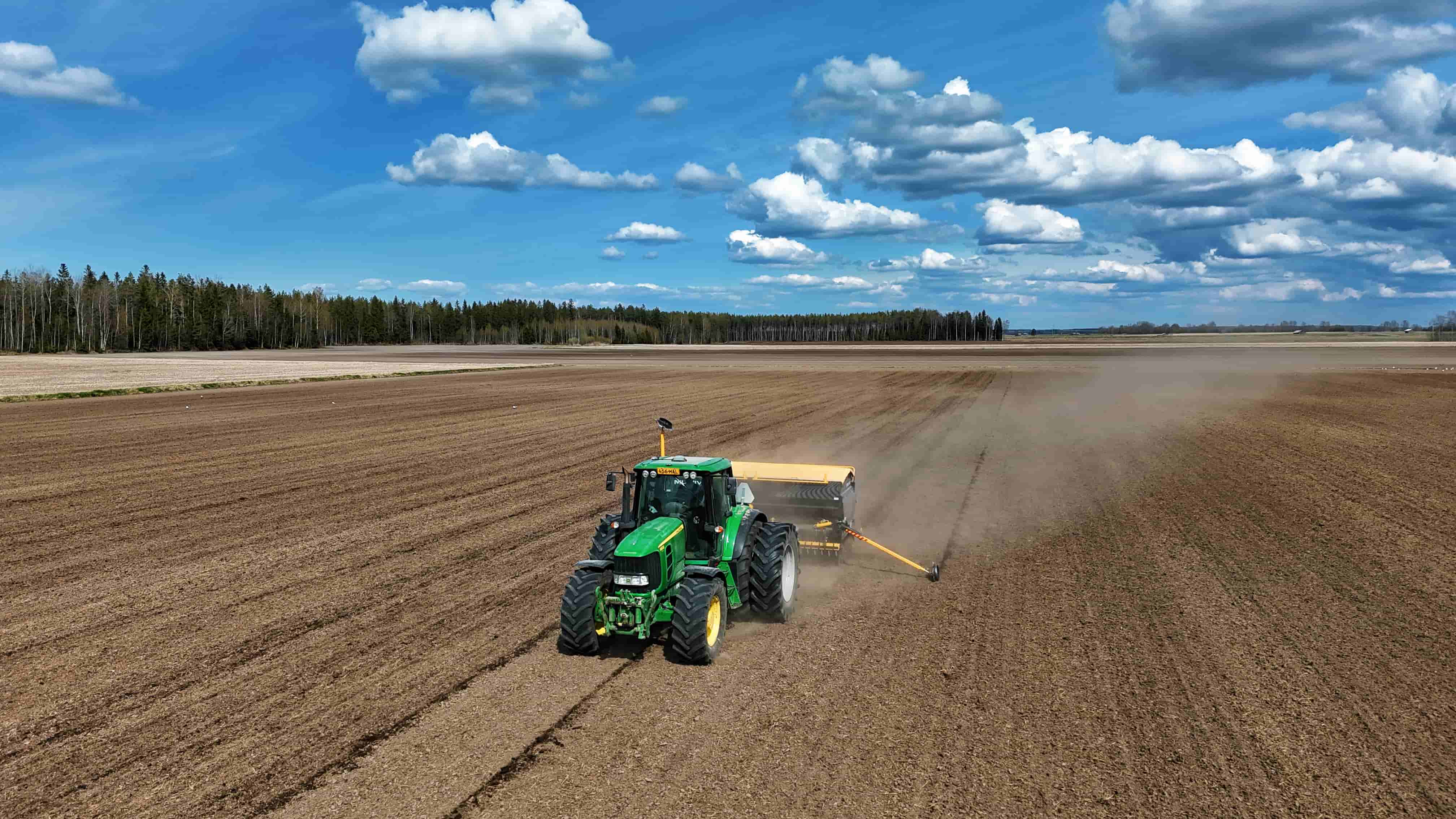
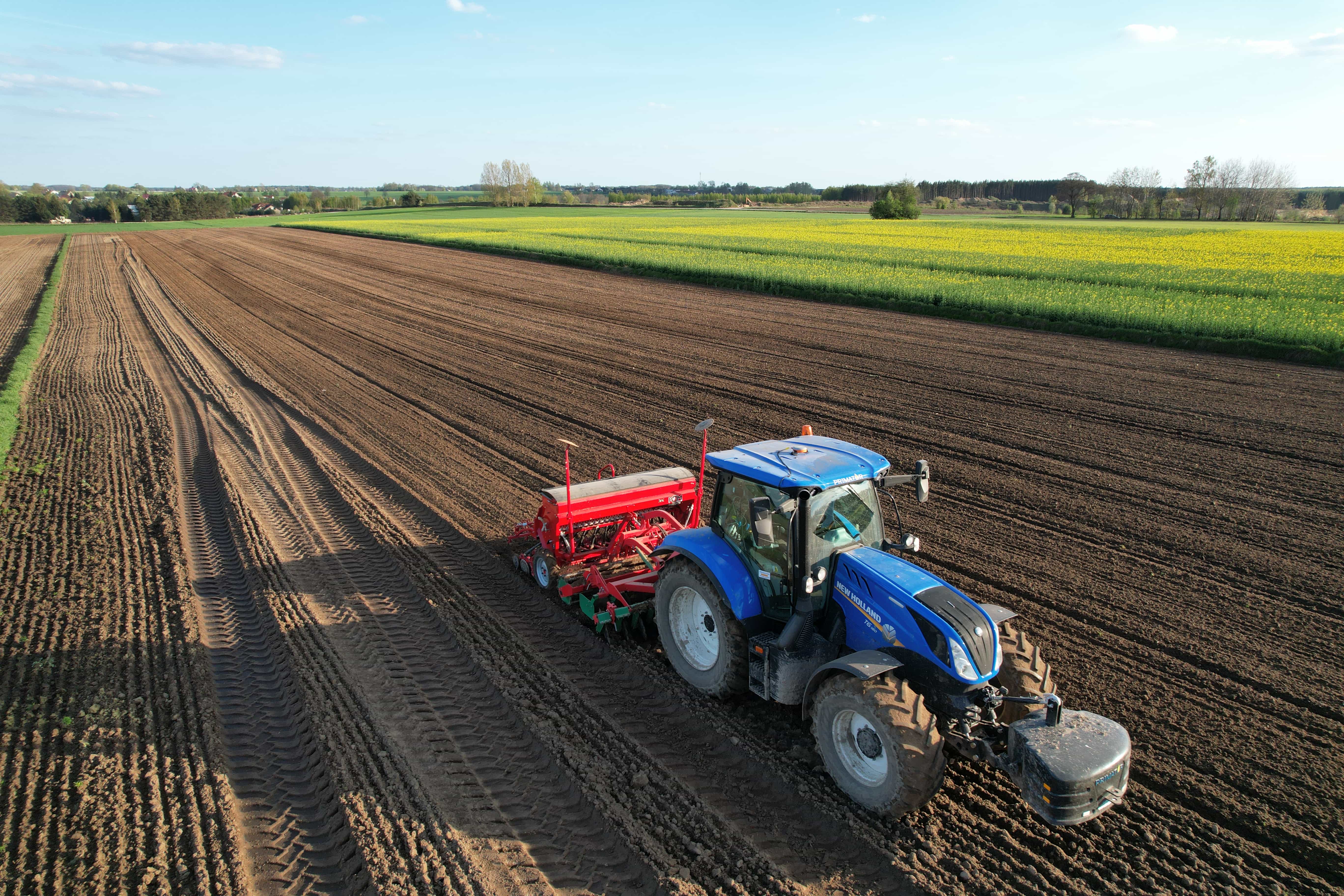
Manual steering relies entirely on the operator’s experience and concentration. In smaller fields or less demanding tasks, this method can be sufficient. However, fatigue, inconsistent line tracking, and overlapping or missed areas often reduce overall efficiency. Over long working hours, even skilled operators may struggle to maintain consistent accuracy. This is where the gap between manual operation and an automated steering system becomes more noticeable. As farms expand and input costs rise, even small inefficiencies in manual steering can accumulate into measurable losses over time.
How Automated Steering Improves Efficiency
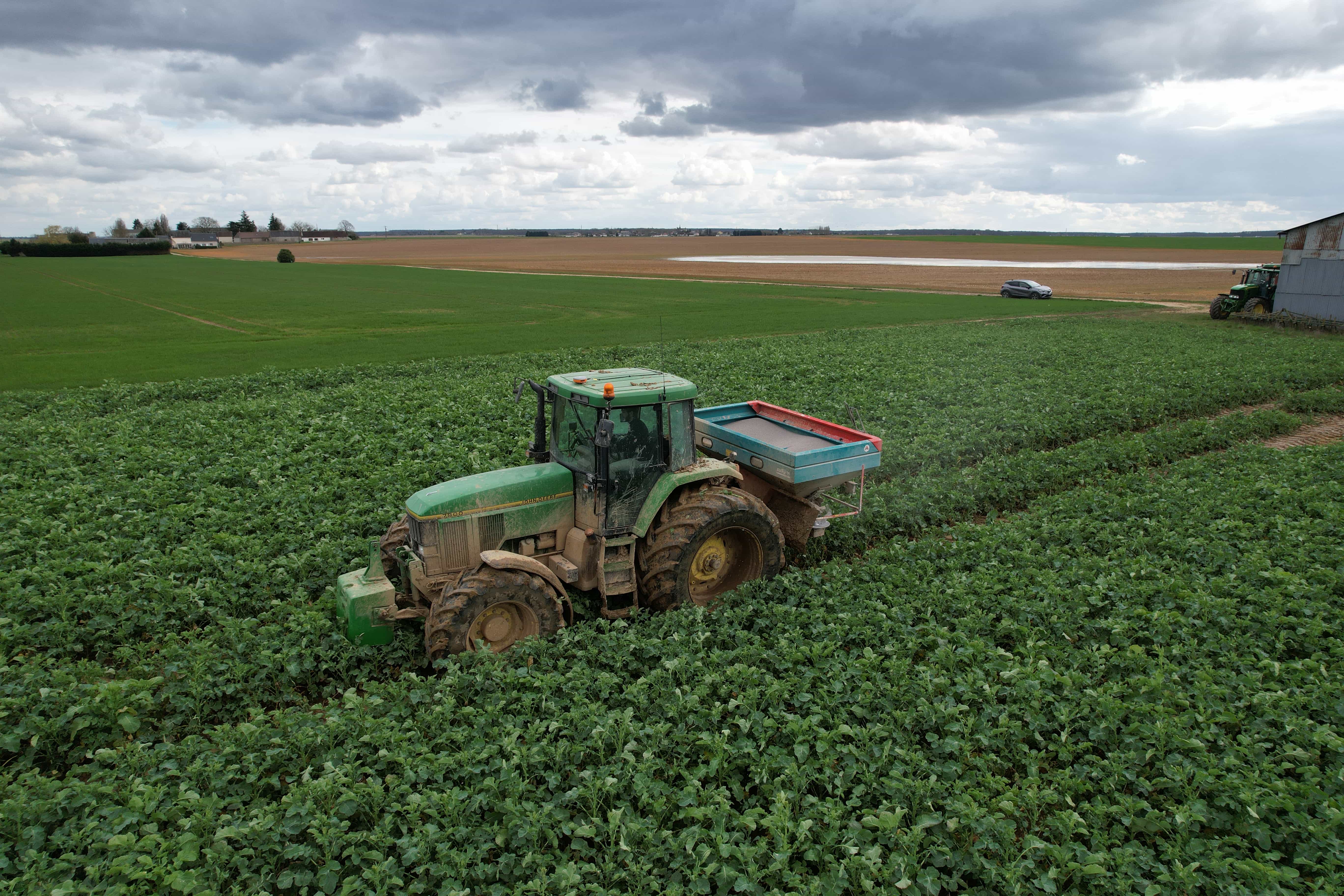
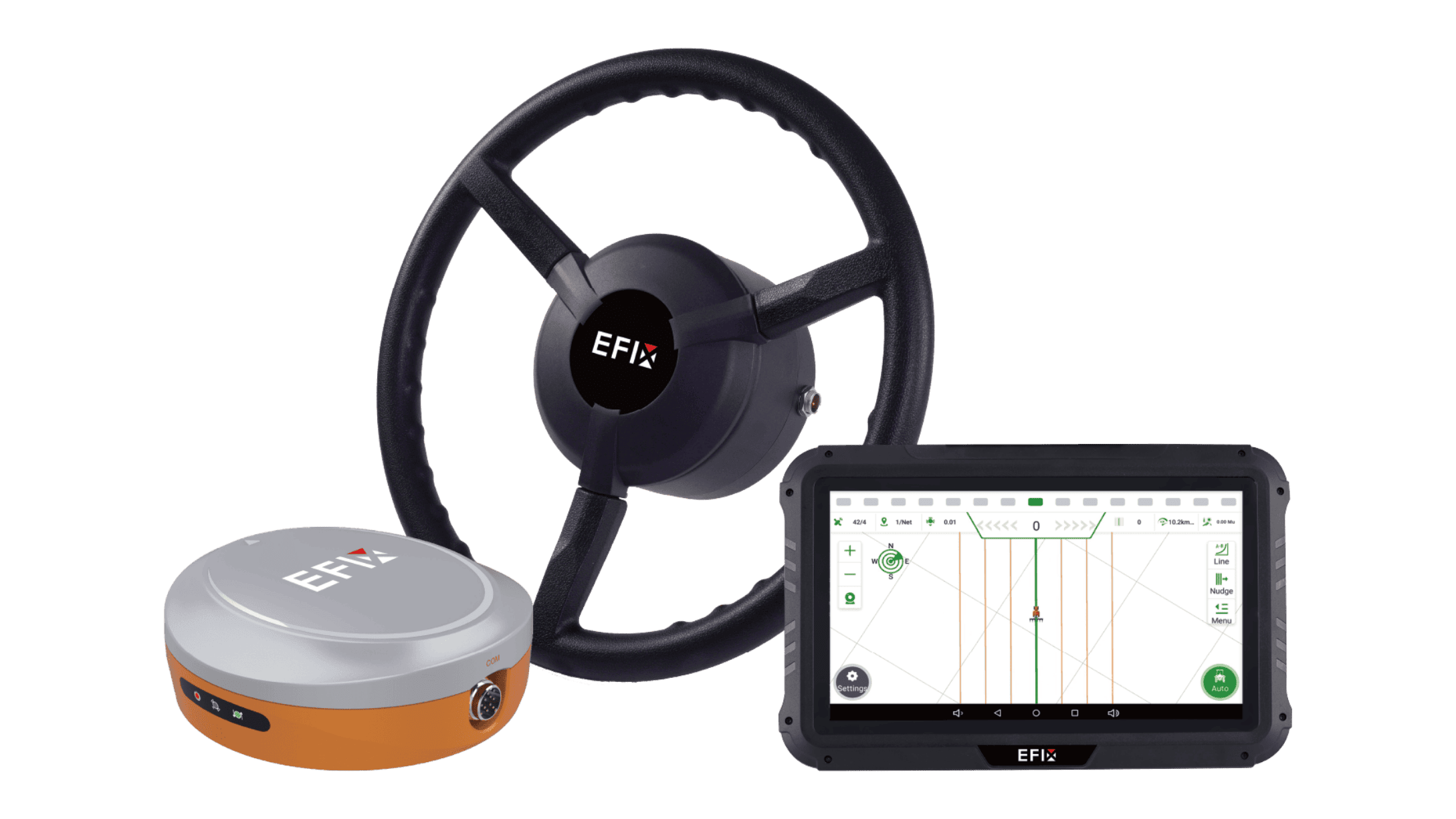
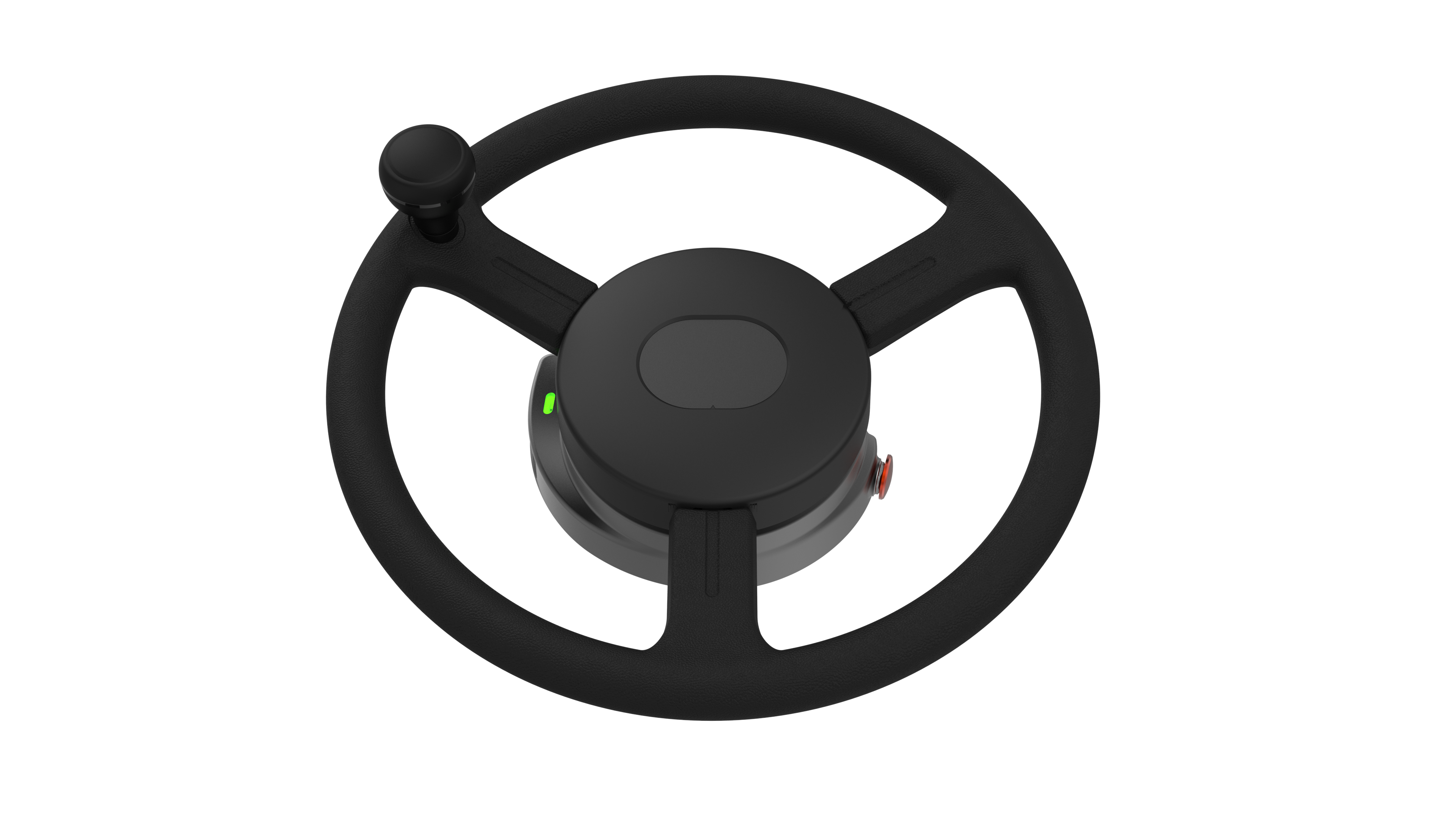
An automated steering system introduces consistency that manual operation cannot easily achieve. By maintaining straight lines and precise paths helps reduce overlap during seeding, fertilizing, and spraying. This leads to better resource utilization and more uniform crop growth. At EFIX, we design solutions that focus on practical usability rather than complexity. Our systems assist operators rather than replace them, allowing for reduced fatigue and improved working comfort. Over time, this balance between human control and automated guidance contributes to more predictable field outcomes and smoother farm operations.
Technology Behind Reliable Performance
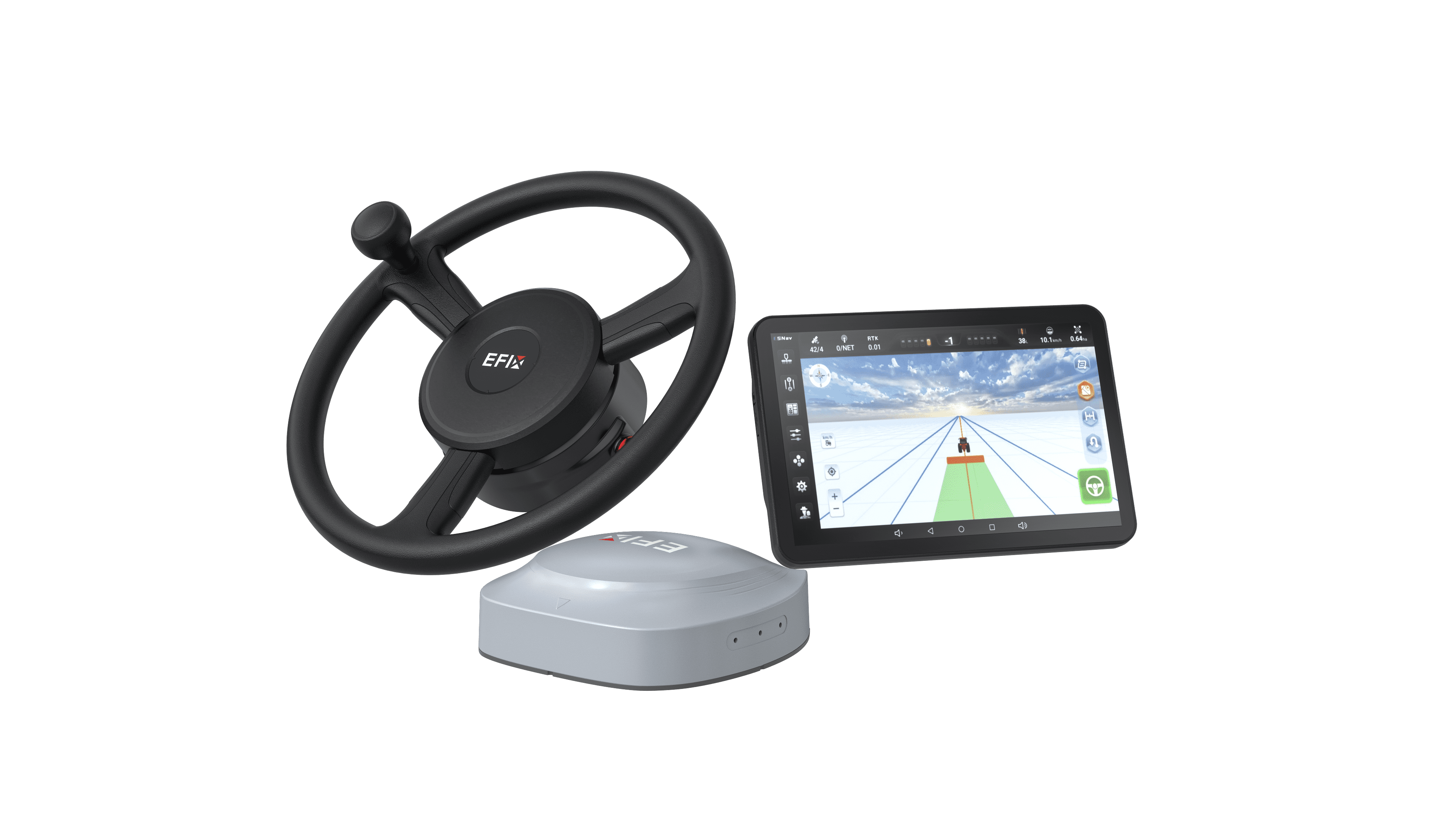
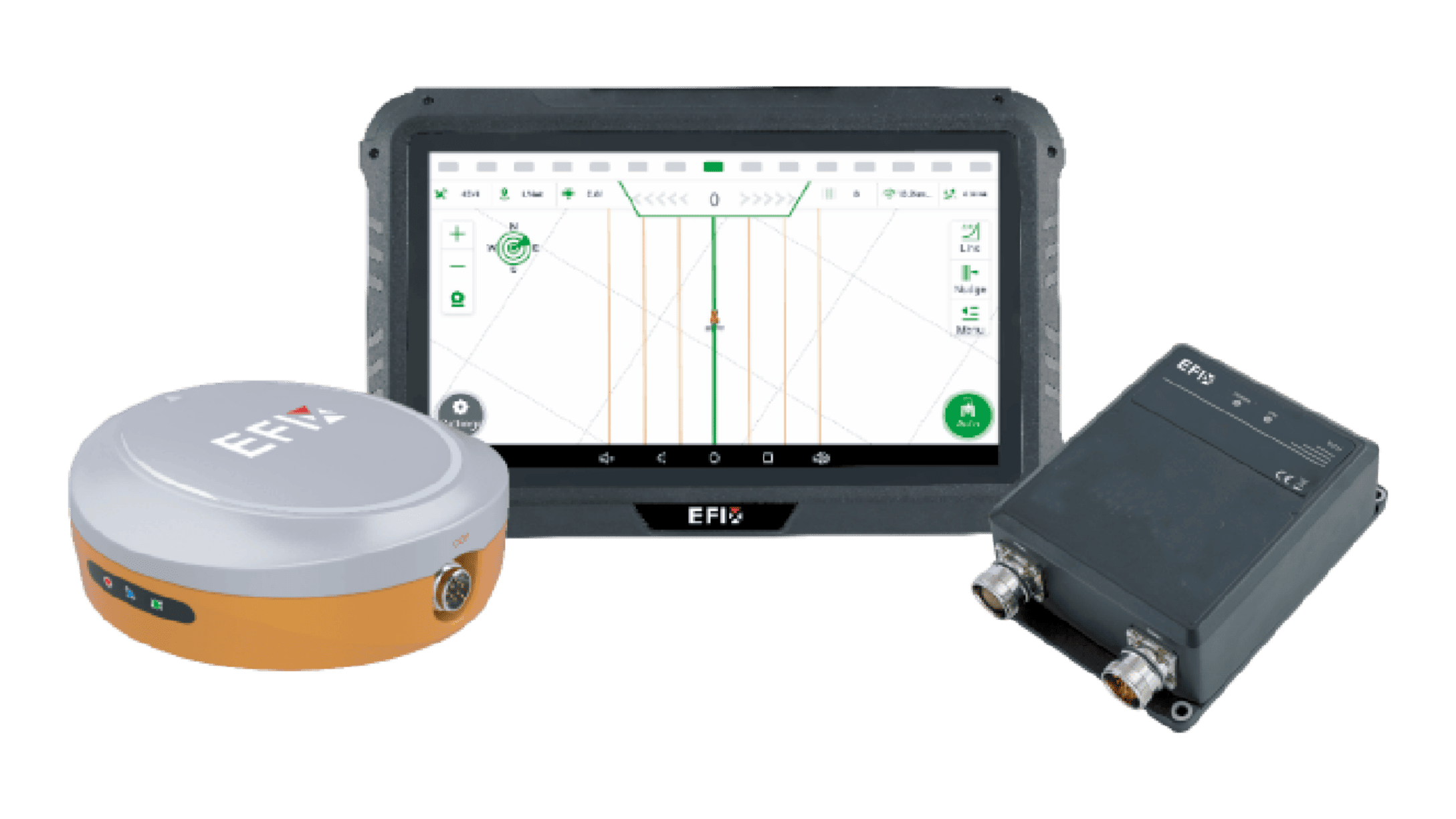
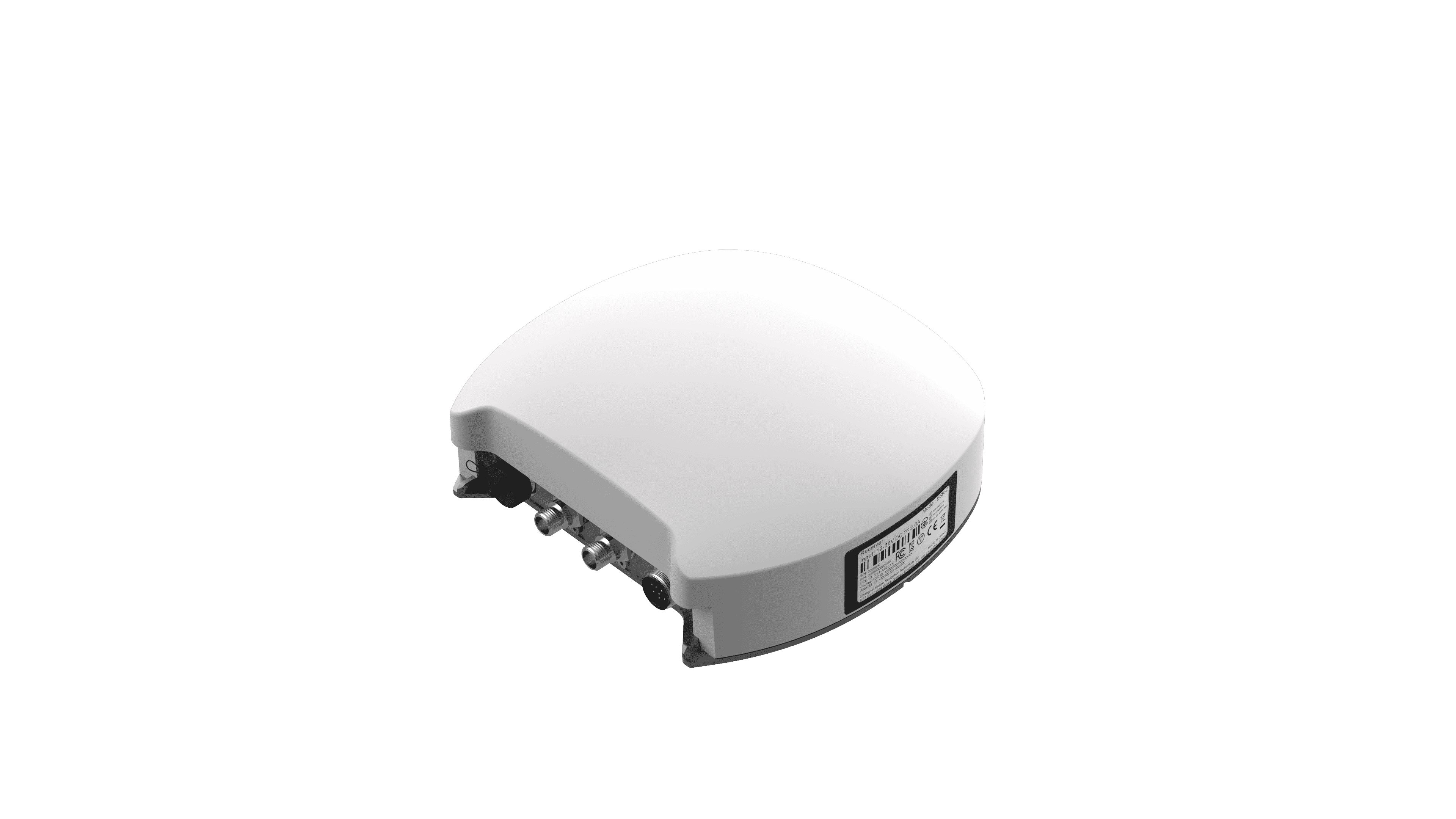
Modern solutions depend heavily on positioning accuracy, which is why GNSS technology plays a key role. Our eSteer20 Max integrates multiple GNSS modes, including SPP, DGPS, RTK, H-PPP (Galileo E6-HAS), and EFIX-PPP satellite-based service. This flexibility ensures stable positioning across different environments and signal conditions. With EFIX-PPP, convergence can be achieved in less than five minutes, supporting consistent accuracy even without traditional correction infrastructure. By combining this capability with an automated steering system, we enable farmers to maintain efficiency across varying terrains and operational scenarios without frequent adjustments.
Conclusion: Choosing the Right Approach
When evaluating farming efficiency, the choice between manual steering and an automated steering system depends on operational scale, labor conditions, and precision requirements. Manual methods may still suit smaller or less intensive tasks, but automated solutions offer clear advantages in consistency, resource management, and long-term efficiency. At EFIX, we focus on delivering adaptable tools that align with real farming needs, helping users transition at their own pace. Ultimately, improving efficiency is not about replacing experience, but about enhancing it with reliable technology.