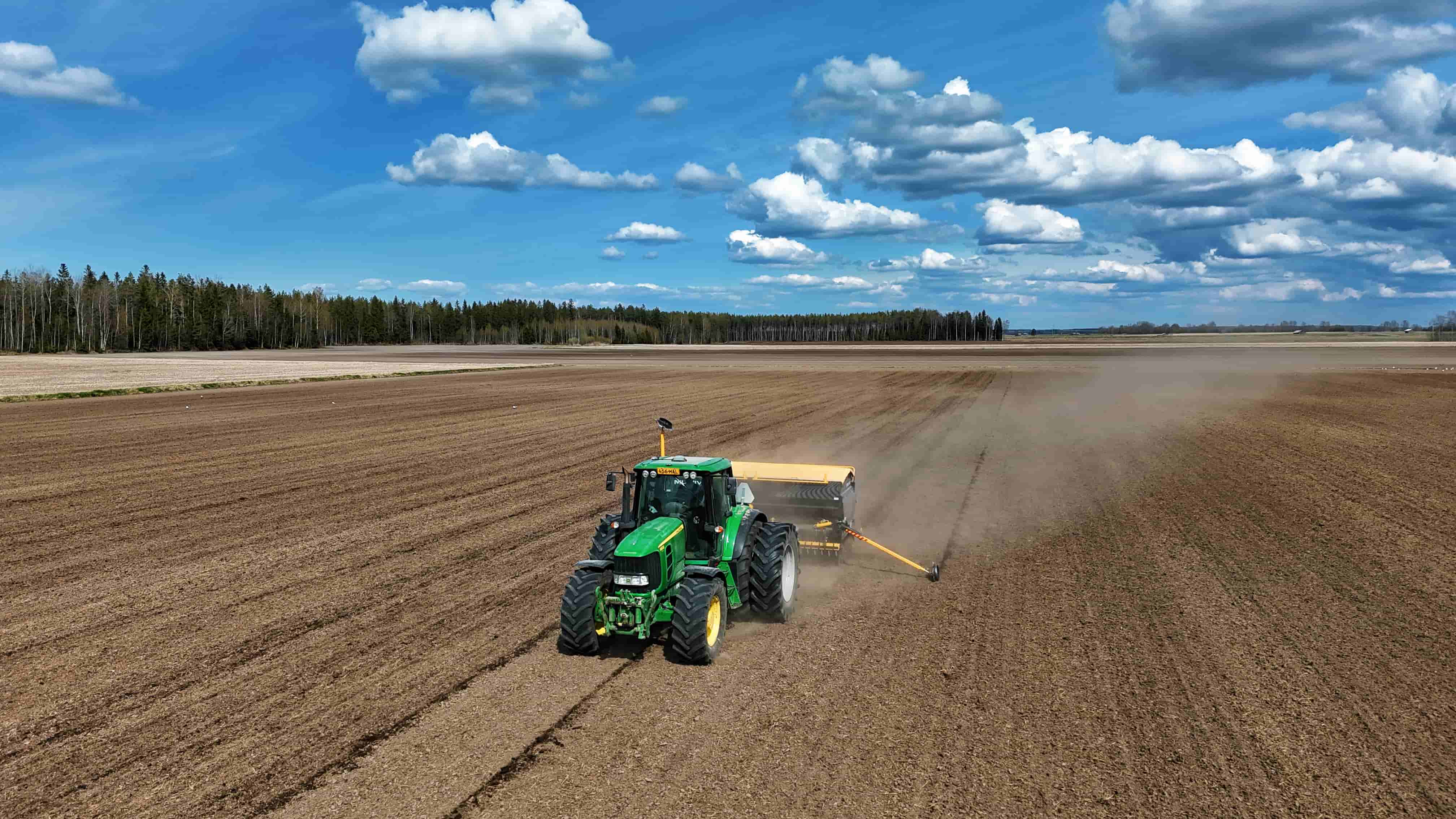
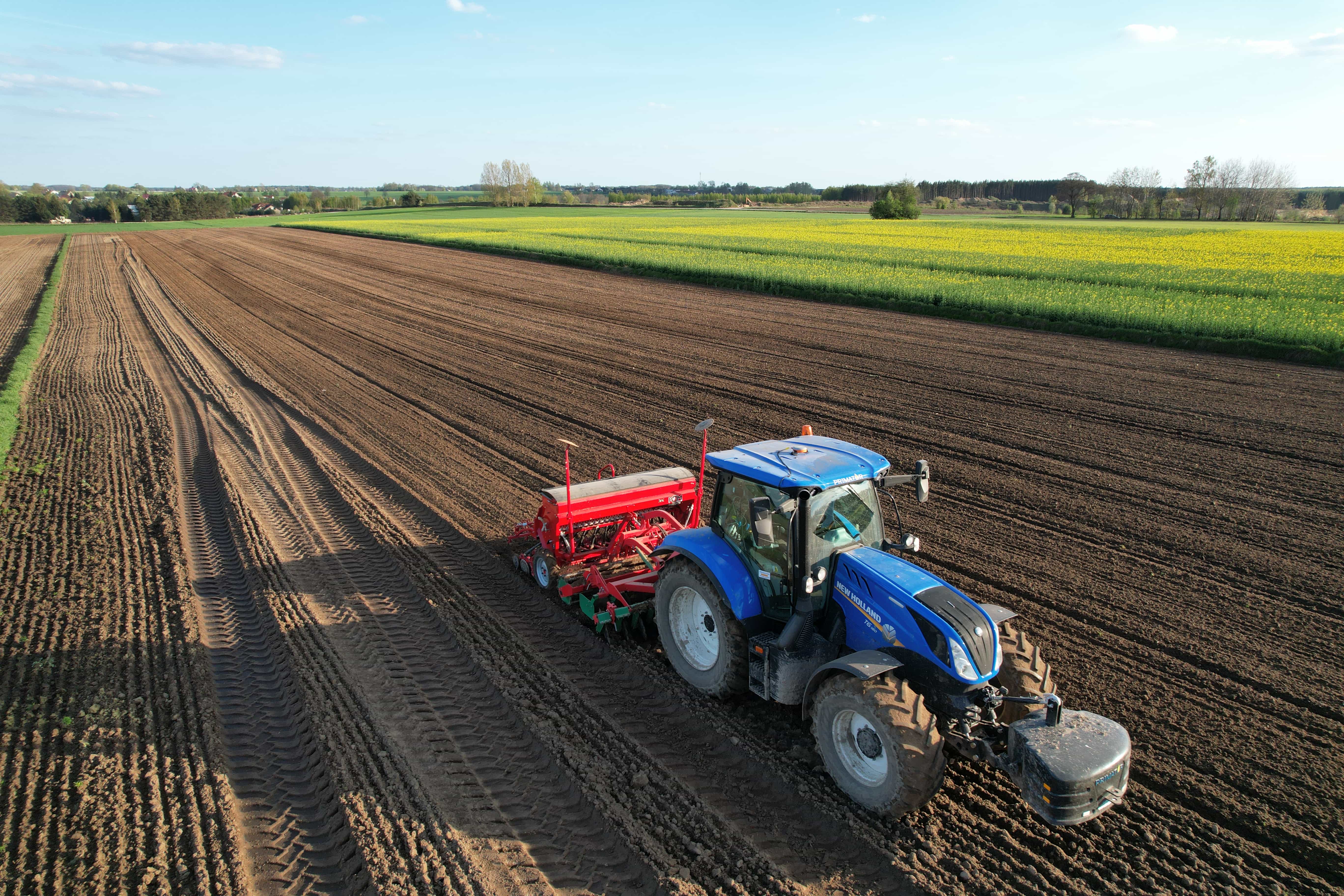
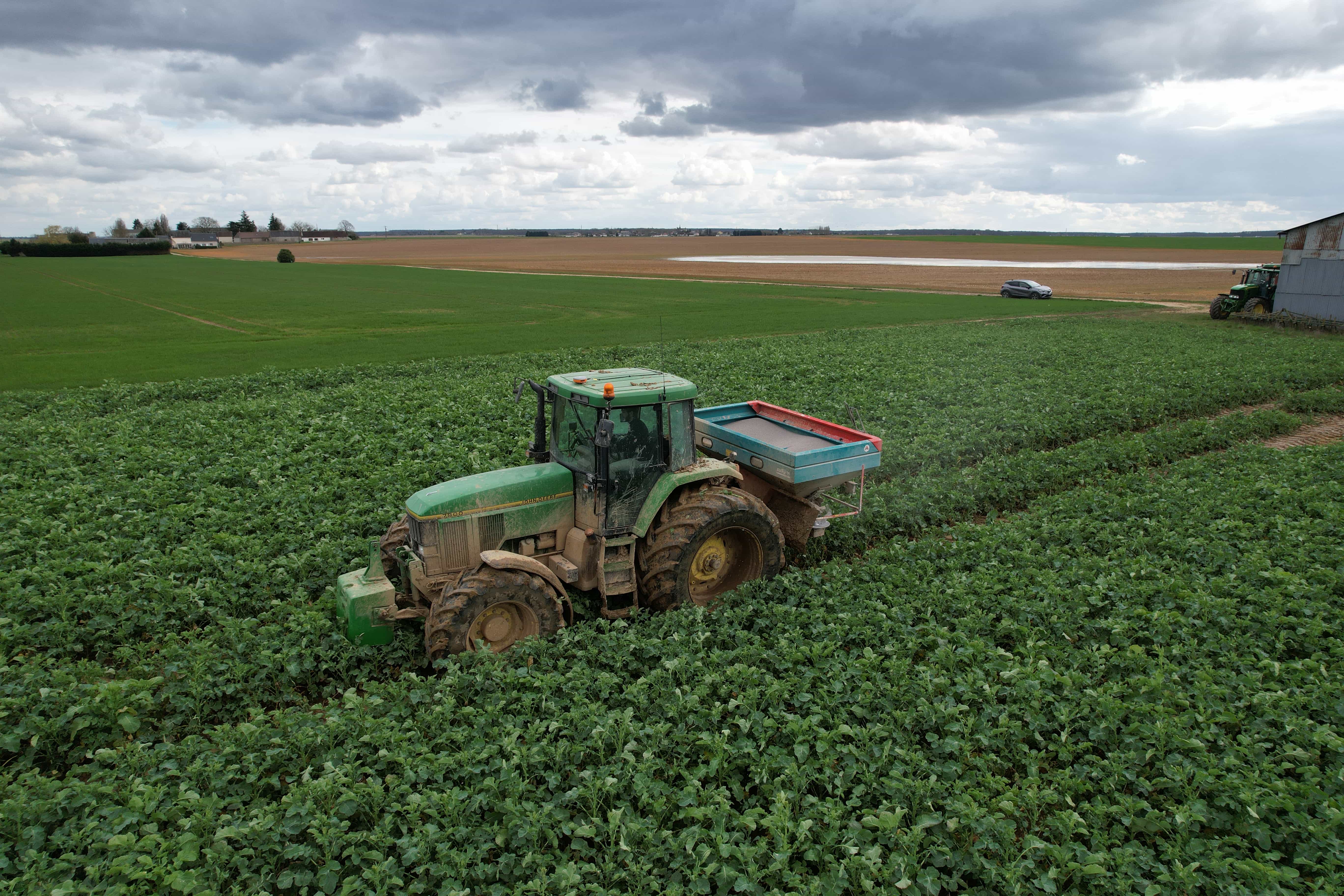
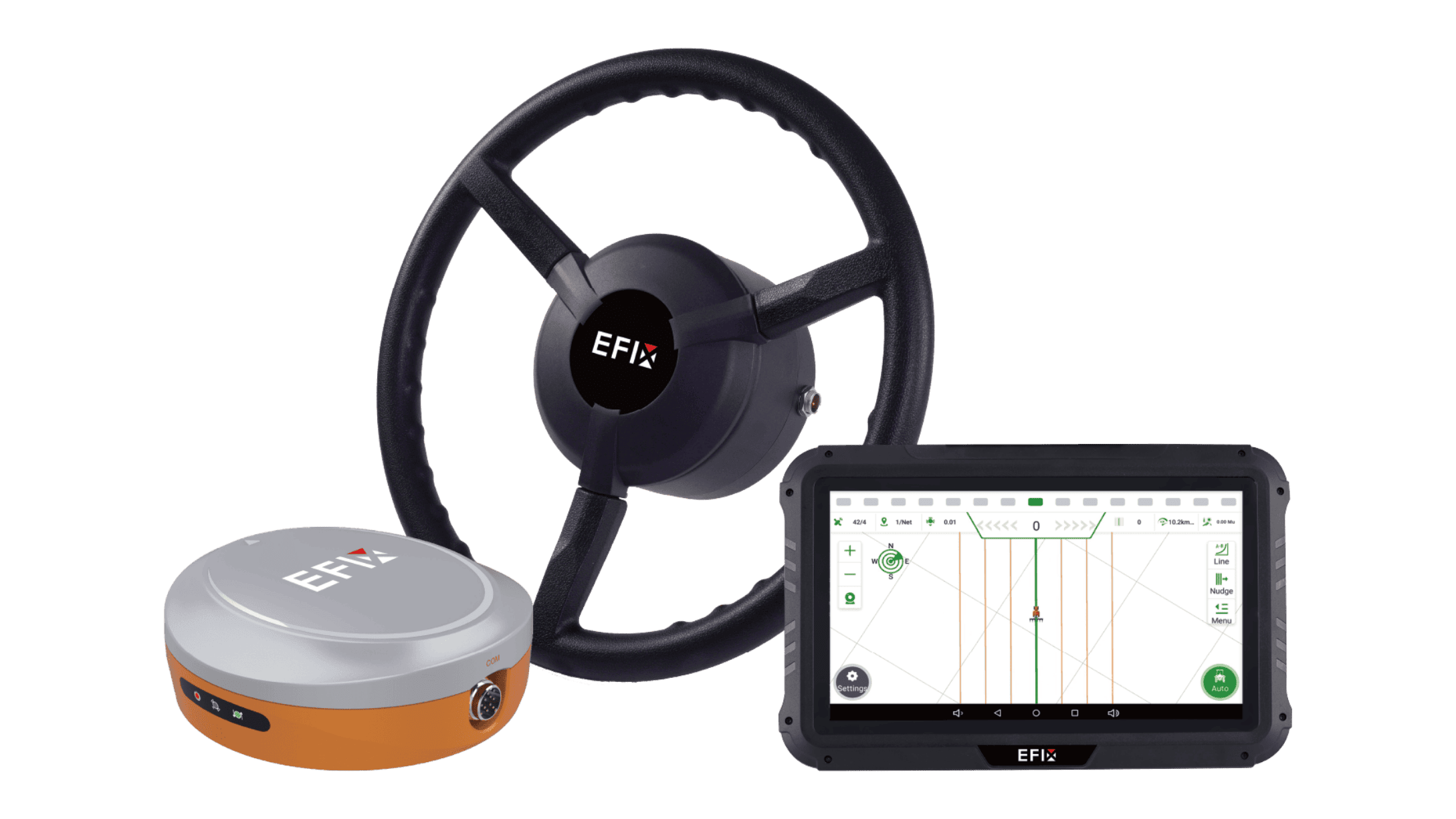
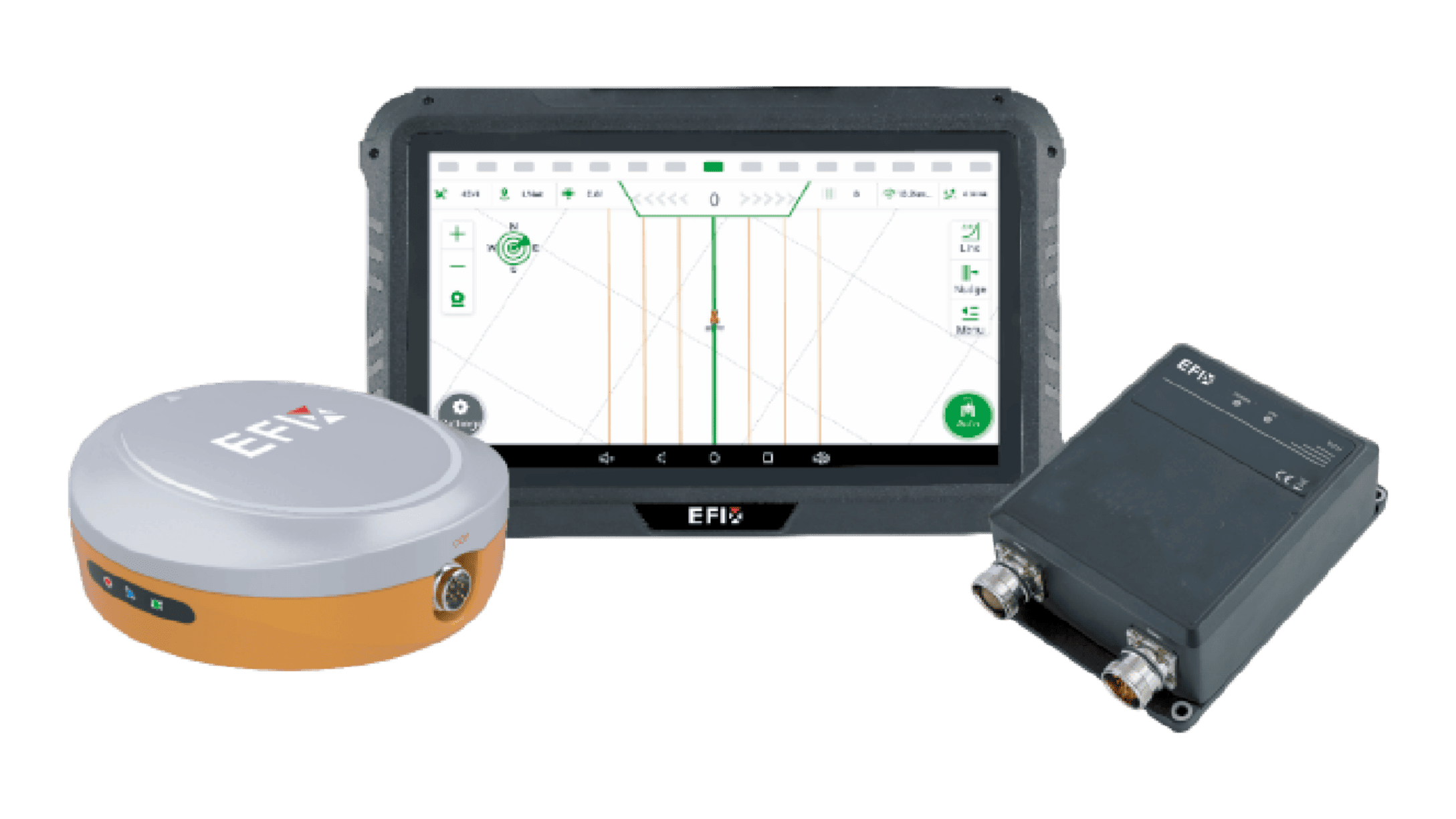
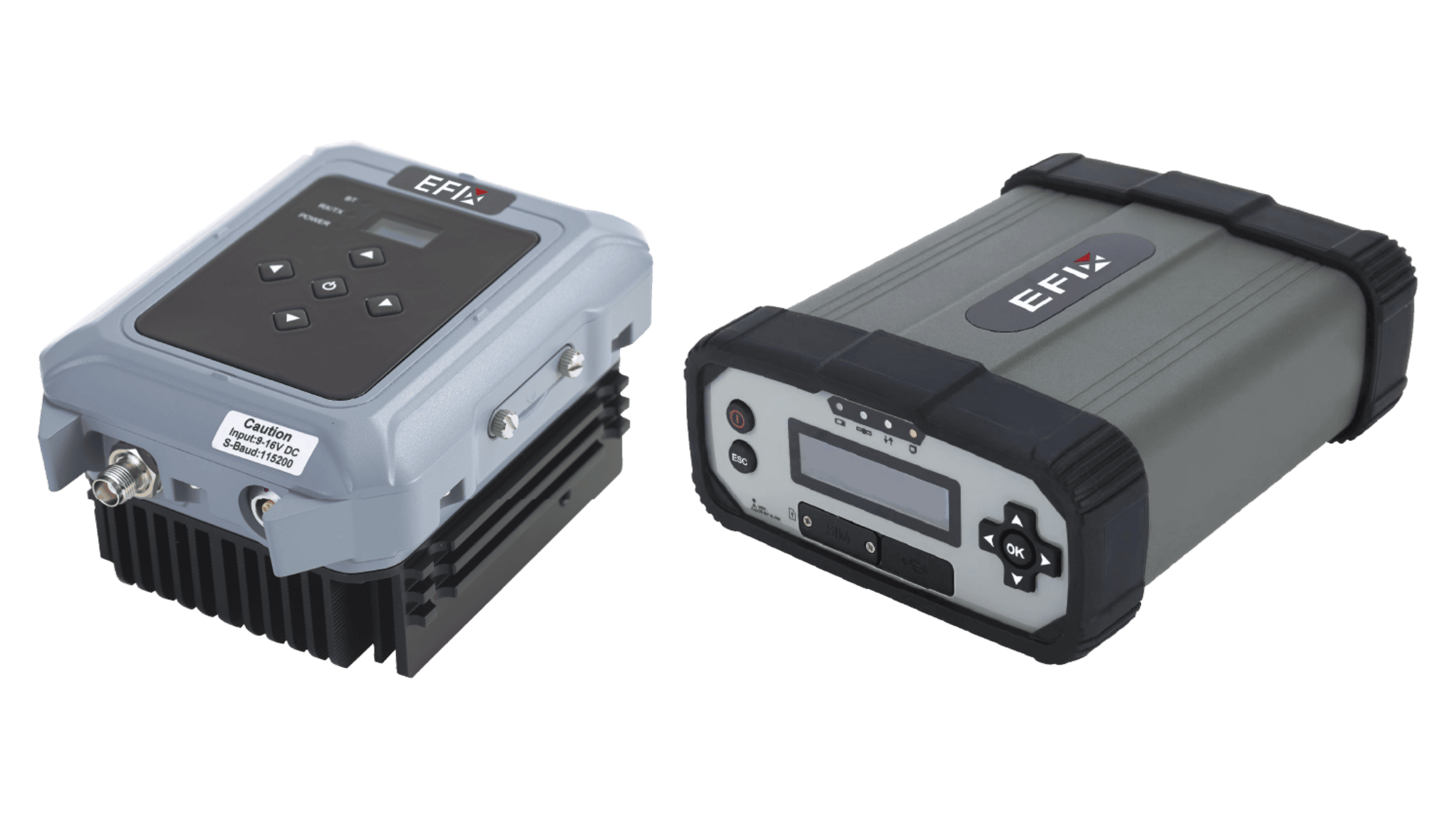
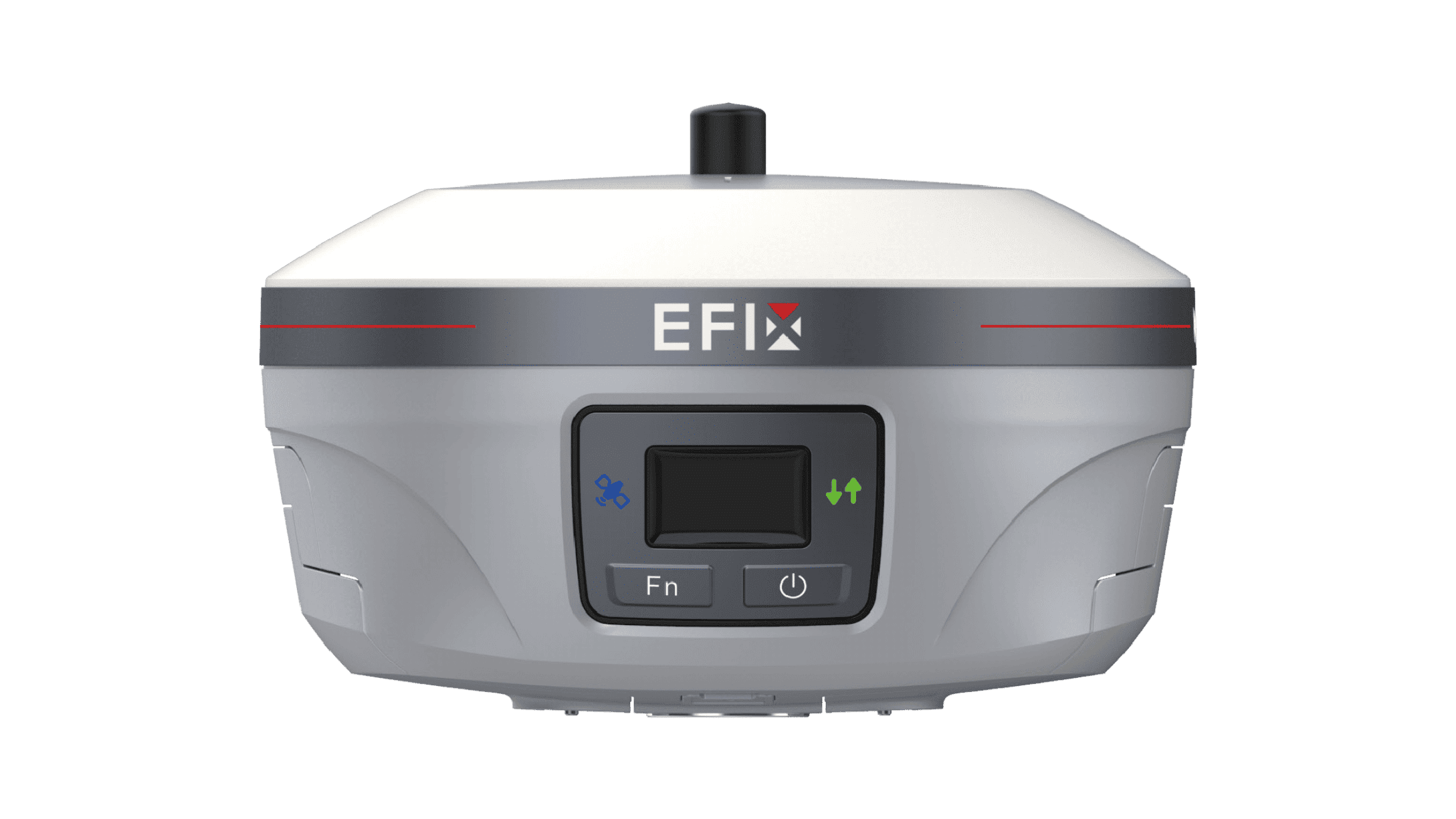
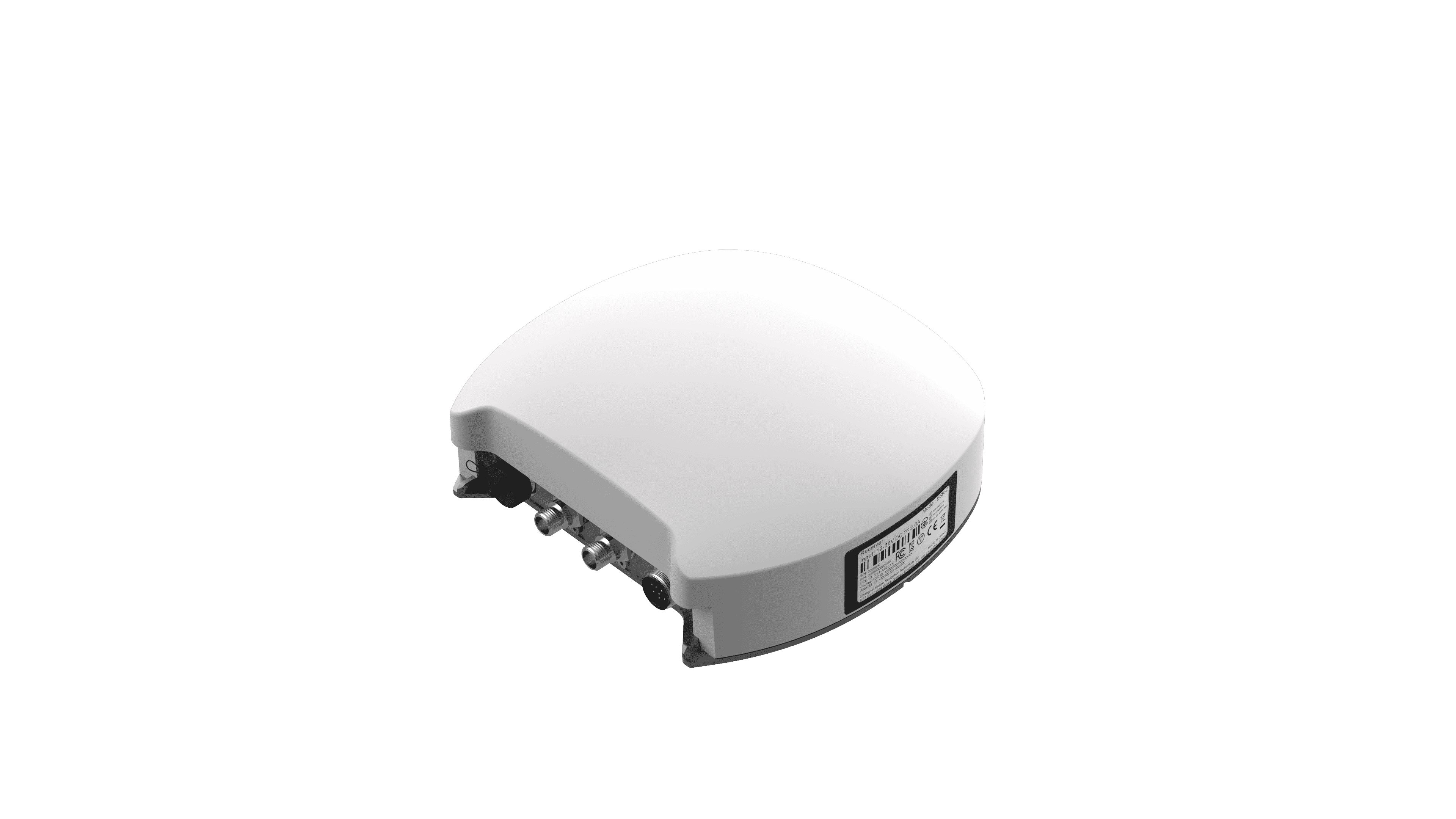
As the global population steadily increases, our agricultural systems face unprecedented challenges. The demand for food is rising, while the resources for production, such as land and water, are diminishing. This scenario calls for a critical solution: precision farming. By integrating advanced technology with agricultural practices, farmers can achieve higher efficiency and sustainability. In this article, we will explore how precision farming systems contribute to sustainable agriculture and highlight some innovative tools designed for modern farmers.

Enhancing Resource Management Through Precision Farming
One of the most significant advantages of precision farming is its potential to improve resource management. By utilizing technologies such as GPS, satellite imagery, and soil sensors, farmers can gather data to make informed decisions about irrigation, fertilization, and pest control. For instance, soil sensors provide real-time information about moisture levels and nutrient content, allowing for precise application of water and fertilizers. Such a targeted approach not only maximizes crop yield but also minimizes waste and environmental impact, ultimately contributing to more sustainable agricultural practices and long-term food security.
Reducing Environmental Impact with Data-Driven Decisions
The precision farming approach is inherently data-driven, which fosters environmentally friendly practices. By analyzing data collected from various sources, farmers can identify trends and make predictions regarding crop performance and health. For example, using drones equipped with cameras and sensors can help monitor crop health across vast areas. Gained from this aerial perspective, the data enables early detection of pest outbreaks or nutrient deficiencies, allowing for timely interventions that prevent unnecessary chemical use, thereby reducing the overall chemical footprint and protecting surrounding ecosystems.
Increasing Economic Viability for Farmers
Implementing precision farming techniques plays a pivotal role in enhancing the economic viability of farming operations. With improved yield predictions and efficient resource management, farmers can better allocate their budgets and reduce unnecessary expenditures. This operational efficiency leads to higher profit margins and more sustainable business models in the long run, while also enabling farmers to remain competitive in an increasingly volatile agricultural market.
Conclusion
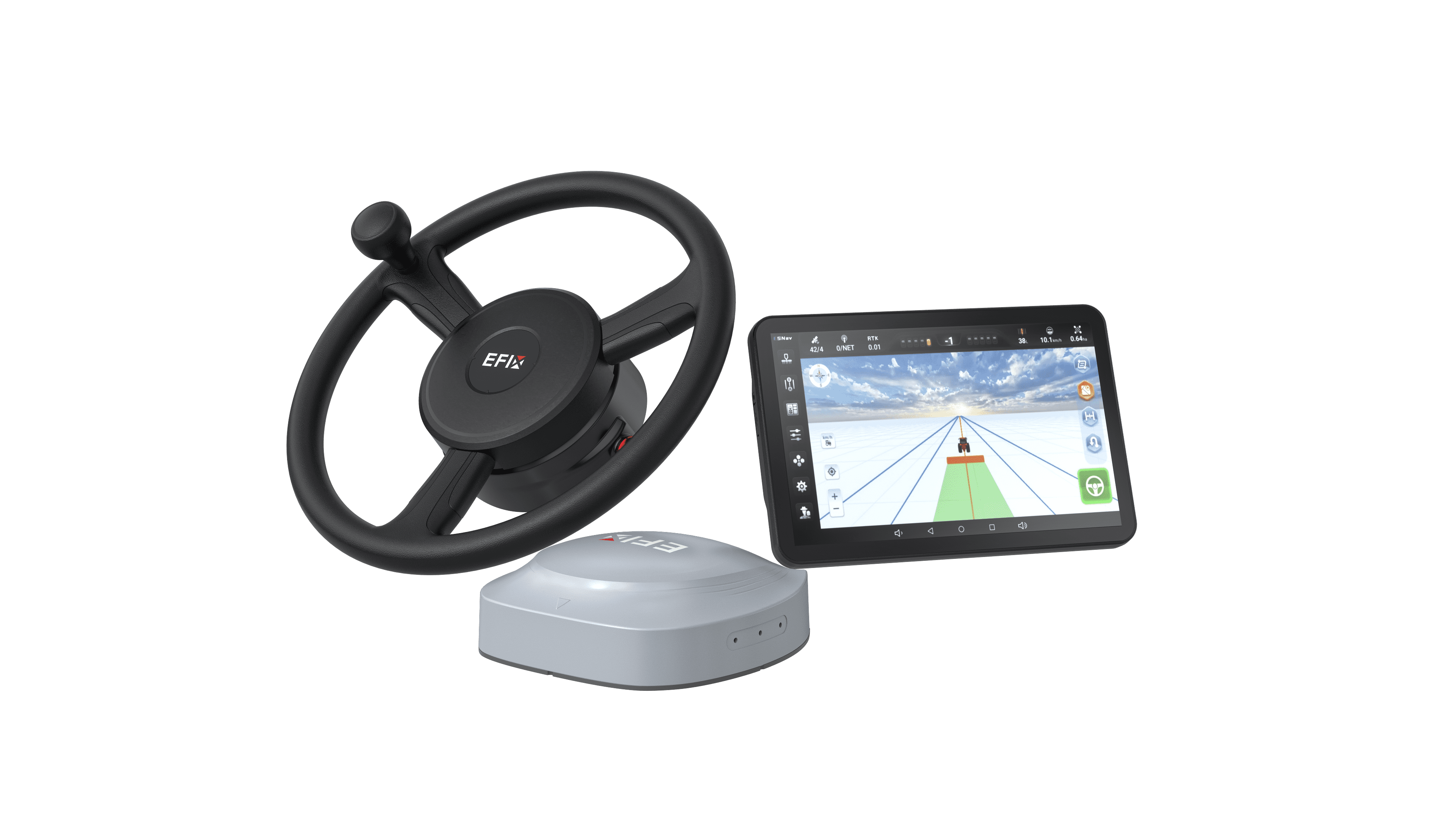
The integration of precision farming into modern agriculture marks a significant step towards achieving sustainability. By leveraging technology and data-driven insights, farmers can manage resources more effectively, reduce environmental impact, and increase their economic sustainability. At EFIX, we support the revolution in precision farming with our range of innovative solutions designed to empower farmers to thrive in a rapidly evolving agricultural landscape. With these advancements, the future of farming looks brighter, ensuring food security for generations to come.