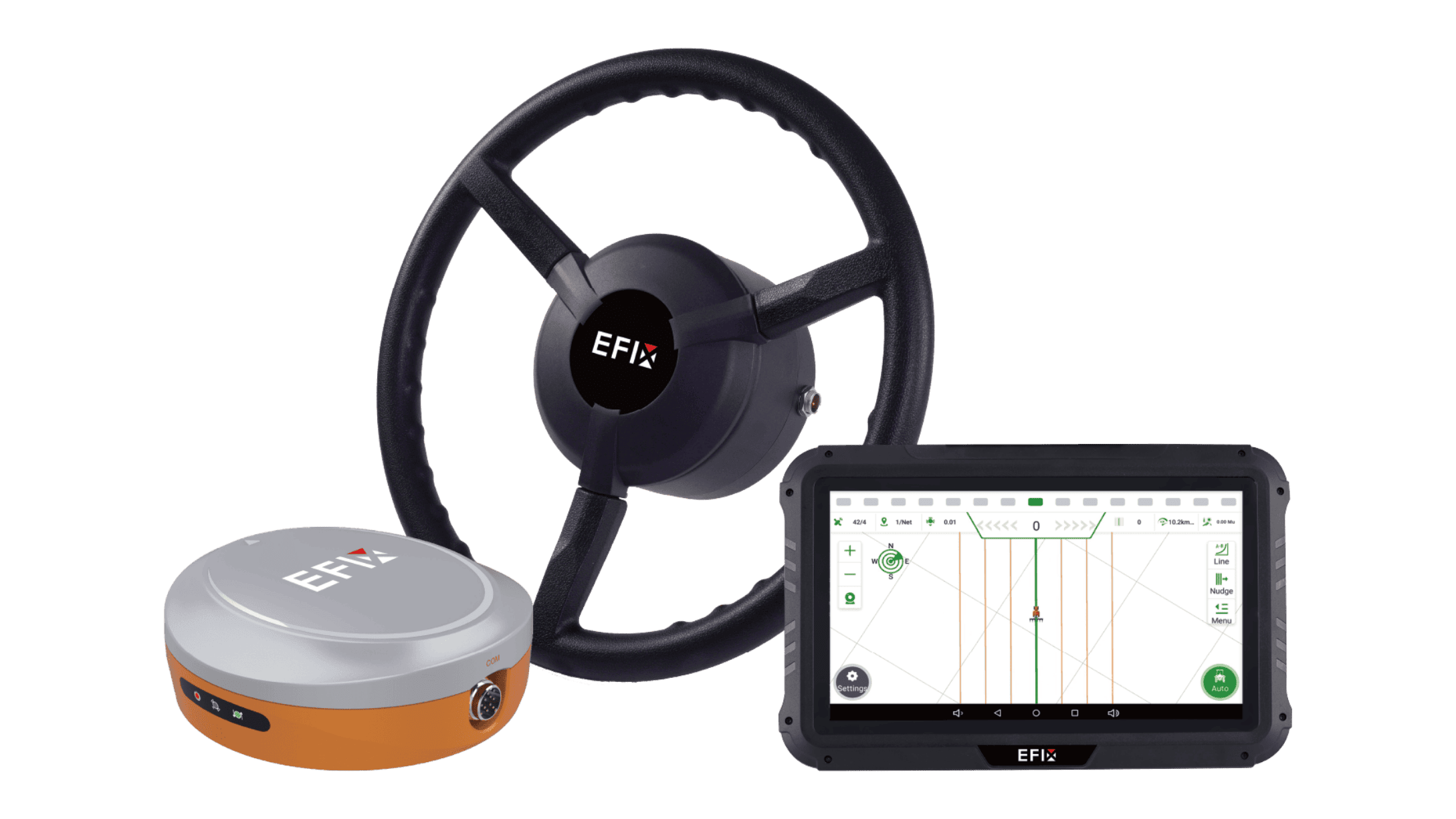
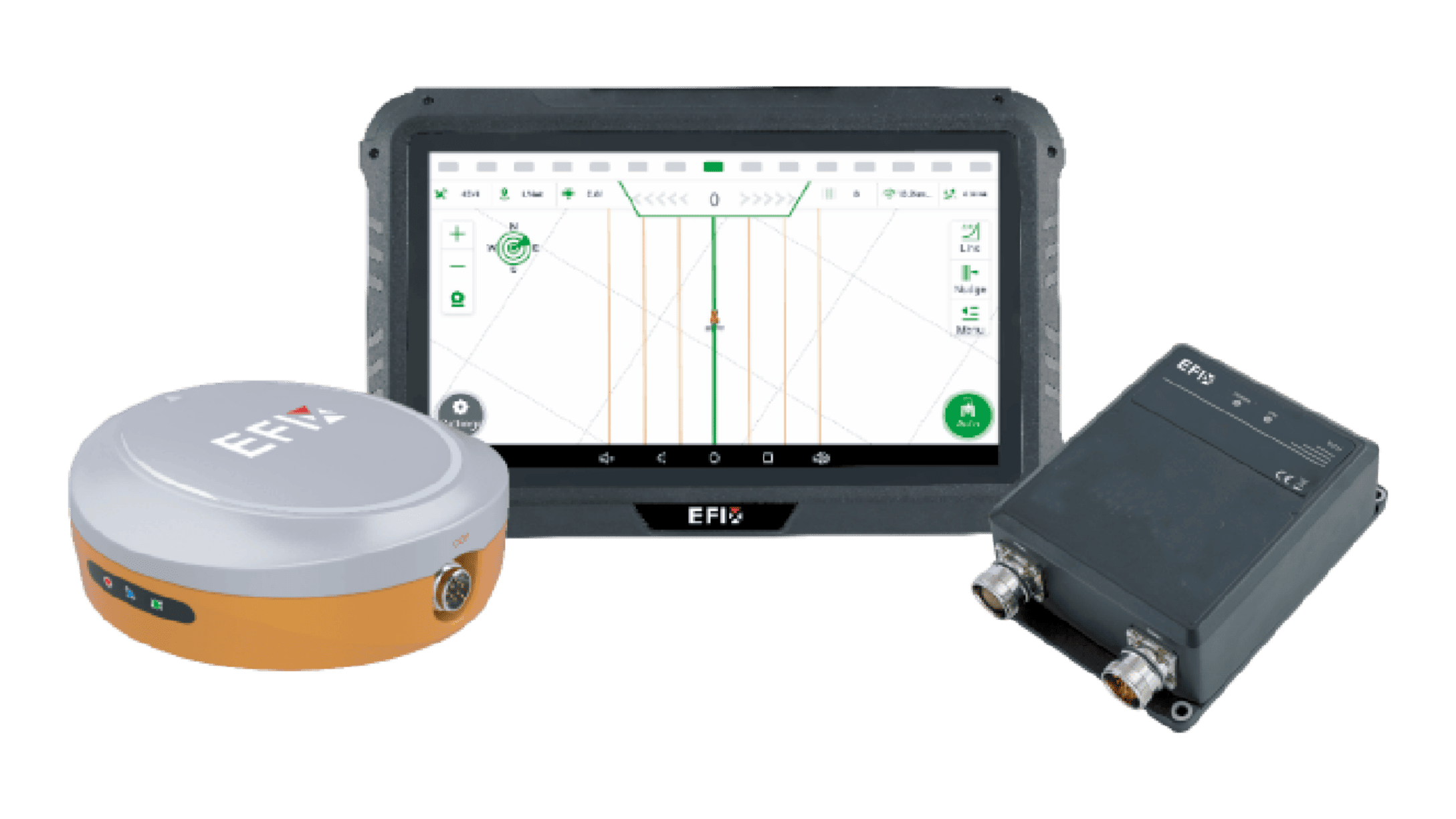
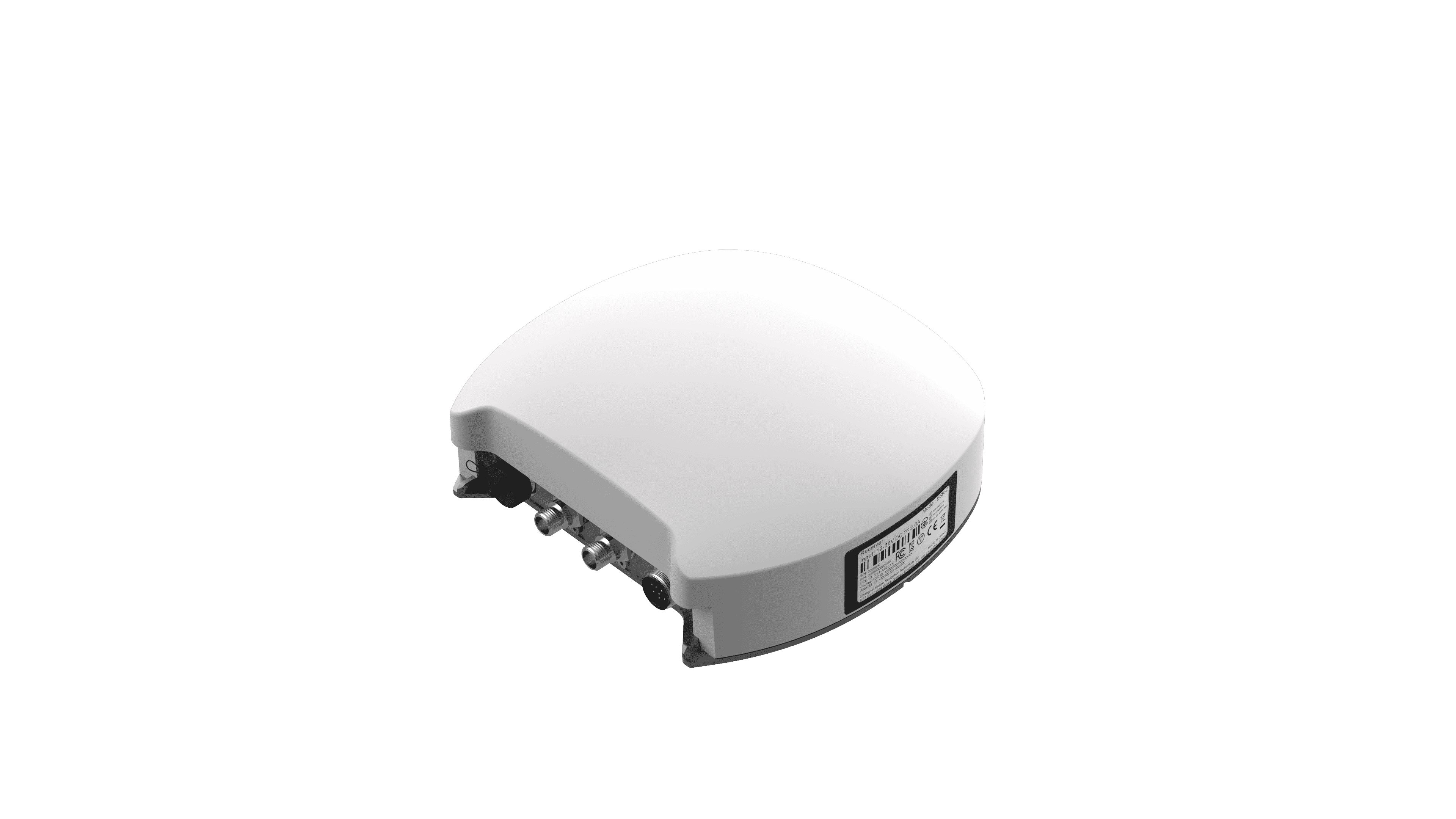
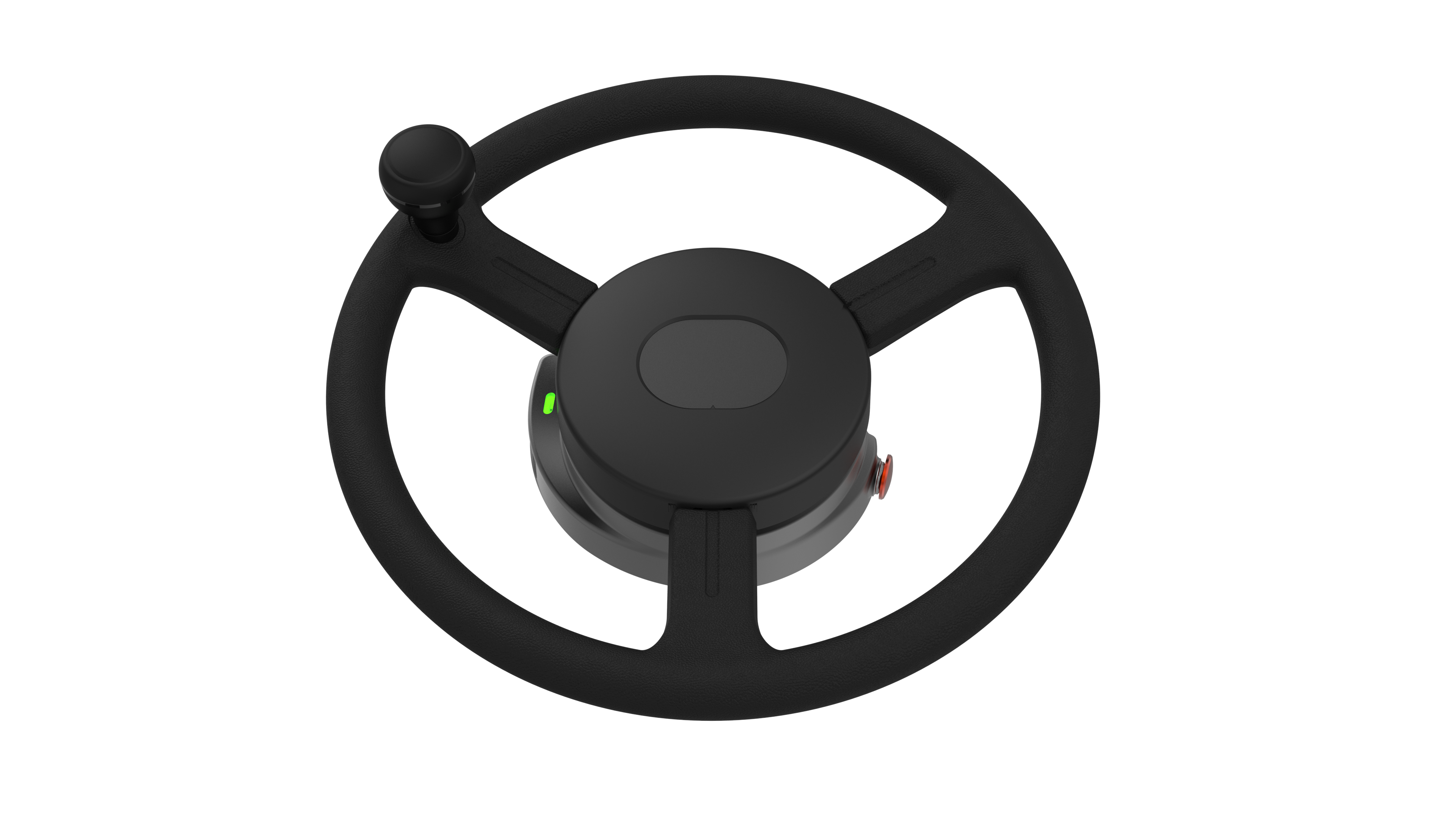
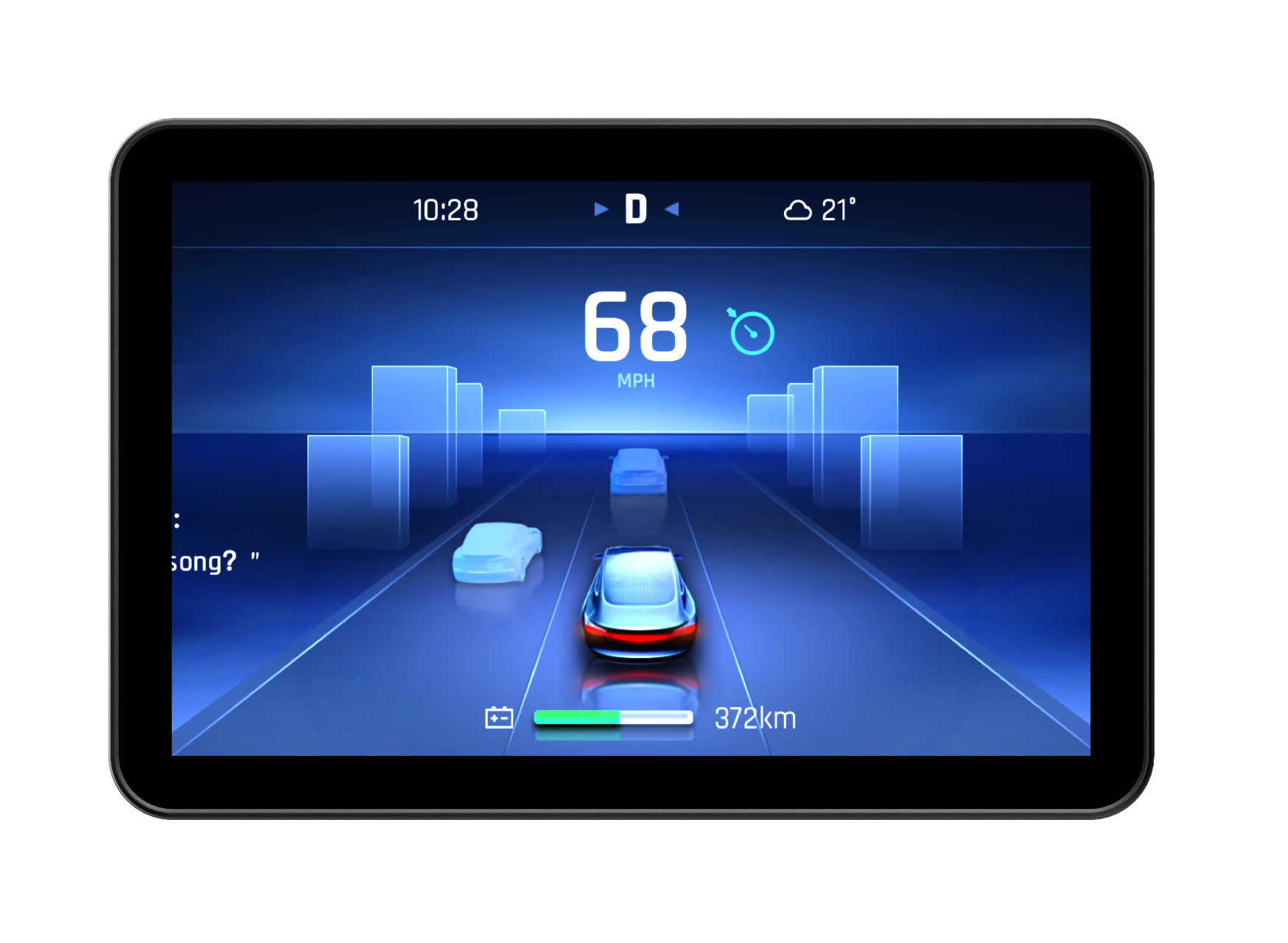
For many farmers, investing in precision technology is a practical business decision. The question is not simply whether automated steering works, but whether it can create enough value in daily operations. An RTK auto steer system may be worth the investment when a farm regularly needs accurate passes, repeatable routes, and lower operator workload. At EFIX, we believe the value of precision guidance should be measured by how well it supports real farming tasks, not by technical specifications alone.

Where RTK Guidance Creates Practical Value
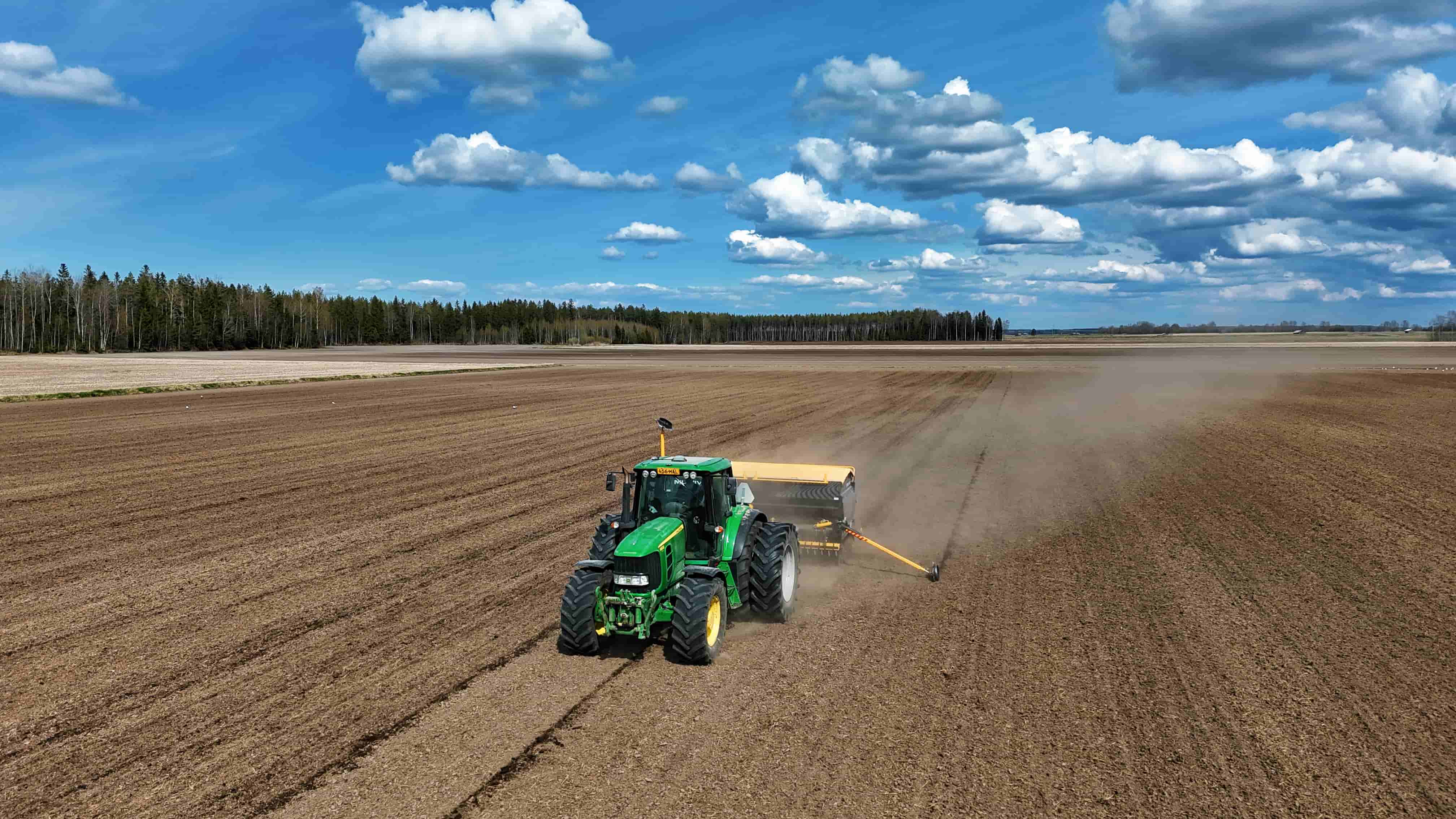
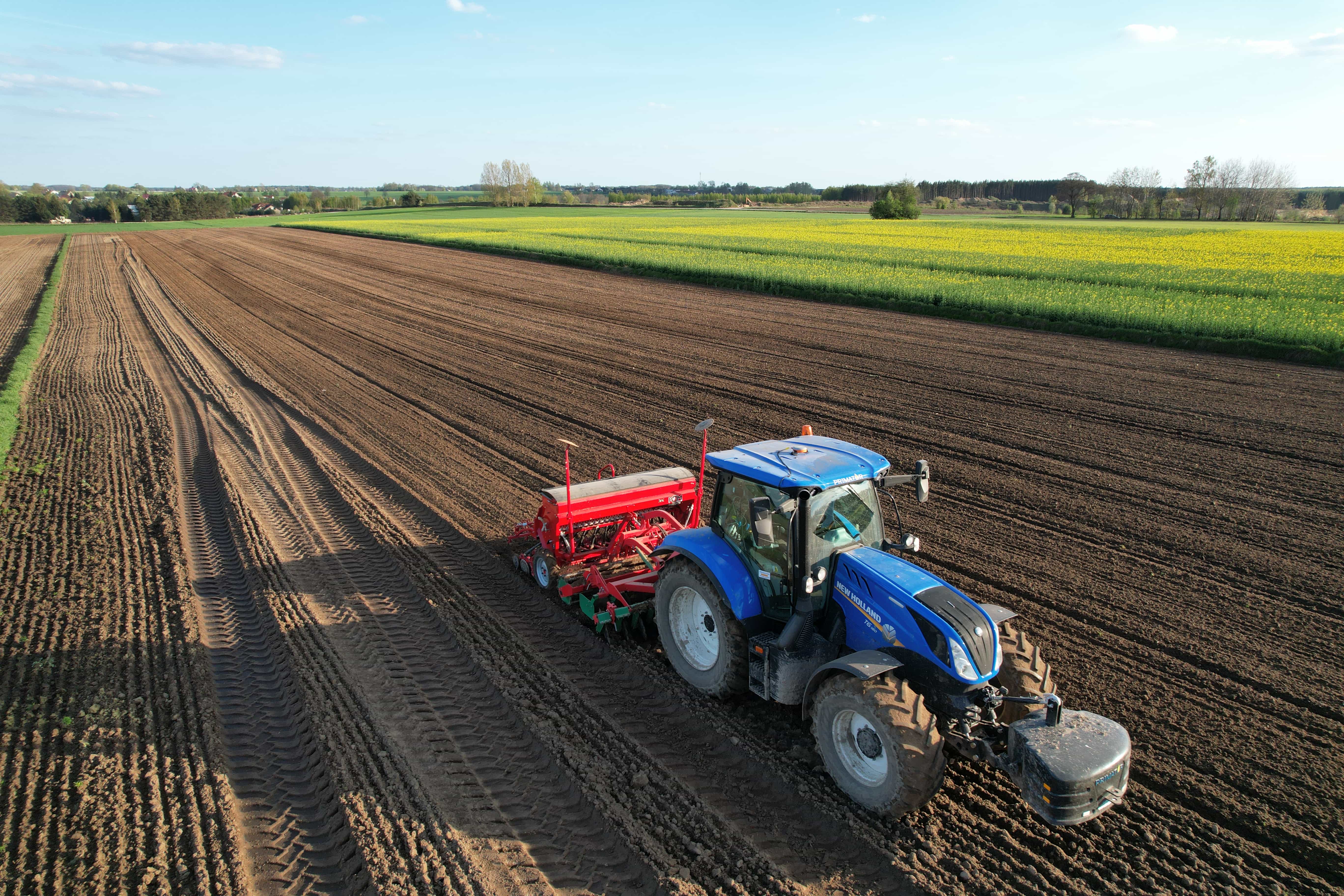
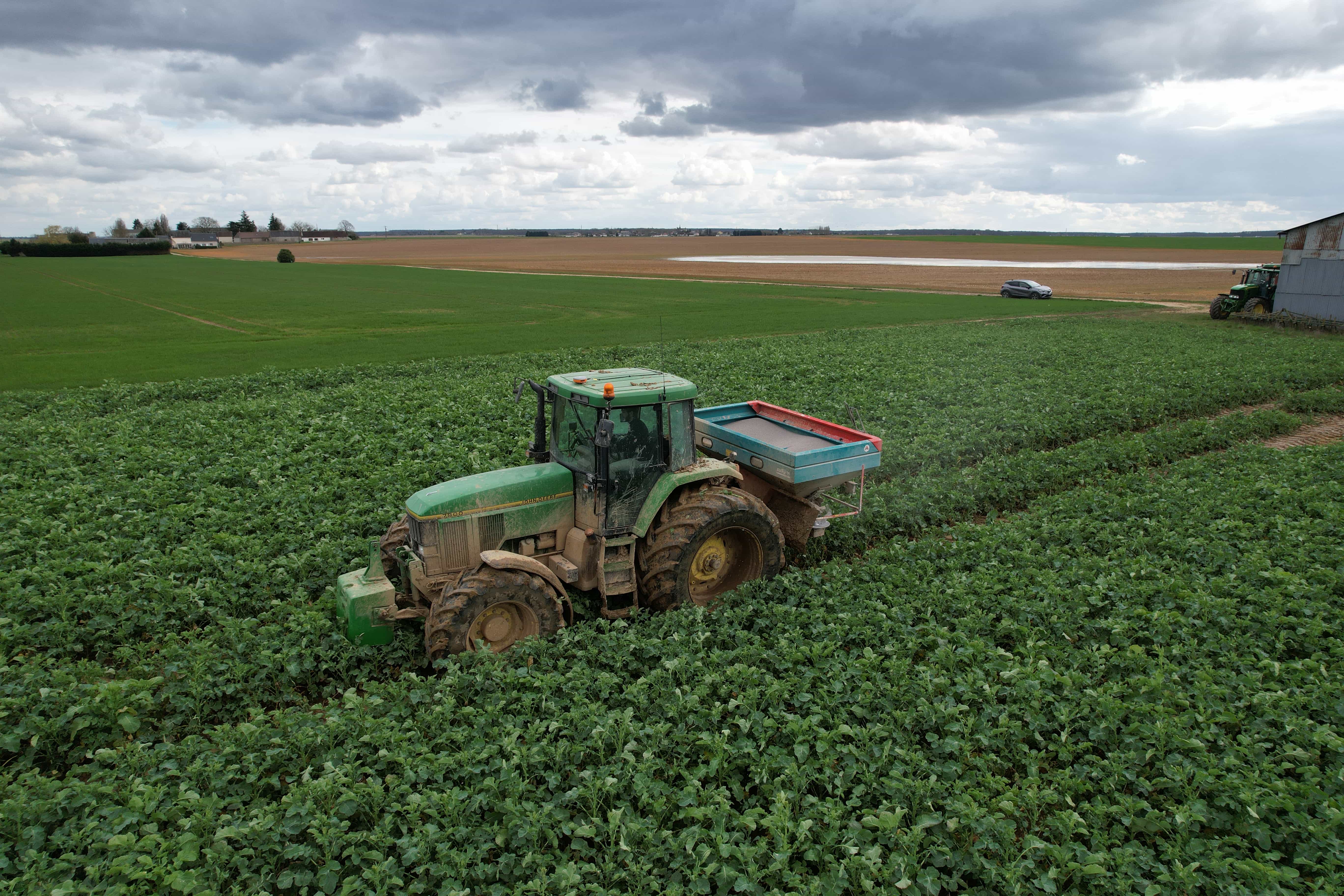
The benefits become easier to see during long or repetitive field operations. Accurate guidance can help tractors maintain consistent paths during planting, seeding, spraying, and fertilization. This can reduce unnecessary overlap and help operators make better use of available field space. It can also make extended work periods less demanding because the operator does not need to make constant steering corrections. For farms that operate large areas or work through narrow planting windows, these practical improvements may add up over time.
Beyond Steering: Extended Functions Matter
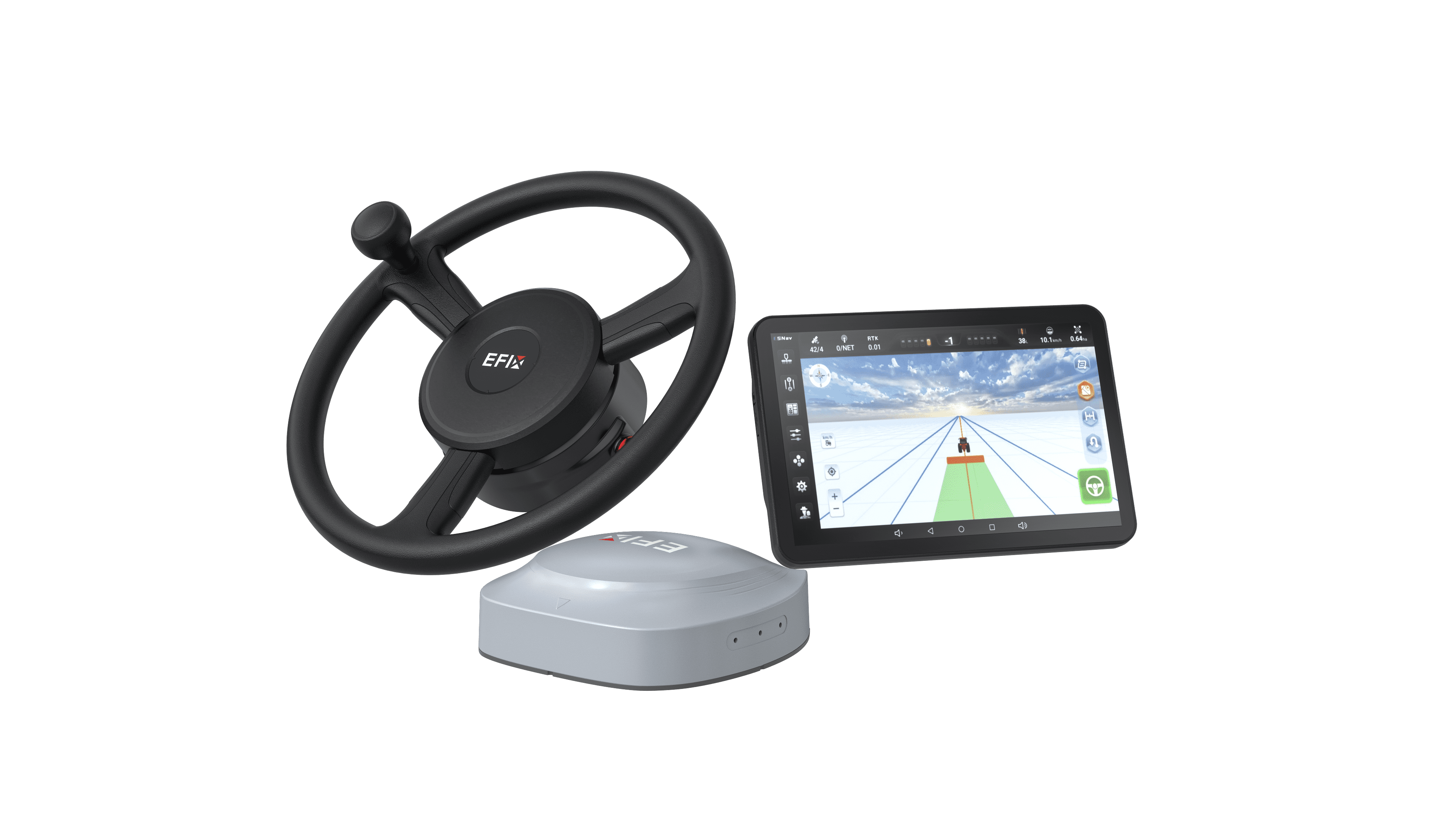
The value of a precision system can increase when it supports more than basic vehicle steering. Visual guidance can provide additional information for operators working in complex field conditions. Implement guidance helps coordinate the tractor with attached equipment, while row guidance can be useful for operations that require accurate alignment with existing crop rows. These functions allow one guidance platform to support different tasks instead of limiting its use to a single application.
How to Decide If It Fits Your Farm
Before buying an RTK auto steer system, farmers should consider several factors. Field size, crop type, machine compatibility, working hours, and the frequency of repeated passes all affect the potential return from the investment. Correction service availability is also important because RTK performance depends on reliable correction data. Farms with diverse operations may benefit more from systems that offer extended functions and flexible configurations. The goal is to choose technology that can be used across multiple seasons and applications.
Conclusion
RTK guidance can be a worthwhile investment when its capabilities match the farm's actual workflow. The strongest value often comes from combining accurate steering with functions that support planting, spraying, fertilization, and other demanding operations. Visual guidance, implement guidance, and row guidance can expand the usefulness of the system beyond automated steering alone. At EFIX, we focus on developing flexible precision agriculture solutions that adapt to different working conditions. For farmers making an investment decision, the suitable approach is to compare the expected daily benefits with the system's long-term usability and application range.