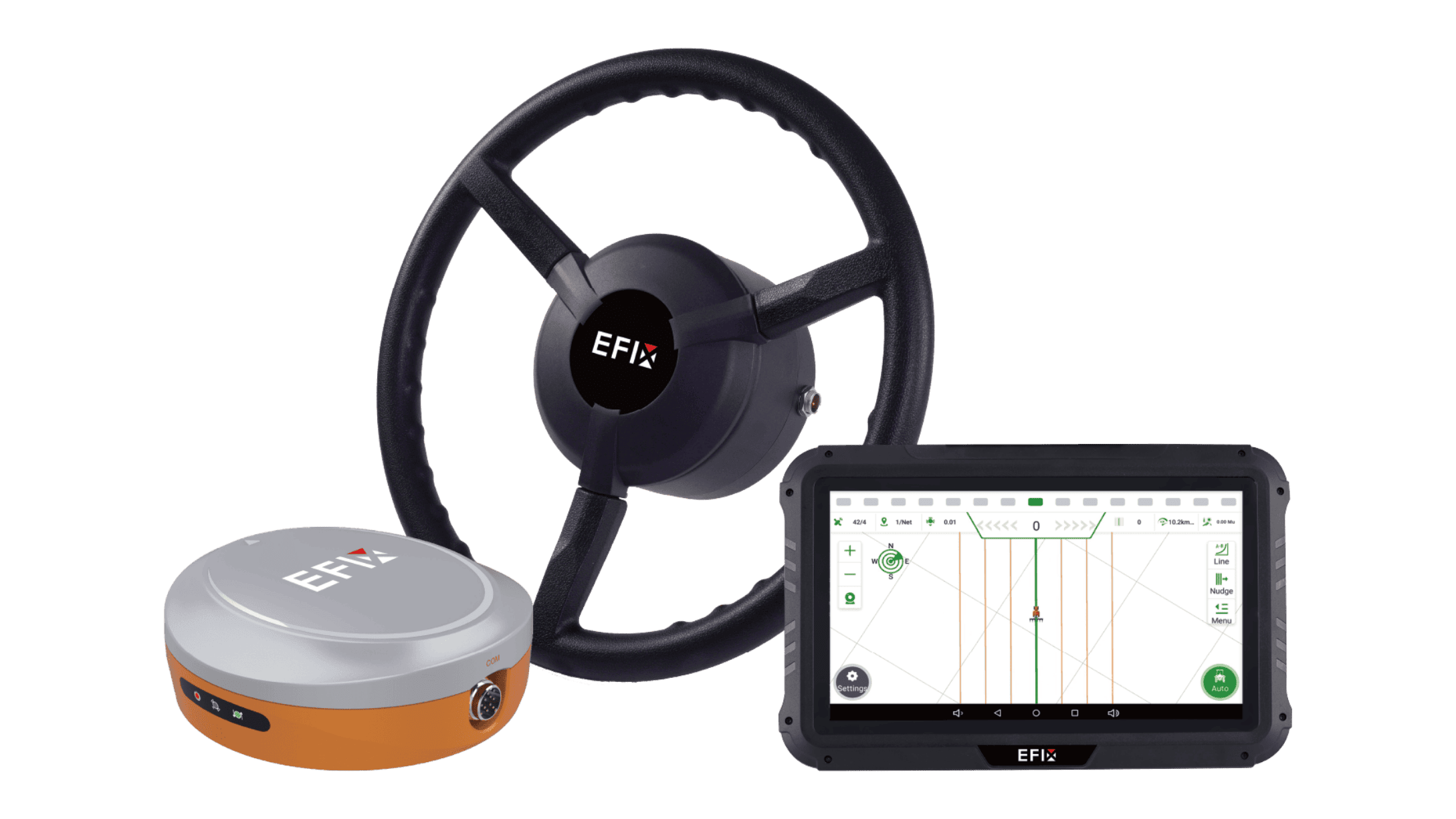
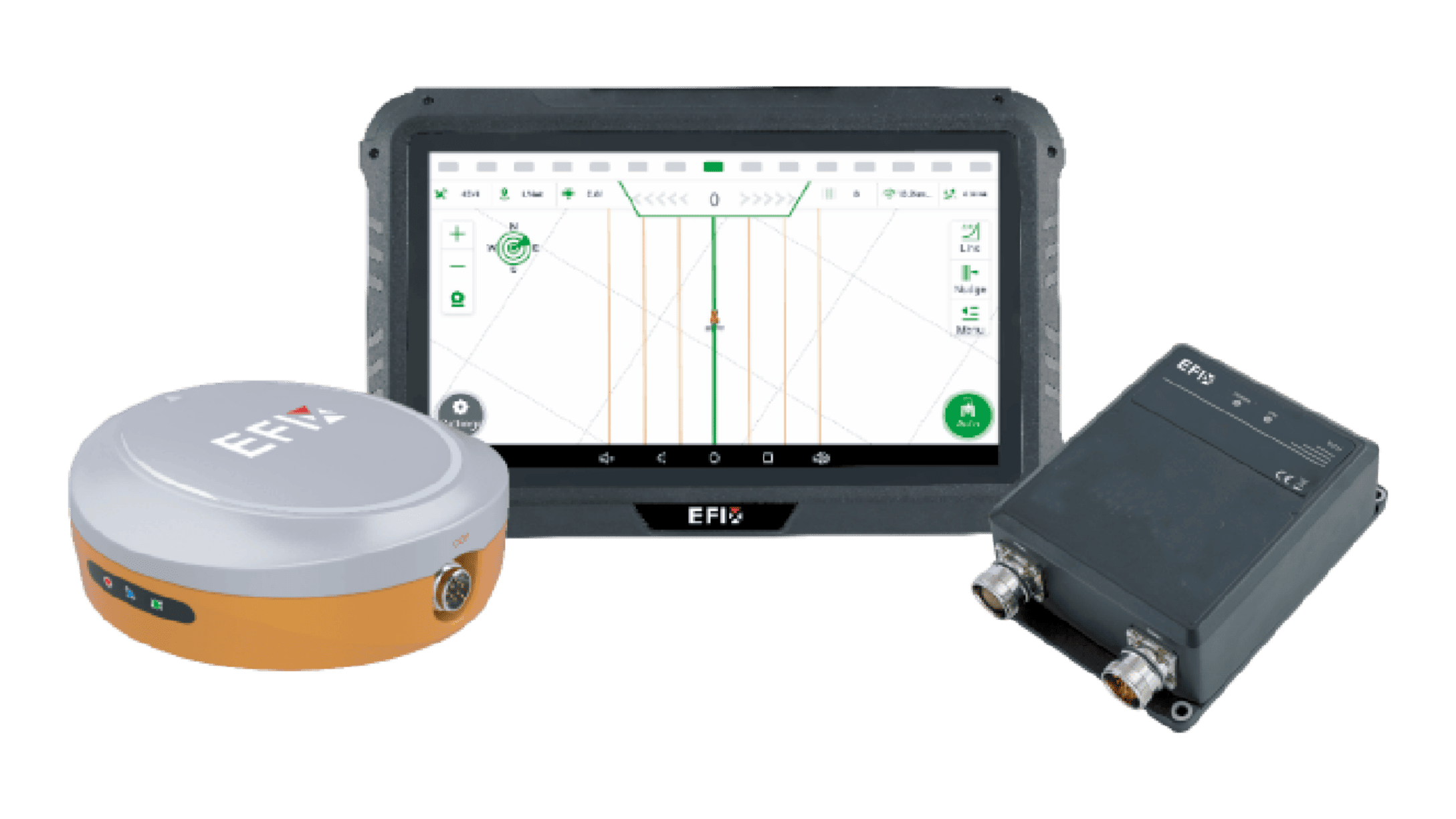
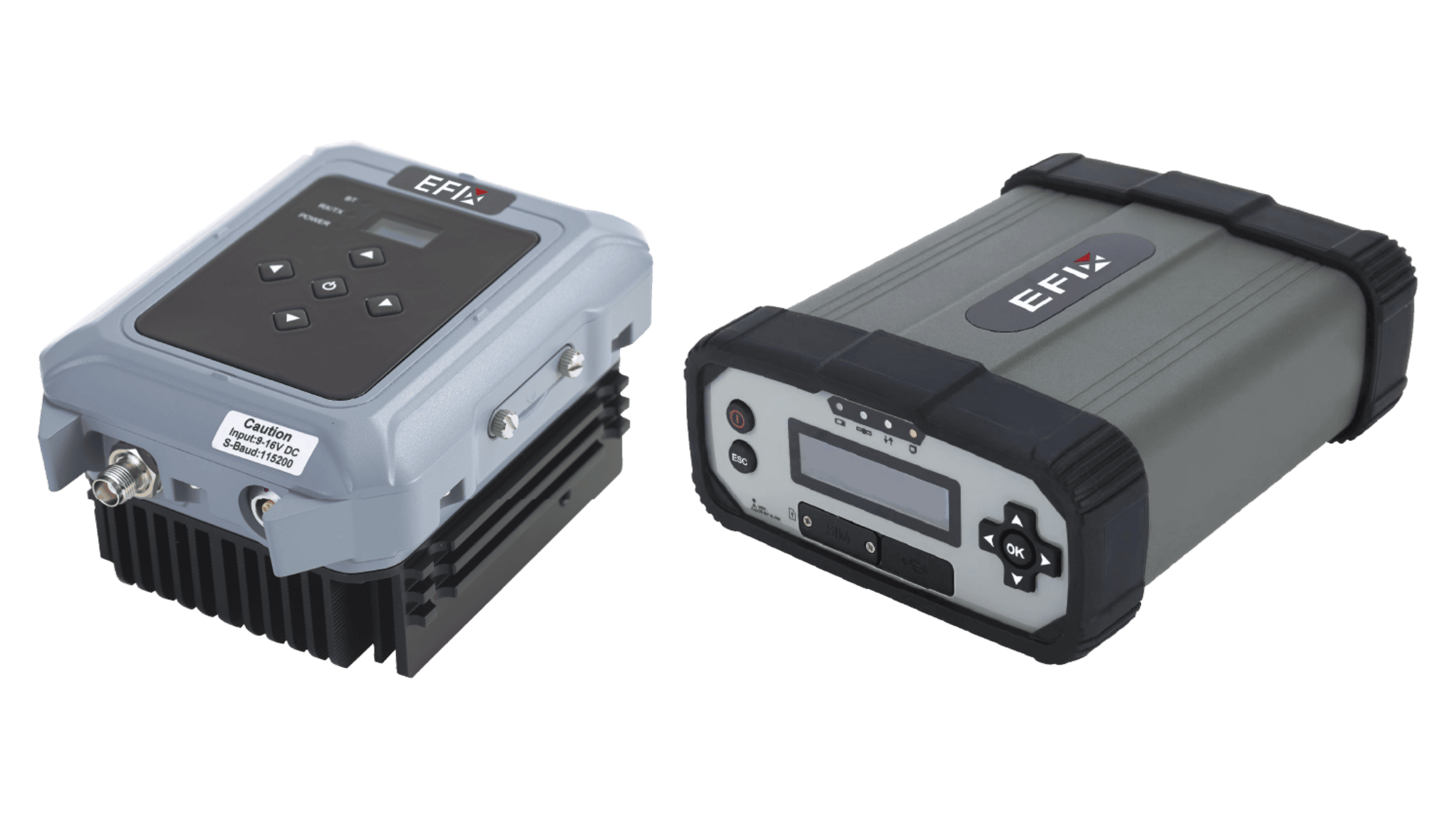
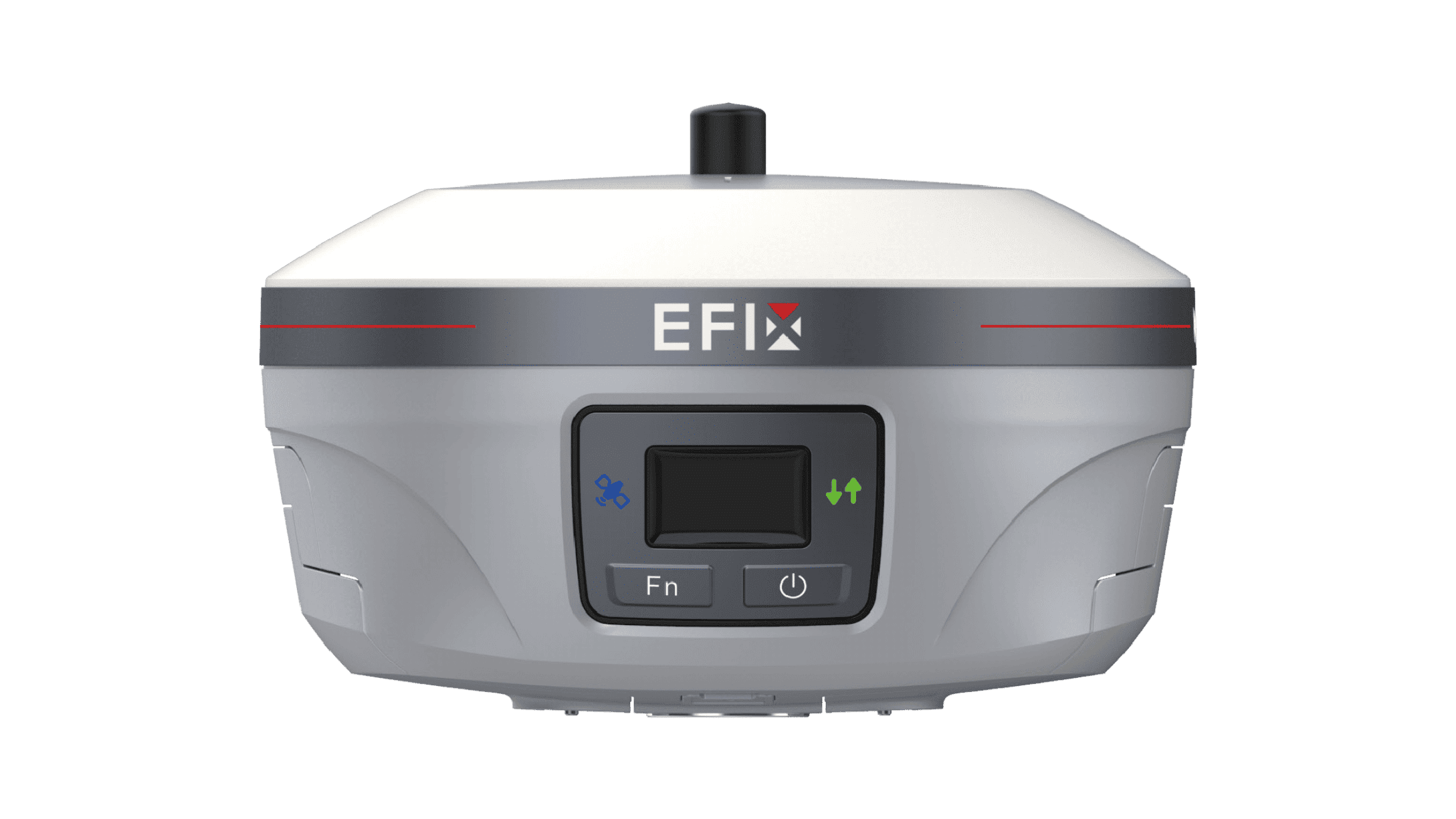
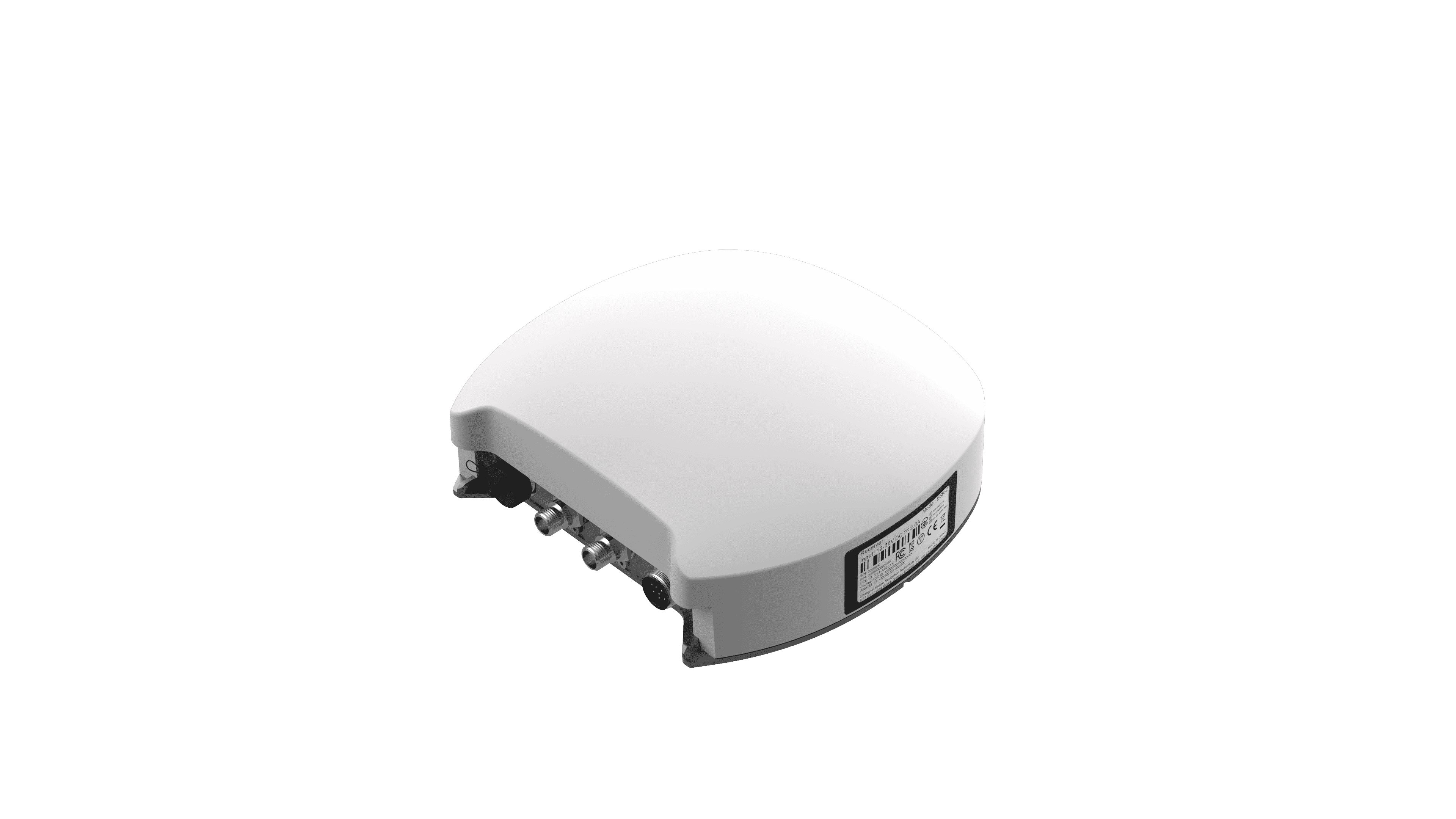
Farming practices are constantly evolving, and agricultural GPS guidance systems are becoming indispensable in modern agriculture. These advanced technologies are designed to improve precision and efficiency in farming operations. By leveraging satellite technology, growers can address various challenges, leading to increased productivity and sustainability in their agricultural endeavors. Understanding how these systems work and the problems they solve is crucial for anyone in the agricultural industry.

Minimizing Resource Waste
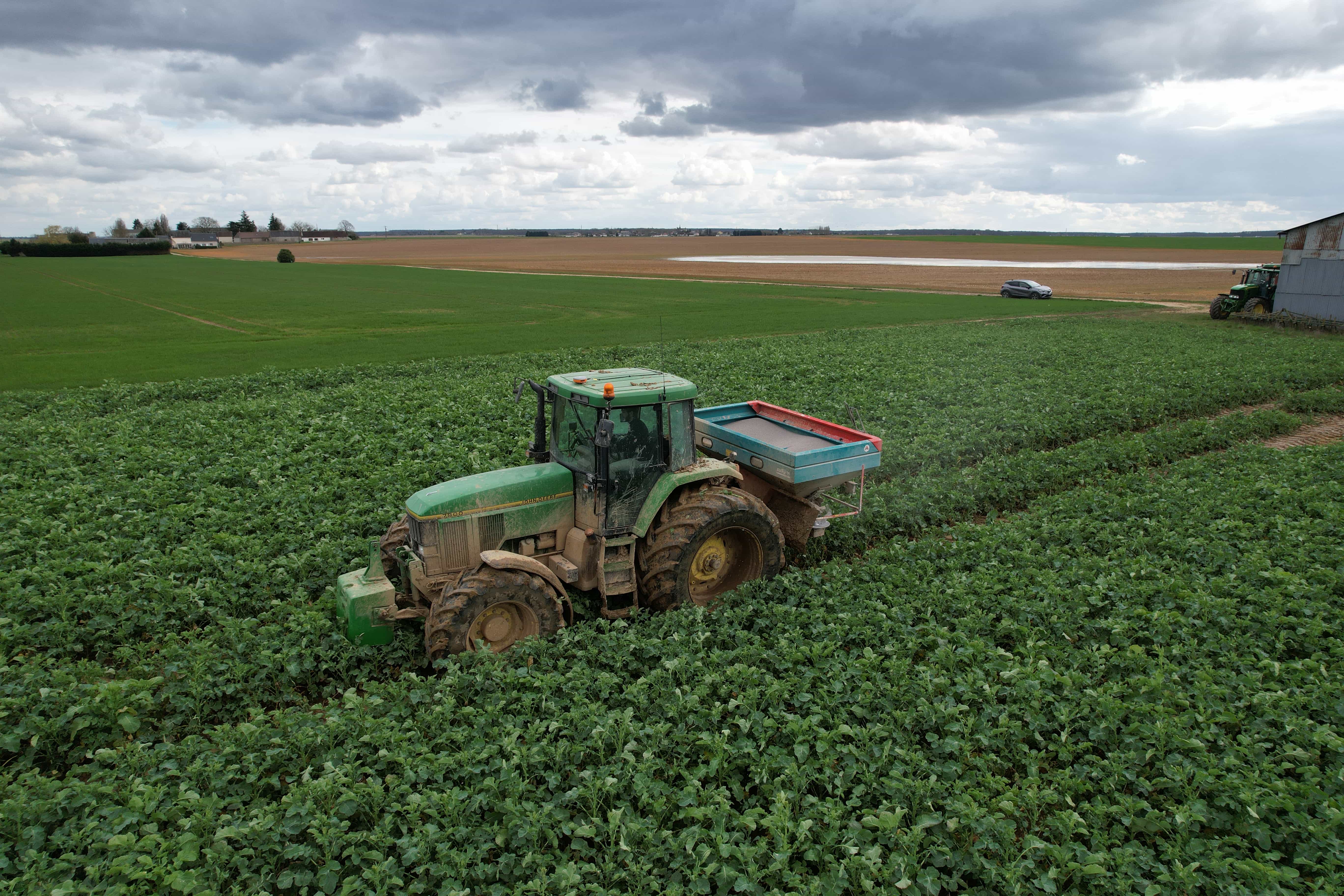
One of the most significant challenges in agriculture is the inefficient use of resources such as seeds, fertilizers, and water. Agricultural GPS guidance systems help farmers optimize these inputs by providing accurate data on land contours and soil variability. For instance, these systems enable the application of fertilizers only where needed, reducing excess runoff and potential environmental harm. Additionally, precise planting patterns lead to optimal seed spacing, minimizing seed waste and enhancing yield. By aligning every action with the specific needs of each field zone, farmers can achieve more with less, making every drop and every seed count.
Enhancing Operational Efficiency
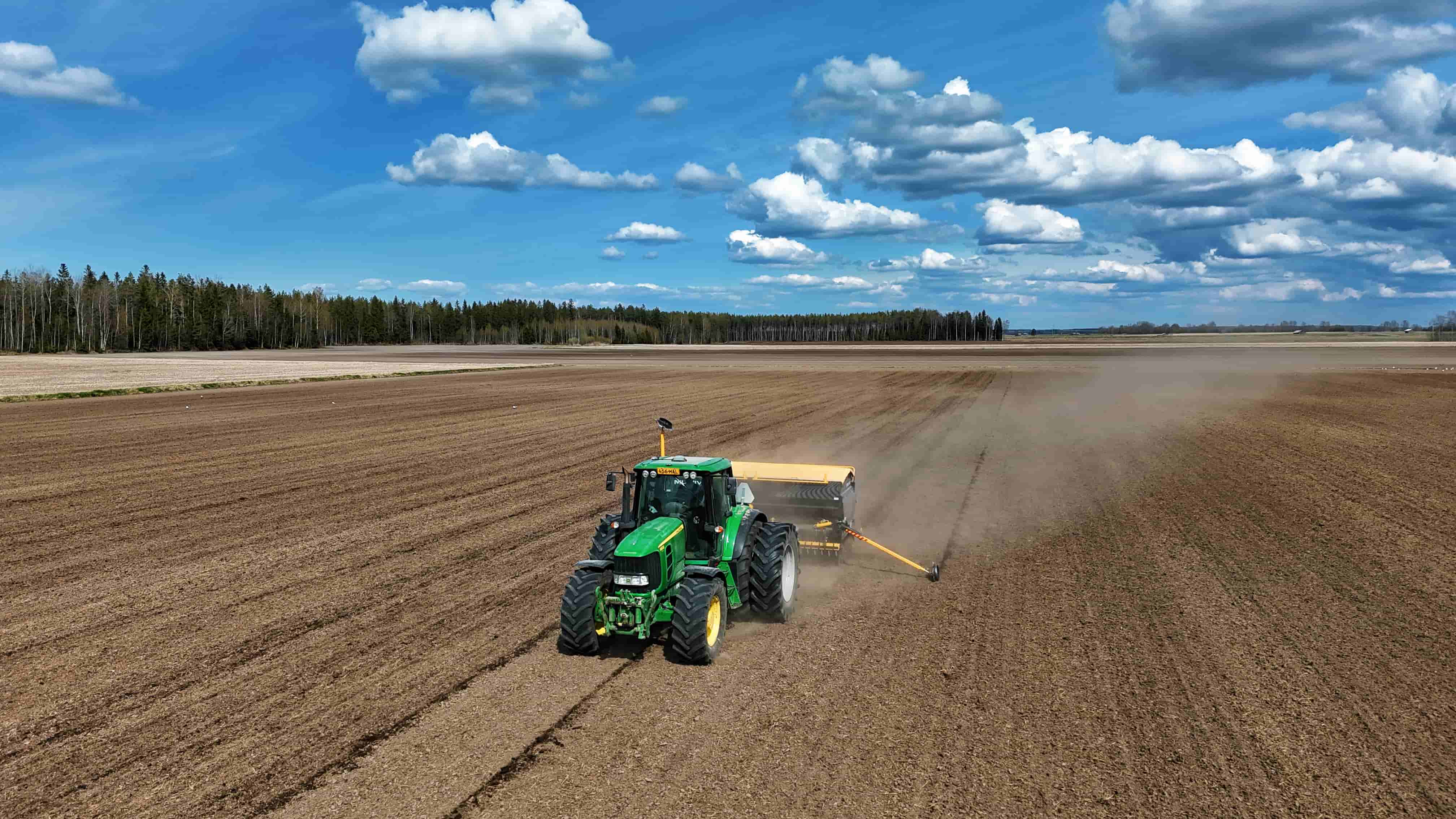
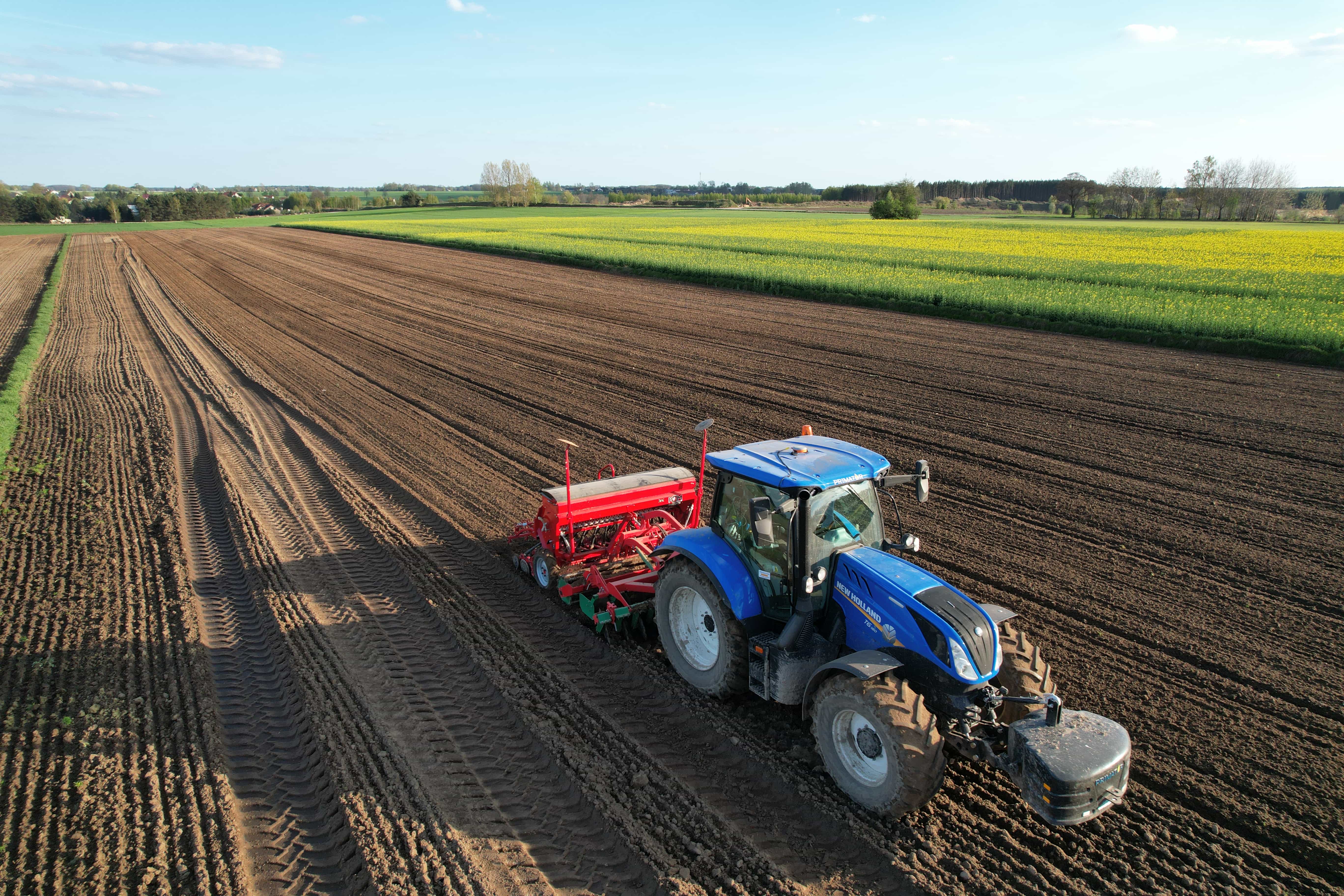
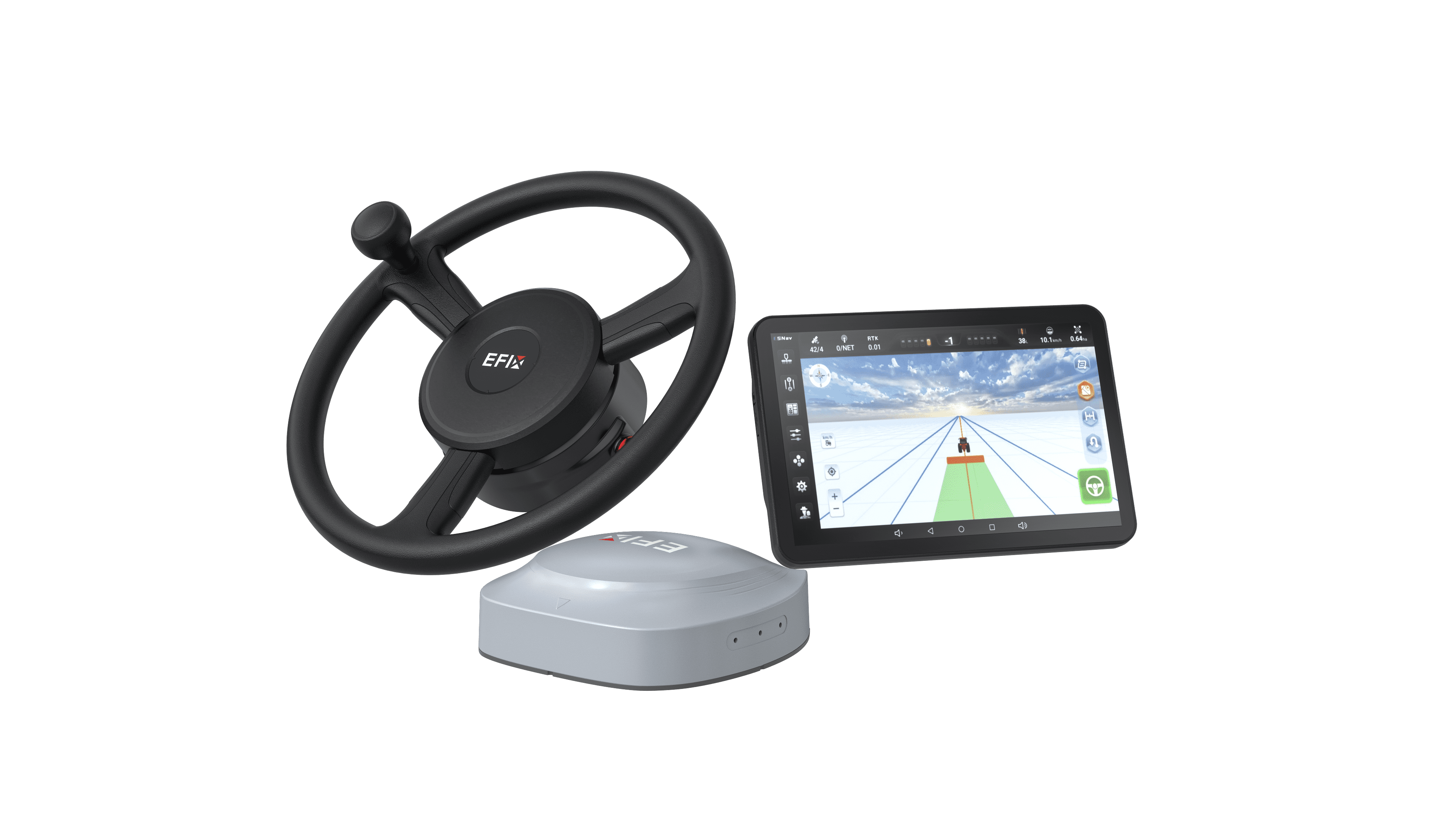
Farmers often face challenges related to time management and labor costs. Manual steering of farm equipment can lead to overlaps and gaps in the fields, resulting in inefficient operations. Agricultural GPS guidance systems provide automatic steering capabilities, allowing machinery to follow a precise path. This automation not only saves time but also reduces the physical strain on operators. Implementing these systems can lead to smoother workflows and better scheduling during critical farming periods, ultimately improving the bottom line for growers, while also freeing up valuable time for farmers to focus on higher-level strategic decisions rather than routine operational tasks.
Increasing Field Productivity
Crop yield can be significantly impacted by how efficiently fields are managed. Agricultural GPS guidance systems offer valuable insights into field variability, allowing farmers to adjust their practices accordingly. By using precise mapping, these systems enable growers to identify areas with different soil types or fertility levels. This knowledge allows for targeted interventions, such as variable-rate irrigation or selective harvesting, resulting in higher overall productivity. Farmers can maximize their output while minimizing input costs, leading to more sustainable agricultural practices. In doing so, they not only boost their bottom line but also preserve natural resources for future planting seasons.
Conclusion
The integration of agricultural GPS guidance systems into farming practices offers significant benefits by solving key operational challenges. Optimizing resource use, enhancing operational efficiency, and increasing field productivity are just a few of the advantages these technologies provide. At EFIX, we help farmers use GPS guidance for sustainable, efficient farming.