Automated steering systems have revolutionized the way machines operate in various agricultural settings. As farmers and agricultural technicians increasingly rely on these advanced technologies, encountering issues is inevitable. Understanding how to troubleshoot these systems effectively can significantly enhance their efficiency and reduce downtime. This article delves into common problems faced with automated steering systems and ways to resolve them.
Recognizing the Signs of Malfunction
Detecting a malfunction in an automated steering system early can save both time and money. Typical signs include erratic steering behavior, misalignment with the intended path, or a total loss of steering functionality. It’s crucial to monitor the performance of the system regularly. Keep a close watch on any sudden deviations from the desired course, which could indicate issues such as poor calibration, software flaws, or even mechanical failures. Using diagnostic tools to read error codes can also provide insights into underlying issues that may not be immediately visible.
Diagnosing Calibration Issues
Calibration is essential to ensure that an automated steering system operates effectively. Over time, sensor drift or changes in input parameters can lead to misalignments. If the system seems to be steering too aggressively or sluggishly, recalibrating the sensors may be necessary. Always check that the guidance settings are compatible with the specific conditions of the field, such as varying row widths or uneven terrain. Incorrectly set parameters can lead to inefficient operation, and adjusting these settings can often remedy the problem.
Addressing Hardware Limitations
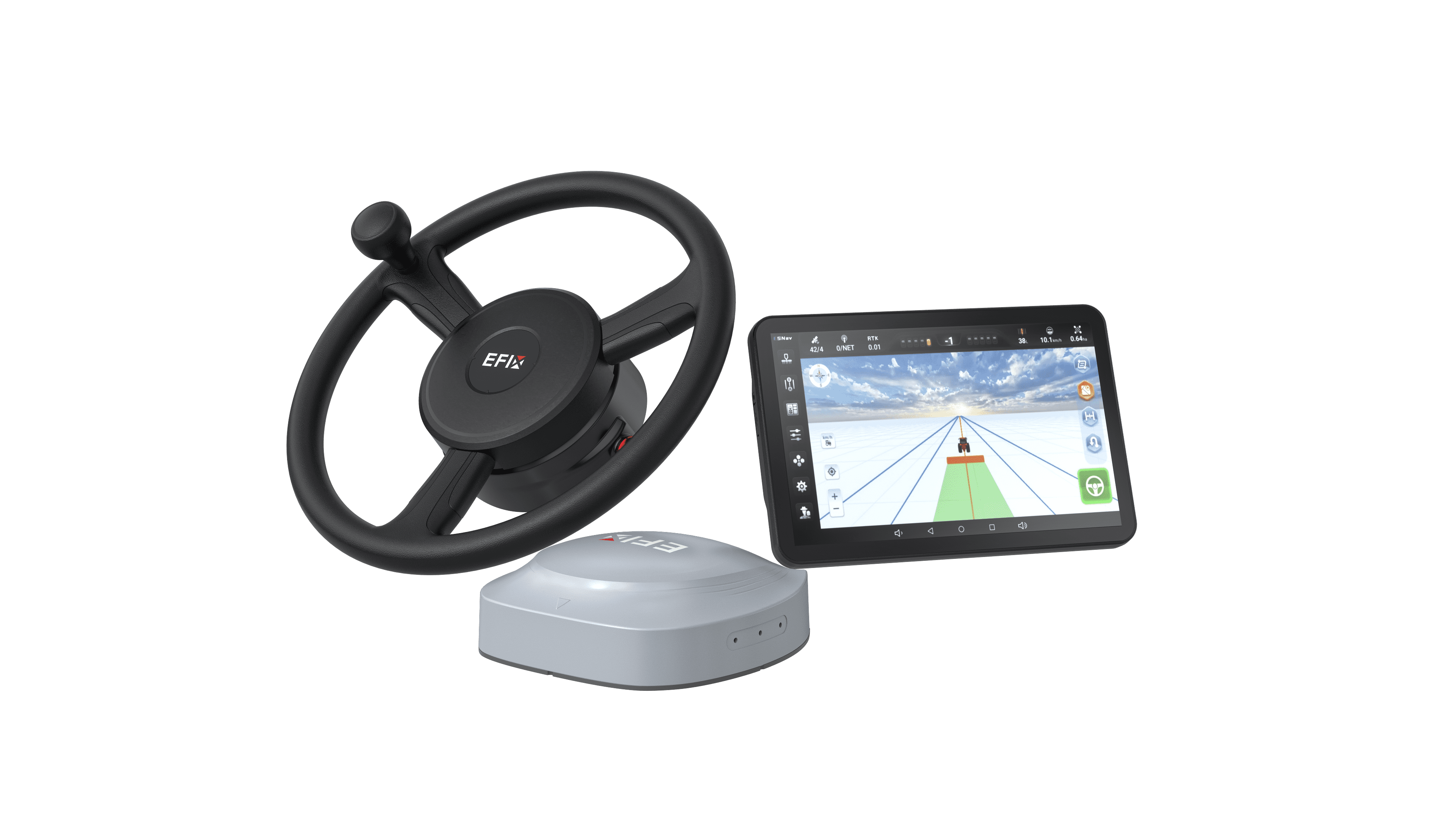
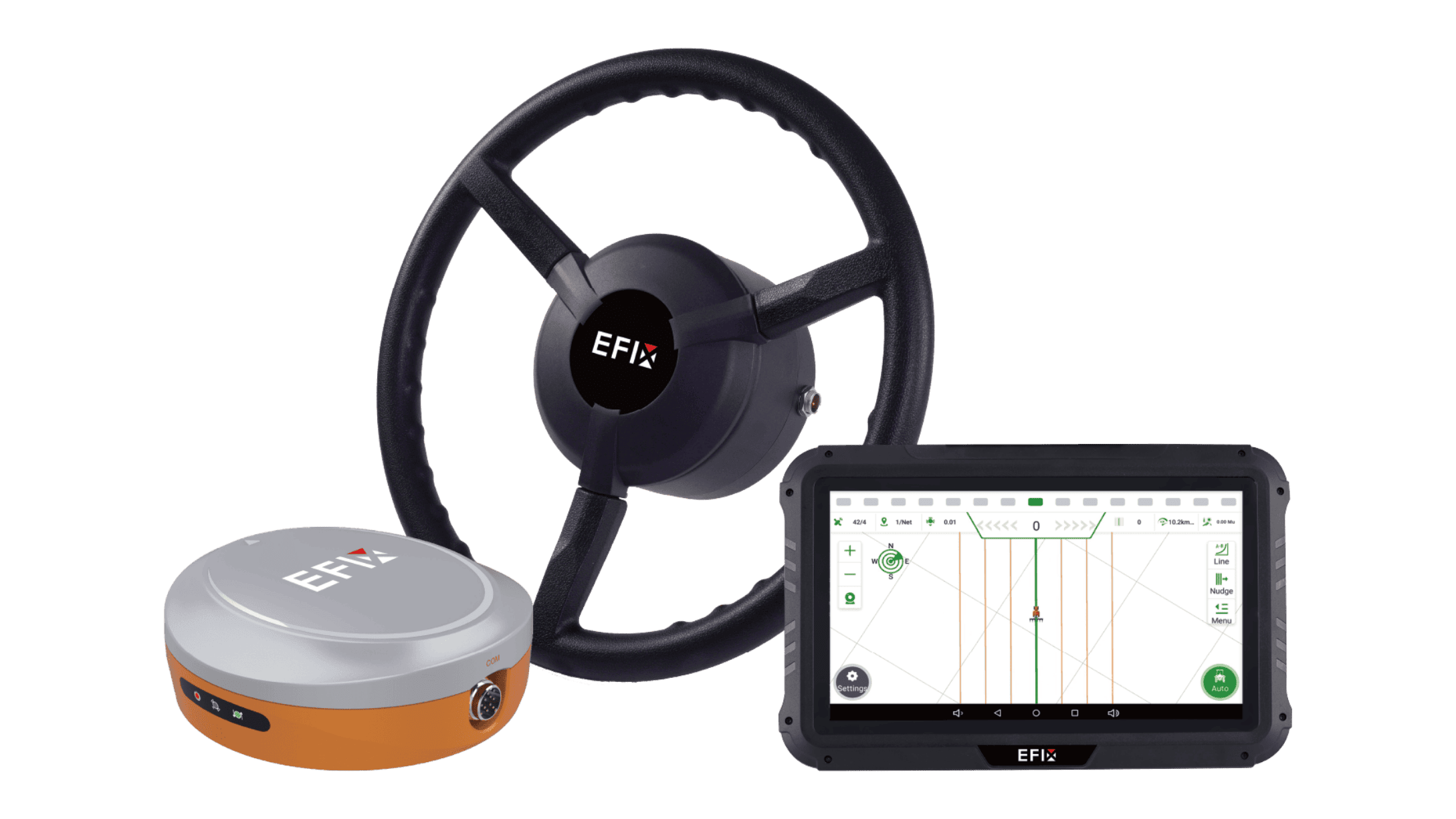
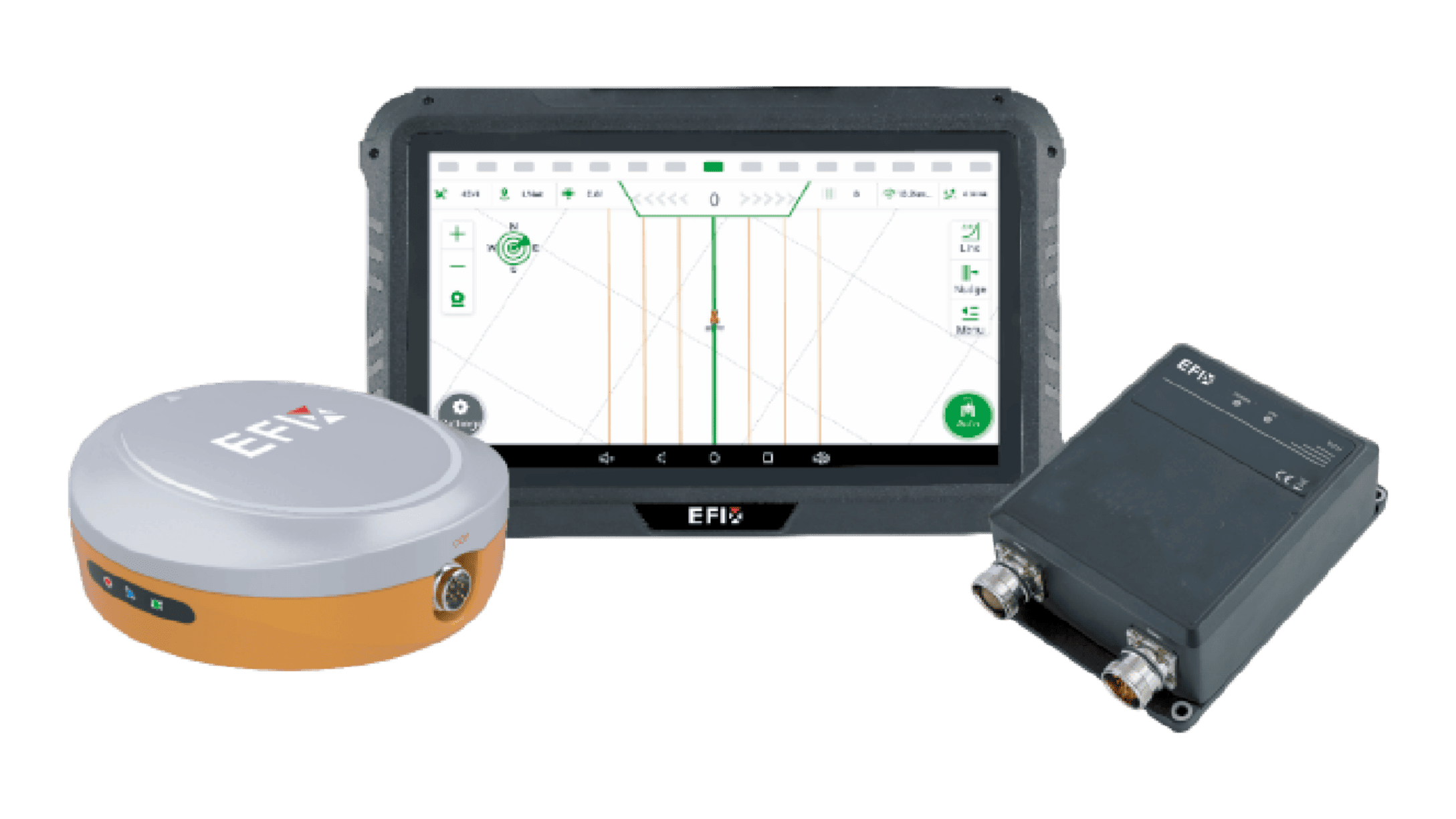
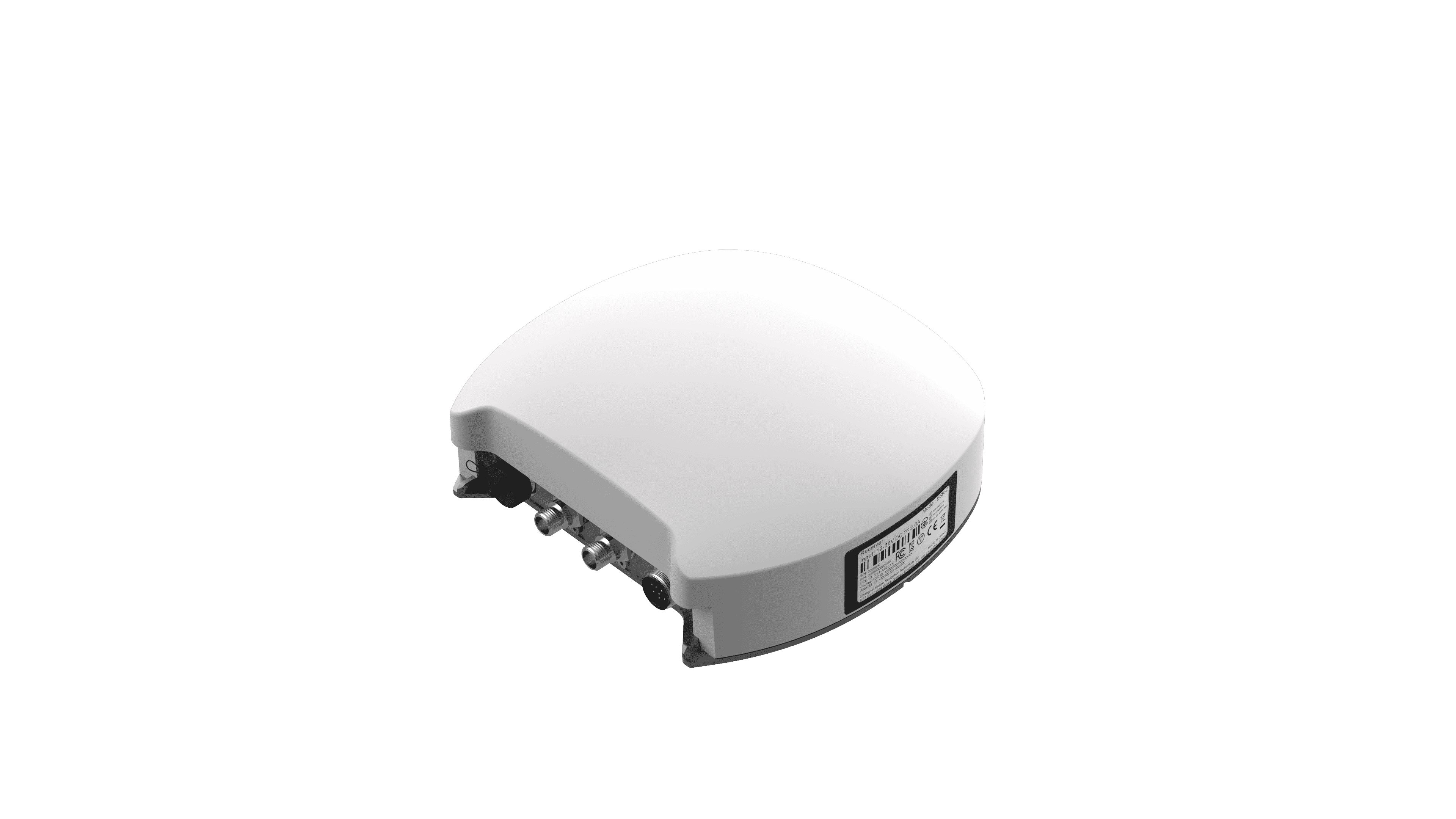
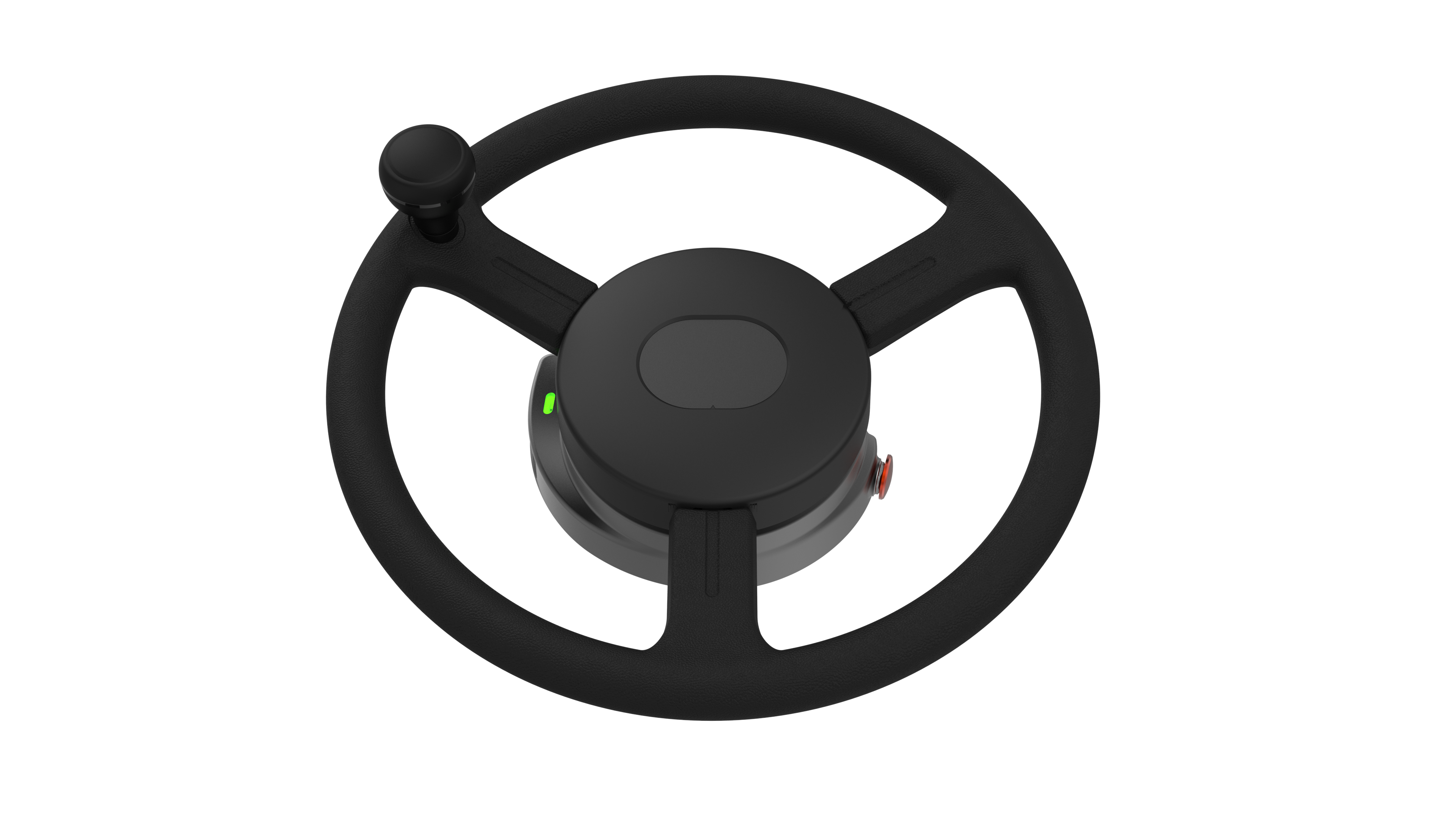
Sometimes, complications stem from hardware itself within the automated steering system. Components such as the steering motor, GPS antenna, and wiring are crucial for smooth operation. Mechanical wear and tear can hinder the system's responsiveness. Conducting an inspection for loose connections, damaged wires, or worn-out components is vital. If parts are found to be defective, they should be replaced with high-quality replacements to maintain optimal performance. Upgrading to a more advanced system like the eSteer 20 Max can also provide enhanced function, ensuring reliable operation even under challenging conditions.
Software Updates and Maintenance
One aspect often overlooked when troubleshooting automated steering systems is the software. Software updates frequently offer improvements and bug fixes essential for maintaining system stability. Failure to install these updates can lead to increased instances of errors and operational failures. Regular maintenance checks should include a review of the software version in use and prompt updates whenever necessary. Documentation provided by the manufacturer should be consulted to ensure compliance with the latest operational guidelines and features.
Conclusion
Addressing issues with an automated steering system requires a combination of vigilance, proper diagnostics, and timely maintenance. By recognizing signs of malfunction, diagnosing calibration problems, inspecting hardware, and keeping software up to date, operational efficiency can be maximized. Understanding these elements is critical for anyone utilizing automated technology in agriculture. At EFIX, we are dedicated to providing robust solutions like the eSteer 20 Max, which enhances your automated steering experience through reliable hardware and innovative solutions.