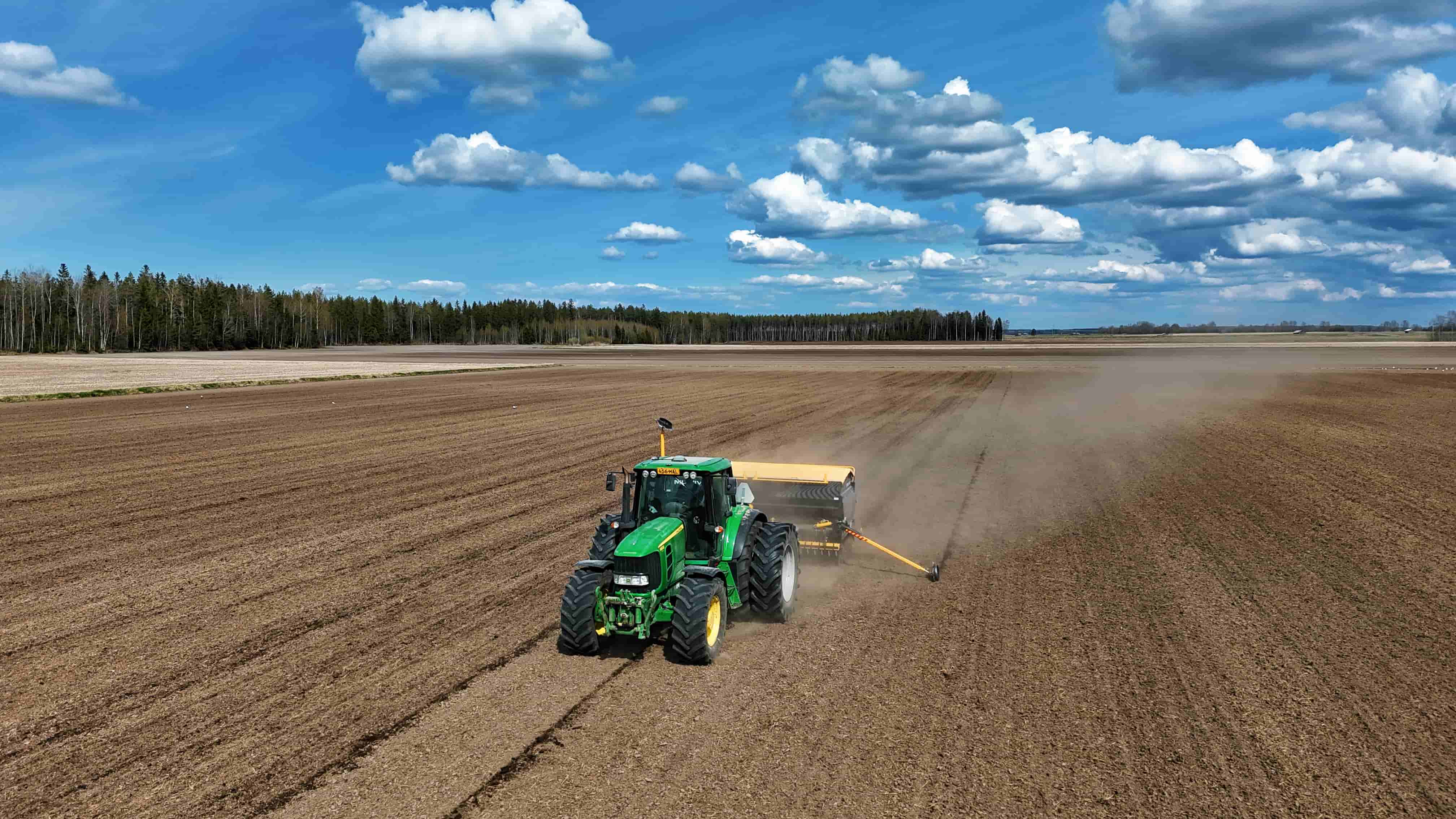
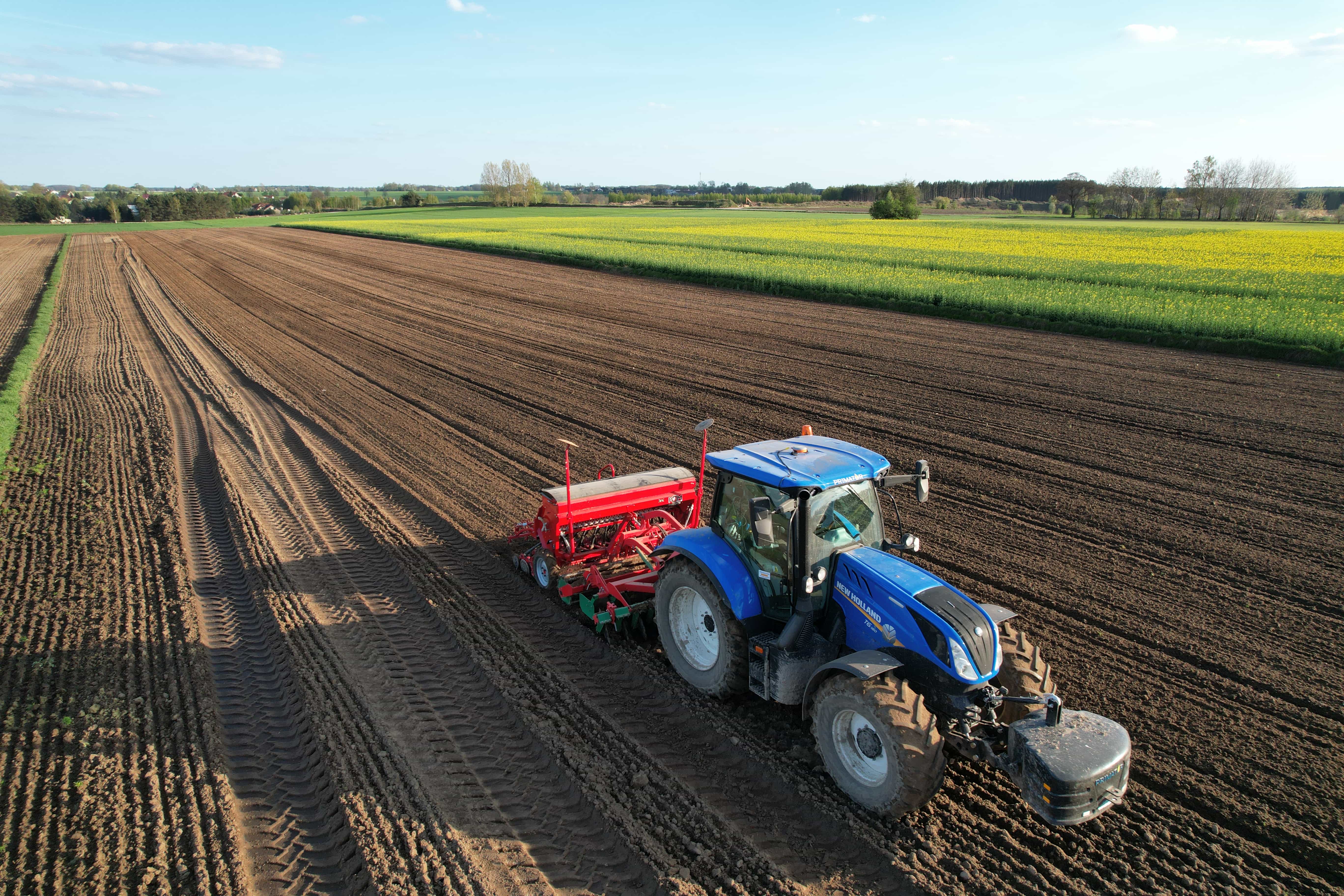
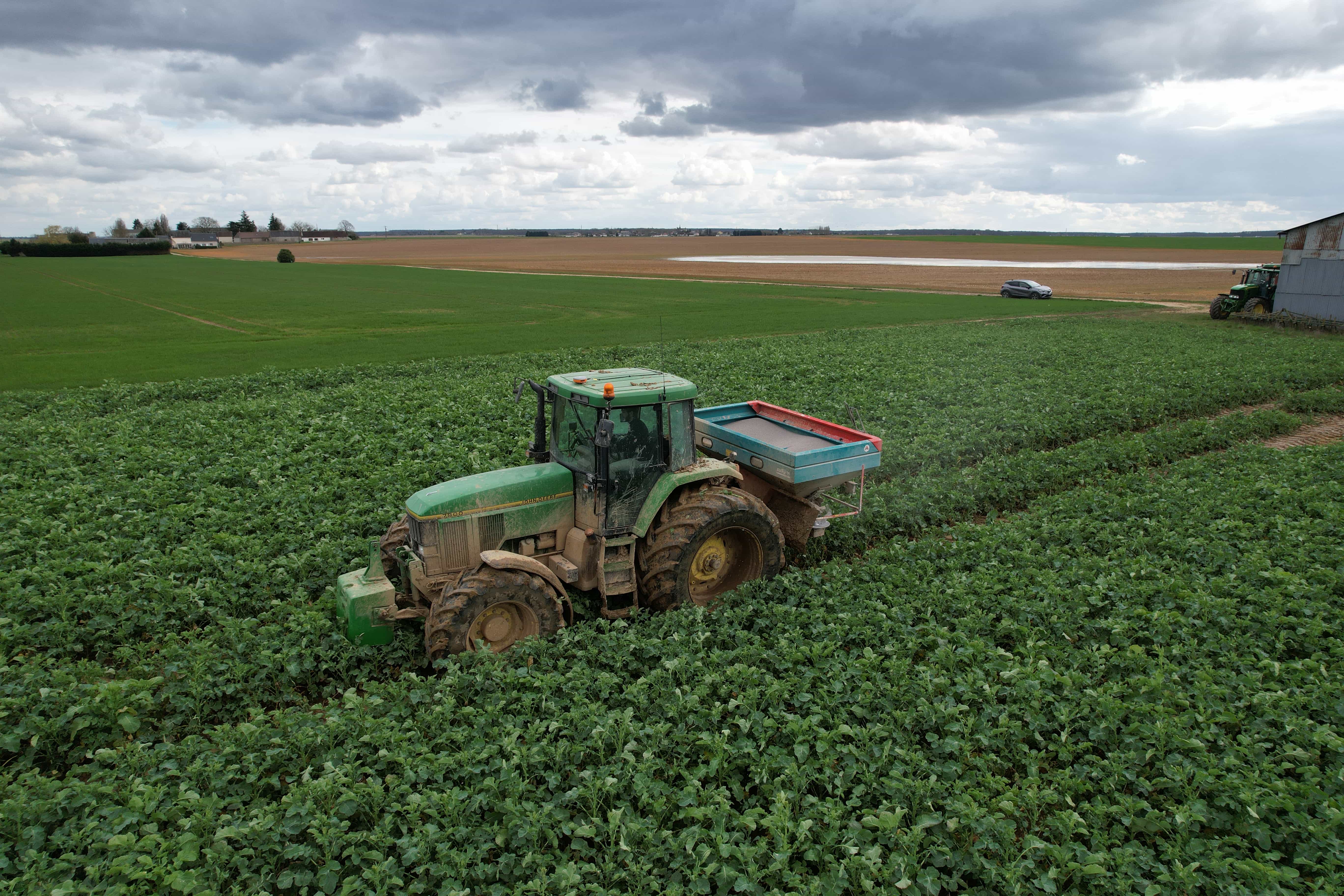
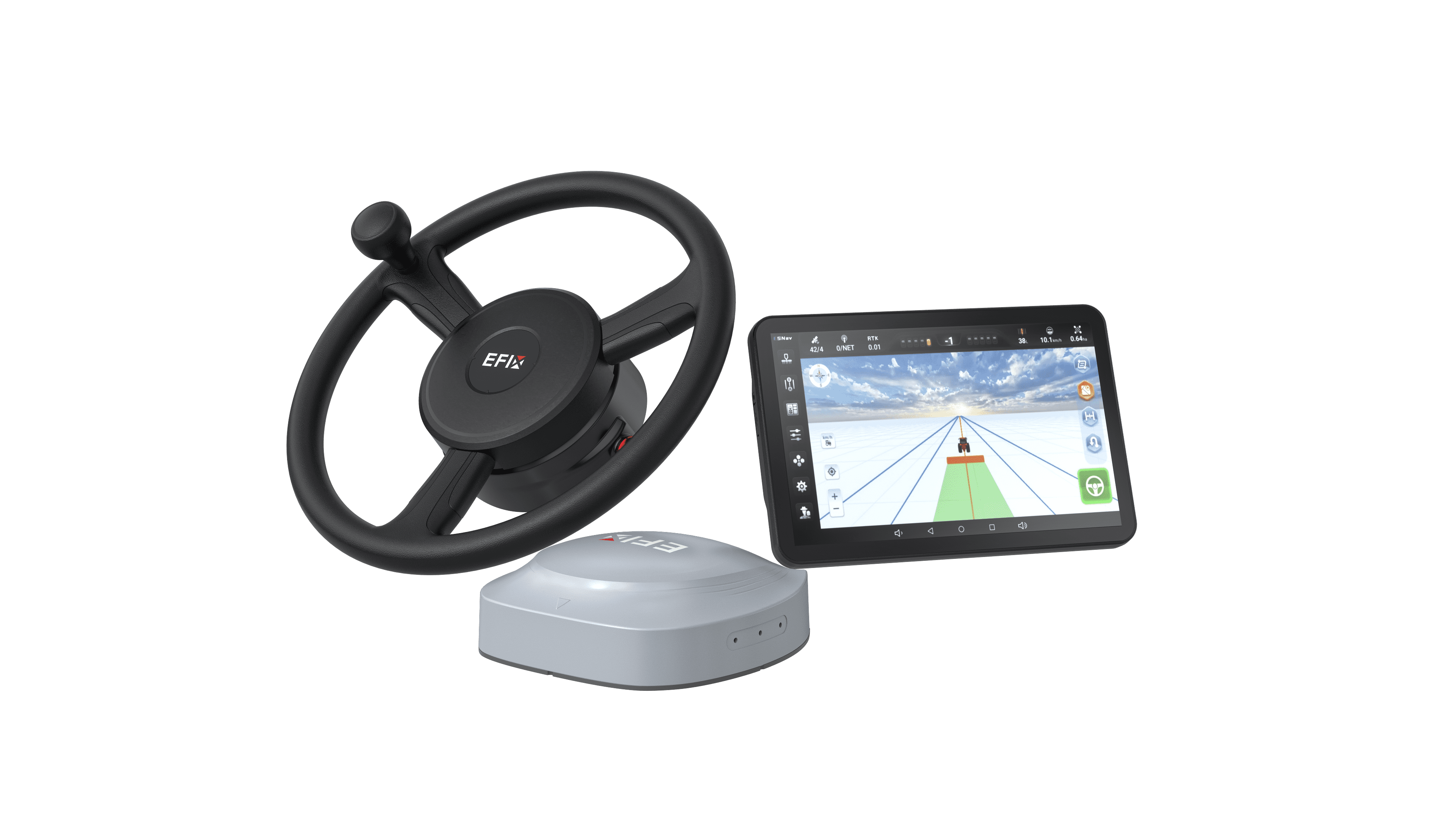
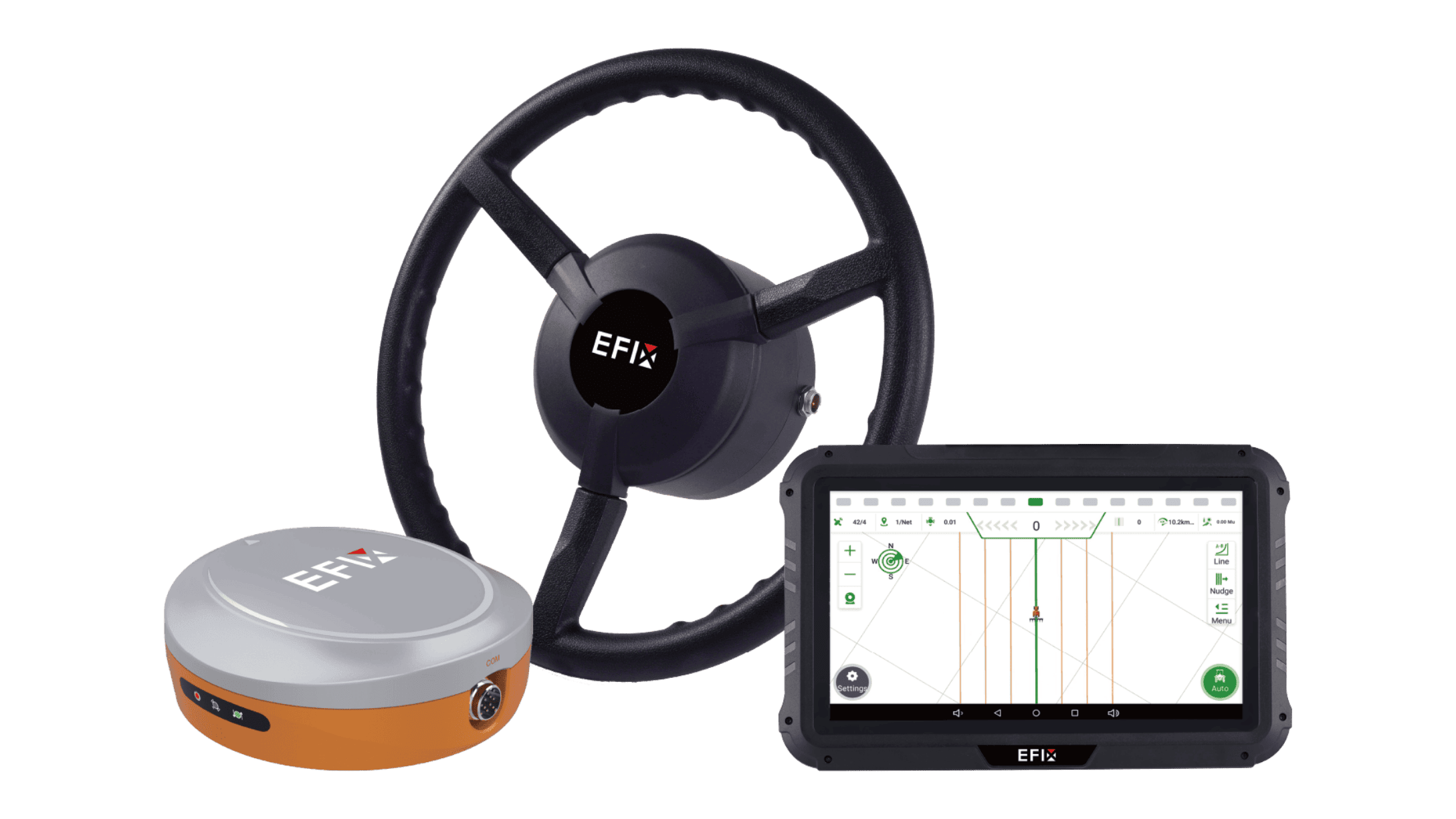
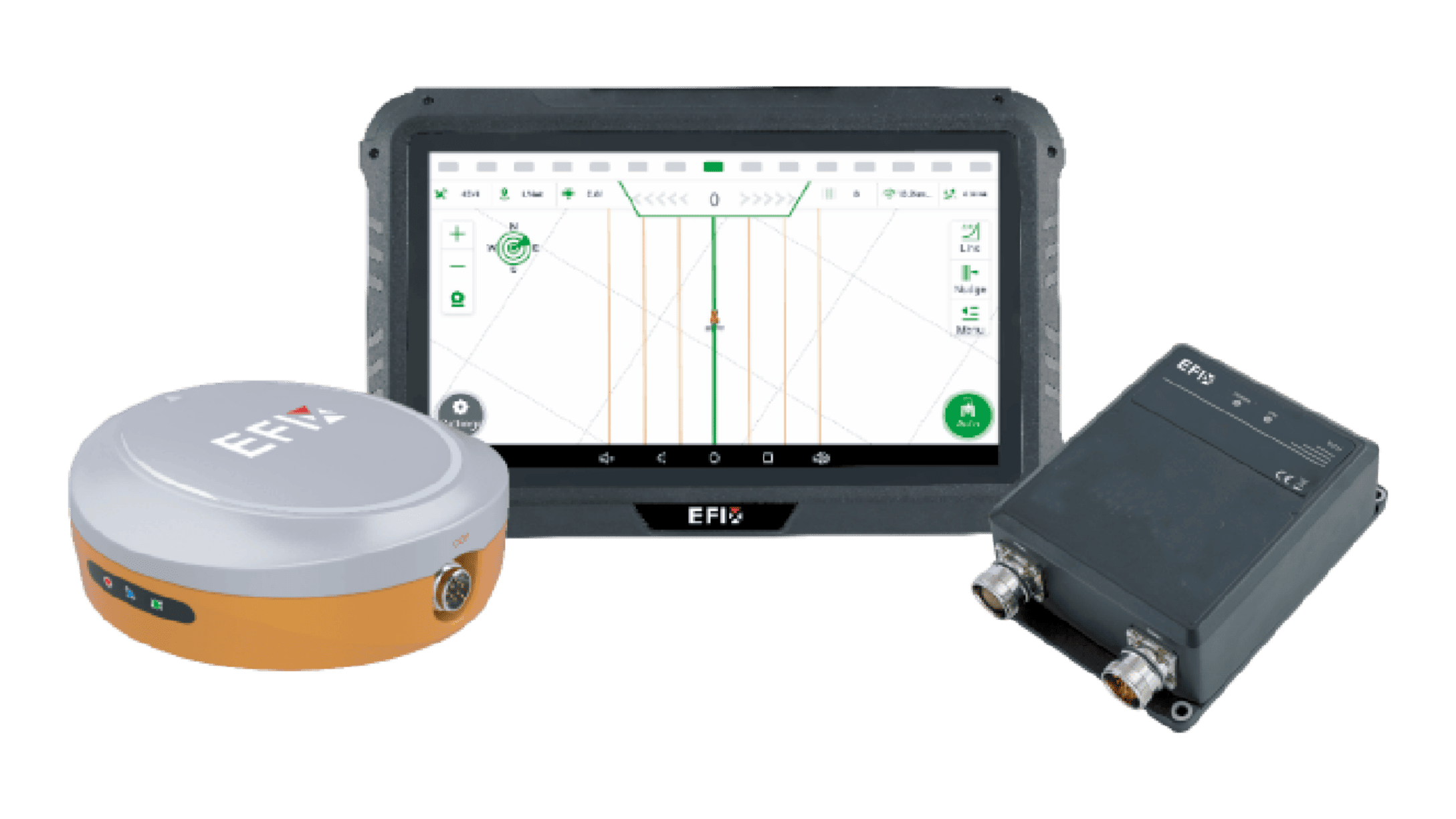
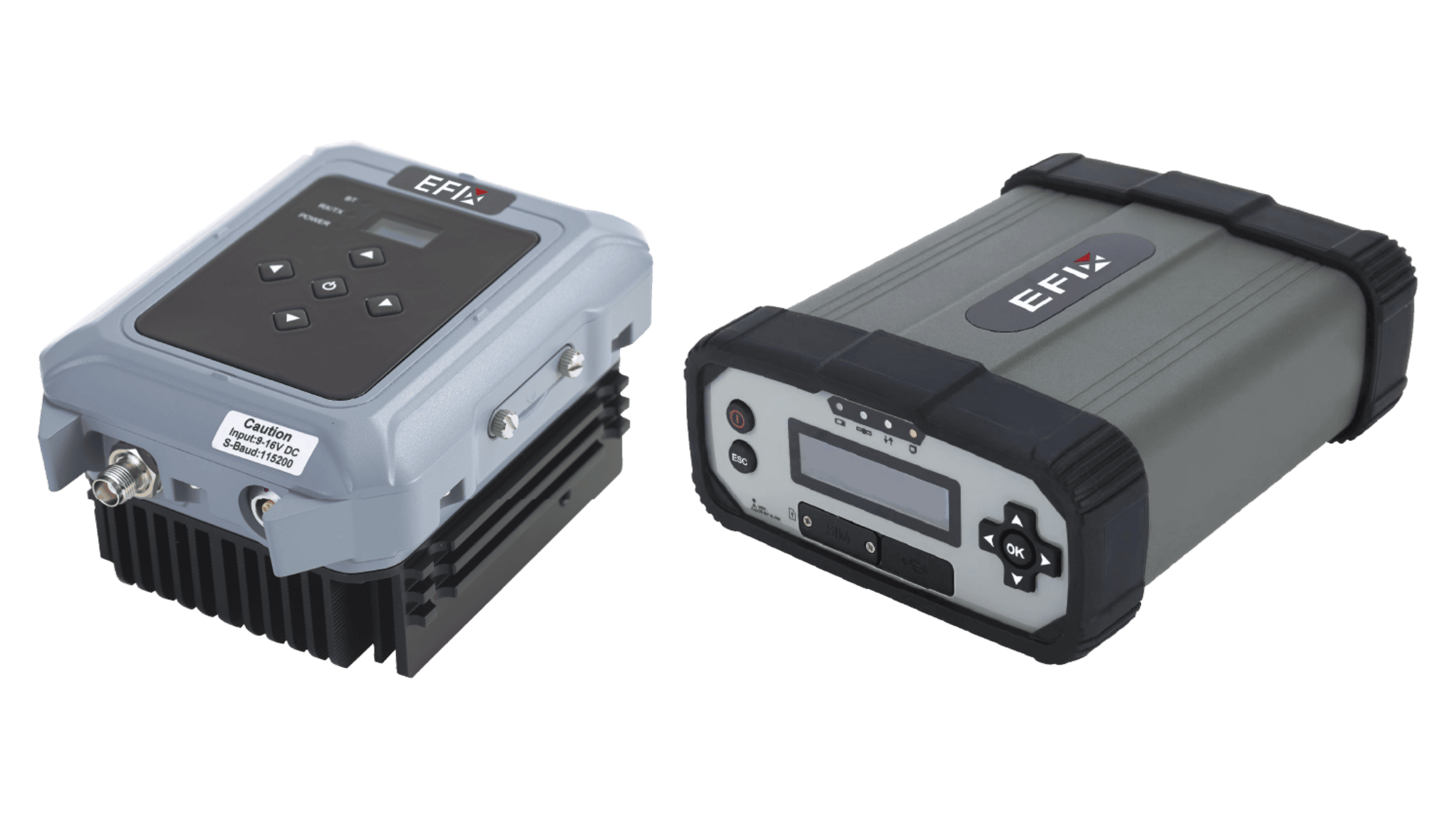
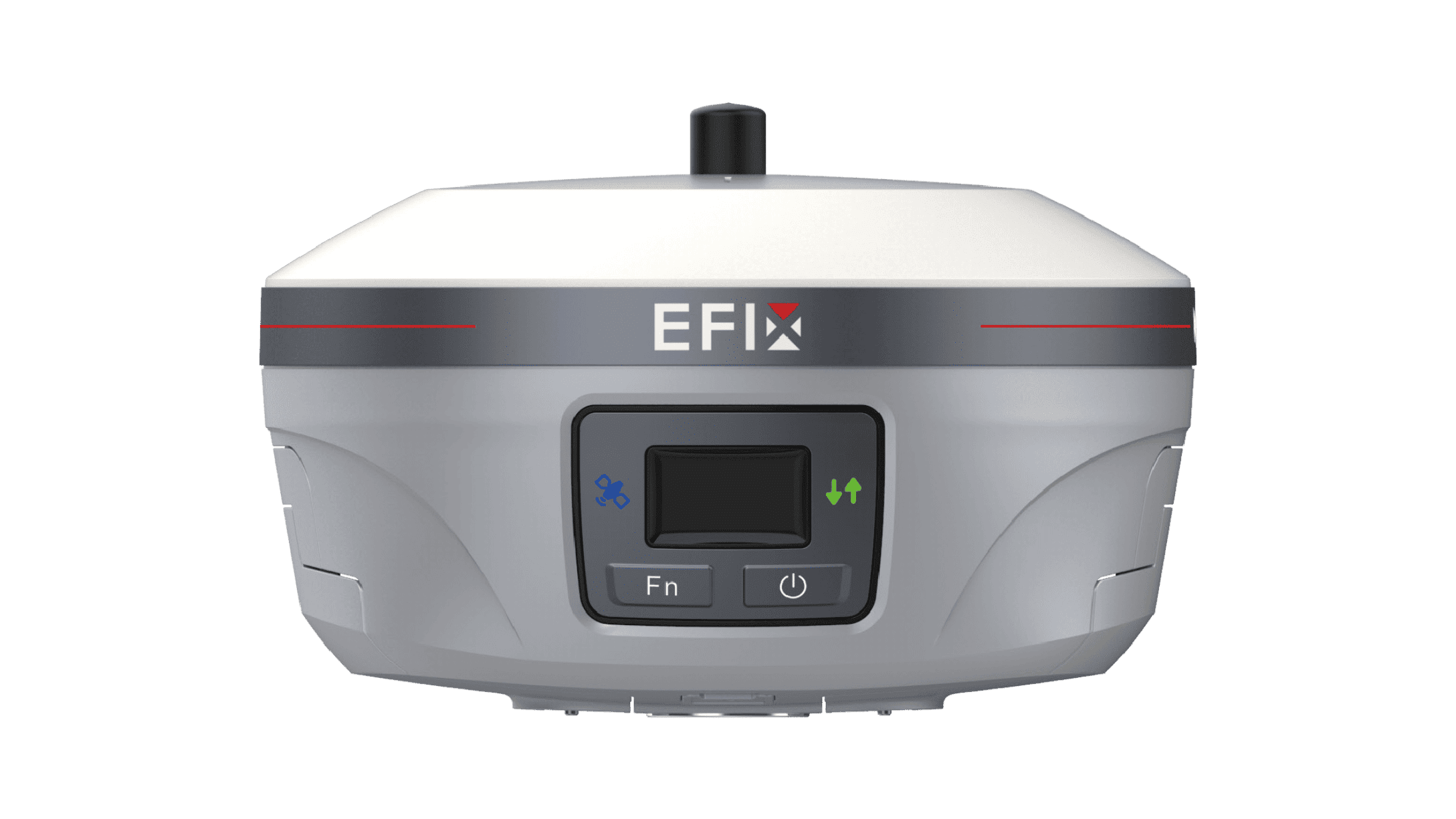
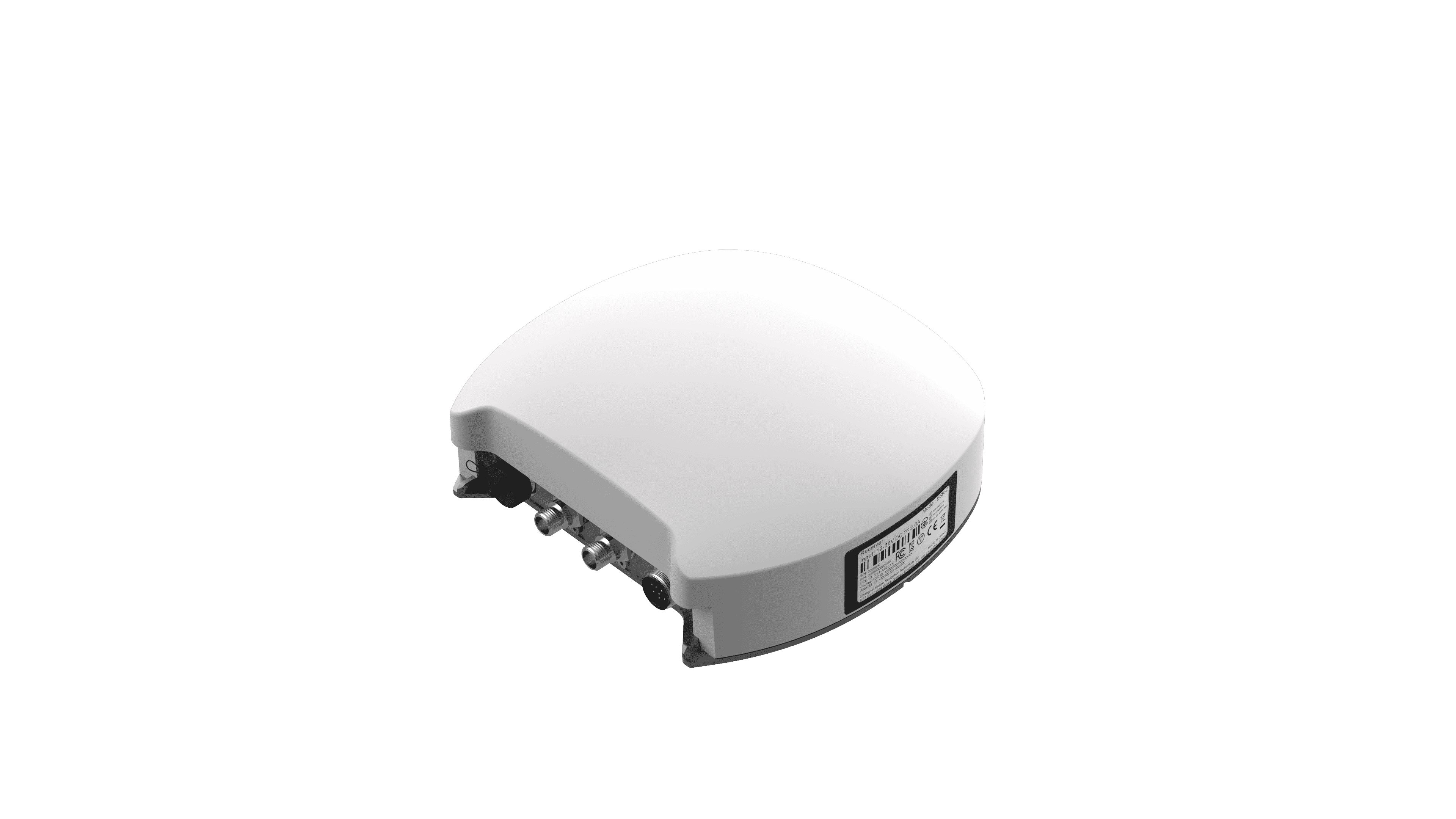
Automatic steering systems revolutionize the way agricultural operations are conducted. These systems utilize advanced technology to automate steering during various farming tasks, significantly enhancing precision and efficiency. Farmers can now enjoy a smoother experience with their equipment, allowing them to focus on other critical aspects of their operations. The incorporation of an automatic steering system into daily farming tasks can lead to improved yield and resource management, minimizing wastage while maximizing productivity.
Benefits of Implementing Automatic Steering Technology
Integrating an automatic steering system in farming practices brings numerous advantages. One of the key benefits is the increased accuracy in field navigation. This technology reduces overlaps and missed areas, which are common issues in manual driving, ultimately saving resources like seeds and fertilizers. Moreover, it enables farmers to operate their machinery for longer hours without fatigue, allowing continuous work during critical planting and harvesting seasons. The precision offered by these systems enhances overall crop management and can lead to better-quality produce.
Exploring Different Guideline Modes
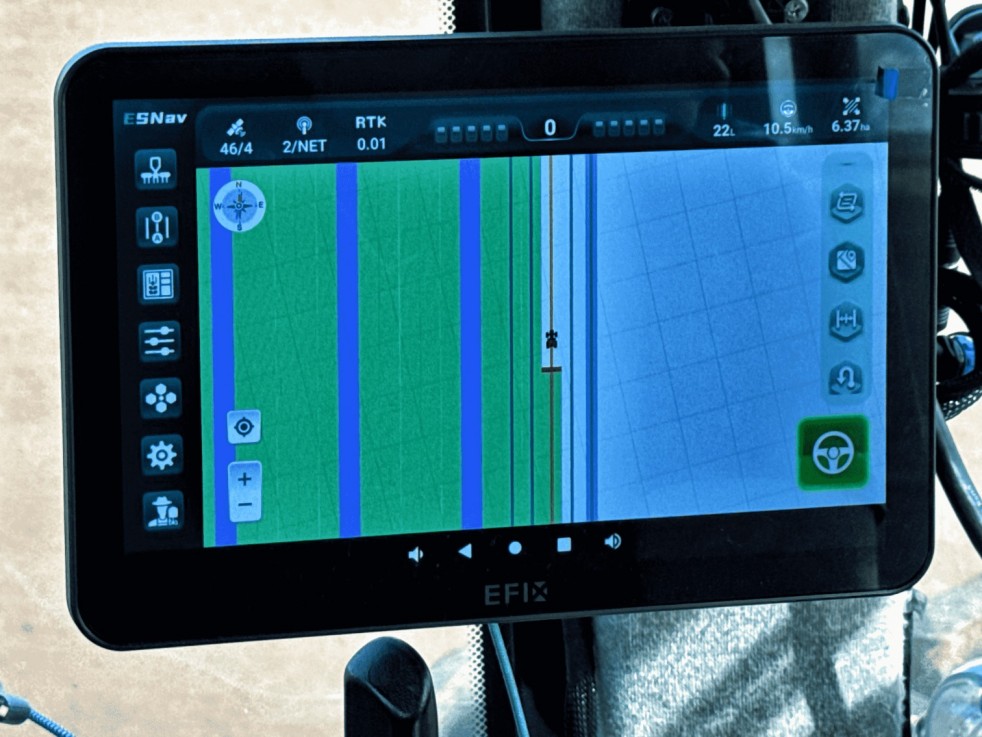
Modern automatic steering systems provide a plethora of guideline modes specifically designed to cater to the diverse layouts of farmland. The eSteer20 Max, for instance, showcases various operational modes that can adapt to different field shapes and requirements. These modes facilitate farmers in managing a wide array of farming operations—from straight-line planting to contour farming—which ensures that they can achieve optimal results regardless of their unique field conditions. Understanding which mode to choose can greatly impact operational effectiveness in the field.
Enhancing Crop Performance and Sustainability
Utilizing an automatic steering system is not just about convenience; it significantly contributes to sustainable farming practices. By enabling more accurate planting and resource allocation, these systems promote better crop performance while lessening the environmental footprint. Precision agriculture supported by automatic steering helps ensure that resources are used effectively, leading to reduced chemical applications and better soil health. This emphasis on sustainability aligns with the growing demand for environmentally friendly farming practices in today's agricultural landscape.
Conclusion
Embracing an automatic steering system allows farmers to enhance efficiency and productivity while ensuring more sustainable methods of agriculture. With features like multiple guideline modes and improvements in resource management, farmers can cultivate their fields more effectively than ever. Our team at EFIX is dedicated to supporting farmers through innovative solutions like the eSteer20 Max, making advancements in agricultural technology accessible and beneficial for all.