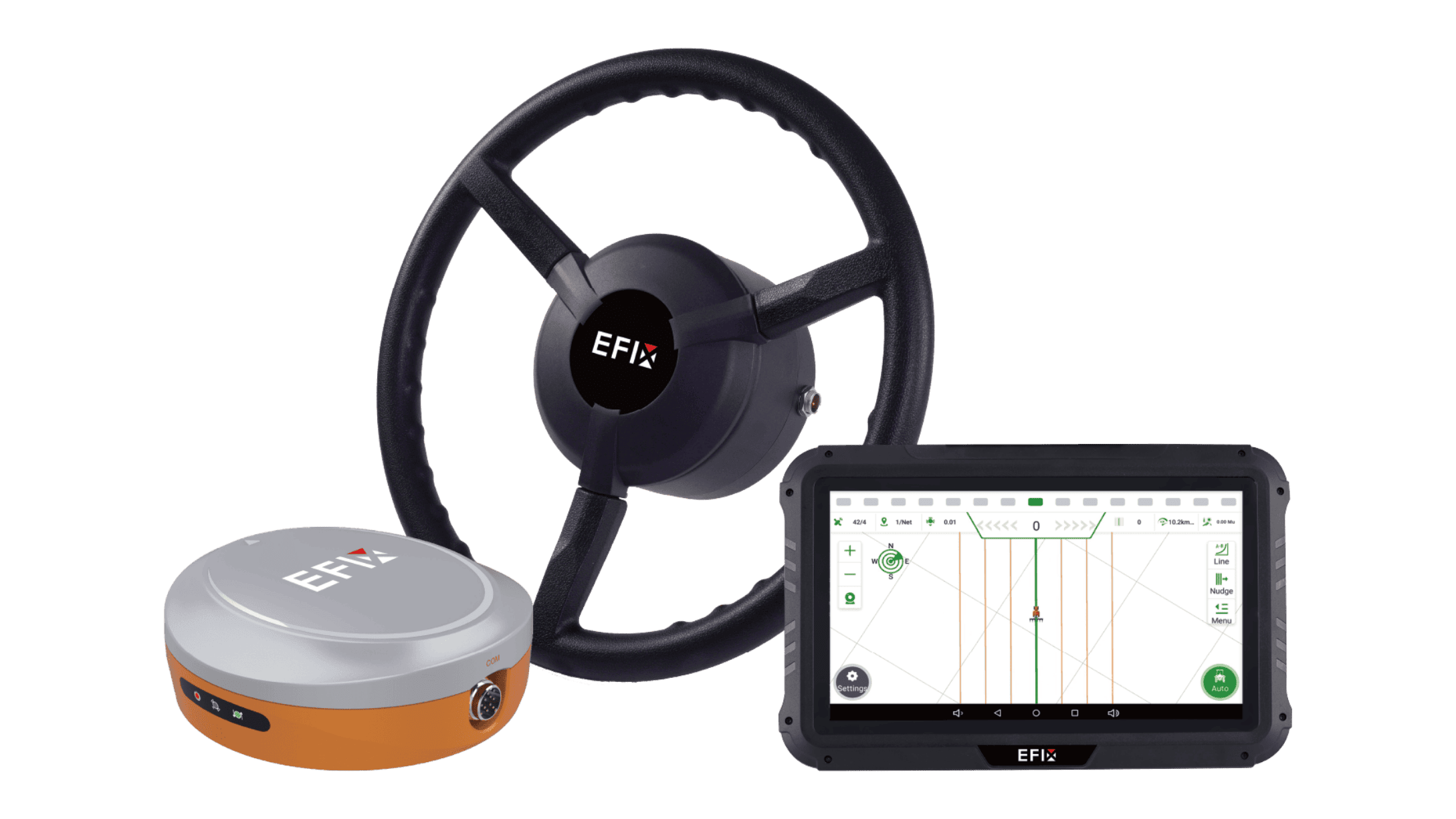
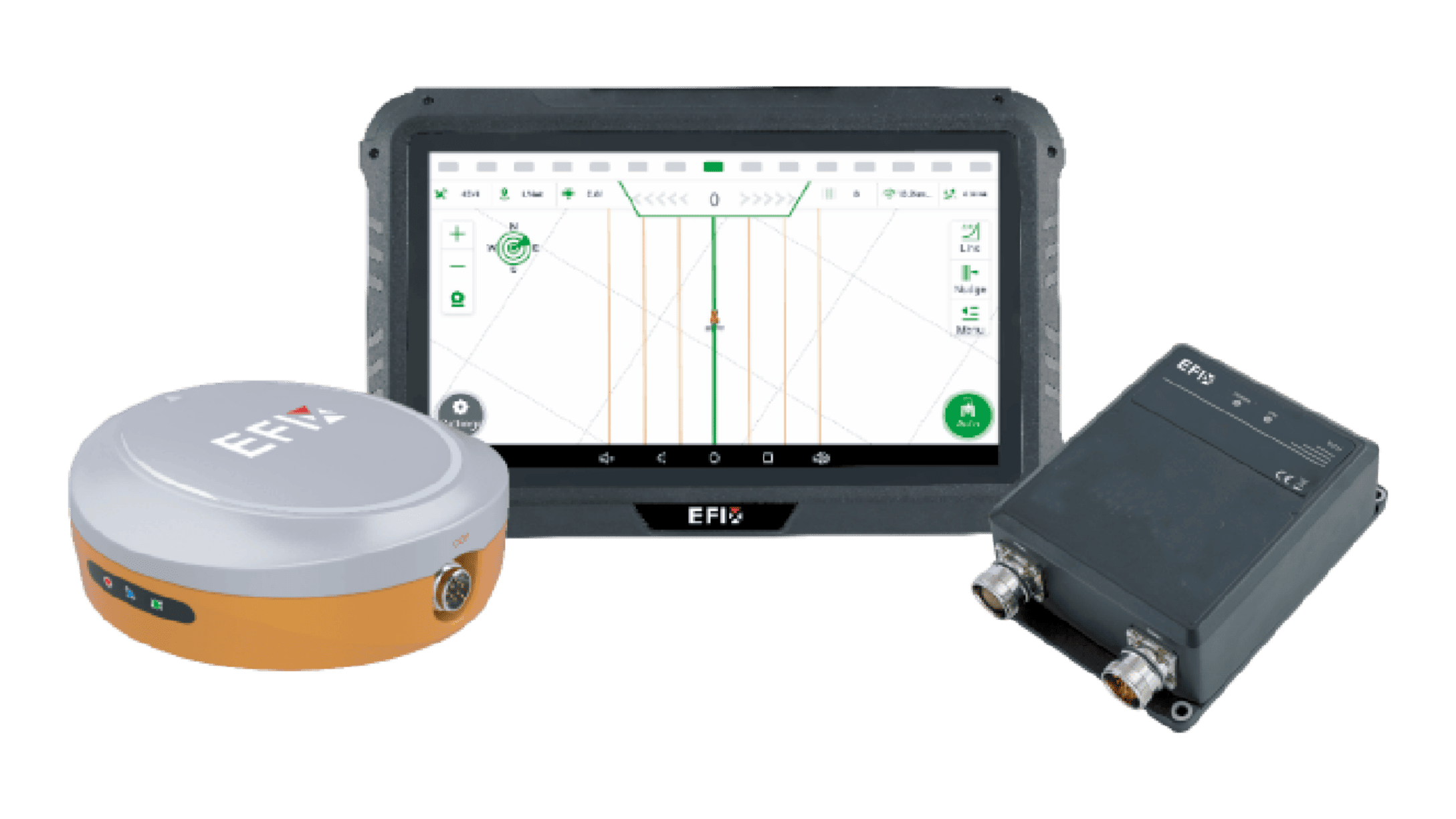
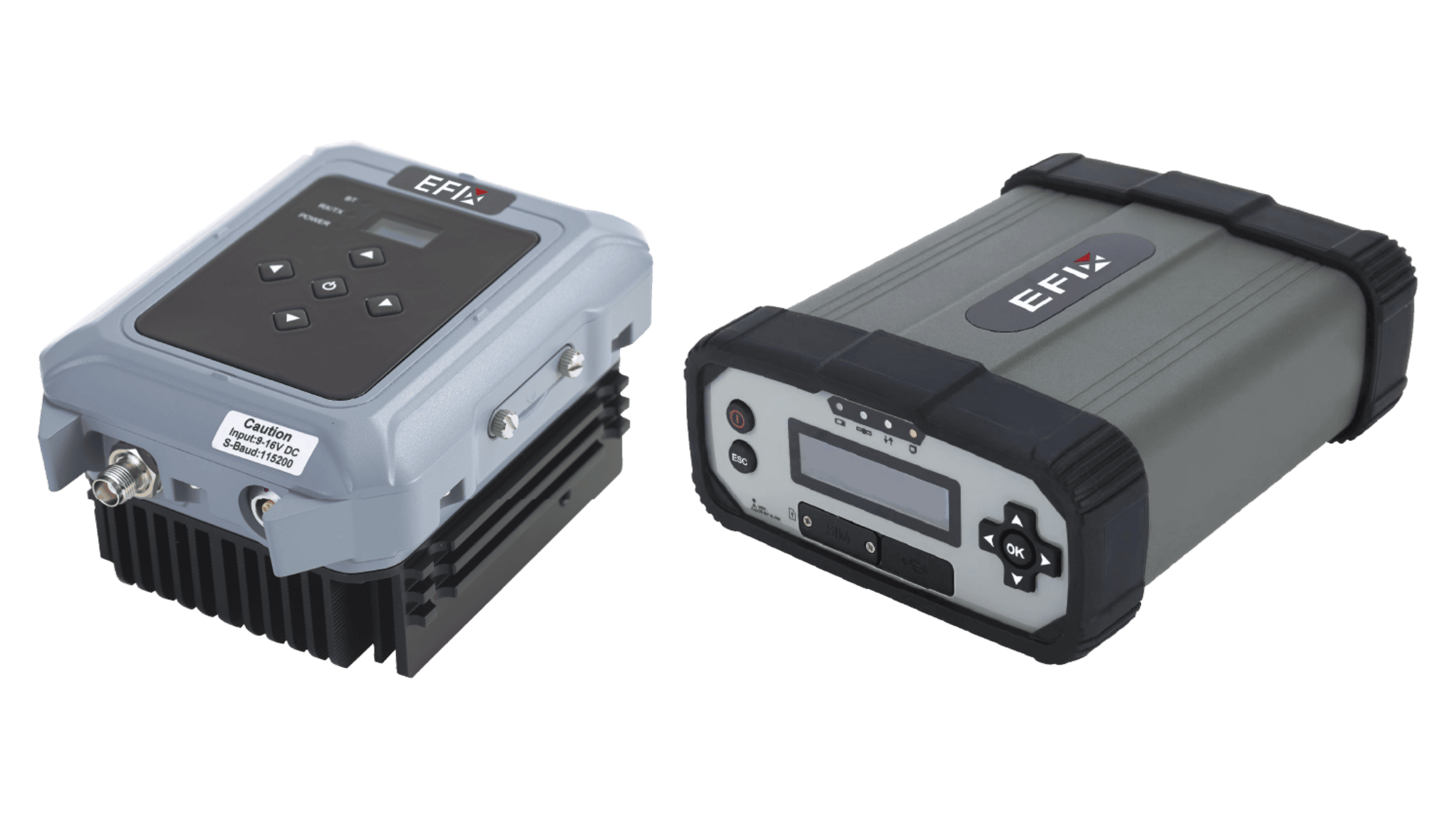
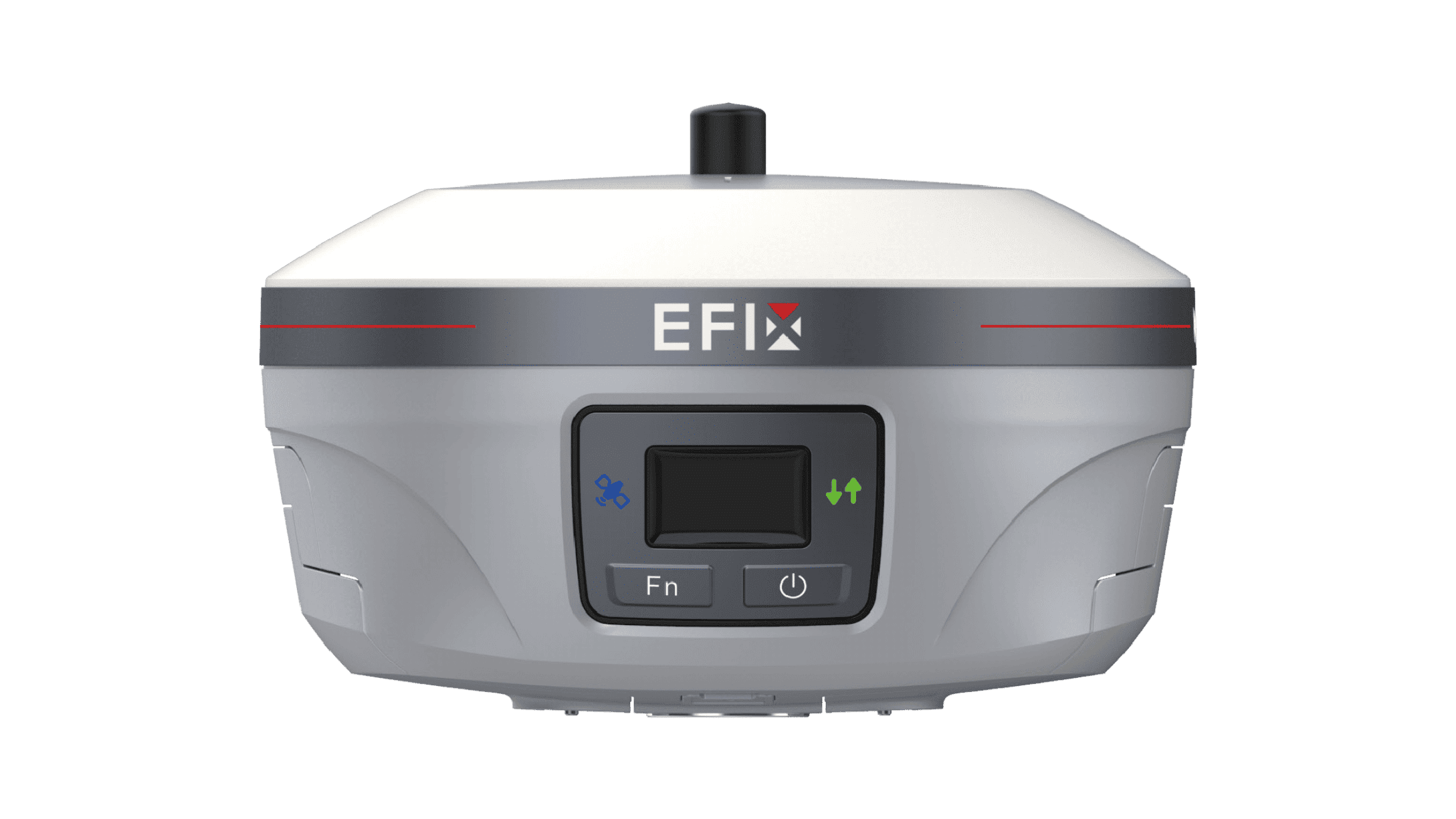
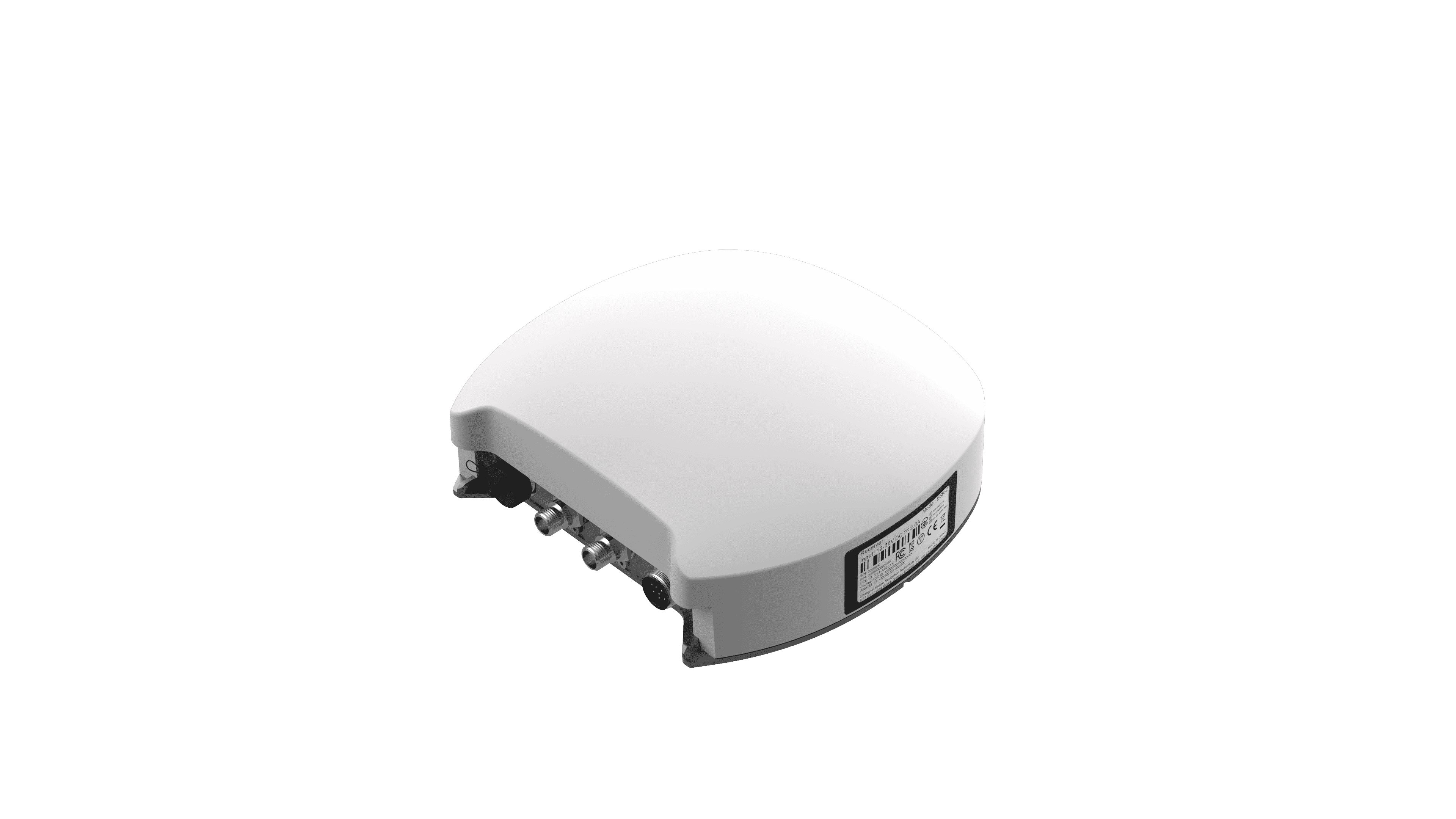
The agricultural landscape is rapidly evolving thanks to technological advances, ensuring farmers can maximize their productivity and efficiency. Among these innovations, the automatic steering system has emerged as a transformative tool for modern farming practices. By facilitating precision farming, these systems allow for enhanced control over agricultural machinery, leading to numerous applications that can significantly benefit crop production and land management.
Enhancing Precision with Automatic Navigation
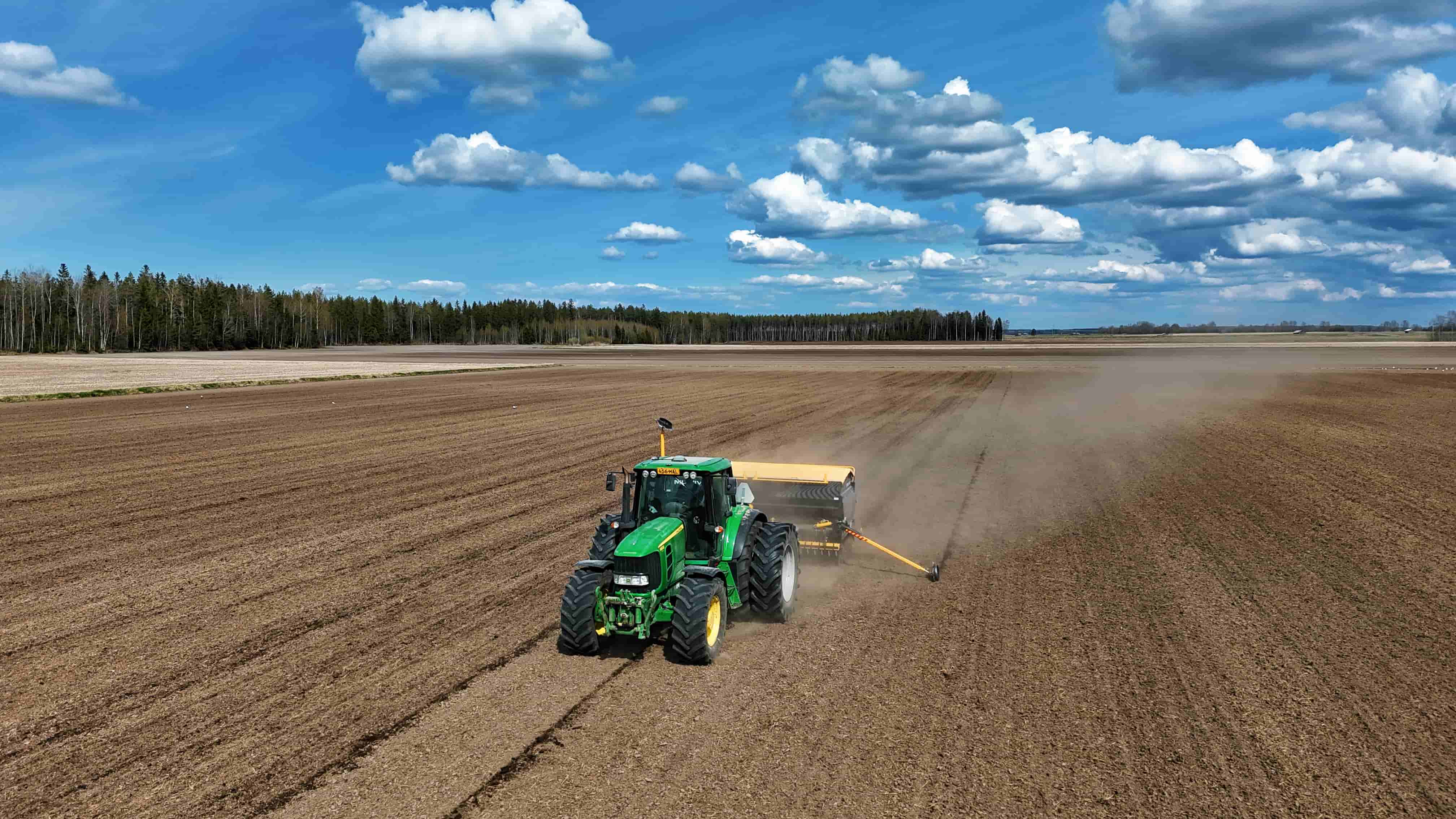
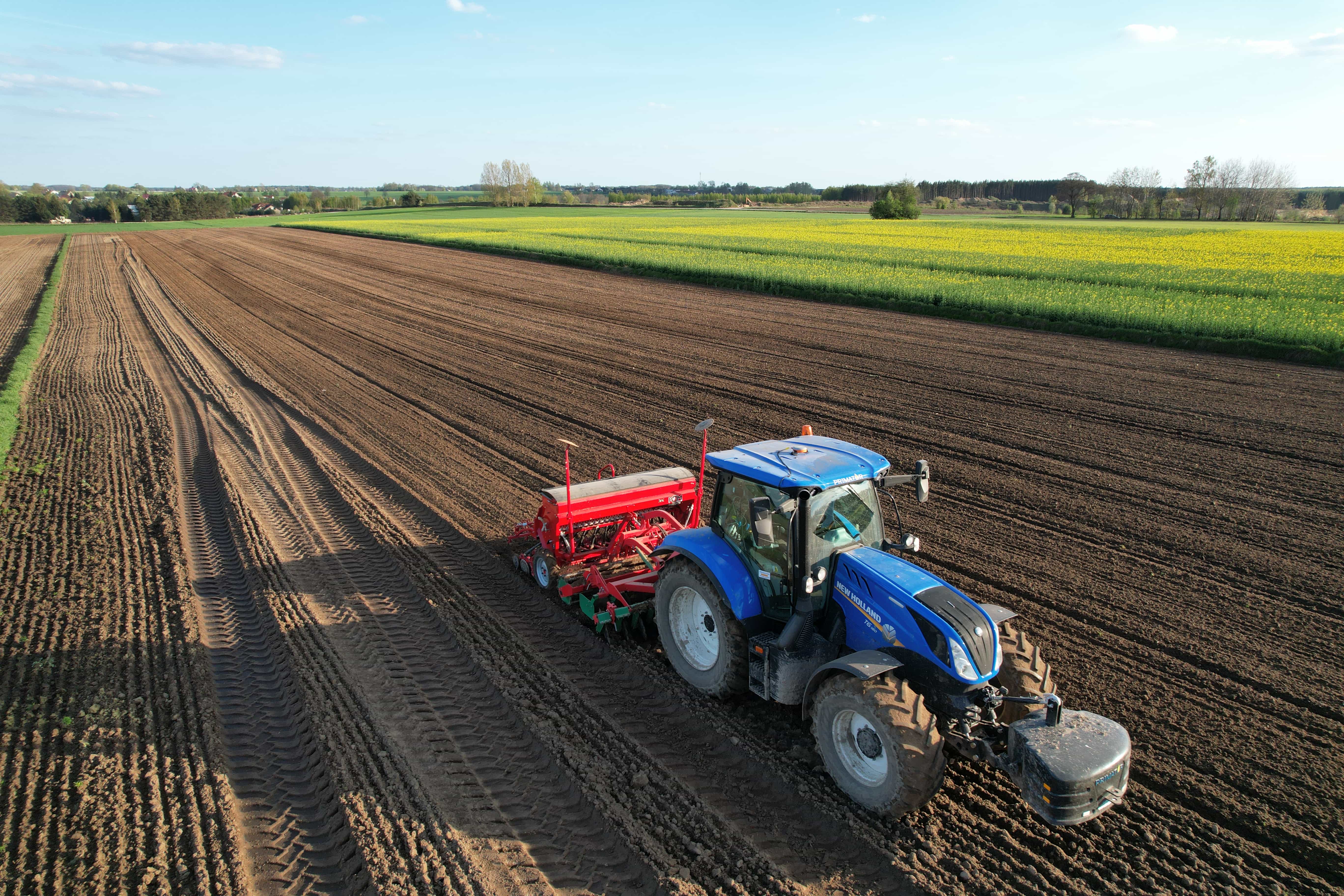
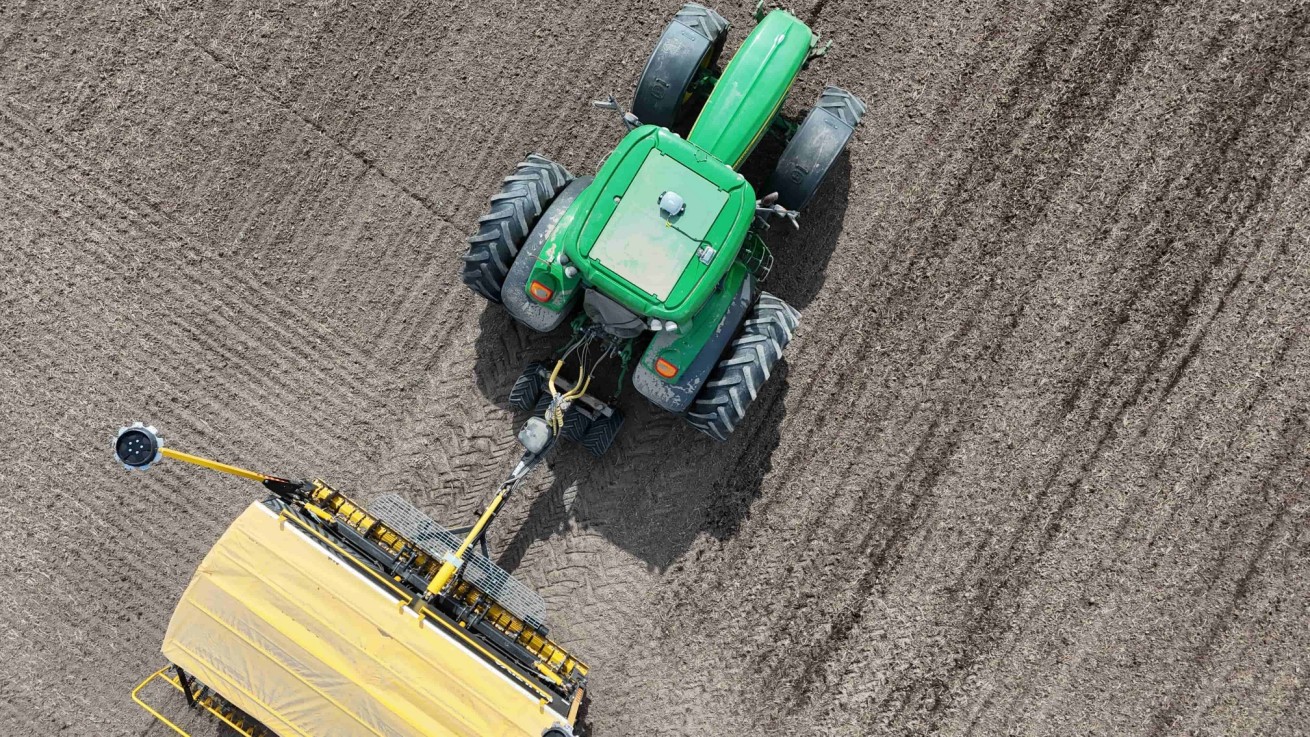
One of the primary applications of an automatic steering system in agriculture is precision navigation. Farmers are now able to utilize advanced GPS technology, which ensures their tractors and other equipment remain on designated paths. This reduces overlap during field operations, which can lead to improved crop yield and diminished fuel consumption. The refinement in navigation offered through these systems allows for accurate planting, tilling, and application of inputs.
Enhancing precision also minimizes soil compaction and other adverse effects associated with human error. As a result, farmers can optimize their machinery's use while ensuring that each inch of land is effectively utilized. These benefits translate into higher-quality produce and ultimately contribute to sustainable farming practices.
Streamlining Field Operations
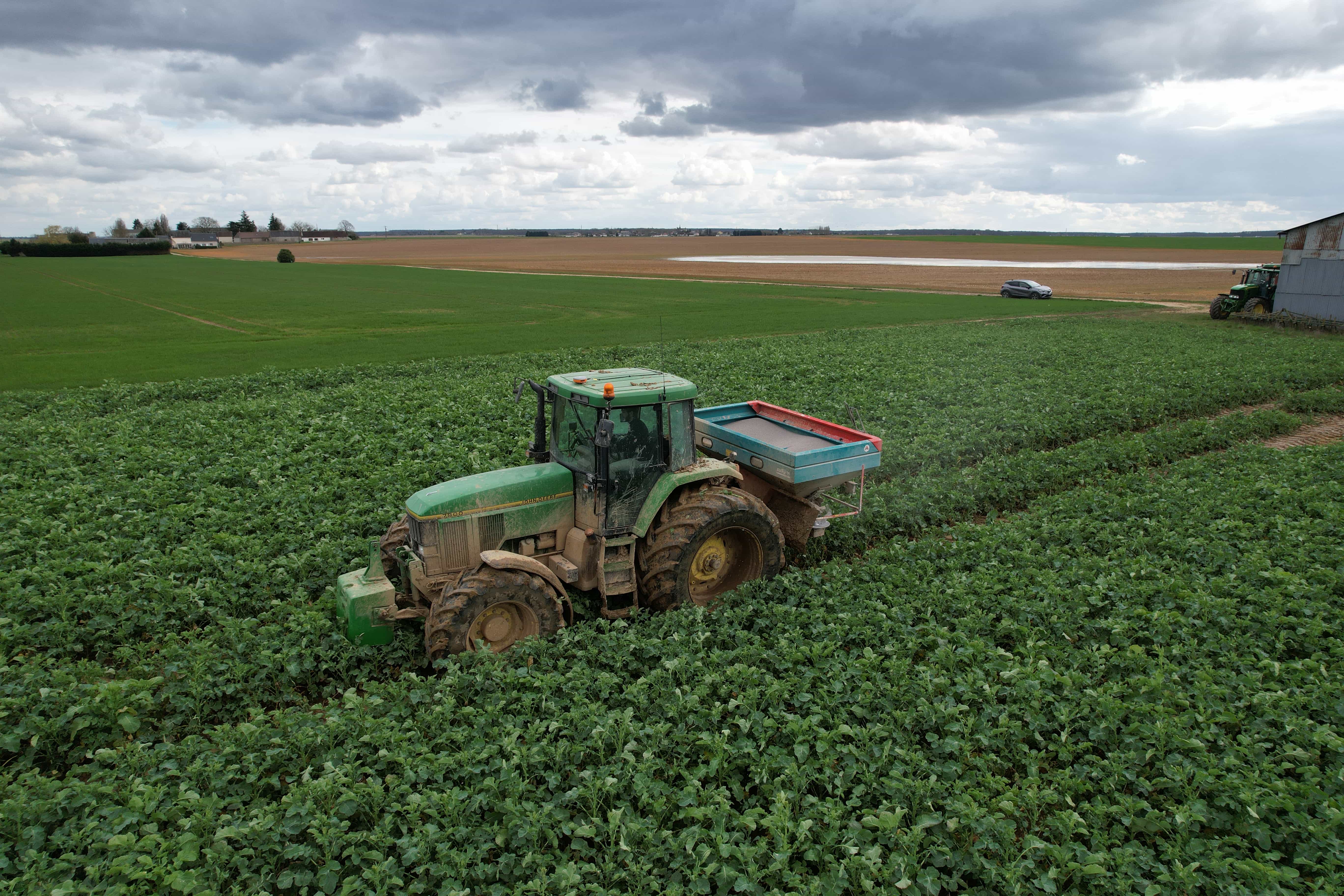
The integration of an automatic steering system also streamlines various field operations, creating a more cohesive farming workflow. Through automation, tasks such as plowing, sowing, and spraying can be executed with remarkable accuracy and consistency. Operators can manage multiple activities simultaneously without the constant need for direct input, which reduces physical strain and allows for more tasks to be completed in a shorter time frame.
Moreover, as climate changes and market demands shift, the agility offered by these systems is critical. Farmers can swiftly adapt their operational methods to meet new challenges without the fear of inefficiency or errors caused by manual handling. Automation ultimately leads to smarter decision-making, providing meaningful data that helps farmers analyze their performance over time.
Maximizing Yield with Data-Driven Insights
An essential advantage of automatic steering systems lies in their capacity to gather and analyze real-time data. This information enables farmers to make informed choices about their practices, from determining optimal planting times to deciding when to harvest.
With access to precise data, farmers gain insights into their land's variability and learn how various factors affect their yield. This data-driven approach allows for tailored agronomic practices, including variable rate seeding and fertilization. Such strategies can directly contribute to an increase in production efficiency and improved economic outcomes, empowering farmers to cultivate their land intelligently.
Conclusion
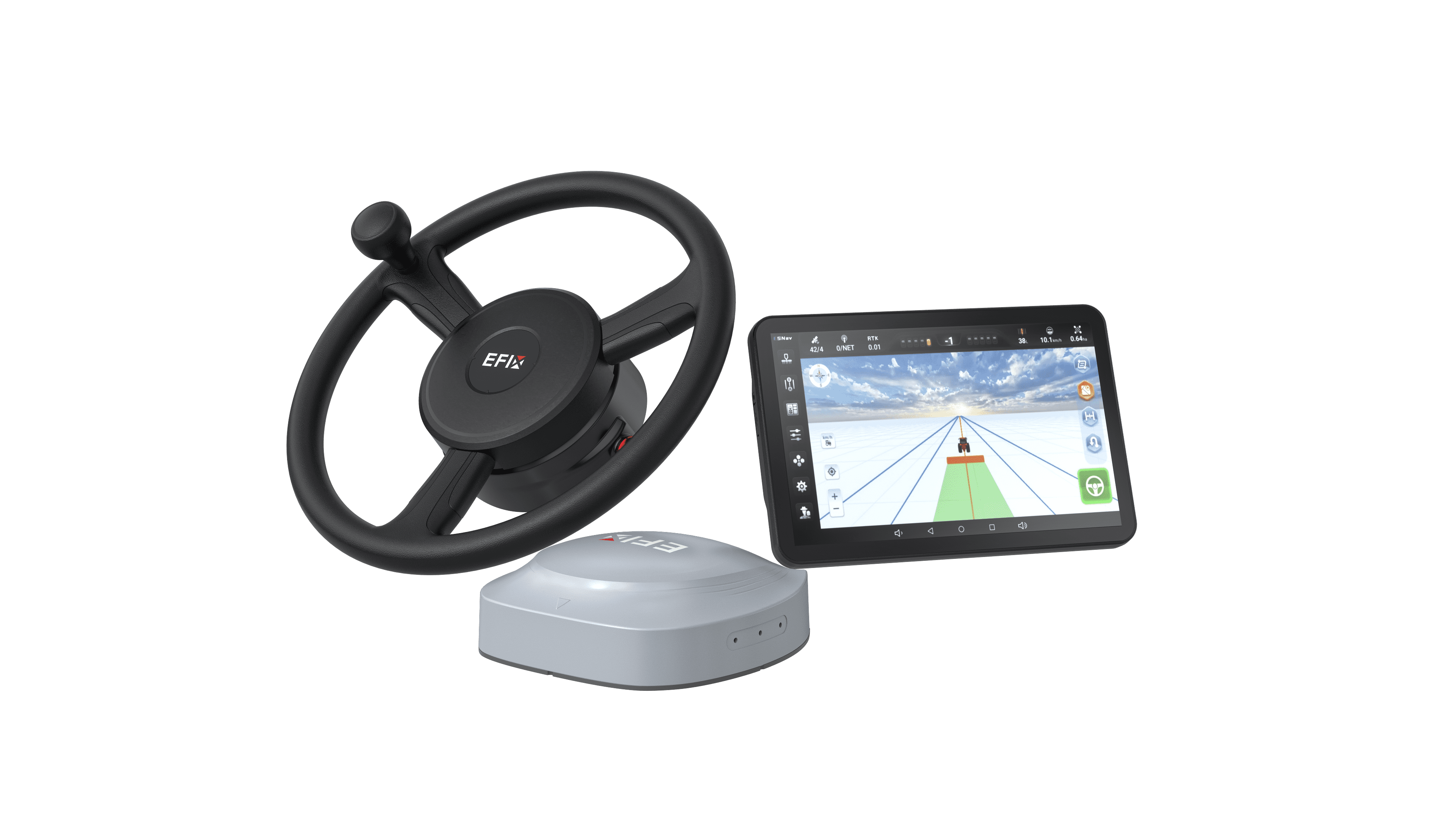
The role of an automatic steering system in agriculture is undeniably impactful, presenting an array of advantages that optimize farming operations significantly. While these systems enhance navigation, streamline tasks, and facilitate better decision-making through data analysis, they also embody the future of effective and sustainable agriculture practices. As technology continues to advance, we at EFIX remain dedicated to offering the latest solutions, such as the eSteer 20 Max, which provides comprehensive ISOBUS capabilities to further enhance the agricultural experience. By integrating such innovative technology into farming, farmers can look forward to a new era of productivity and efficiency in their operations.