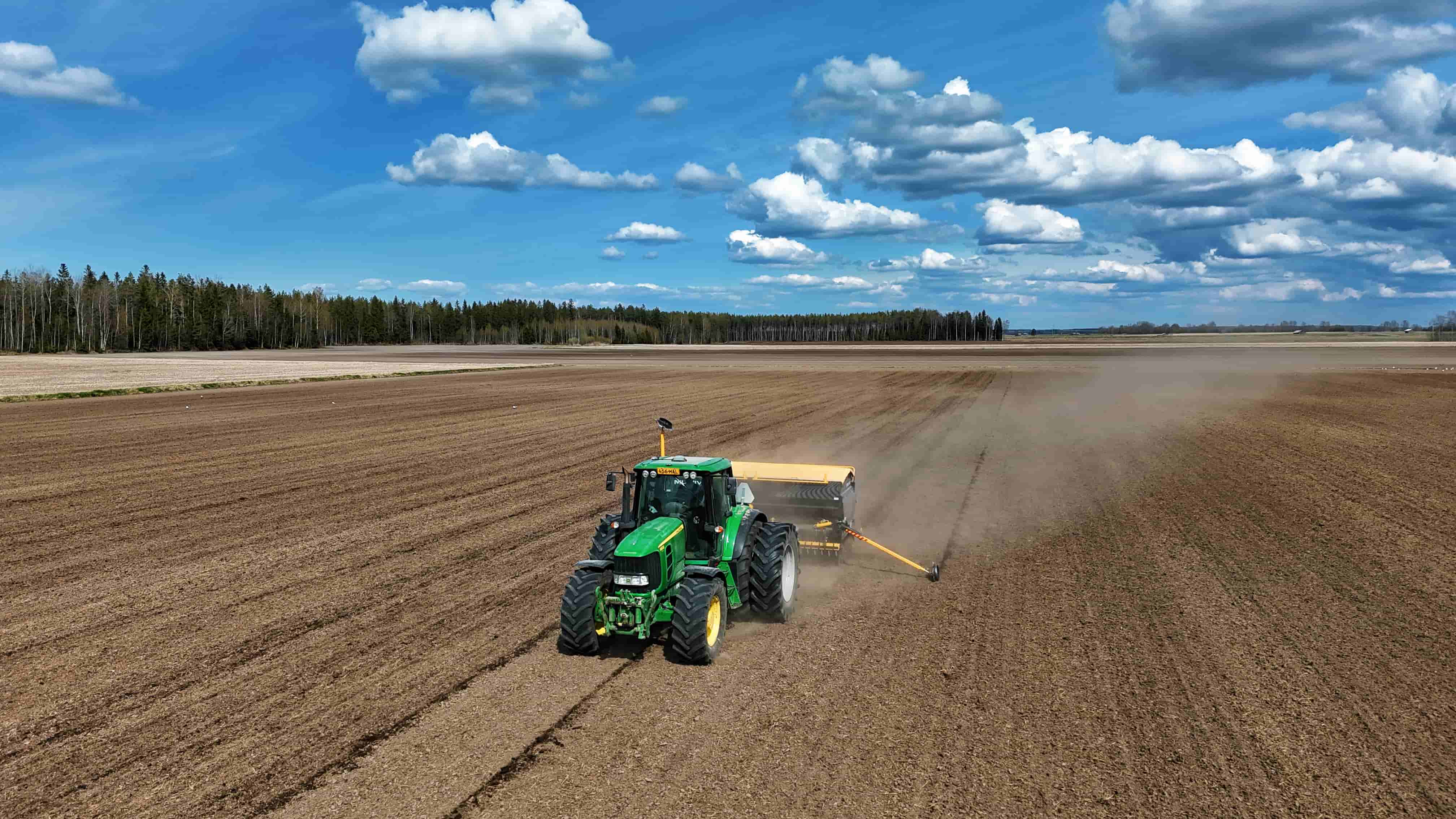
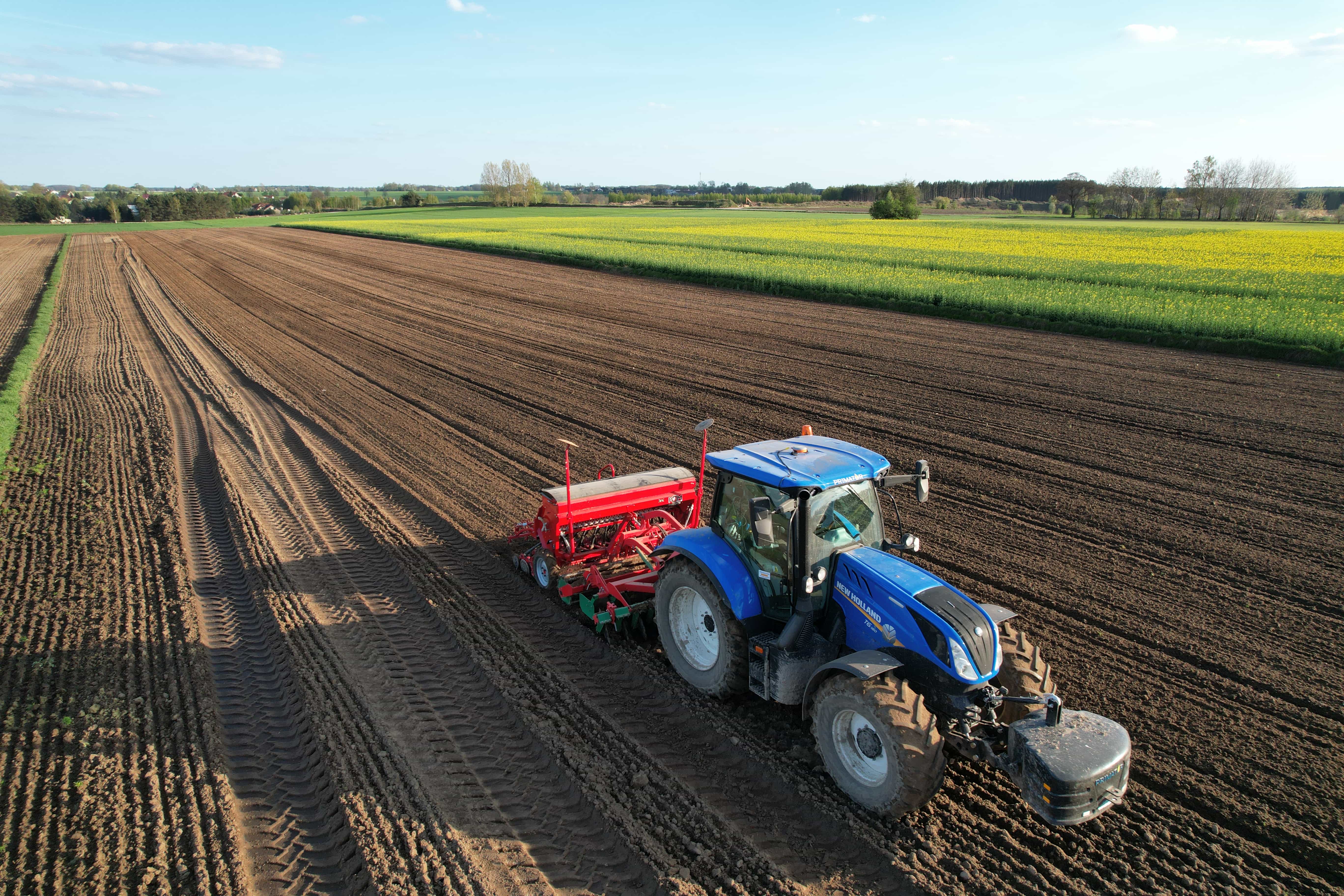
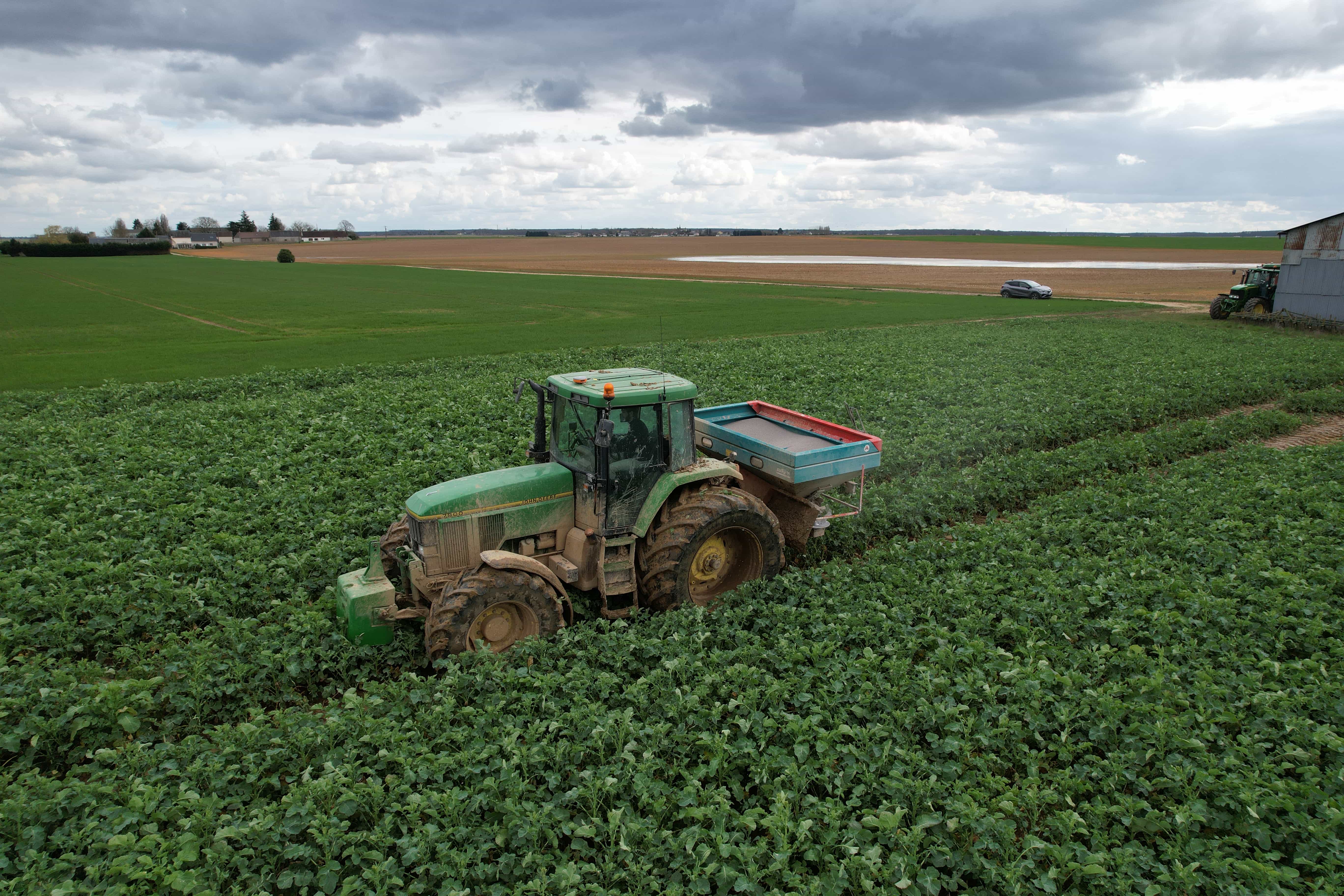
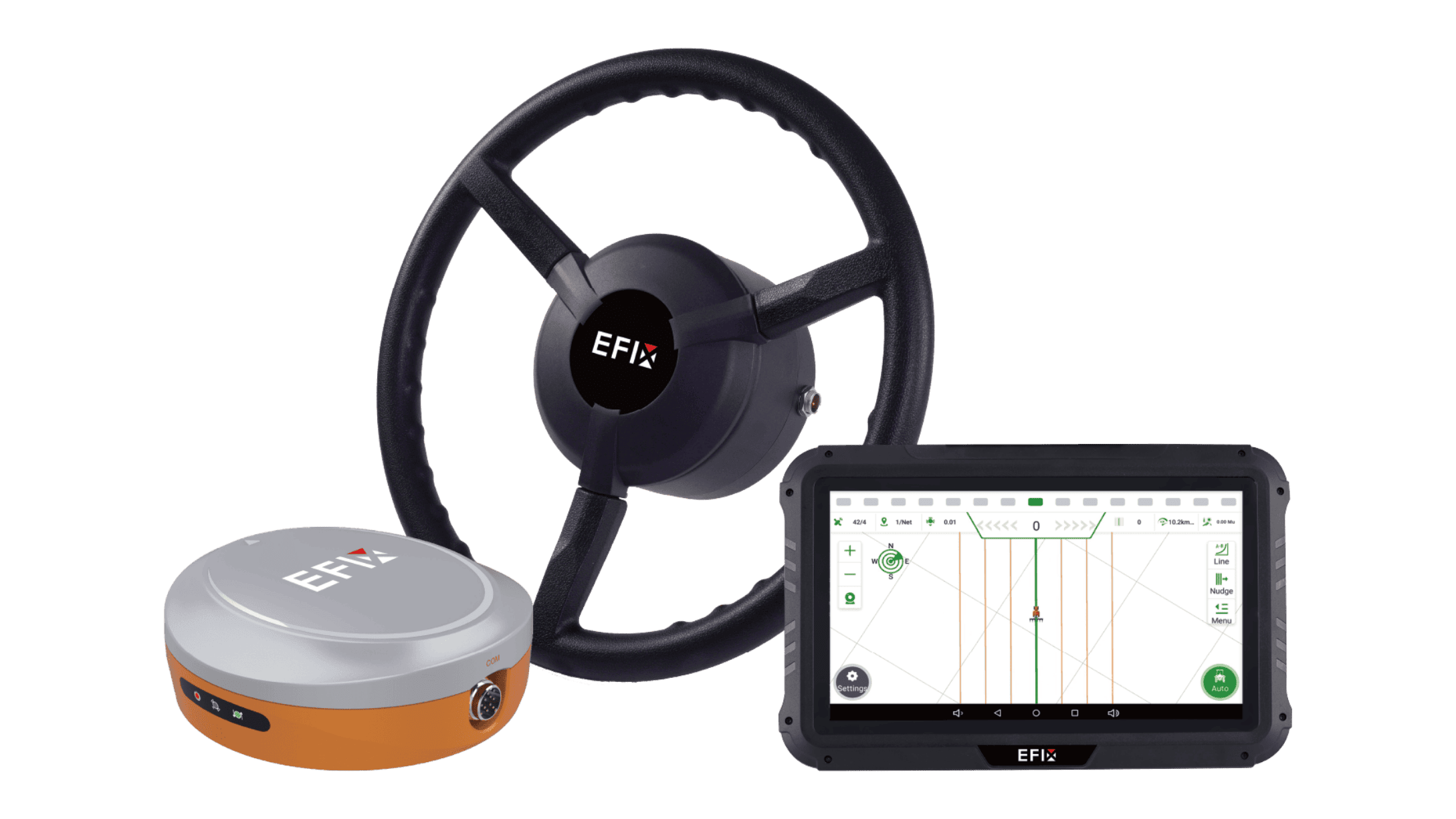
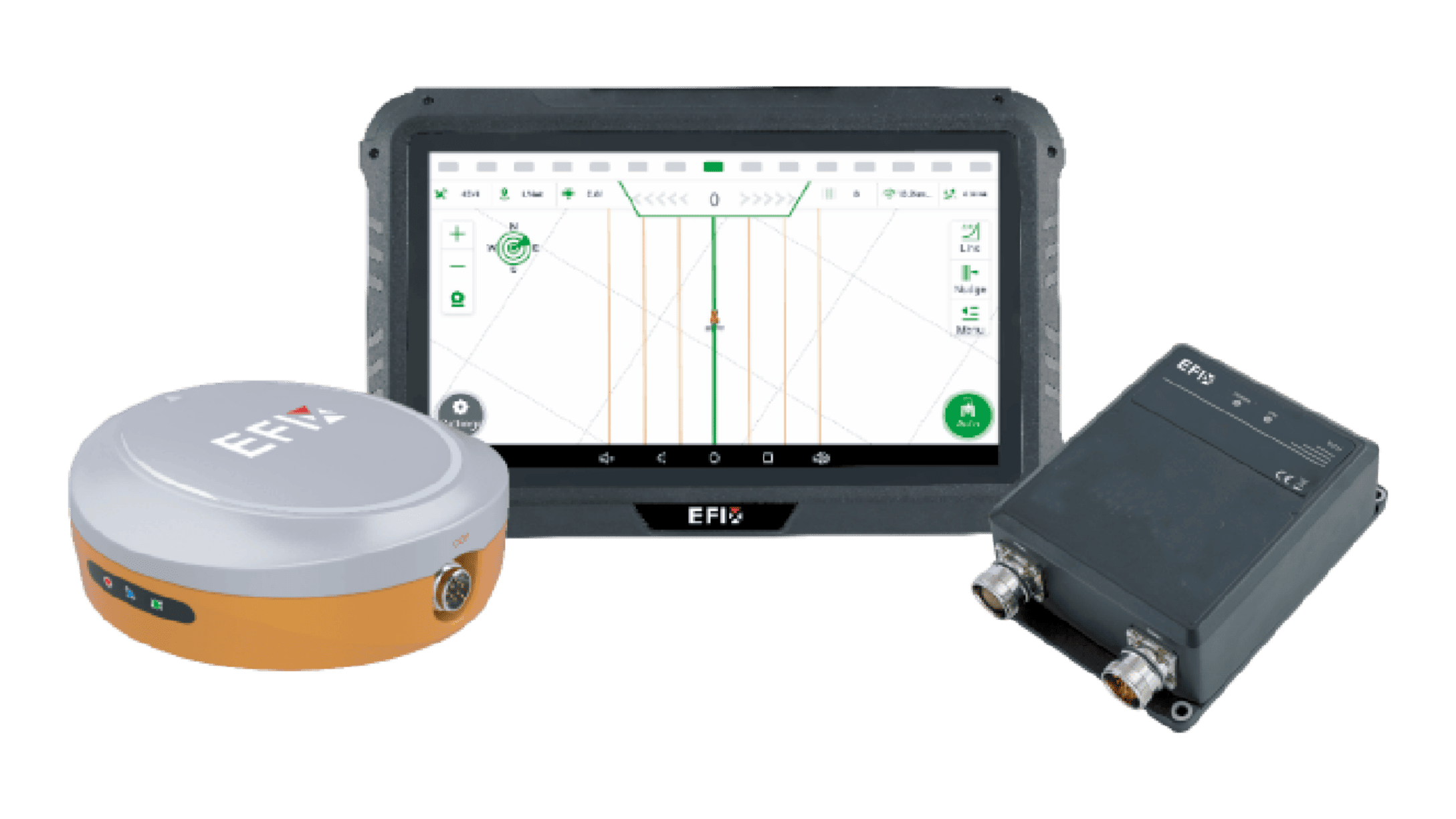
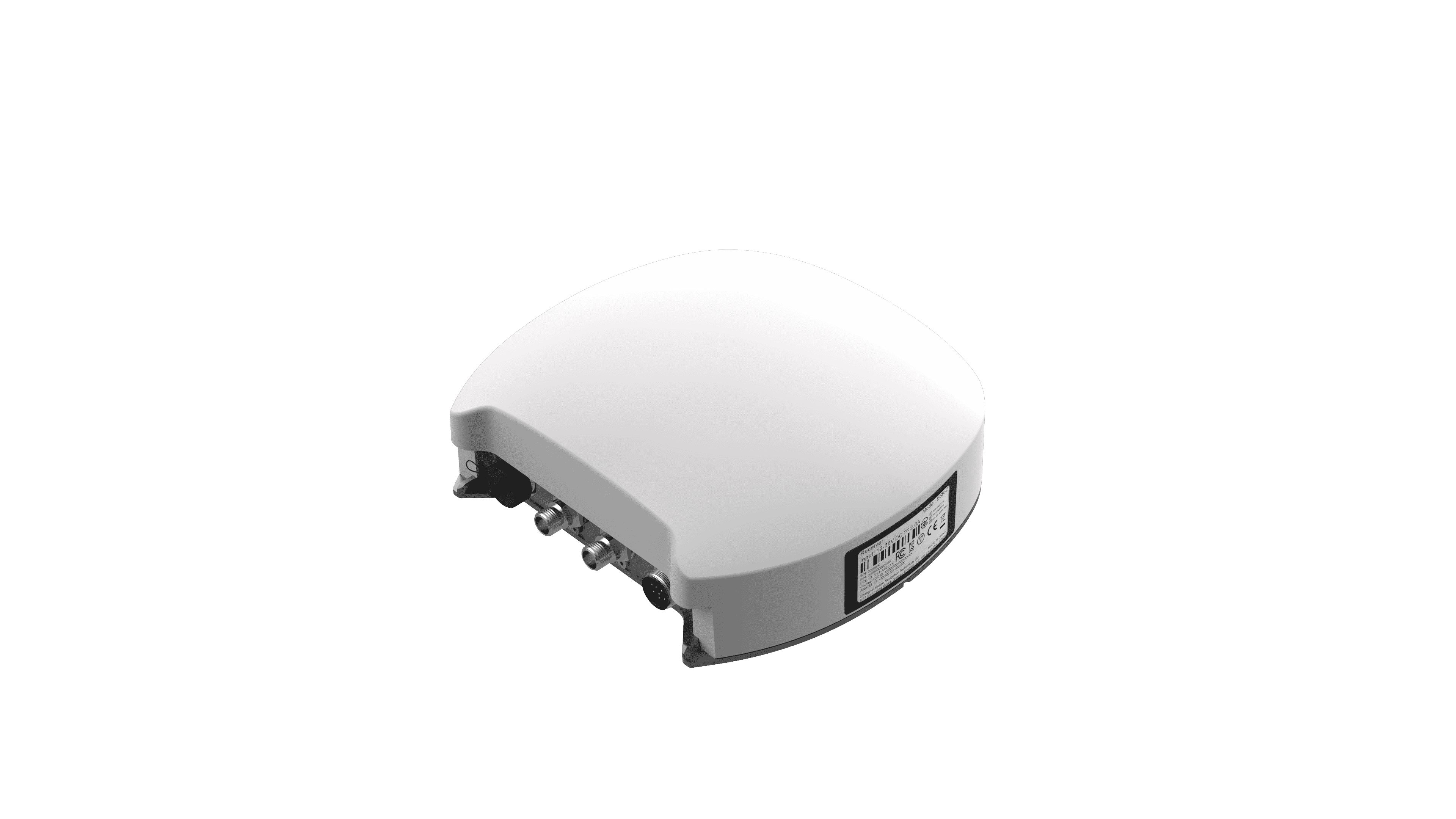
The agricultural landscape is rapidly evolving with the advent of technology that improves efficiency and productivity. Among these innovations, the autosteer kit stands out as a game-changer for modern farming operations. These systems enable tractors and other agricultural equipment to navigate fields with remarkable precision, allowing farmers to optimize their workflow and reduce operational costs.
Enhanced Precision Through Technology
Precision in farming is not merely a preference; it has become a necessity for achieving desirable yields. With an autosteer kit, farmers can complete tasks like planting, spraying, and harvesting with pinpoint accuracy. These systems incorporate GPS technology, providing real-time data that guides machinery along pre-defined paths. This leads to reduced overlap and wastage of resources, such as seeds and fertilizers, ultimately resulting in a more sustainable farming practice. In a world where every penny counts, the benefits cannot be overstated.
Adapting to Diverse Farming Environments
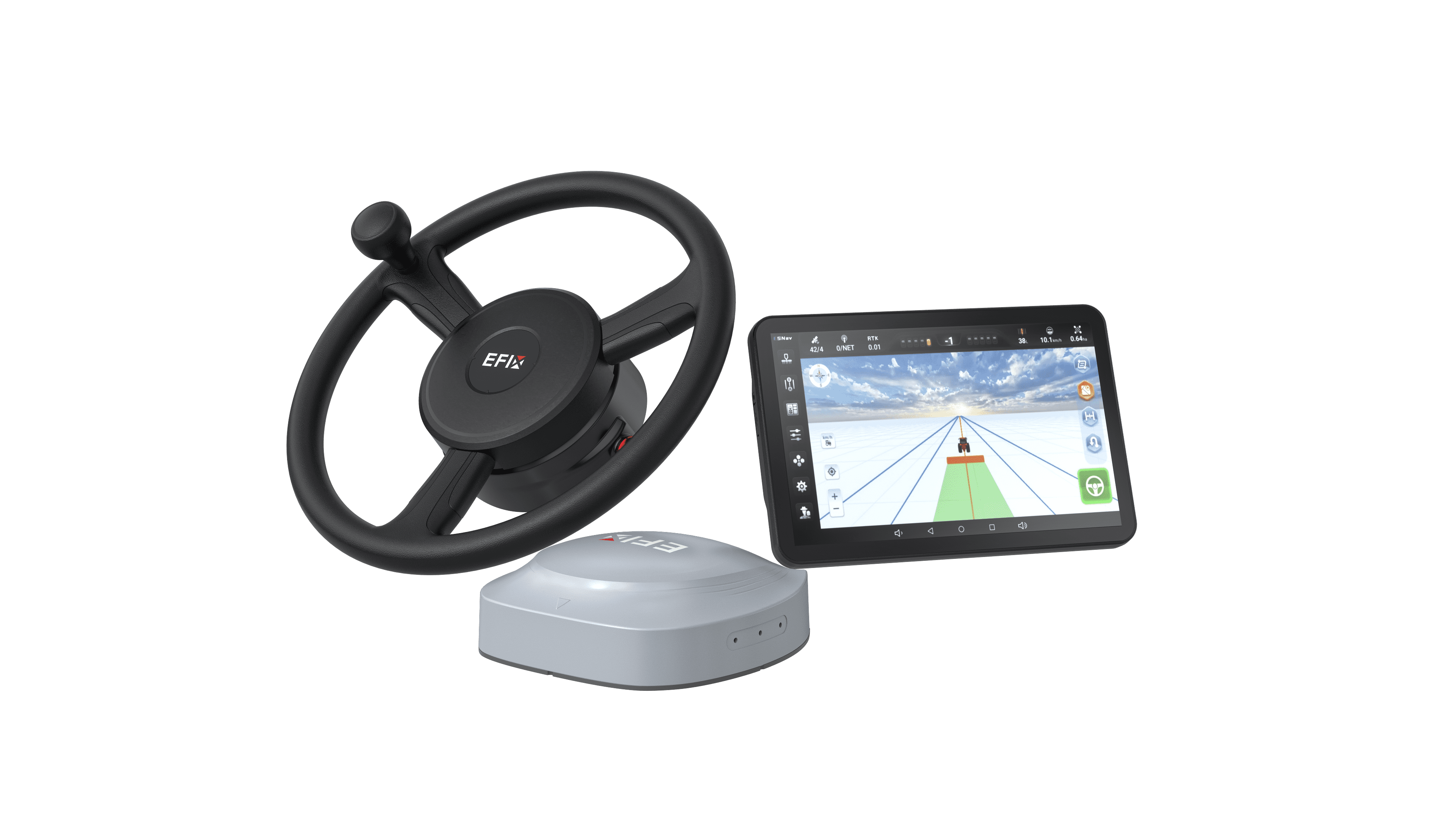
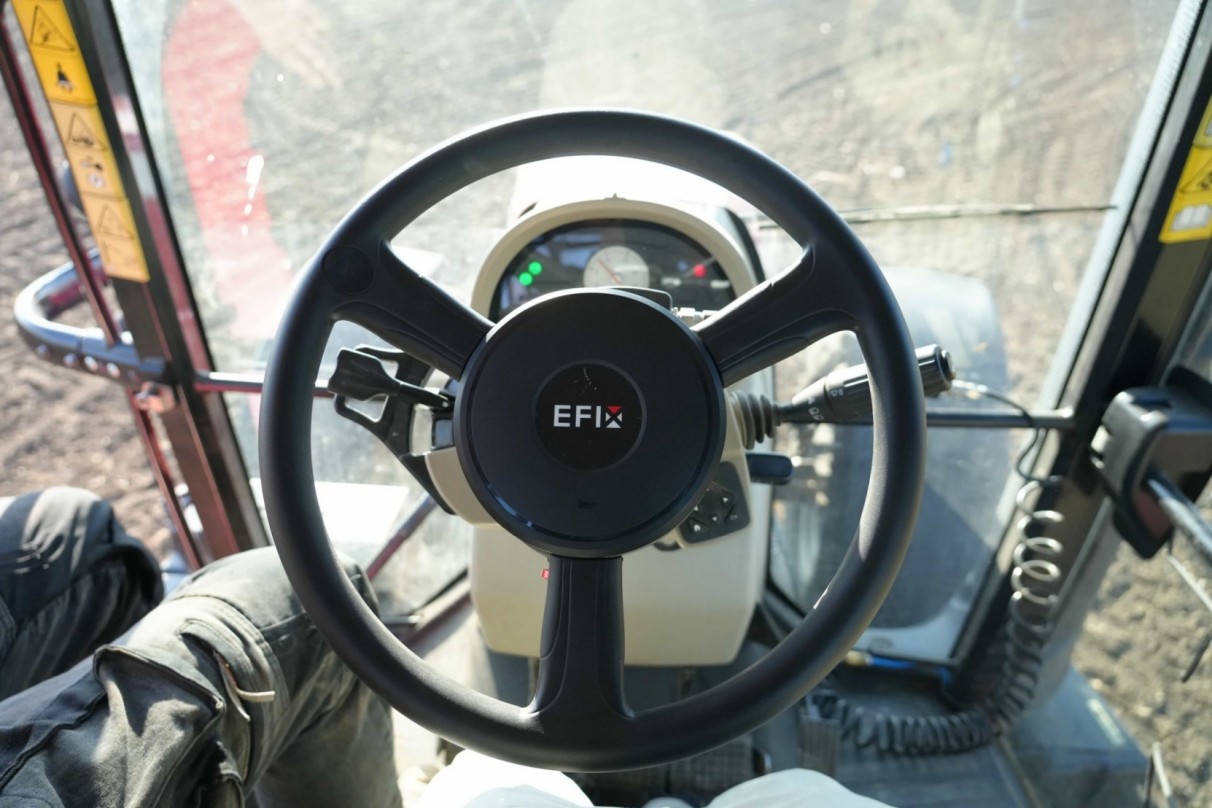
The adaptability of autosteer kits is another critical factor that enhances their appeal. Advanced systems, like the innovative eSteer 20 Max, feature multiple modes of operation, such as curve U-turn and headland U-turn, allowing them to perform efficiently in various farming scenarios. This flexibility means that farmers can adjust their methods based on the unique challenges of each field, whether they face irregular shapes or differing terrain. As we explore the landscape of agricultural technology, it's clear that these adaptations enable farmers to work smarter rather than harder, leading to higher productivity and profitability.
The Economic Impact of Autosteering
Making the investment in an autosteer kit can have substantial financial implications for farming enterprises. While the initial cost may seem daunting, the long-term savings through increased efficiency and reduced resource expenditure can more than justify the purchase. For instance, the reduction in overlap and accurate application rates can significantly lower fuel and material costs. Moreover, the time saved during field operations allows farmers to allocate their human resources more effectively, potentially leading to increased labor productivity. This economic perspective is crucial as we navigate the fragmented agricultural market, where every efficiency gain can mean the difference between success and failure.
Conclusion
The future of farming clearly leans towards automation and precision agriculture through tools like the autosteer kit. The evolution of these technologies provides farmers with a pathway to a more efficient and sustainable future. As the agricultural sector continues to adapt in response to changing demands, technologies that enhance operational capabilities will remain indispensable. At EFIX, we recognize the significance of these advancements and are committed to providing innovative solutions like the eSteer 20 Max, which embodies flexibility and adaptability to meet the diverse needs of farmers everywhere.