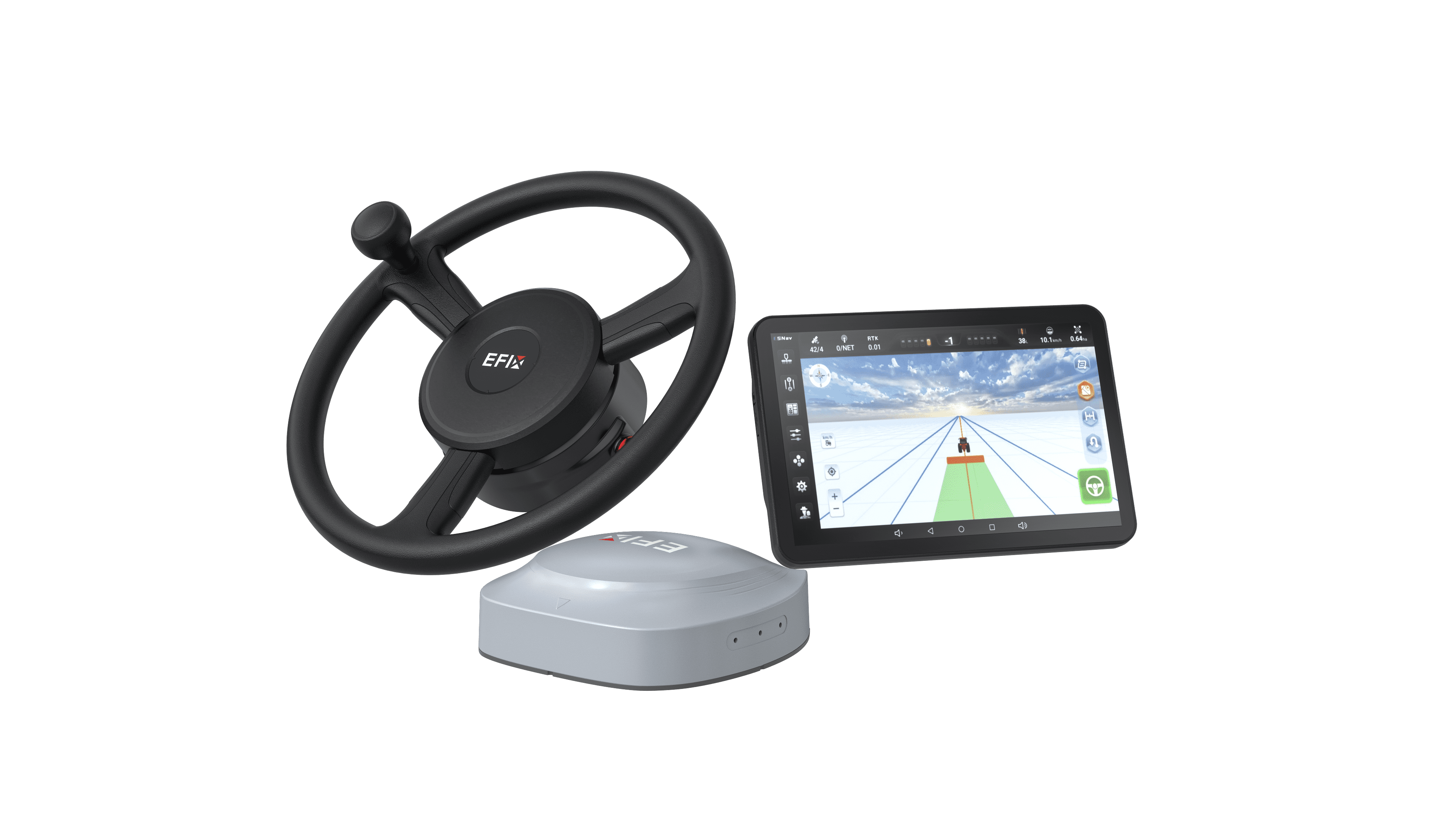
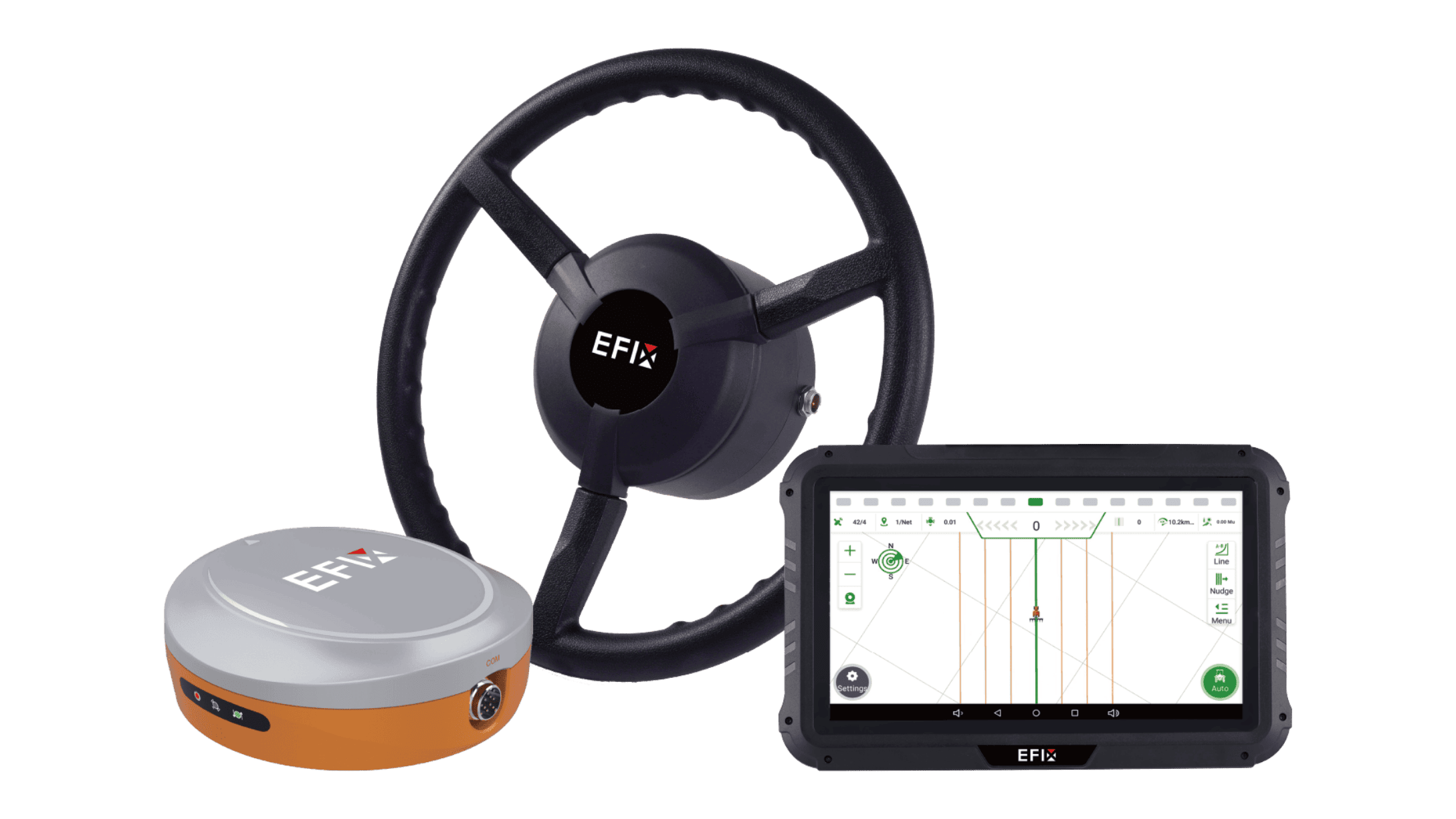
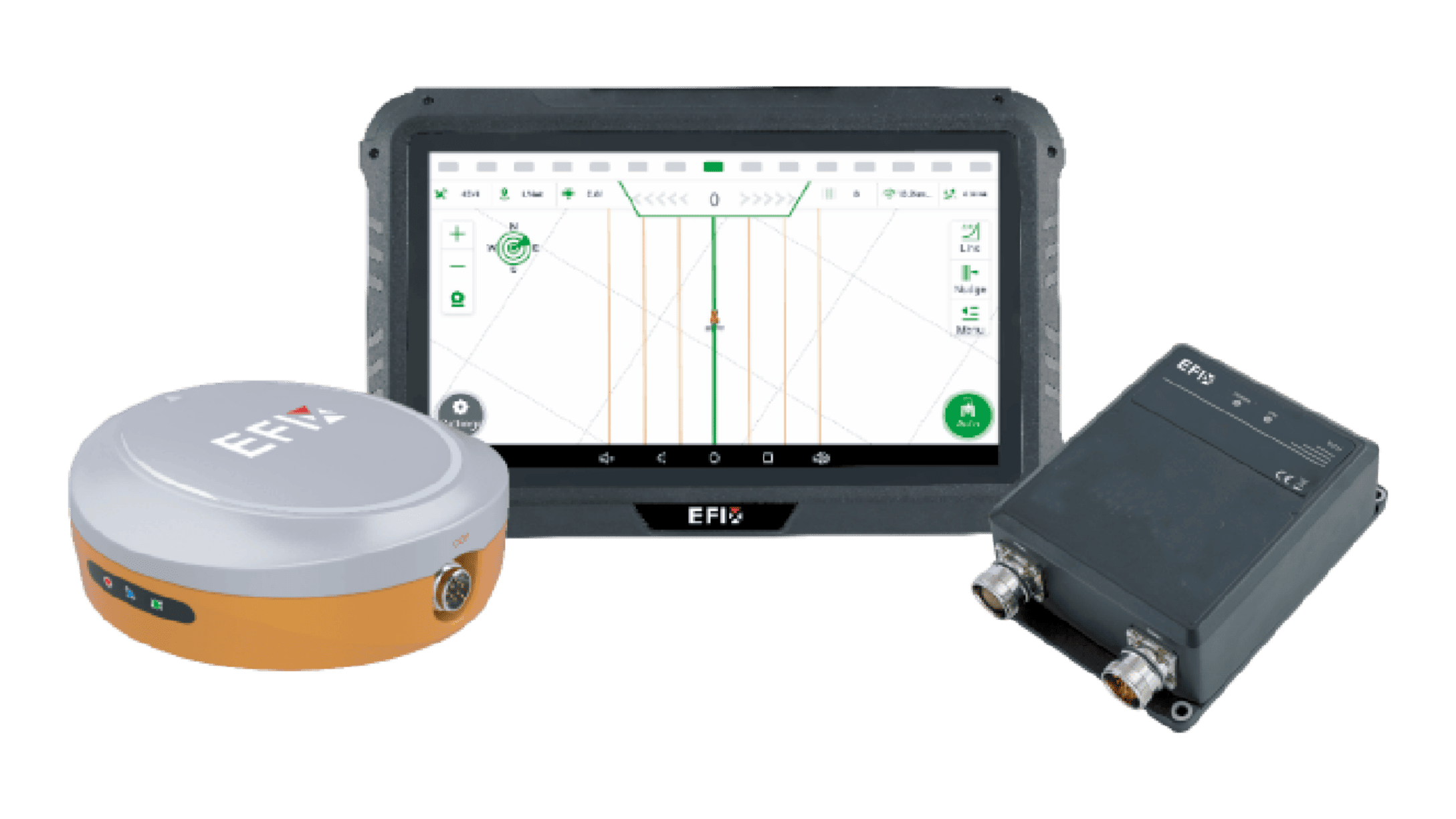
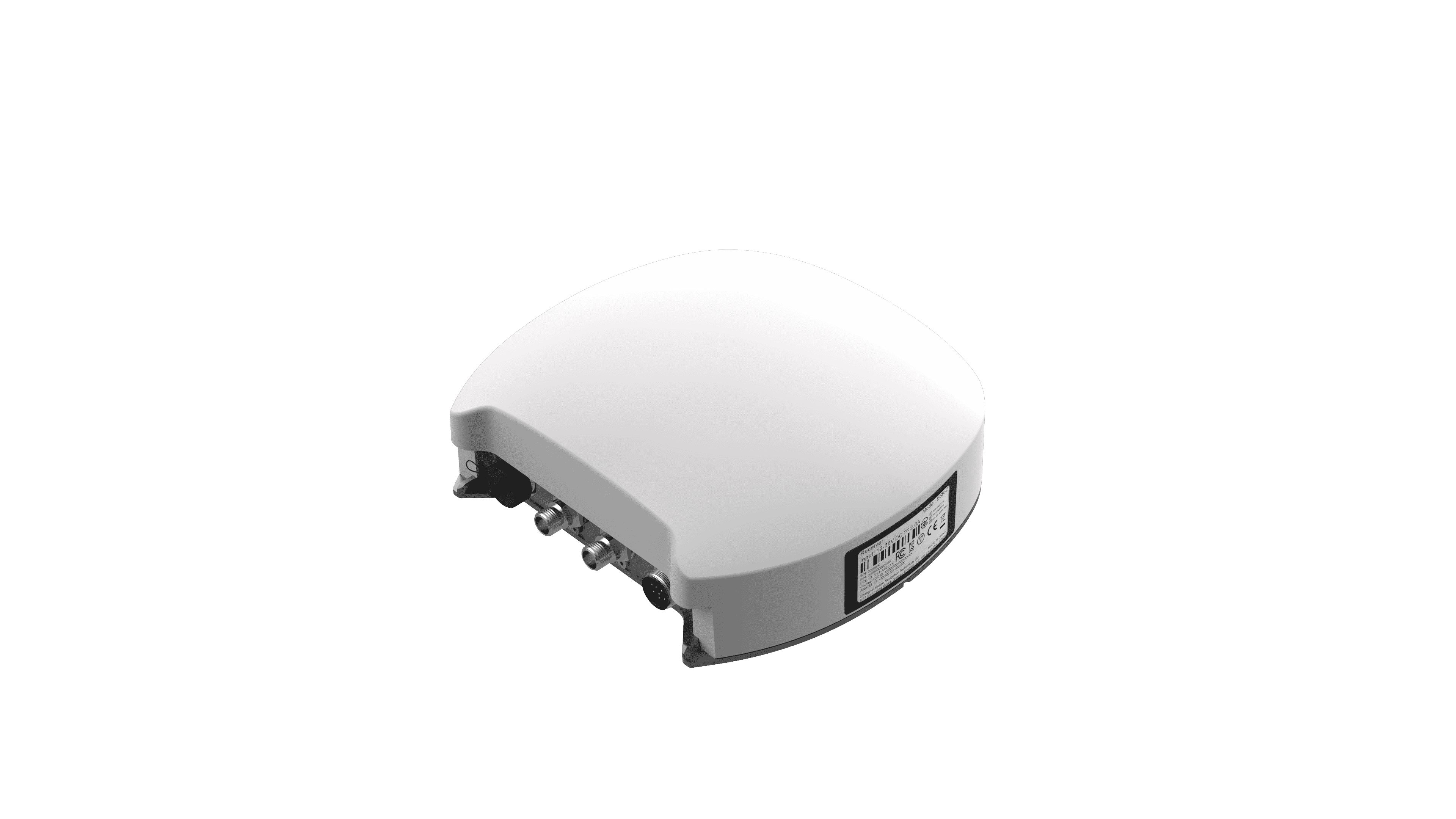
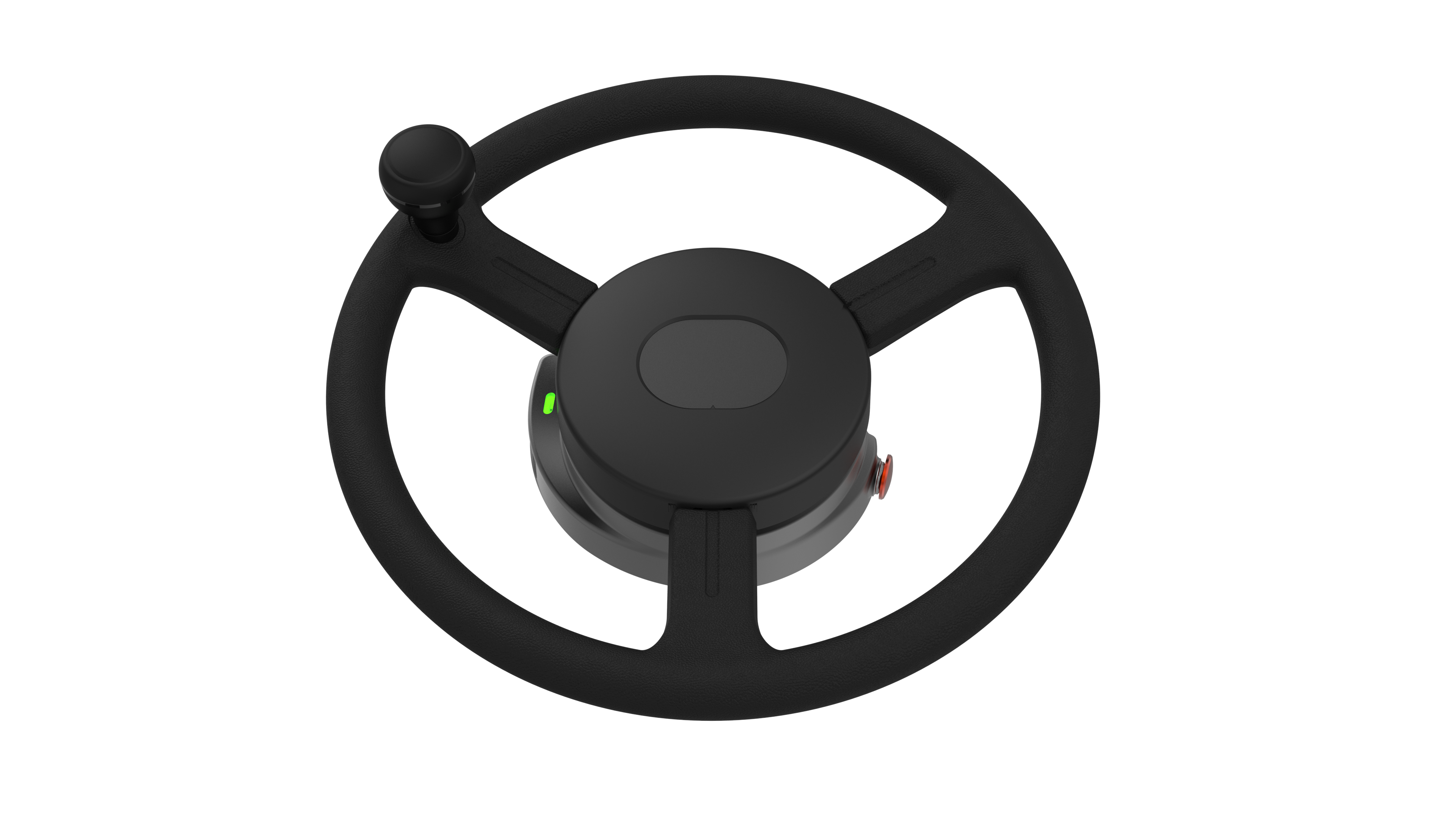
Installing tractor autosteer systems can transform the way we operate machinery, improving efficiency and precision in fieldwork. Despite the many benefits of upgraded steering technology, installation can pose its own set of challenges. Identifying typical problems early in the process can save valuable time and ensure that the system operates optimally upon completion. Common installation issues often stem from compatibility problems, misalignment, and incorrect calibration, each of which can hinder the performance of the autosteer system.

Compatibility Issues with Existing Equipment
One of the most significant hurdles encountered during the installation of tractor autosteer systems is compatibility with existing equipment. Not all systems are designed to work with every model of tractor. Compatibility problems can arise from differences in hydraulic systems, electronic interfaces, and power supply requirements. Before beginning the installation, it's crucial to confirm that the chosen autosteer system corresponds with the specifications of the tractor. Conducting thorough research and consulting technical manuals can prevent headaches down the line, ensuring that the selected system functions seamlessly with existing machinery.
Misalignment during Setup
Another common issue during the installation process involves misalignment. Proper alignment is essential for the autosteer system to function correctly. Errors during physical installation can lead to inaccurate steering, negatively impacting productivity and efficiency. The installation process should emphasize careful positioning of all components, ensuring that sensors and antennas are correctly angled and securely mounted. Utilizing laser guides and level tools can help achieve the necessary precision. By taking the time to ensure everything is aligned properly, we can avoid frequent adjustments and troubleshooting after installation.
Calibration Challenges Following Installation
Calibrating the system is a crucial step after installation of tractor autosteer systems, and it comes with its own set of challenges. If calibration settings are off, the system will not engage as needed, leading to erratic steering and potential loss of control. Adjusting the settings often requires thorough understanding of both the autosteer technology and the tractor’s response characteristics. It’s advisable to follow a structured calibration process, using diagnostic tools when available, to ensure the new system is finely tuned to the specific machine. Taking the time to calibrate correctly enhances the overall effectiveness of the autosteer system, allowing for smooth and efficient operation in the field.
Conclusion
In summary, successful installation of tractor autosteer systems requires an understanding of compatibility, alignment, and calibration. Addressing these common issues early on can not only enhance the performance of the system but also minimize downtime during the harvest season. We understand the complexities involved and are dedicated to providing solutions that make the installation process as smooth as possible. For those seeking advanced support and expert solutions, consider reaching out to EFIX, where we focus on delivering robust autosteer technologies tailored to enhance your agricultural operations.