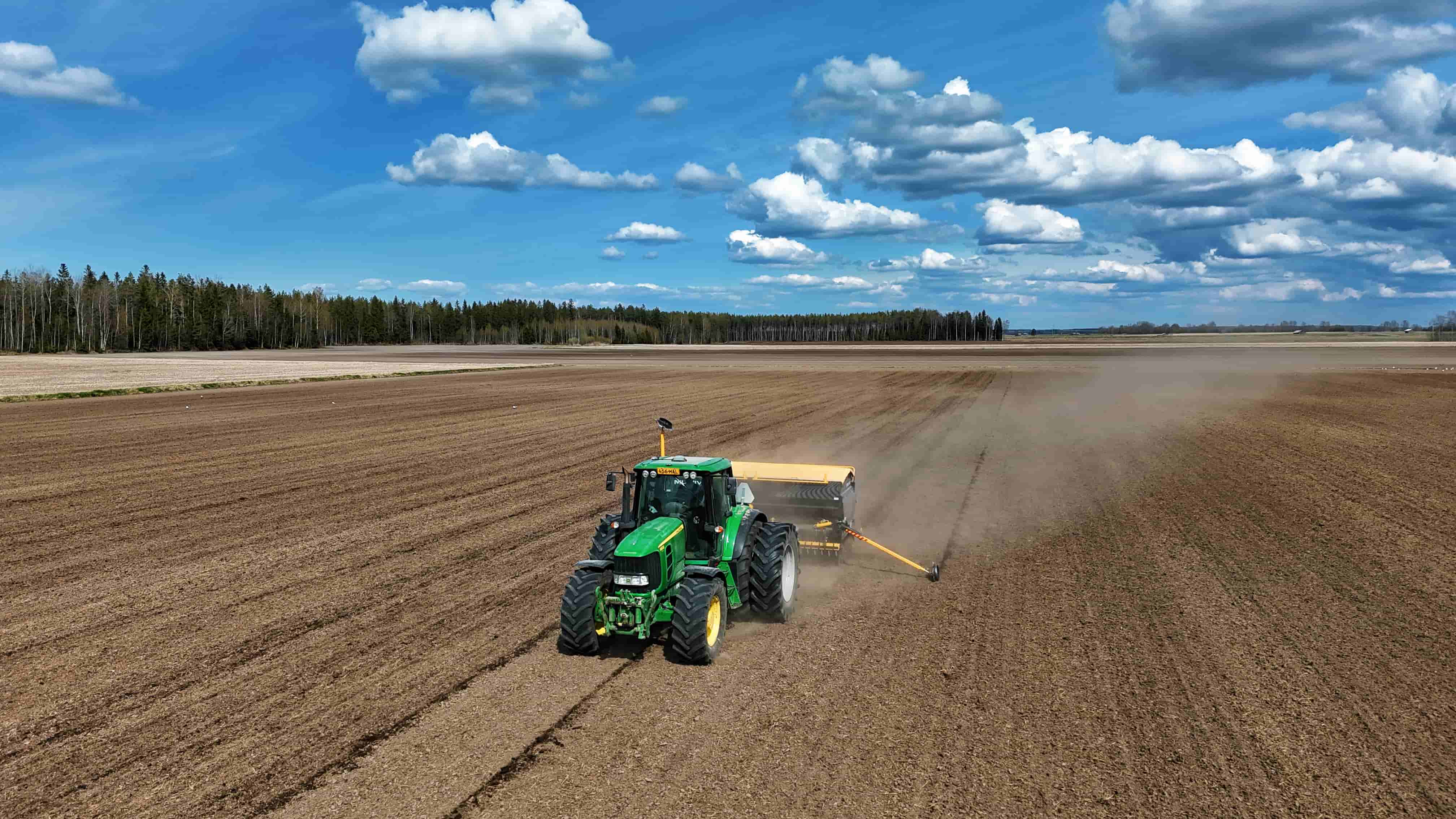
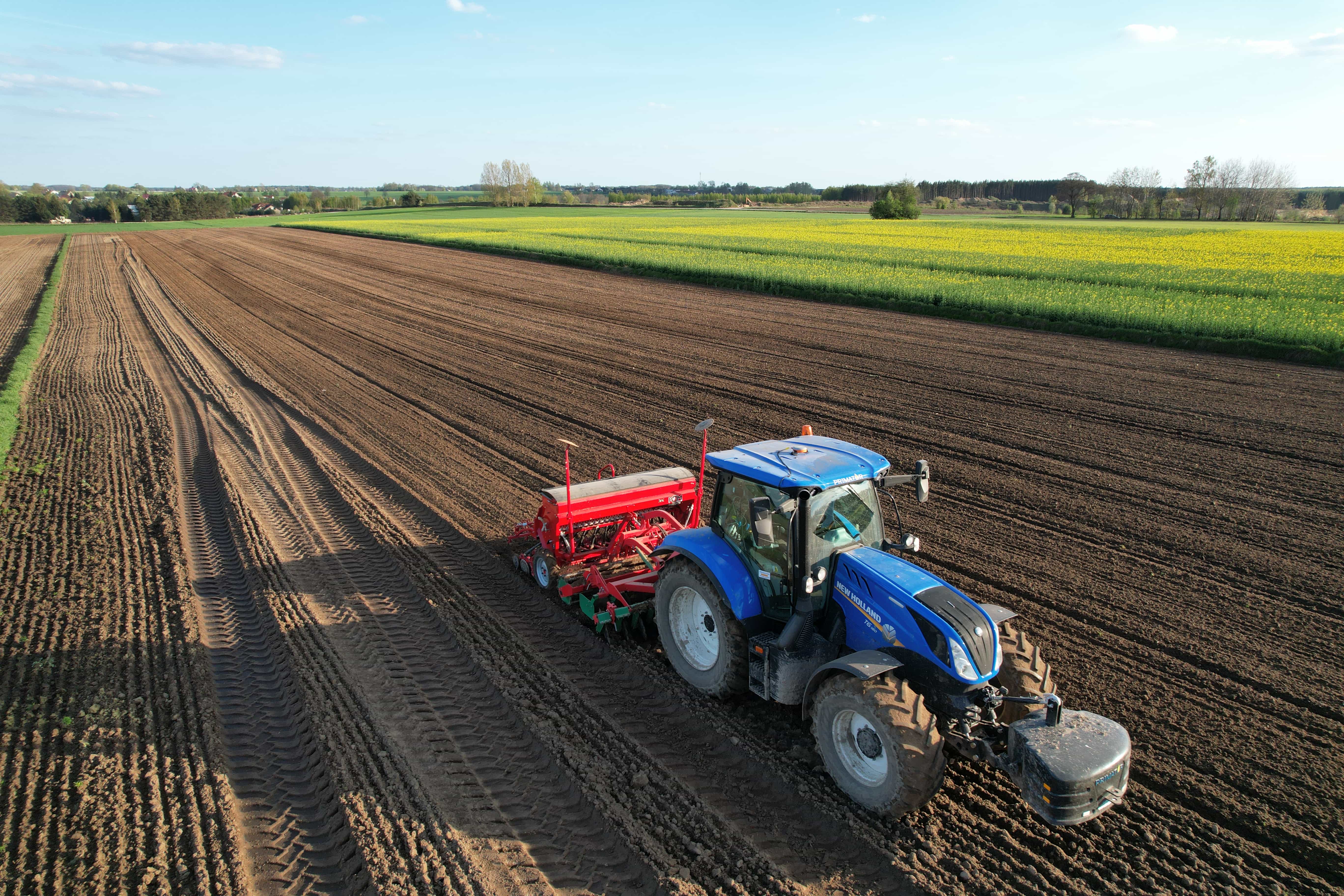
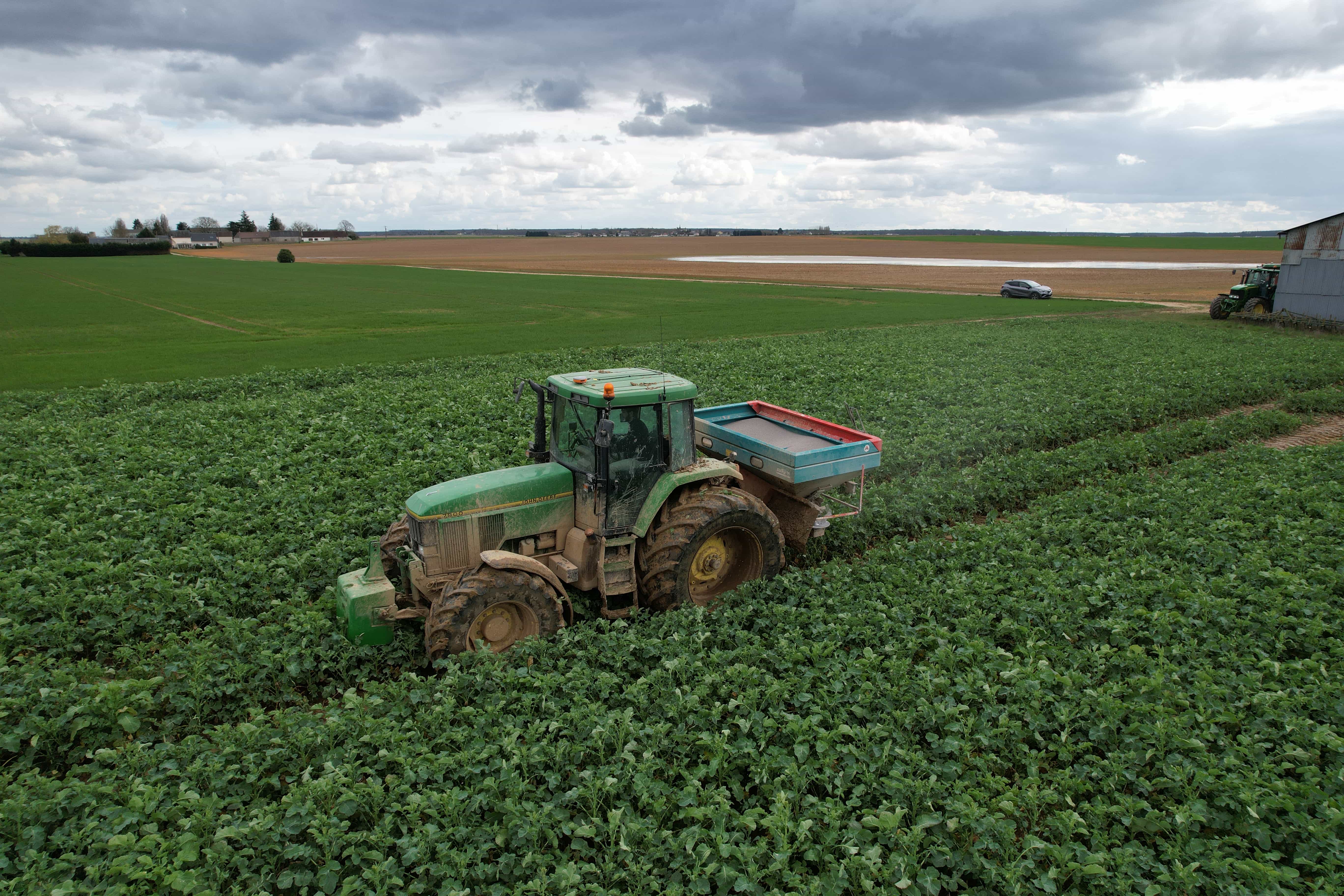
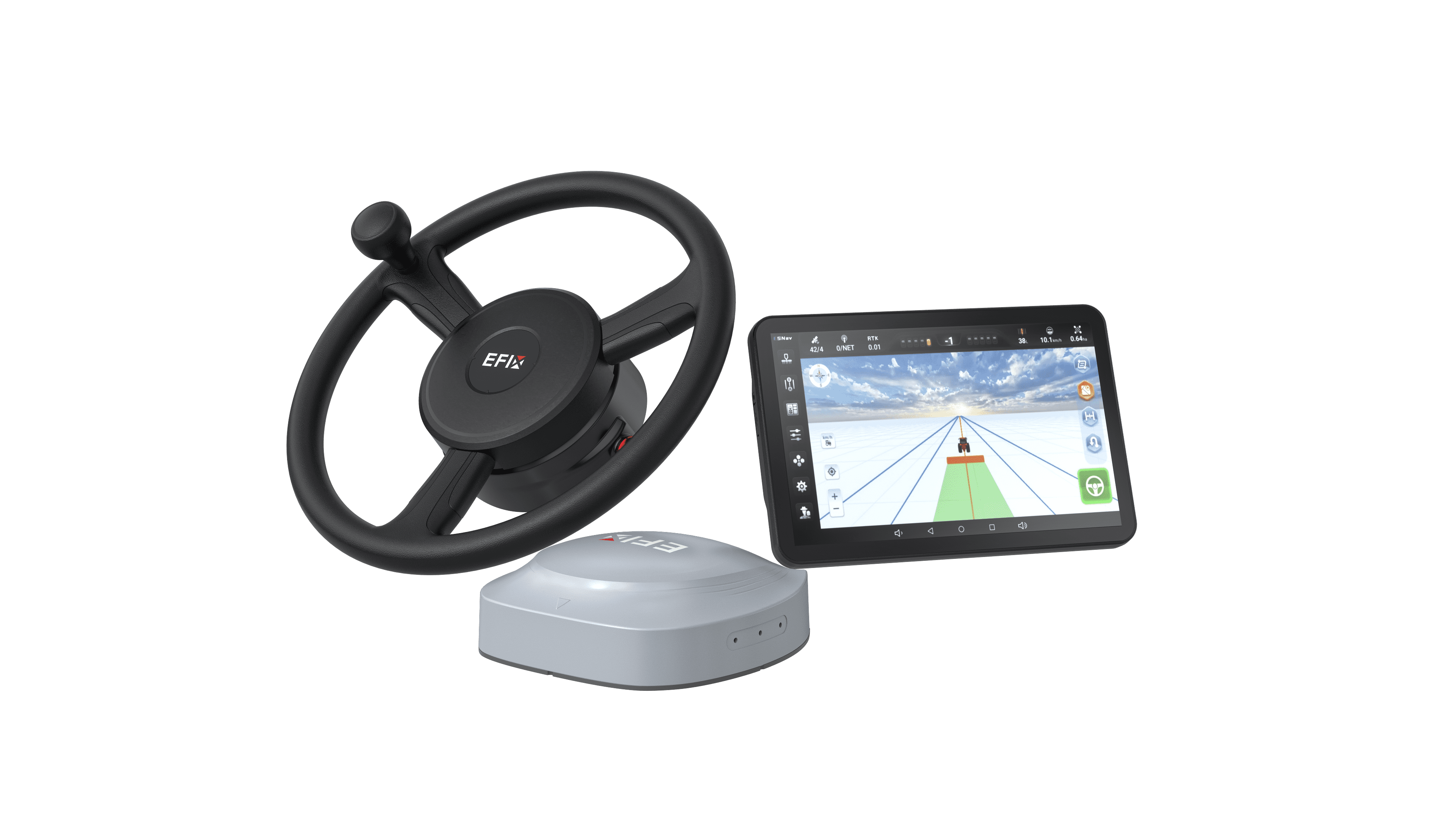
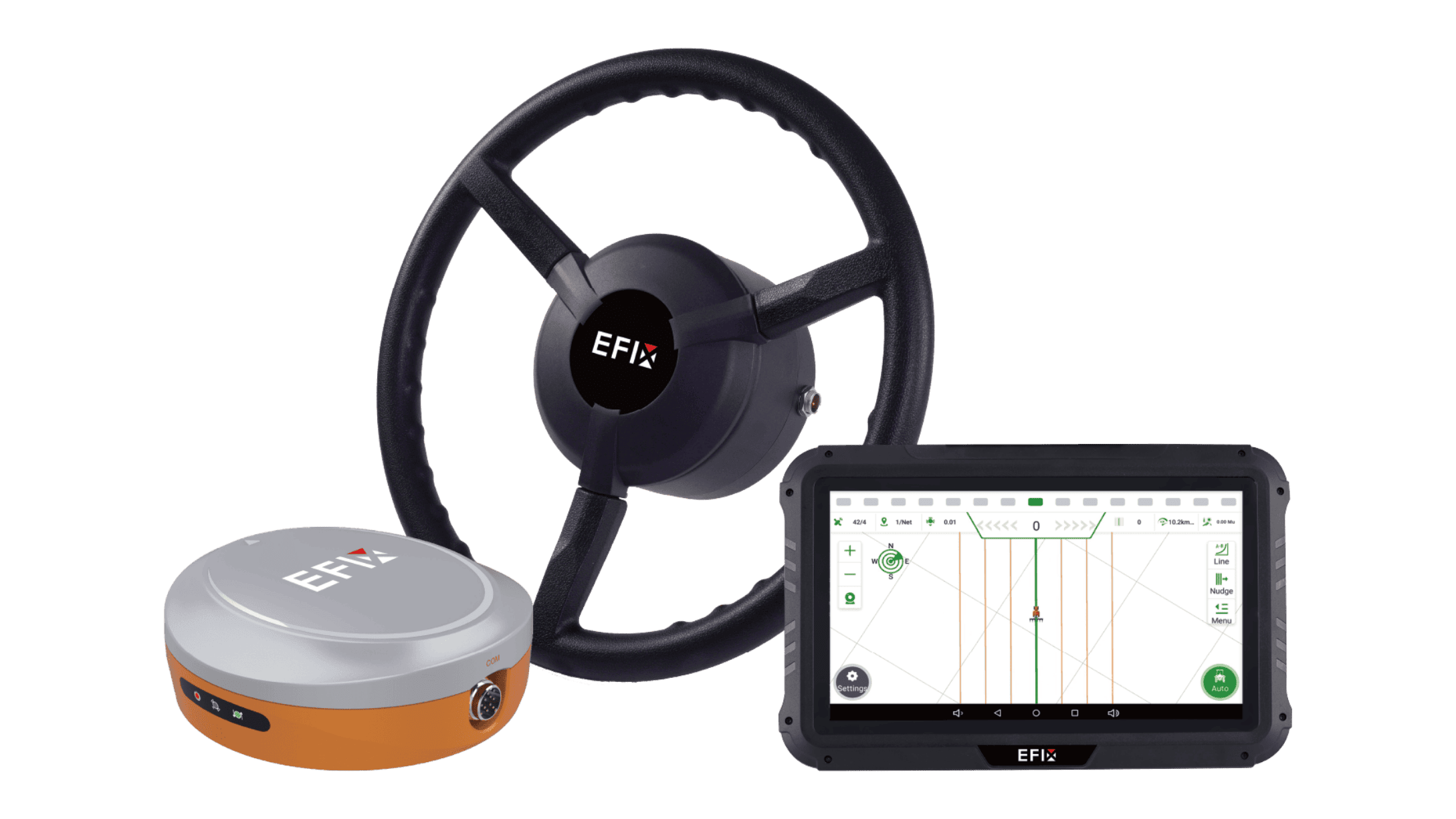
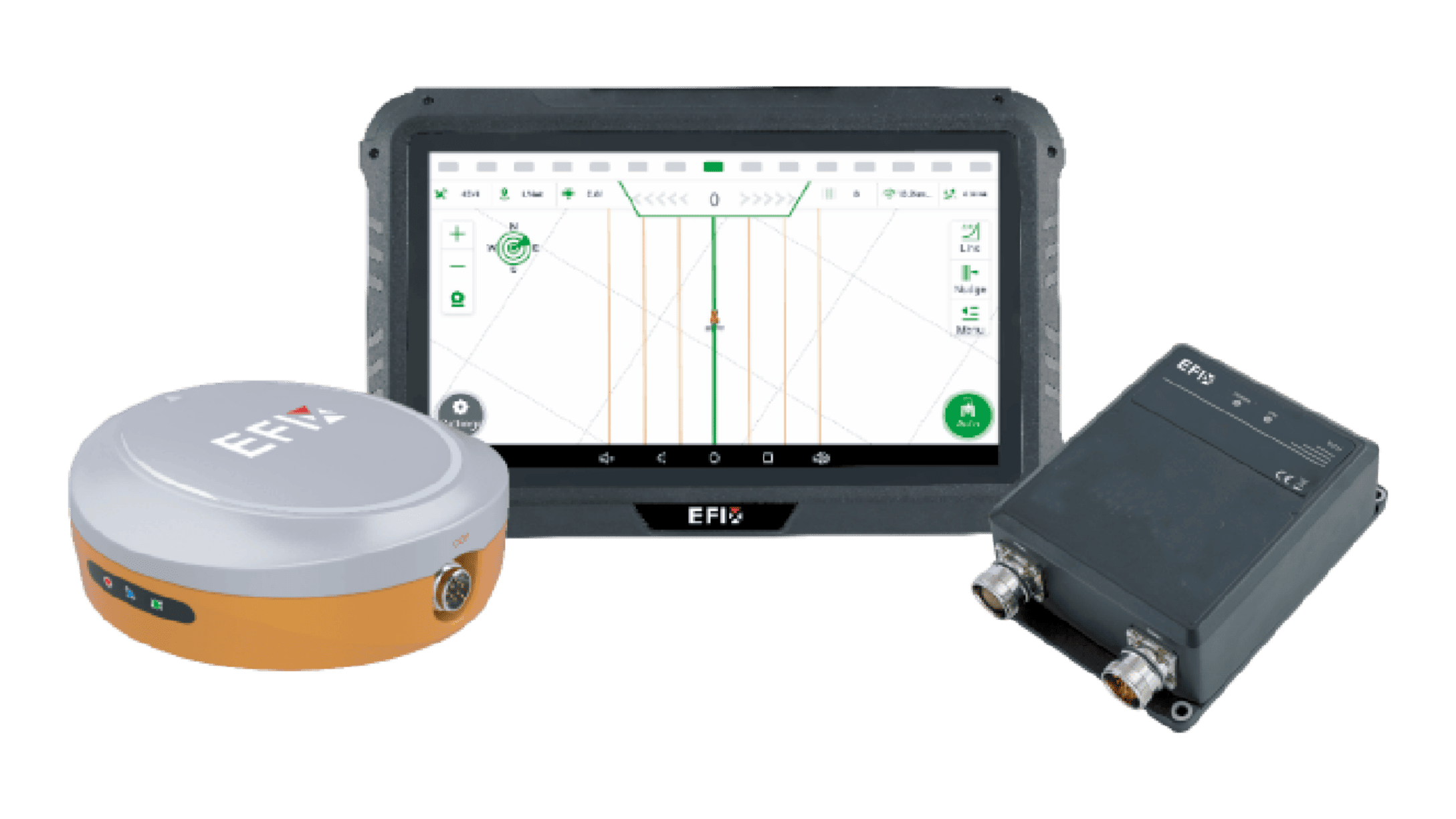
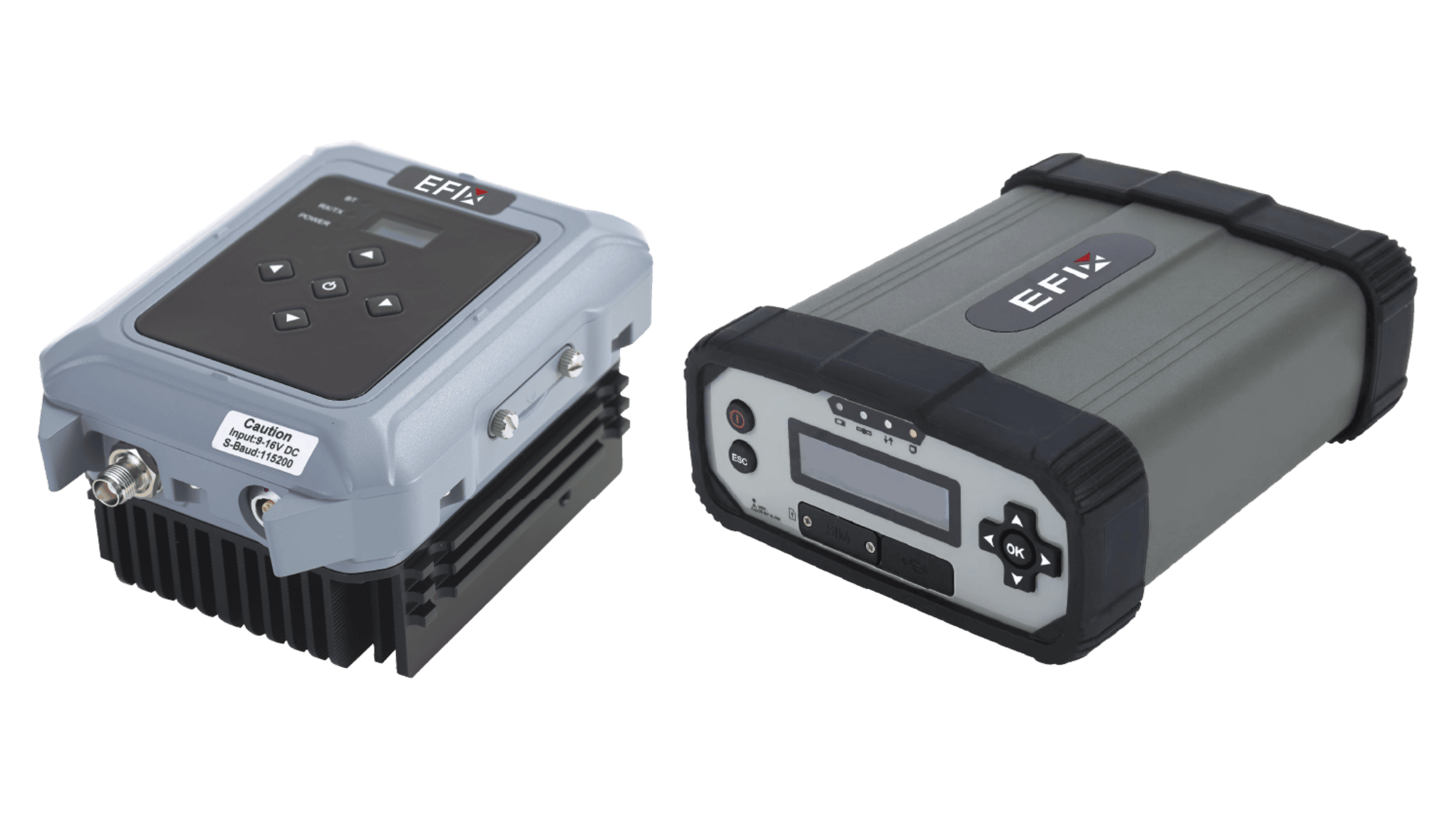
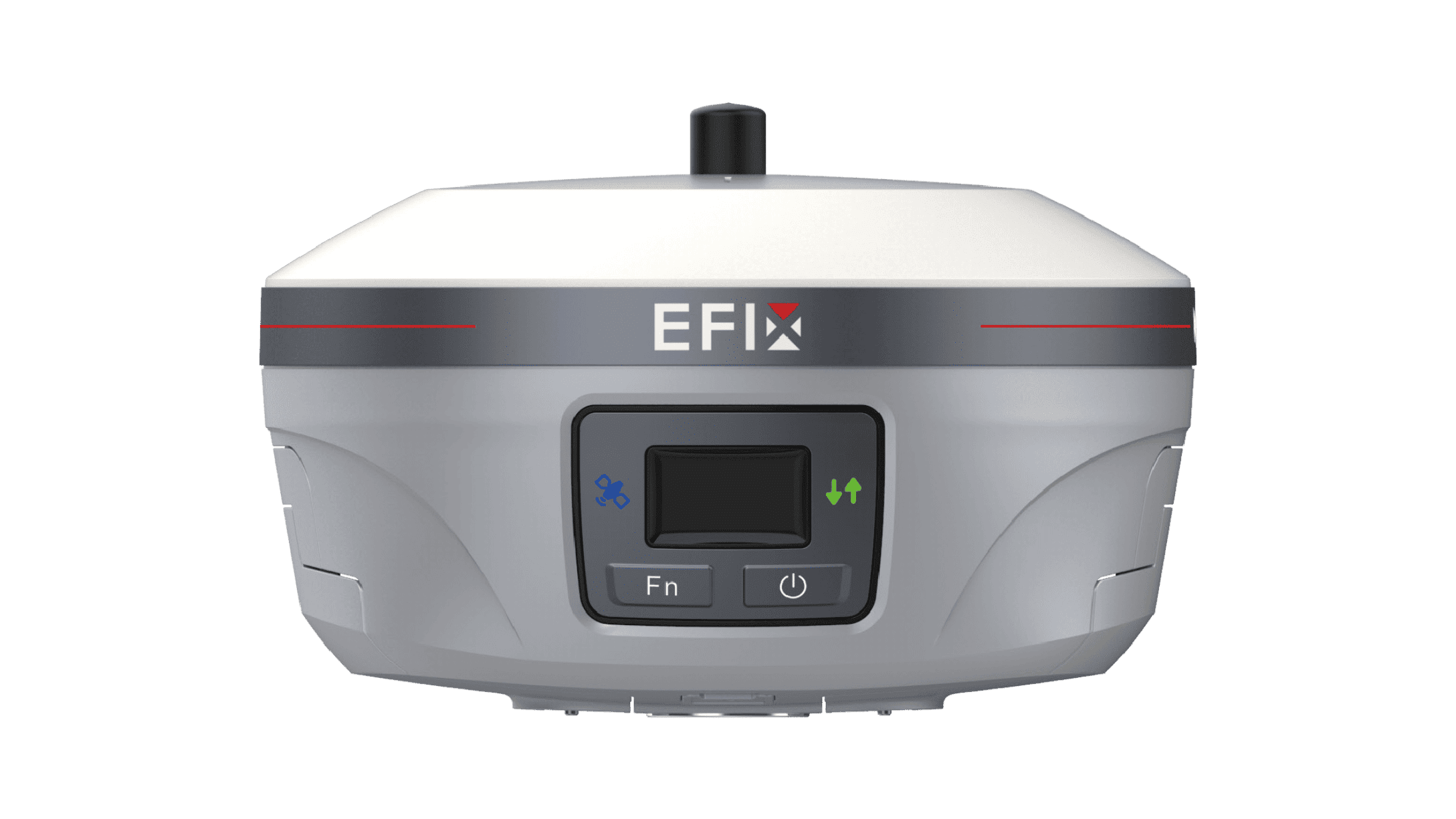
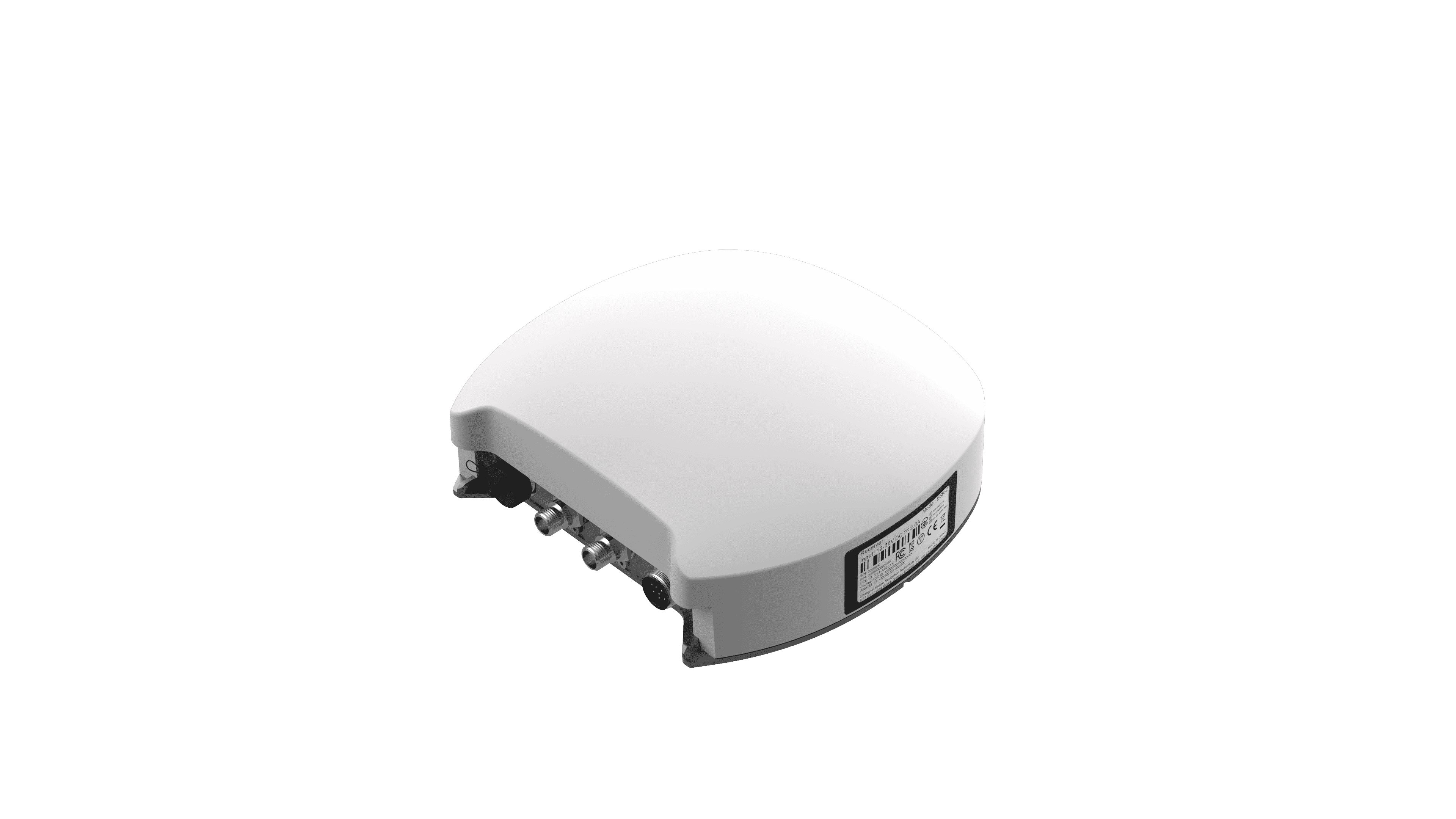
Precision farming is set to redefine agriculture, and the tractor autosteer kit is at the forefront of this transformation. As farms grow in size and complexity, the need for advanced farming technologies becomes increasingly pressing. Autosteer technology not only improves operational efficiency but also enhances precision, leading to better crop yields and sustainable farming practices. Understanding where this technology is headed can provide us with valuable insights into its potential benefits for farmers worldwide.
Rise of Autonomous Farming Solutions
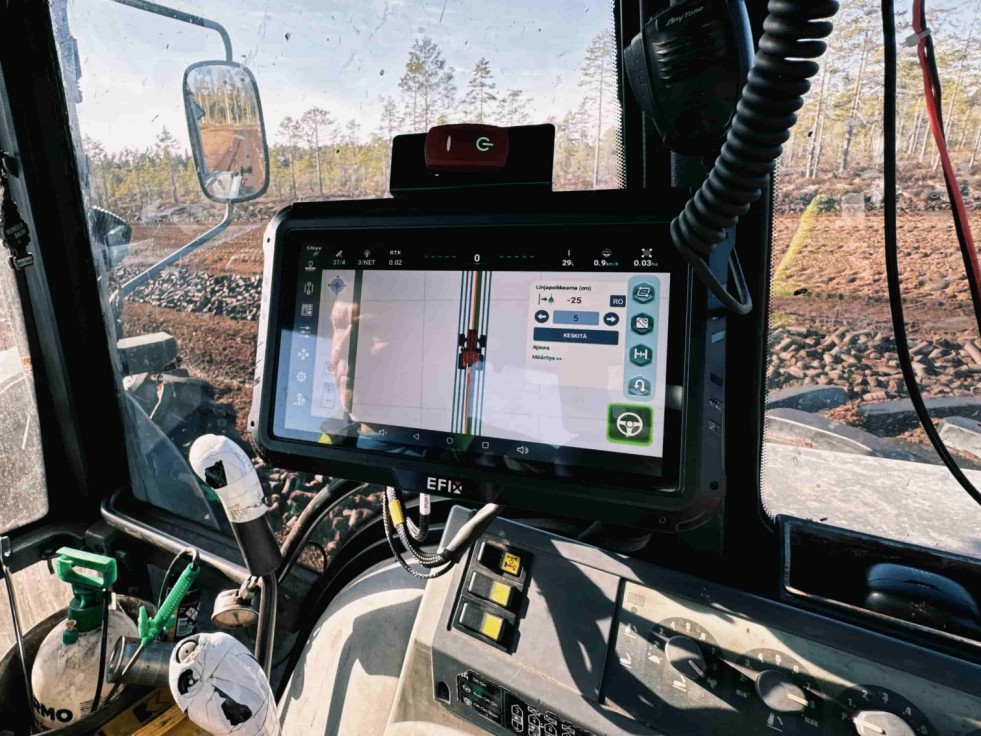
The agricultural industry is witnessing a trend towards complete automation, with tractor autosteer kits playing a critical role. These kits are designed to facilitate accurate guidance, reducing the need for manual steering and allowing operators to focus on other essential tasks. As automation advances, we see innovations that allow for smoother transitions between different steering methods. Features such as flexible U-turn modes, including skipping U-turn, curve U-turn, boundary U-turn, and headland U-turn, enhance maneuverability and adaptability in various field conditions. This shift is expected to accelerate, making farms smarter and more efficient.
Integration with IoT and Data Analytics
As technology evolves, the integration of tractor autosteer kits with Internet of Things (IoT) devices and data analytics is on the rise. This means that these systems can now collect and analyze real-time data from the farm, providing invaluable insights into both machinery performance and crop health. The data-driven approach allows farmers to optimize their operations significantly, identifying patterns that would otherwise go unnoticed. Enhanced connectivity will enable predictive maintenance of tractor systems, ensuring minimal downtime and maximum productivity.
Sustainability and Resource Efficiency
The future of tractor autosteer kits is closely tied to the global push for sustainability in agriculture. By improving precision and reducing fuel consumption, these systems contribute to more resource-efficient farming practices. Farmers can utilize their input materials more judiciously, minimizing waste and environmental impact. Additionally, as the technology continues to advance, we expect to see features that further enhance soil preservation and promote biodiversity, such as the ability to perform precise planting and fertilization based on detailed field maps and soil conditions.
Conclusion
The trajectory of tractor autosteer kits reflects a promising future for agriculture, marked by greater efficiency, data integration, and sustainability. These autonomous solutions will empower farmers to adapt to changing agricultural landscapes, making their operations more productive and environmentally friendly. We at EFIX are paving the way in this innovation, focusing on the development of advanced systems that incorporate flexible U-turn modes and responsive technologies. As the industry moves forward, embracing these changes will be crucial for farming success in the modern era.