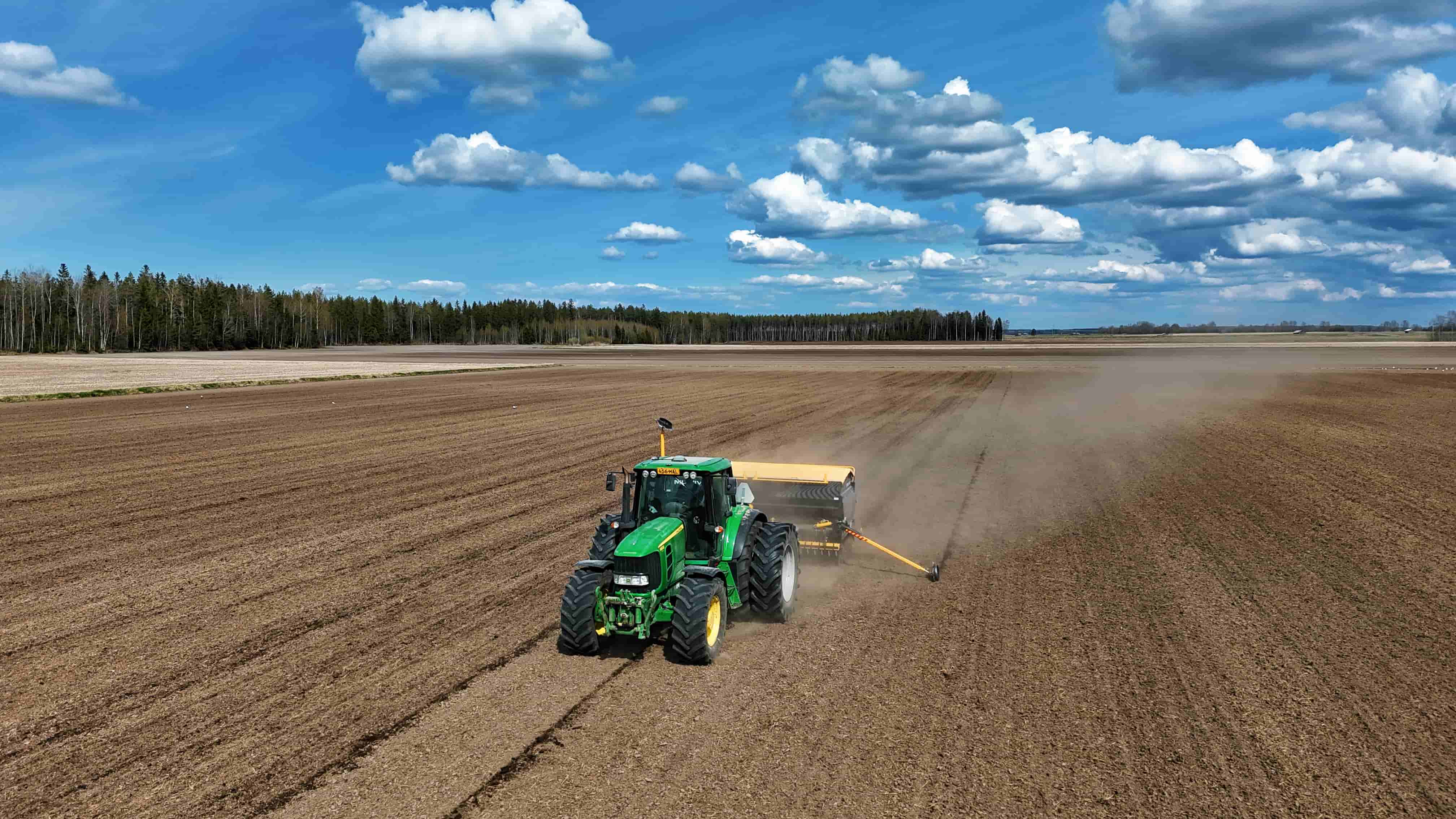
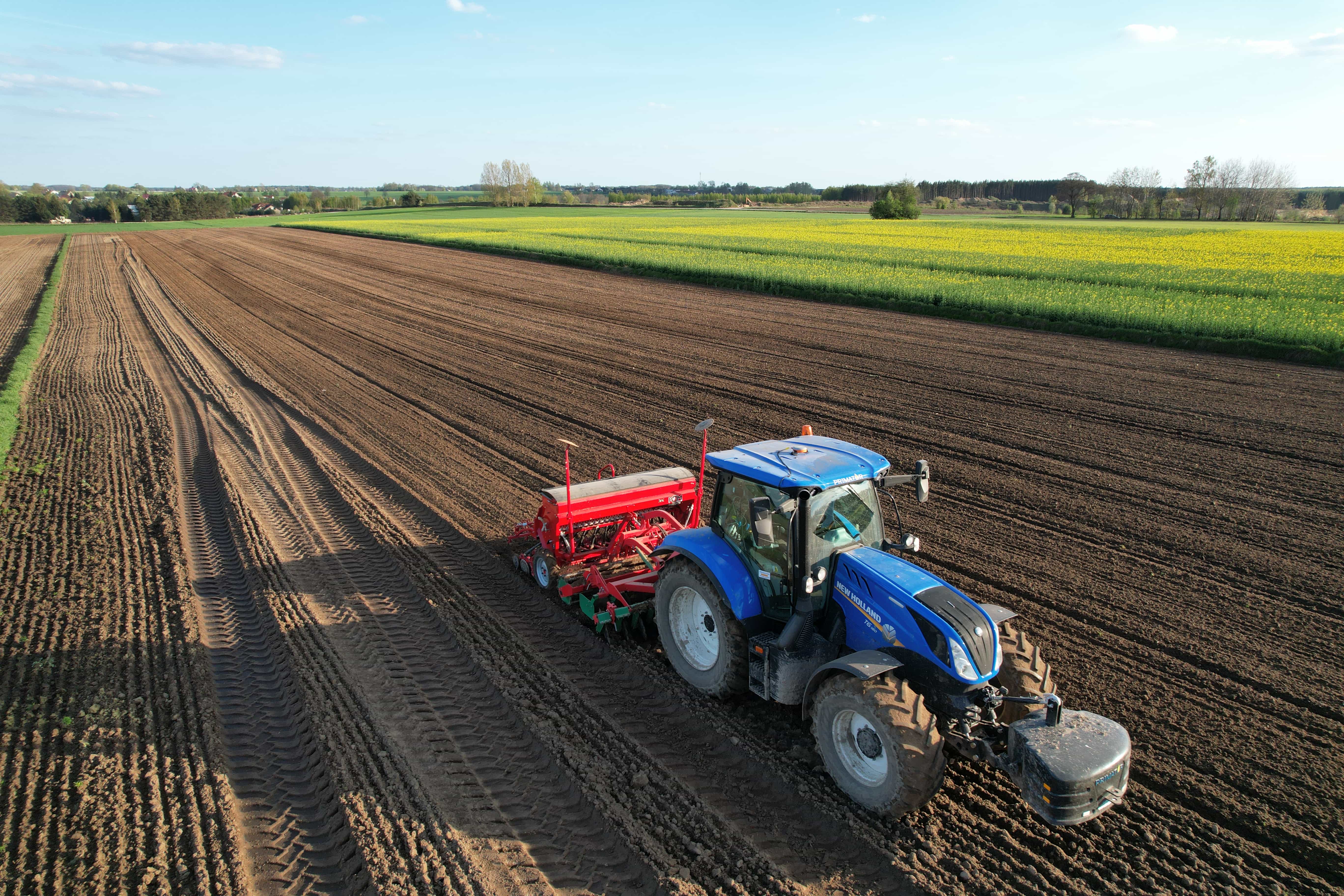
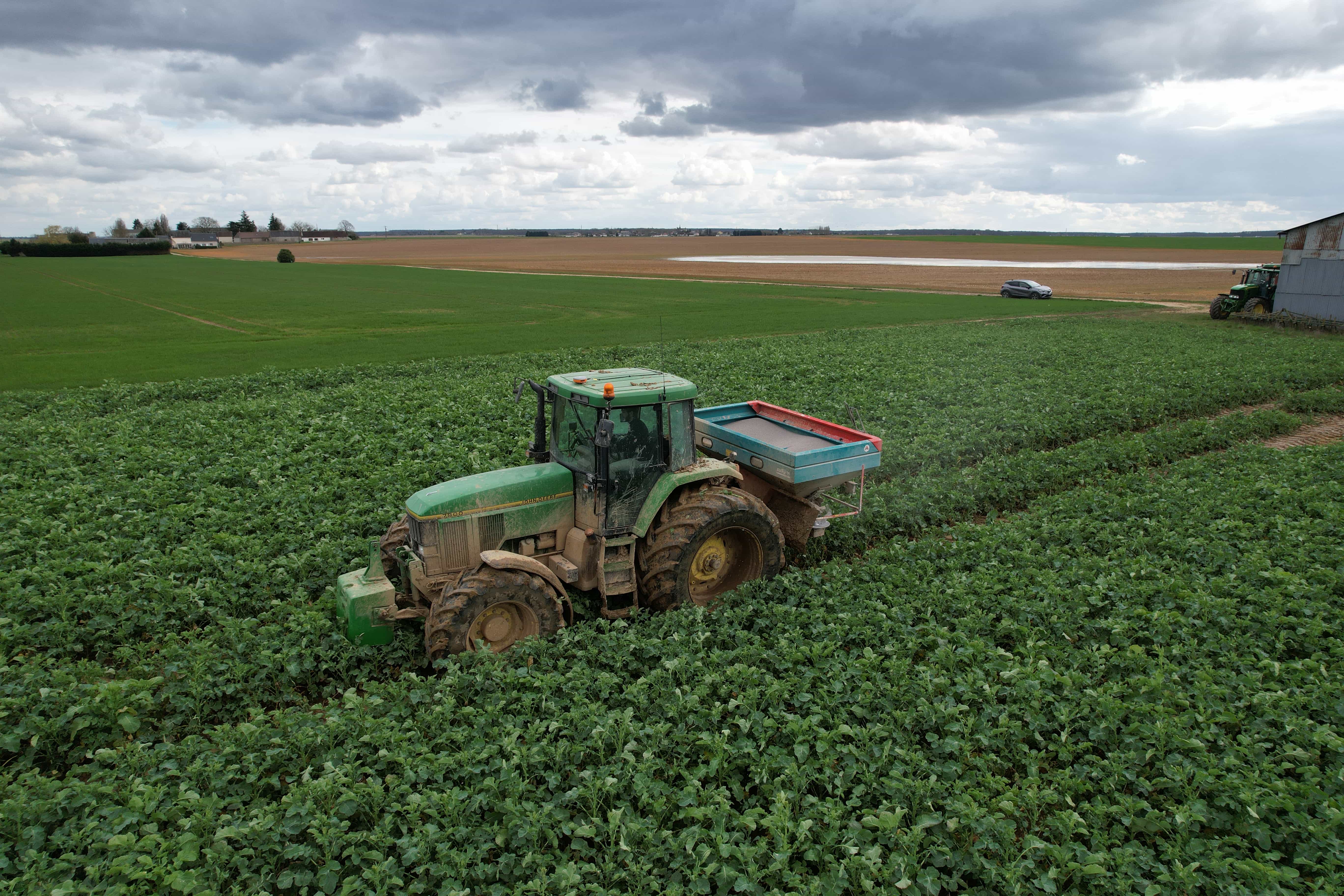
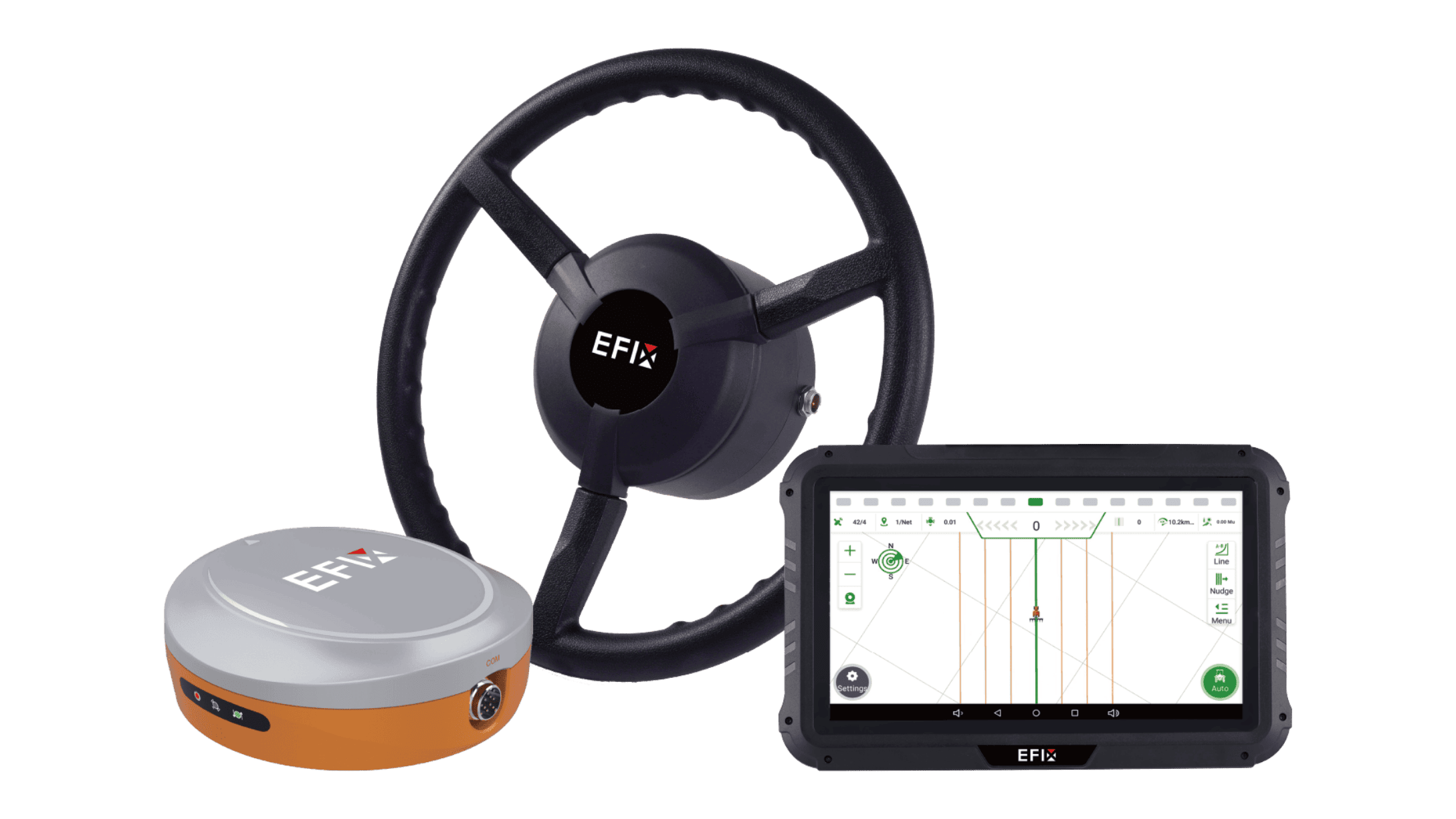
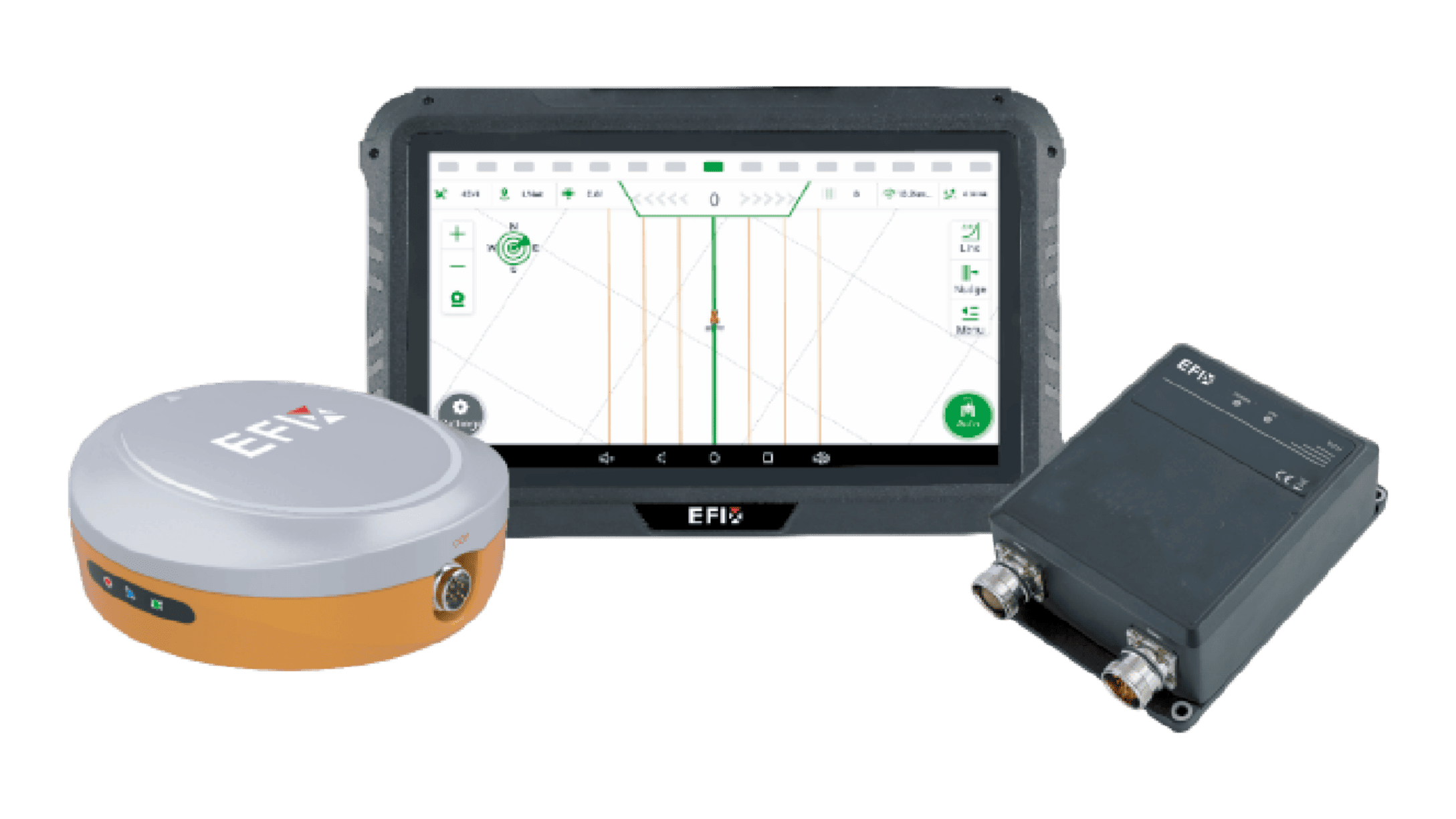
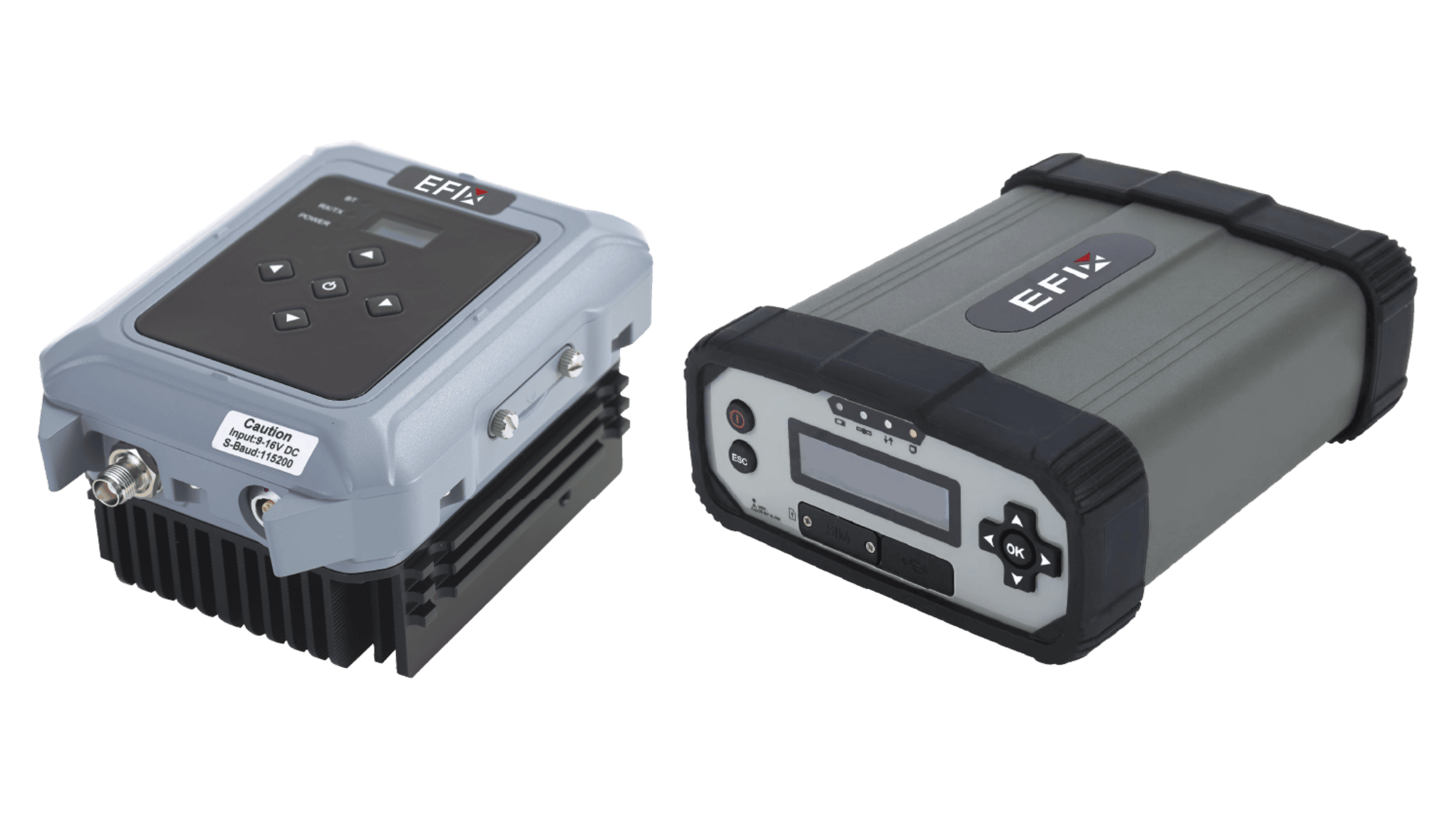
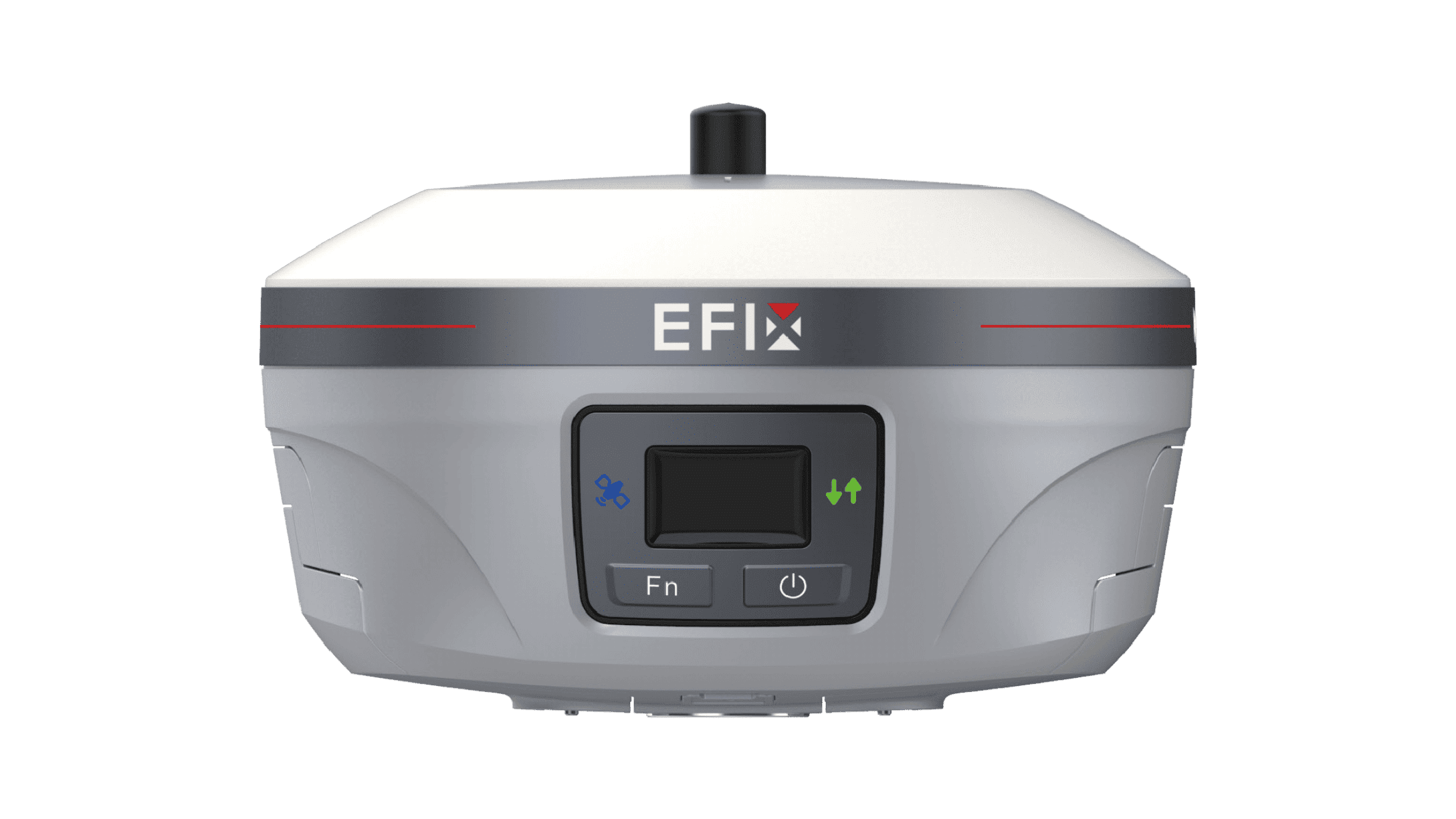
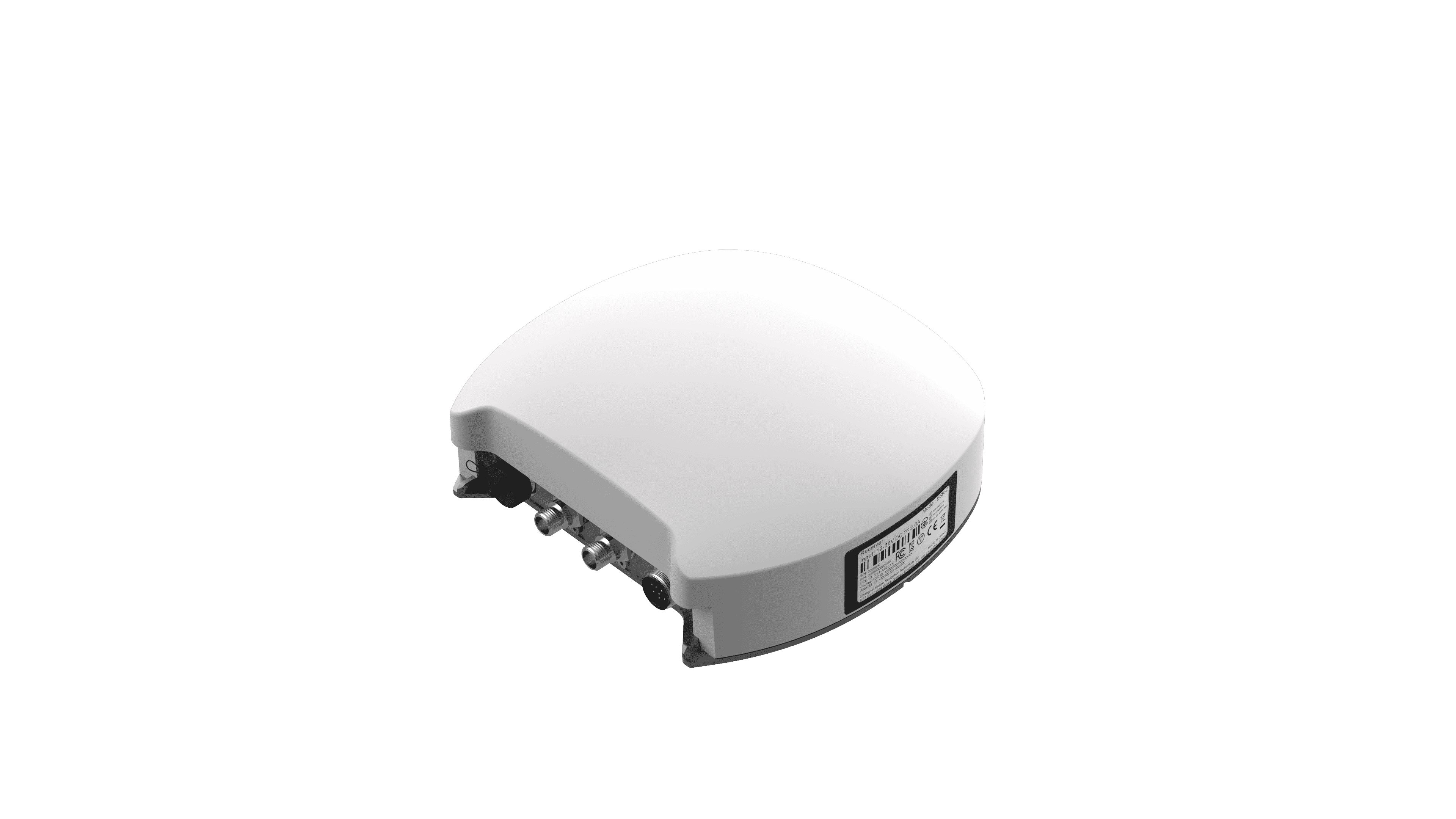
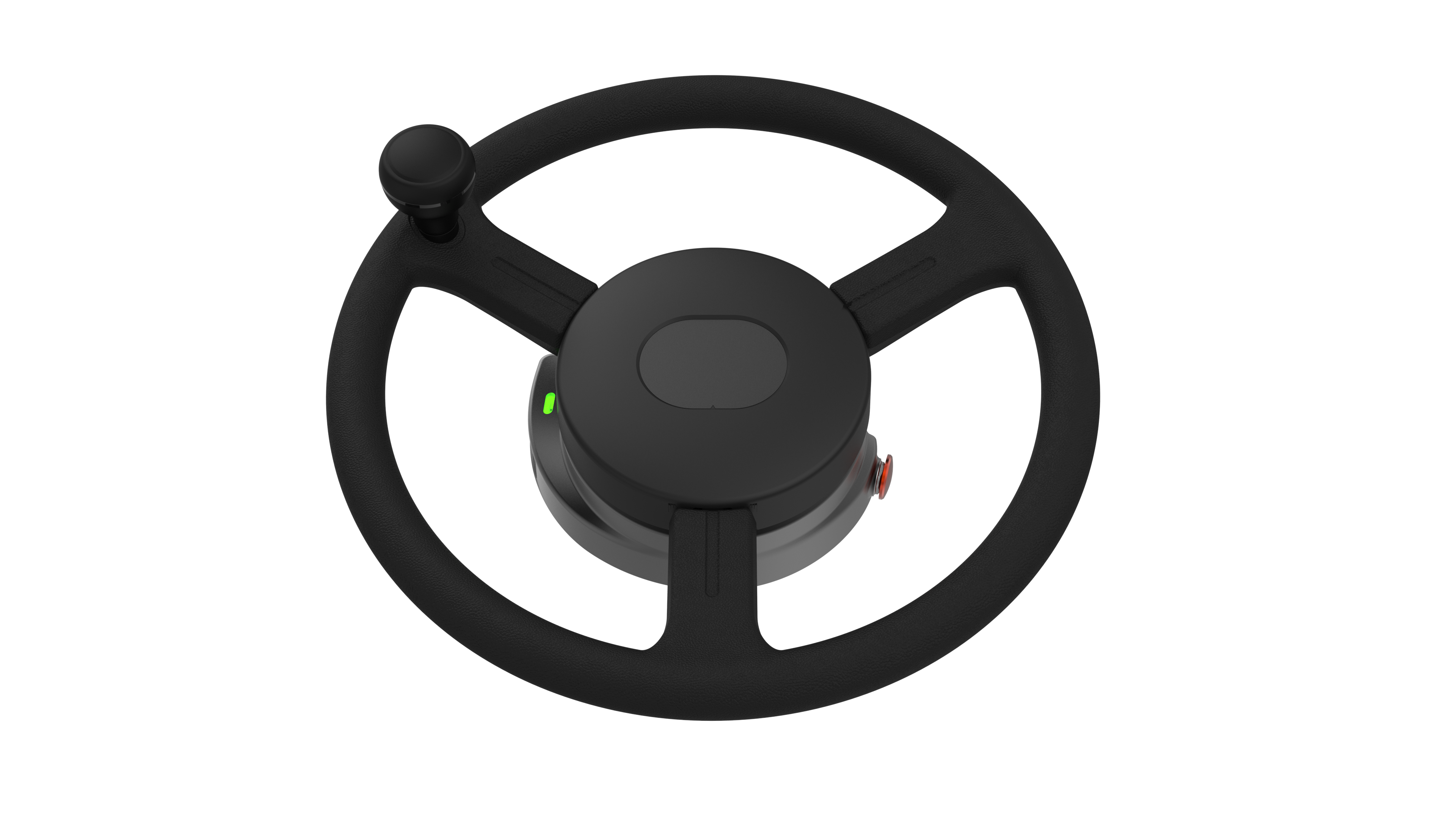
The evolution of farming technology has ushered in significant advancements in equipment efficiency, particularly with the advent of the auto steering system for tractors. This technology has revolutionized how farmers operate, making it easier to navigate large fields with precision. Auto steering systems generally fall under two categories: hydraulic and electric, each offering distinct benefits and drawbacks. By examining these technologies, we can better understand which system might be more suited to varying agricultural needs.

Hydraulic Auto Steering Systems: Strengths and Limitations
Hydraulic systems are known for their robust power and responsiveness, making them a solid choice for heavy-duty applications. They leverage hydraulic fluid dynamics to steer the tractor, allowing for smooth and controlled movements. The key advantage of hydraulic systems lies in their ability to handle more significant loads and operate effectively in rugged terrains. However, these systems often require more maintenance than their electric counterparts due to their complexity and dependency on hydraulic fluid levels. Additionally, hydraulic steering can be less energy-efficient, particularly in lighter tasks where its power is underutilized.
Electric Auto Steering Systems: A Modern Approach
On the other side, electric auto steering systems utilize electric motors to control the steering mechanism. This technology is typically more straightforward, consisting of fewer moving parts, which often leads to lower maintenance needs. Electric systems can offer higher precision in steering, making them highly suitable for tasks that require intricate maneuvering, such as precision farming. Moreover, they generally consume less power when operating under lighter loads, making them both economical and environmentally friendly. However, they may struggle in extreme conditions or when heavy forces are applied, which is important to consider based on the type of farming operations conducted.
Choosing the Right System for Your Needs
When deciding between hydraulic and electric auto steering systems for tractors, consider the specific demands of your farming practices. If your operations primarily involve heavy machinery and difficult terrains, a hydraulic system may be more effective. Conversely, for sustainable practices and regular field operations, the precision and efficiency of an electric system might be more beneficial. It's crucial to evaluate the type of crops cultivated, the size of the farmland, and the budget available for initial setup and ongoing maintenance.
The choices made regarding steering systems can significantly impact overall productivity and efficiency in farming practices, ultimately influencing crop yields and operational costs.
Conclusion
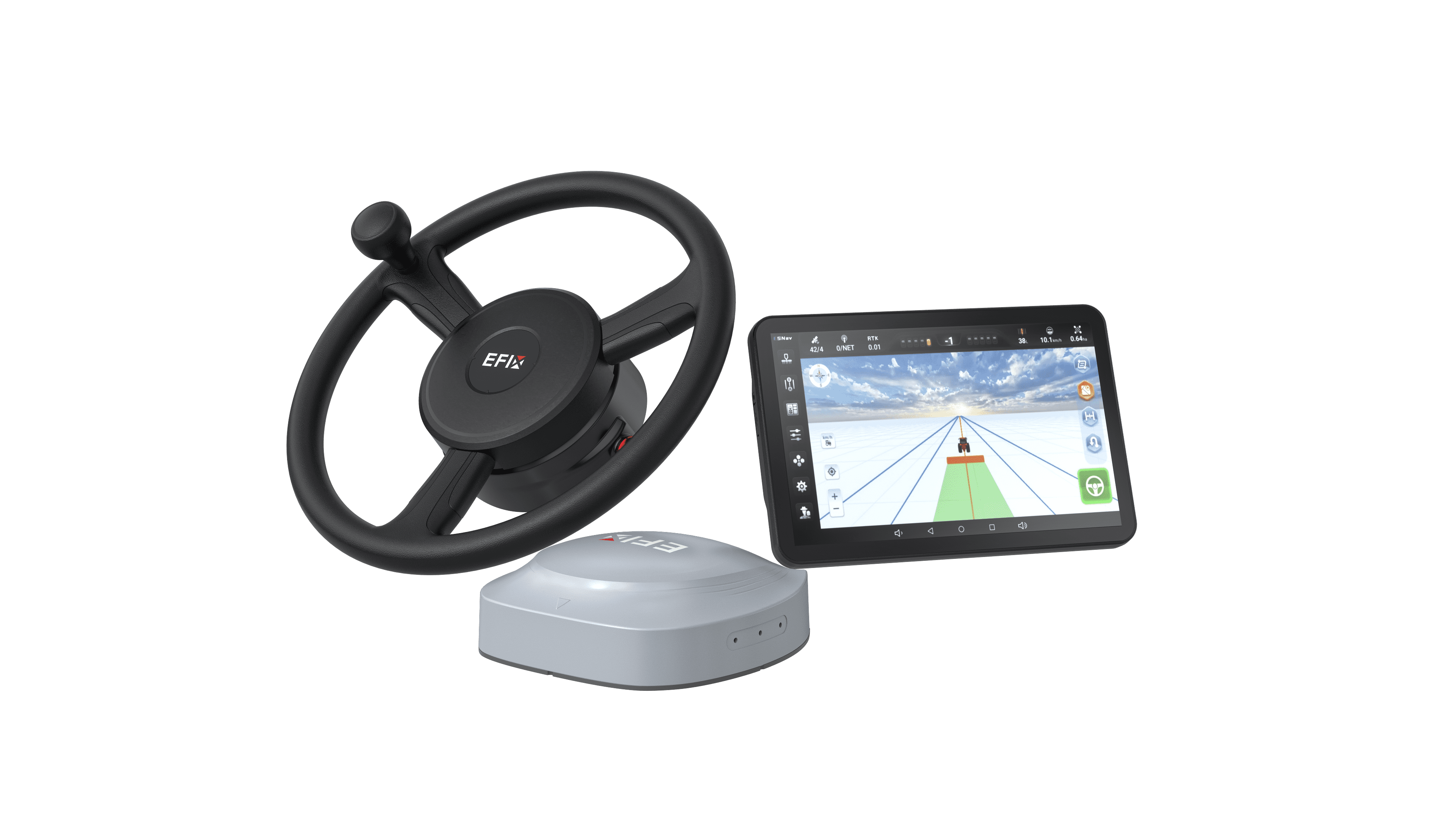
Ultimately, the choice between hydraulic and electric auto steering systems boils down to the specific needs of your agricultural endeavors. Adapting to the changing technological landscape can drastically enhance productivity. We at EFIX offer a variety of models, including the eSteer 10, which operates seamlessly with multiple GNSS modes to ensure superior positioning accuracy. Embracing these innovative technologies can lead to more efficient and precise farming solutions, tailored to your unique requirements.