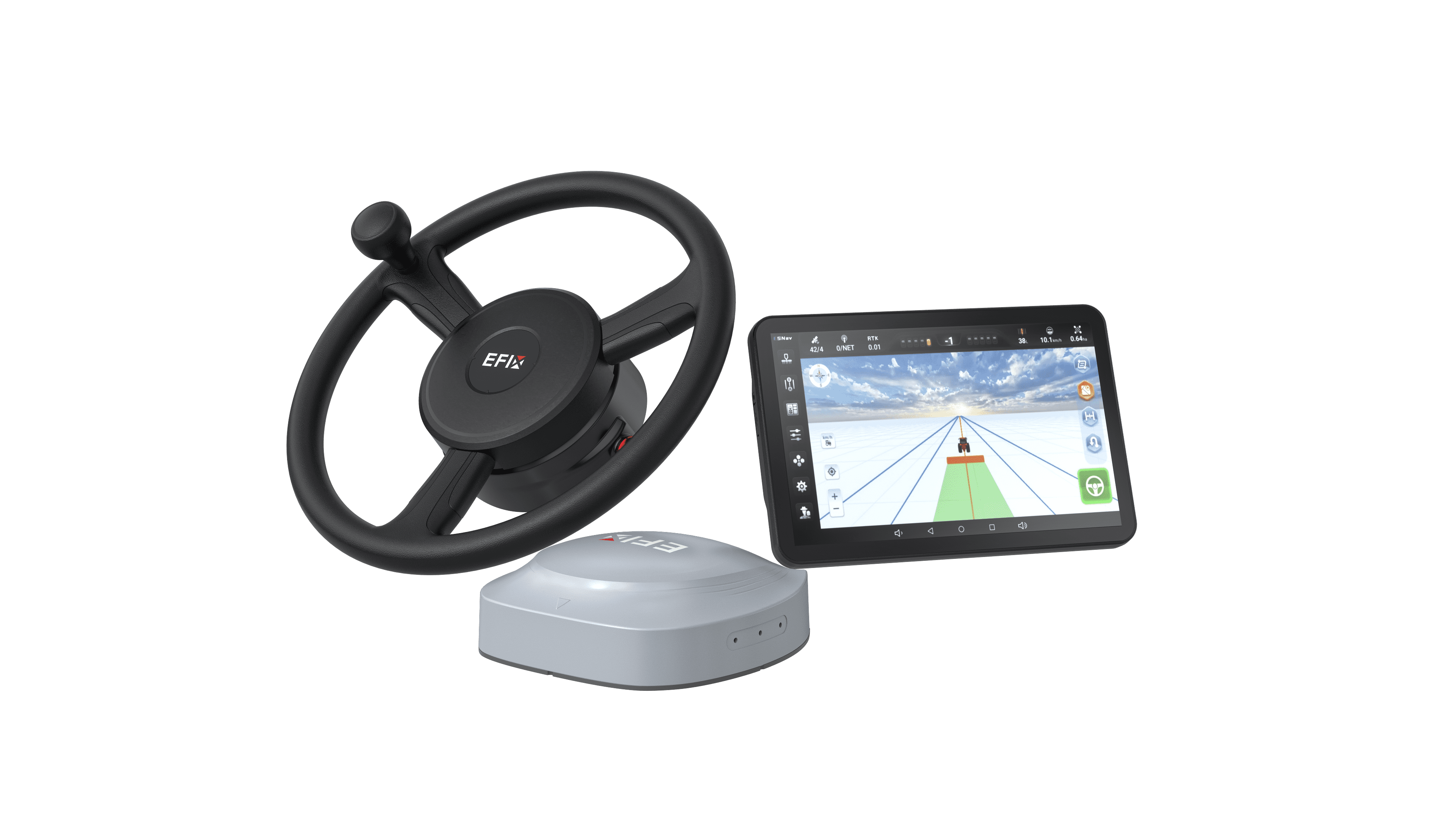
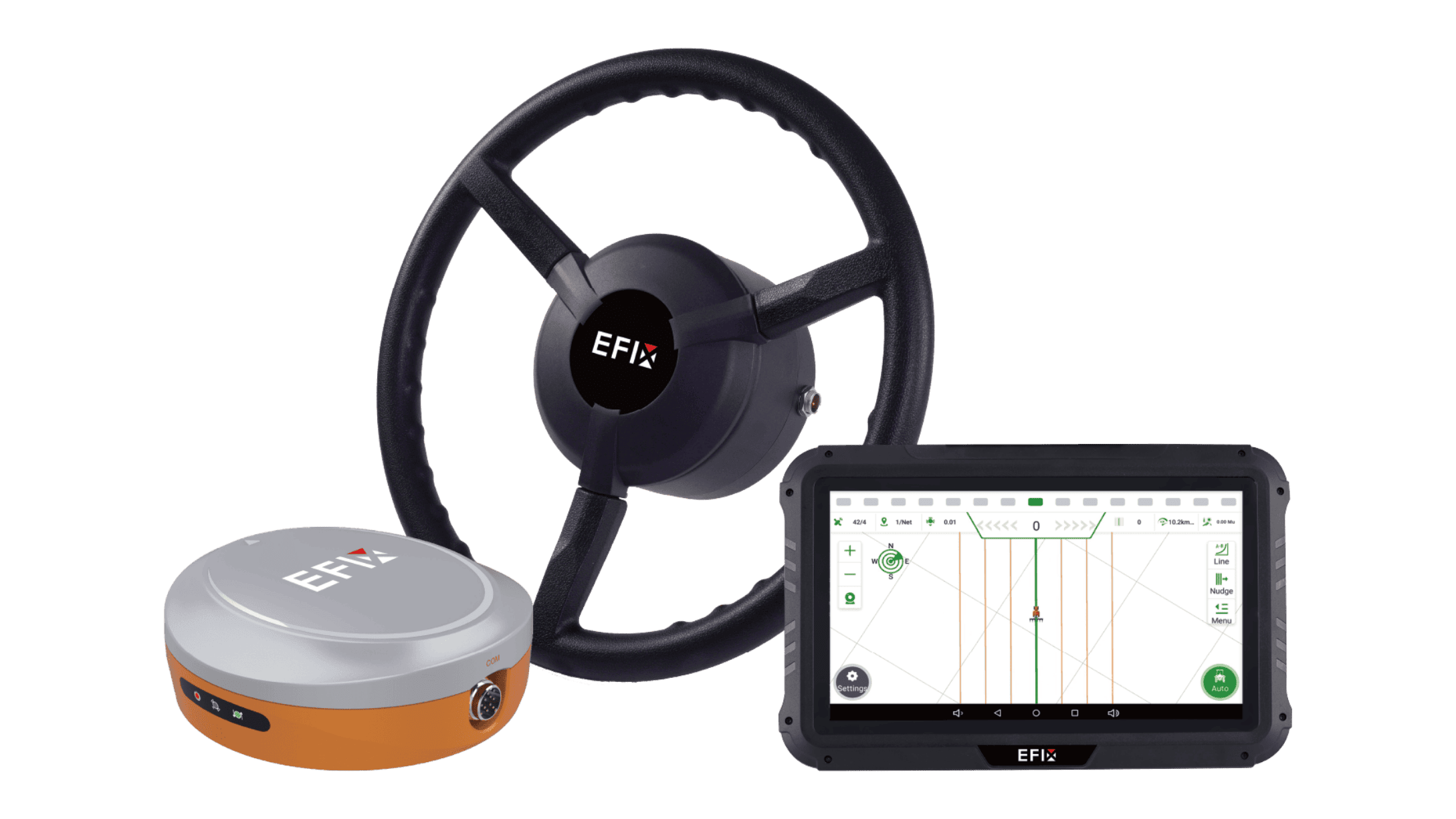
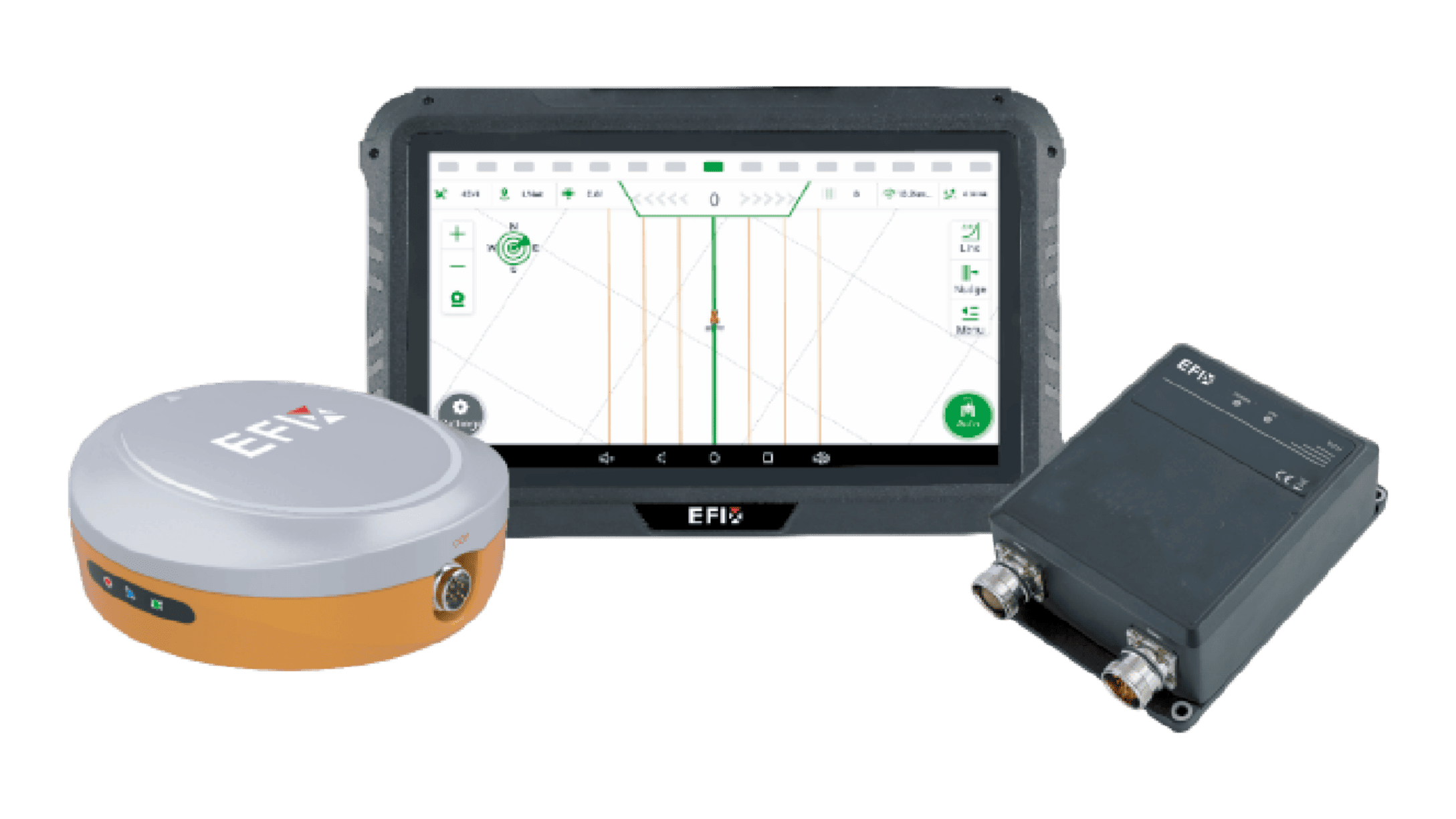
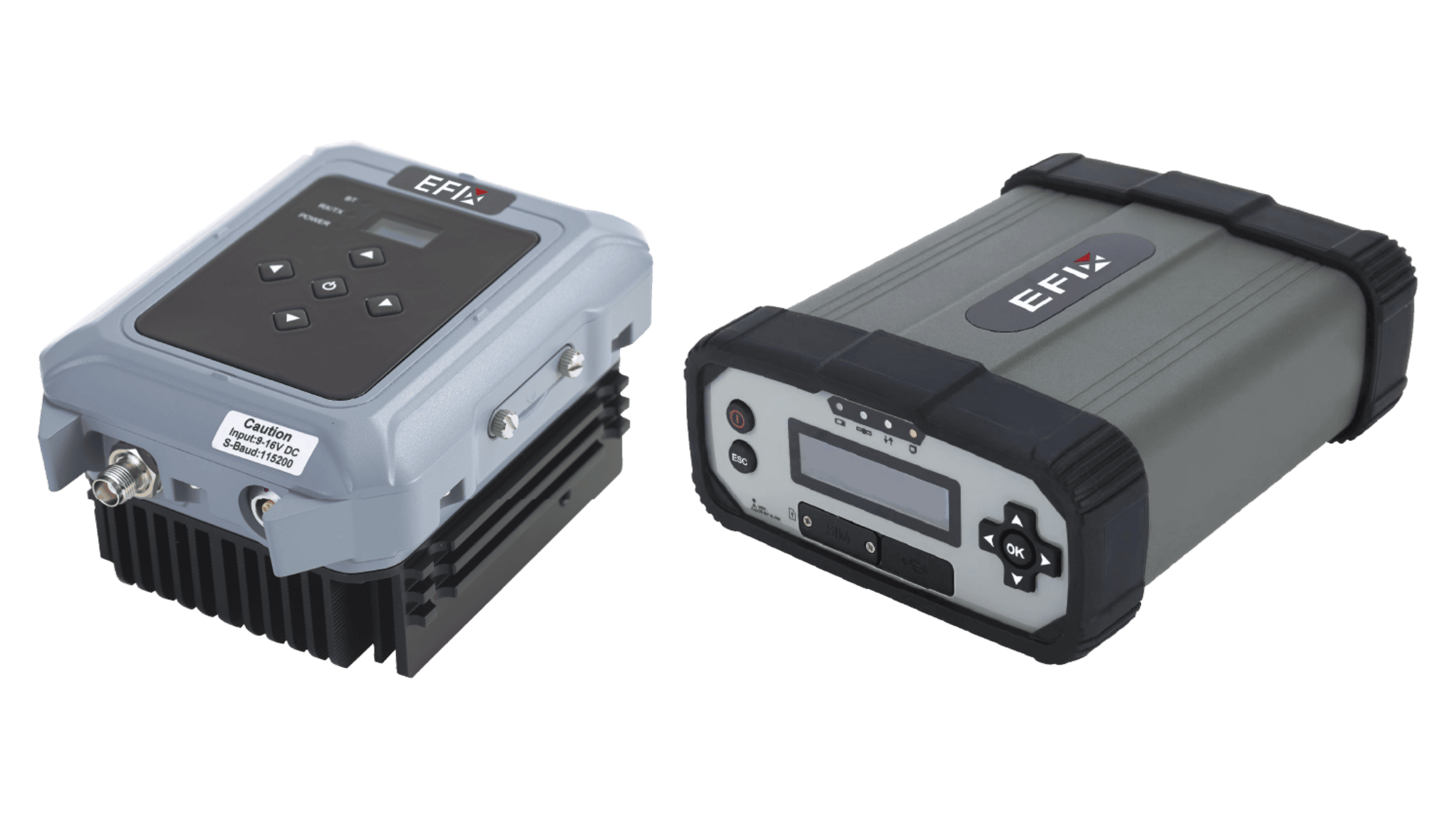
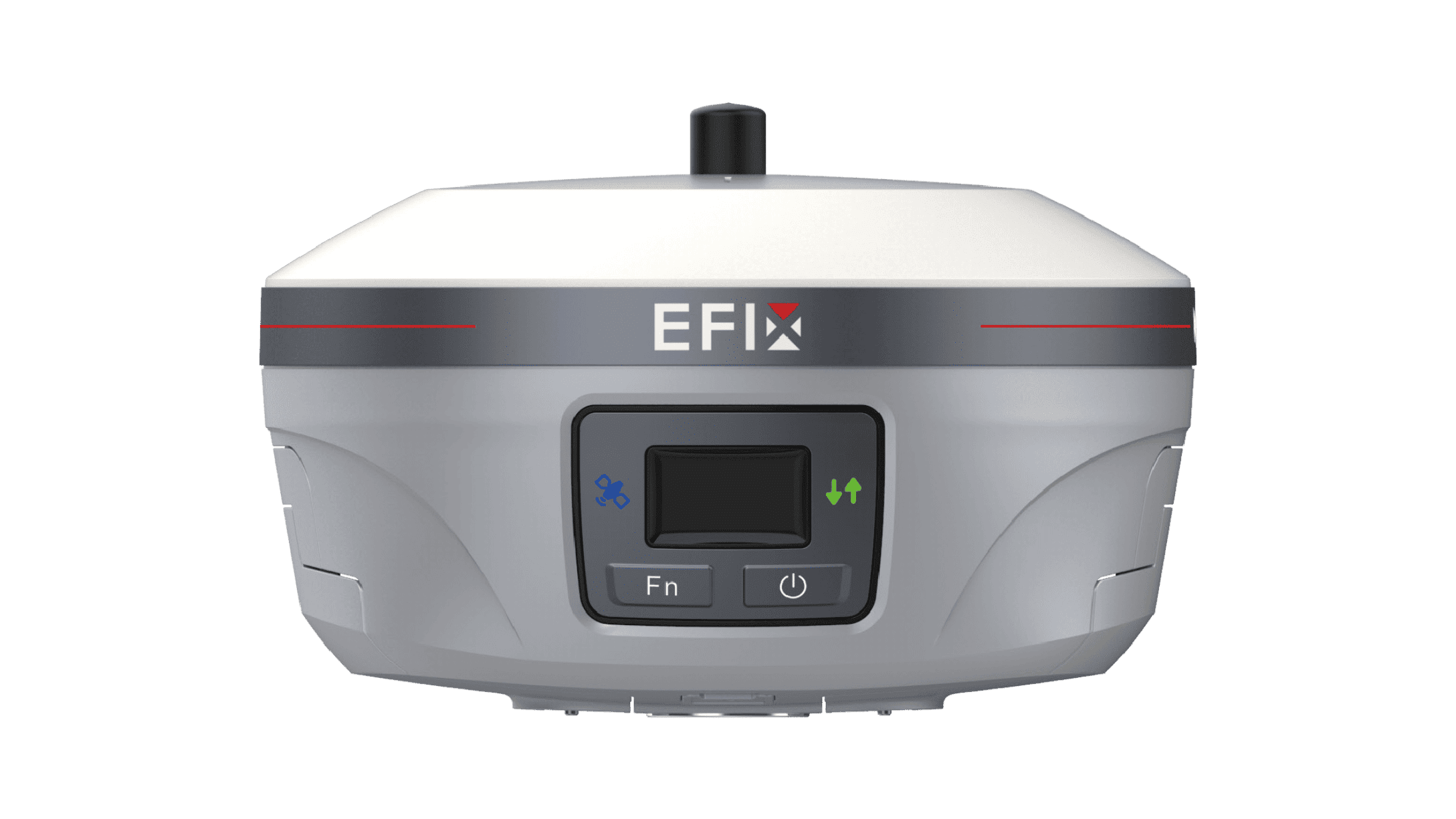
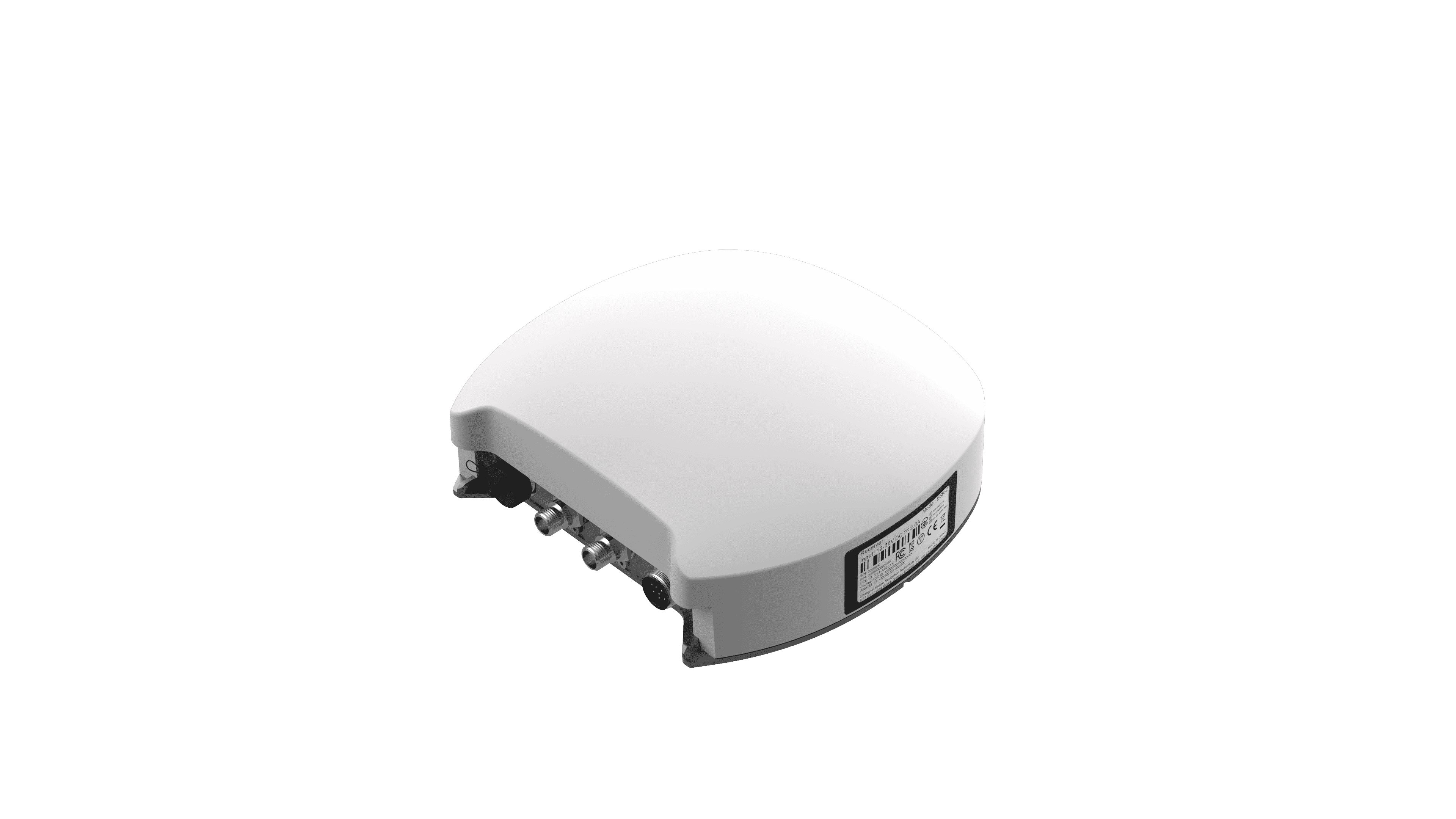
Maintaining an autosteer for tractors system is crucial for modern agricultural practices. These innovative technologies allow for precision farming, reducing waste and increasing efficiency. Properly maintaining your autosteer system ensures that it remains reliable and effective throughout the growing season. Here are some important maintenance tips and practices to keep your autosteer for tractors functioning at its best.

Regular Calibration for Accuracy
One of the most important steps in maintaining an autosteer for tractors is regular calibration. The accuracy of the steering system heavily relies on how well it is calibrated to your specific tractor and implements. It’s essential to perform this calibration under the conditions in which you will be operating. Soil types, terrain, and crop characteristics can all affect steering performance. Regular adjustments can ensure that the autosteer system responds appropriately to the field's unique characteristics. By taking time to calibrate your equipment properly, discrepancies in steering direction can be minimized, resulting in better tillage and planting results.
Routine Software Updates
Keeping software up-to-date is a fundamental aspect of maintaining an autosteer for tractors. Manufacturers periodically release software updates to enhance performance, introduce new features, and address any known bugs. Just like any other digital technology, neglecting software updates can lead to diminished performance, especially as technology continues to evolve. Schedule regular check-ins to ensure the software on your autosteer system is current. This proactive approach can prevent technical issues and help facilitate smoother operation, ultimately allowing farmers to maximize their productivity.
Physical Inspection of Components
Regular physical inspections of the autosteer components are vital for its longevity and performance. Issues with sensors, wiring, and other physical parts can significantly impact the overall functionality of the autosteer for tractors. Checking these components for wear and tear can help identify potential problems before they escalate into major repairs. Pay close attention to electrical connections, ensuring they are clean and secure. Additionally, sensors should be free from dirt and debris to ensure optimal performance. Establishing a routine inspection schedule can be beneficial, allowing for timely identification and resolution of any mechanical issues.
Conclusion
In summary, maintaining an autosteer for tractors involves regular calibration, routine software updates, and thorough physical inspections of components. These maintenance practices are essential not only for the longevity of the system but also for improving overall agricultural efficiency. By following these guidelines, farmers can ensure that their operations run smoothly and that they are maximizing their yield potential. If you're looking for support and solutions to enhance your autosteer systems, our team at EFIX is here to help with expert advice and high-quality products designed for modern farming needs.