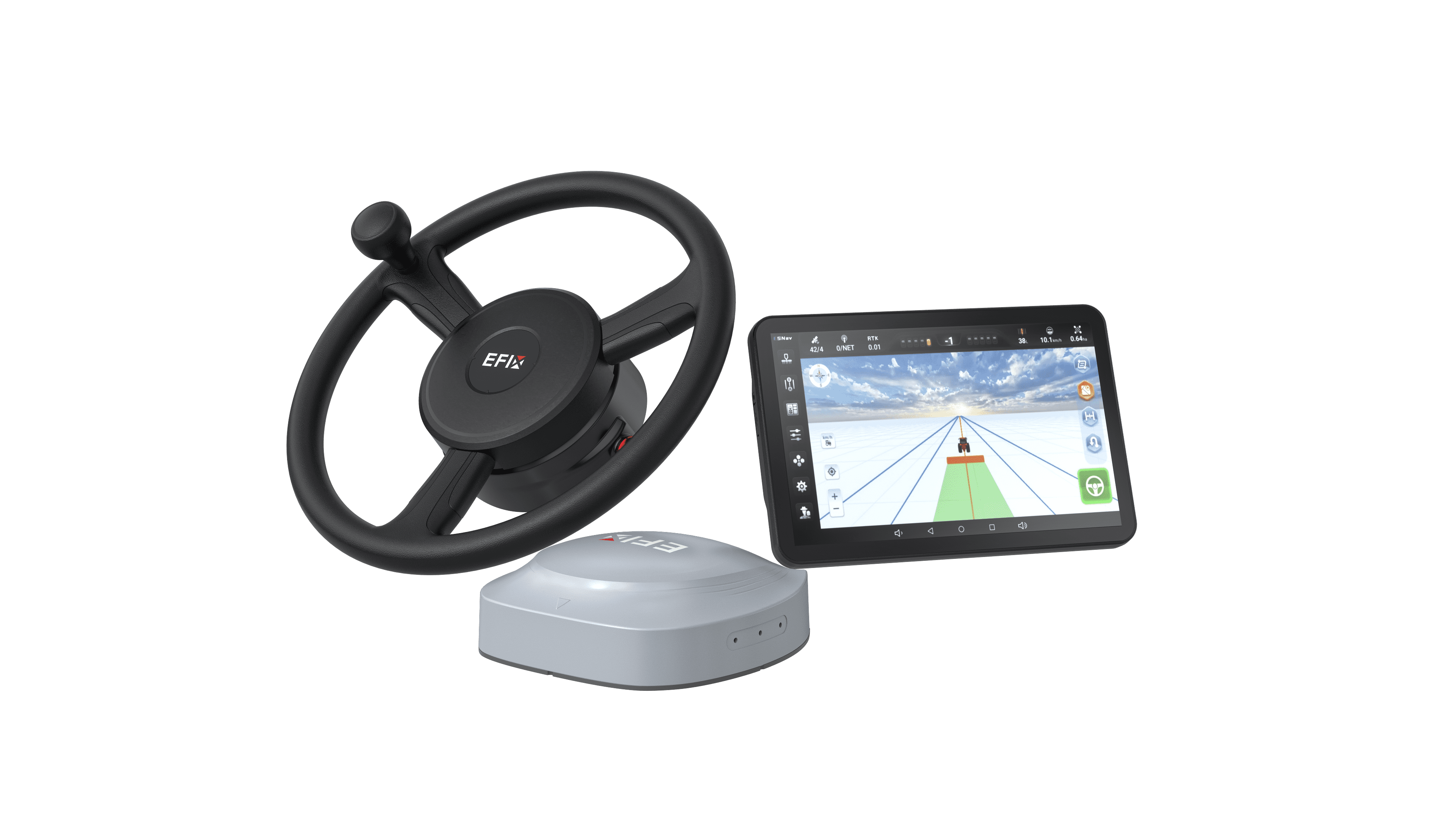
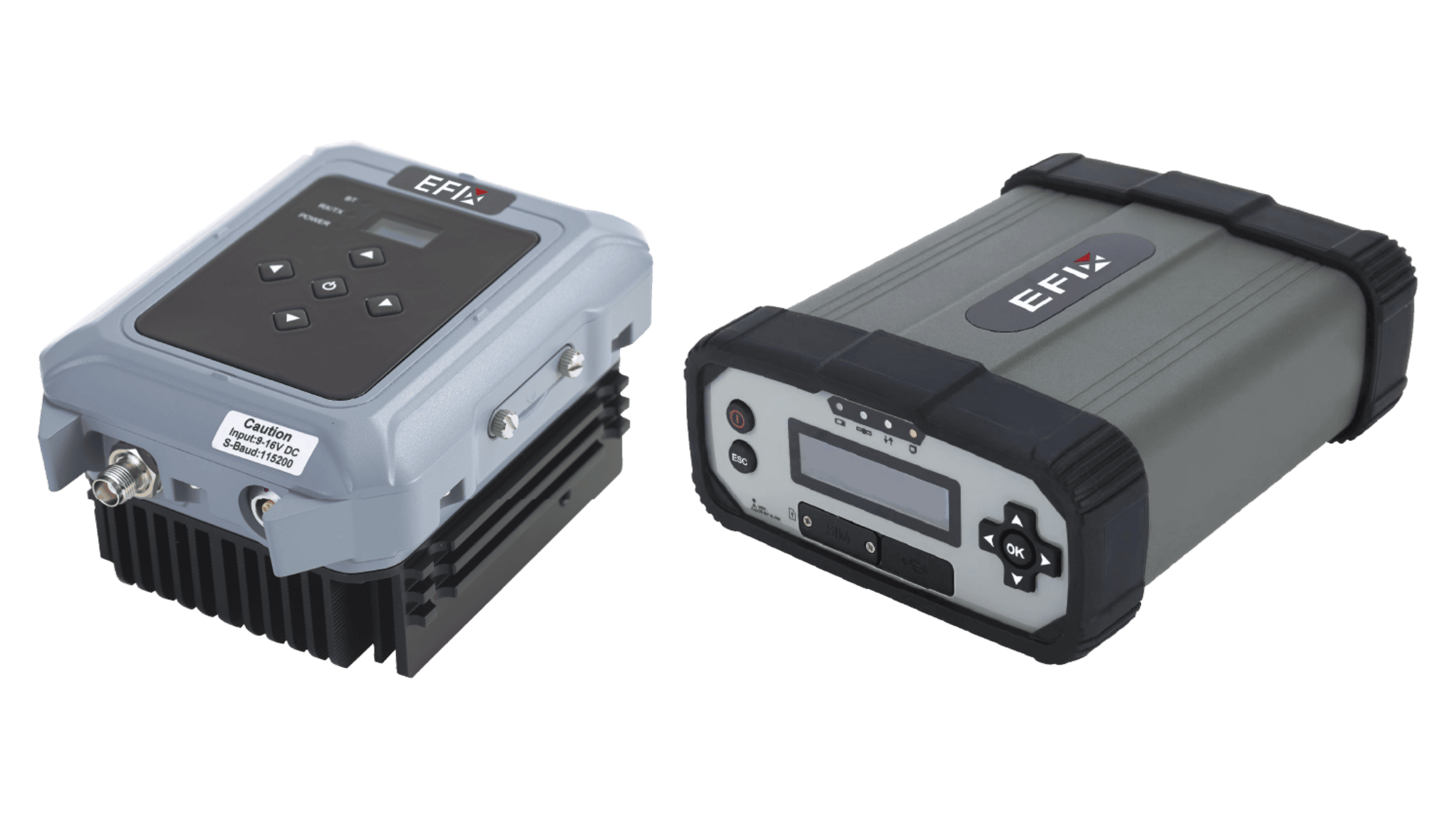
Navigating the world of GNSS technology can feel overwhelming due to the wide variety of options available on the market. Understanding how to choose the right GNSS base station tailored to your specific requirements is crucial for ensuring accuracy and reliability in positioning data. A well-informed decision not only enhances your project outcomes but also minimizes the risk of costly errors.
Assessing Environmental Conditions
When considering the choice of a GNSS base station, assessing the environmental conditions at the installation site is essential. Factors such as climate, topography, and proximity to urban areas can significantly impact the performance of your equipment. A GNSS base station that boasts an IP67 rating, for example, offers superior water and dust resistance, ensuring it can operate effectively in harsh weather without compromising data integrity. Choosing one that is built to withstand environmental challenges helps reduce potential downtime and prolongs the unit’s lifespan.
Evaluating Signal Integrity and Accuracy
The performance of a GNSS base station is intrinsically linked to its ability to maintain signal integrity and accuracy. It is important to analyze the specifications of various models, including the number of satellite signals they can utilize and the technology they employ, such as Real-Time Kinematic (RTK) positioning. Selecting a unit that can process a broad range of satellite signals will enhance the precision of your geospatial data, making it critical to validate the technical details during the selection process.
Understanding the User Interface and Support
Another vital aspect of choosing a GNSS base station revolves around the user experience. An intuitive user interface facilitates seamless operation, benefiting both experienced users and newcomers in the field. Additionally, consider the level of technical support and training available from the manufacturer. Investing in a system that comes with comprehensive support ensures users can troubleshoot efficiently and receive valuable guidance when needed. The combination of a user-friendly system and solid support can significantly enhance operational efficiency.
Conclusion
The process of selecting a GNSS base station involves a thorough assessment of environmental conditions, signal integrity, and user experience. Each of these factors plays a significant role in ensuring that the chosen device meets the specific needs of a project. At EFIX, we are committed to providing high-quality equipment, such as the F-NET Pro GNSS, designed for optimal data integrity. By learning about the features and specifications of our products, users can feel confident in their selection, ultimately contributing to the success of their geospatial projects.