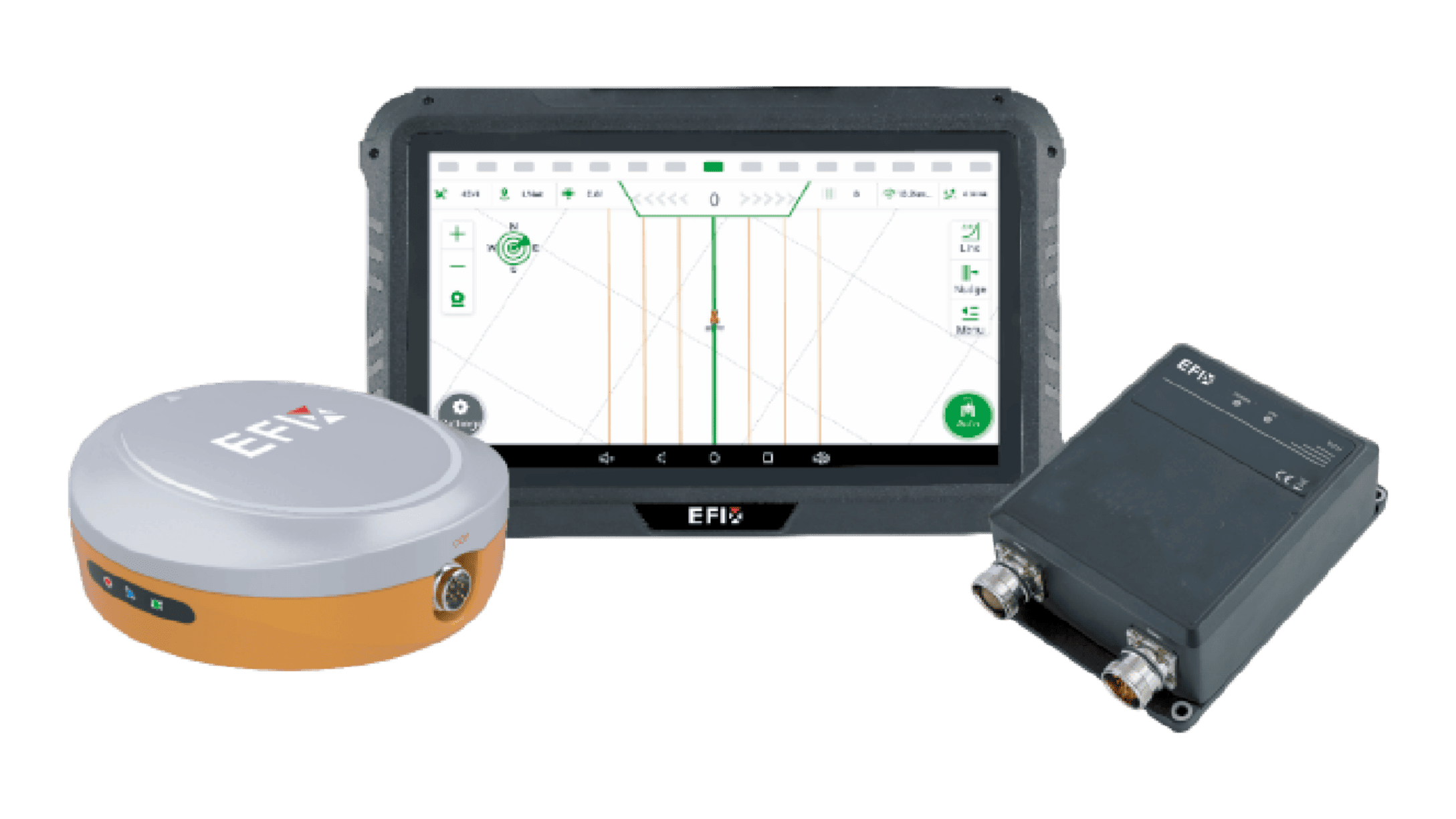
The implementation of GNSS reference stations has revolutionized the way we approach surveying and navigation. These stations enhance position accuracy by providing correction data to mobile receivers, developing endeavors in various fields such as construction, agriculture, and environmental monitoring. Understanding the merits and drawbacks of these systems is essential for users striving for operational efficiency in harsh environments. This article will delve into the pros and cons of utilizing GNSS reference stations.

Enhanced Accuracy and Precision
One of the primary advantages of GNSS reference stations is the significant improvement they offer in accuracy and precision. By receiving data from multiple satellites, these stations can determine precise correction information, which helps mitigate errors caused by atmospheric disturbances or satellite orbit variations. For example, stations utilizing advanced technology like the latest models from EFIX can achieve centimeter-level accuracy, ensuring that applications ranging from land surveying to precision agriculture operate seamlessly. As a result, organizations can rely on accurate positioning, which minimizes costly mistakes in projects reliant on spatial data.
Operational Reliability in Harsh Conditions
Another essential benefit of GNSS reference stations is their robust performance under challenging conditions. The FL3 model from EFIX stands out, providing outstanding reliability that is crucial for long-range GNSS applications in demanding environments. These stations can successfully endure extreme temperatures, high humidity, and other harsh factors without compromising their functionality. This reliability is especially critical for industries such as construction and transportation, where environmental variables can lead to significant disruptions. Users can operate with greater confidence knowing that their positioning systems will remain effective, regardless of external conditions.
Cost and Infrastructure Considerations
While GNSS reference stations carry numerous advantages, there are also some downsides to consider. Implementing and maintaining a reference station network entails significant costs, including equipment purchases, installation, and ongoing operational expenses. Additionally, users may need to invest in training personnel to operate and manage these systems effectively. Therefore, organizations must evaluate whether the benefits of enhanced accuracy and reliability justify the financial investment relative to their specific operational needs. In many cases, smaller companies or projects with limited budgets might find it challenging to justify the expense associated with their establishment.
Conclusion
Despite the potential financial implications, integrating GNSS reference stations into operations is increasingly becoming a standard practice in various sectors due to their substantial accuracy and reliability advantages. By weighing the pros and cons carefully, organizations can make informed decisions that align with their long-term operational goals. As part of this evolving landscape, our team at EFIX continues to develop cutting-edge solutions that address these challenges, enhancing the capabilities of GNSS systems for professionals across the globe.