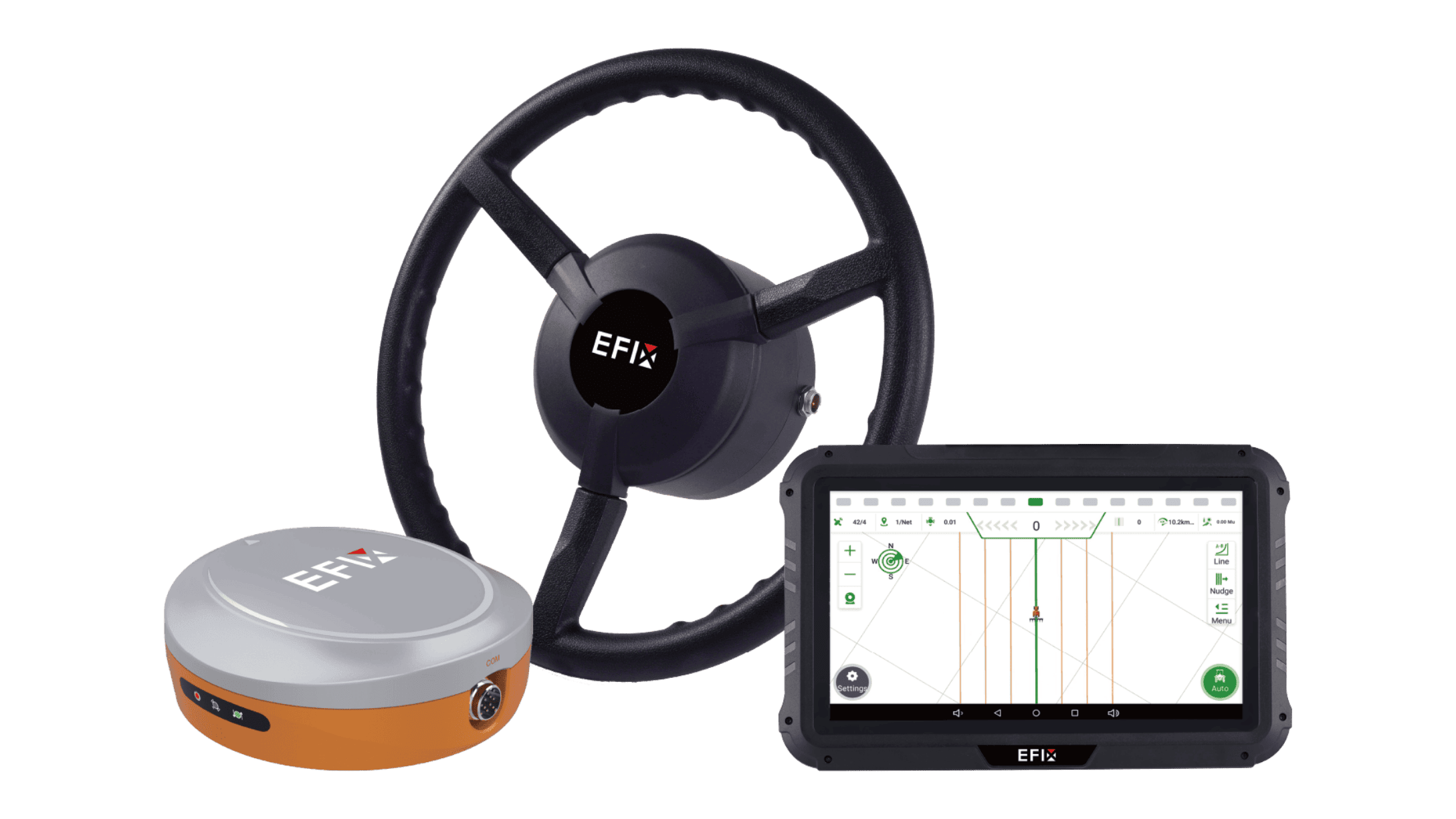
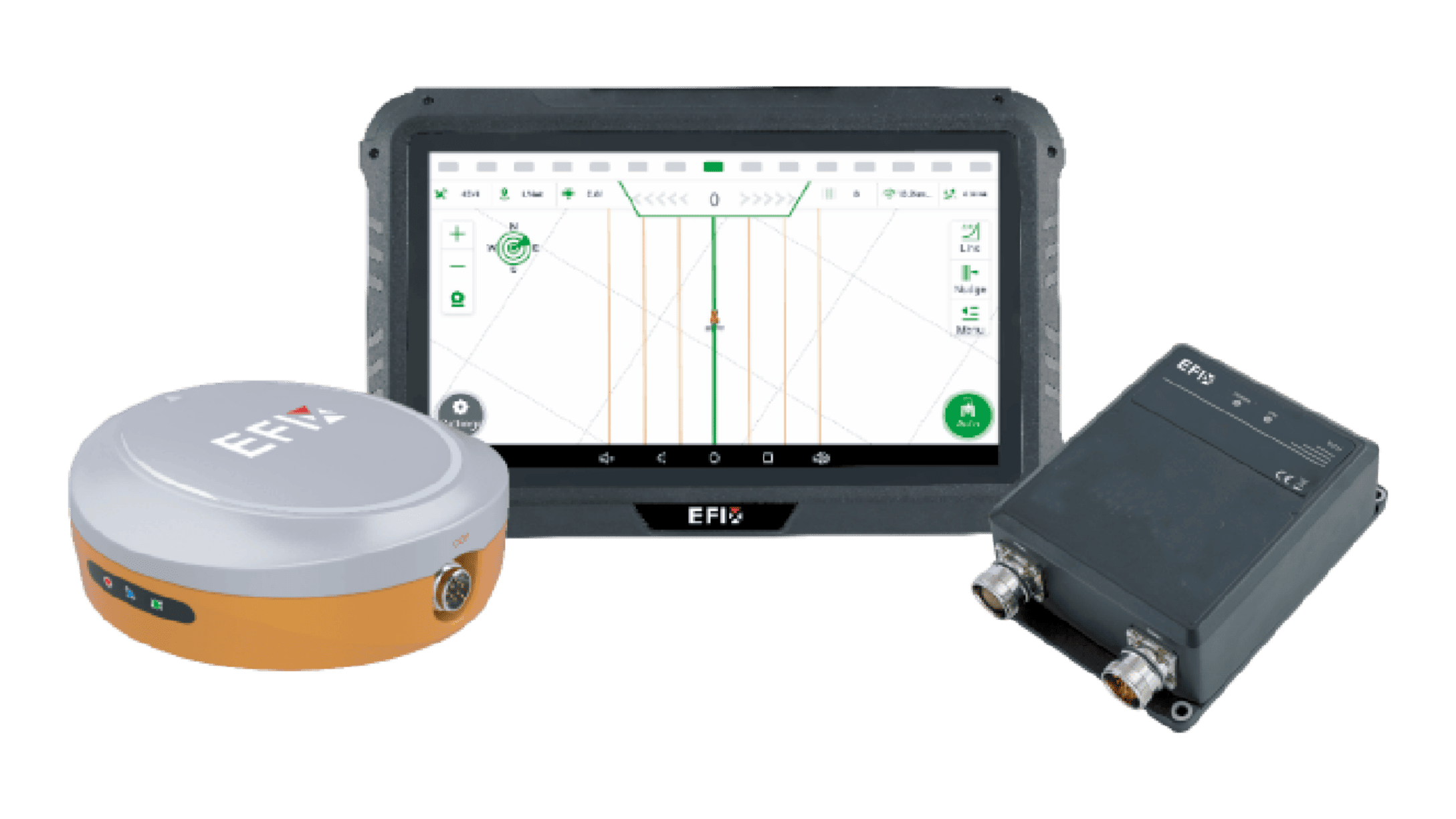
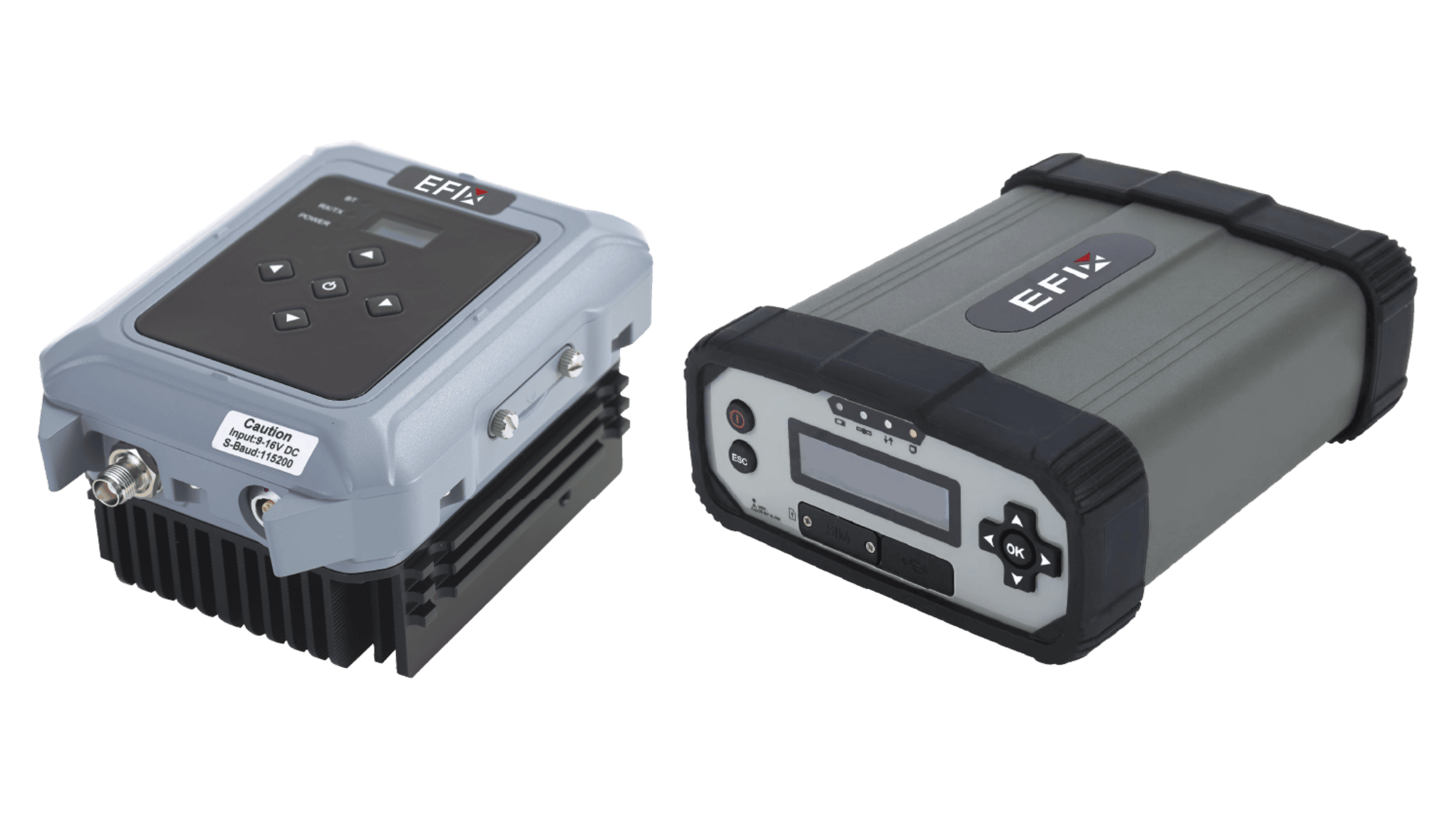
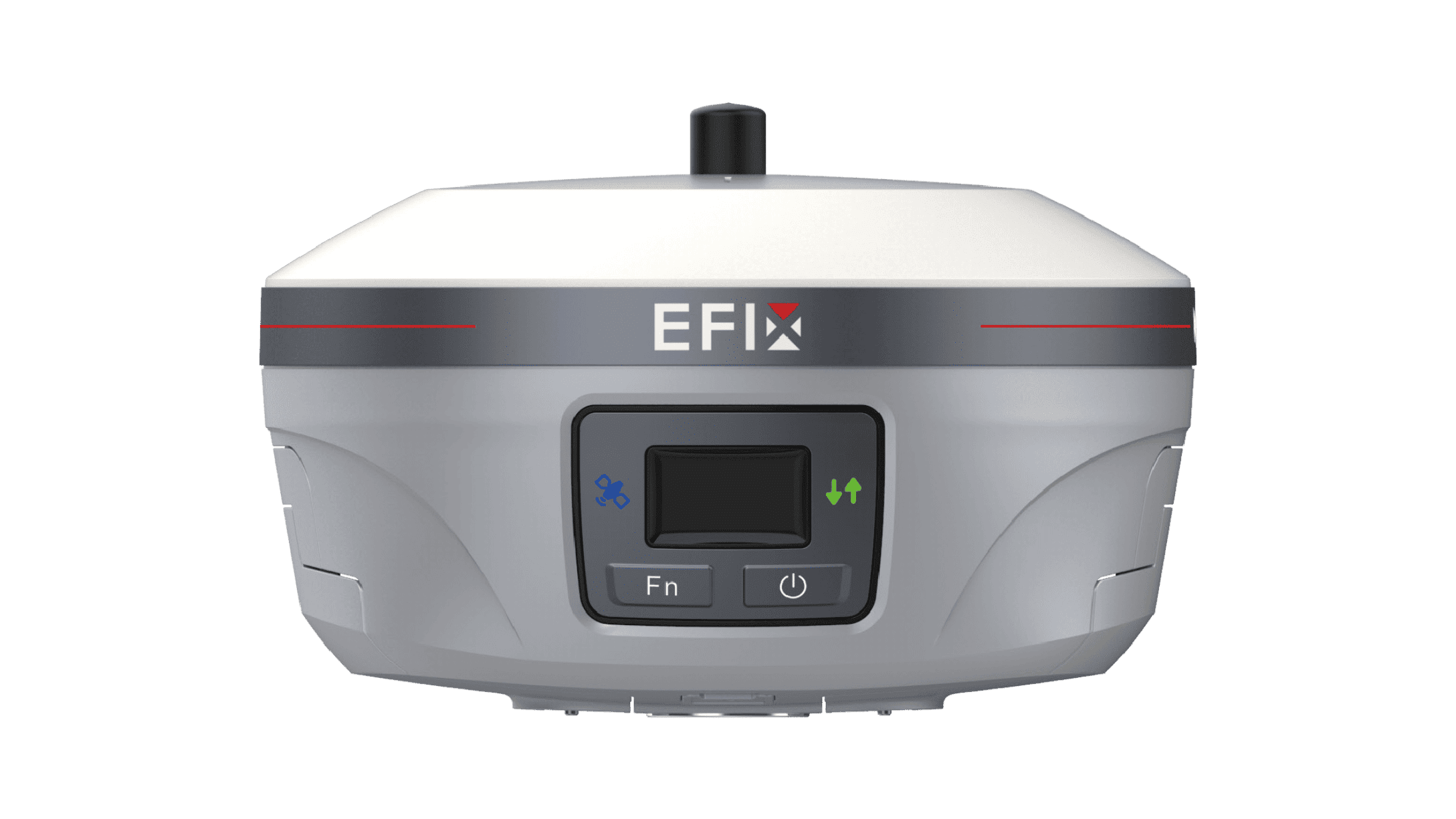
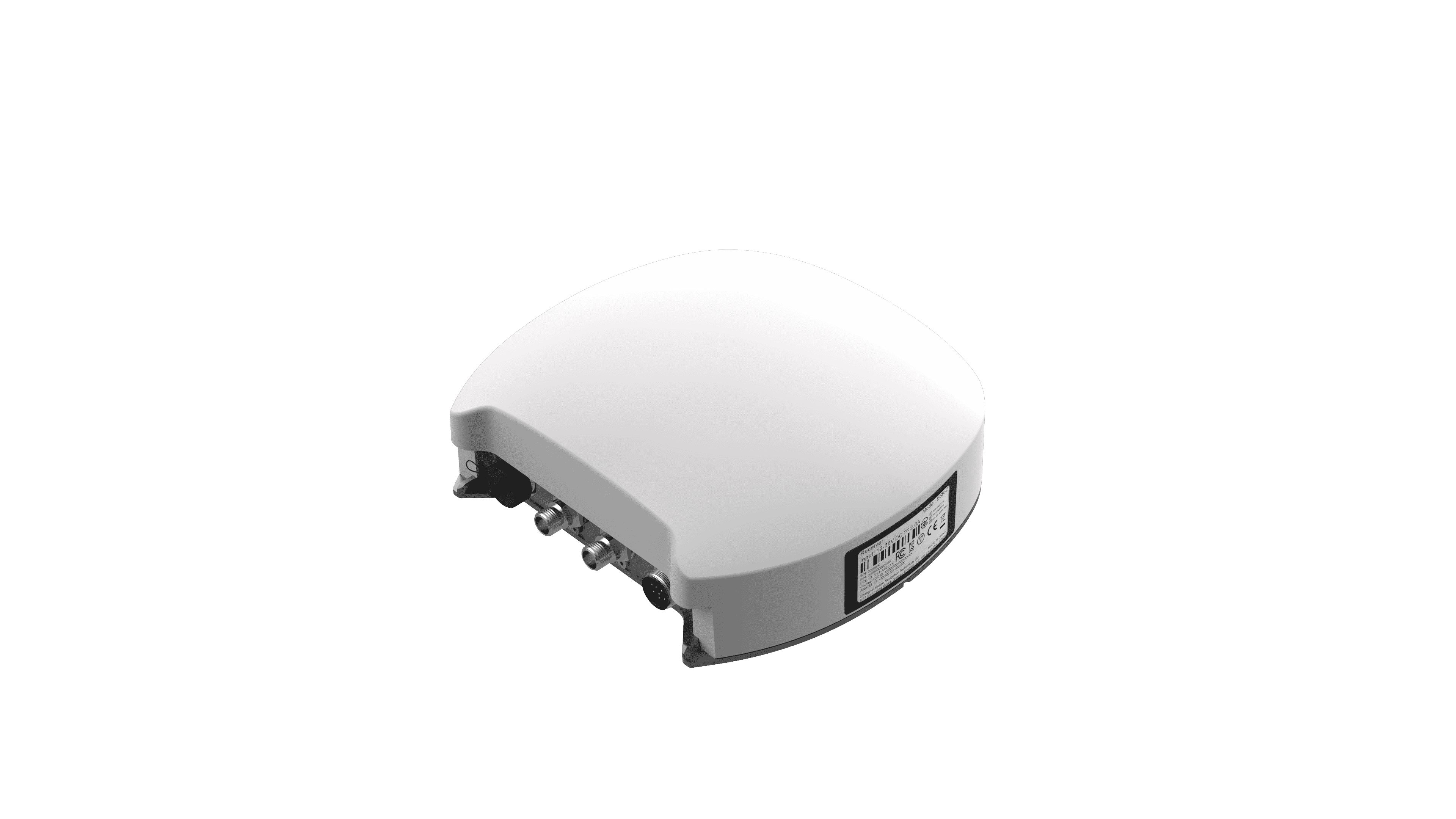
Precision agriculture leverages technology to optimize farming practices, resulting in increased productivity and reduced waste. One of the core technologies that facilitate this optimization is the GPS base station. However, a common question arises: do all precision agriculture systems absolutely require a GPS base station for effective operation? This article delves into the significance of GPS base stations, their role in various farming applications, and when they might not be necessary.

Understanding the Functionality of GPS Base Stations
GPS base stations provide real-time kinematic positioning, which enhances the accuracy of agricultural machinery. These stations support a range of protocols, including industry-standard UHF protocols and specific ones like CHC, Transparent, and TT450S, as well as data formats such as CMR, RTCM2.X, and RTCM3.X. This breadth of support ensures that farming equipment can receive accurate location data, which improves the efficiency of tasks ranging from planting to harvest. Agriculture practitioners relying on positioning data have the potential to see significant yield increases through better management of resources.
The Benefits of Using GPS Base Stations in Precision Agriculture
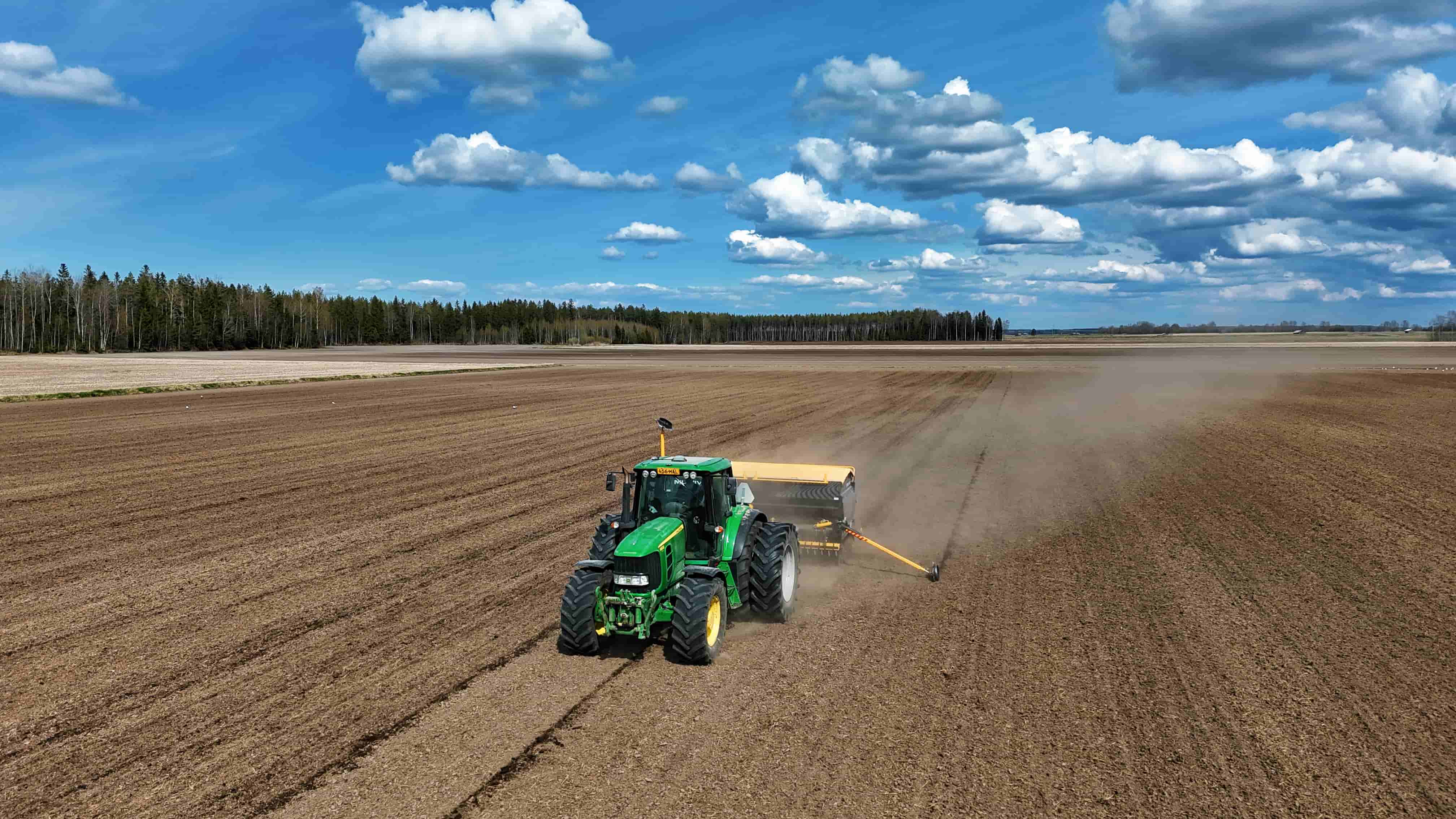
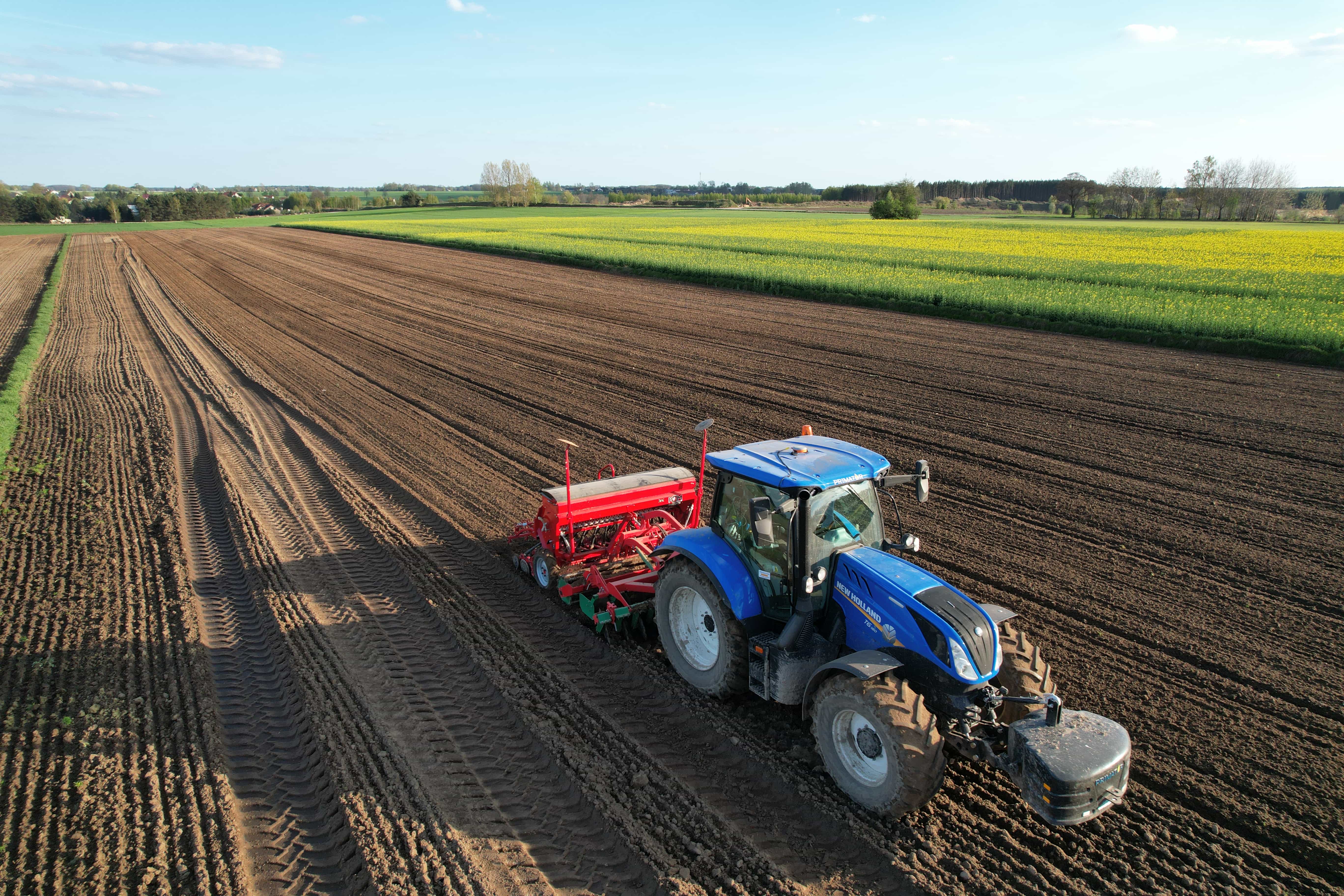
Integrating a GPS base station into a precision agriculture system offers numerous benefits. For starters, the accuracy achieved through a base station allows for greater precision in field mapping, leading to efficient spacing and placement of seeds, fertilizers, and pesticides. Moreover, the improved accuracy can contribute to minimizing overlaps during field tasks, thus saving resources and reducing costs. Farm equipment, equipped with GPS capabilities, can navigate with remarkable precision, turning prolonged agricultural processes into streamlined operations.
Exploring Alternatives to GPS Base Stations
While GPS base stations present numerous advantages, they are not universally required for every precision agriculture system. Some operations that focus on smaller, more contained areas or those that operate at a lower technological level may function adequately without them. For instance, basic guidance systems or operations heavily reliant on manually directed equipment may not see immediate benefits from installing a GPS base station. Thus, evaluating the specific requirements of the operation can help determine whether the investment in a GPS base station is justified.
Future Trends and Technological Advances
As the agriculture industry continues to evolve, so does the technology supporting it. The advancement of satellite technology, data analytics, and automation promises to enhance the role of GPS base stations in precision farming even further. Emerging technologies could potentially lead to more integrated systems capable of providing real-time data without a traditional base station. Therefore, exploring future possibilities and innovations will be crucial for farming operations looking to optimize their approaches to precision agriculture.
Conclusion
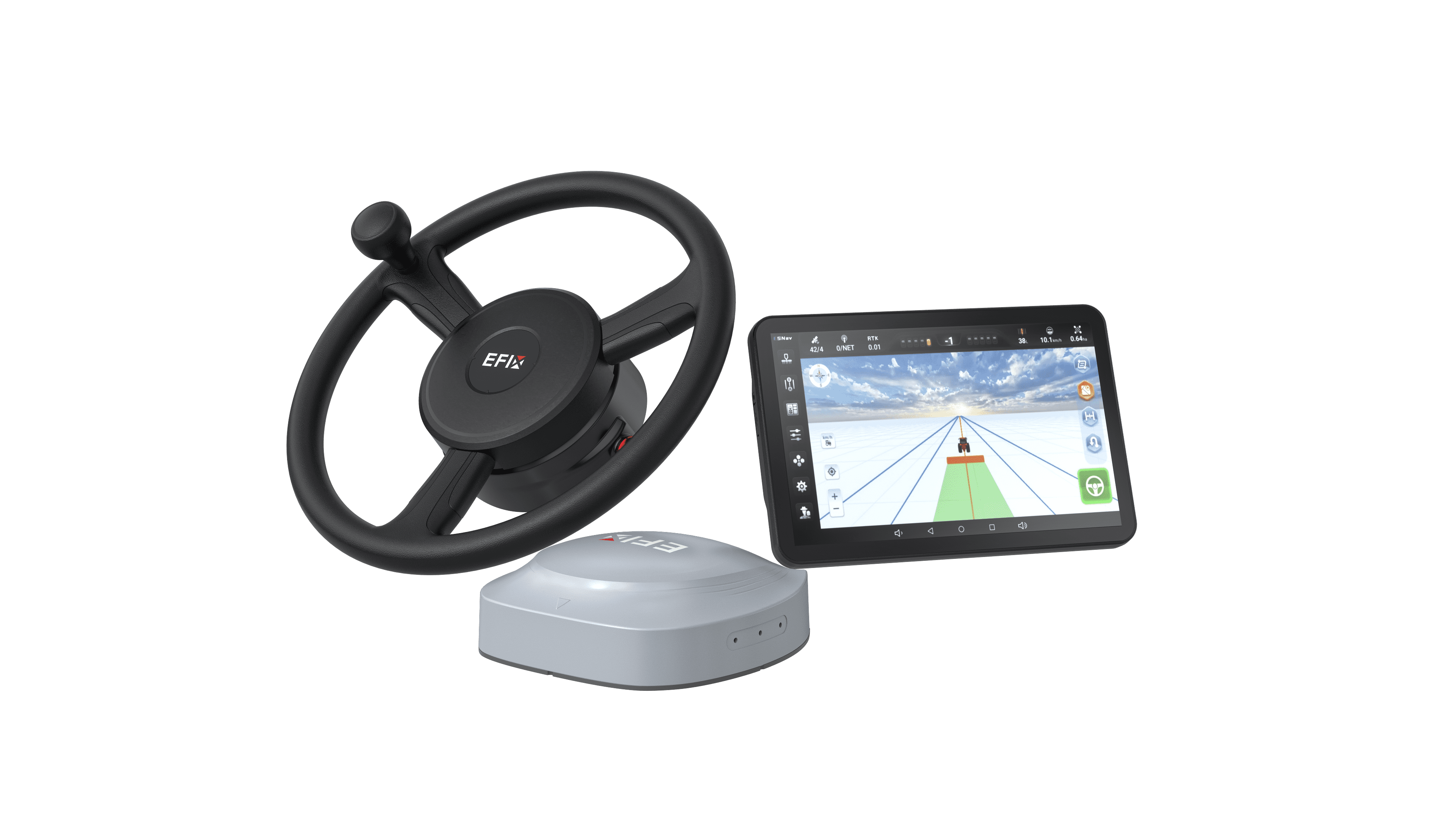
In conclusion, while GPS base stations offer substantial benefits to precision agriculture systems, they are not universally mandatory for every operation. It is essential for farmers to assess their specific needs and the scale of their operations to decide if they require such technology. For those who do see the value in enhanced positional accuracy and resource optimization, solutions like those provided by EFIX can effectively support our precision agriculture efforts. Embracing the right technology can ultimately lead to a more productive and sustainable agricultural practice.