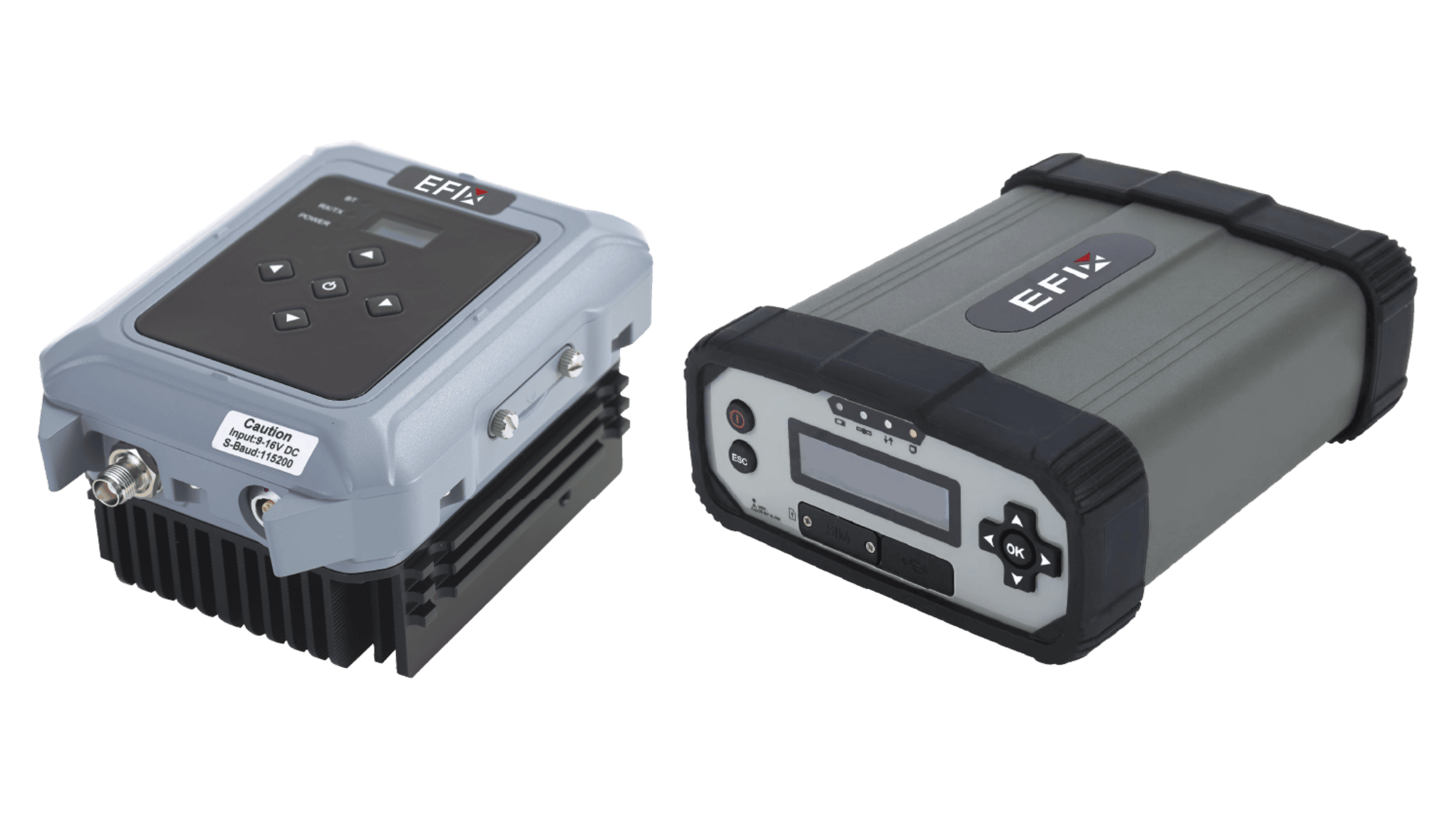
In the world of geospatial technology, the portable GNSS base station stands out for its remarkable adaptability and efficiency. These devices are quintessential tools for professionals engaged in surveying, mapping, and construction. They serve a critical role by providing precise positioning data, which is vital for various applications in the field. This article explores the mechanisms behind these advanced systems, their operational advantages, and practical applications in real-world scenarios.

How Portable GNSS Base Stations Operate
The fundamental operation of a portable GNSS base station revolves around satellite signals. These stations receive signal data from multiple satellites and use this information to calculate accurate positional coordinates. Working in tandem with a roving unit, the base station can mitigate errors caused by atmospheric conditions, satellite positioning, or local obstructions. This real-time correction enables a user to achieve centimeter-level accuracy, which is essential in applications where precision is paramount.
Advantages of Using Portable Systems in the Field
Using a portable GNSS base station provides significant advantages over traditional, fixed base stations. Primarily, mobility allows professionals to deploy these systems in diverse locations without the limitations of permanent installations. This flexibility ensures that data collection can occur in various terrains and environments, enhancing productivity. The ease of setup and configuration further streamlines the process, allowing teams to focus on their core tasks without the hassle of intricate setups or prolonged downtime.
Real-world Applications of GNSS Technology
The applications of a portable GNSS base station extend across various sectors. In surveying, for instance, these devices improve the accuracy of land measurements, making them invaluable for construction site assessments. In agriculture, farmers utilize the data provided by these systems to optimize planting patterns and enhance crop management. Furthermore, industries such as disaster management leverage these stations to create accurate maps and coordinate rescue operations effectively. The versatility in application underscores the importance of this technology in a fast-evolving landscape.
The Future of Portable GNSS Technology
Technology is ever-evolving, and portable GNSS base stations are at the forefront of this change. With advancements in satellite networks and signal processing technologies, the accuracy and reliability of these devices continue to improve. Innovations such as multi-frequency support and integration with other sensors will lead to enhanced performance in challenging environments. As more industries adopt these technologies, the demand for sophisticated and user-friendly portable GNSS base stations will likely grow, prompting manufacturers to innovate further.
Conclusion
In conclusion, the functionality and practical applications of a portable GNSS base station reveal their significance in modern geospatial operations. As professionals navigate the complexities of their tasks, these devices remain indispensable tools that enhance accuracy and efficiency. At EFIX, we are dedicated to providing cutting-edge solutions that empower users to achieve their positioning goals with confidence. By continually advancing our technology, we strive to support the evolving needs of industry professionals everywhere.