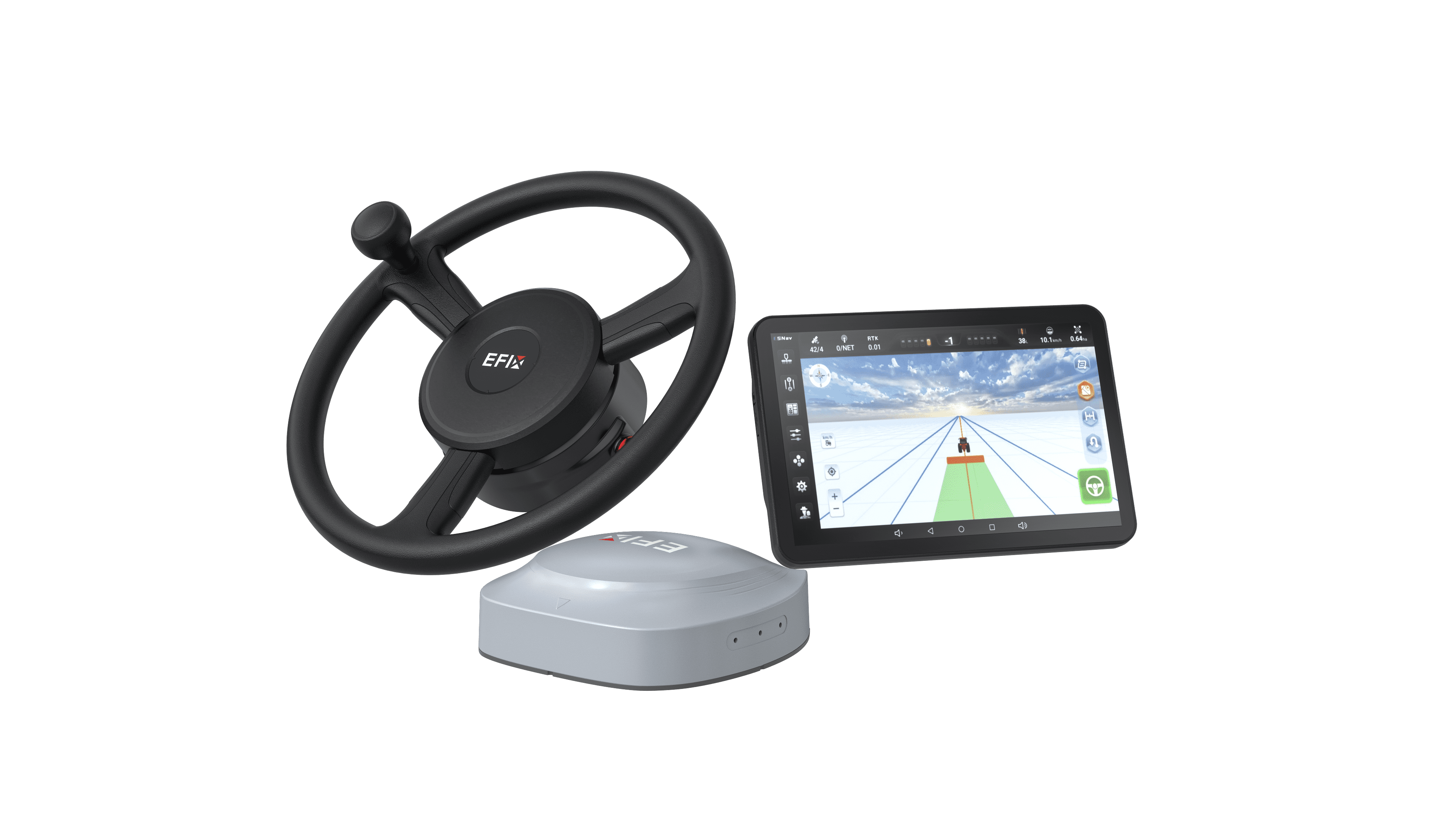
In today’s fast-paced world, the demand for precise location data has surged, leading to the development of advanced Global Navigation Satellite System (GNSS) receivers. These devices leverage multiple satellite constellations to deliver accurate positioning, navigation, and timing information. Understanding the various types of GNSS receivers available can empower users to make informed choices that meet their specific needs, whether in urban environments, rural areas, or harsh conditions.

Differentiating GNSS Receiver Types
GNSS receivers can be classified into several main categories, each designed with unique features to serve different applications. Standalone receivers are basic devices that work independently and generally provide good accuracy for recreational users. On the other hand, differential GNSS (DGNSS) receivers utilize fixed reference stations to enhance positional accuracy significantly, making them ideal for surveying and professional use. Furthermore, integrated receivers combine multiple sensors and technologies, allowing for enhanced functionality in complex environments.
Features and Capabilities of Advanced GNSS Receivers
Advanced GNSS receivers boast full GPS + GLONASS + Galileo + BeiDou + QZSS constellation tracking, ensuring reliable performance even in areas with minimal visibility. Such capabilities make them suitable for a variety of applications, from agricultural precision to autonomous vehicle navigation. Environmental factors such as foliage, buildings, or even atmospheric conditions can impact accuracy, but advanced receivers are equipped to mitigate these challenges. They can maintain lock on multiple satellites, ensuring continuous data flow and precision, even when some signals are obstructed.
Applications of GNSS Receivers Across Industries
Various industries rely heavily on GNSS receivers, ranging from agriculture to aviation. In agriculture, farmers use them for precision farming to improve yield by ensuring their equipment operates optimally. In aviation, GNSS receivers are crucial for flight navigation and enhancing safety through accurate positioning data. The versatility of these devices is further showcased in construction, where they help track equipment and manage site logistics efficiently. Understanding the types and functionalities allows businesses to select the right technology that aligns with their operational needs.
Conclusion
Navigating the world of GNSS receivers can be overwhelming due to the various options and technologies available. However, by understanding the differences and applications of these devices, users can choose the right model for their requirements. For those seeking advanced capabilities with full GPS + GLONASS + Galileo + BeiDou + QZSS constellation tracking, which performs reliably in harsh environments, we recommend exploring solutions from EFIX. Leveraging this technology ensures optimal performance and efficiency across diverse applications.