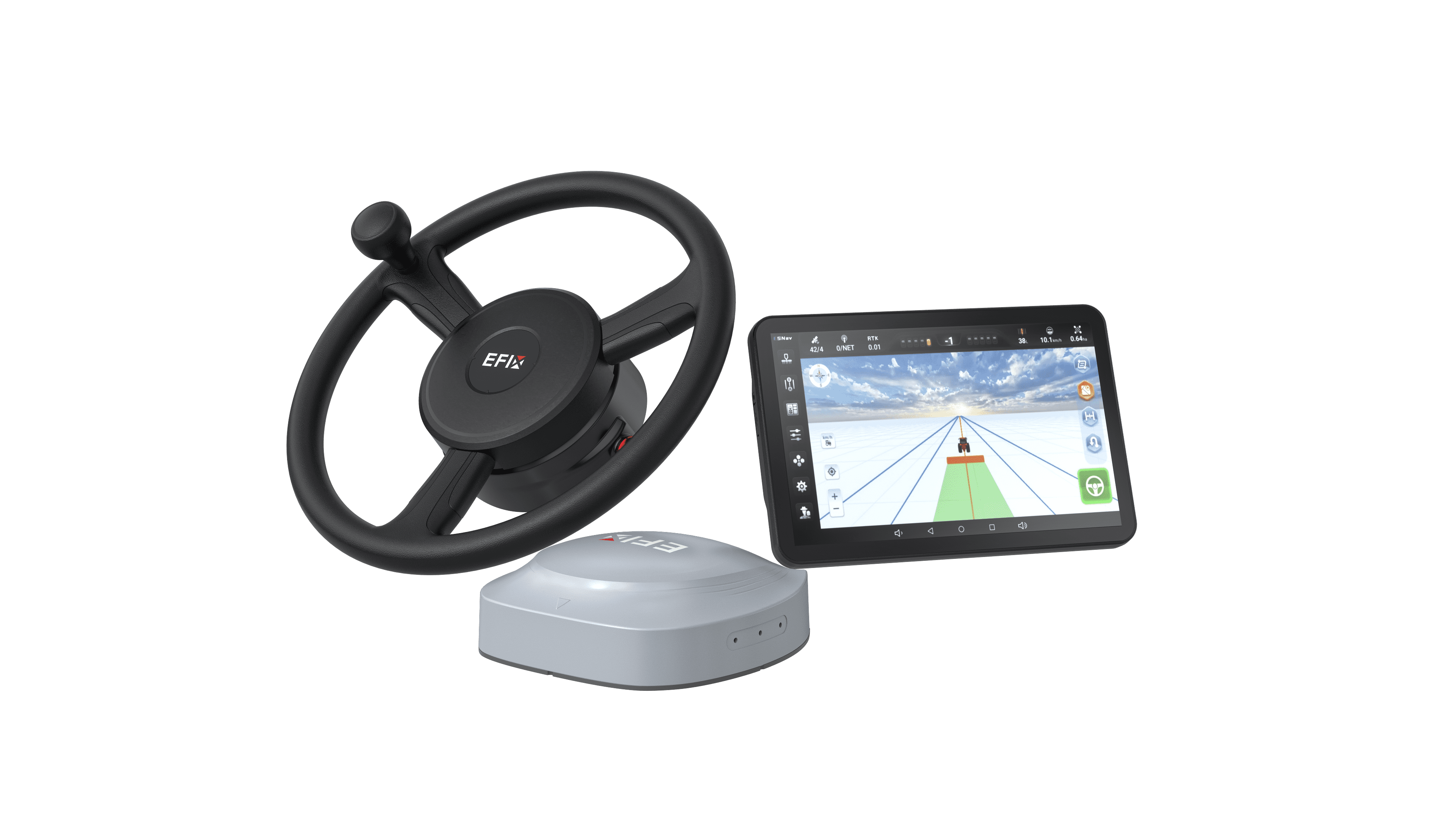
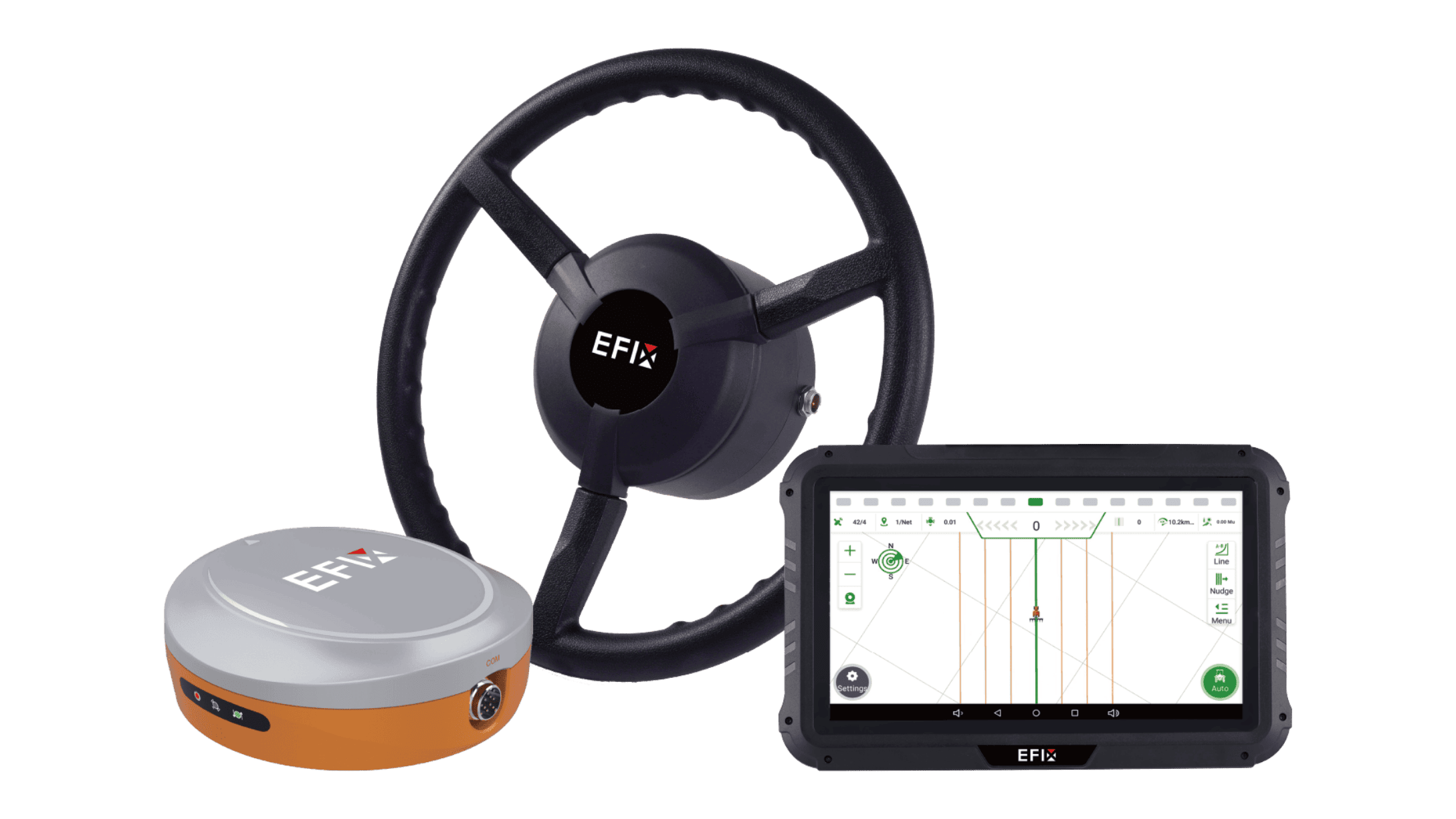
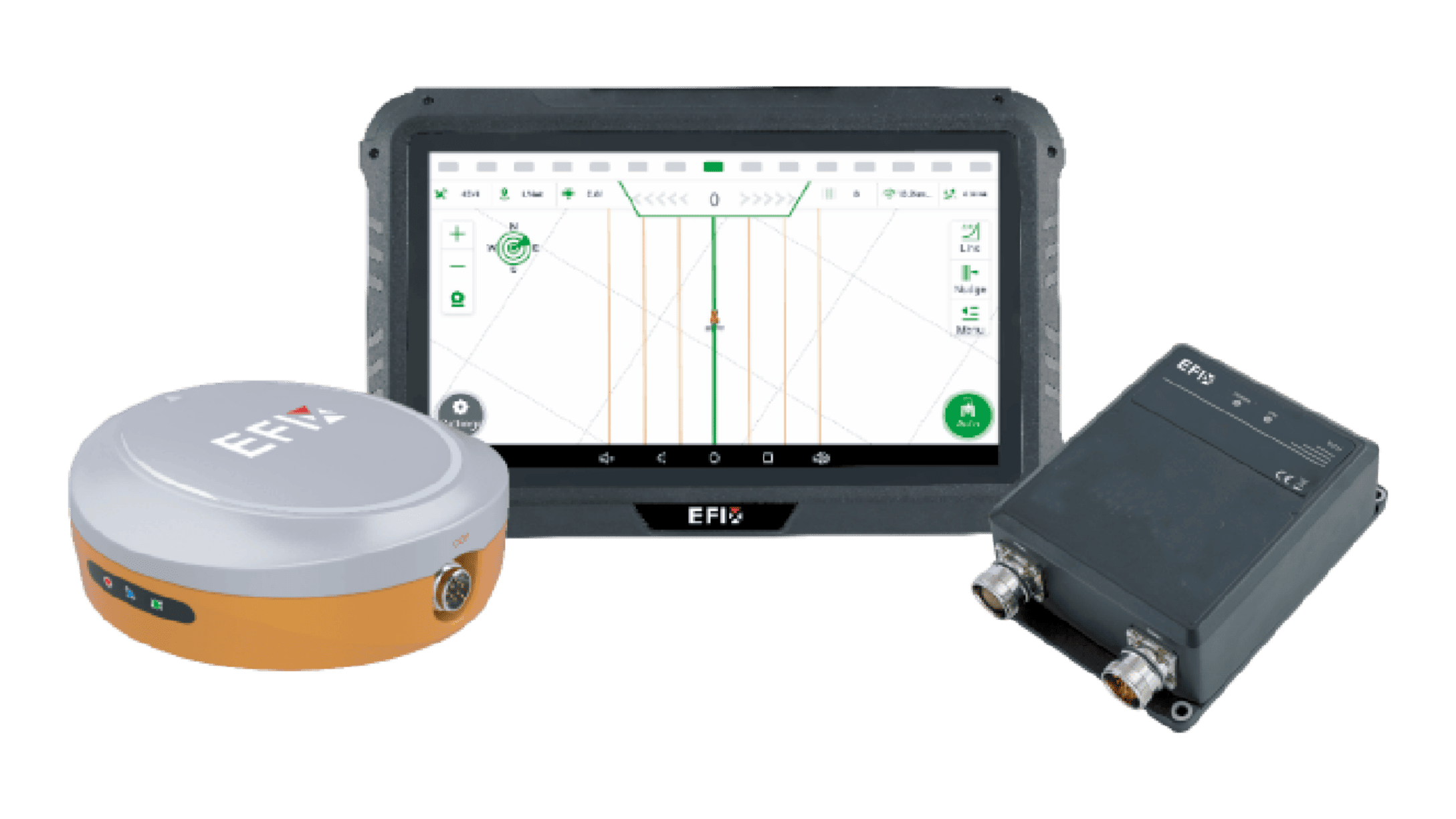
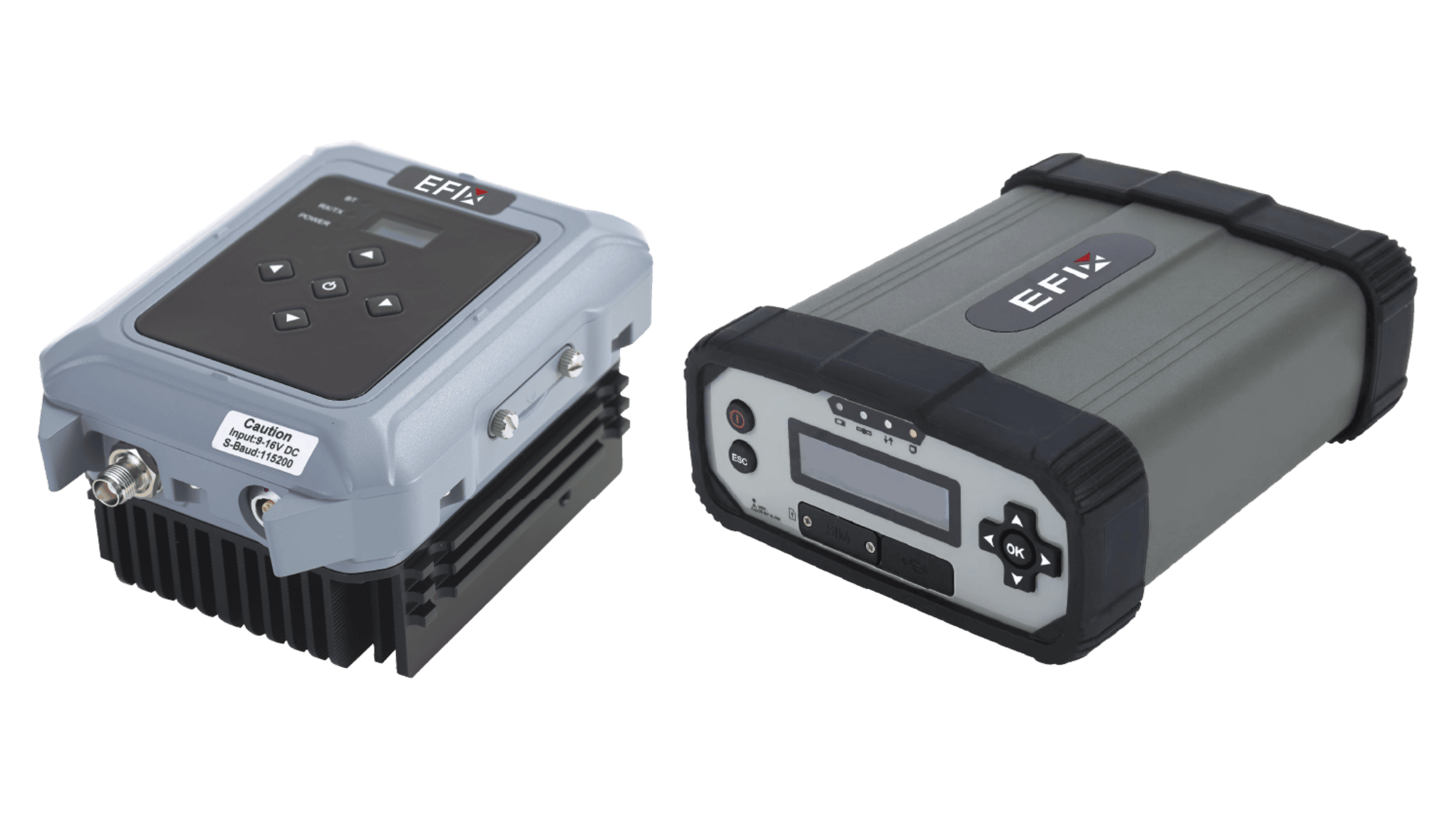
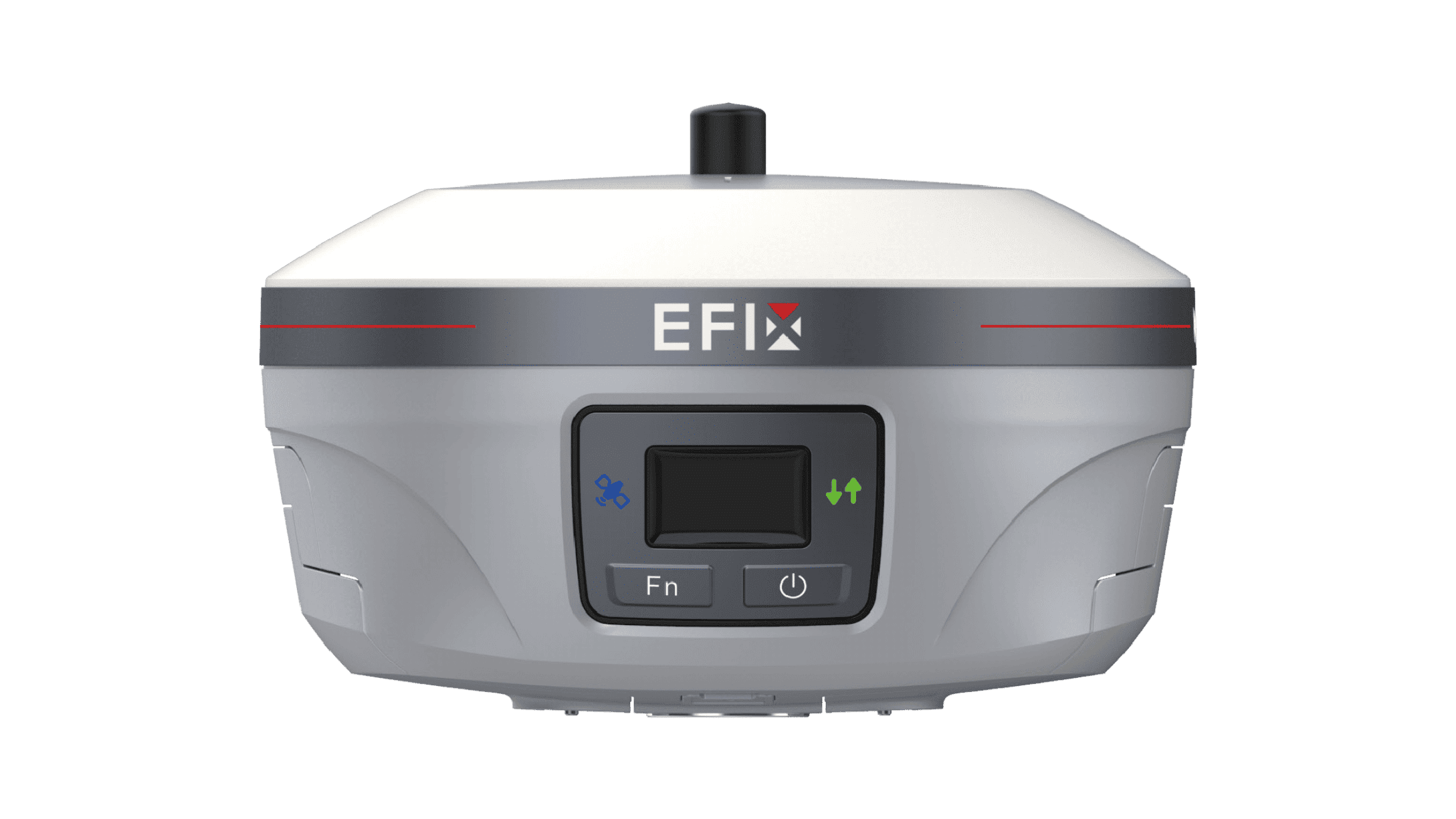
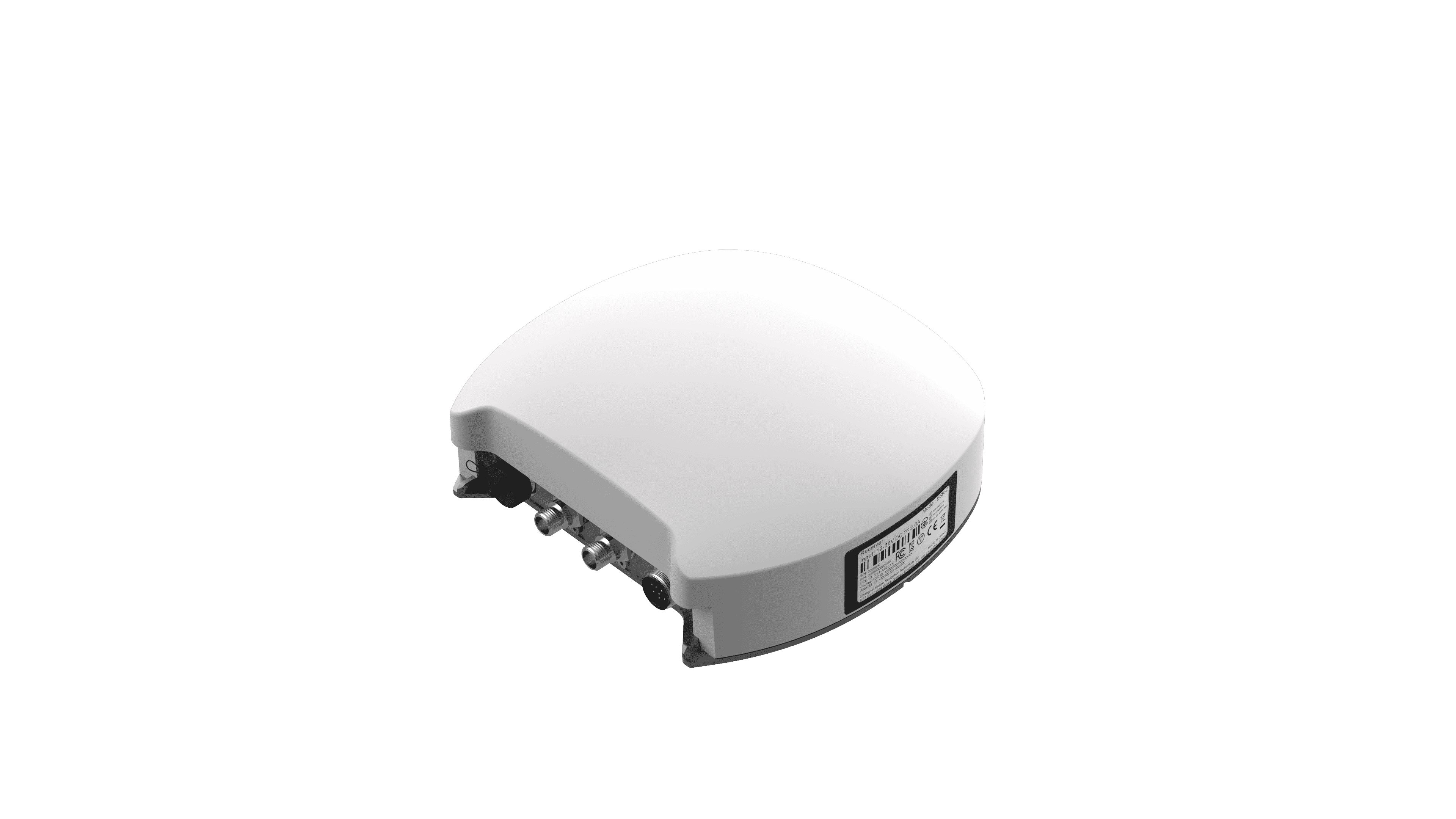
In the world of surveying, precise location data is paramount. Survey-grade GNSS receivers are meticulously engineered to provide accuracy and reliability crucial for data integrity. These devices distinguish themselves from standard GPS through advanced features specifically designed for demanding applications. Understanding what sets survey-grade GNSS receivers apart is essential for professionals in the field, enabling them to make informed choices suitable for their surveying needs.
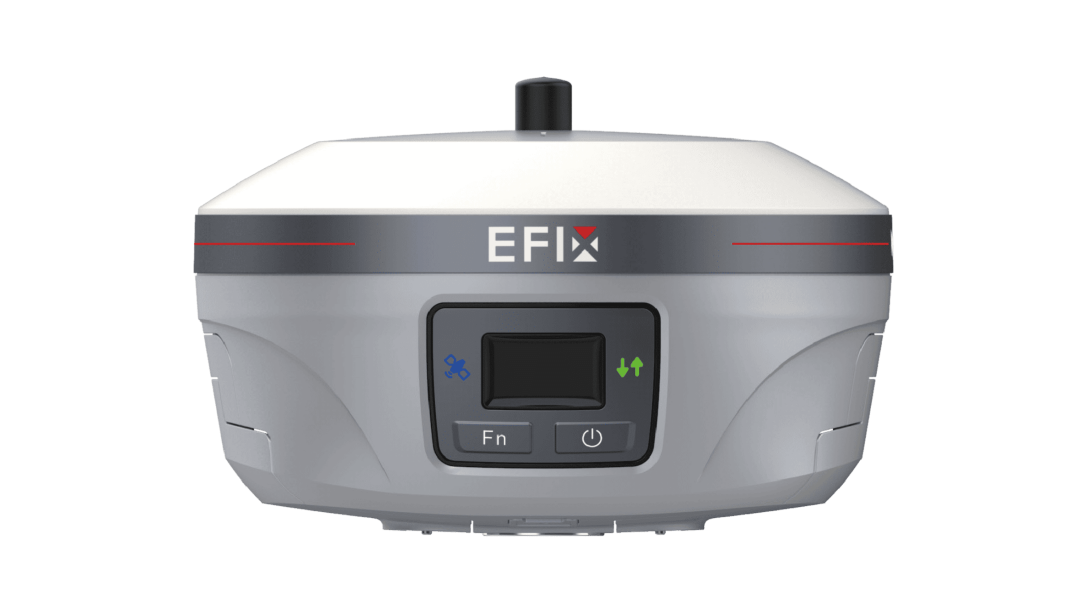
Exceptional Accuracy and Precision
One of the primary differentiators of a GNSS receiver for surveying is its exceptional accuracy and precision. Unlike consumer-grade alternatives, these receivers can achieve centimeter-level accuracy, making them indispensable for tasks requiring high precision, such as land surveys and construction layout. This accuracy is often achieved through differential positioning techniques, including Real-Time Kinematics (RTK) or Post-Processed Kinematics (PPK). Professionals utilizing high-quality receivers can expect significantly reduced error margins, resulting in better-quality data and more reliable outcomes.
Enhanced Signal Processing Capabilities
Survey-grade GNSS receivers come equipped with advanced signal processing capabilities that enhance their ability to lock onto and maintain satellite signals, especially in challenging environments. Features such as multipath mitigation, which allows receivers to interpret signals bouncing off surfaces, are crucial in urban settings or densely forested areas. In challenging conditions, the robustness of a GNSS receiver for surveying often determines its effectiveness. Enhanced algorithms optimize position accuracy, ensuring that data is reliable regardless of external conditions.
Durability and Environmental Resistance
Durability is another vital characteristic distinguishing survey-grade GNSS receivers from lesser models. Designed for tough field conditions, these devices typically meet stringent IP67 standards for water and dust resistance. The use of materials such as a magnesium-aluminium body contributes to reduced weight without sacrificing strength, making these receivers capable of withstanding impacts like a drop from heights up to 2 meters. This resilience is essential for surveyors who operate in diverse environments, knowing that their equipment can endure various weather conditions and physical challenges.
Conclusion
Understanding the distinct features of survey-grade GNSS receivers can empower surveying professionals to choose the right tools for their tasks. Prioritizing accuracy, signal processing capabilities, and durability ensures successful project outcomes. Investing in high-quality receivers not only enhances data quality but also contributes to the overall efficacy of surveying operations. For organizations looking to invest in top-tier technology, we at EFIX offer exceptional GNSS receivers that align with these industry-leading standards.