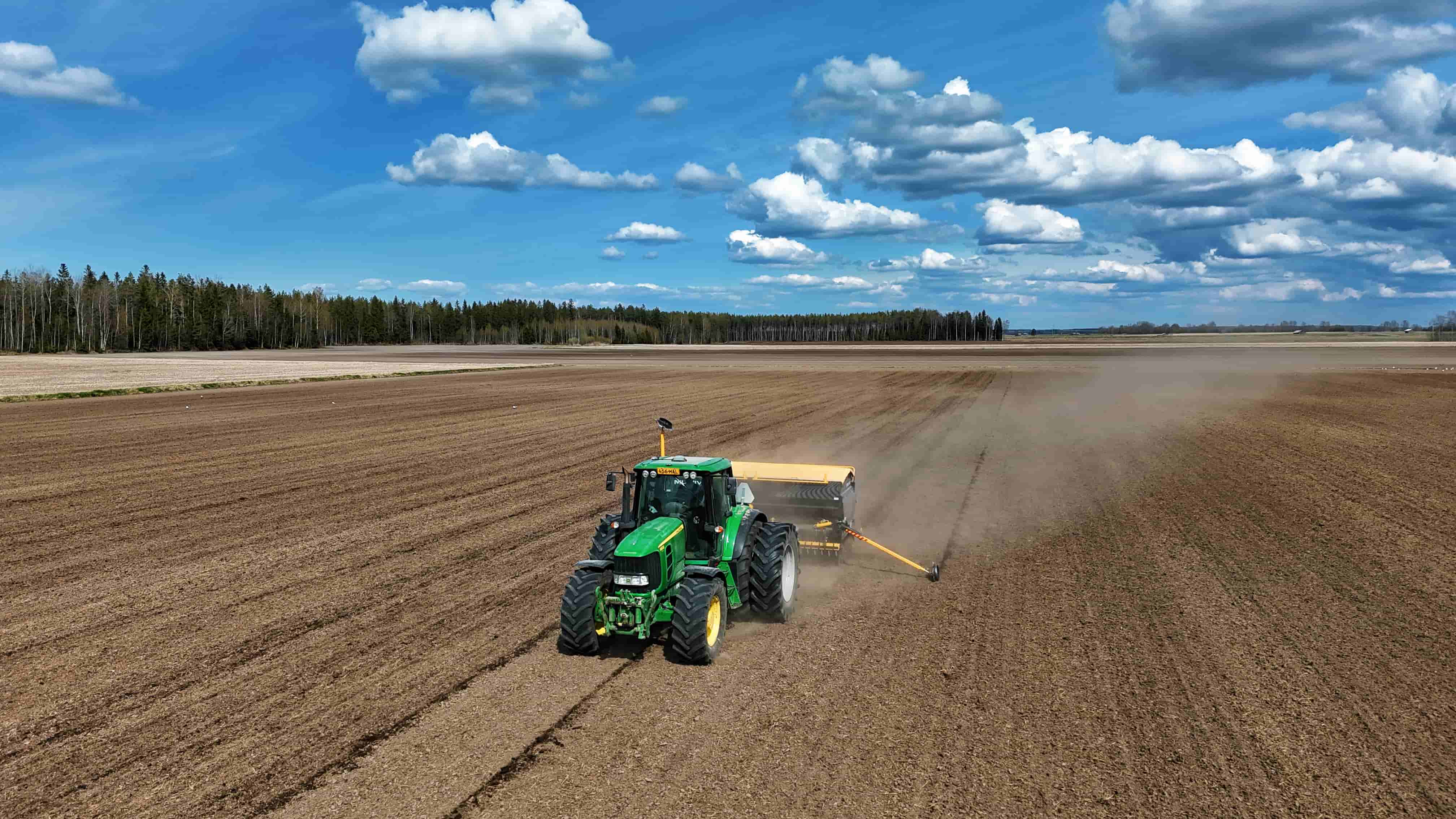
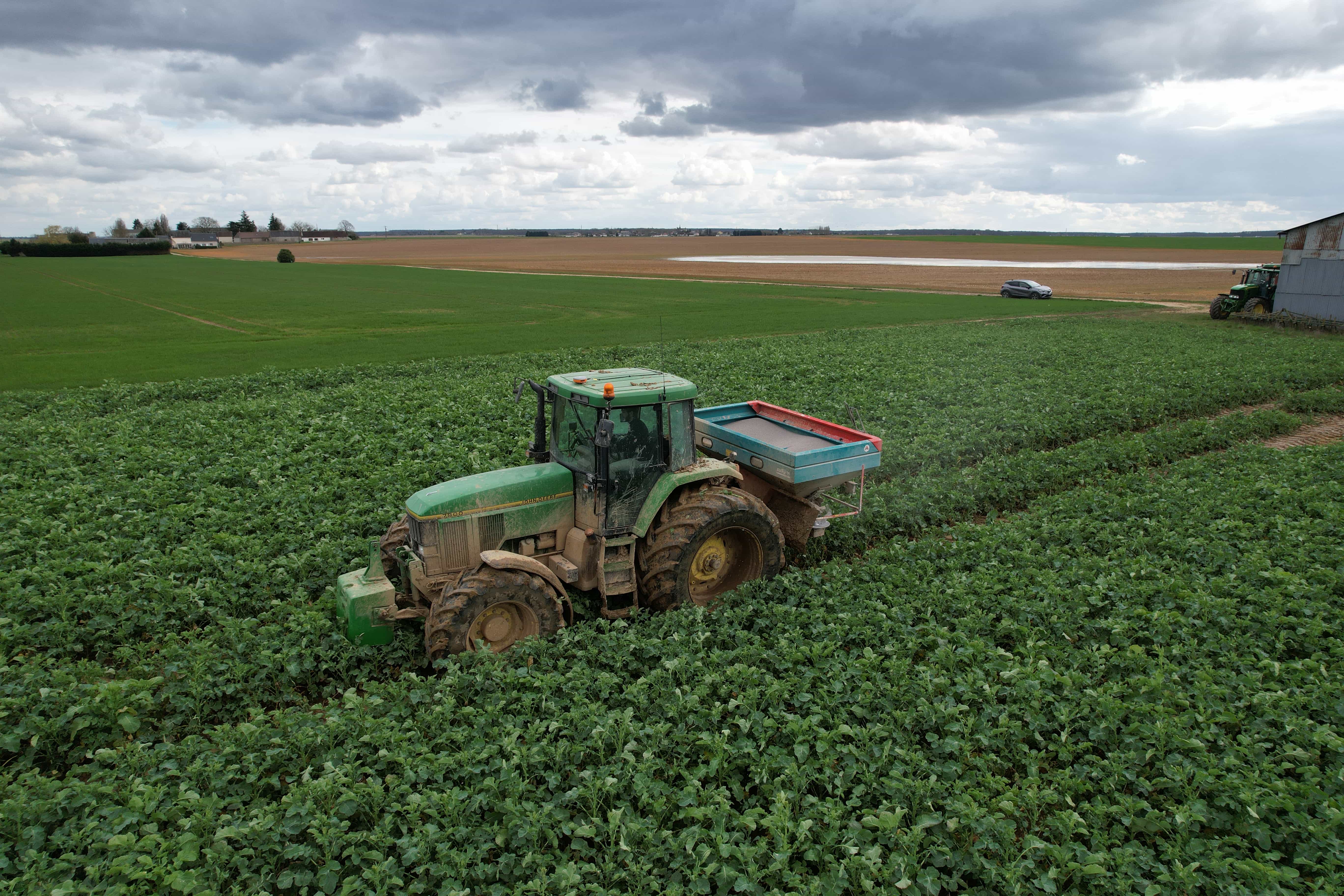
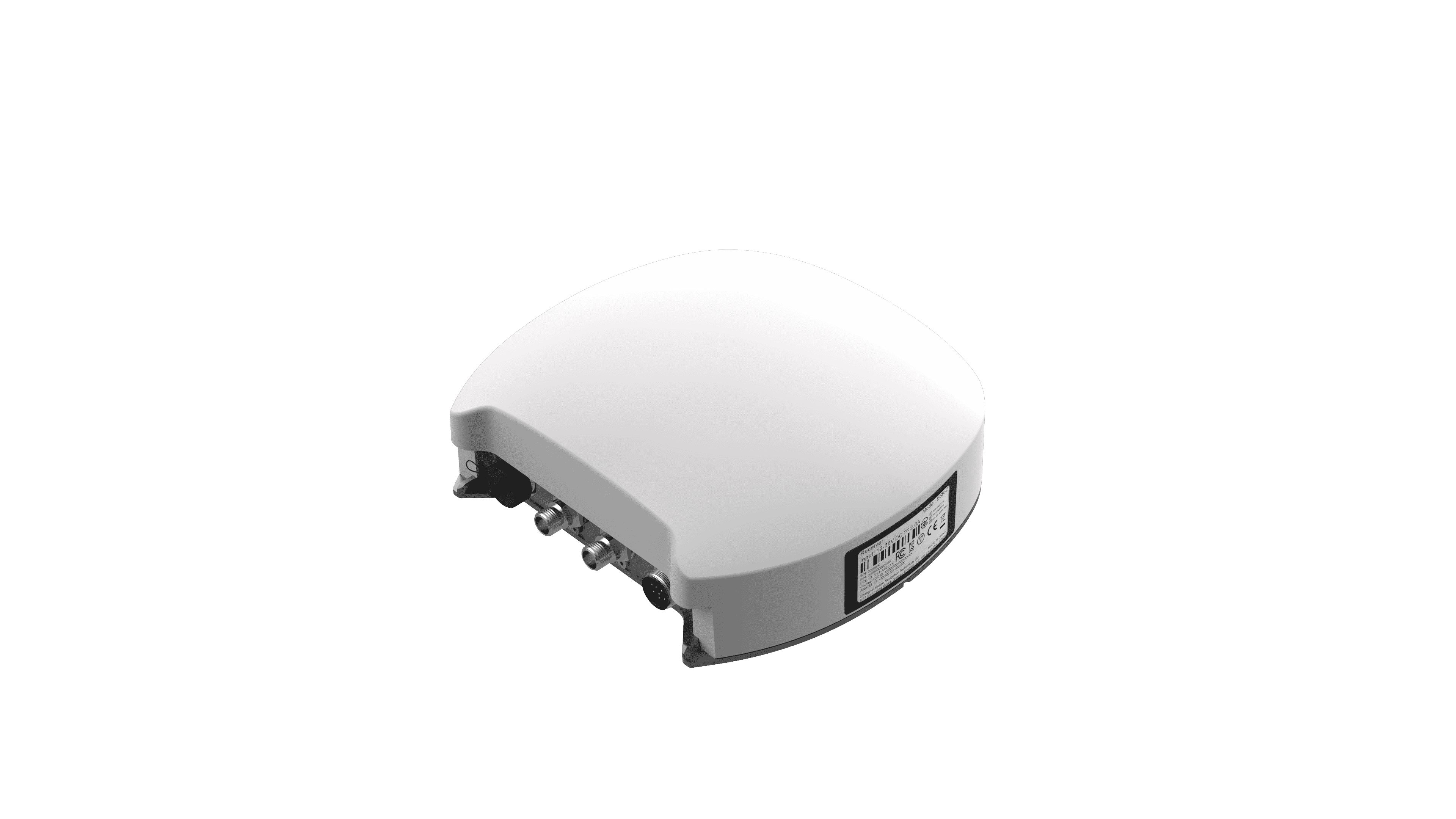
In the world of surveying and precision agriculture, the efficiency and accuracy of positioning systems are paramount. RTK GNSS receivers have emerged as a leading technology, offering rapid positioning capabilities with centimeter-level accuracy. However, one of the significant challenges encountered in real-world applications is the presence of field obstacles. These obstacles can severely impact signal reception and, consequently, the reliability of RTK data. Understanding how these receivers manage such obstacles is essential for users seeking consistent performance.

Impact of Physical Barriers on Signal Reception
Physical barriers such as trees, buildings, and even topographical features like hills can disrupt the line of sight between the RTK GNSS receiver and the satellites in orbit. This obstruction leads to multipath effects, where signals bounce off surfaces before reaching the receiver, resulting in inaccuracies in collected data. RTK GNSS receivers are designed with advanced algorithms that help mitigate these effects by filtering out erroneous signals. Their configuration allows for compensation measures that ensure optimal performance even in challenging environments.
Utilizing Base Stations for Improved Accuracy
The deployment of base stations plays a crucial role in enhancing the functionality of RTK GNSS receivers. These stations provide a stable reference point that corrects the positional information received by the mobile unit. By utilizing differential corrections, RTK systems can deliver precise location information despite the presence of obstacles. For instance, a static base station can broadcast corrections over a distance of up to 15 km, allowing users operating within that radius to maintain consistency. Connectivity options, such as the integration of modems with long-range capabilities, further amplify this reliability.
Leveraging Post-Processing Techniques
In scenarios where immediate correction signals are compromised due to obstacles, post-processing remains a viable alternative. Post-processing techniques involve the collection of GNSS data for subsequent analysis. Users can often achieve higher accuracy levels by applying sophisticated software that corrects inaccuracies after the fact. This method allows for the reconciliation of data even if real-time corrections were not attainable during the collection phase. Post-processing is particularly beneficial in expansive terrains where ensuring direct access to a base station is impractical.
Conclusion
The operation of RTK GNSS receivers in areas with field obstacles poses various challenges; however, understanding these challenges equips users with the knowledge to optimize their systems effectively. From the impact of physical barriers to the advantages of base stations and post-processing techniques, addressing these obstacles ensures that users can consistently rely on precise positioning data. At EFIX, we are committed to delivering advanced RTK GNSS receiver solutions that are designed to perform under challenging conditions, empowering users with the tools they need for accurate and efficient operations.