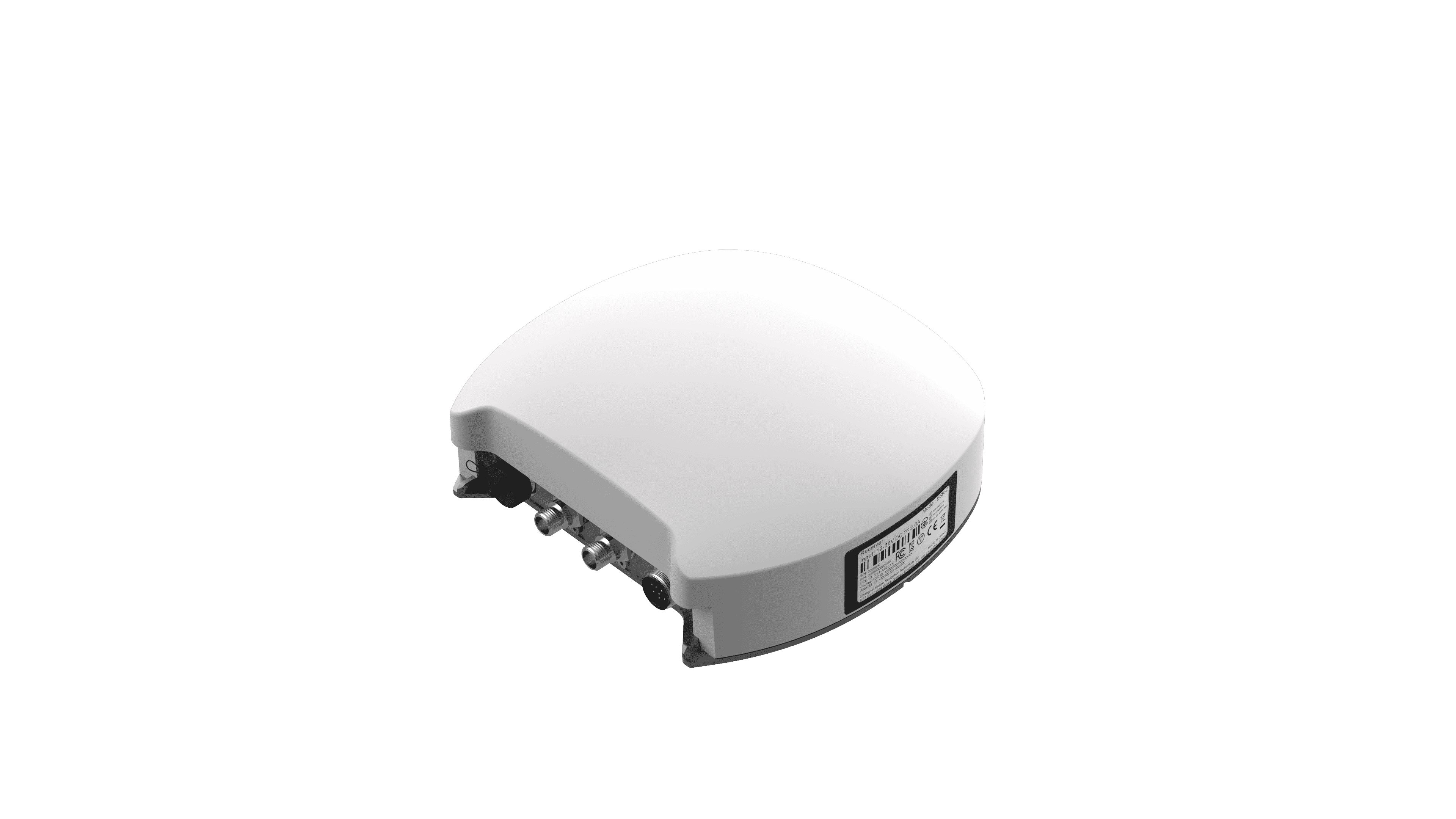
The agricultural landscape is rapidly evolving, influenced heavily by technological advancements that aim to enhance productivity and efficiency. One such innovation is the portable GNSS base station, which can significantly improve the precision of farming operations. In a world where optimal use of resources correlates directly with profitability, understanding when to deploy such technology becomes essential for modern farmers.
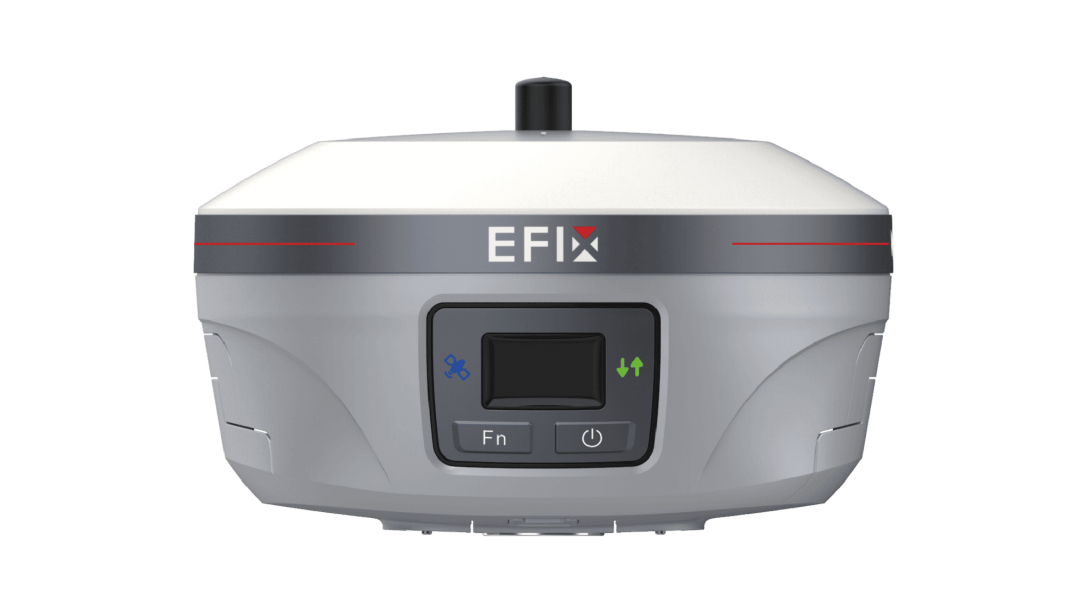
Precision Agriculture and Mapping
Adopting technology such as a portable GNSS base station allows farmers to engage in precise agriculture, which is vital for efficient mapping and planning. By using GNSS technology, one can achieve accurate georeferencing and mapping, leading to informed decisions about crop planting and field management. This tech enables better tracking of soil health, moisture levels, and crop yields, streamlining the process of resource allocation on farms. The precision gained through these measurements can ultimately impact overall crop performance and profitability.
Enhancing Soil and Crop Management
Soil and crop management is an area where a portable GNSS base station truly shines. Farmers can utilize this technology to monitor critical environmental variables, such as topography, nutrient levels, and water availability. When conditions change—be it weather or market demand—having precise data allows for more effective adjustments. This capability aids in minimizing waste and optimizing input use, which is crucial in maintaining production costs. Through better management facilitated by GNSS technology, farmers can enhance crop quality and yield.
Navigating Harvesting and Equipment Use
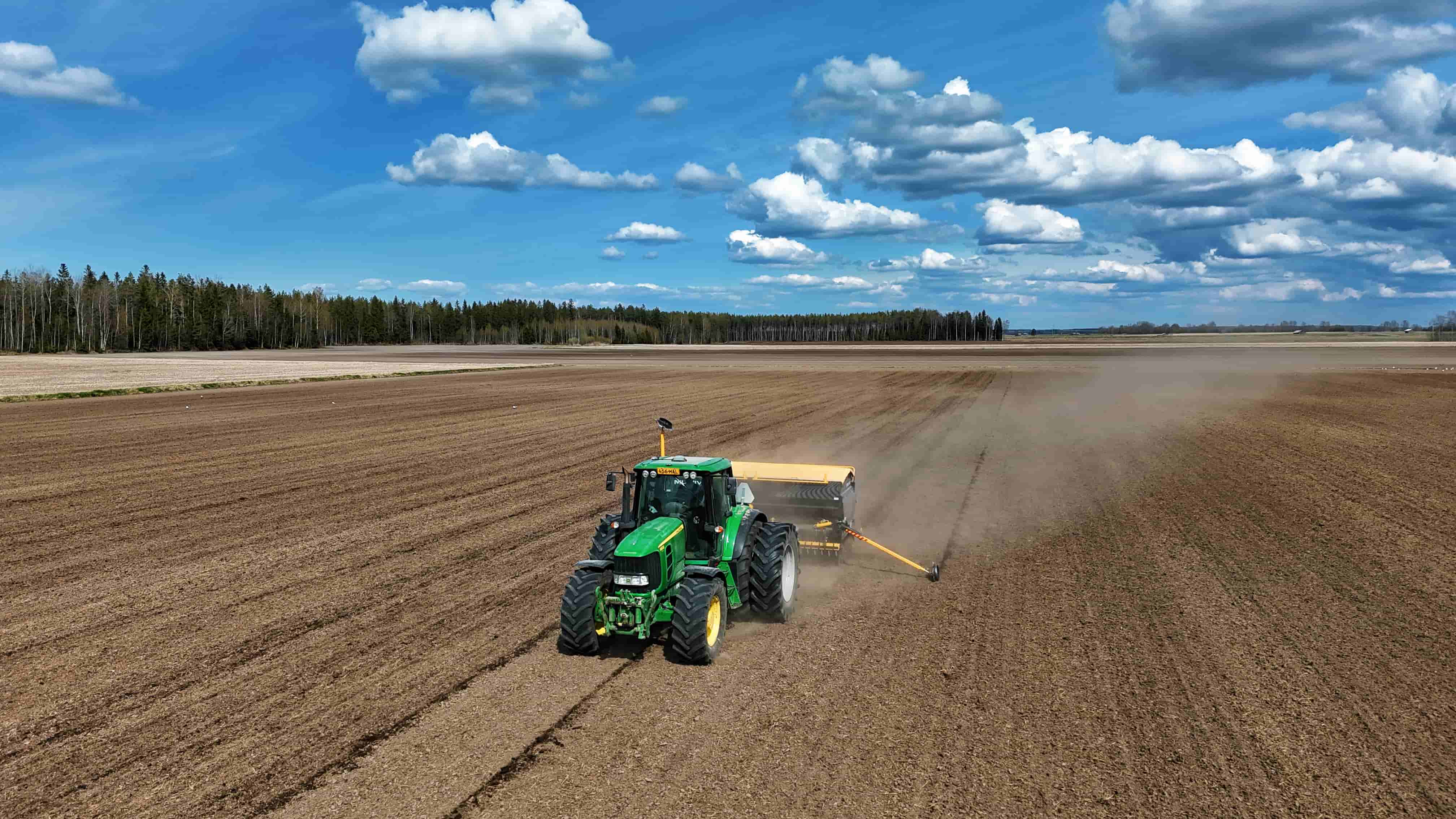
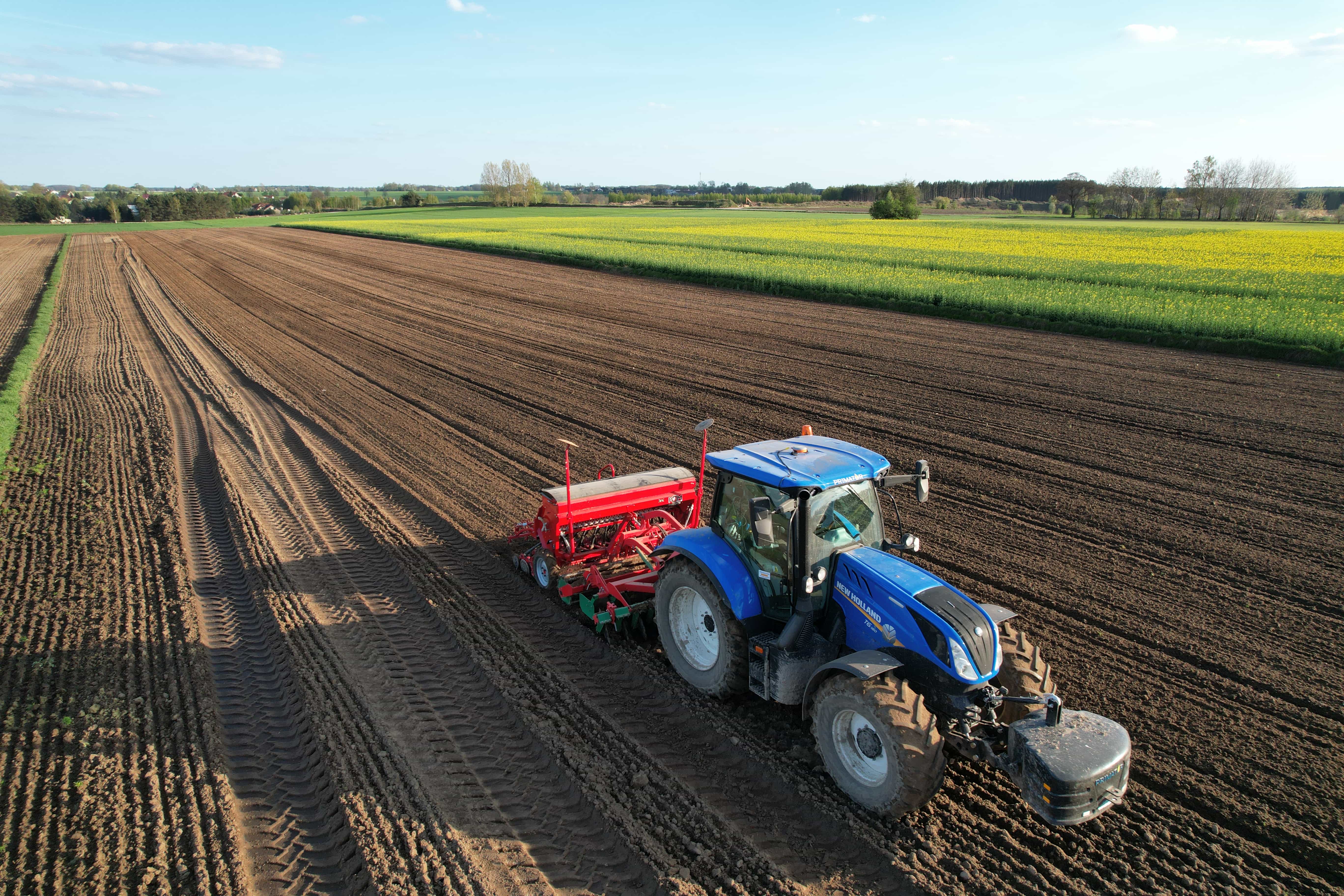
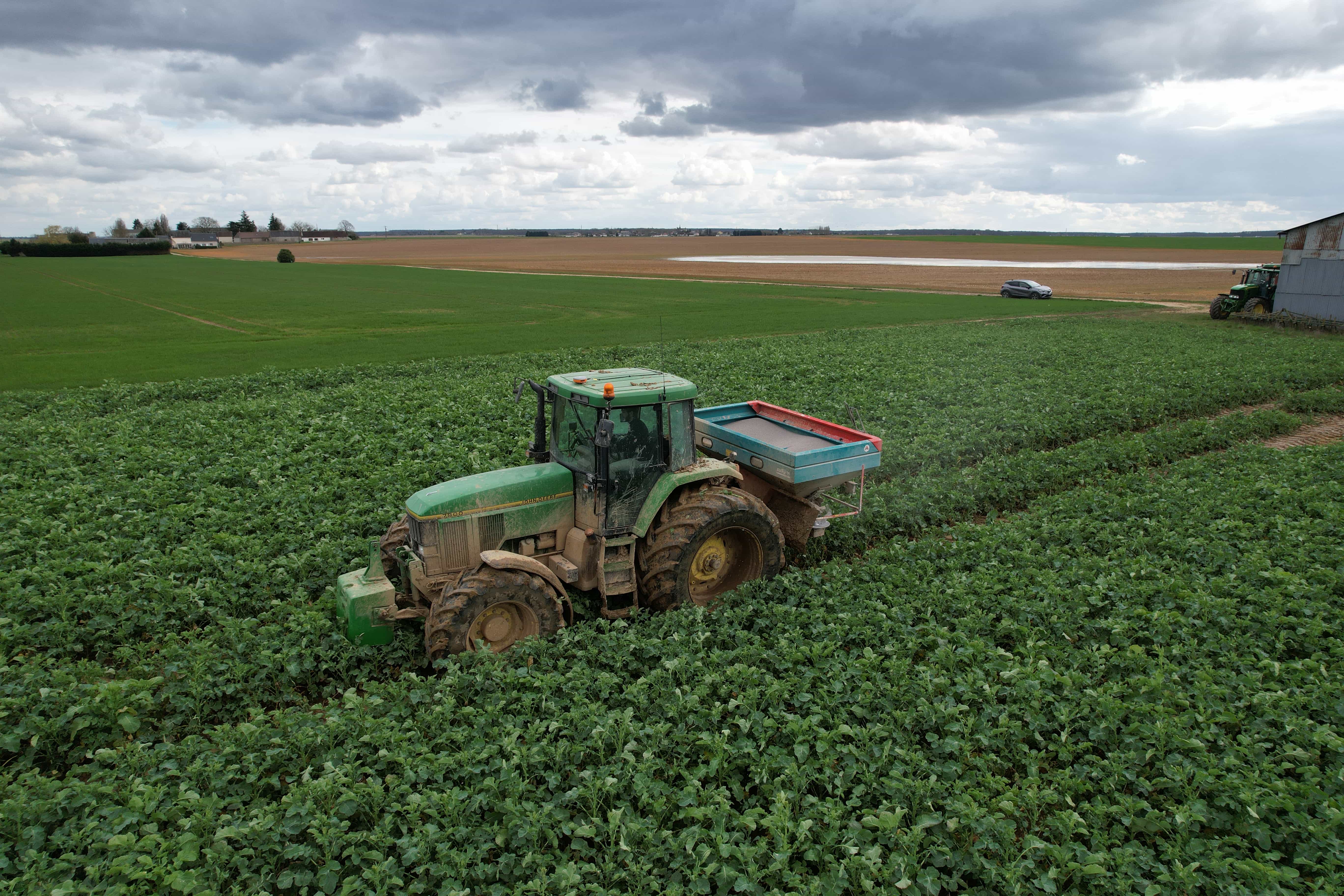
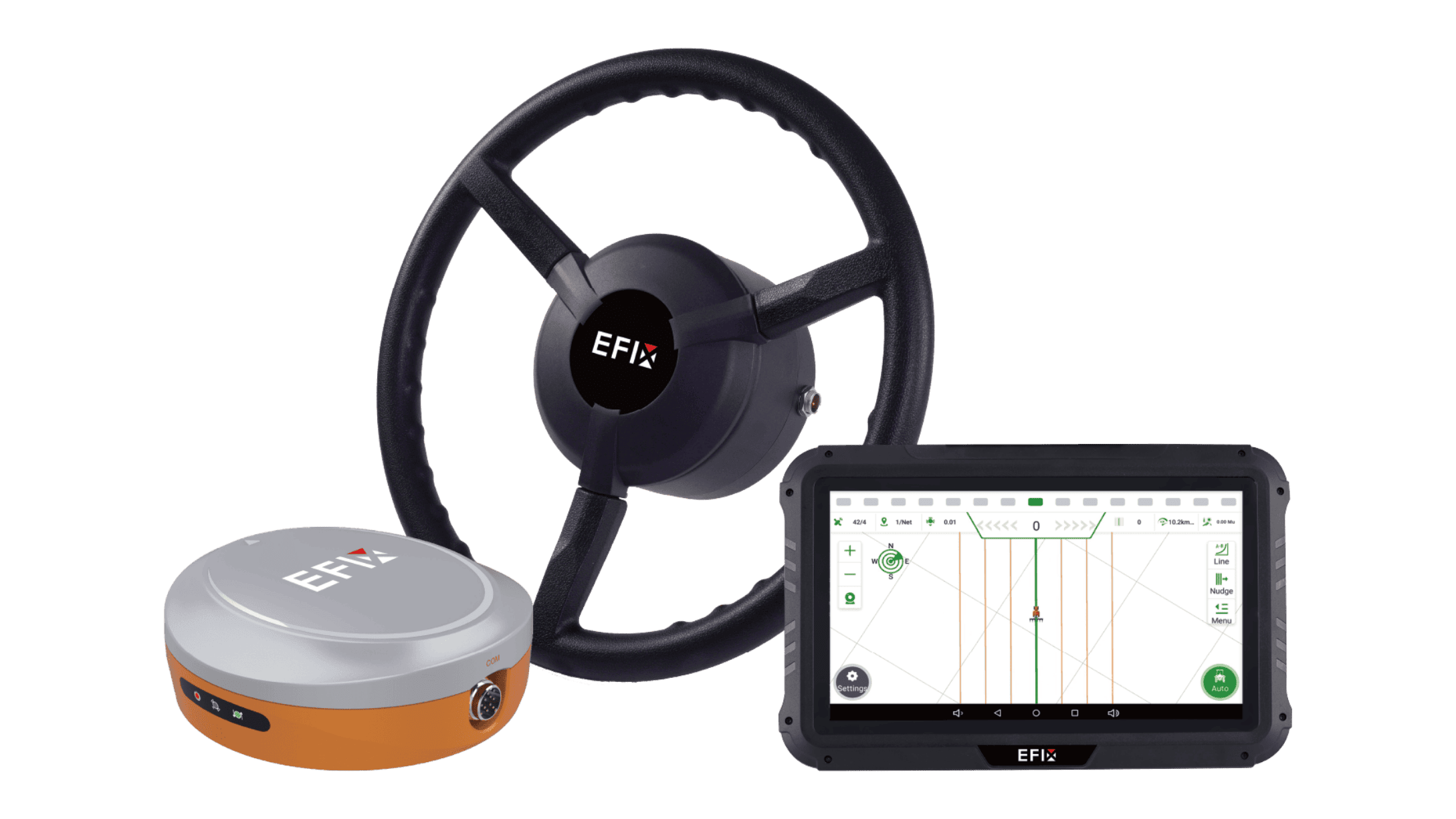
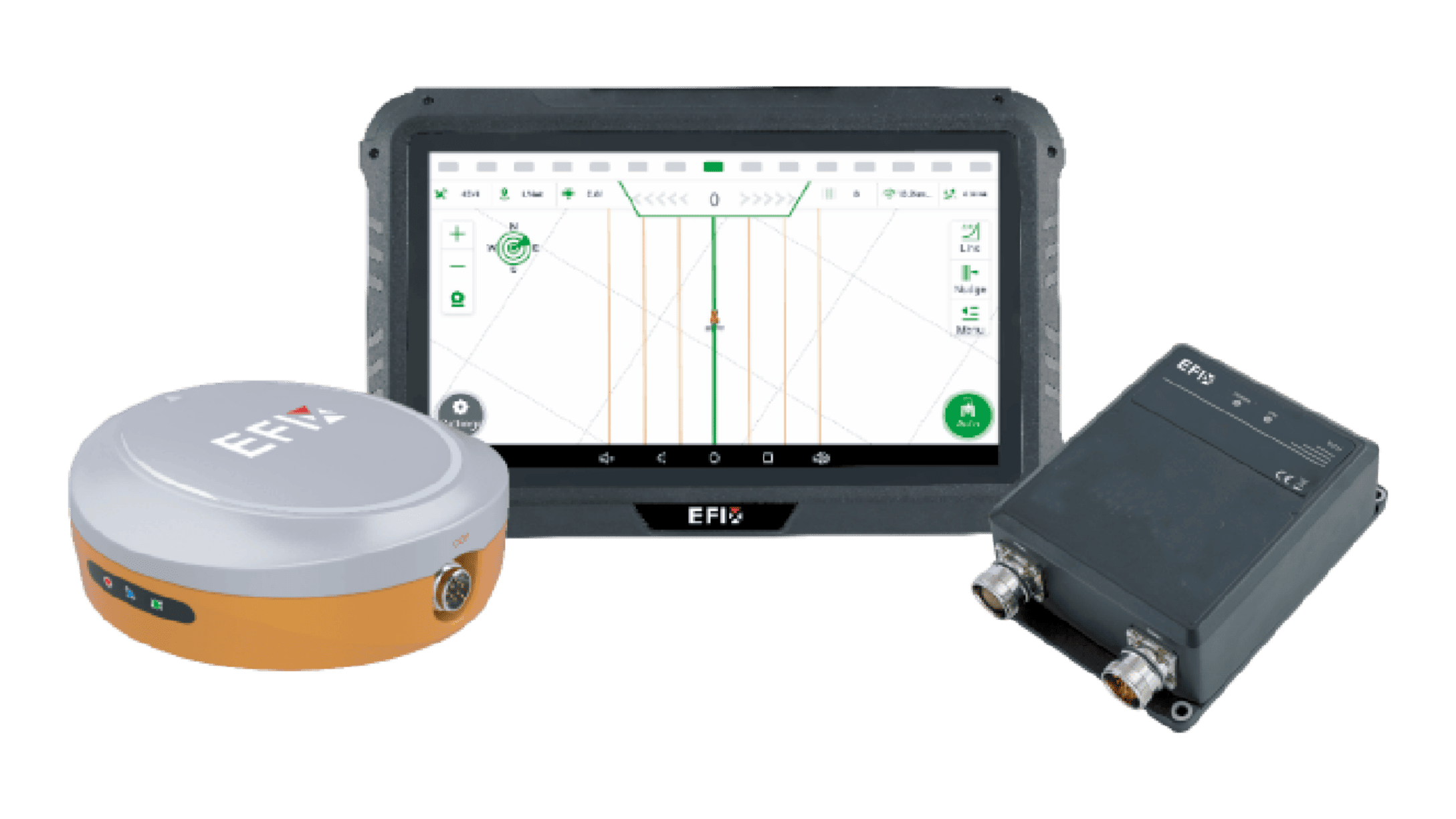
Synchronizing harvesting activities and equipment deployment is vital for efficient farm operations. A portable GNSS base station facilitates improved navigation for tractors and harvesting equipment, ensuring that every inch of farmland is utilized effectively. Farmers can execute accurate tillage operations, planting, and harvesting schedules based on GNSS positioning, minimizing overlaps and gaps. This technology not only enhances workflow but also preserves soil structure and promotes sustainability. Additionally, the portability of the base station allows farmers to easily move it between fields, ensuring consistent high-precision guidance across diverse terrain and crop types.
Conclusion
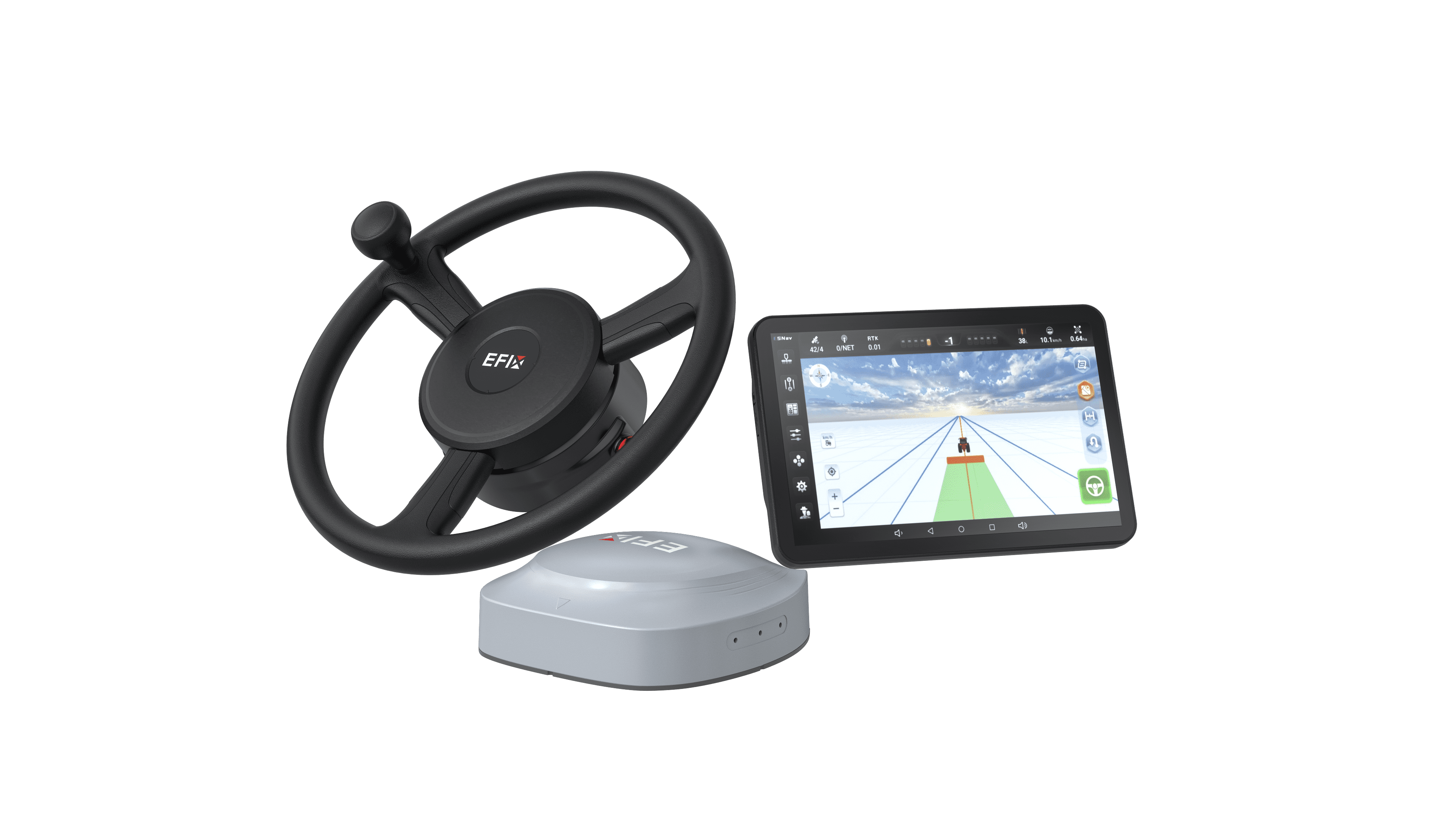
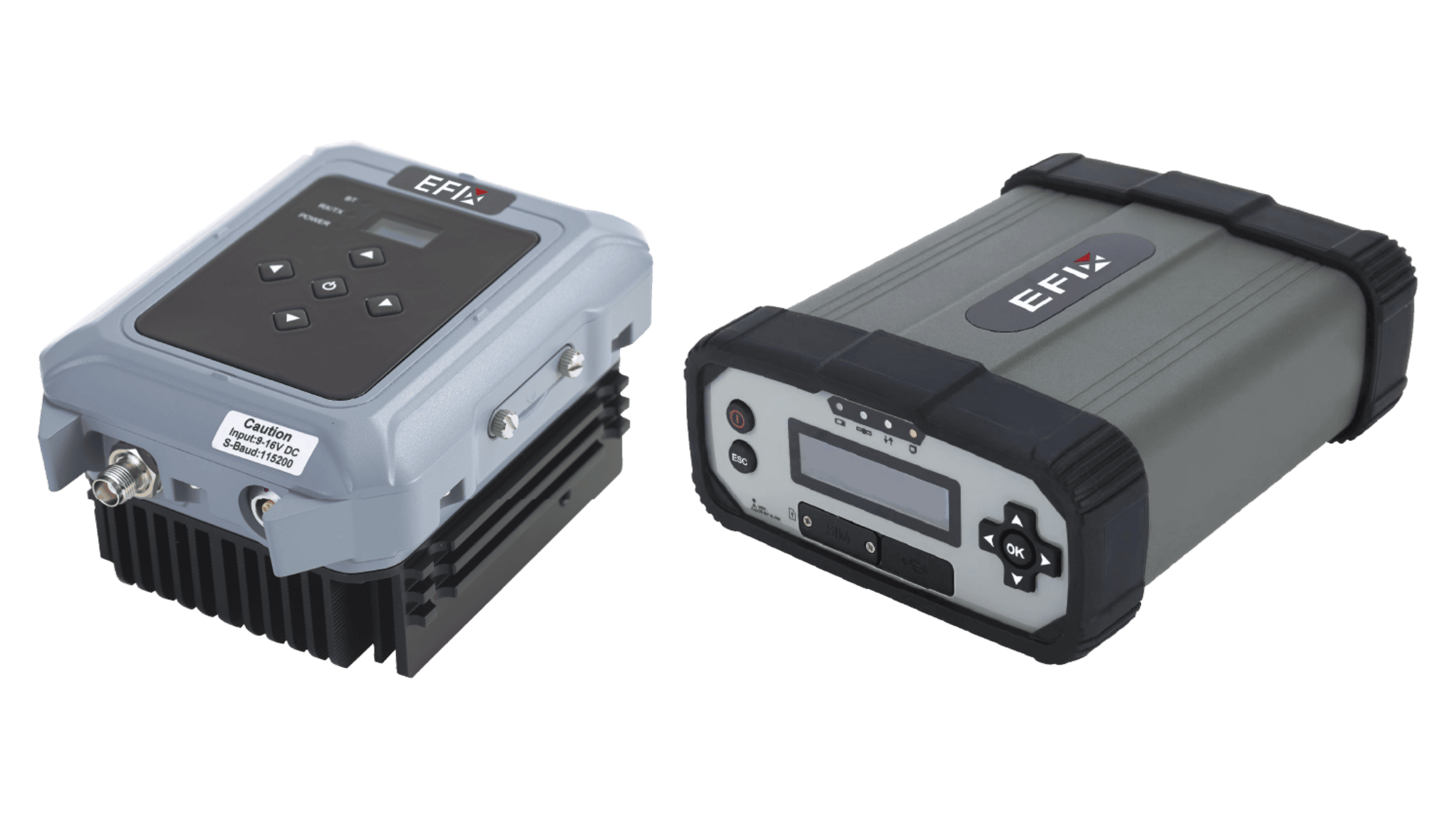
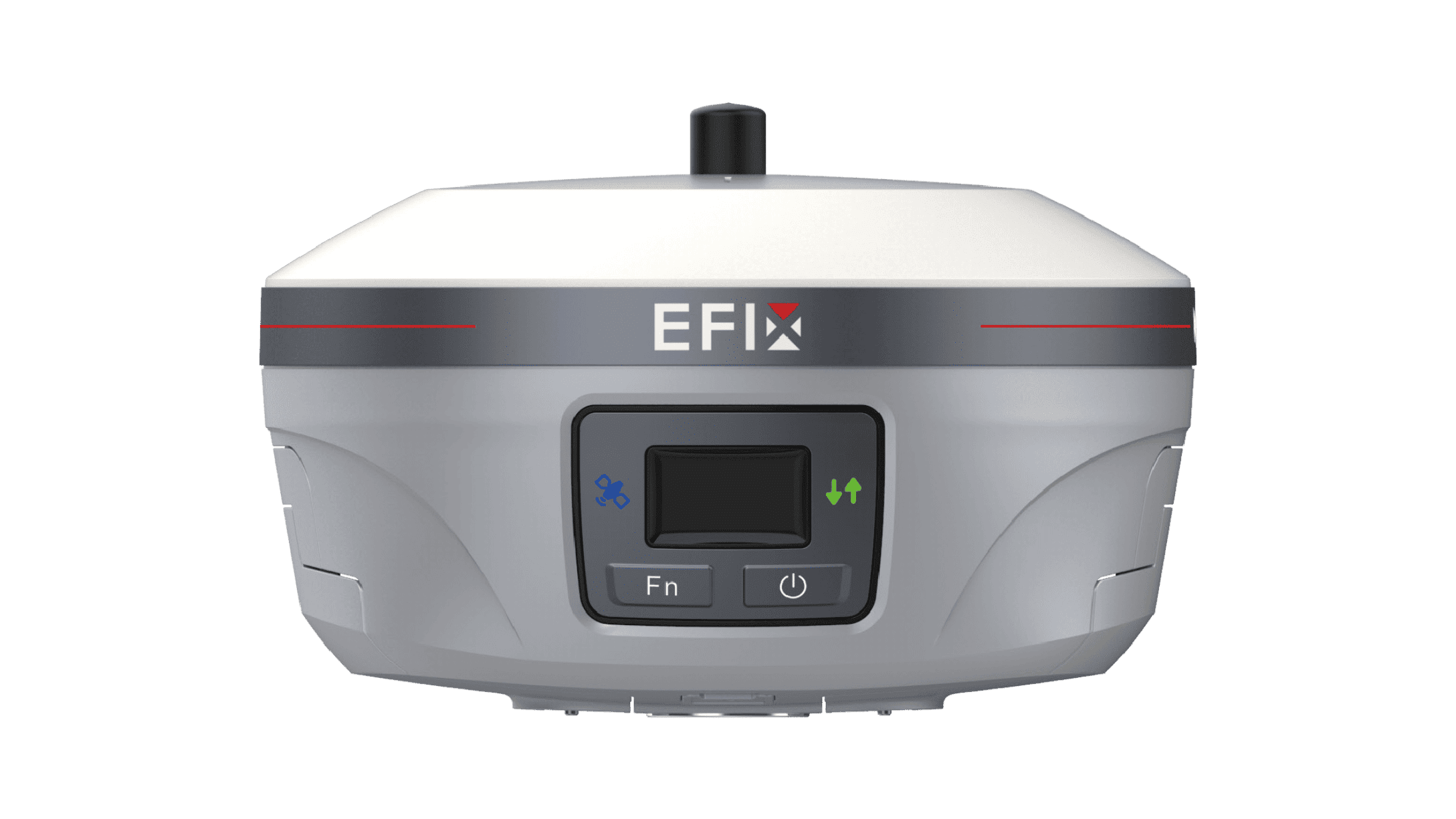
To summarize, a portable GNSS base station is a powerful tool for farmers aiming to optimize their operations. The benefits range from enhancing precision agriculture to improving soil management and streamlining harvesting processes. It's evident how crucial this technology can be for modern farming practices. Our team at EFIX is committed to providing solutions like the eBase GNSS receiver, which integrates seamlessly into UHF base-rover operations tailored specifically for surveyors and agricultural professionals alike.