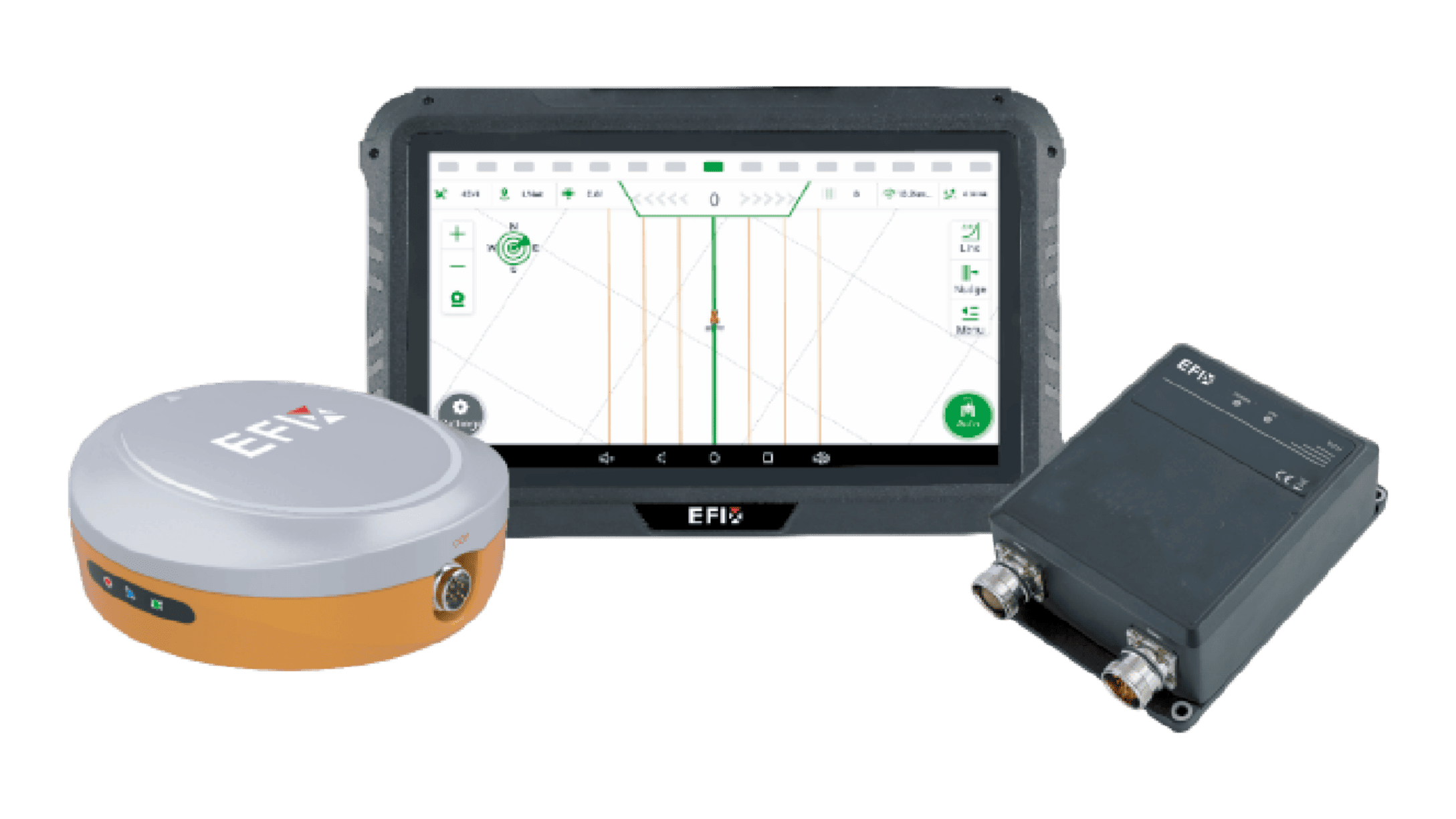
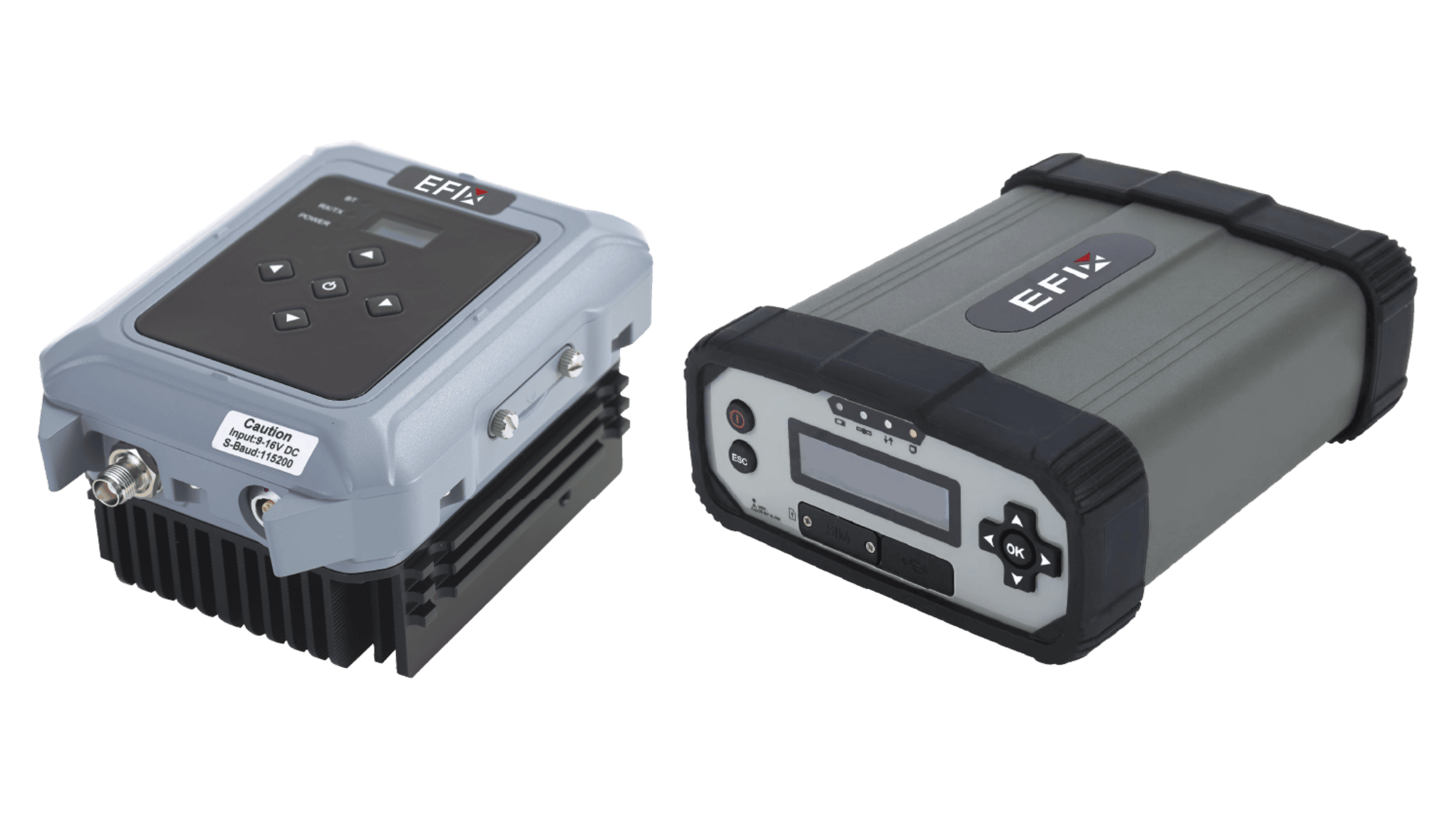
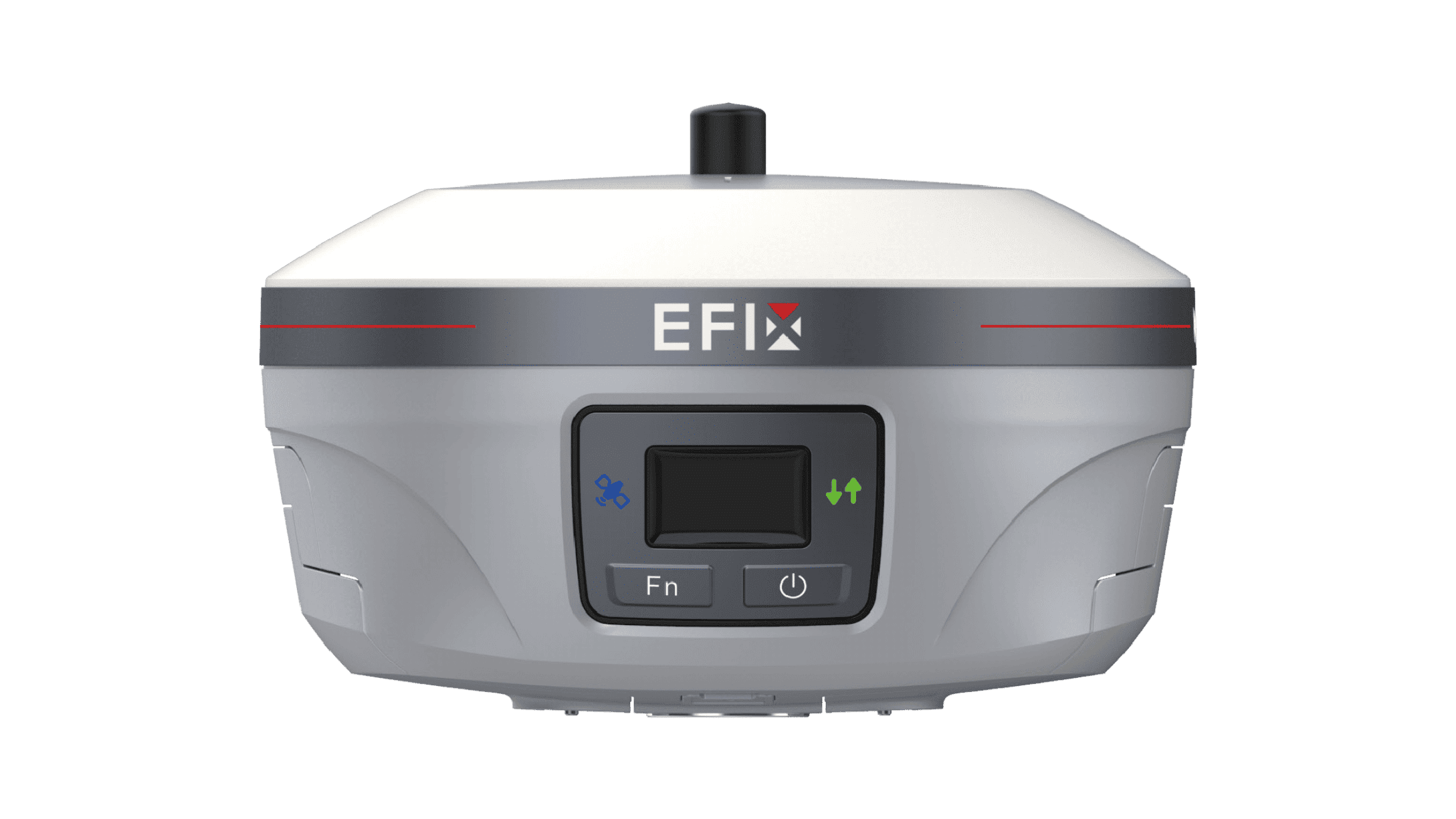
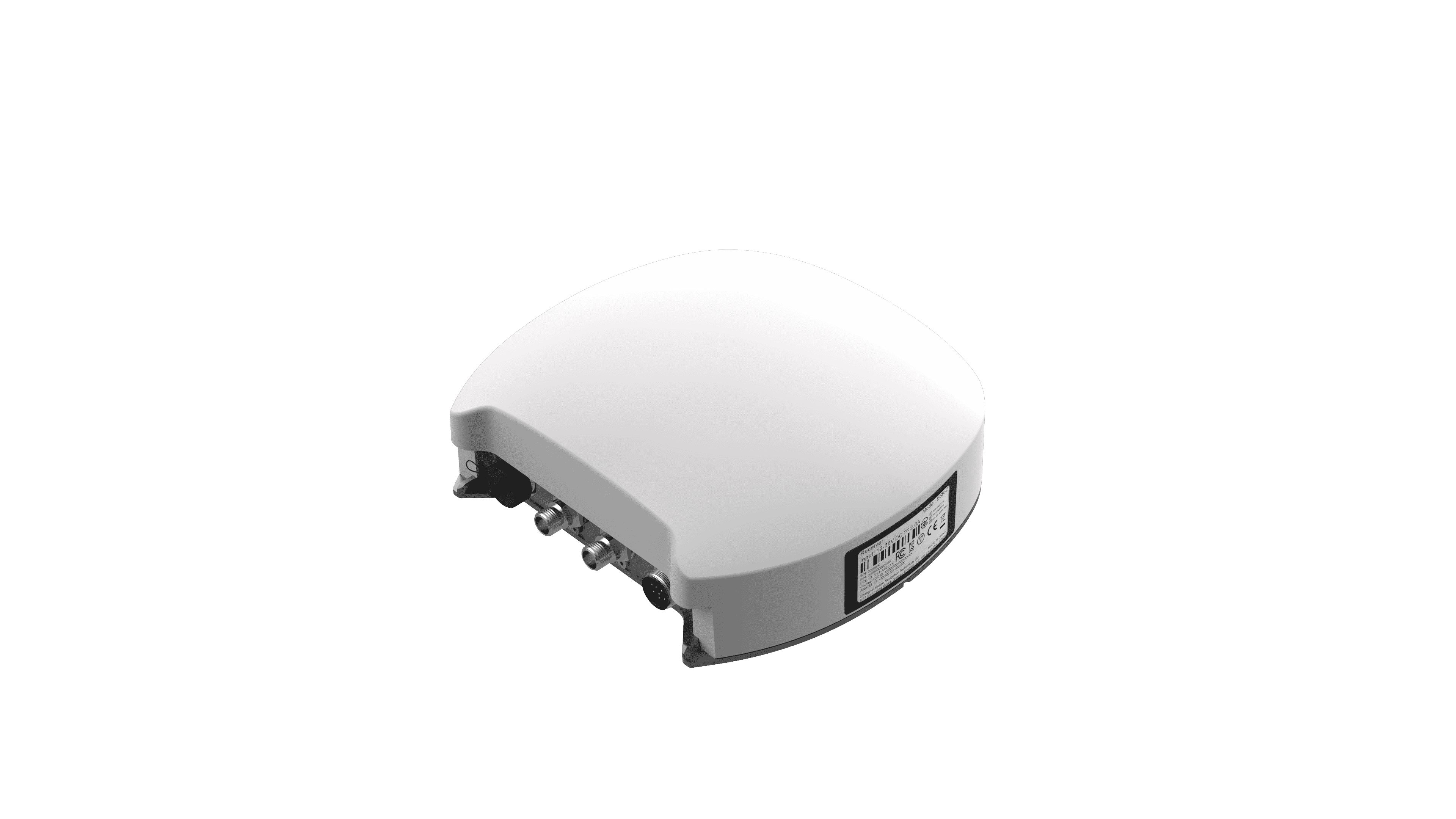
Choosing a GNSS receiver is a critical decision for industries such as agriculture, construction, and transportation. Many factors contribute to how long these devices can reliably function, which is essential for ensuring accuracy and efficiency in various applications. Several key elements influence a receiver's lifespan, including technology advancements, environmental conditions, and maintenance practices.

Environmental Factors That Affect Lifespan
Operating conditions can significantly impact the durability of a GNSS receiver. Extreme temperatures, moisture, and even dust can compromise the functionality of these devices. In harsh outdoor environments, the receiver may be exposed to rain, snow, and prolonged sun exposure, which can increase wear and tear. Additionally, UV radiation can affect the materials used in GNSS antennas, leading to degradation over time. Therefore, it is crucial to consider protective measures when installing the receiver. Protective enclosures or cases can extend the use life of a GNSS receiver, ensuring it continues to perform optimally.
Maintenance and Care Practices
Regular maintenance is essential for extending the lifespan of any GNSS receiver. Keeping the device clean and performing routine checks can help identify potential issues before they become costly problems. Simple maintenance tasks include inspecting connectors for corrosion, cleaning antenna surfaces, and ensuring that all firmware updates are implemented. These practices can not only enhance the performance but also broaden the effective lifespan of the device. A well-maintained receiver can continue operating accurately for many years, which is invaluable for projects where precision is paramount.
Technological Advancements in GNSS Receivers
Recent technological advancements have led to the development of more durable and efficient GNSS receivers. Innovations in design focus on reducing power consumption and increasing the longevity of the devices without the need for external batteries. Integrated features, such as built-in UHF radios, eliminate reliance on bulky external systems. These developments mean that today's receivers can function effectively for extended periods, often surpassing older models in both lifespan and functionality. As technology continues to evolve, users can expect even longer-lasting solutions that enhance performance while minimizing maintenance requirements.
Conclusion
Understanding the lifespan of a GNSS receiver is crucial for making informed decisions in various applications. Factors such as environmental conditions, maintenance practices, and technological advancements play significant roles in determining how long these devices can operate effectively. By focusing on these areas, operators can optimize performance and longevity. At EFIX, we are committed to providing solutions that meet the needs of our users, ensuring they have access to the latest advancements in GNSS receiver technology for years to come.