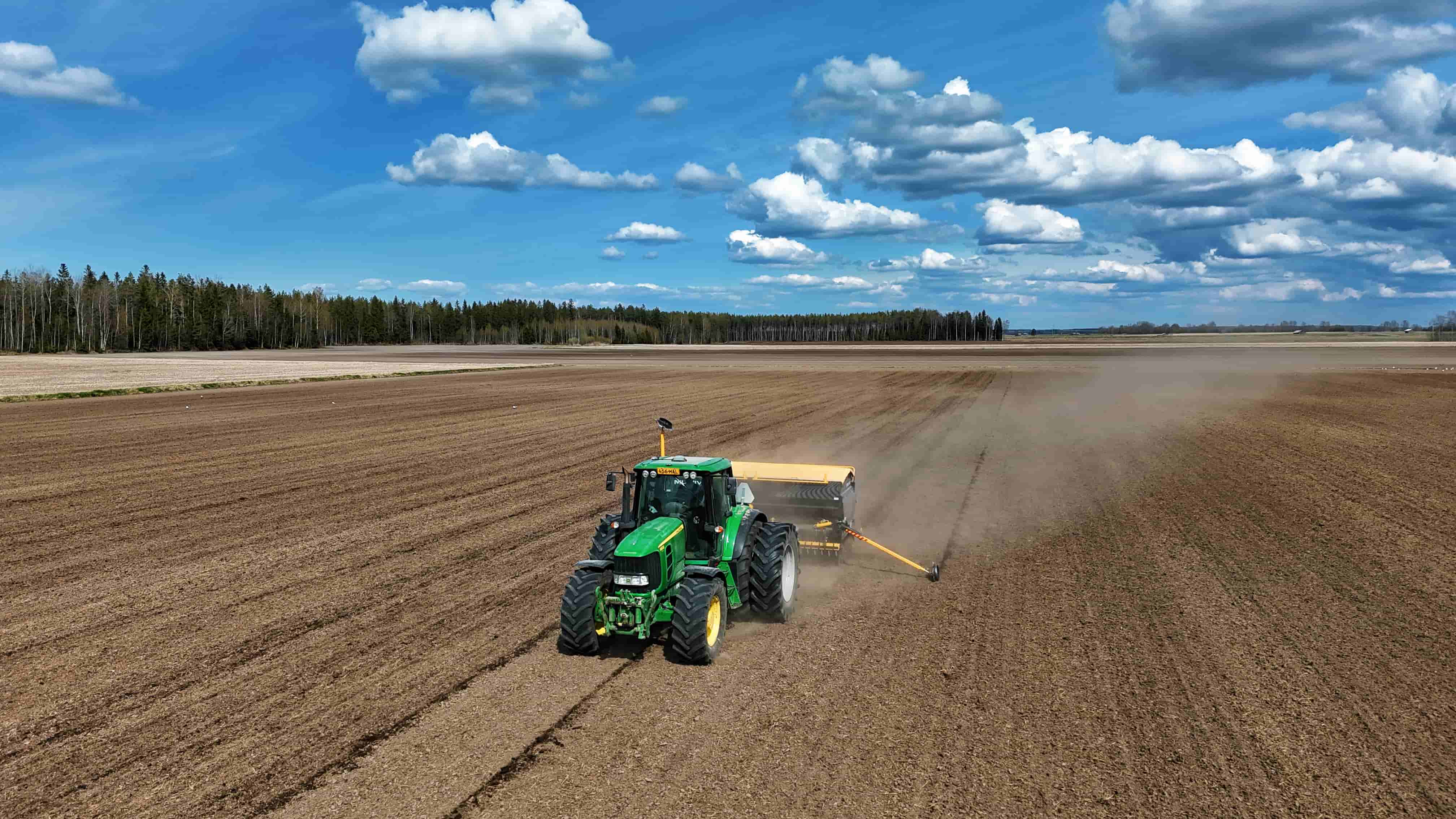
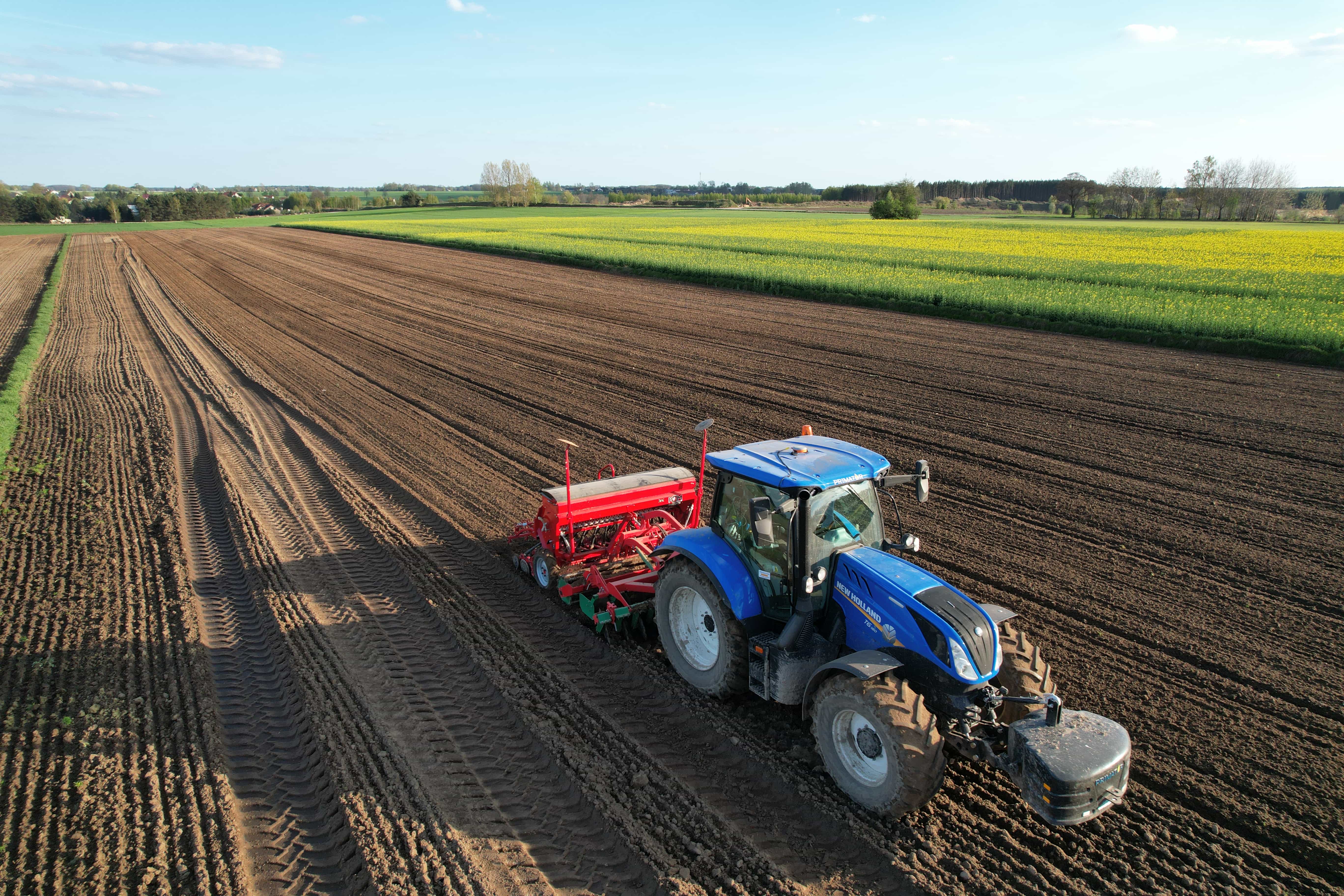
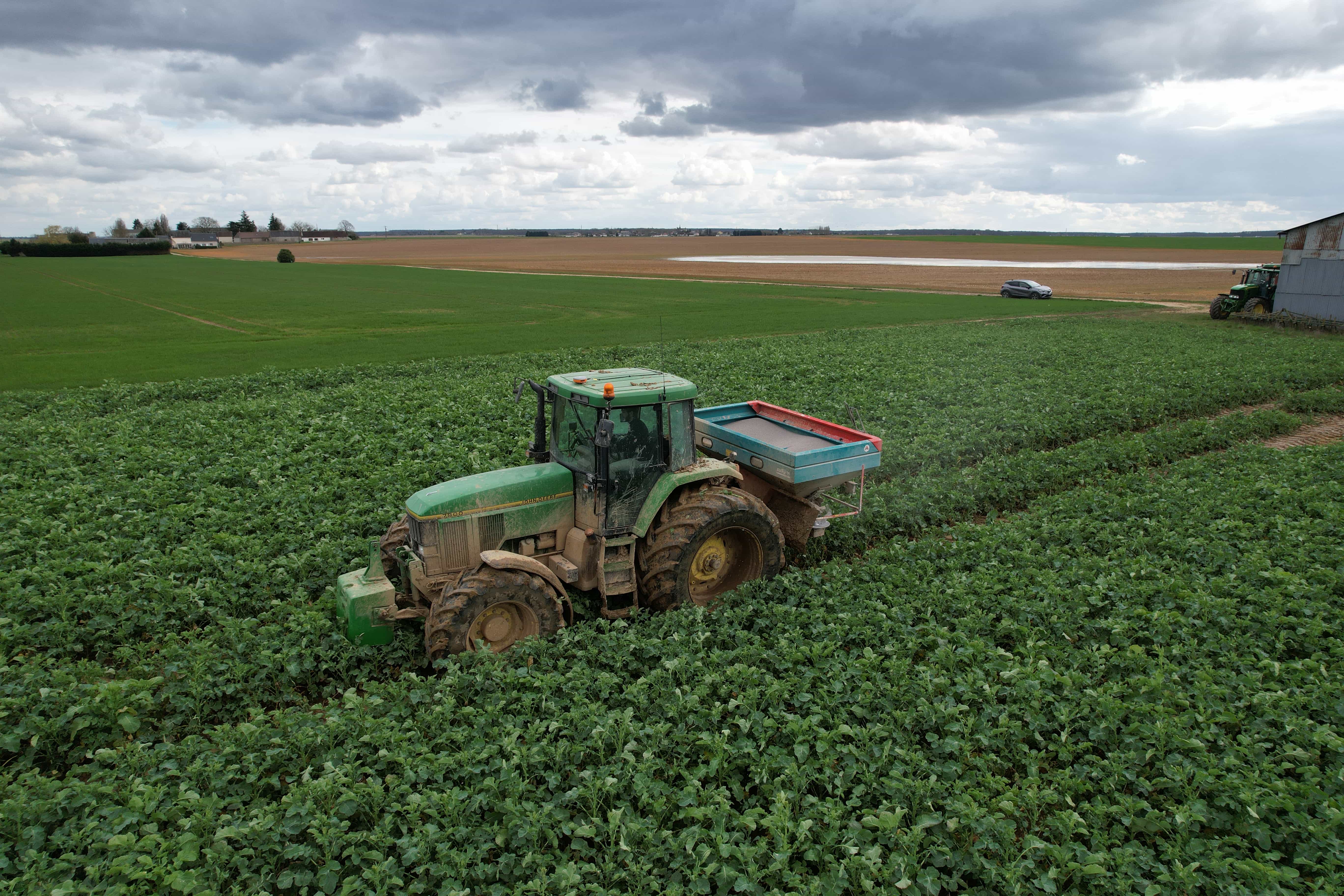
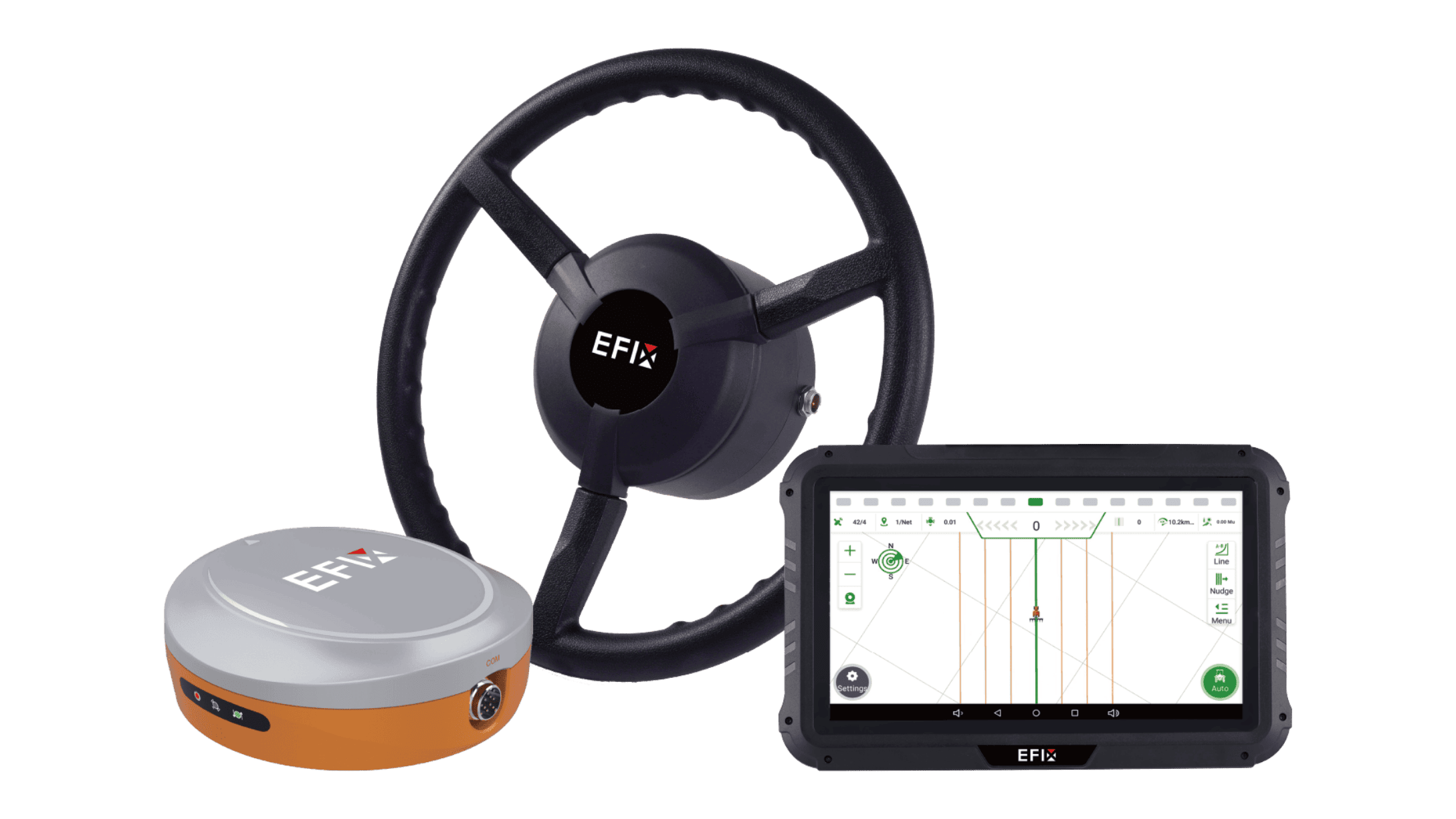
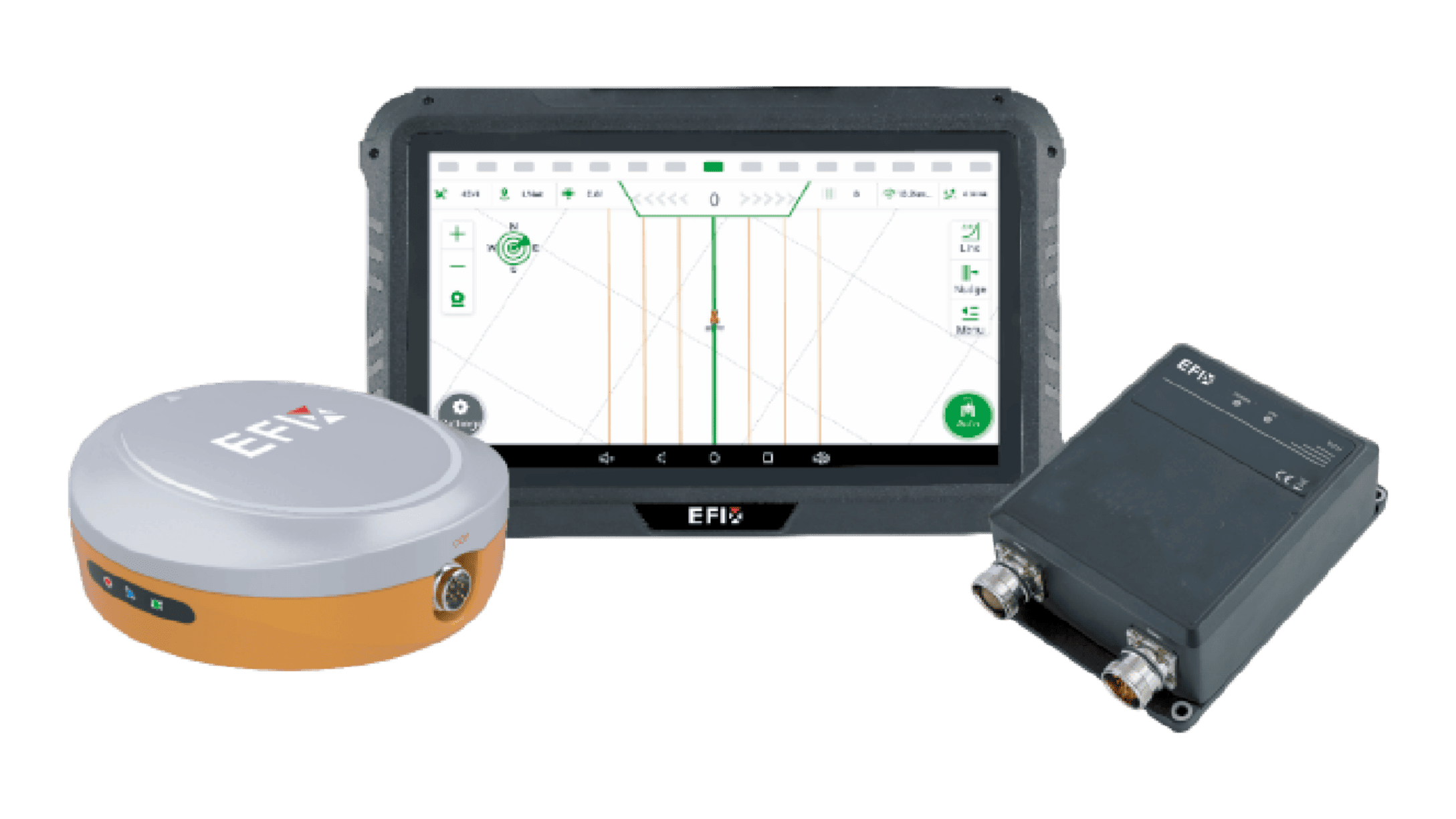
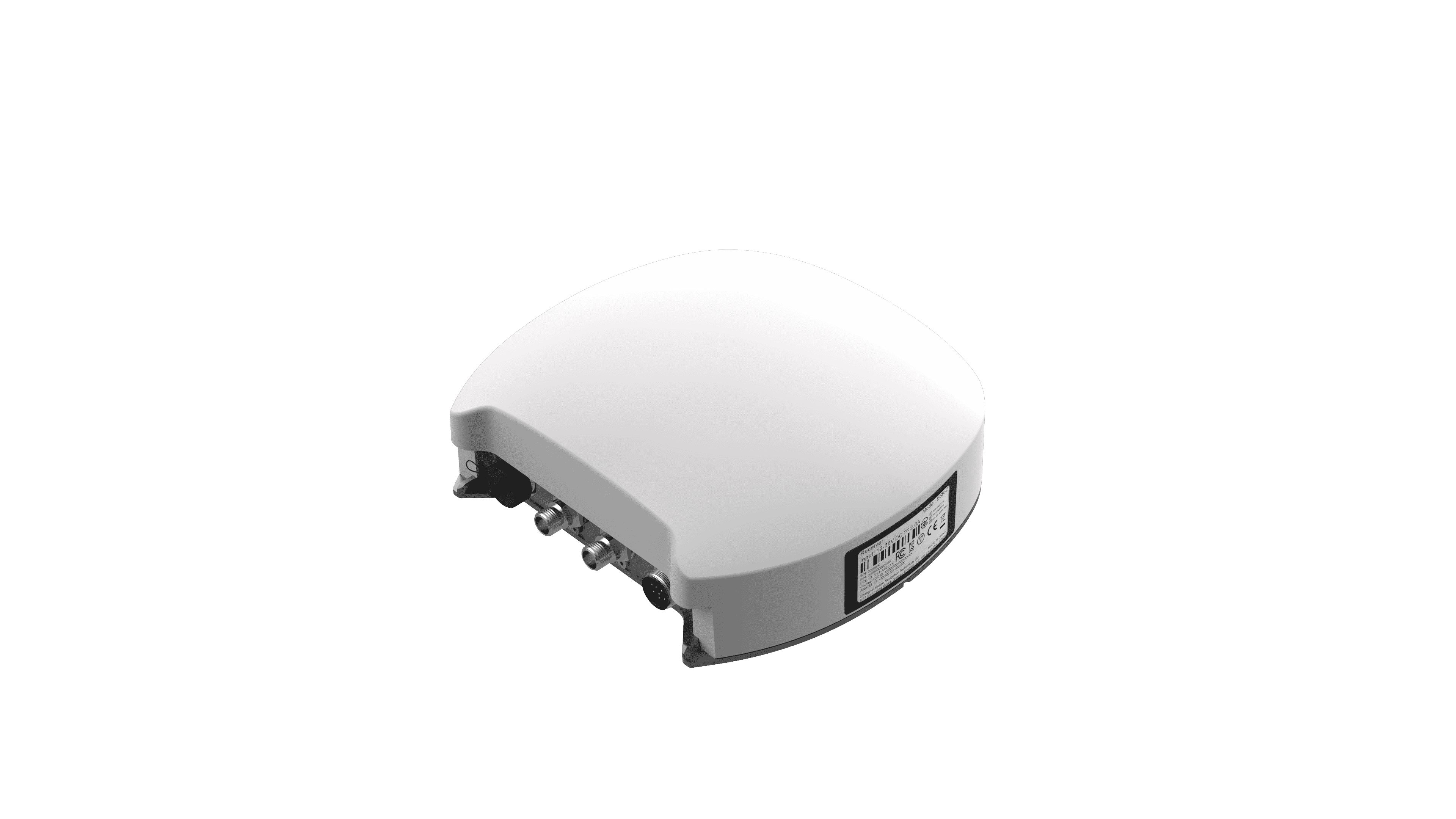
Modern agriculture increasingly relies on technology to enhance productivity, and the GNSS auto steer system has emerged as a pivotal tool in this endeavor. By integrating satellite-based navigation, farmers can achieve remarkable levels of efficiency during crucial planting seasons. Understanding how these systems work sheds light on their benefits, ensuring that farmers can make informed decisions in their operations.
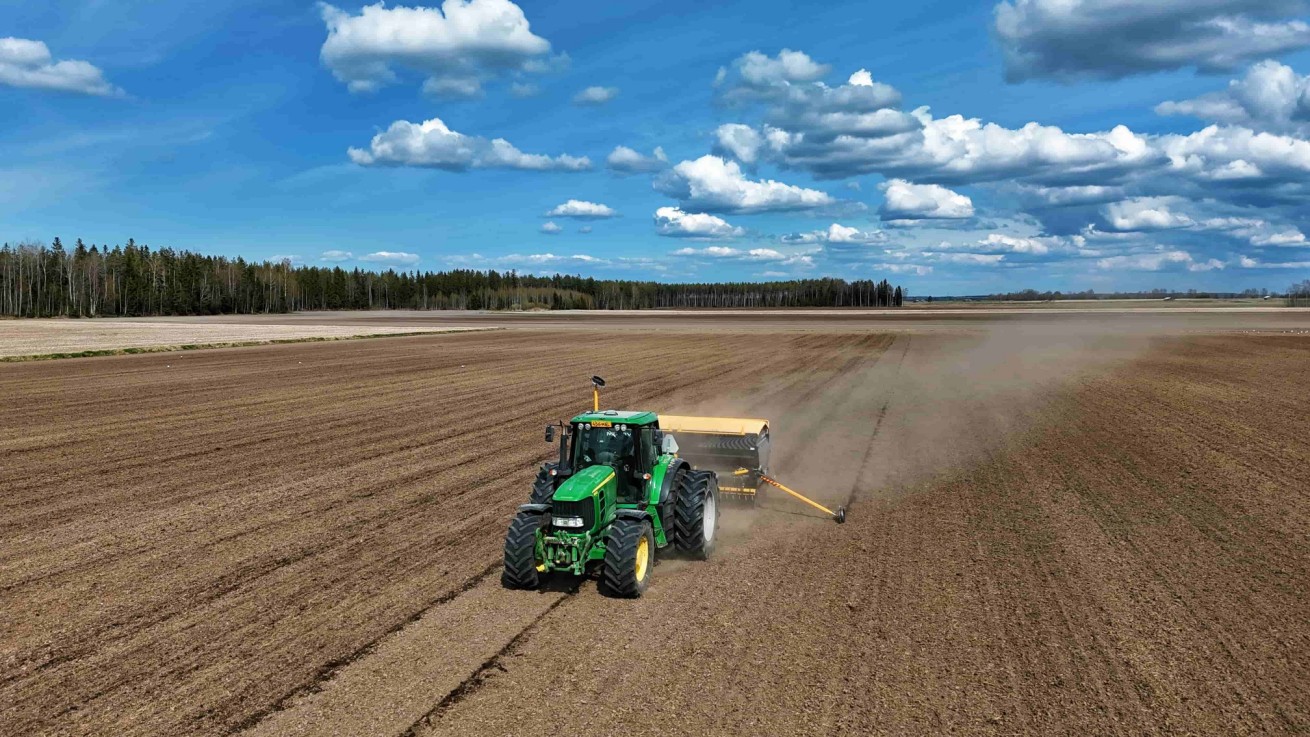
Understanding the GNSS Auto Steer System
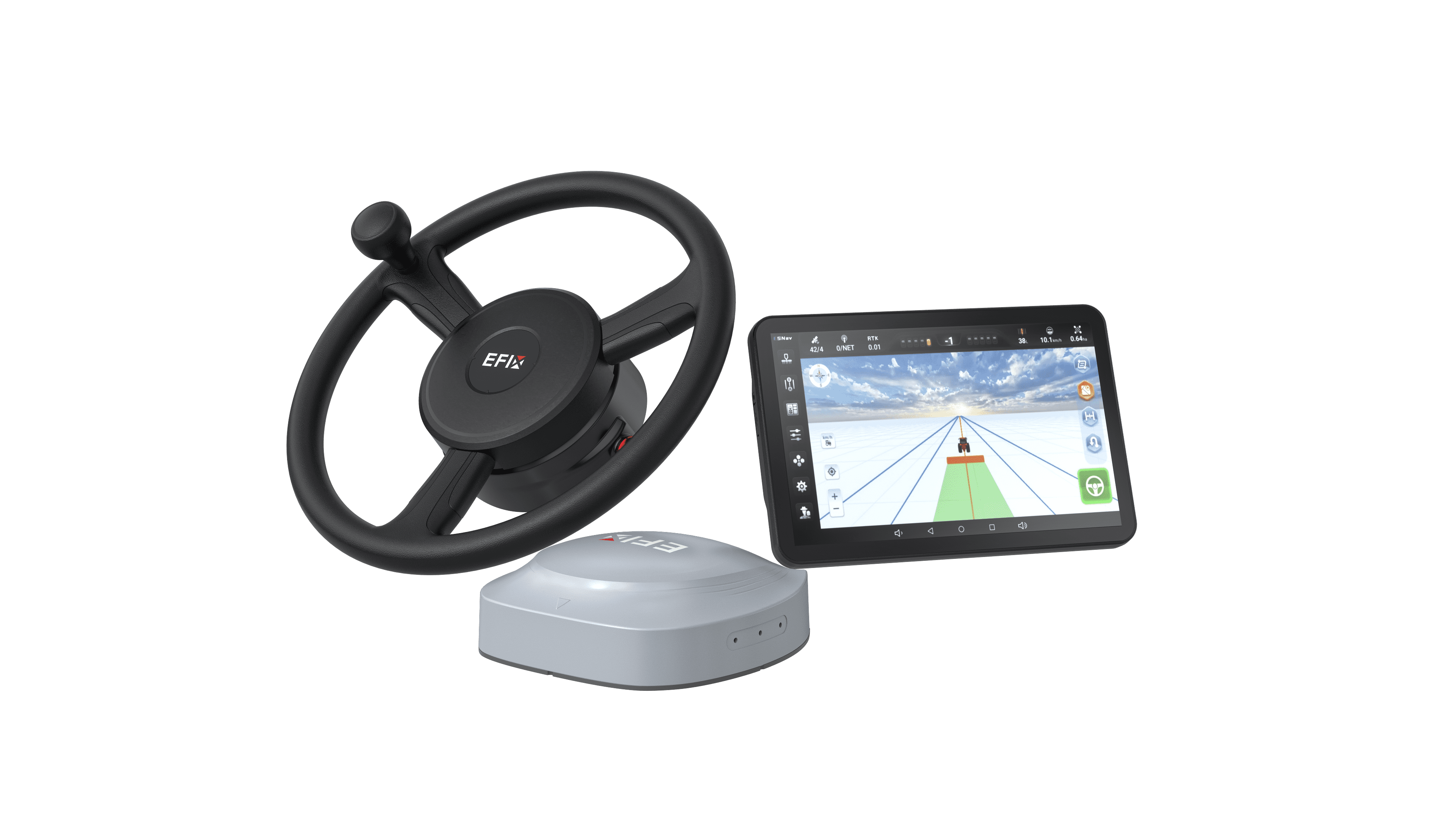
The foundation of a GNSS auto steer system revolves around its ability to receive signals from multiple satellites. By triangulating these signals, the system can accurately determine the tractor’s position on the field. This advanced positioning enables the tractor to follow a predetermined path with pinpoint accuracy. The software processes the data in real-time, ensuring that the tractor adjusts its steering as needed to maintain that path. This automated precision allows farmers to focus on other aspects of their operation, ultimately maximizing efficiency.
Benefits of Implementing Automated Steering Technology
Employing a GNSS auto steer system significantly reduces operator fatigue and enhances comfort during long hours of operation. The precision offered by automated steering means that operators spend less time manually adjusting the steering in response to field contours, which can be both tiring and inconsistent. Additionally, this technology minimizes overlapped passes in the field, leading to optimized input usage. As a result, the cost savings on seeds, fertilizers, and chemicals can be considerable, allowing for more sustainable agricultural practices.
Enhancing Data Integration and Field Management
An often-overlooked aspect of GNSS auto steer systems is their ability to integrate with other precision agriculture technologies. These systems are equipped to work in tandem with field mapping software, allowing operators to utilize data about their fields effectively. This integration provides insights into soil health, moisture levels, and crop performance, enabling farmers to make more informed decisions. Real-time data allows for adjustments in the operation to be made instantly, ensuring that every inch of the field is managed optimally.
Challenges and Considerations in Adoption
While the benefits of a GNSS auto steer system are impressive, it’s essential to consider the potential challenges in adopting this technology. Initial costs can be a barrier for some farmers, leading to hesitance in integrating this innovative system into their current practices. Additionally, technical support and ongoing maintenance are crucial for long-term effectiveness. Having a knowledgeable team is vital to troubleshoot issues whenever they arise, ensuring that the system operates smoothly throughout the planting season.
Conclusion
As agriculture continues to evolve, the introduction of precision technologies like the GNSS auto steer system marks a significant shift towards more efficient and sustainable practices. Implementing this system translates not just to immediate cost savings but also to enhanced productivity and long-term viability in farming strategies. At EFIX, we offer advanced GNSS auto steer systems that enable farmers to harness the full potential of their operations, emphasizing precision and efficiency during the critical planting seasons. By investing in automated steering solutions, farmers can focus on cultivating the future of agriculture.