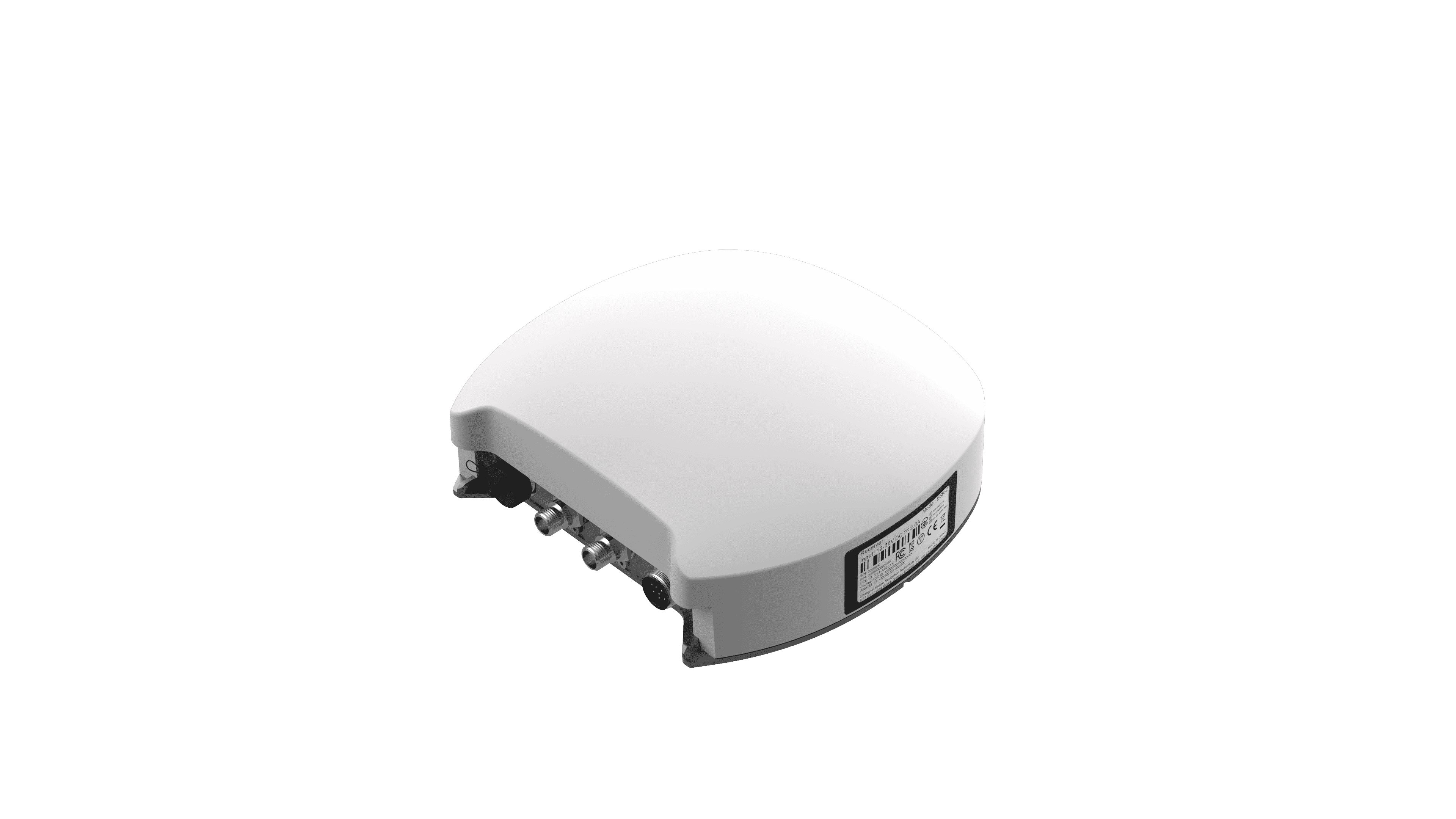
Modern agriculture relies on more than advanced machinery. It also depends on reliable data, accurate positioning, and systems that can work together across different equipment. This is why understanding precision farming standards and regulations is becoming more important for growers and agricultural technology providers. These standards and regulations may cover positioning accuracy, data communication, equipment compatibility, radio signals, and environmental requirements. The exact rules can vary between countries and regions. Farmers should therefore understand both local regulations and the technical specifications of the systems they plan to use.

Key Standards Behind Precision Farming Systems
There is no single global standard that covers every part of a precision agriculture system. Instead, different standards and technical requirements may apply to positioning systems, agricultural machinery, electronic communication, and data exchange. GNSS-based systems are often evaluated based on their positioning accuracy and reliability. The correction source used by a system can also affect its performance. For example, basic positioning may be suitable for some field tasks, while high-accuracy correction is more suitable for operations that require precise machine paths. Interoperability is another important consideration. Systems that can communicate with different equipment and data platforms may be easier to integrate into existing farm operations.
Regulations and Data Considerations
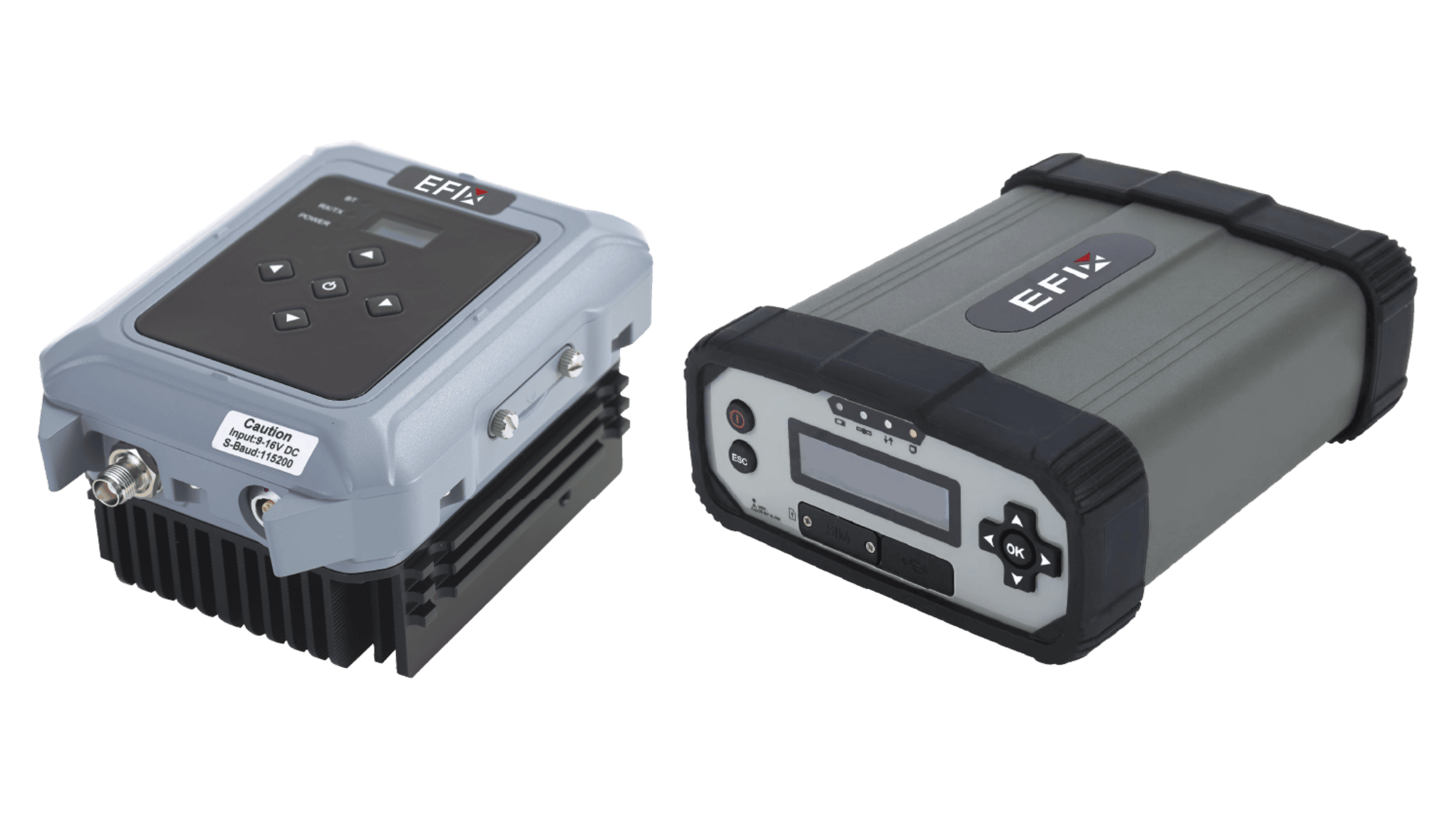
Regulatory requirements can differ depending on where agricultural technology is being used. Wireless communication equipment may need to comply with local radio frequency rules. Machinery equipped with automated functions may also need to meet applicable safety requirements. Data management is another growing area of concern. Modern farm systems can collect information about field boundaries, machine operations, crop conditions, and production activities. Farmers should understand how this data is collected, stored, shared, and protected. At EFIX, we recognize that technical performance is only one part of a complete solution. We also consider local service needs and system integration so that our technology can fit different operating environments and support responsible use of agricultural data.
Why Accuracy and System Compatibility Matter
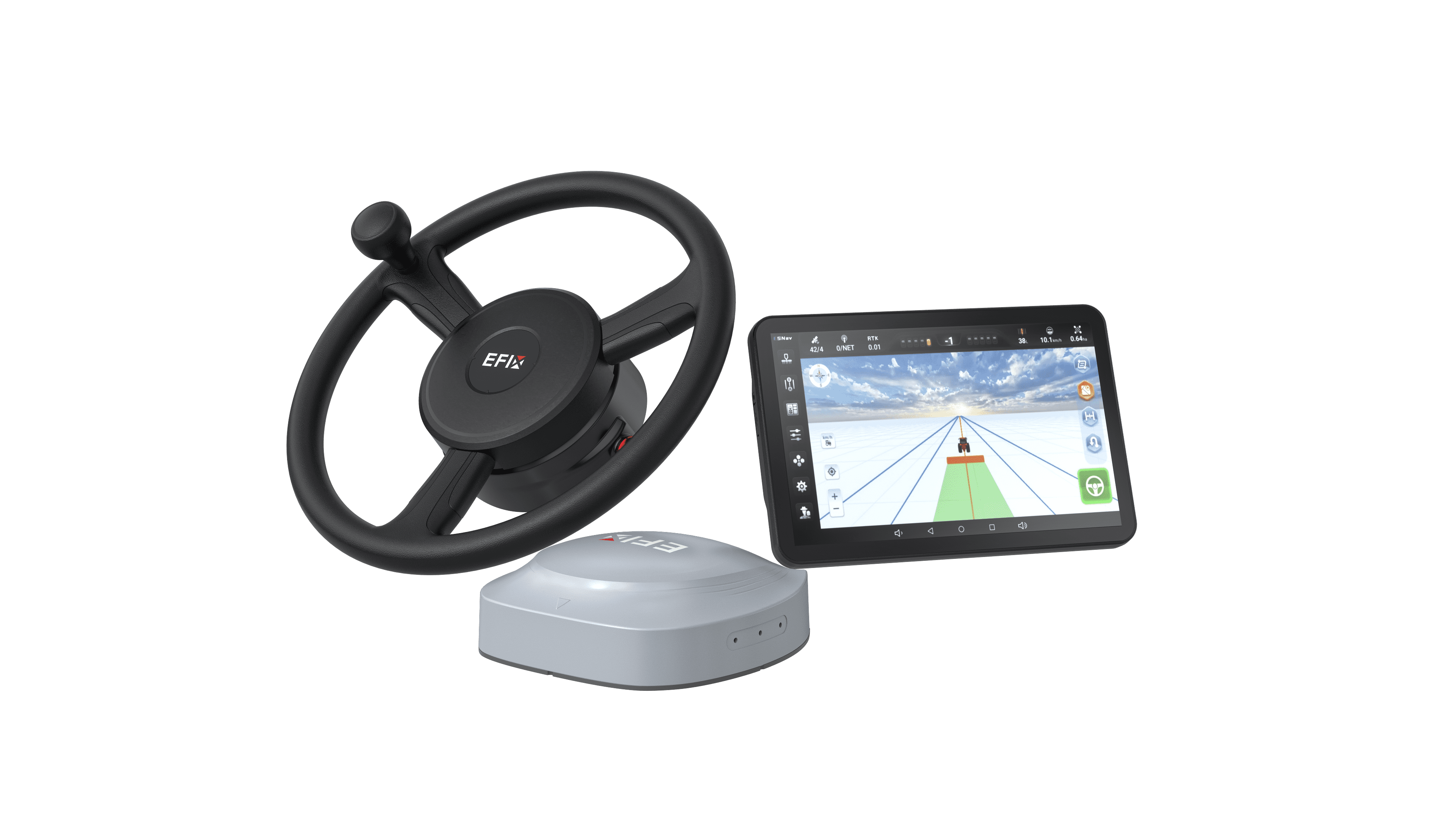
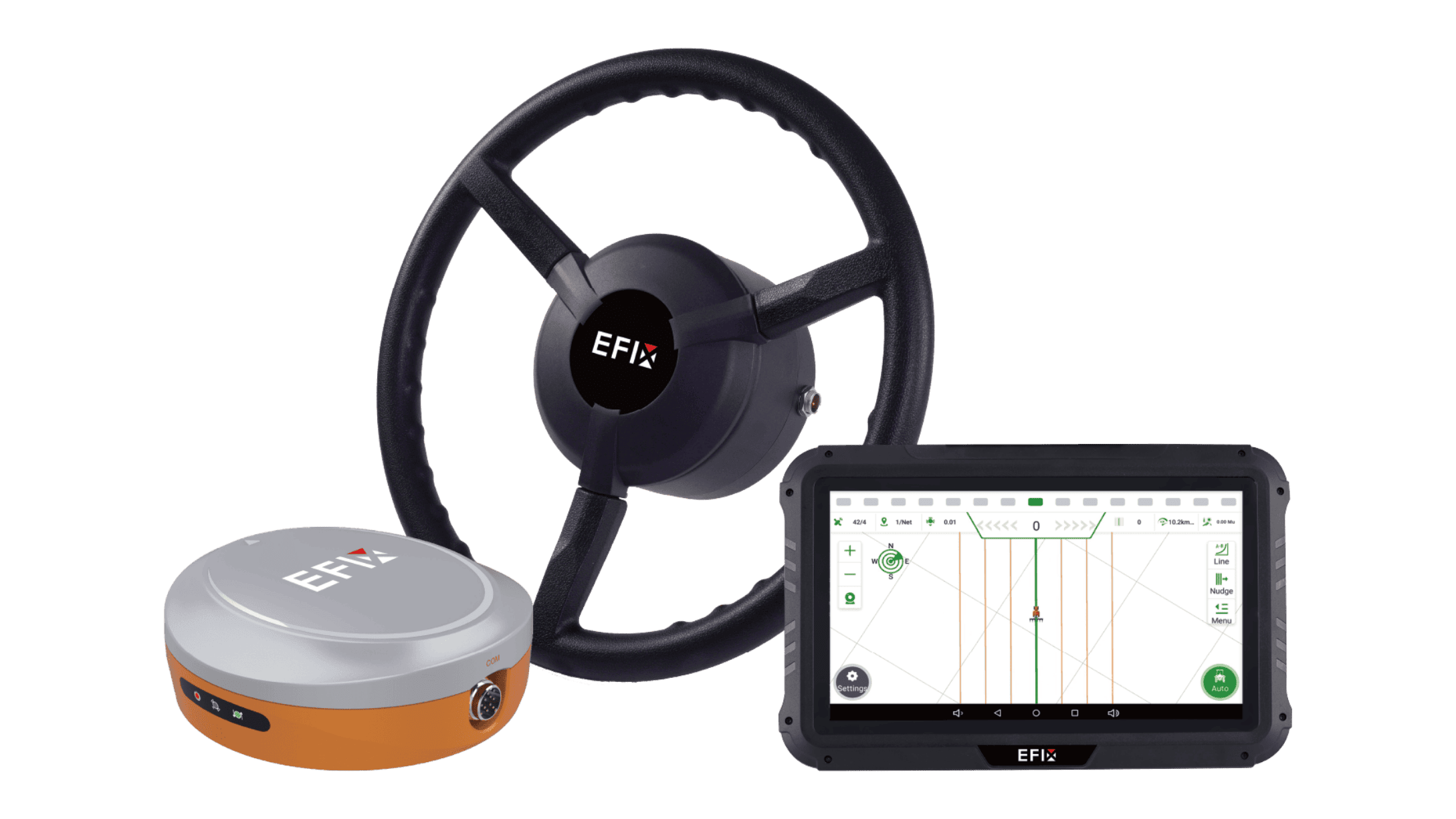
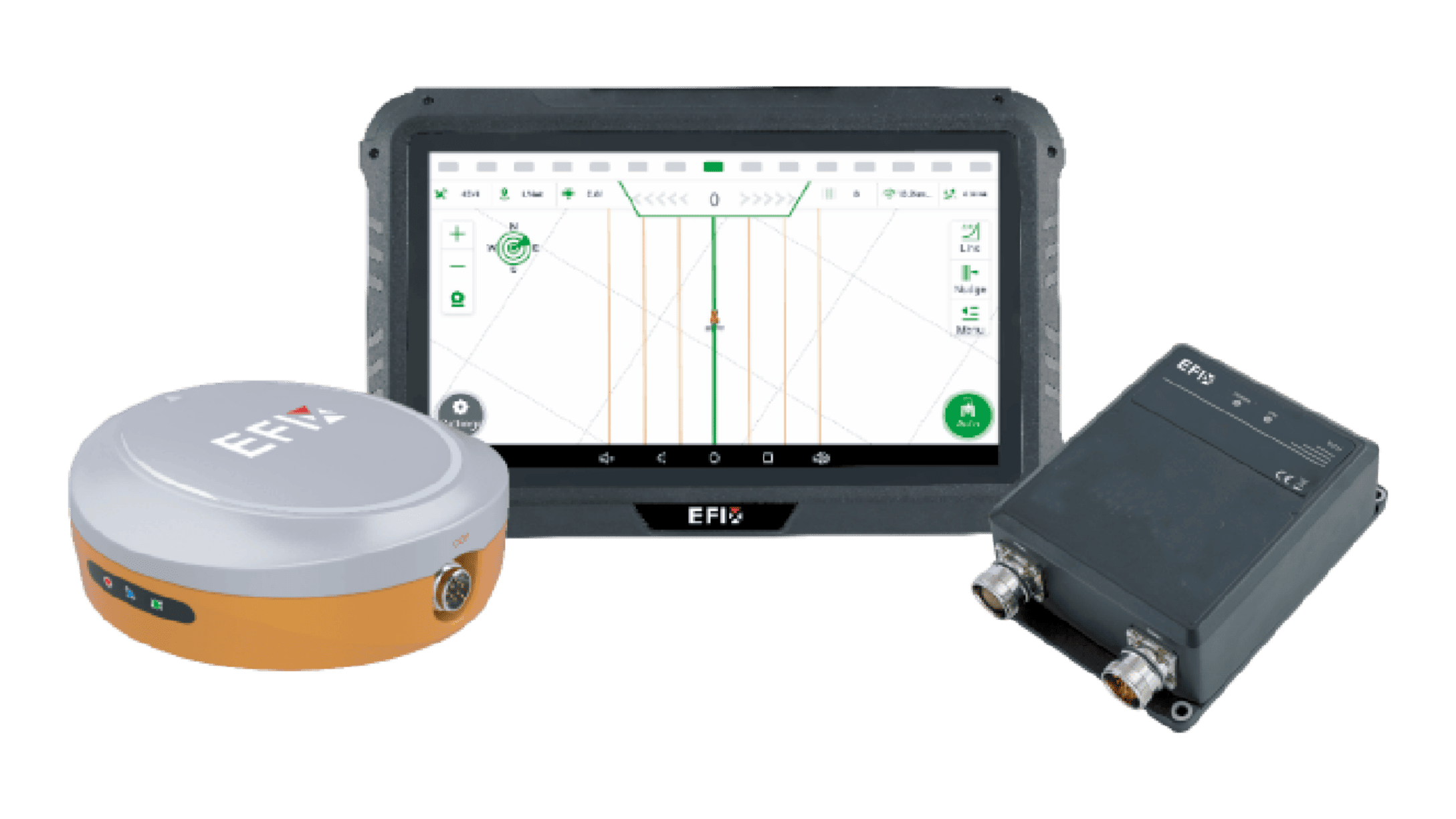
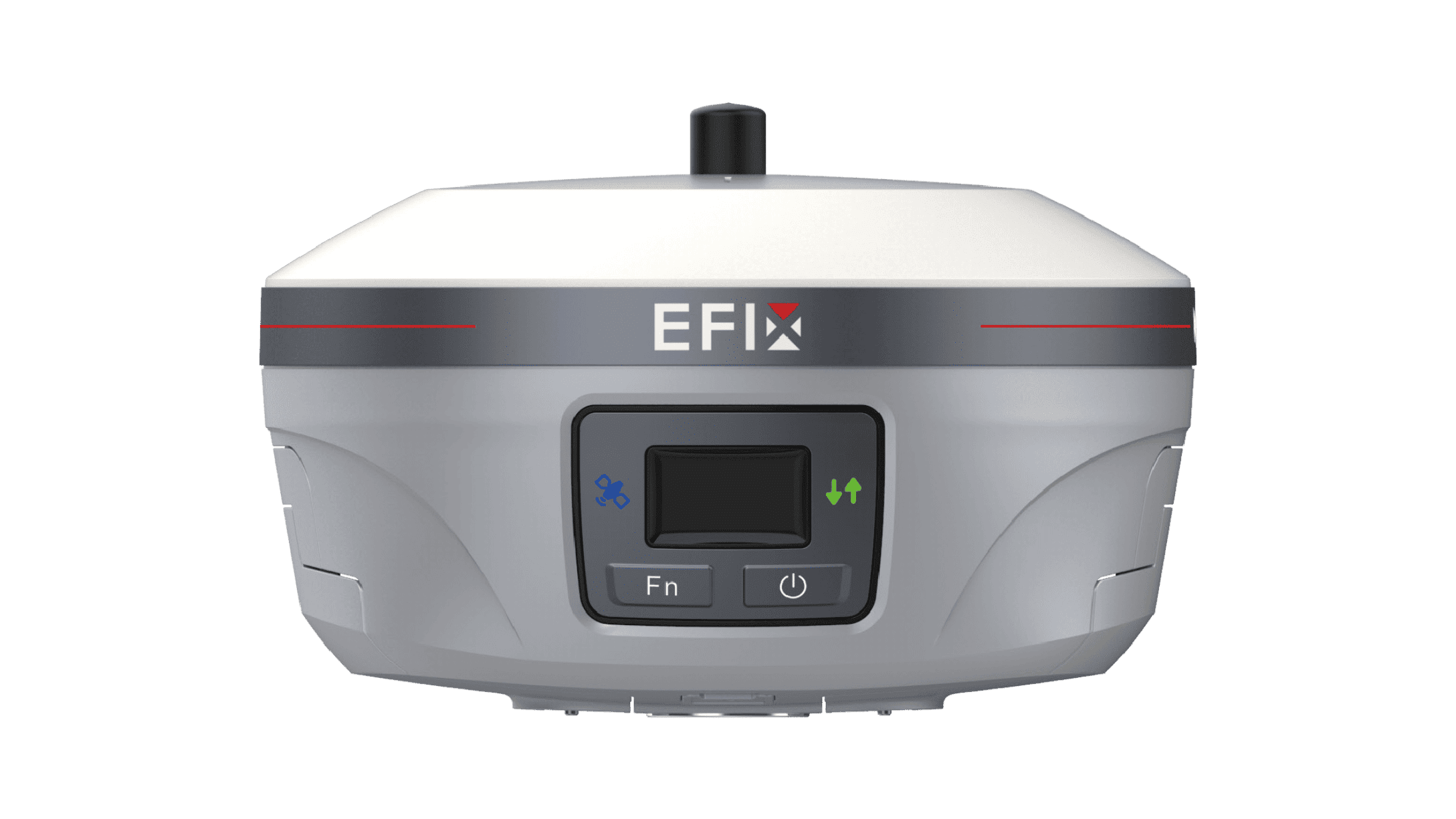
Accuracy is one of the most important technical factors when evaluating a precision agriculture system. Different farming tasks require different levels of positioning performance. Planting, row cultivation, and repeatable field passes may require greater accuracy than basic navigation. Our products can provide positioning accuracy of up to ±2.5 cm, helping support applications where precise machine guidance is important. However, accuracy should not be viewed in isolation. Signal conditions, correction services, satellite visibility, equipment setup, and field conditions can all affect real-world results. At EFIX, we focus on practical system performance and compatibility because reliable precision agriculture depends on how different technologies work together in the field.
Conclusion
Understanding precision farming standards and regulations can help growers make more informed technology decisions. Instead of focusing only on positioning accuracy or individual features, it is useful to consider local requirements, data management, equipment compatibility, and operational needs together. Regulations may change between regions, so checking current local requirements is an important step before deployment. For us at EFIX, the goal is to make precision agriculture technology practical and accessible for farms of different sizes.