on manual alignment, which can lead to overlapping tracks, higher fuel consumption, and uneven crop distribution. Modern agricultural practices focus on minimizing these inefficiencies by introducing smart solutions that optimize every stage of field preparation and crop maintenance.

The Impact of Field Accuracy on Crop Yields
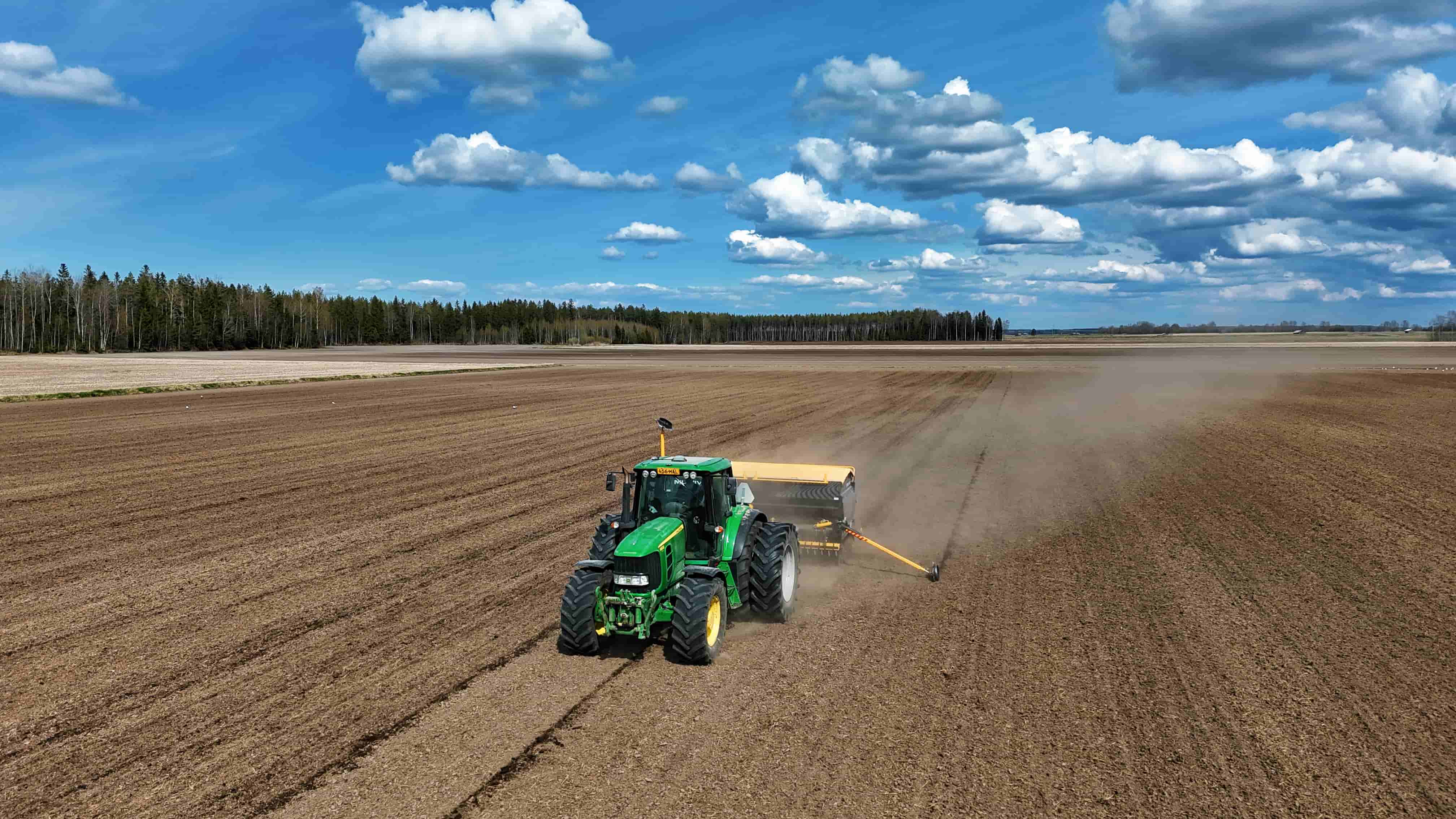
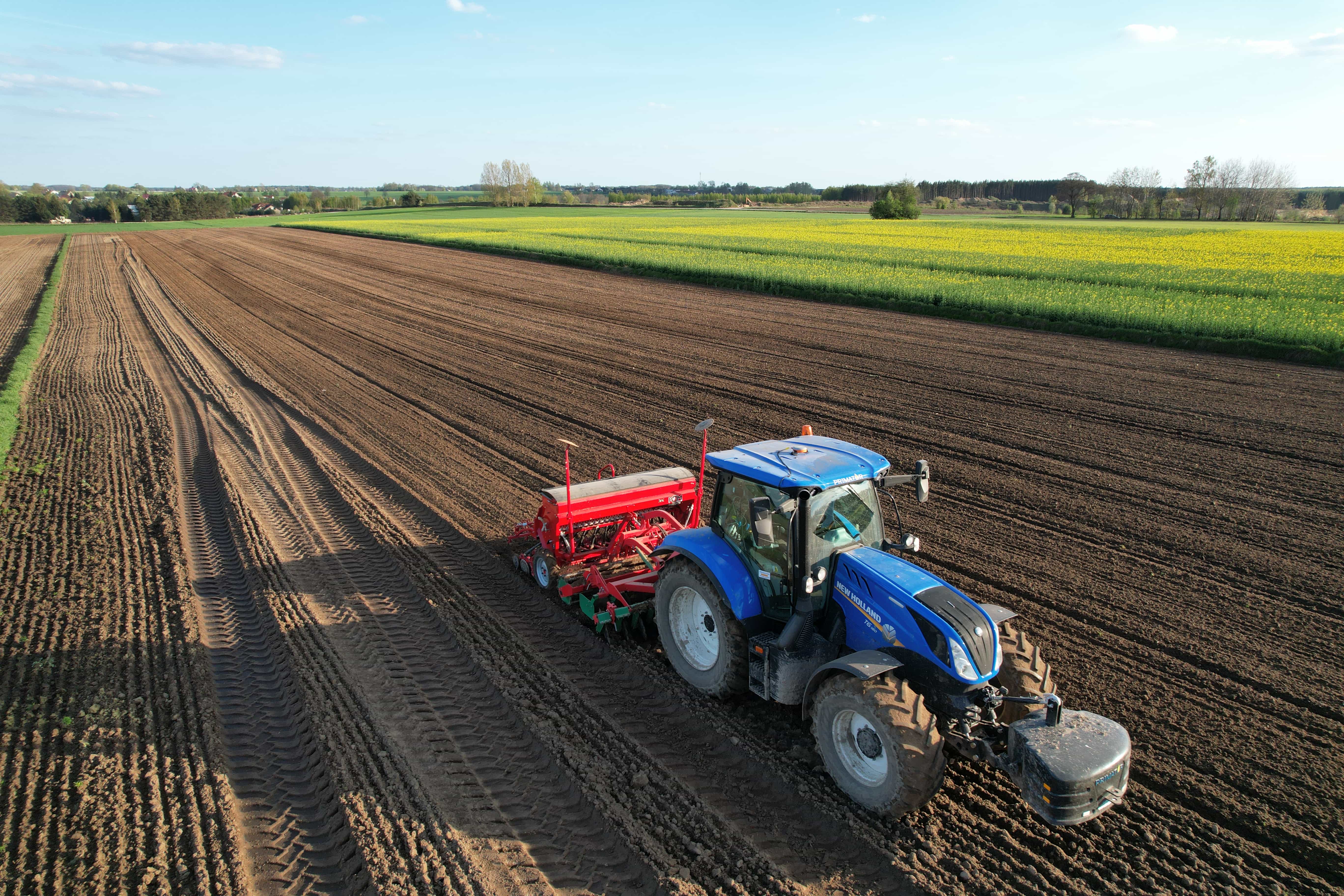
Successful crop production begins with meticulous planning during tilling, planting, and fertilizing. Small errors in spacing or alignment multiply across extensive acreage, resulting in wasted inputs and reduced overall yields. Modern farming operations require consistent patterns to protect soil structure and ensure uniform plant growth. Adopting reliable field systems allows operators to maintain straight lines, reducing fatigue and saving valuable hours during busy seasons.
How Automated Guidance Transforms Fieldwork
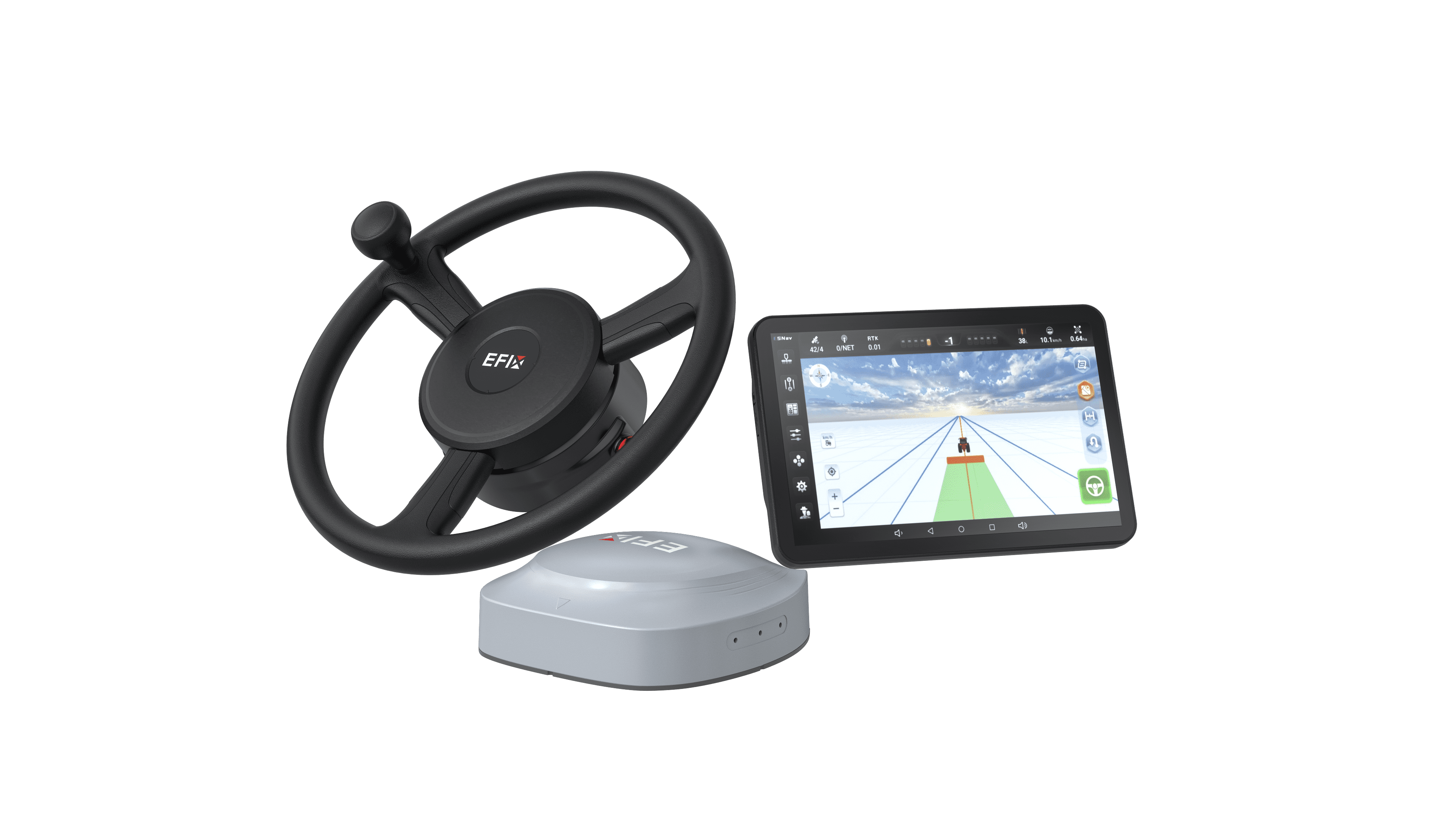
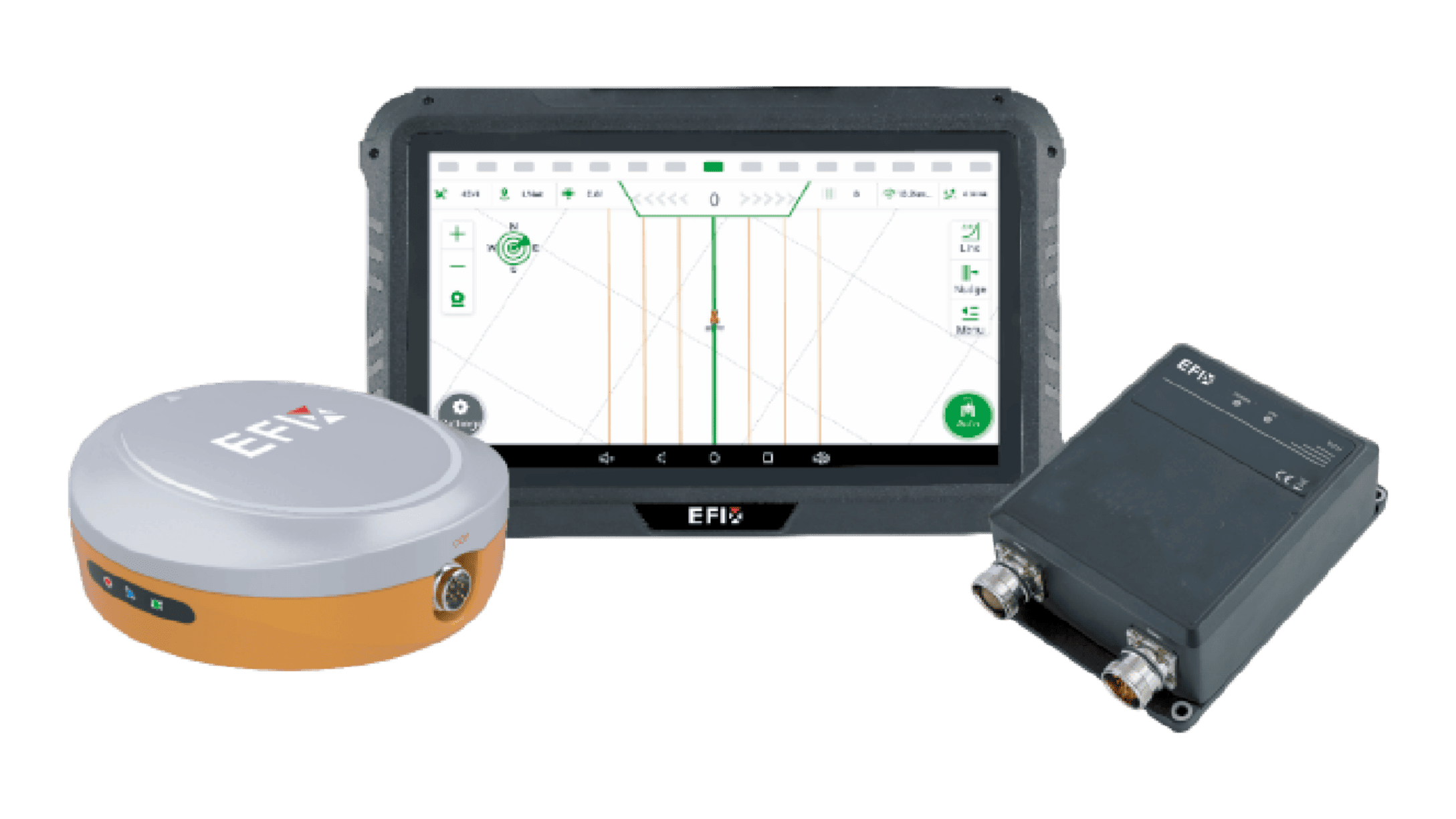
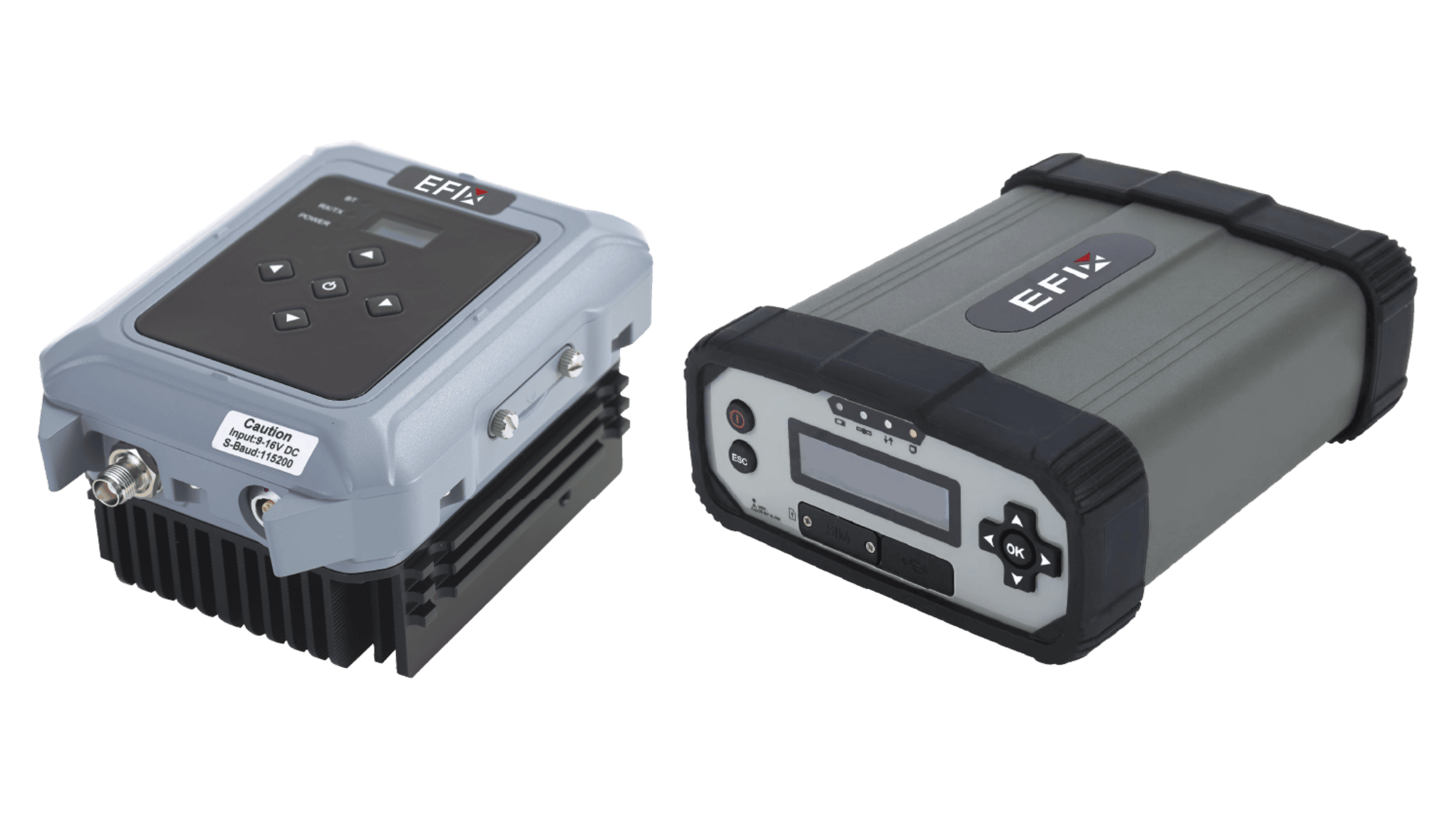
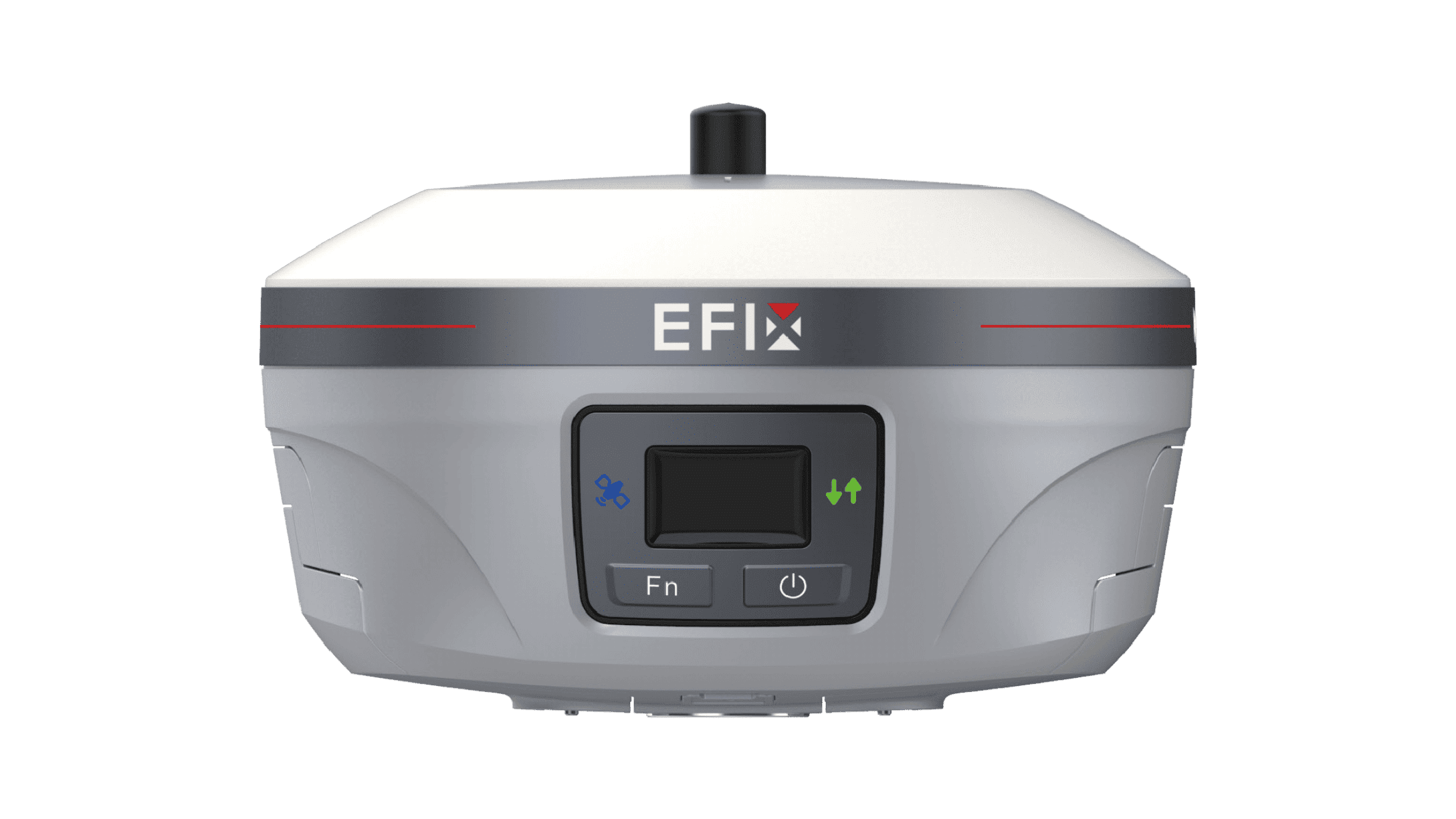
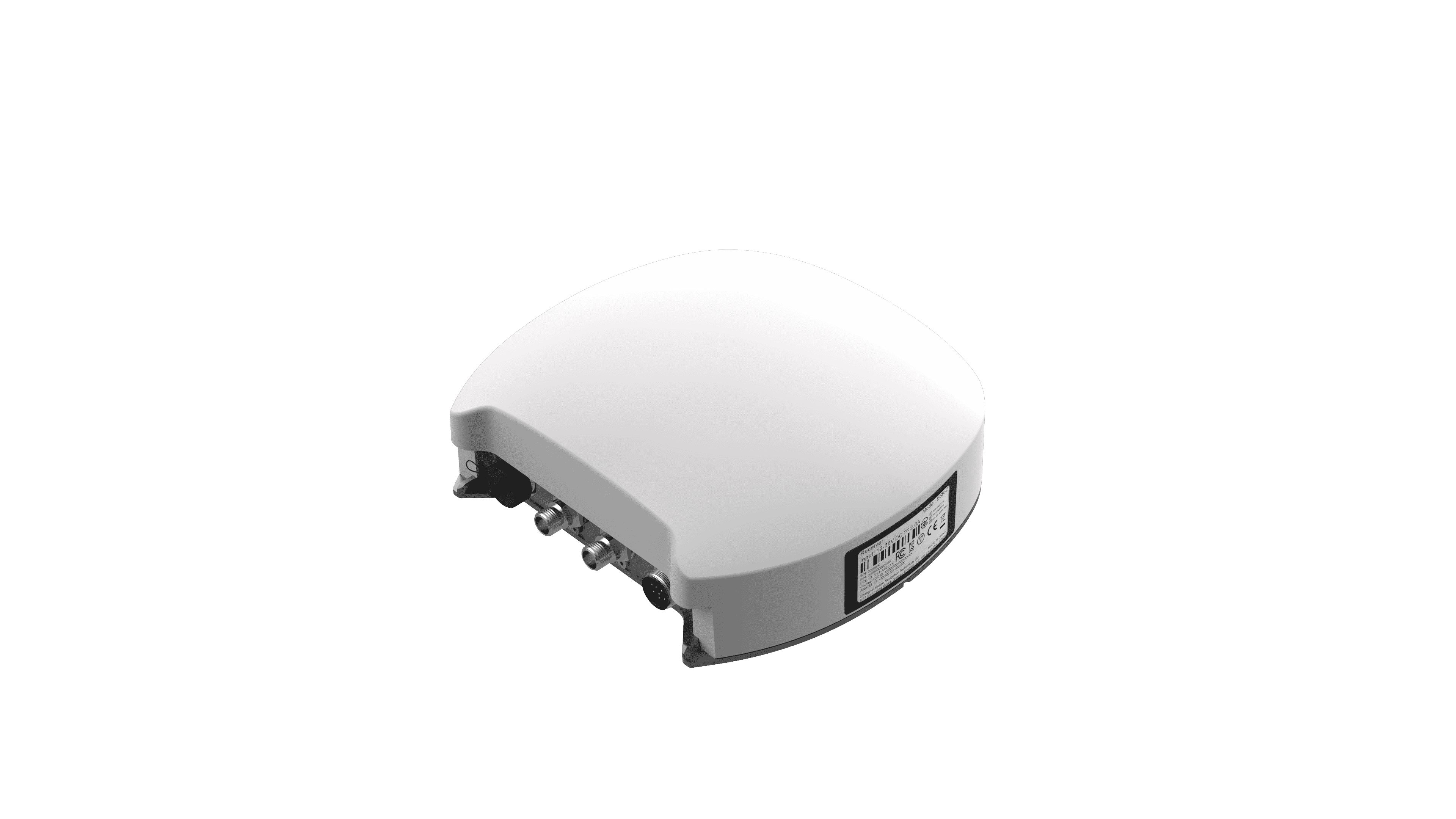
Integrating precision farming equipment into everyday fieldwork transforms how tractors and harvesters navigate complex terrain. Automated guidance systems utilize satellite signals to steer machinery along exact preplanned paths with remarkable consistency. At EFIX, our team creates hardware designed to support smooth and reliable execution on the ground. By utilizing our technology, operators can achieve an accuracy of ±2.5 cm in any situation, keeping every pass precise regardless of weather or visibility challenges.
Economic and Environmental Advantages for Farms
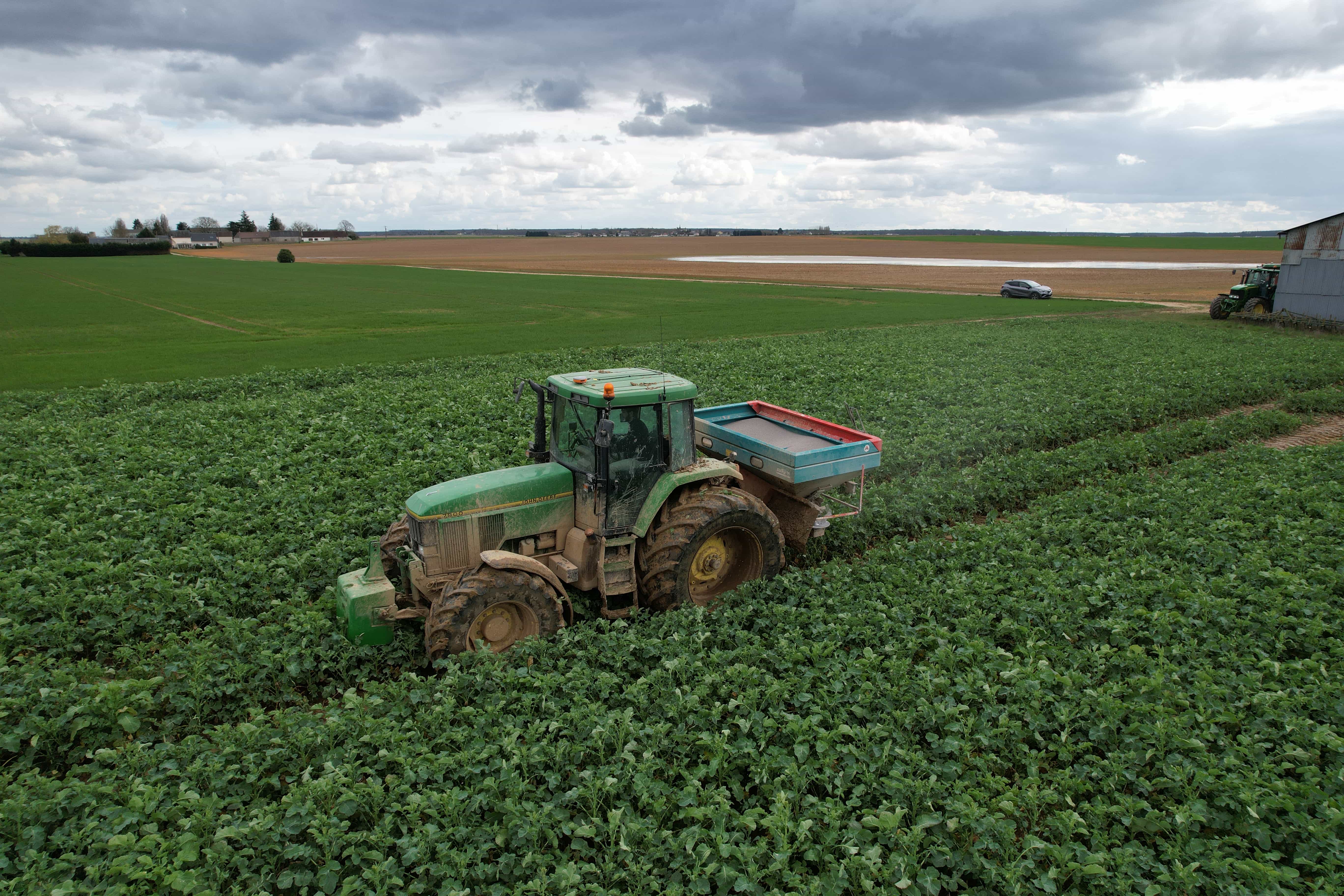
Embracing automated field technology brings lasting advantages that extend far beyond immediate cost reductions. Minimizing overlap protects local soil health by reducing unnecessary compaction and ensures that water and nutrients stay strictly where crops need them. Agricultural enterprises that adopt these digital systems build a strong foundation for long-term productivity and stable annual harvests. Over multiple seasons, these efficiency gains compound, turning precision technology into a strategic asset that pays dividends in both yield stability and environmental stewardship.
Preparing Farms for Future Agricultural Demands
As global food demands rise, agricultural businesses must continuously look for ways to optimize their day-to-day operations. Adopting modern technological solutions allows farms to adapt quickly to shifting weather patterns, labor shortages, and rising input costs. Forward-thinking management strategies combined with reliable tools help ensure that farms remain productive and profitable for years to come.
Conclusion
Integrating precision farming equipment is essential for addressing the economic and environmental demands of modern agriculture. By adopting reliable systems from EFIX, modern farms can optimize resource usage, minimize operational waste, and secure consistent agricultural success year after year.