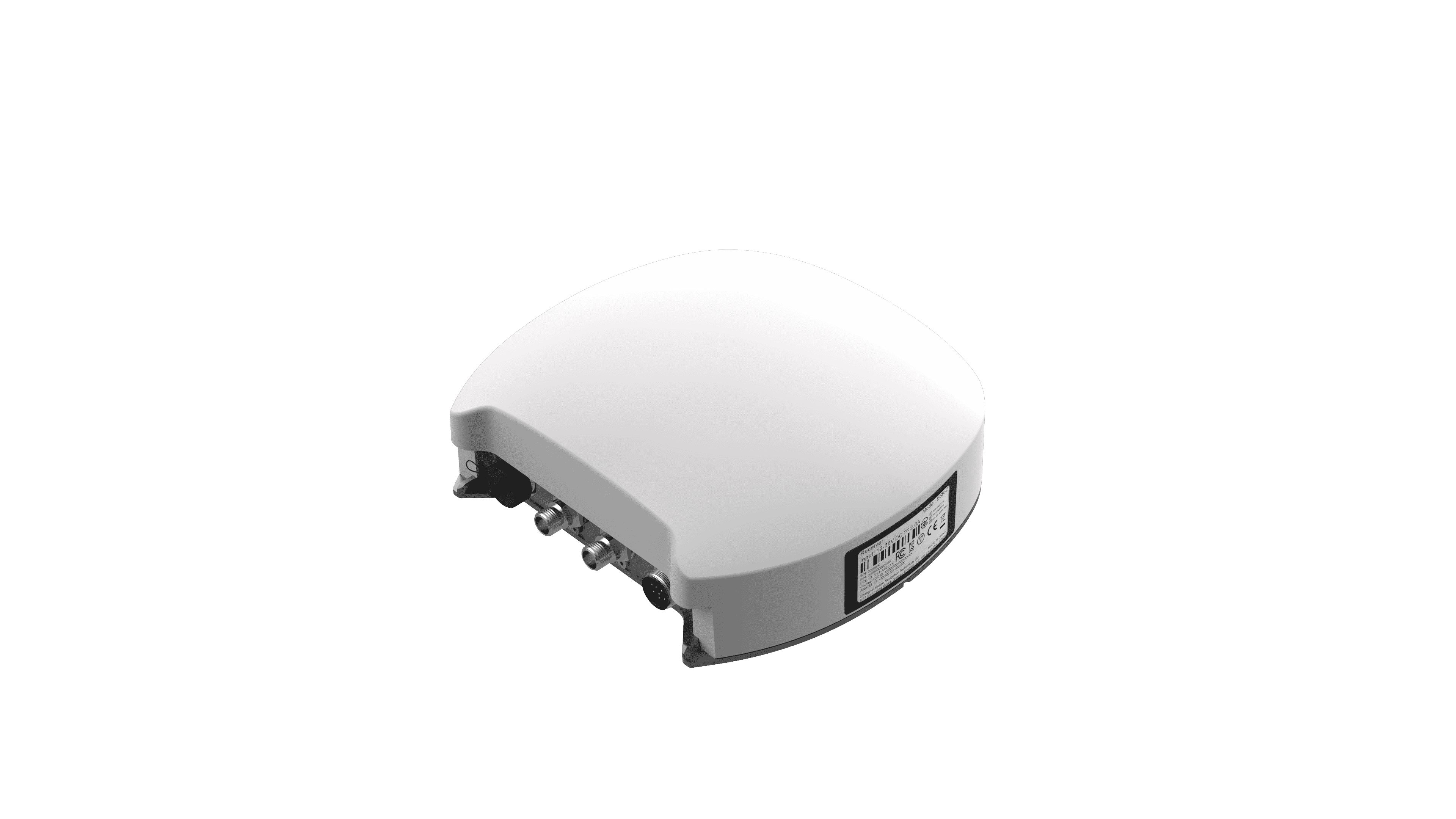
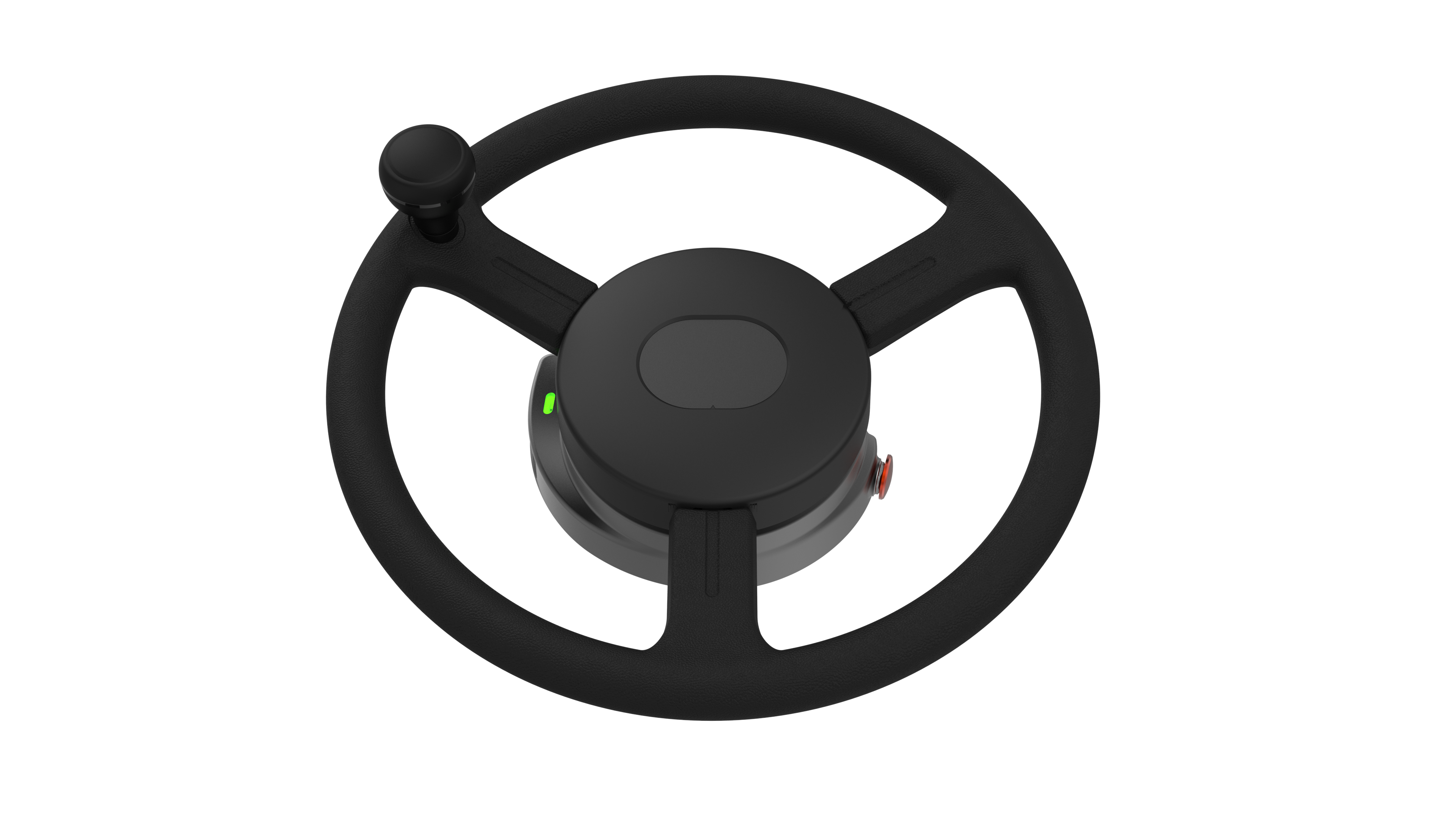
Harvesting is one of the most time-sensitive stages of crop production. Small navigation errors can create overlaps, missed areas, or inefficient machine paths across large fields. These issues may affect fuel use, working time, and overall field efficiency. A farm guidance system can help operators maintain more consistent machine paths and improve control during demanding harvesting tasks. However, the value of guidance technology depends on positioning accuracy, system compatibility, operator needs, and field conditions. With continued R&D investment and industry-focused product development, we at EFIX focus on creating technology that supports practical agricultural operations and adapts to the changing needs of modern farms.
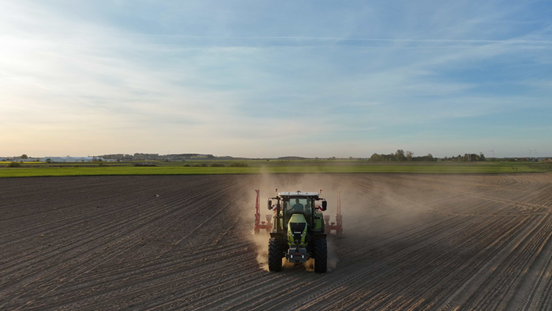
Why Accurate Guidance Matters During Harvest
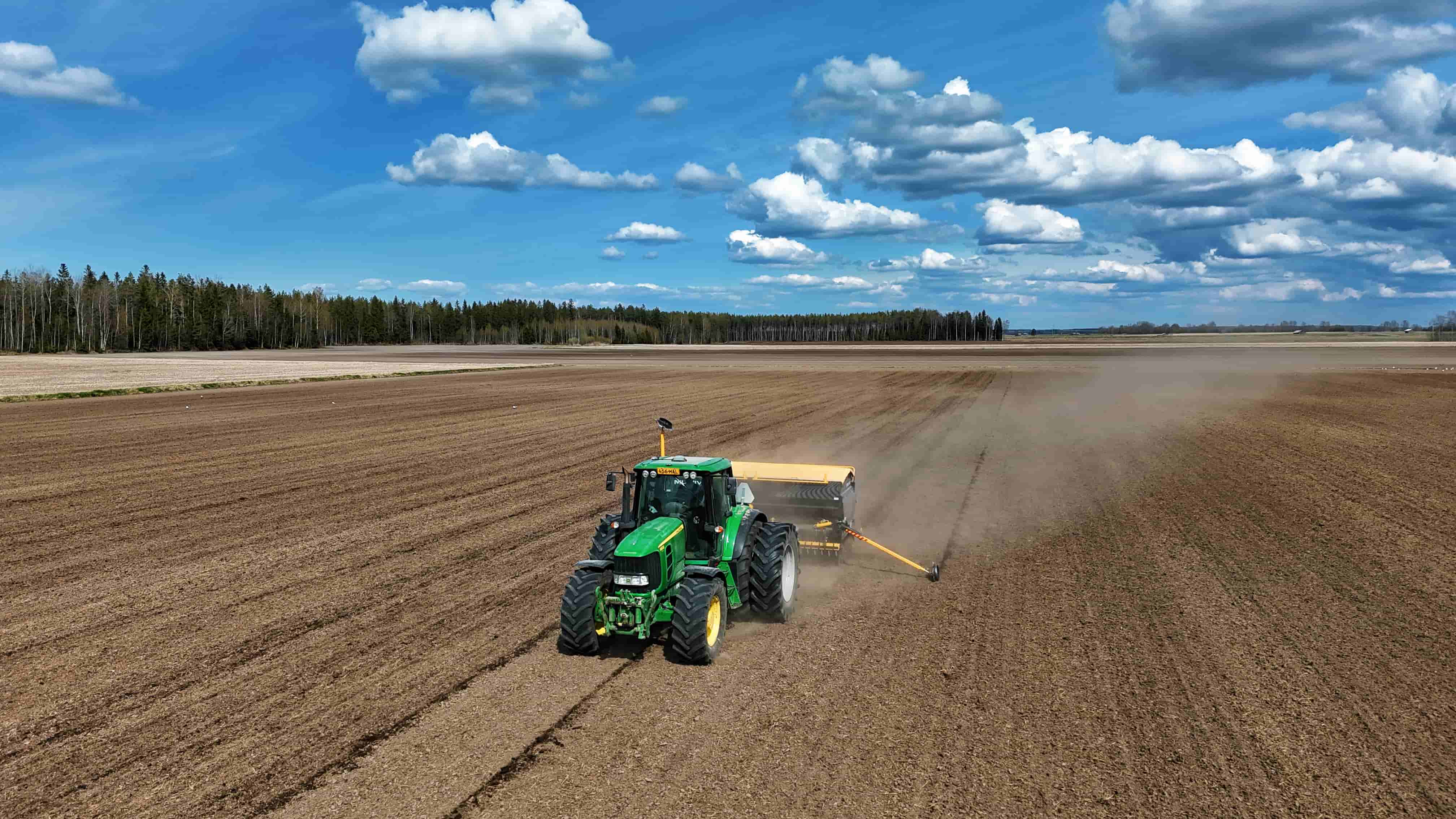
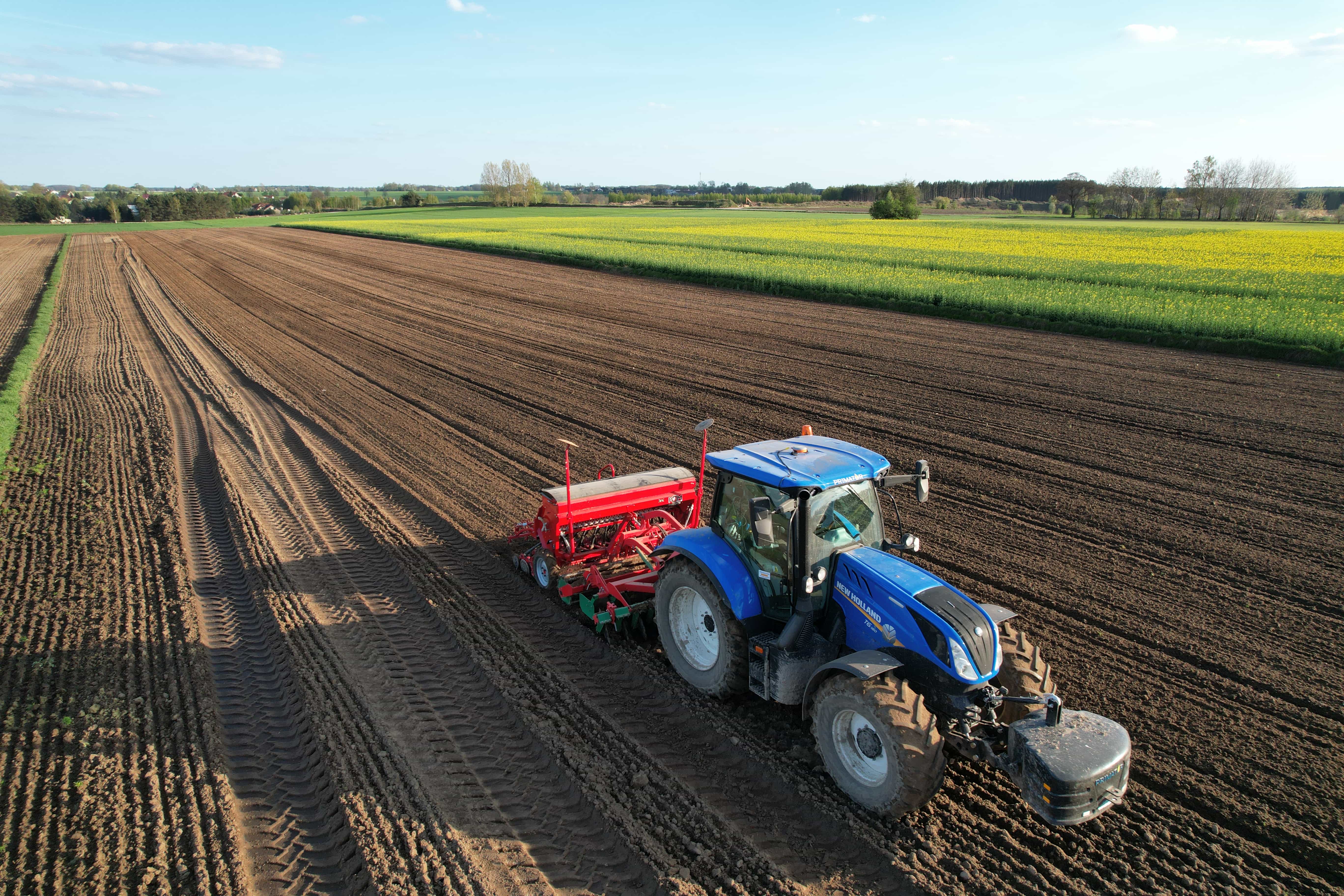
Harvesting often requires machinery to move through large fields with consistent spacing and repeatable paths. Accurate guidance can help operators reduce unnecessary overlap and maintain better alignment between passes. This can be especially useful in fields with long working hours or complex boundaries. Positioning accuracy also matters when machines need to follow established routes or return to specific areas. However, accuracy is only one part of the process. Signal quality, correction services, machine setup, and field conditions can all influence real-world performance. A reliable guidance solution should therefore be evaluated as a complete system rather than by one technical specification. The right setup can help operators work with greater consistency while reducing the physical demands of continuous manual steering.
How Technology Supports More Efficient Harvesting
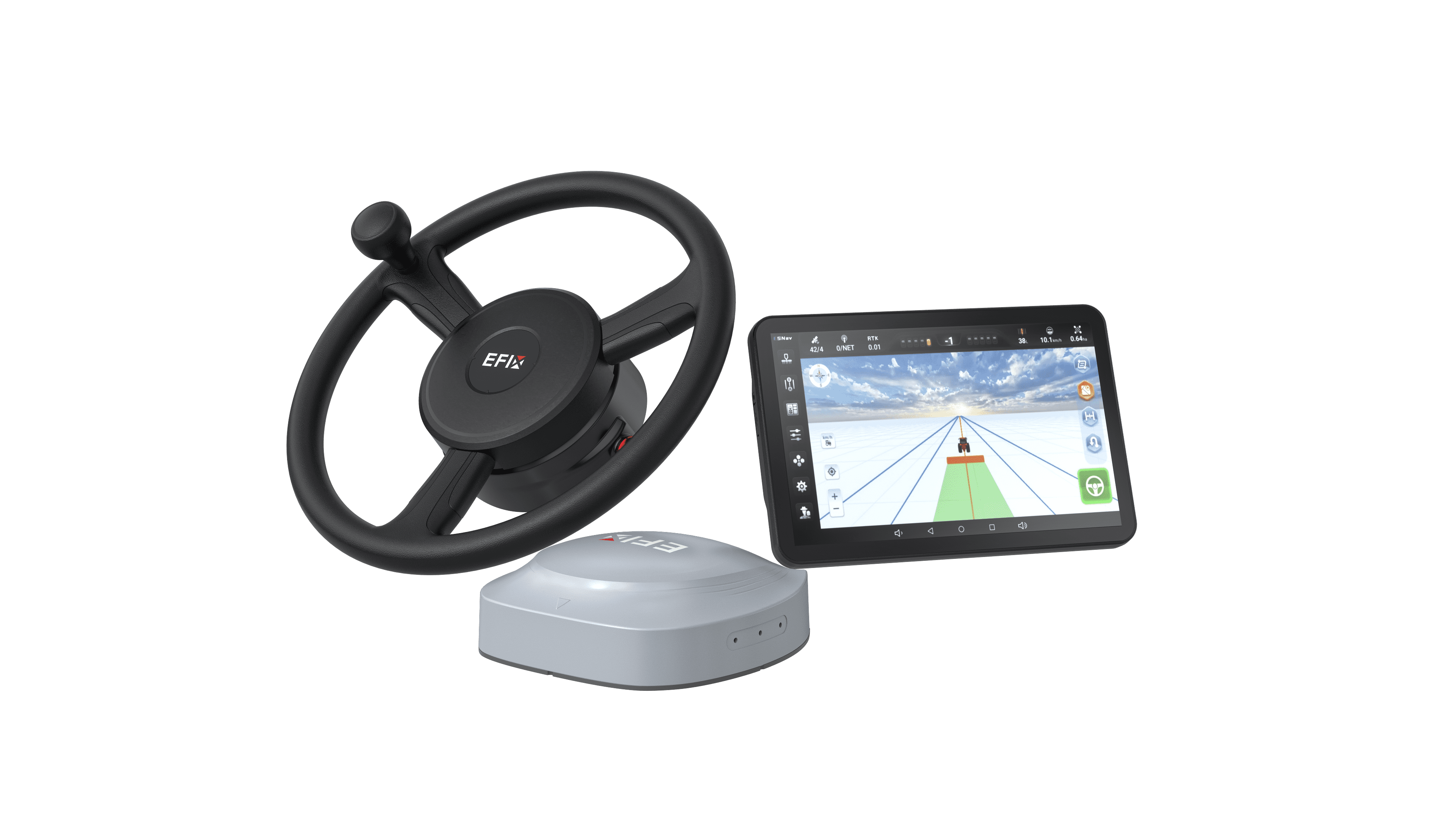
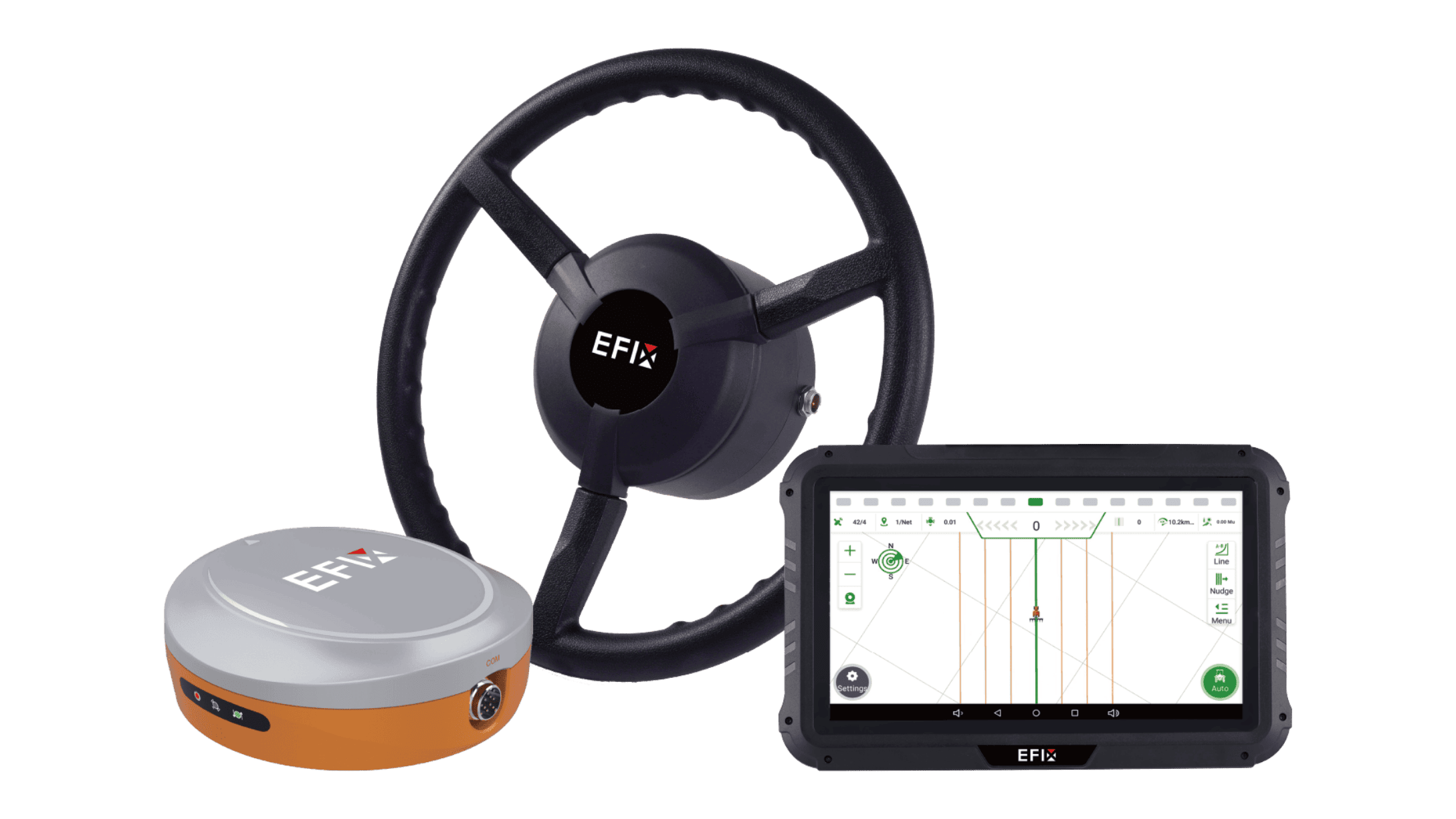
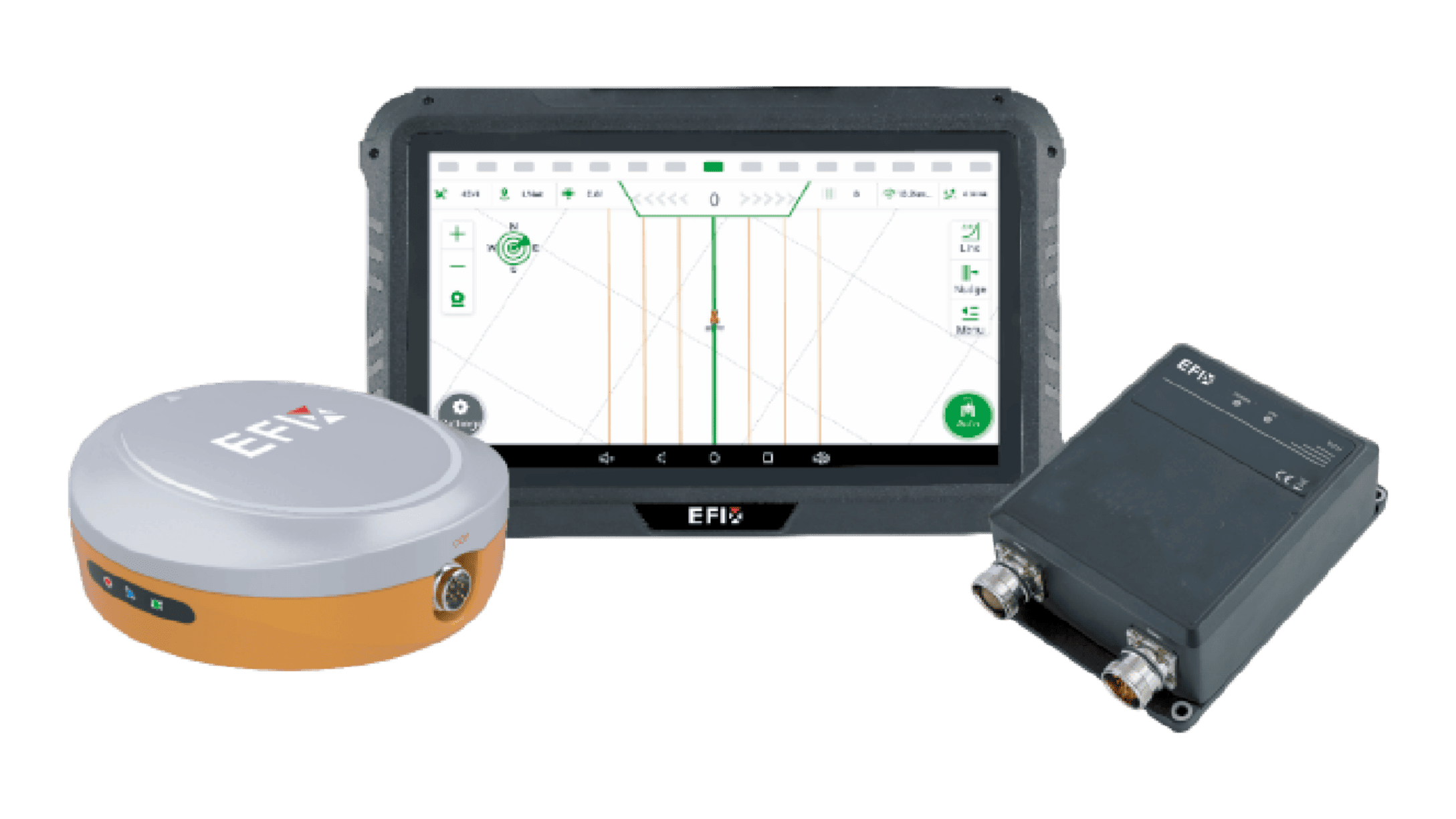
Modern guidance solutions can support harvesting in several ways. GNSS positioning helps machines understand their location, while auto steering can assist operators with maintaining a consistent route. Some systems can also connect with application control or other precision agriculture tools. These functions may help farmers manage field operations with greater accuracy and better use of available resources. At EFIX, we invest in R&D to improve our product development capabilities and respond to real agricultural needs. We believe technology should be developed around actual field conditions, not only technical specifications. By combining positioning technology with practical system design, we aim to support farms of different sizes and help users make better use of precision agriculture tools.
Choosing a System for Long-Term Farm Operations
Selecting the right guidance technology requires more than comparing initial features. Farmers should consider equipment compatibility, positioning requirements, ease of use, technical support, and future expansion. A system that works with existing machinery can make adoption easier and reduce unnecessary changes to established workflows. It is also useful to consider whether the technology can support other precision farming functions as the operation develops. Our approach at EFIX is based on continued product development and long-term technical improvement. With strong R&D investment, we work to develop solutions that can respond to different agricultural environments and operational requirements. This helps make guidance technology a practical part of long-term farm management rather than a standalone equipment purchase.
Conclusion
A farm guidance system can play an important role in precision harvesting by helping operators maintain consistent machine paths and improve field efficiency. The benefits depend on several factors, including positioning accuracy, system compatibility, field conditions, and operator requirements. Farmers should first identify their specific operational challenges and then select technology that matches those needs. At EFIX, we continue to invest in R&D and product development because agricultural technology must evolve alongside the needs of modern farming. With the right combination of technology and practical field knowledge, guidance systems can support more precise, efficient, and sustainable harvesting operations.