Agriculture has shifted toward smarter management styles because traditional cultivation methods often waste valuable time and resources. Modern fields span vast acreage, making manual tracking inefficient and prone to overlapping passes. Adopting digital solutions allows farm operators to handle daily crop maintenance with remarkable consistency, ultimately safeguarding soil structure and improving overall harvest outcomes.
Soil Preparation and Tillage Operations
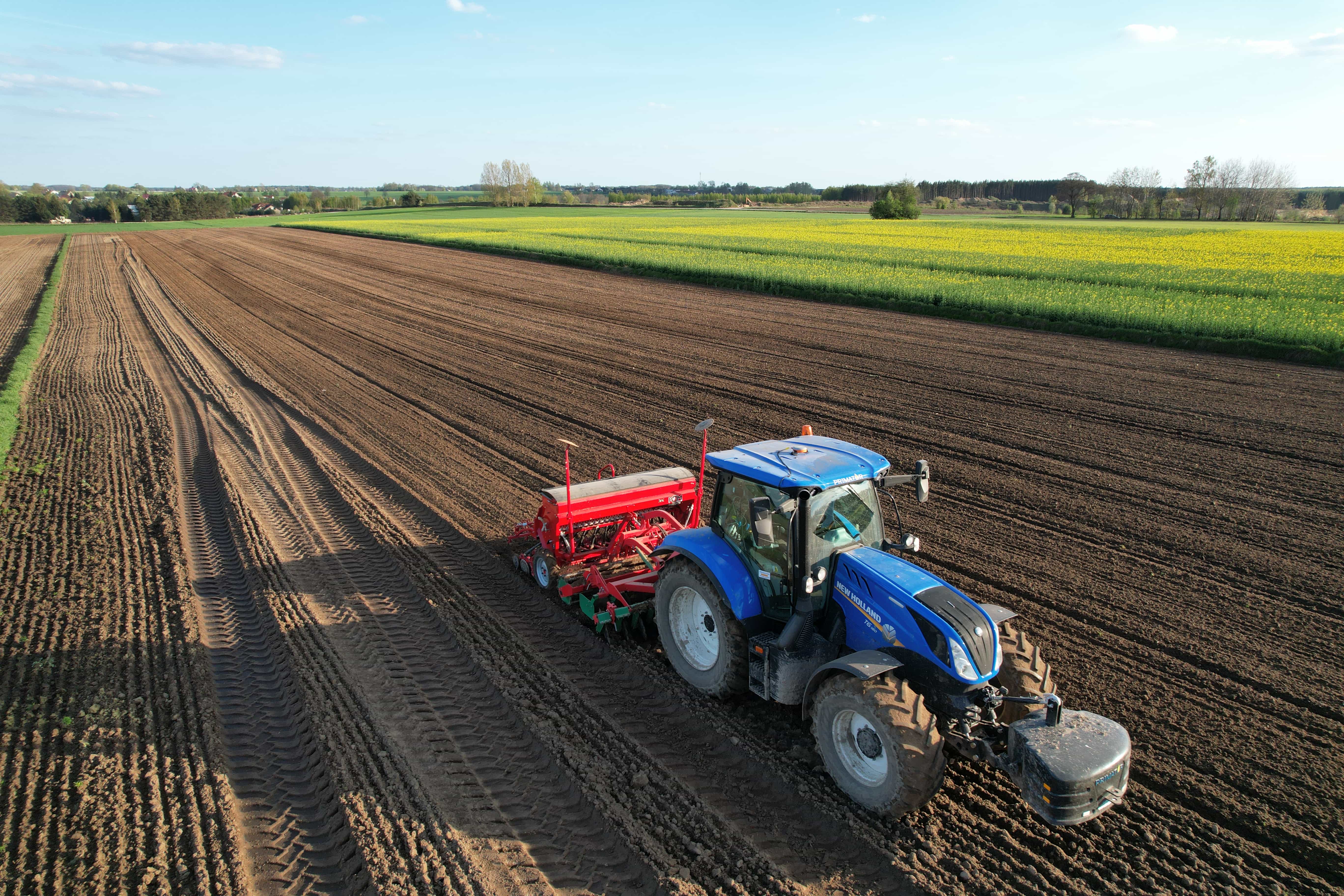
Proper soil preparation establishes the foundation for healthy crop development throughout the growing season. Cultivating machinery requires accurate alignment to ensure even tilling depths and prevent unnecessary soil compaction. Utilizing precision agriculture tools during initial field preparation helps tractors follow exact pathways, maintaining uniform soil texture and moisture retention across every section of the farm.
Planting and Seeding Accuracy
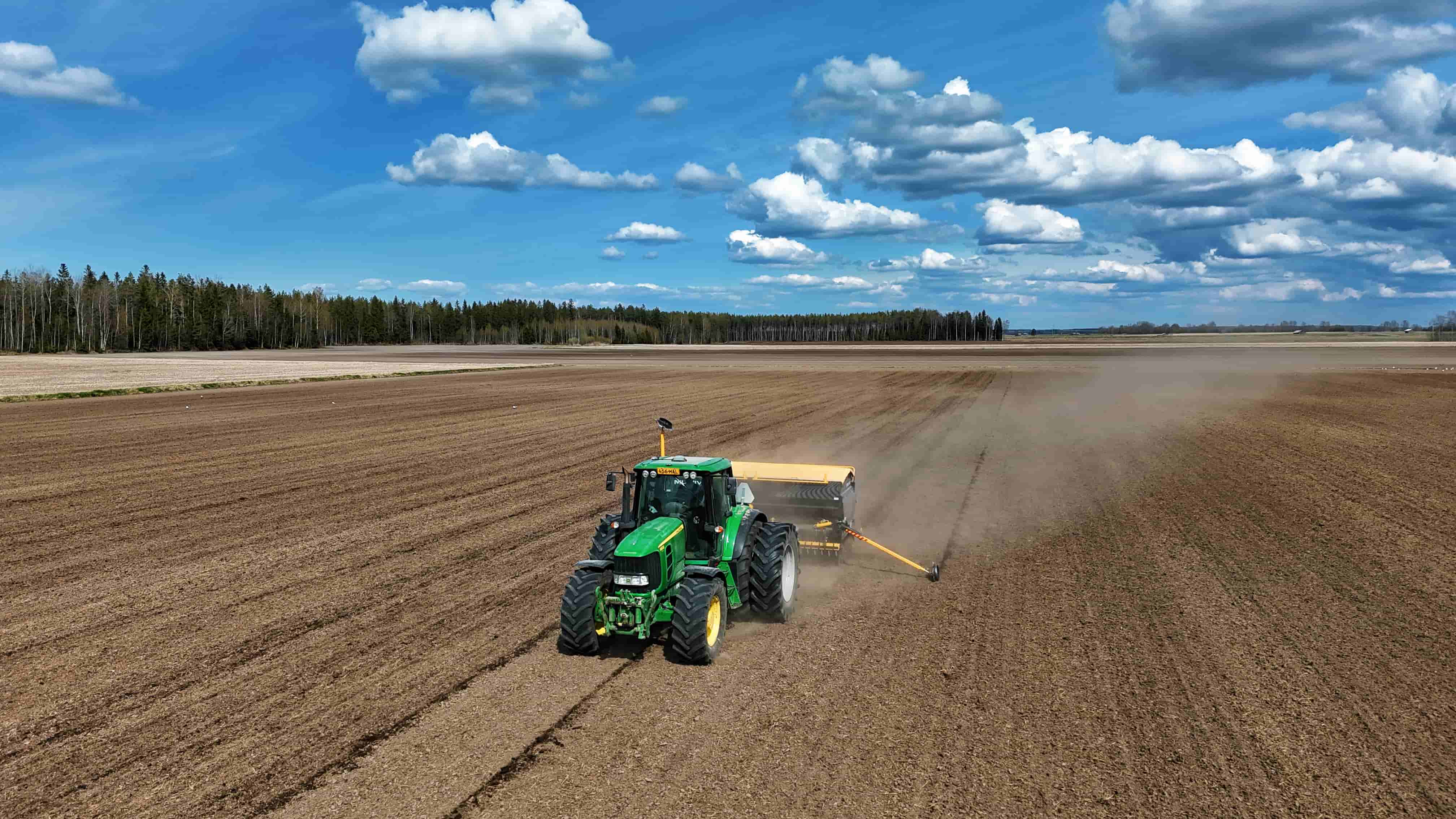
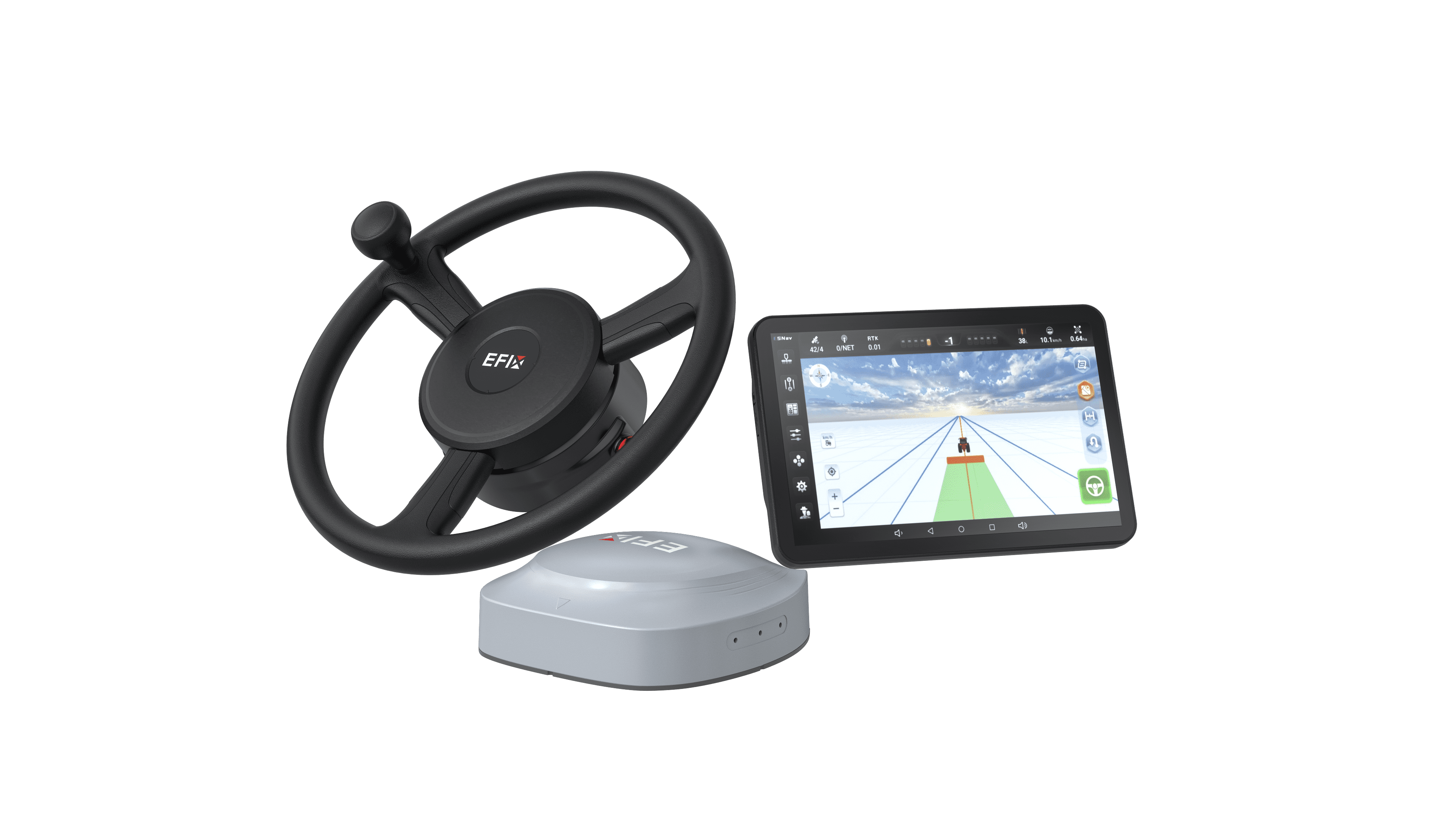
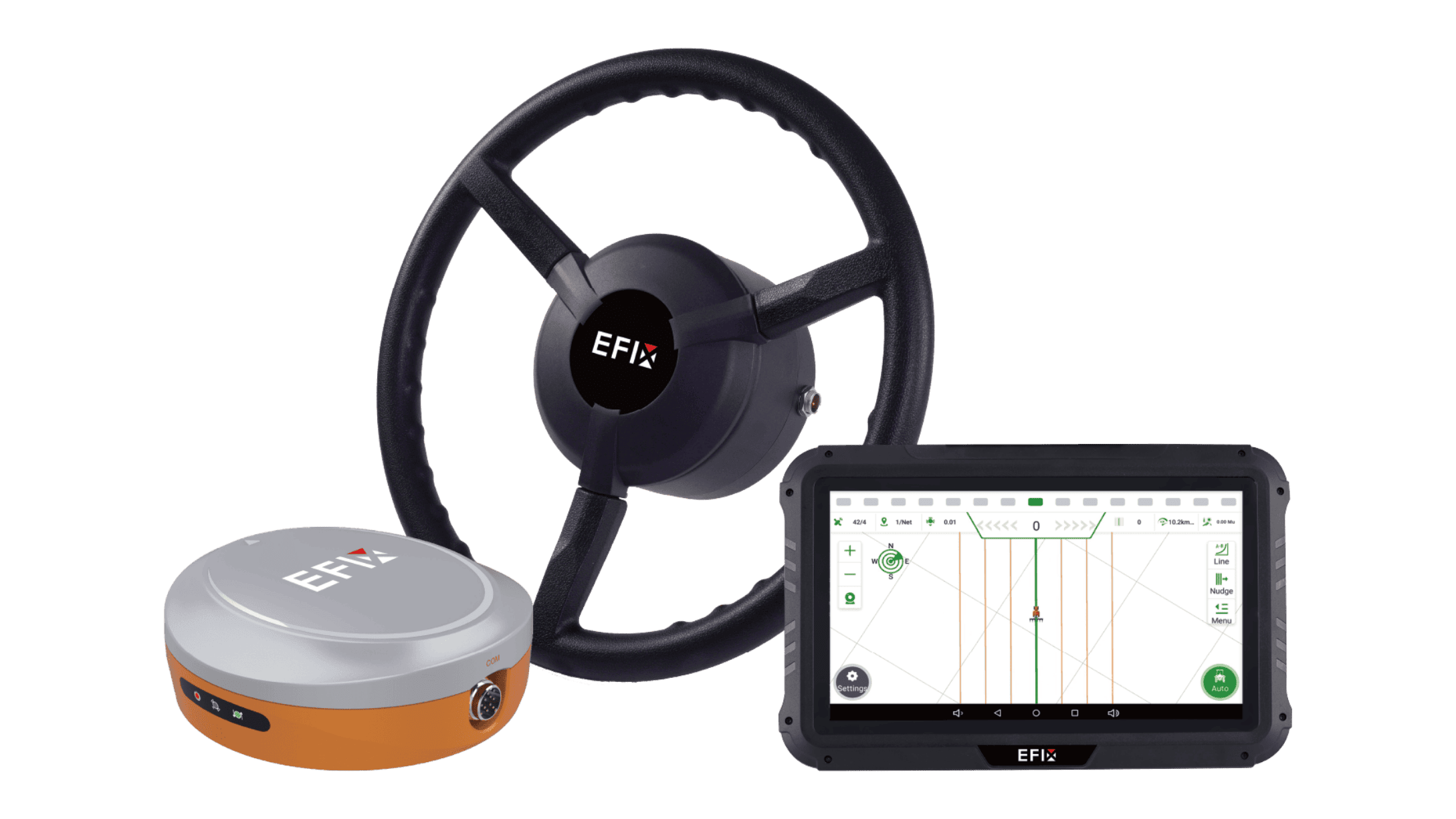
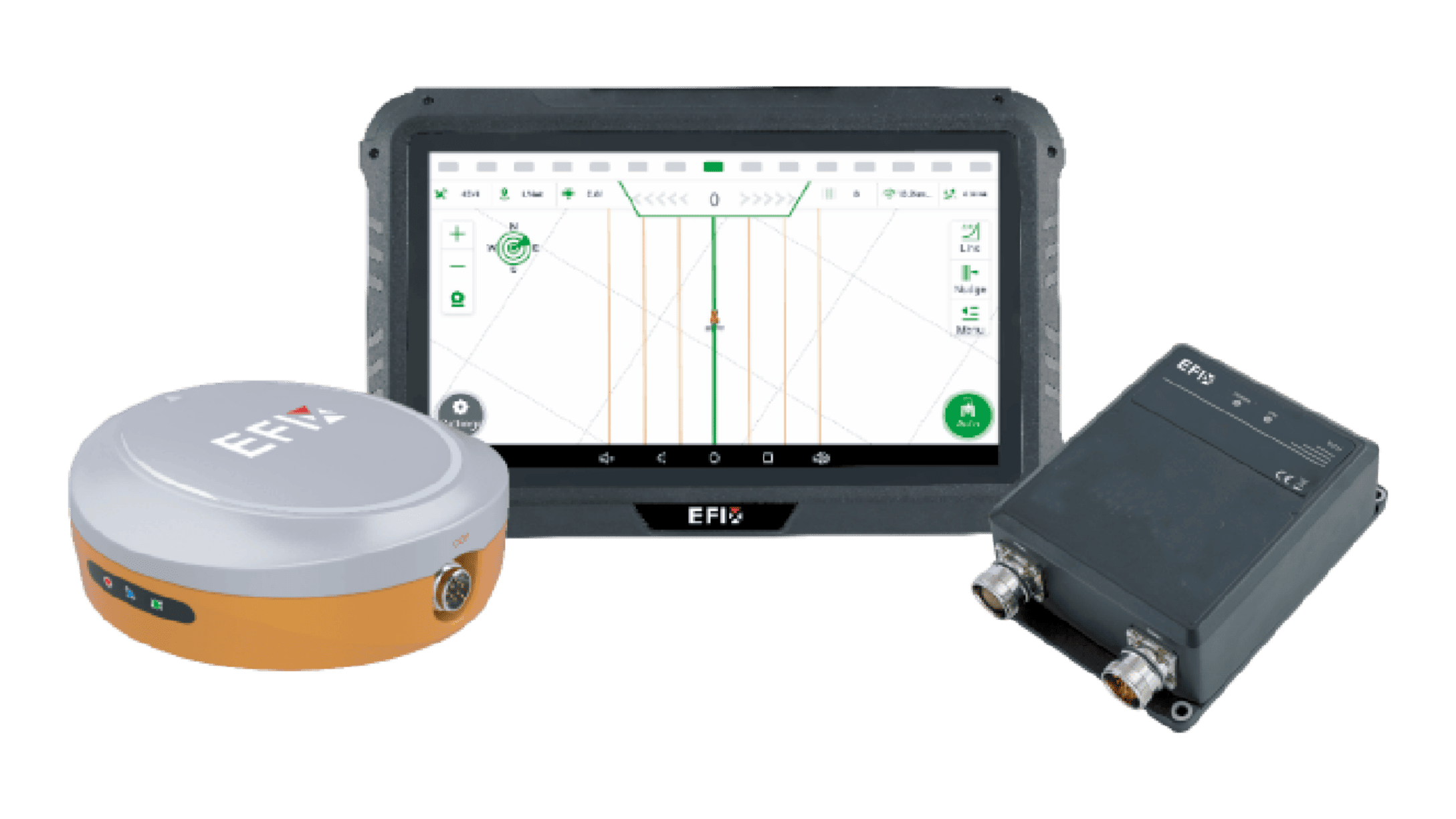
Exact seed placement directly influences plant emergence rates and final crop yields. Minor gaps or crowding during the planting phase can significantly diminish productivity across large fields. Integrating specialized automated systems enables operators to drop seeds at precise depths and intervals. At EFIX, our team develops hardware that supports reliable execution during intensive planting windows, allowing fields to achieve optimal plant distribution.
Fertilizer and Nutrient Management
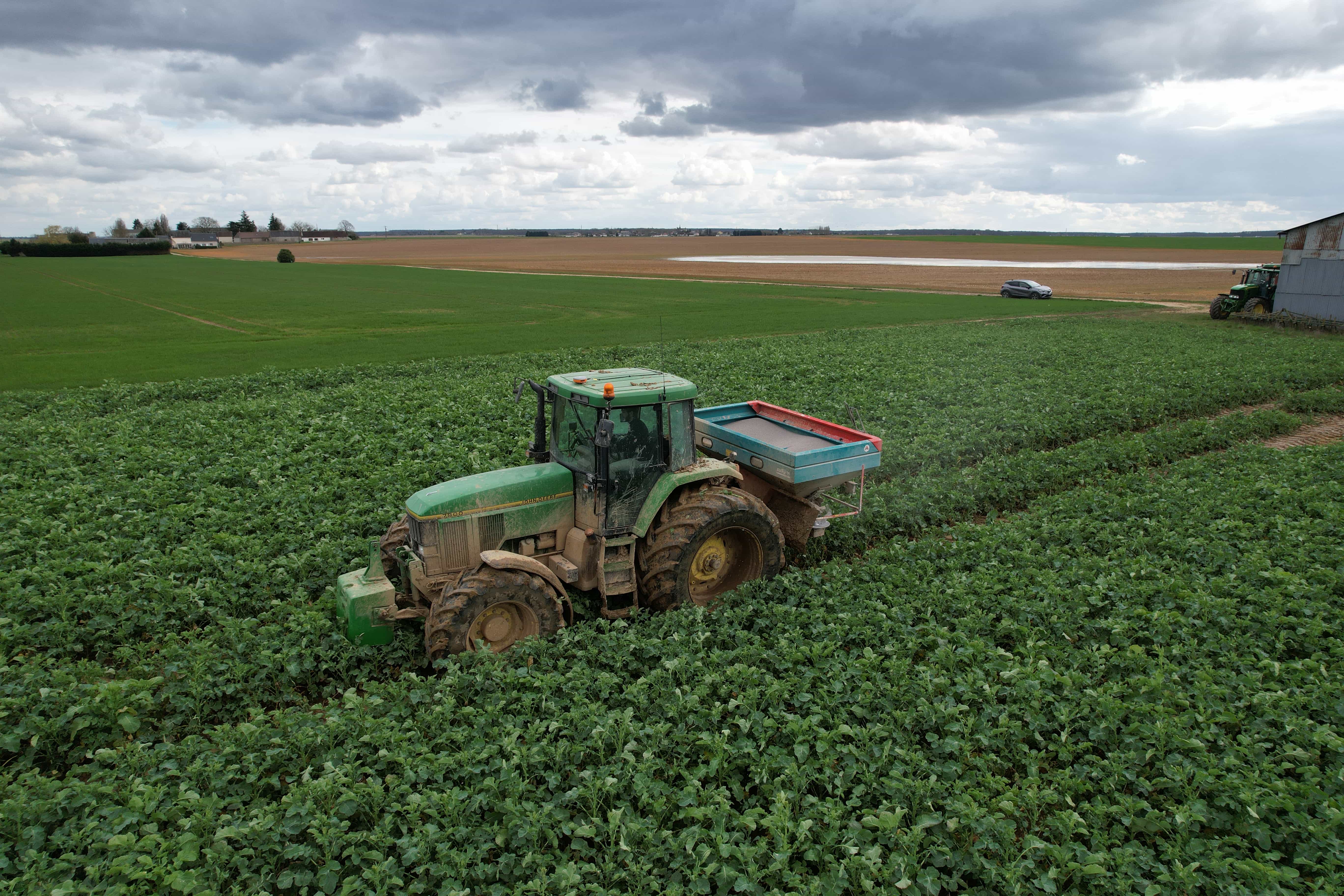
Applying nutrients efficiently requires careful control over application rates to prevent chemical run-off and reduce operational costs. Automated spreader systems adjust output dynamically based on real-time field data and precise location tracking. Implementing advanced precision agriculture tools ensures that fertilizers reach only the areas that require enrichment, protecting nearby water sources while maximizing crop nutrition.
Crop Protection and Spraying Efficiency
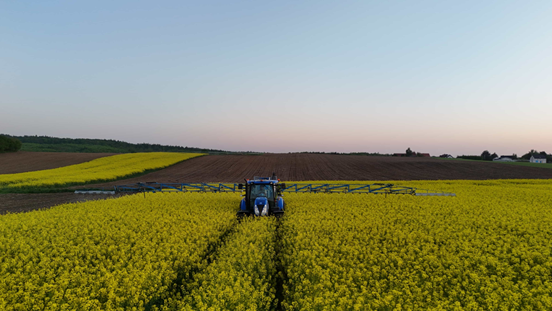
Targeted spraying minimizes chemical usage while effectively managing weeds, pests, and crop diseases. Traditional broad-coverage spraying often results in excessive chemical waste and environmental exposure. Modern guidance systems help sprayers navigate through established crops without damaging stalks or leaves, ensuring that treatments apply uniformly and precisely where needed.
Harvest Coordination and Logistics
Efficient harvesting depends heavily on organized field traffic and seamless logistics between combines and transport vehicles. Managing traffic patterns prevents heavy grain carts from compacting moist soils repeatedly in random tracks. Using smart guidance technology helps coordinate haulers along designated paths, streamlining the transition from field to storage facility. This coordinated approach minimizes idle time for both combines and trucks, ensuring that the harvest window is fully utilized before weather or crop conditions shift.
Conclusion
Integrating precision agriculture tools transforms how modern farms manage daily operations and natural resources. By implementing innovative systems from EFIX, agricultural enterprises can optimize field workflows, reduce unnecessary waste, and secure steady productivity year after year.