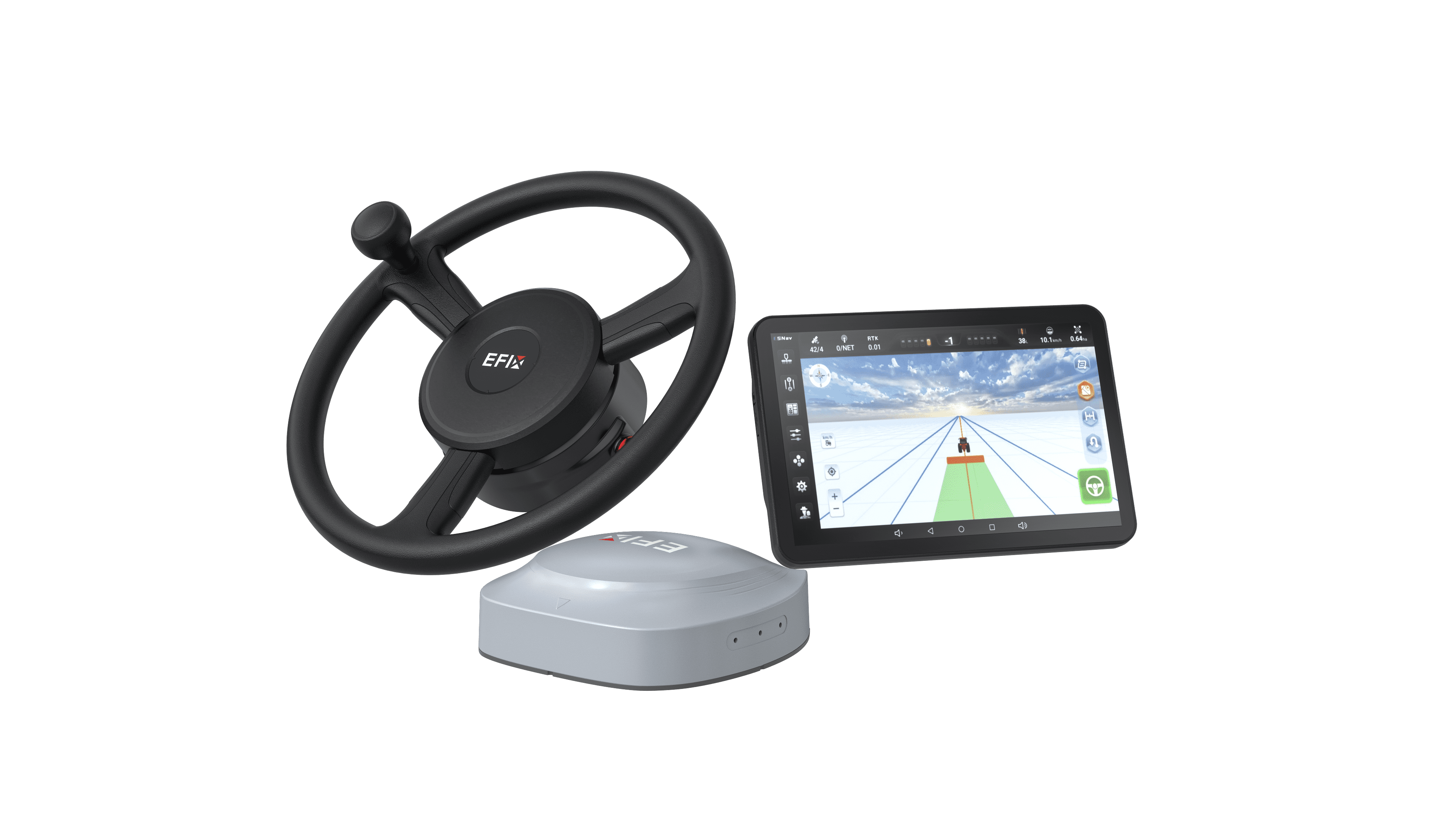
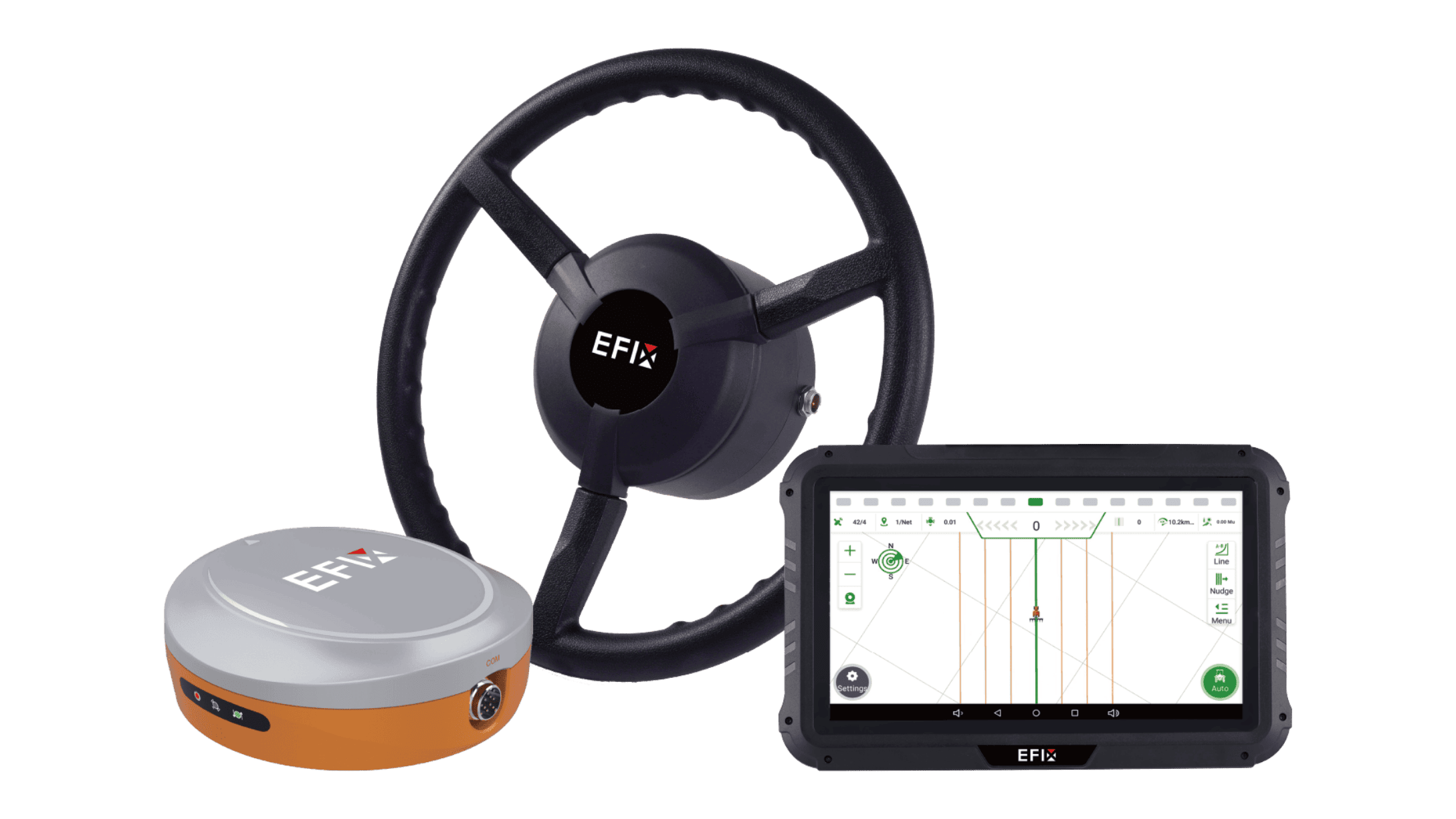
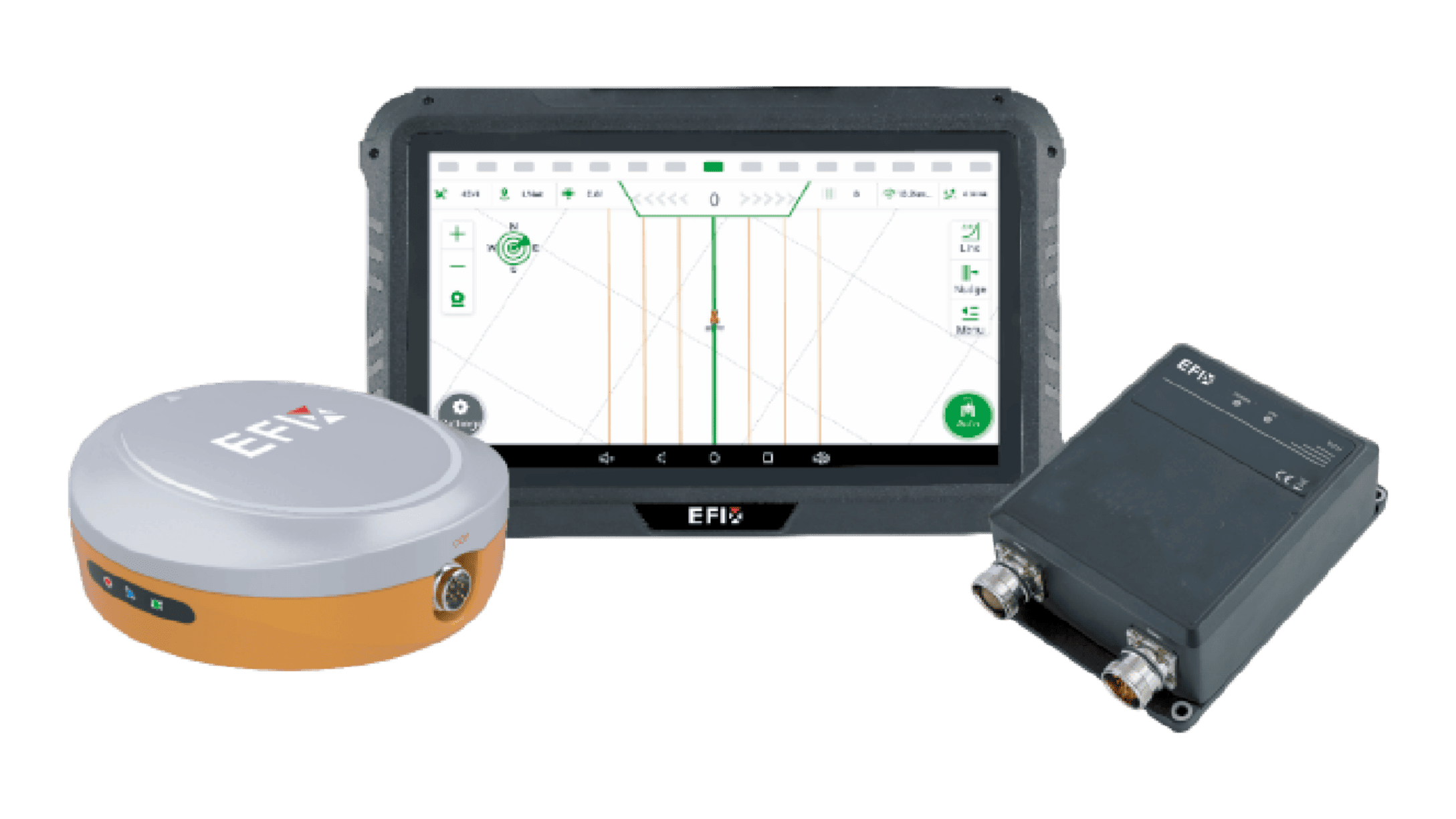
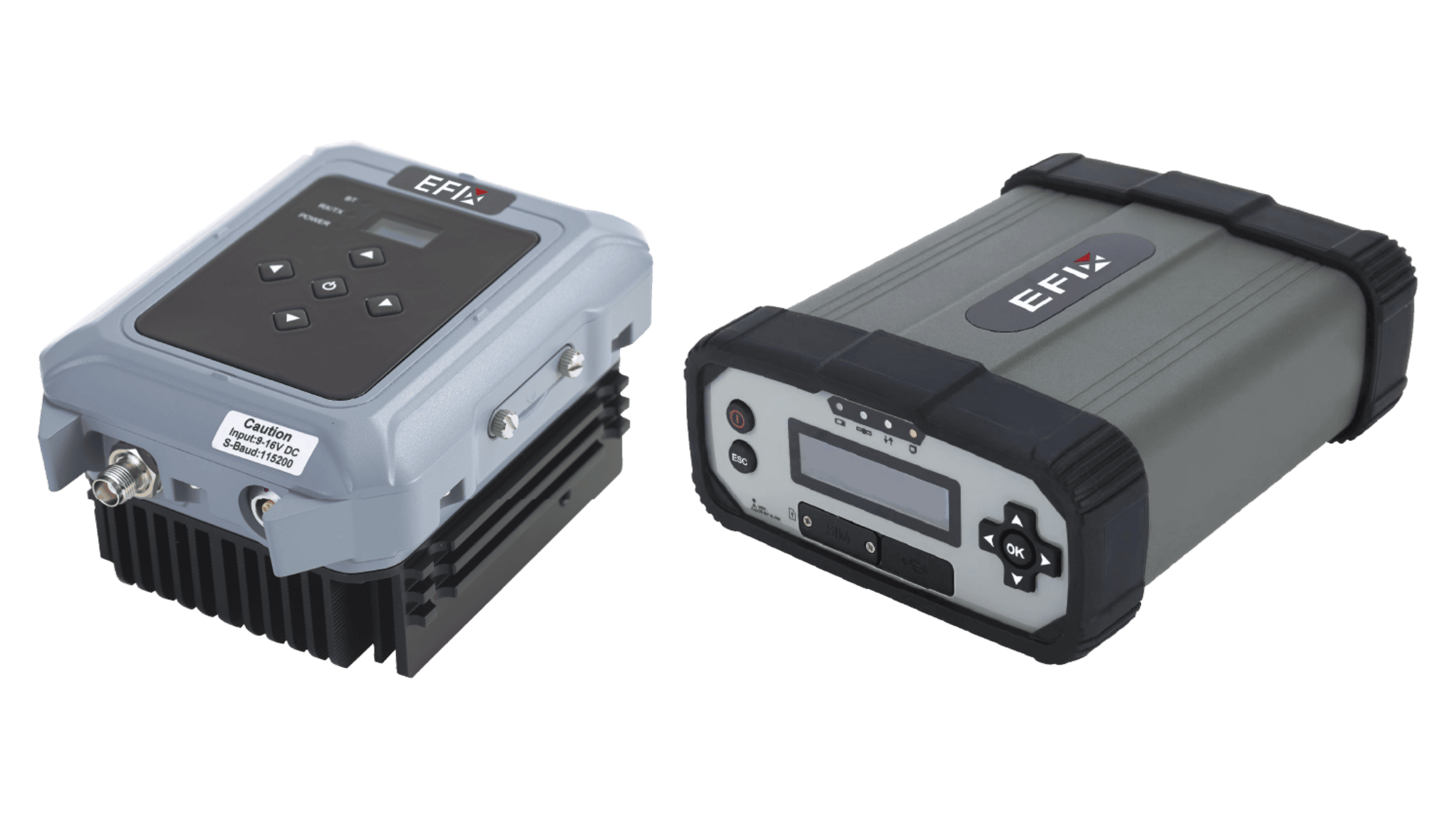
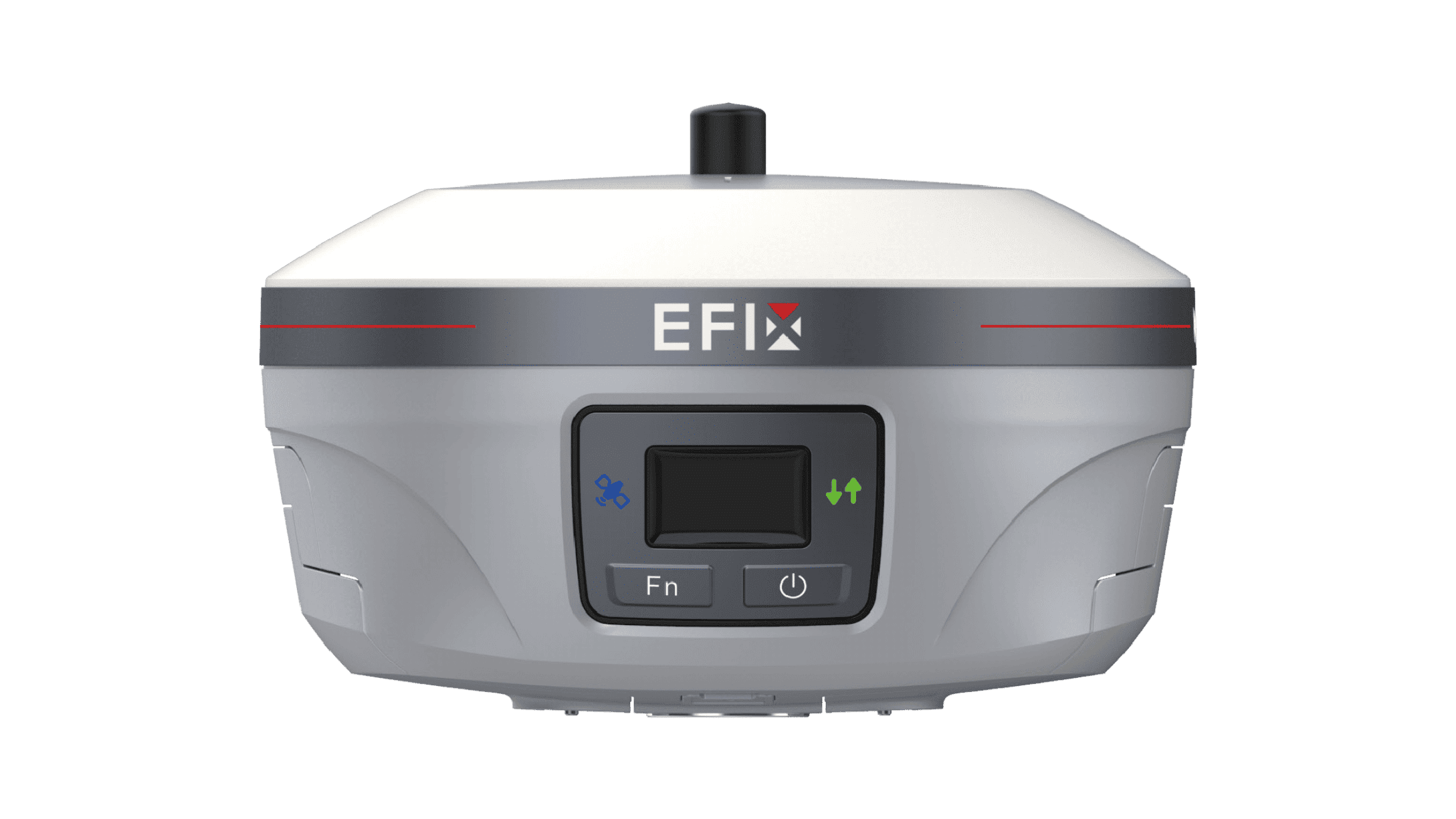
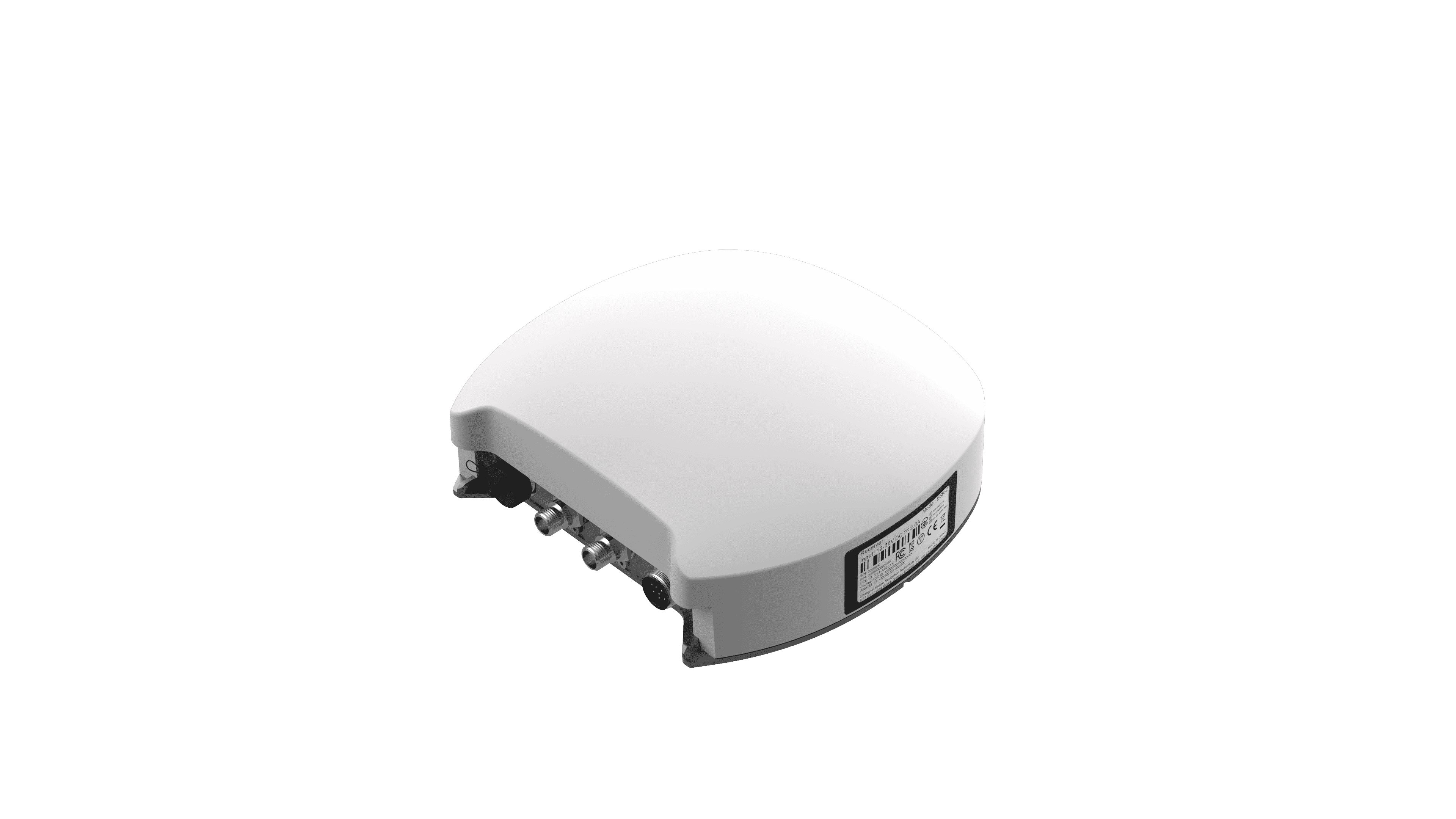
Choosing the right navigation technology can affect how efficiently farm machinery operates across different fields and working conditions. Farmers may compare accuracy, signal stability, compatibility, and price, but these are not the only factors worth considering. The quality of manufacturing and technical support can also affect the long-term use of a system. For anyone evaluating agricultural GPS guidance systems, it is important to look beyond basic specifications and understand how the technology performs in real farming environments. At EFIX, we believe a practical solution should combine reliable technology with strong quality control and support for different agricultural applications.
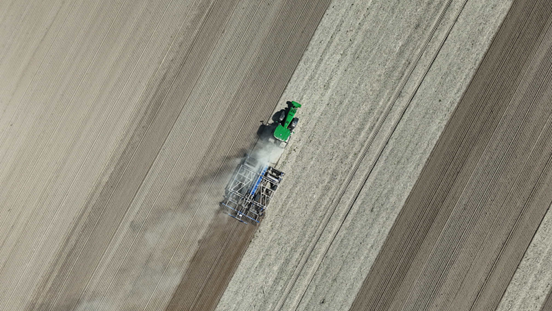
Check Positioning Accuracy and Signal Reliability
Positioning accuracy is one of the first factors to evaluate. Different farming operations may require different levels of accuracy. Basic field navigation may have less demanding requirements, while planting, spraying, and repeatable passes may need more precise positioning. Farmers should also consider signal stability and correction services. A system may perform differently depending on satellite visibility, terrain, weather, and local conditions. It is useful to understand the accuracy level that can be achieved in the actual operating environment rather than focusing only on the highest specification. GNSS performance, correction sources, and equipment installation should all be considered together. This approach can help farmers choose a system that fits their specific field operations and avoids paying for functions they may not need.
Evaluate Manufacturing Quality and System Compatibility
The physical quality of a guidance system is also important for agricultural use. Farm equipment may operate in environments with dust, vibration, moisture, and temperature changes. Manufacturing quality can therefore have a direct impact on product reliability and service life. Compatibility is another key consideration. Farmers should check whether the system can work with existing tractors, implements, and other precision agriculture equipment. At EFIX, our quality control process includes an unmanned warehouse and automotive-grade manufacturing practices. We also use LiDAR calibration as part of our technical processes. These capabilities support our focus on consistent production and reliable technology development. For buyers, understanding how a product is manufactured can provide useful insight beyond the information listed on a product specification sheet.
Consider Support, Calibration, and Long-Term Value
A guidance system is not simply a device that can be installed and forgotten. Proper calibration, software updates, technical training, and troubleshooting may all be needed during long-term use. Farmers should therefore consider the level of service available after purchase. Localized technical support can be especially useful when users need help with installation or system configuration. It is also worth considering whether the technology can expand with future farming needs. Our approach at EFIX combines product development with quality management and technical capabilities.
Conclusion
Selecting the right agricultural GPS guidance systems requires a careful look at more than positioning accuracy. Signal reliability, equipment compatibility, manufacturing quality, calibration, technical support, and future scalability can all affect the overall experience. Farmers should first identify their operational needs and then compare systems based on the conditions in which they will actually be used. At EFIX, we focus on quality control and technical development to support the needs of modern agriculture. By considering both technology and manufacturing quality, buyers can make more informed decisions and choose a guidance solution that fits their long-term farming goals.